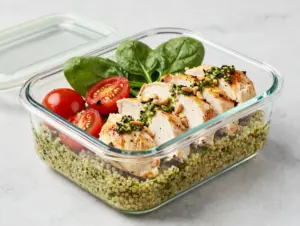
8 Healthy Food Motivation and Inspiration Ideas That Actually Keep You on Track
Only about 1 in 10 Americans meets the daily recommended intake for fruits and vegetables, yet nearly everyone starts each new year with a firm plan to eat better. The gap between intention and action is not a willpower problem. It is a strategy problem. The good news is that the right strategies, applied consistently, close that gap faster than any crash diet ever could.
Disclosure: This post contains affiliate links. As an Amazon Associate, we earn from qualifying purchases, and at no extra cost to you.
This article walks you through 8 healthy food motivation and inspiration ideas that actually keep you on track, not just for a week, but for the long haul. Each idea is grounded in behavioral research and practical advice from registered dietitians and nutrition experts. Whether you are just starting out or trying to rebuild momentum after a setback, these approaches work in real life, not just in theory.
Key Takeaways
- Knowing your personal “why” is the single most powerful motivator for sustained healthy eating
- Small, incremental changes beat dramatic overhauls every time when it comes to building lasting habits
- Self-monitoring through food journaling dramatically improves awareness and long-term adherence
- Social accountability, friends, family, or online communities, multiplies your chances of staying consistent
- Visual cues, meal planning, and celebrating small wins create an environment where healthy choices feel natural
Why Most Healthy Eating Attempts Fail Before Week Three
Most people do not fail because they lack discipline. They fail because they rely entirely on motivation, which is an emotion that rises and falls like the tide. Motivation feels electric on day one and nearly invisible by day twelve. The 8 healthy food motivation and inspiration ideas that actually keep you on track in this article are designed to work even on the days when motivation has gone quiet.
Before diving into the list, it helps to understand a core principle: sustainable healthy eating is built on systems, not willpower. When your environment, habits, and social circle support good choices, you do not have to fight yourself at every meal. You just follow the path you already laid down.
8 Healthy Food Motivation and Inspiration Ideas That Actually Keep You on Track
1. Anchor Everything to Your Personal “Why”
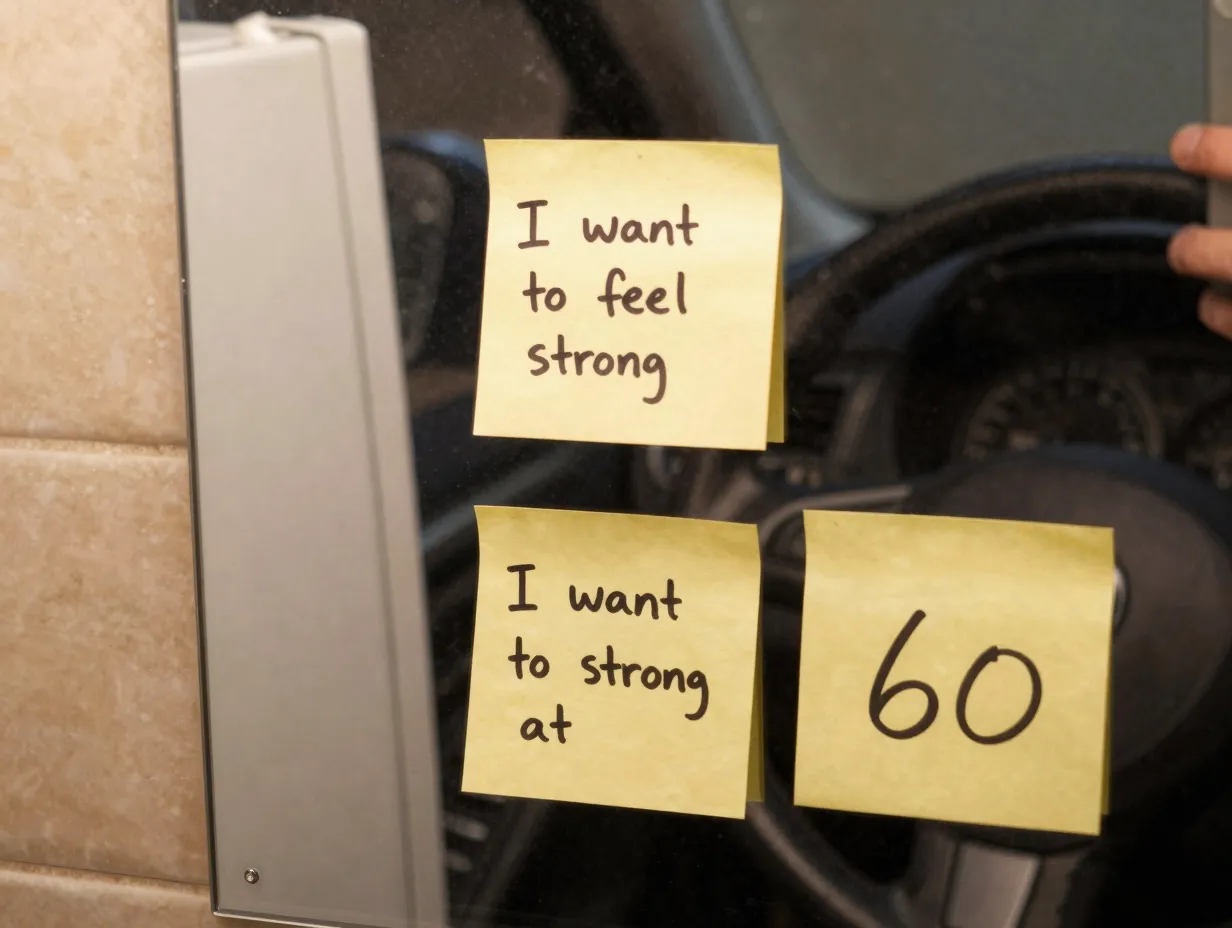
The most durable source of healthy food motivation is not a before-and-after photo or a number on a scale. It is a deeply personal reason that connects eating well to something you genuinely care about, more energy to play with your kids, a lower risk of heart disease, or simply feeling good in your own body every single morning.
The Whole Foods Market nutrition team recommends identifying one primary motivator and then making it physically visible in your daily environment. Their suggestion: put notes on your bathroom mirror, inside your fridge door, and in your car [5]. This is not a soft, feel-good trick. It is a behavioral cue strategy. When your “why” is in front of you at the moments you are most likely to make food choices, it interrupts automatic, low-effort decision-making and redirects you toward your goal.
How to apply this right now:
- Write your top reason for eating healthy on three sticky notes
- Place one on your bathroom mirror, one inside the fridge, and one on your desk or steering wheel
- Review and rewrite the note every two weeks so it stays fresh and does not become invisible background noise
A values prompt does not need to be elaborate. Something as simple as “I want to feel strong at 60” is enough to shift a decision in the right direction.
2. Set Small Goals and Celebrate Every Win

One of the most consistent findings in behavior-change research is that small, emotionally meaningful goals outperform large, abstract ones. The Whole Foods Market dietitian team specifically advises setting small goals and celebrating small victories, noting that this approach is consistent with how the brain builds and reinforces new habits [5].
I learned this the hard way. A few years ago, I tried to overhaul my entire diet in one week, cutting sugar, alcohol, processed food, and refined carbs simultaneously. By day five, I was exhausted, irritable, and eating a bag of chips at midnight. The all-or-nothing approach collapsed under its own weight.
When I switched to a single small goal, adding one serving of vegetables to lunch every day, the change stuck within two weeks. From there, momentum built naturally.
A simple goal-setting framework:
| Goal Type | Example | Celebration Idea |
|---|---|---|
| Daily micro-goal | Drink 8 glasses of water | Check off a tracker, take a short walk |
| Weekly goal | Cook three healthy dinners at home | Watch a favorite show guilt-free |
| Monthly milestone | Try five new vegetables | Buy a new cookbook or kitchen tool |
3. Make Small, Gradual Changes Instead of Big Overhauls
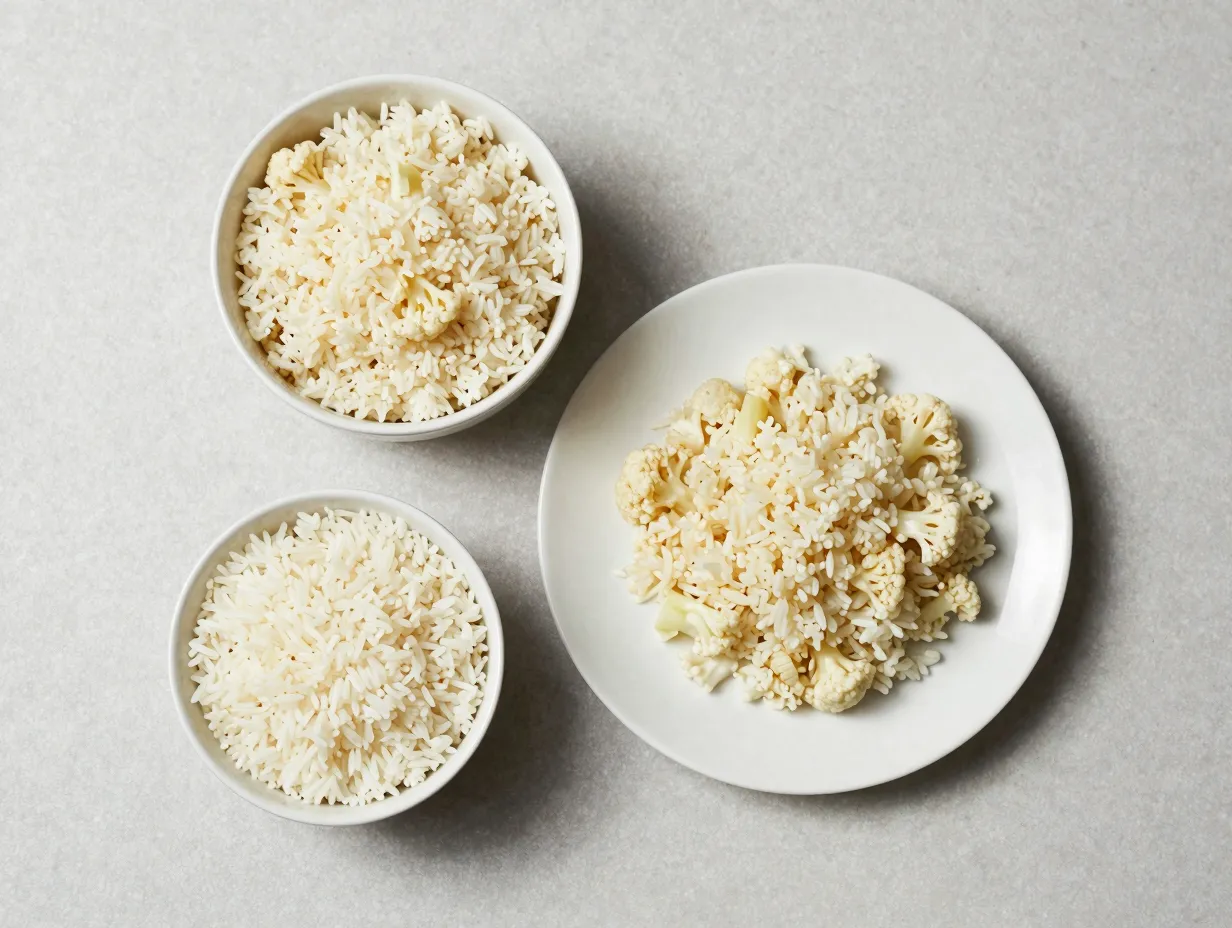
Dietitian Traci Barr from Whole Foods Market explicitly recommends making small changes rather than large ones, because momentum is easier to build when the steps are manageable [5]. Pam Rocca echoes this, warning that trying to “do everything at once” leads to overwhelm and giving up, instead, she encourages improving just one meal or one snack at a time [6].
Think of your eating habits as a large ship. You cannot spin it 180 degrees instantly, but small course corrections, held consistently, will take you somewhere completely different in six months.
Practical small-change ideas to start this week:
- Swap white rice for cauliflower rice in one meal per week
- Replace one sugary drink per day with sparkling water
- Add a handful of spinach to a smoothie you already make
- Choose a side salad instead of fries once per week at a restaurant
None of these changes feel heroic. That is exactly the point. Small changes do not trigger the psychological resistance that big overhauls do.
4. Keep a Food Journal and Track How You Feel
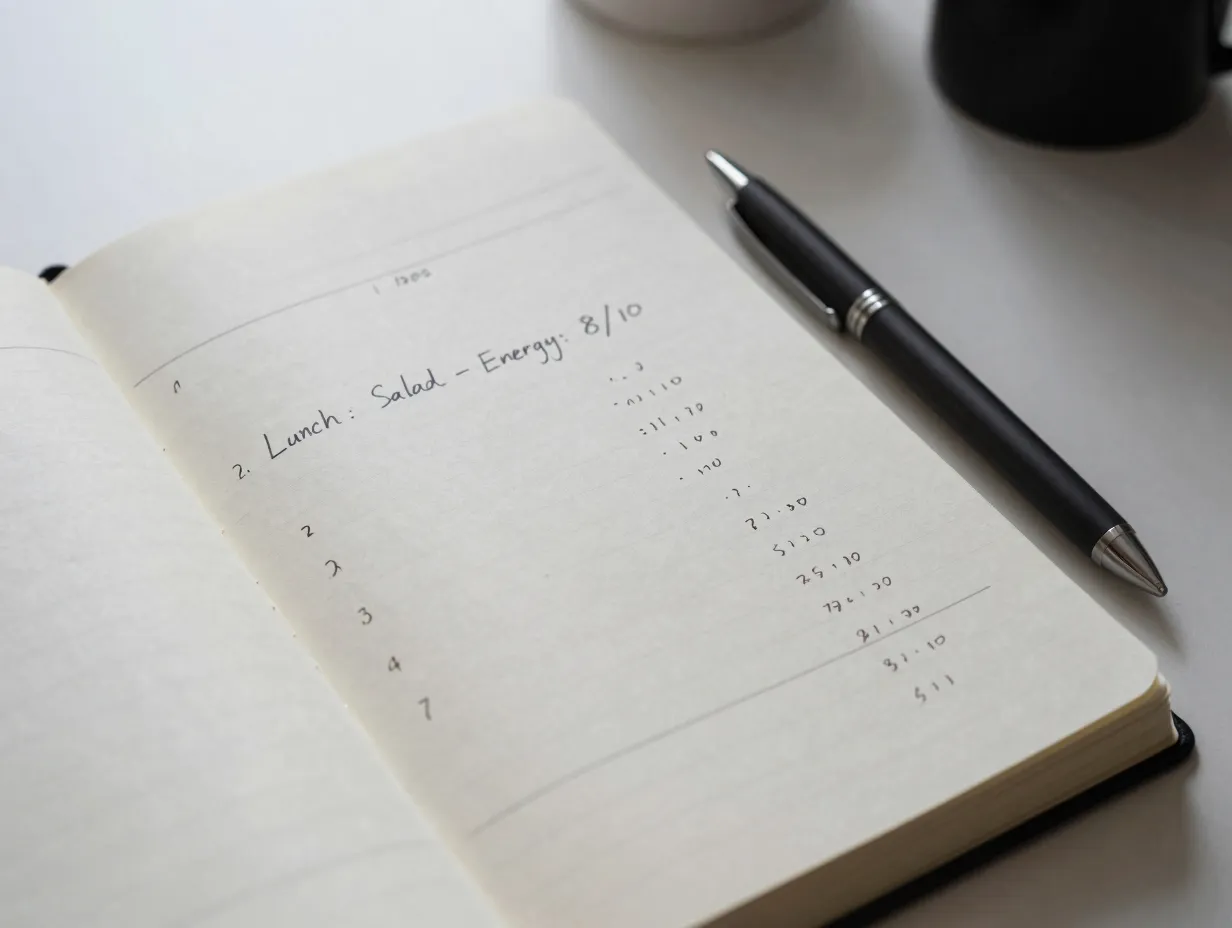
Self-monitoring is one of the most well-supported behavioral tools in nutrition science, and it does not require a fancy app. A Best Life healthy-eating motivation guide recommends maintaining a food journal, writing down everything you eat and drink each day, both for awareness and as an accountability tool [7].
A health system dietitian in a motivational video goes further, recommending a journal that tracks not just food and workouts, but also how you feel each day, even scoring your days on a scale of 1 to 10. The key insight: when you review this journal after a rough patch, you can see the direct connection between your choices and how your body and mind responded [1]. That connection is motivating in a way that abstract health advice never is.
“Seeing the pattern between what I ate on Tuesday and how sluggish I felt on Wednesday was more convincing than any nutrition article I had ever read.”
What to track in your food journal:
- Everything you eat and drink, including portion sizes
- Your energy level at different points in the day (rate 1-10)
- Your mood before and after meals
- Any cravings and what triggered them
- A brief note on what went well that day
You do not need to do this forever. Even four weeks of consistent journaling can permanently change how you relate to food.
5. Build a Social Support System

Eating is inherently social, and your social environment is one of the strongest predictors of your food choices. Research consistently shows that people who involve friends or family in their health goals are significantly more likely to maintain those changes over time.
Pam Rocca recommends finding an accountability partner or joining a group challenge as a core strategy for staying motivated to eat healthy [6]. The Eating Bird Food blog similarly emphasizes that having someone to check in with, whether in person or online, adds a layer of external accountability that internal motivation alone cannot always provide [8].
Ways to build social support around healthy eating:
- Ask a friend or partner to join a “healthy meal prep Sunday” ritual with you
- Share your weekly food goals in a group chat and report back
- Join an online community focused on whole-food eating or a specific dietary approach
- Challenge a coworker to a two-week healthy lunch swap
- Follow accounts on social platforms that post real, achievable healthy meal ideas [4]
The goal is not peer pressure. It is shared identity. When the people around you normalize healthy food choices, those choices stop feeling like sacrifice and start feeling like just what you do.
6. Plan Your Meals and Prep in Advance
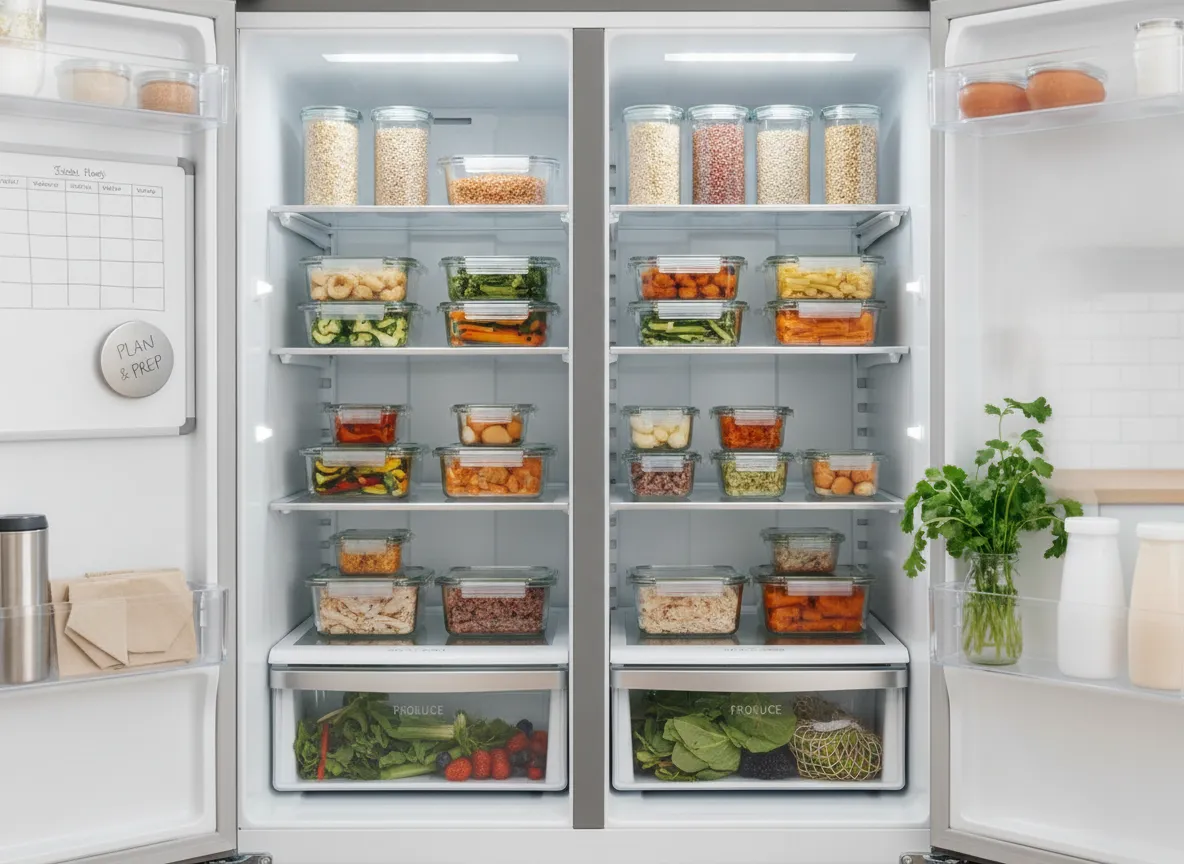
Spontaneous food decisions are almost always worse than planned ones. When you are tired, hungry, and staring into an empty fridge at 6:30 p.m., the path of least resistance leads straight to delivery apps and processed snacks. Meal planning eliminates that moment of weakness before it arrives.
The Eating Bird Food resource on staying motivated to eat healthy lists meal planning as one of its top strategies, noting that having food ready to go removes the friction that derails most people [8]. CHRISTUS Health similarly recommends planning meals ahead of time as a foundational motivation tool, because it reduces decision fatigue and keeps healthy options accessible [9].
A simple weekly meal prep routine:
- On Sunday, choose five dinners and two lunches for the week
- Write a grocery list based only on those meals
- Spend 60-90 minutes washing, chopping, and batch-cooking staples (grains, roasted vegetables, proteins)
- Store prepped items in clear containers at eye level in the fridge
- Keep two or three healthy snacks pre-portioned and visible
When healthy food is the easiest food to grab, you eat more of it. Environment design is not cheating, it is smart strategy.
7. Use Visual Inspiration to Reinforce Your Commitment
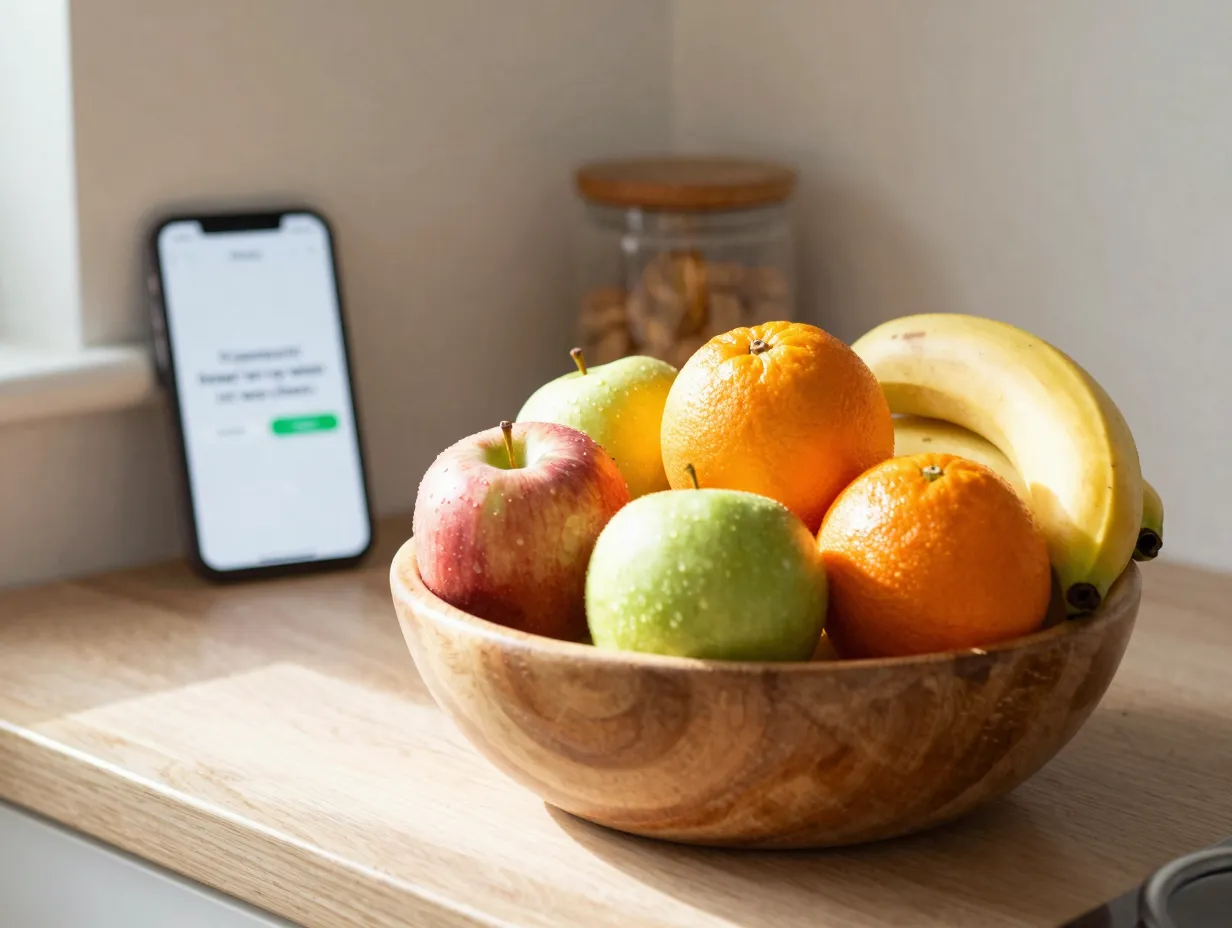
Visual cues are powerful behavioral triggers. The Eat Well 101 team has compiled motivational healthy eating notes and visual reminders specifically because seeing uplifting, food-positive messages in your environment reinforces the identity of someone who values good nutrition [3]. The Whole Hardy nutrition blog makes a similar case for surrounding yourself with nutrition motivation, images, quotes, and reminders that keep the vision of your healthier self alive between meals [2].
This is not about wallpapering your kitchen with diet slogans. It is about intentional environmental design that nudges your behavior in the right direction without requiring conscious effort every time.
Visual inspiration strategies that work:
- Keep a bowl of fresh fruit on the counter where you will see it constantly
- Set a phone wallpaper or lock screen with a healthy eating reminder or a photo of a meal you love
- Pin a few inspiring healthy recipe images somewhere visible in your kitchen
- Use a whiteboard or chalkboard to write your weekly food goal where you will see it every morning
- Follow a curated selection of healthy food accounts that post realistic, appealing meals [4]
The key word is realistic. Inspiration that feels unattainable creates discouragement, not motivation. Choose visual cues that make healthy eating look achievable and enjoyable.
8. Reconnect With Your Goals When You Fall Off Track

Every person who has ever tried to eat healthier has had a bad week. Or a bad month. The difference between people who eventually succeed and those who do not is not that the successful ones never slip, it is that they have a reliable method for getting back on track without shame or self-punishment.
The health system dietitian featured in a motivational healthy eating video recommends going back to your journal when you fall off track, reviewing the days when you felt your best, and using that evidence to reconnect with why healthy eating matters to you [1]. The Eating Bird Food guide adds that progress photos, revisiting your original goals, and giving yourself grace are all legitimate tools for resetting after a setback [8].
“A bad day of eating is not a failed diet. It is one data point. What you do the next morning is what matters.”
A reset protocol for getting back on track:
- Do not wait for Monday or the first of the month, start at your next meal
- Re-read your food journal from a week when you felt strong and energized
- Write down three things that made that week work
- Pick one small change to implement immediately
- Tell your accountability partner that you are resetting, not quitting
The CHRISTUS Health resource on motivation to eat right emphasizes that healthy eating is a long-term practice, not a short-term performance [9]. Framing setbacks as part of the process, rather than evidence of failure, is itself a motivation strategy.
Putting All 8 Ideas Together
The 8 healthy food motivation and inspiration ideas that actually keep you on track are most powerful when they work as a system rather than isolated tactics. Here is how they connect:
Your “why” (Idea 1) gives you a reason to start. Small goals (Idea 2) and gradual changes (Idea 3) make starting feel possible. Journaling (Idea 4) builds self-awareness so you can see what is working. Social support (Idea 5) keeps you accountable on the days your own motivation is low. Meal planning (Idea 6) removes the friction that causes most people to abandon their intentions. Visual inspiration (Idea 7) keeps your environment aligned with your goals. And reconnecting after setbacks (Idea 8) ensures that one bad week does not become a permanent detour.
None of these ideas requires perfection. All of them require consistency.
Conclusion
Healthy eating is not a destination you arrive at, it is a practice you return to, day after day, with increasing ease. The 8 healthy food motivation and inspiration ideas that actually keep you on track outlined in this article are not about eating perfectly. They are about building the conditions in which good choices become your default.
Your actionable next steps for this week:
- Write your personal “why” on a sticky note and place it on your fridge today
- Choose one small dietary change to implement starting at your next meal
- Begin a simple food journal, even a notes app on your phone works
- Text one person and ask them to be your accountability partner for the next 30 days
- Plan three healthy dinners for the coming week before you go grocery shopping
Start with one of these steps, not all five. Build from there. The momentum you create in the next seven days will compound in ways that are genuinely hard to predict, and deeply worth experiencing.
References
[1] Watch – https://www.youtube.com/watch?v=ol6KRYAW7g4
[2] Nutritionmotivation – http://wholehardy.com/2019/02/13/nutritionmotivation/
[3] Best Motivational Healthy Eating Notes – https://www.eatwell101.com/best-motivational-healthy-eating-notes
[4] Healthy Eating Motivation – https://www.instagram.com/popular/healthy-eating-motivation/
[5] Making Healthy Eating Lifelong Habit Tips Staying Motivated – https://www.wholefoodsmarket.com/tips-and-ideas/archive/making-healthy-eating-lifelong-habit-tips-staying-motivated
[6] 10 Ways To Stay Motivated To Eat Healthy – https://pamrocca.com/2021/03/10-ways-to-stay-motivated-to-eat-healthy/
[7] How To Motivate Yourself To Eat Healthier – https://bestlifeonline.com/how-to-motivate-yourself-to-eat-healthier/
[8] 14 Tips Getting And Staying Motivated To Eat Healthy – https://www.eatingbirdfood.com/14-tips-getting-and-staying-motivated-to-eat-healthy/
[9] Motivation To Eat Right – https://www.christushealth.org/connect/your-health/care-for-kids/motivation-to-eat-right
[10] Watch – https://www.youtube.com/watch?v=stfea-gKqwI