9 Heart Healthy Recipes Your Cardiologist Would Actually Approve Of
Heart disease kills one American every 33 seconds, according to the Centers for Disease Control and Prevention. Yet most people still believe that eating for heart health means suffering through bland chicken breast and tasteless salads. That assumption is wrong, and it may be costing people their lives by making heart-healthy eating feel unsustainable.
Disclosure: This post contains affiliate links. As an Amazon Associate, we earn from qualifying purchases, and at no extra cost to you.
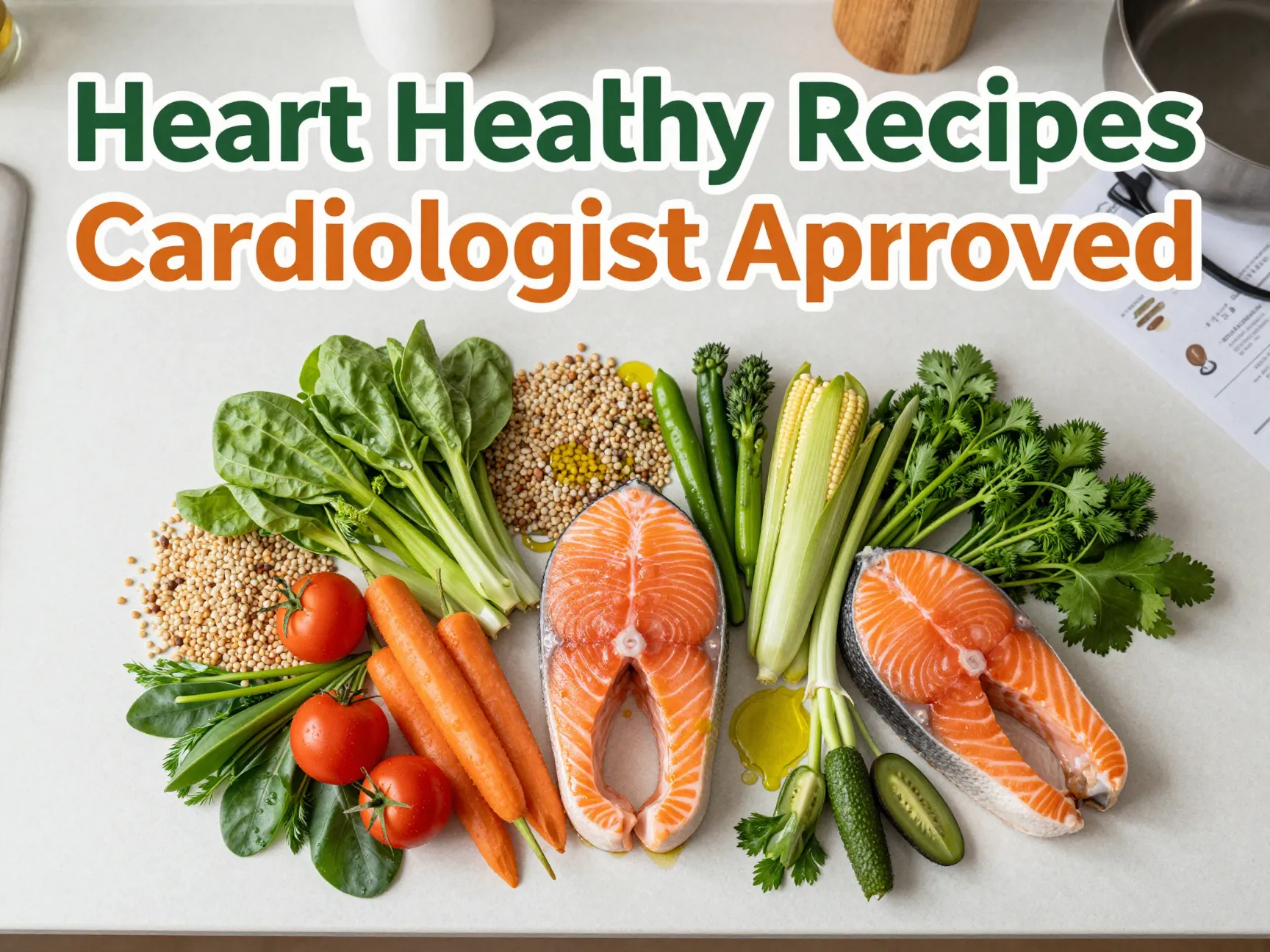
The good news is that the 9 heart healthy recipes your cardiologist would actually approve of are not punishing. They are rich, flavorful, and built around ingredients that research consistently links to lower inflammation, better cholesterol profiles, and stronger cardiovascular function. I have spent time reviewing guidance from the Mayo Clinic, Harvard Health, the Cleveland Clinic, and the American Heart Association to put together a list that is both medically sound and genuinely enjoyable to cook.
Key Takeaways
- Omega-3 fatty acids found in salmon and other fatty fish are among the most well-documented nutrients for reducing cardiovascular risk.
- Fiber-rich foods, including oats, quinoa, legumes, and vegetables, help lower LDL cholesterol and support healthy blood pressure.
- The Mediterranean diet pattern, which emphasizes whole grains, healthy fats, lean protein, and abundant produce, is consistently endorsed by cardiologists.
- Reducing sodium and saturated fat does not require sacrificing flavor when herbs, citrus, and spices are used generously.
- Meal prep-friendly recipes like egg muffin cups and grain salads make it easier to stick to heart-healthy eating throughout the week.
Why Cardiologist-Approved Recipes Are Different From Regular “Healthy” Food
Not every recipe labeled “healthy” earns a cardiologist’s endorsement. Many so-called healthy dishes are still loaded with sodium, refined carbohydrates, or hidden saturated fats. Cardiologist-approved cooking follows specific nutritional principles: low saturated fat, low sodium, high fiber, adequate lean protein, and an abundance of antioxidant-rich produce.
The recipes below align with those principles. Each one draws on guidance from trusted medical institutions and is designed to be practical for real kitchens and real schedules.
Key Principle: “A heart-healthy diet is not about restriction, it is about replacing harmful ingredients with ones that actively protect cardiovascular function.”, Cleveland Clinic nutritional guidance [3]
The 9 Heart Healthy Recipes Your Cardiologist Would Actually Approve Of
1. Baked Salmon with Southeast Asian Marinade
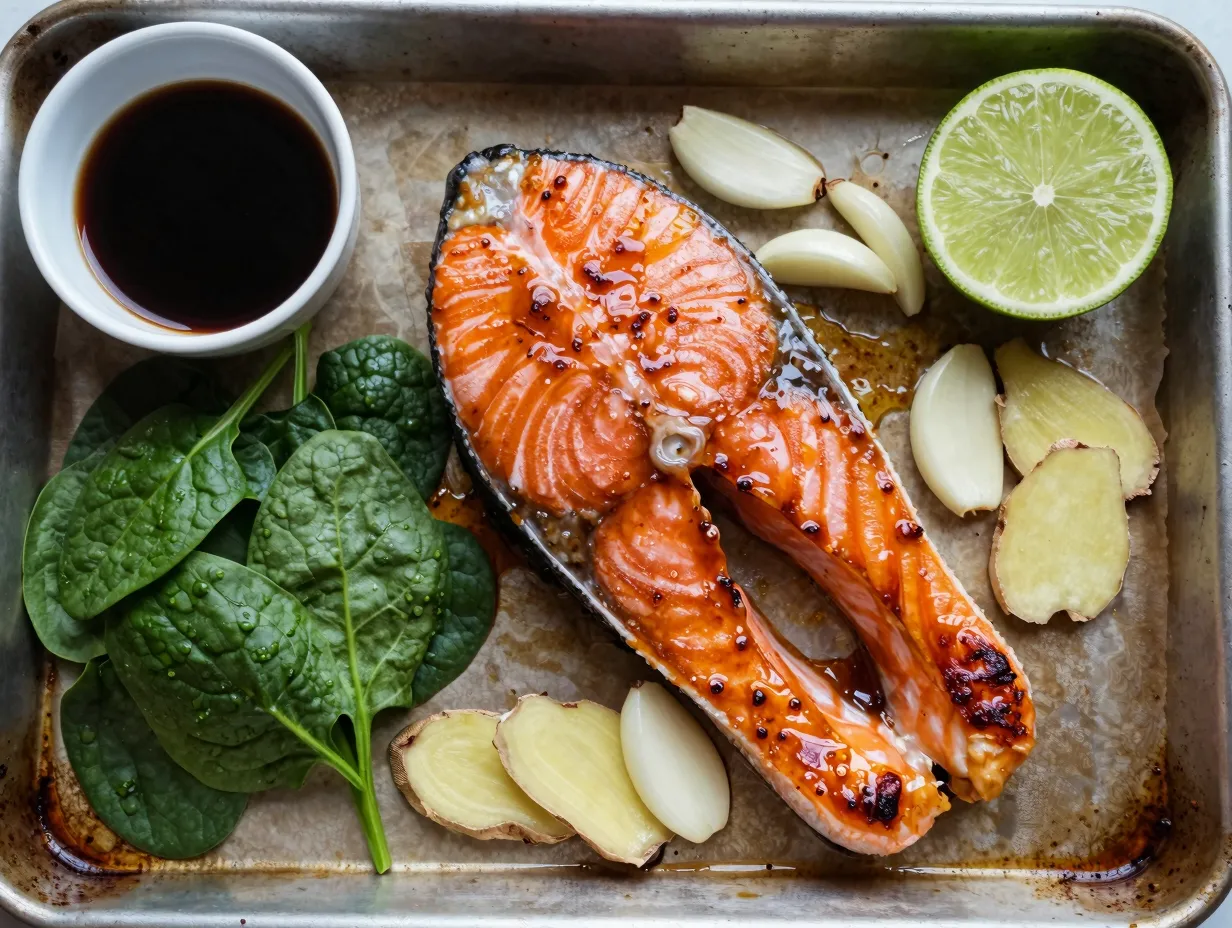
Salmon is the cornerstone of heart-healthy eating for good reason. It is one of the richest dietary sources of omega-3 fatty acids, specifically EPA and DHA, which have been shown to reduce triglycerides, lower blood pressure, and decrease the risk of arrhythmias. The Mayo Clinic features this dish prominently in its heart-healthy recipe collection [1].
The Southeast Asian marinade, typically built from low-sodium soy sauce, fresh ginger, garlic, a touch of sesame oil, and lime juice, adds layers of flavor without relying on salt or saturated fat. Baking rather than frying keeps the preparation clean.
Why cardiologists love it:
- High in omega-3 fatty acids
- Low in saturated fat
- Anti-inflammatory ginger and garlic
- No added refined sugars
Quick prep tip: Marinate the salmon for at least 30 minutes before baking at 400°F for 12 to 15 minutes. Serve over steamed brown rice or wilted spinach for a complete meal.
2. Oat Bran and Cranberry Muffins
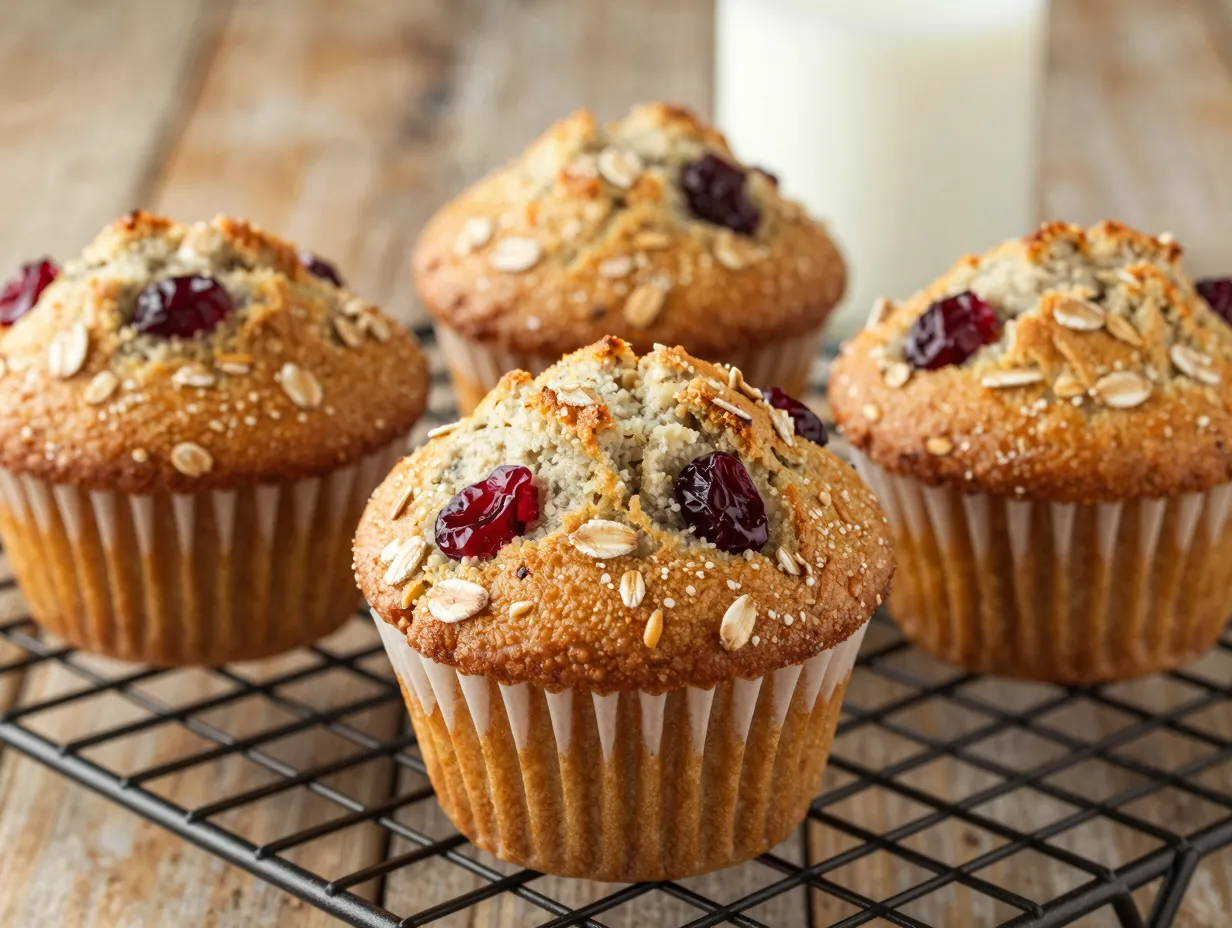
Breakfast is where many heart-healthy diets fall apart. Pastries, white-flour muffins, and sugary cereals spike blood sugar and contribute to inflammation. These oat bran and cranberry muffins, highlighted by Harvard Health Publishing, offer a genuinely satisfying alternative [2].
Oat bran contains beta-glucan, a soluble fiber that has been extensively studied for its ability to reduce LDL cholesterol. Cranberries add antioxidants and a natural tartness that reduces the need for added sugar. The muffins are low in fat and high in fiber, making them a breakfast option that supports rather than undermines cardiovascular health.
| Nutrient | Benefit for Heart Health |
|---|---|
| Beta-glucan (oat bran) | Lowers LDL cholesterol |
| Anthocyanins (cranberries) | Reduces oxidative stress |
| Dietary fiber | Supports healthy blood pressure |
| Low saturated fat | Reduces arterial plaque risk |
Batch baking tip: Make a dozen on Sunday and freeze them individually. Reheat one each morning for a quick, heart-protective breakfast.
3. Grilled Fresh-Herbed Chicken with Summer Vegetables
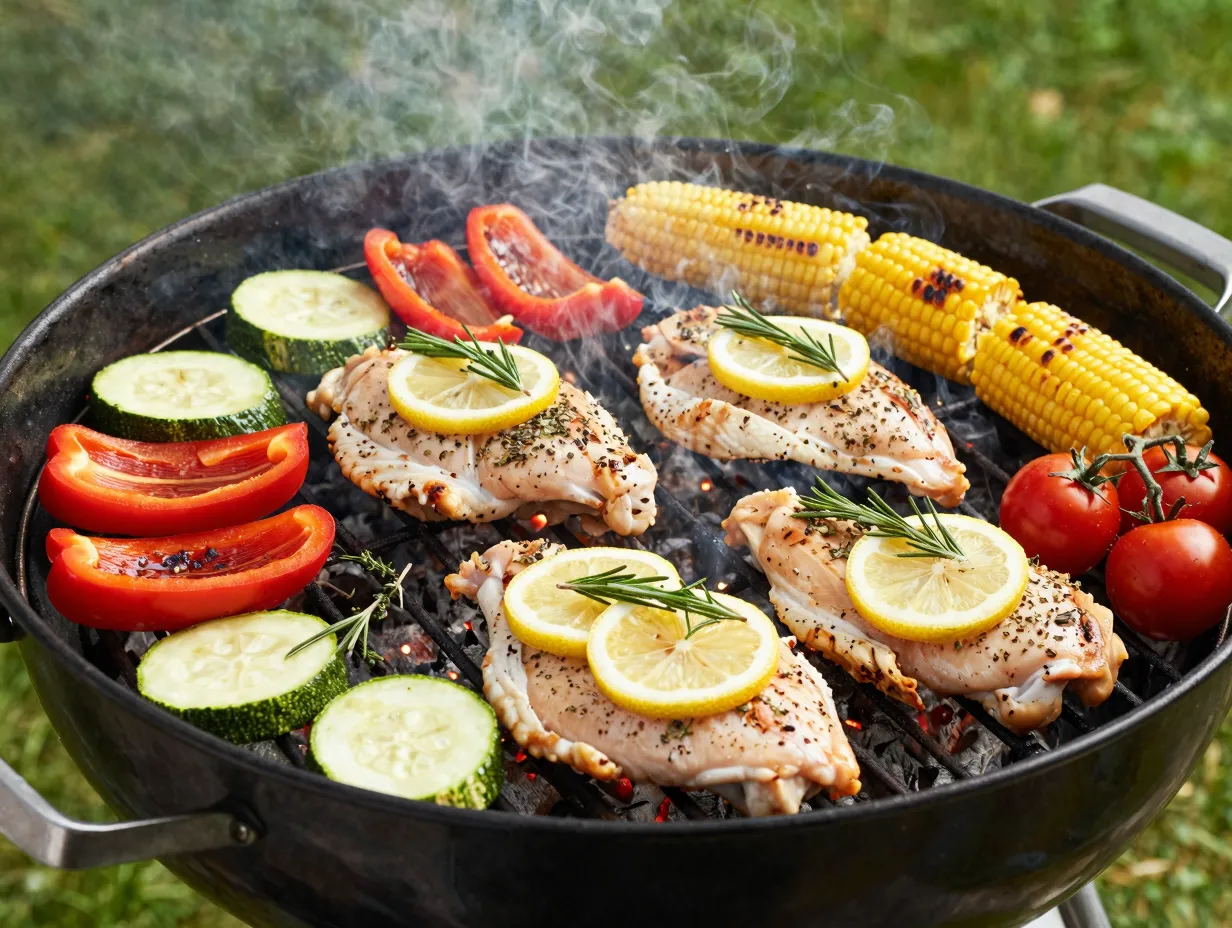
Lean protein is essential for maintaining muscle mass and metabolic health without burdening the cardiovascular system with saturated fat. Skinless chicken breast, when prepared correctly, delivers excellent protein with minimal fat. The Cleveland Clinic recommends this grilled herb chicken paired with summer vegetables as a model heart-healthy meal [3].
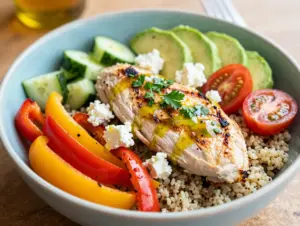
The key to making this dish extraordinary rather than ordinary is the herb preparation. A generous rub of fresh rosemary, thyme, oregano, and lemon zest transforms plain chicken into something genuinely craveable. Grilling over medium heat preserves moisture while adding a light char that enhances flavor.
Summer vegetables, zucchini, bell peppers, cherry tomatoes, and corn, roast or grill alongside the chicken, delivering fiber, potassium, and a range of antioxidants.
Why this recipe works for heart health:
- Skinless chicken is low in saturated fat
- Fresh herbs contain anti-inflammatory compounds
- Colorful vegetables provide potassium, which supports healthy blood pressure
- Grilling requires no added butter or heavy oils
4. Mediterranean Vegetable Soup
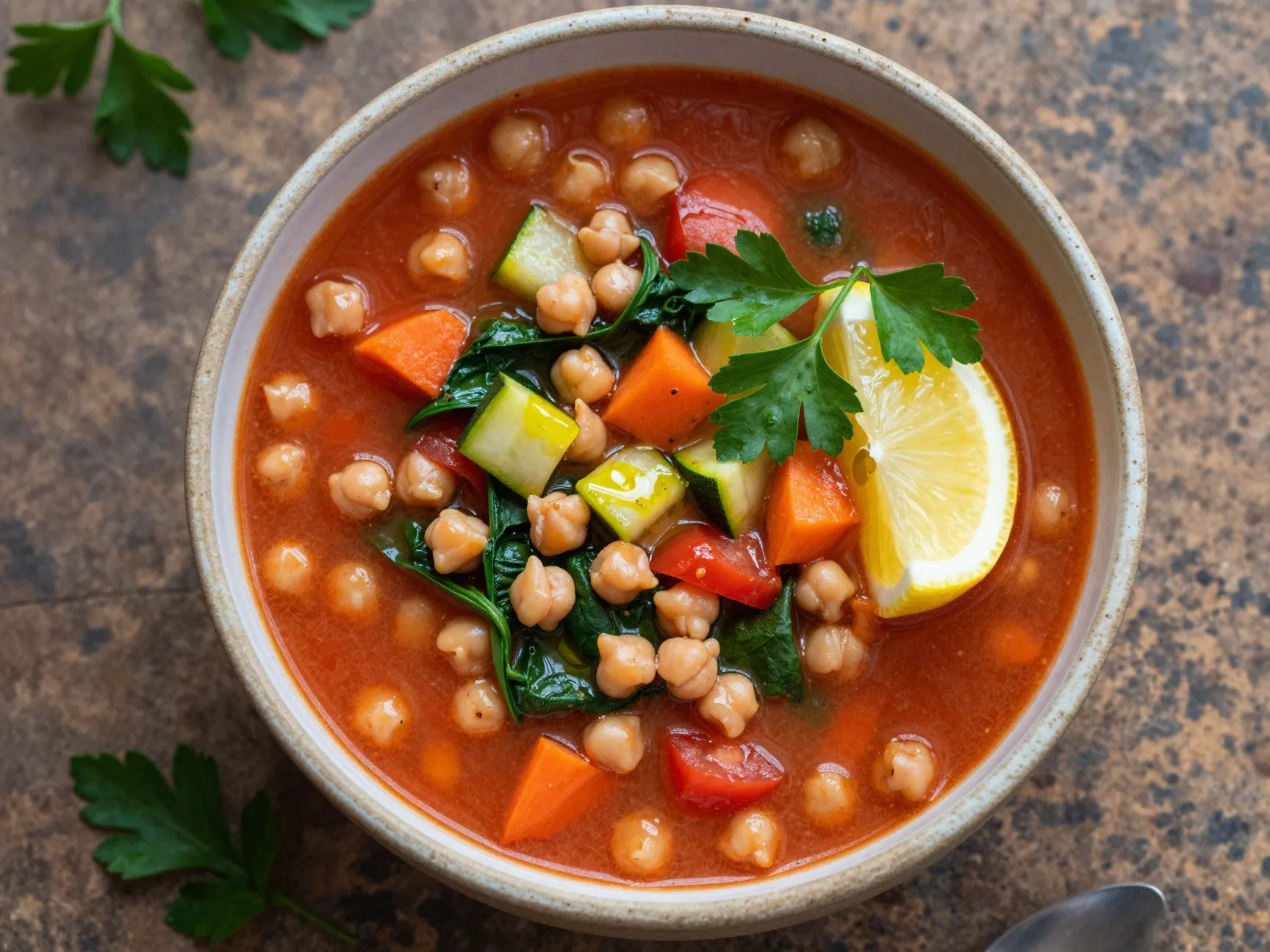
The Mediterranean diet is not a trend. It is one of the most rigorously studied dietary patterns in cardiovascular medicine, and it consistently reduces the risk of heart attack, stroke, and heart failure. This Mediterranean vegetable soup, featured by the Cleveland Clinic, captures the essence of that dietary approach in a single bowl [3].
The base is a rich tomato broth loaded with chickpeas, white beans, zucchini, spinach, carrots, and diced tomatoes. A drizzle of extra-virgin olive oil added at the end, rather than cooked in, preserves its polyphenol content. A sprinkle of fresh parsley and a squeeze of lemon finish the dish.
Nutrition note: Legumes like chickpeas and white beans are among the most underrated heart-healthy foods. They provide soluble fiber, plant-based protein, and potassium, all of which directly support cardiovascular function.
Sodium watch: Use low-sodium or no-salt-added canned tomatoes and beans. Season with herbs, lemon, and black pepper rather than salt.
5. Pecan-Crusted Roasted Salmon
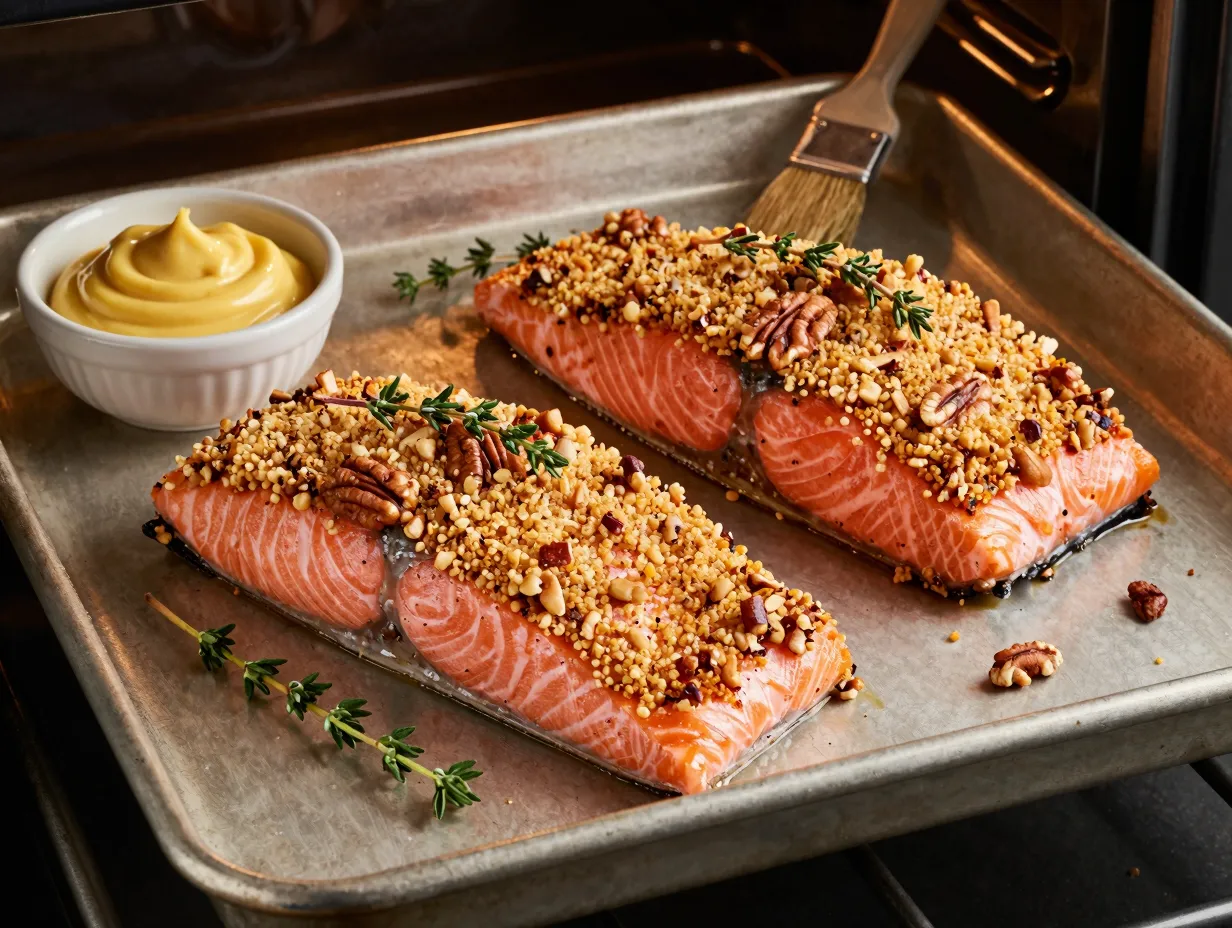
This is the second salmon recipe on the list, and it earns its place independently. While the Southeast Asian baked salmon emphasizes bold marinade flavors, the pecan-crusted version focuses on textural contrast and the additive cardiovascular benefits of tree nuts. WebMD includes this dish among its top heart-healthy entrees [4].
Pecans are rich in monounsaturated fats, magnesium, and plant sterols, all of which contribute to lower LDL cholesterol and reduced inflammation. When pressed onto salmon fillets before roasting, they form a golden crust that is both visually impressive and nutritionally dense.
Simple preparation:
- Coat salmon fillets lightly with Dijon mustard (acts as a binder)
- Press a mixture of crushed pecans, fresh thyme, and black pepper onto each fillet
- Roast at 425°F for 12 to 14 minutes
- Serve with steamed asparagus or a simple arugula salad
The combination of omega-3s from the salmon and healthy fats from the pecans makes this one of the most cardiovascular-protective meals on this entire list.
6. Egg Muffin Cups with Turkey Sausage and Mushrooms

One of the most common complaints I hear about heart-healthy eating is that it does not fit into a busy morning. These egg muffin cups, featured by the American Heart Association’s recipe platform, directly solve that problem [5].
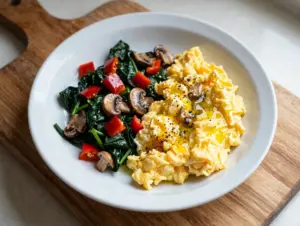
Made by whisking eggs with diced turkey sausage, mushrooms, spinach, and a small amount of low-fat cheese, then baking in a muffin tin, these cups are portable, protein-rich, and low in saturated fat. Turkey sausage replaces pork sausage, cutting saturated fat dramatically while maintaining the savory flavor profile most people want at breakfast.
Nutritional advantages:
- Eggs provide choline, which supports healthy cell membranes
- Mushrooms contain beta-glucan and B vitamins
- Spinach delivers magnesium and folate
- Turkey sausage is significantly lower in saturated fat than pork alternatives
Make a batch of 12 on the weekend. Store in the refrigerator for up to four days or freeze for up to one month.
7. Baked Cod with Lemon and Capers
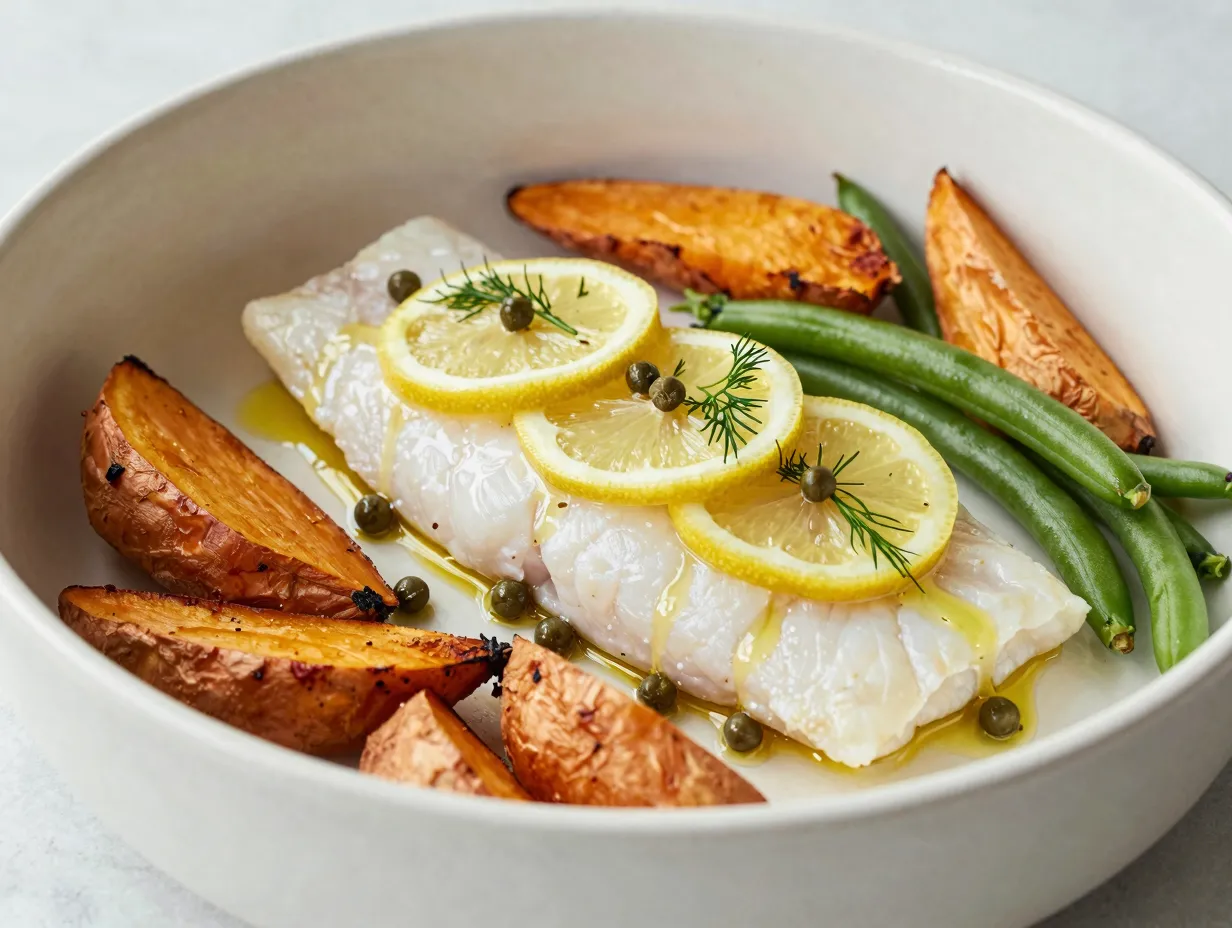
Not everyone enjoys the stronger flavor of salmon. Cod is a mild, lean white fish that delivers excellent protein with very little fat, making it a heart-healthy option that appeals to a broader range of palates. The Mayo Clinic includes this preparation in its heart-healthy recipe collection [1].
Baking cod with lemon slices, capers, fresh dill, and a drizzle of olive oil creates a dish that tastes far more indulgent than its nutritional profile suggests. Capers are an underappreciated ingredient in heart-healthy cooking, they are rich in quercetin, a flavonoid with anti-inflammatory and antioxidant properties.
Why this dish stands out:
- Cod is very low in saturated fat and calories
- Lemon provides vitamin C and brightens flavor without sodium
- Capers add quercetin and a briny depth that eliminates the need for added salt
- Olive oil contributes heart-protective monounsaturated fats
Pair with roasted sweet potatoes and steamed green beans for a complete, balanced plate.
8. Quinoa and Apple Salad with Almonds and Mint
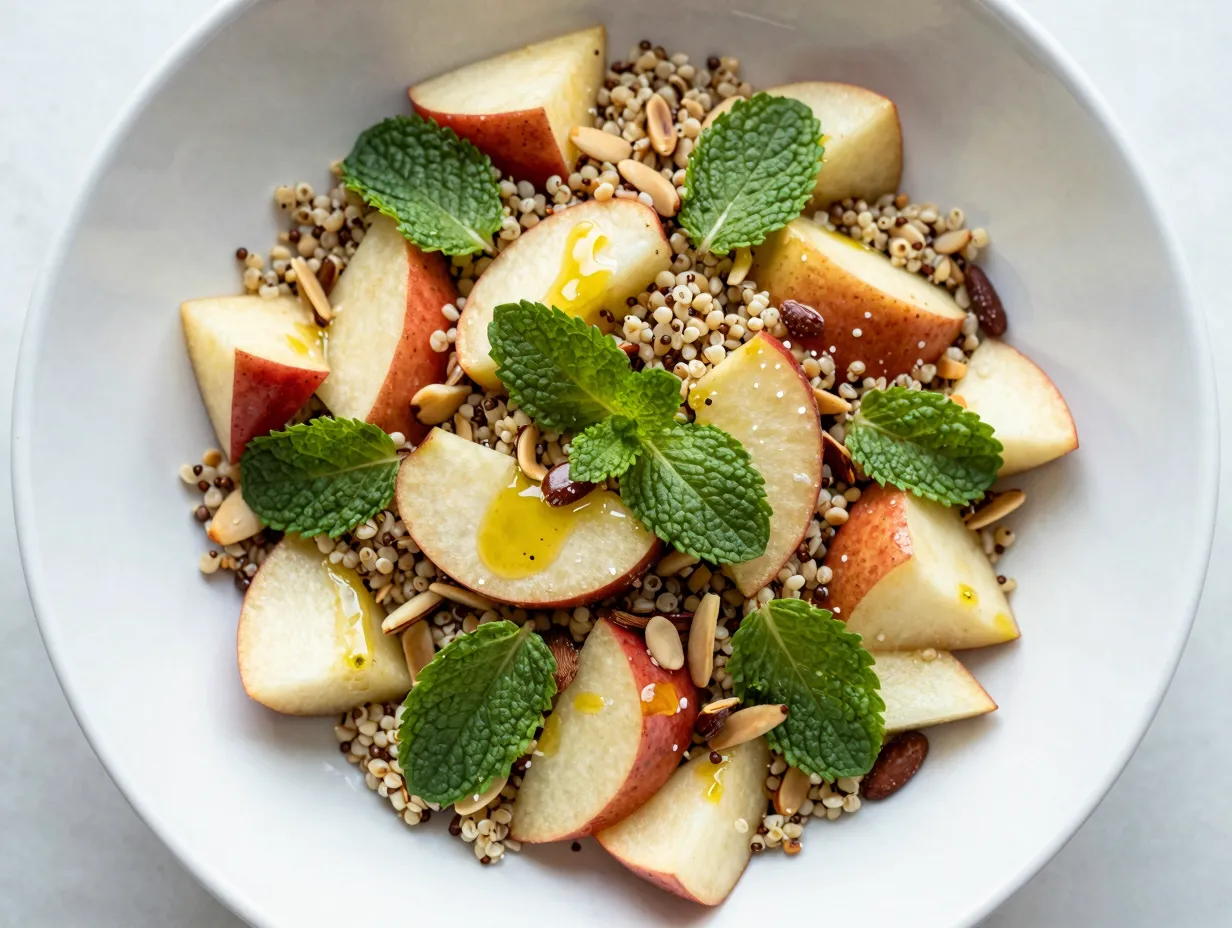
This salad is proof that heart-healthy eating can be genuinely exciting. The Cleveland Clinic features this recipe as an example of how whole grains, fruits, and nuts can combine into something both nutritious and delicious [6].
Quinoa is a complete protein and a good source of fiber, magnesium, and iron. Apples contribute quercetin and pectin, a soluble fiber that helps lower LDL cholesterol. Almonds provide vitamin E, magnesium, and healthy monounsaturated fats. Fresh mint adds brightness and contains rosmarinic acid, an anti-inflammatory compound.
| Ingredient | Key Heart-Healthy Compound | Primary Benefit |
|---|---|---|
| Quinoa | Magnesium, fiber | Blood pressure regulation |
| Apple | Pectin, quercetin | LDL cholesterol reduction |
| Almonds | Vitamin E, monounsaturated fats | Reduces oxidative damage |
| Mint | Rosmarinic acid | Anti-inflammatory support |
The dressing is simple: lemon juice, a small amount of extra-virgin olive oil, and a pinch of black pepper. No added sugar, no excessive sodium.
9. Salmon with Lemon-Herb Orzo and Broccoli
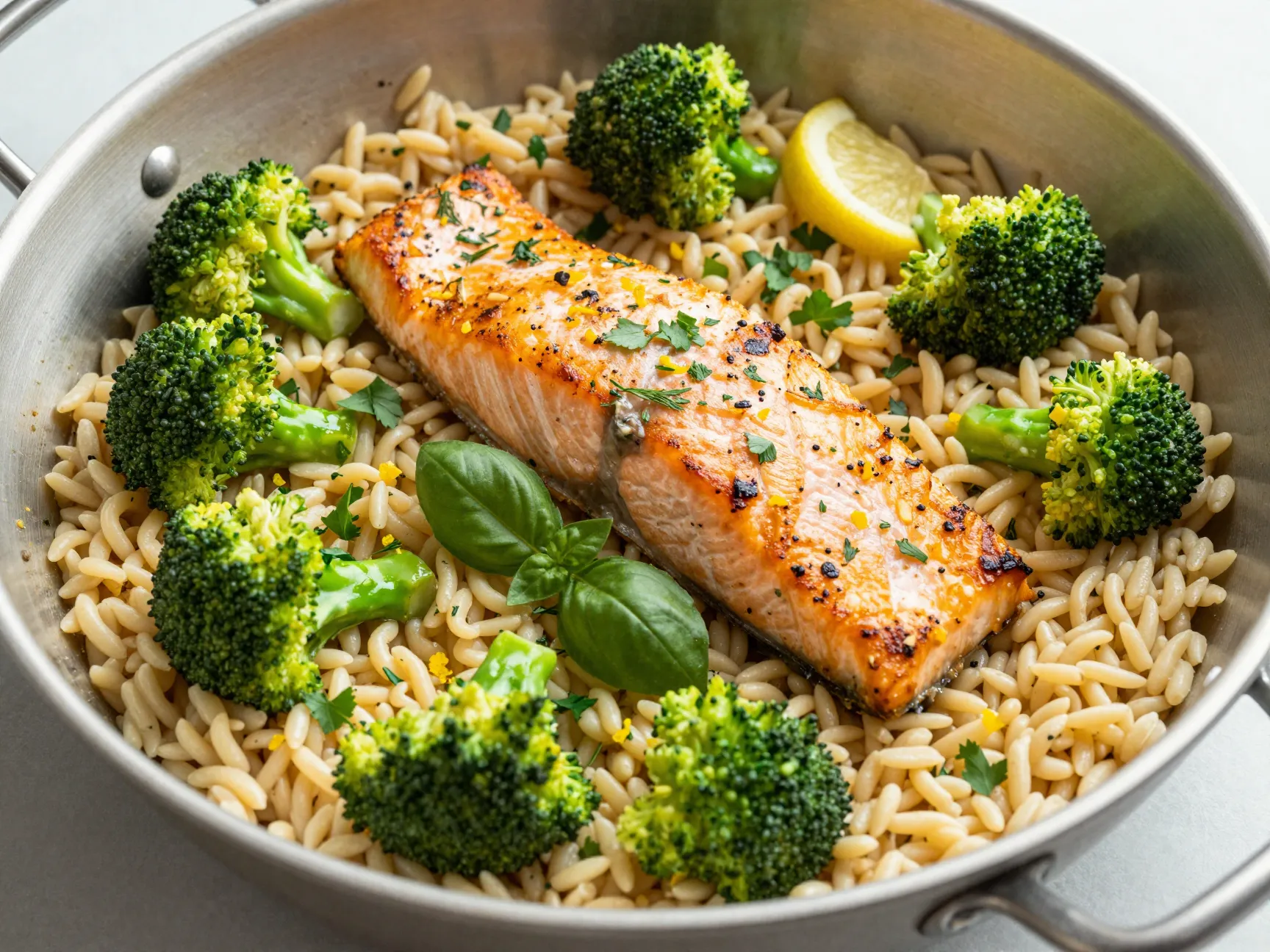
The final recipe in this collection of 9 heart healthy recipes your cardiologist would actually approve of brings together multiple cardiovascular superfoods in one cohesive anti-inflammatory dinner. Yahoo Health’s cardiovascular health coverage highlights this dish as one that cardiologists genuinely recommend for its comprehensive nutritional profile [7].
Salmon provides omega-3s. Whole-wheat orzo contributes fiber and complex carbohydrates. Broccoli is rich in sulforaphane, a compound that activates the body’s natural antioxidant defenses and has been studied for its role in reducing arterial inflammation. Lemon and fresh herbs, parsley, basil, or dill, add flavor and additional antioxidant compounds.
Why this is the ideal weeknight heart-healthy dinner:
- Ready in under 30 minutes
- Combines three major food groups in one pan
- Anti-inflammatory ingredients work synergistically
- High in protein, fiber, and omega-3 fatty acids
- Low in saturated fat and sodium
Cook the orzo in low-sodium vegetable broth for added depth of flavor. Toss with olive oil, lemon zest, fresh herbs, and blanched broccoli florets. Serve the salmon on top, finished with a squeeze of fresh lemon.
How to Build a Weekly Meal Plan Around These Recipes
Having nine great recipes is only useful if they fit into a realistic weekly routine. Here is a practical framework for integrating these dishes into a seven-day heart-healthy eating plan.
Breakfast rotation:
- Weekdays: Egg muffin cups (prepared Sunday) or oat bran cranberry muffins
- Weekends: Quinoa apple salad as a brunch option with Greek yogurt
Lunch rotation:
- Mediterranean vegetable soup (batch-cooked, stores well for four days)
- Quinoa and apple salad with almonds and mint
- Monday: Baked salmon with Southeast Asian marinade
- Tuesday: Grilled herbed chicken with summer vegetables
- Wednesday: Salmon with lemon-herb orzo and broccoli
- Thursday: Baked cod with lemon and capers
- Friday: Pecan-crusted roasted salmon
- Weekend: Mediterranean vegetable soup with whole-grain bread
This rotation ensures variety, prevents meal fatigue, and keeps omega-3 intake consistently high throughout the week.
Common Mistakes That Undermine Heart-Healthy Cooking
Even with the right recipes, a few common errors can reduce their cardiovascular benefits significantly.
Using too much sodium: Even healthy ingredients can become problematic when cooked in high-sodium broths or seasoned with excessive salt. Always check labels on canned goods and choose low-sodium versions.
Overcooking fish: Overcooked salmon loses moisture and some of its delicate omega-3 structure. Pull fish from the oven when the internal temperature reaches 125 to 130°F for optimal texture and nutrition.
Skipping healthy fats entirely: Some people pursuing heart health eliminate all fats, including beneficial ones. Olive oil, avocado, nuts, and fatty fish contain fats that actively protect the cardiovascular system. Do not avoid them.
Relying on processed “heart-healthy” labels: A food labeled “heart-healthy” by a manufacturer is not the same as food endorsed by a cardiologist. Stick to whole, minimally processed ingredients whenever possible.
What Makes These Recipes Stand Apart in 2026
In 2026, the evidence base for dietary approaches to cardiovascular health is stronger than ever. Research continues to validate the Mediterranean diet pattern, the role of omega-3 fatty acids, and the importance of dietary fiber in reducing cardiovascular risk. The 9 heart healthy recipes your cardiologist would actually approve of are not based on wellness trends, they are grounded in decades of peer-reviewed research and endorsed by institutions including the Mayo Clinic [1], Harvard Health [2], the Cleveland Clinic [3], and the American Heart Association [5].
What sets these recipes apart from generic “healthy eating” content is specificity. Each dish targets known cardiovascular risk factors: high LDL cholesterol, elevated triglycerides, chronic inflammation, high blood pressure, and oxidative stress. The ingredients are not chosen for vague wellness appeal, they are chosen because the science supports them.
Conclusion
Heart disease remains the leading cause of death in the United States, but dietary choices can meaningfully reduce that risk. The 9 heart healthy recipes your cardiologist would actually approve of, from baked salmon with Southeast Asian marinade to pecan-crusted roasted salmon to Mediterranean vegetable soup, demonstrate that eating for cardiovascular health does not require sacrifice.
Actionable next steps:
- Choose two or three recipes from this list and cook them this week. Start with the egg muffin cups if you want a quick win, or the Mediterranean vegetable soup if you prefer batch cooking.
- Audit your pantry. Replace high-sodium canned goods with low-sodium alternatives, swap refined grains for whole grains, and stock up on olive oil, nuts, and fresh herbs.
- Share this list with your doctor. Bring it to your next appointment and ask whether any of these recipes align with your specific cardiovascular goals. Most cardiologists will be pleased to see patients taking this kind of initiative.
- Build consistency before perfection. Eating one or two heart-healthy meals per day is far more sustainable, and ultimately more protective, than attempting a complete dietary overhaul overnight.
The path to a healthier heart is built one meal at a time. Start today.
References
[1] Rcs 20077163 – https://www.mayoclinic.org/healthy-lifestyle/recipes/heart-healthy-recipes/rcs-20077163?utm_source=openai
[2] Heart Healthy Recipes – https://www.health.harvard.edu/healthy-aging-and-longevity/heart-healthy-recipes?utm_source=openai
[3] Heart Healthy Recipe – https://health.clevelandclinic.org/tag/heart-healthy-recipe?utm_source=openai
[4] Four Heavenly Heart Healthy Entrees – https://www.webmd.com/diet/features/four-heavenly-heart-healthy-entrees?utm_source=openai
[5] Quick Easy Healthy Recipes For Real Life – https://recipes.heart.org/en/quick-easy-healthy-recipes-for-real-life?utm_source=openai
[6] Heart Healthy Recipes – https://health.clevelandclinic.org/tag/heart-healthy-recipes/?utm_source=openai
[7] Anti Inflammatory Dinner Cardiologist Actually 190000800 – https://health.yahoo.com/conditions/cardiovascular-health/articles/anti-inflammatory-dinner-cardiologist-actually-190000800.html?utm_source=openai