9 Healthy Breakfast Options for Clean Eating That Will Fuel Your Entire Day
Only 44 percent of Americans eat breakfast daily, according to recent nutrition surveys, and many who do reach for processed cereals or sugary pastries that spike blood sugar and leave them crashing by mid-morning. That gap between what most people eat and what their bodies actually need is exactly why these 9 healthy breakfast options for clean eating that will fuel your entire day matter so much. The right morning meal is not about deprivation or complicated recipes. It is about choosing whole, minimally processed foods that deliver steady energy, sharp focus, and real nutritional value from the first bite.
Disclosure: This post contains affiliate links. As an Amazon Associate, we earn from qualifying purchases, and at no extra cost to you.
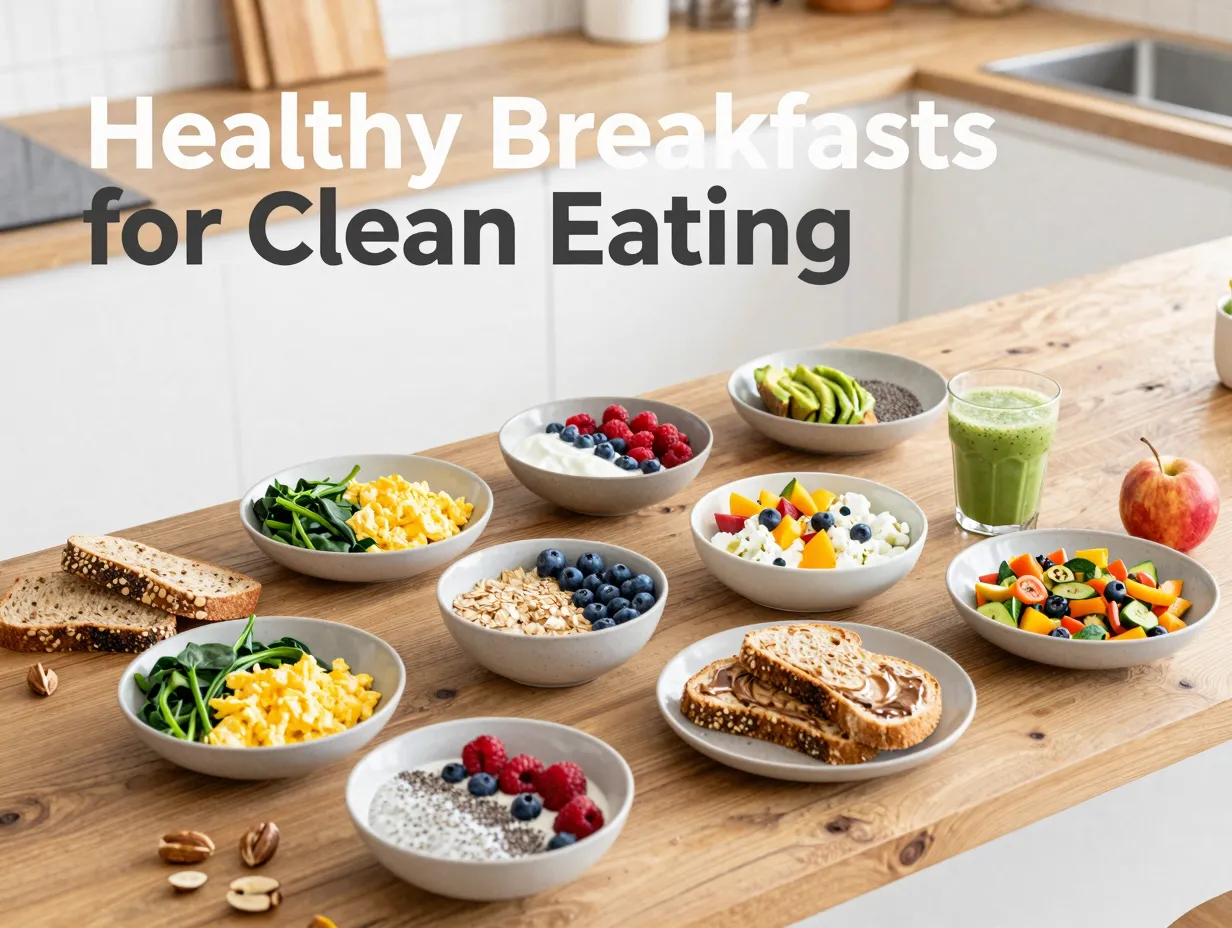
I have spent years experimenting with morning nutrition, some phases eating nothing until noon, others drowning in smoothie bowls that took 45 minutes to prepare. What I found, backed by solid research, is that a clean, balanced breakfast built around protein, fiber, and healthy fats is the single most reliable way to set the tone for a productive day.
Key Takeaways
- A clean eating breakfast combines protein, fiber, and healthy fats to sustain energy and reduce mid-morning hunger
- Whole, minimally processed ingredients are the foundation of every option on this list
- Most of these meals can be prepared in under 15 minutes, making them practical for busy schedules
- Pairing a protein source with complex carbohydrates and healthy fats creates the most balanced and satisfying results
- Small preparation habits, like overnight soaking or batch cooking, make clean eating breakfasts easier to maintain consistently
Why Clean Eating Breakfasts Make a Real Difference
Before diving into the specific options, it helps to understand what “clean eating” actually means in a breakfast context. Clean eating is not a rigid diet. It is a practical philosophy centered on choosing foods that are as close to their natural state as possible, whole grains instead of refined flour, fresh fruit instead of fruit-flavored syrups, real eggs instead of processed egg substitutes.
Research consistently shows that breakfasts rich in protein and fiber reduce hunger hormones, improve concentration, and support healthy weight management. The nine healthy breakfast options for clean eating that will fuel your entire day listed below are all built on these principles. Each one is accessible, affordable, and adaptable to different tastes and dietary needs.
What makes a breakfast “clean”?
| Clean Eating Principle | What to Choose | What to Avoid |
|---|---|---|
| Whole grains over refined | Oats, whole-grain bread | White bread, sugary cereals |
| Natural protein sources | Eggs, Greek yogurt, cottage cheese | Processed meats, flavored yogurts |
| Healthy fats | Avocado, nuts, seeds | Margarine, fried foods |
| Minimal added sugar | Fresh fruit, raw honey | Syrups, flavored creamers |
The 9 Healthy Breakfast Options for Clean Eating That Will Fuel Your Entire Day
1. Eggs with Vegetables
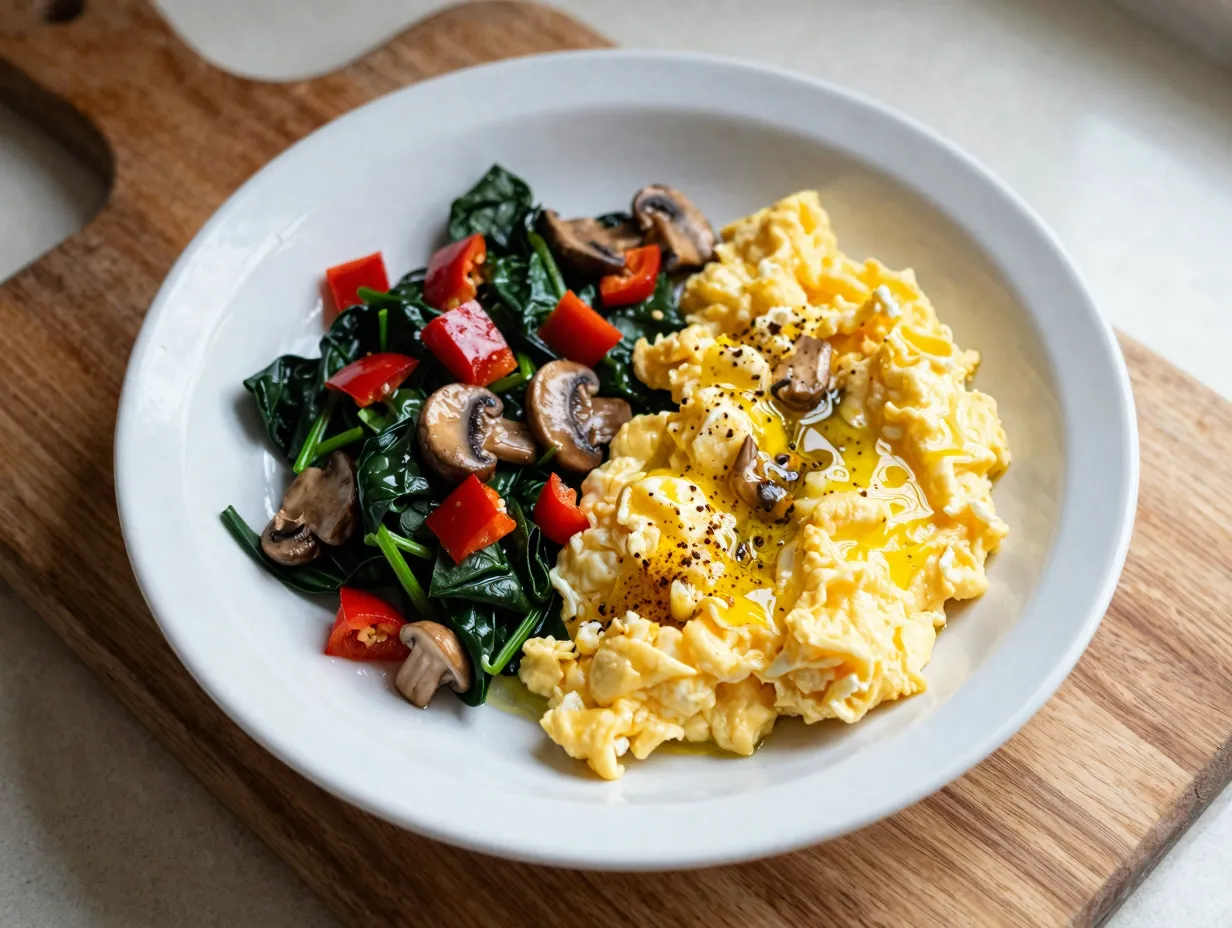
Eggs are one of the most nutrient-dense foods available, and they remain a cornerstone of clean eating for good reason. A single large egg delivers roughly six grams of high-quality protein along with B vitamins, choline, and selenium. Pairing eggs with vegetables like spinach, bell peppers, or mushrooms adds fiber, vitamin C, and iron to the meal without adding many calories [1].
The combination works because protein slows digestion and promotes satiety, while the fiber from vegetables helps regulate blood sugar. I personally scramble two eggs with a handful of spinach and half a diced red bell pepper most mornings, it takes eight minutes and keeps me full until well past noon.
Quick preparation tips:
- Pre-chop vegetables on Sunday for faster weekday cooking
- Use a non-stick pan with a small amount of olive oil instead of butter
- Season with turmeric and black pepper for added anti-inflammatory benefits
2. Greek Yogurt with Berries and Nuts
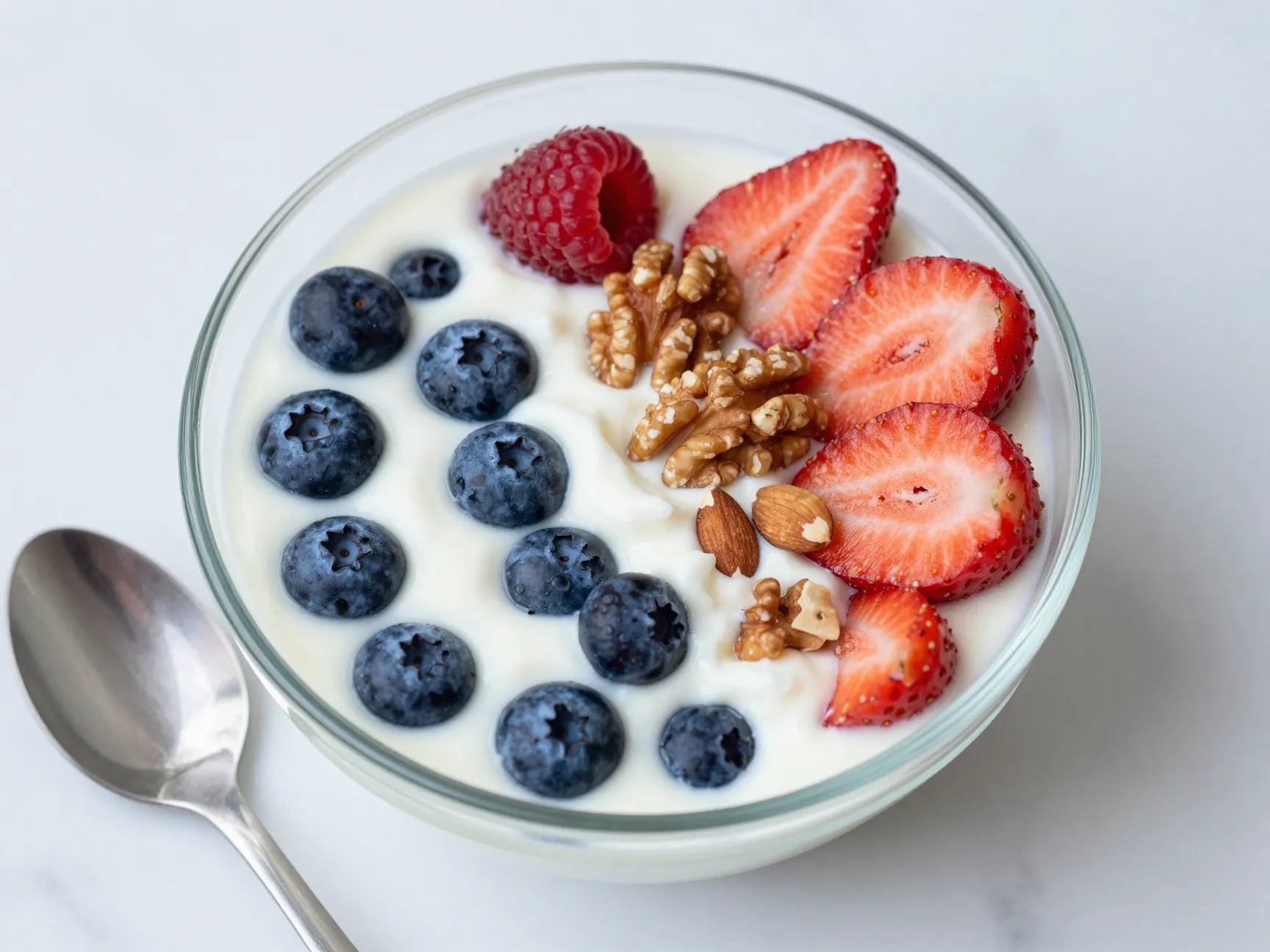
Greek yogurt is a nutritional powerhouse. It contains nearly twice the protein of regular yogurt, along with live probiotic cultures that support gut health. When you top it with fresh berries, blueberries, strawberries, or raspberries, you add a significant dose of antioxidants and dietary fiber. A small handful of walnuts or almonds introduces healthy fats and a satisfying crunch [1].
“The gut-brain connection is real. A probiotic-rich breakfast does not just feed your digestive system, it may also influence mood and cognitive function throughout the day.”
This is one of the most effortless clean eating breakfasts on the list. No cooking required. It assembles in under three minutes and travels well in a jar if you are eating on the go.
Nutrient snapshot per serving:
- Protein: 17-20 grams (from Greek yogurt)
- Antioxidants: High (from berries)
- Healthy fats: Moderate (from nuts)
- Probiotics: Active cultures for gut support
3. Oatmeal with Chia Seeds and Fruit
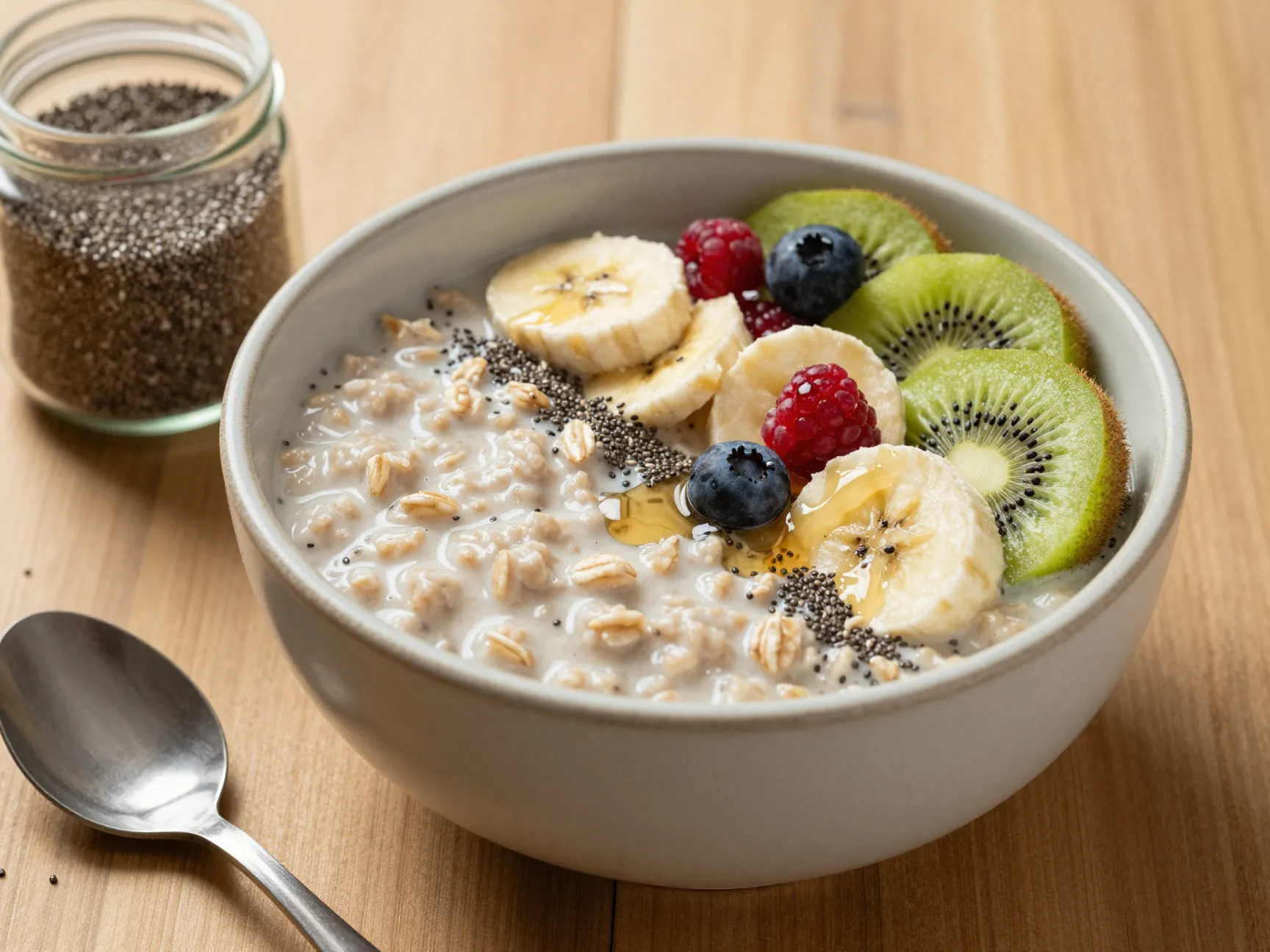
Oatmeal made from rolled or steel-cut oats is one of the best sources of beta-glucan, a soluble fiber that has been shown to lower LDL cholesterol and improve blood sugar control. Adding chia seeds to your oatmeal amplifies the nutritional value considerably, chia seeds are rich in omega-3 fatty acids, calcium, and additional fiber. Topping the bowl with fresh fruit like sliced banana, kiwi, or berries adds natural sweetness and vitamins without any refined sugar [1].
The key is to avoid instant oatmeal packets loaded with added sugar. Plain rolled oats or steel-cut oats take only five to ten minutes to cook and give you full control over what goes in the bowl.
Simple overnight oat formula:
- 1/2 cup rolled oats
- 1 tablespoon chia seeds
- 3/4 cup unsweetened almond milk
- 1/2 cup mixed berries
- Combine the night before, refrigerate, and eat cold in the morning
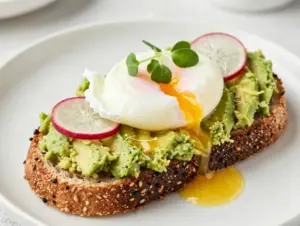
4. Avocado Toast on Whole-Grain Bread
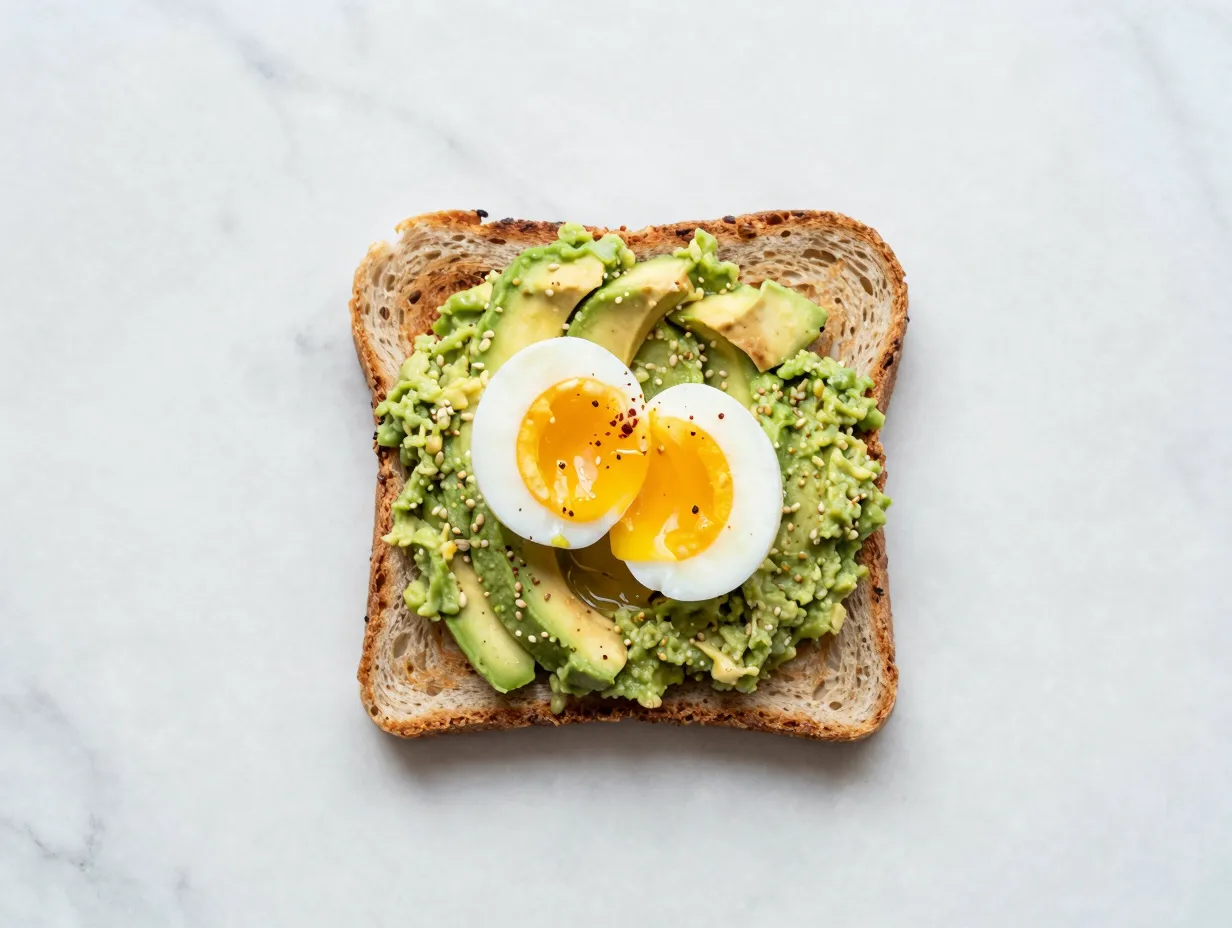
Avocado toast became a cultural phenomenon for a reason, it genuinely works as a clean eating breakfast. Avocados are rich in monounsaturated fats, the same heart-healthy fats found in olive oil. These fats support cardiovascular health and help the body absorb fat-soluble vitamins. Whole-grain bread provides complex carbohydrates, B vitamins, and dietary fiber that digest slowly and prevent blood sugar spikes [1].
To make this more protein-rich, add a poached or soft-boiled egg on top. A sprinkle of hemp seeds or a pinch of red pepper flakes rounds out the flavor and adds trace minerals.
What to look for on bread labels:
- “100% whole grain” or “100% whole wheat” as the first ingredient
- At least 3 grams of fiber per slice
- No high-fructose corn syrup or hydrogenated oils
5. Smoothies with Leafy Greens, Protein, and Healthy Fats
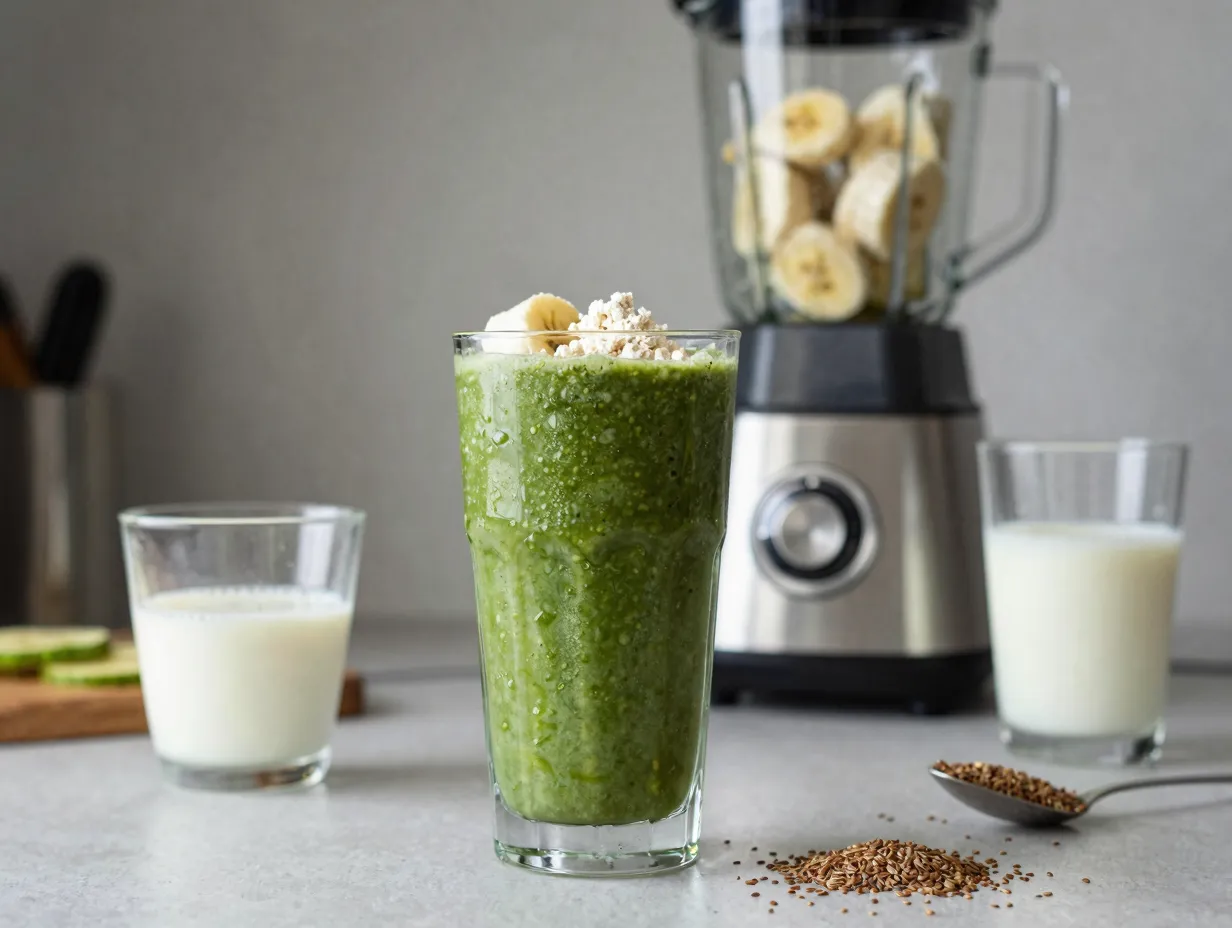
A well-constructed smoothie can be one of the most nutrient-dense breakfasts you make, but the construction matters enormously. The difference between a clean eating smoothie and a sugar bomb is the ingredient list. Blending spinach or kale with a protein source like plain Greek yogurt or an unsweetened protein powder, then adding healthy fats from flaxseeds or a tablespoon of almond butter, creates a portable and genuinely balanced meal [2].
The greens are largely undetectable in flavor when blended with fruit, which makes this an excellent option for anyone who struggles to eat vegetables early in the morning. I blend two cups of baby spinach with half a frozen banana, one cup of unsweetened almond milk, a scoop of plain protein powder, and a tablespoon of ground flaxseed. It takes four minutes and delivers about 25 grams of protein.
Smoothie formula for clean eating:
| Component | Example Ingredients | Purpose |
|---|---|---|
| Leafy greens | Spinach, kale, Swiss chard | Vitamins, minerals, fiber |
| Protein source | Greek yogurt, protein powder | Satiety, muscle support |
| Healthy fat | Flaxseed, almond butter, avocado | Sustained energy, absorption |
| Liquid base | Unsweetened almond milk, water | Consistency, hydration |
| Natural sweetener | Frozen banana, dates | Flavor without refined sugar |
6. Cottage Cheese with Fruit and Nuts
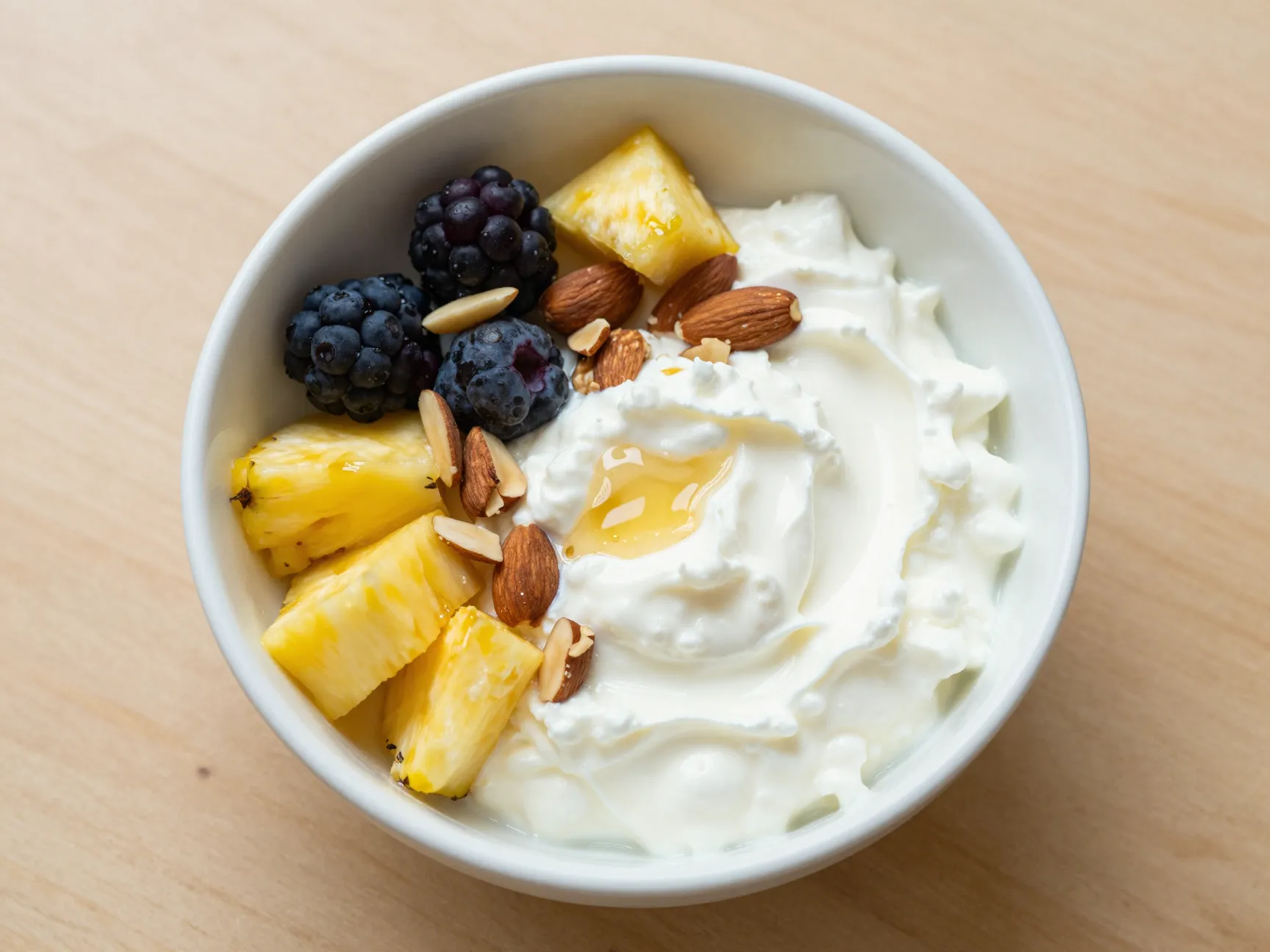
Cottage cheese is one of the most underrated clean eating breakfast foods available in 2026. It is exceptionally high in casein protein, which digests slowly and provides a prolonged feeling of fullness. A single cup of low-fat cottage cheese delivers approximately 25 grams of protein. Pairing it with fresh pineapple, berries, or sliced peaches adds natural sweetness and vitamin C. A small handful of almonds or walnuts rounds out the meal with heart-healthy fats [1].
The texture puts some people off initially, but blending cottage cheese smooth before adding toppings creates a creamy, yogurt-like base that is much more approachable. It also works well as a base for savory breakfasts, topped with sliced cucumber, cherry tomatoes, and a drizzle of olive oil.
7. Whole-Grain Toast with Nut Butter and Banana Slices
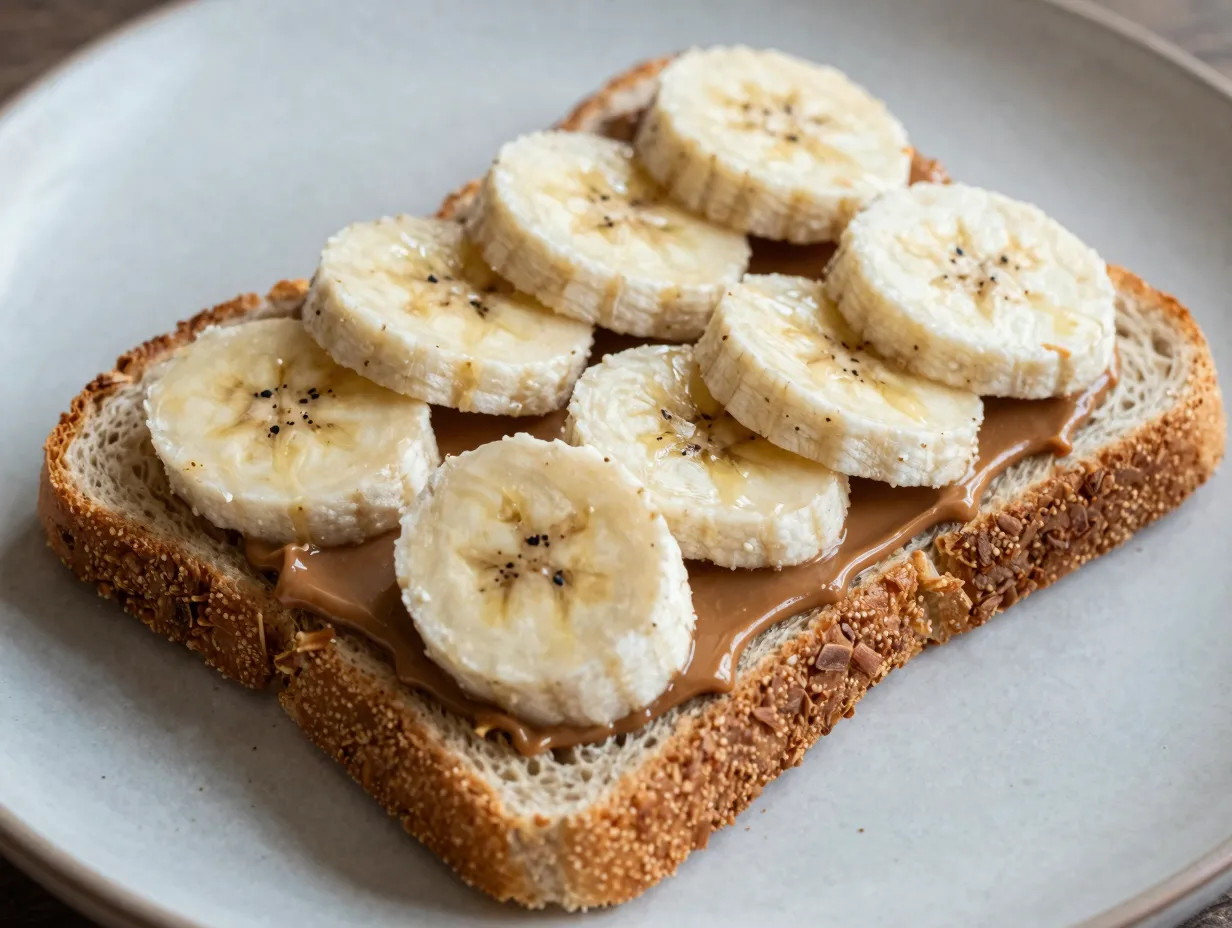
This is the clean eating breakfast that requires almost no effort and still delivers real nutritional value. Whole-grain toast provides complex carbohydrates and fiber. Natural almond butter or peanut butter, with no added sugar or hydrogenated oils, contributes protein and monounsaturated fats. Banana slices add potassium, natural sugars for quick energy, and a satisfying sweetness that makes this feel like more of a treat than a health food [2].
What to check on nut butter labels:
- Ingredients should list only nuts (and possibly salt)
- No partially hydrogenated oils
- No added sugar or corn syrup
- Natural separation (oil on top) is a good sign
This combination is particularly effective before morning workouts because the carbohydrates from the banana and toast provide accessible fuel, while the fats and protein from the nut butter sustain energy over a longer period.
8. Chia Seed Pudding with Almond Milk and Berries
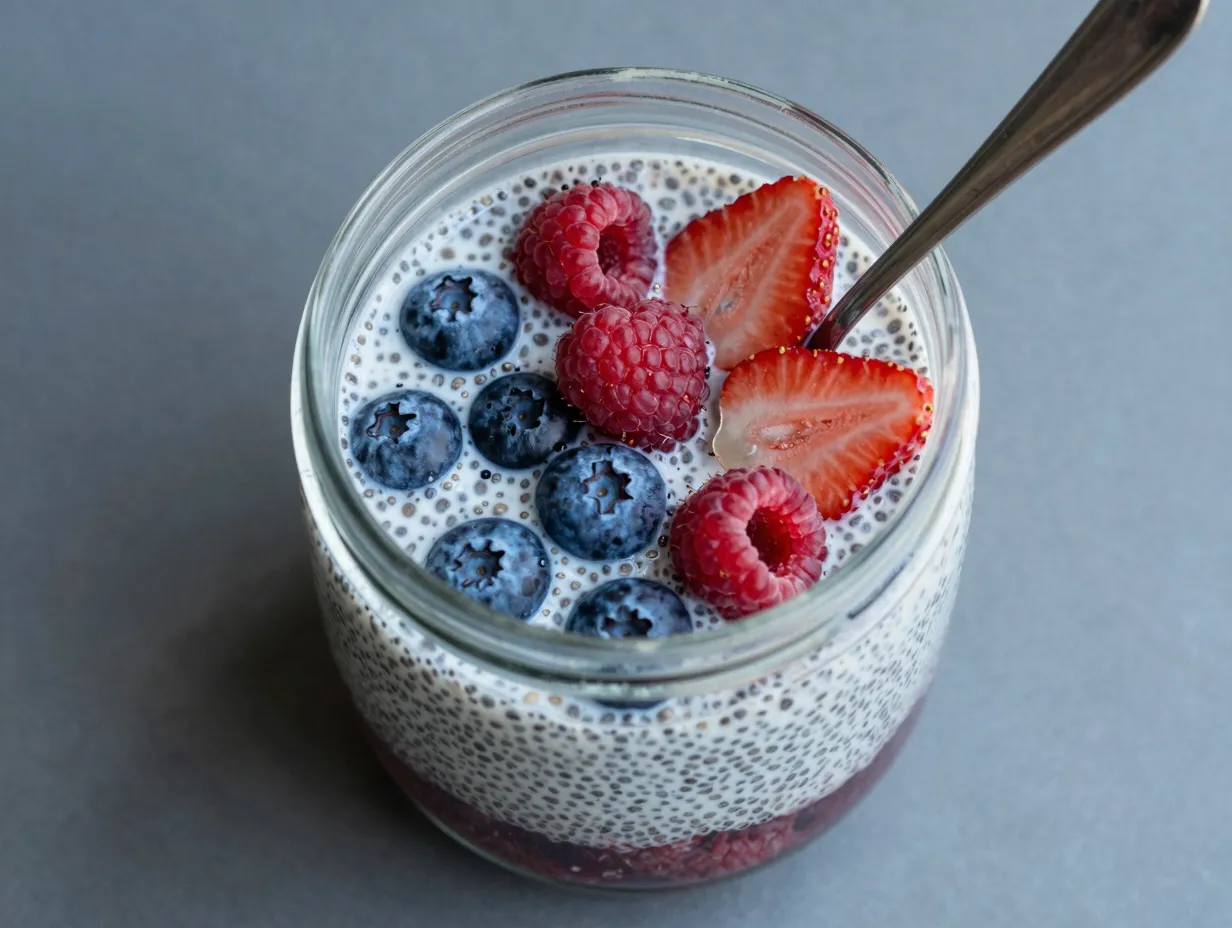
Chia seed pudding is the ultimate make-ahead clean eating breakfast. Chia seeds absorb liquid and expand into a thick, pudding-like consistency overnight, requiring zero cooking. The seeds themselves are dense with omega-3 fatty acids, soluble fiber, and plant-based protein. Using unsweetened almond milk as the base keeps added sugars low, and topping the pudding with fresh or frozen berries adds antioxidants, vitamin C, and additional fiber [2].
The preparation takes literally two minutes the night before. Combine three tablespoons of chia seeds with one cup of unsweetened almond milk, stir well, and refrigerate overnight. In the morning, top with berries and a drizzle of raw honey if desired.
“Chia seed pudding is proof that the most nutritious breakfasts do not have to be the most complicated ones. Two minutes of prep the night before can set you up for an entirely different kind of morning.”
Flavor variations to prevent boredom:
- Cacao powder and sliced banana for a chocolate version
- Vanilla extract and diced mango for a tropical version
- Cinnamon and diced apple for a fall-inspired version
9. Vegetable Omelet with Whole-Grain Toast
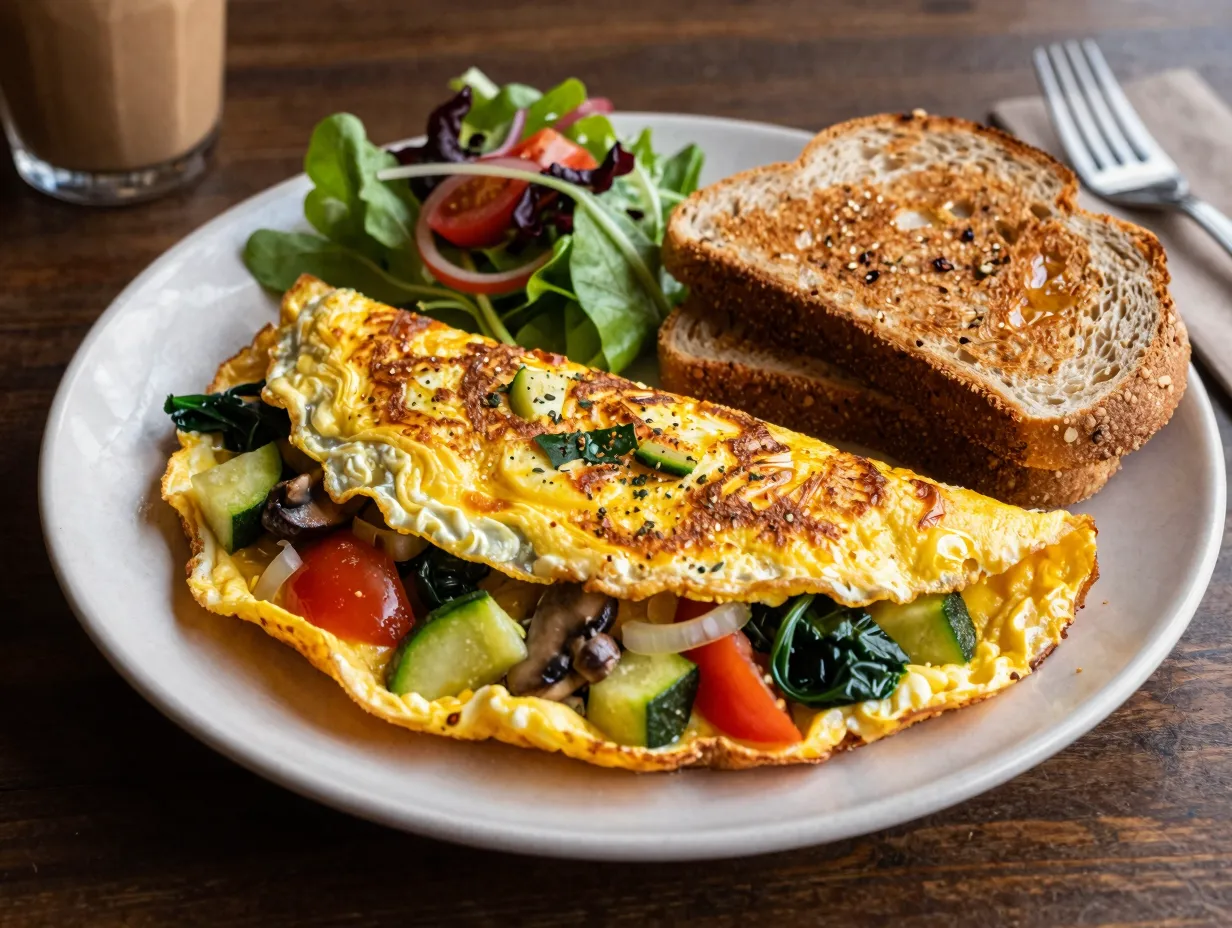
The vegetable omelet is the most satisfying and complete clean eating breakfast on this list. It combines the high-quality protein of eggs with the fiber and micronutrients of a variety of vegetables, then pairs with whole-grain toast for complex carbohydrates that extend energy release. Filling options like diced zucchini, mushrooms, onions, tomatoes, and baby spinach transform a simple egg dish into a genuinely nutrient-dense meal [2].
The key to a great clean eating omelet is not overcomplicating it. Two to three eggs, a cup of mixed vegetables, a small amount of olive oil, and seasoning is all that is needed. This meal provides a complete macronutrient profile, protein, carbohydrates, and healthy fats, in a single plate.
Vegetable combinations that work well:
- Spinach, mushroom, and feta cheese
- Bell pepper, onion, and tomato
- Zucchini, sun-dried tomato, and fresh basil
- Asparagus, leek, and goat cheese
Practical Tips for Making Clean Eating Breakfasts Sustainable
Knowing which breakfasts to eat is only half the challenge. The real obstacle for most people is consistency. Here are the strategies that have made the biggest difference in my own routine and in the routines of people I know who have successfully shifted to clean eating mornings.
Batch preparation saves the most time. Spending 20 minutes on Sunday to hard-boil eggs, portion out chia pudding into jars, and chop vegetables for the week eliminates most of the friction that causes people to reach for processed convenience foods on busy mornings.
Keep the pantry stocked with the right staples. When the ingredients for these nine options are always available, the decision becomes automatic. A pantry that consistently holds rolled oats, chia seeds, whole-grain bread, nut butter, and canned or fresh beans makes clean eating the path of least resistance.
Rotate options to prevent fatigue. Eating the same breakfast every day is a reliable way to abandon a healthy habit within two weeks. Cycling through three or four options from this list throughout the week keeps meals interesting without adding complexity.
Prioritize protein at breakfast. Of all the macronutrients, protein has the strongest effect on satiety and appetite regulation. Every option on this list includes a meaningful protein source, eggs, Greek yogurt, cottage cheese, nut butter, or protein powder. Aim for at least 15 to 25 grams of protein at breakfast for the best results.
Conclusion
The nine healthy breakfast options for clean eating that will fuel your entire day covered in this article share a common thread: they are built from whole, real ingredients that your body recognizes and uses efficiently. None of them require a culinary degree, an expensive kitchen gadget, or an hour of morning prep time. What they do require is a small shift in how you think about the first meal of the day.
Start with one change this week. If you currently eat a processed cereal or skip breakfast entirely, choose one option from this list, perhaps the Greek yogurt with berries, or the overnight chia pudding, and commit to it for five mornings. Notice how your energy, focus, and hunger patterns shift. That single experiment is often enough to make clean eating breakfasts feel less like a discipline and more like a preference.
The evidence is clear, the options are practical, and the results are real. Your morning meal is not a minor detail, it is the foundation of how you feel, think, and perform for the next eight to ten hours. Choose it with intention.
References
[1] 12 Best Foods To Eat In Morning – https://www.healthline.com/nutrition/12-best-foods-to-eat-in-morning?utm_source=openai
[2] Healthy Breakfast Ideas For Busy Mornings – https://www.nm.org/healthbeat/healthy-tips/nutrition/healthy-breakfast-ideas-for-busy-mornings?utm_source=openai