8 Bold and Delicious Sockeye Salmon Recipes That Celebrate Its Rich Natural Flavor
Sockeye salmon contains nearly twice the omega-3 fatty acids of Atlantic farmed salmon, yet most home cooks treat it exactly the same way, and that is a mistake that costs them flavor. This fish is a different creature entirely. Its deep ruby-red flesh, firm texture, and assertive, ocean-forward taste demand recipes that match its intensity rather than mask it. The 8 bold and delicious sockeye salmon recipes that celebrate its rich natural flavor collected here are built around that principle: let the fish lead, and build everything else around it.
Disclosure: This post contains affiliate links. As an Amazon Associate, we earn from qualifying purchases, and at no extra cost to you.
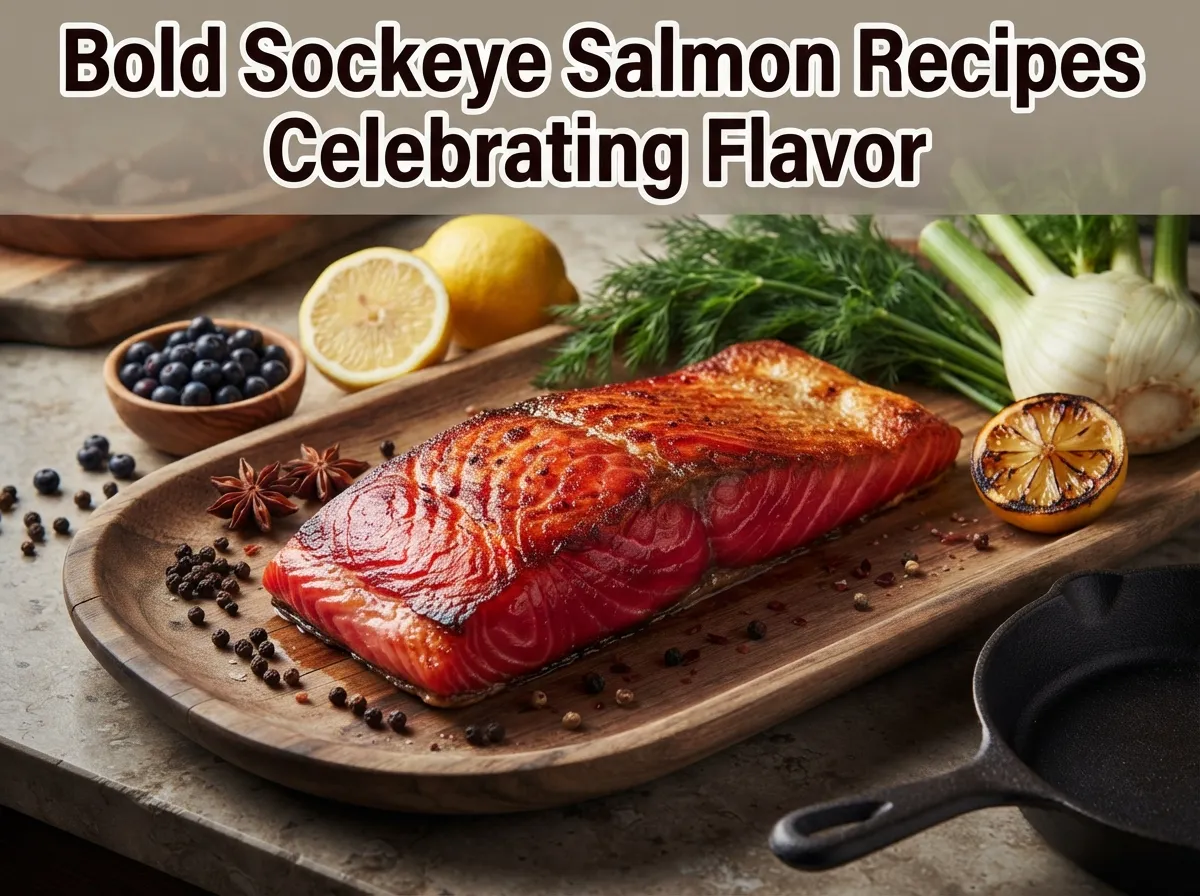
I first cooked sockeye salmon on a camping trip in the Pacific Northwest, where a local fisherman handed me a freshly caught fillet and told me, “Don’t drown it in butter. It doesn’t need saving.” He was right. Every recipe in this guide honors that advice.
Key Takeaways
- Sockeye salmon has a bolder, richer flavor than most other salmon species, which means it pairs best with equally bold ingredients and techniques.
- Low-and-slow cooking methods preserve the fish’s natural oils and prevent the dry, chalky texture that ruins many salmon dishes.
- Spice-forward preparations like Cajun seasoning complement, rather than compete with, sockeye’s natural intensity.
- Sockeye works beautifully in both hot dishes (chowder, pasta, fritters) and cold or room-temperature presentations (sushi cups, fennel salad).
- Sourcing matters: wild-caught Alaskan sockeye is consistently rated among the most sustainable seafood choices available in 2026.
Why Sockeye Salmon Deserves Its Own Recipe Strategy
Not all salmon is created equal. Sockeye, also called red salmon, gets its vivid color from a diet rich in krill and zooplankton. That same diet loads the flesh with astaxanthin, a powerful antioxidant, and produces a fat profile that is distinct from farmed Atlantic salmon. The flesh is firmer, the flavor is more pronounced, and the color is a deep, jewel-like crimson that looks extraordinary on a plate.
That richness is an asset, but only if you cook with it in mind. Mild sauces that work perfectly on a pale pink farmed fillet can disappear entirely against sockeye’s assertive taste. Conversely, bold acids, aromatic herbs, smoky spices, and fruit-based compotes all rise to meet it.
The recipes below were selected because each one does exactly that. They range from quick weeknight dinners to weekend showstoppers, from classic Pacific Northwest pairings to globally inspired preparations. Together, they represent the full range of what this remarkable fish can do.
The 8 Bold and Delicious Sockeye Salmon Recipes That Celebrate Its Rich Natural Flavor
1. Grilled Sockeye Salmon with Huckleberry Compote
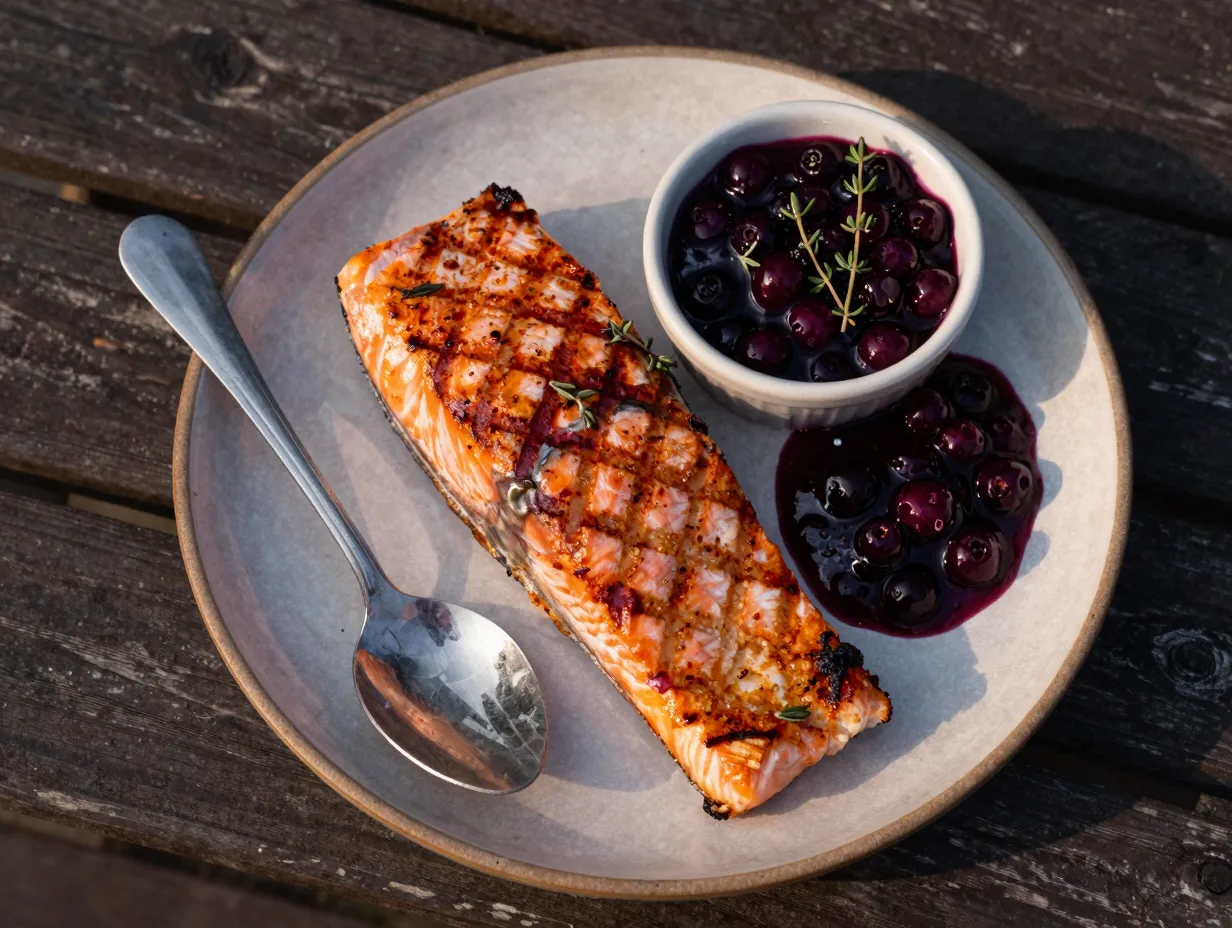
Grilling is the most direct way to honor sockeye’s natural character. High heat creates a lightly charred exterior that seals in the fish’s oils, while the interior stays moist and deeply flavored. The real star of this dish, however, is the huckleberry compote.
Huckleberries are native to the Pacific Northwest, the same region where sockeye salmon runs are strongest, and the pairing is almost geographically inevitable. The compote is sweet, tangy, and slightly jammy, cutting through the richness of the fish without overwhelming it. A splash of apple cider vinegar and a pinch of fresh thyme in the compote keep it from tasting like dessert.
Key technique: Preheat the grill to high, oil the grates well, and cook the fillet skin-side down for 70 percent of the total cooking time. This renders the skin crispy and prevents sticking. Pull the fish off heat at an internal temperature of 125°F for a silky, just-cooked center [1].
Suggested sides: Wild rice pilaf, roasted asparagus, or a simple arugula salad with lemon vinaigrette.
2. Salmon Sushi Cups
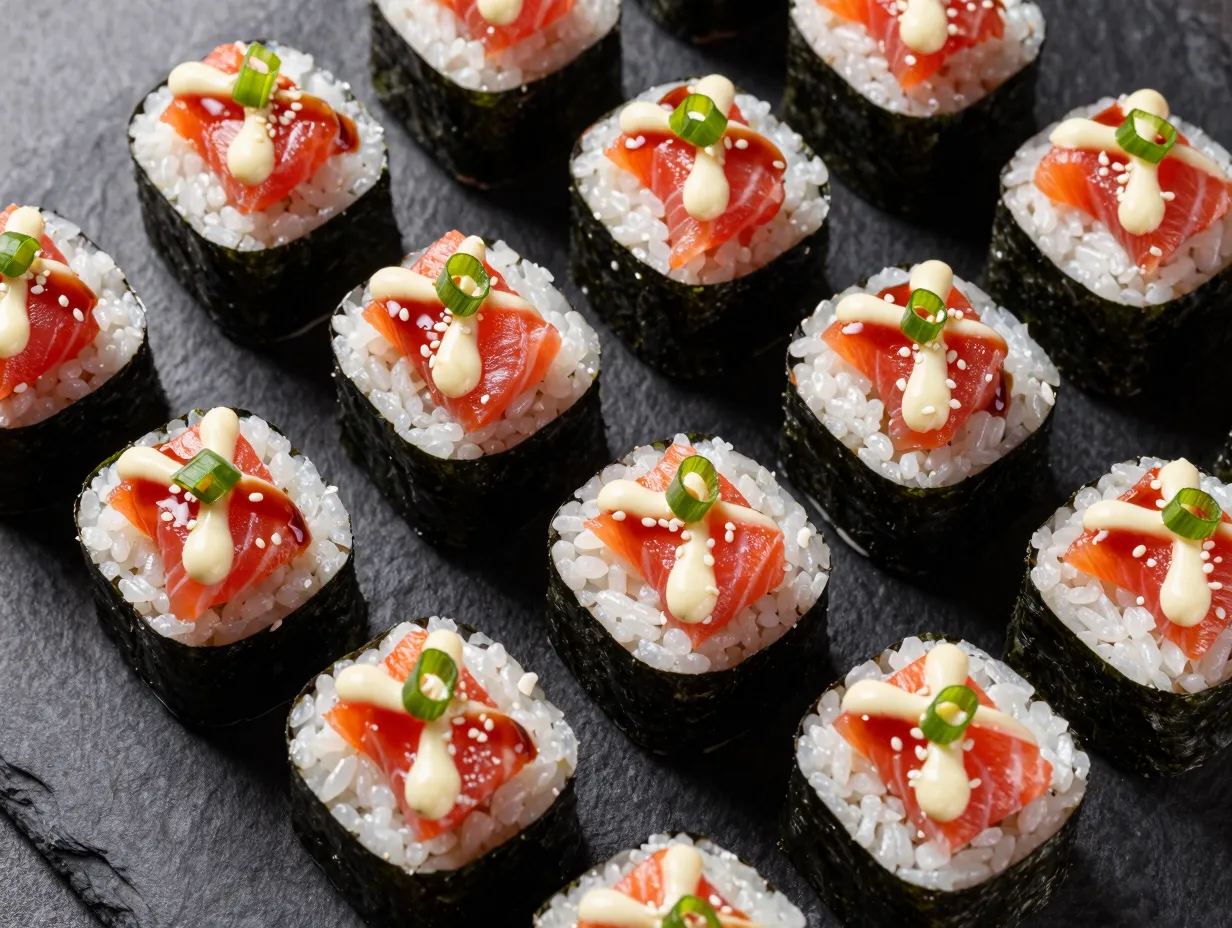
These bite-sized appetizers reframe sockeye salmon as a party food without sacrificing any of its quality. The concept is simple: short-grain sushi rice is pressed into small nori cups, then topped with cubed raw or lightly seared sockeye, a drizzle of spicy mayo or ponzu, and a scattering of sliced green onions and sesame seeds [1].
The key to making this work is the quality of the fish. Because the salmon is served raw or barely cooked, freshness is non-negotiable. Look for sushi-grade sockeye from a reputable fishmonger, and keep it cold until the moment it hits the cup.
Why sockeye works here: Its firm texture holds up beautifully when cubed, and its bold flavor stands up to the umami of soy-based sauces in a way that milder salmon species simply cannot.
| Component | Role in the Dish | Substitution Option |
|---|---|---|
| Sushi rice | Neutral base, slight sweetness | Cauliflower rice (low-carb) |
| Nori cups | Vessel, umami, texture | Cucumber rounds, endive leaves |
| Raw sockeye | Bold flavor, color, protein | Lightly seared sockeye |
| Spicy mayo / ponzu | Acid, heat, umami balance | Yuzu kosho, tamari |
3. Cajun Salmon
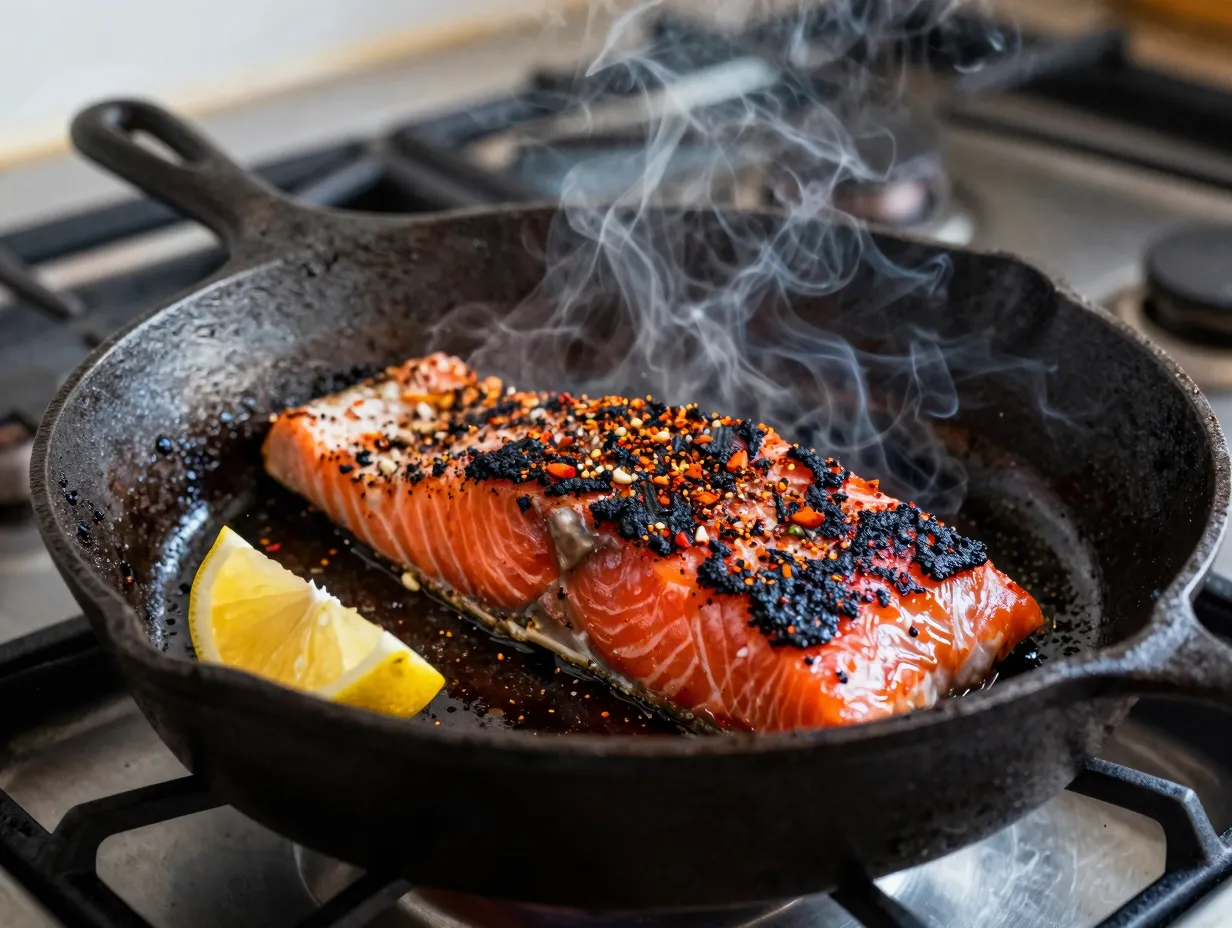
Cajun seasoning was practically invented for a fish like sockeye. The blend of smoked paprika, cayenne, garlic powder, onion powder, dried thyme, and oregano creates a spice crust that chars slightly in a hot cast-iron pan, producing a smoky, peppery bark on the outside while the inside stays tender and rich [1].
This recipe is also one of the fastest on this list. A well-seasoned fillet needs no more than four minutes per side in a screaming-hot pan. The result is a weeknight dinner that tastes like it took far longer.
Serving suggestion: Cajun salmon sits beautifully over dirty rice, alongside collard greens, or tucked into a po’boy-style sandwich with remoulade and shredded cabbage. A squeeze of fresh lemon right before serving brightens the whole dish.
Pro tip: Pat the fillet completely dry before applying the spice rub. Moisture is the enemy of a good crust.
4. Slow-Roasted Sockeye Salmon on a Fennel and Herb Salad
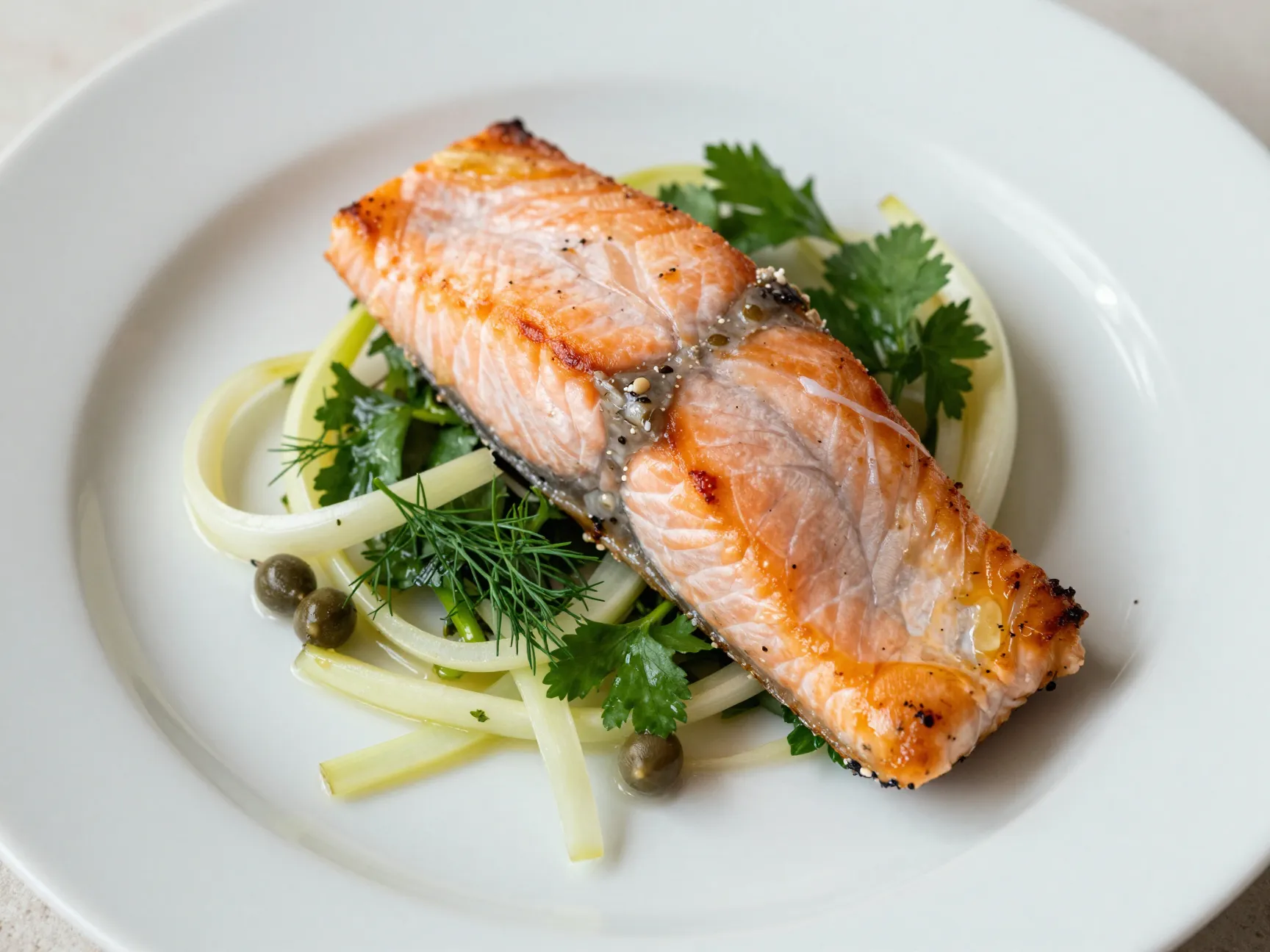
This recipe is the quiet showstopper of the group. Slow-roasting, cooking the fish at 275°F for 25 to 30 minutes, produces a texture that is almost impossibly silky. The proteins coagulate gently rather than seizing up, and the fat stays distributed throughout the flesh rather than being pushed out [1].
The fennel and herb salad underneath is not an afterthought. Thinly shaved raw fennel has a mild anise flavor that complements the richness of the fish. Toss it with fresh dill, flat-leaf parsley, capers, and a bright lemon-olive oil dressing. When the warm salmon is placed on top, it gently wilts the greens and the two components meld together.
Why this technique matters: Many home cooks overcook sockeye because they apply the same high-heat timing they use for Atlantic salmon. Sockeye’s lower fat content relative to farmed salmon means it dries out faster at high temperatures. Slow-roasting eliminates that risk entirely.
5. Lemon Ginger Grilled Sockeye Salmon
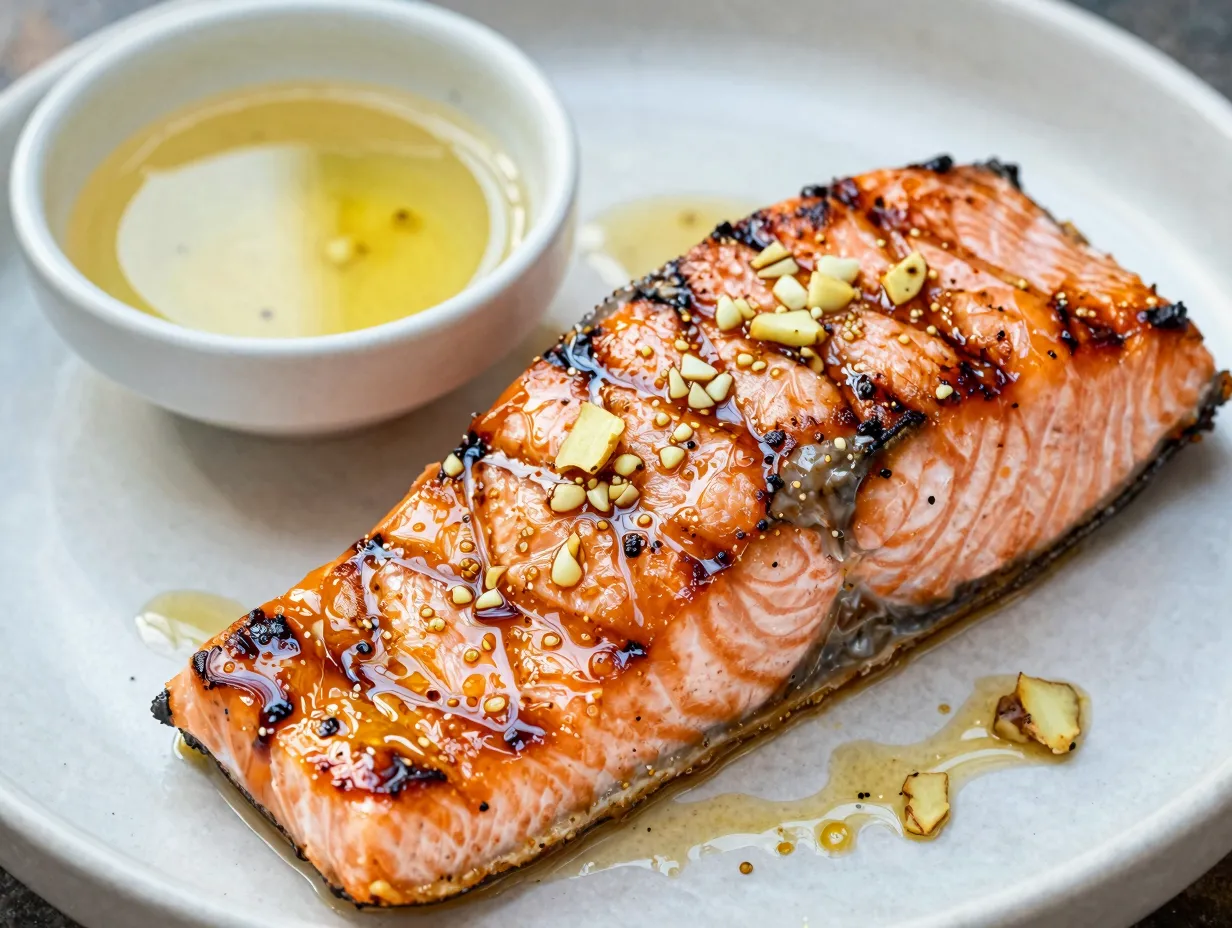
A lemon-ginger marinade, originally developed for coho salmon, translates exceptionally well to sockeye [2]. The acid in the lemon juice begins to gently cure the surface of the fish, while fresh ginger adds a warm, slightly floral heat that plays off sockeye’s natural depth.
Marinade formula (per pound of salmon):
- 3 tablespoons fresh lemon juice
- 1 tablespoon finely grated fresh ginger
- 2 tablespoons soy sauce or tamari
- 1 tablespoon honey or maple syrup
- 2 cloves garlic, minced
- 1 tablespoon sesame oil
Marinate for no more than 30 minutes. Because of the lemon juice, longer marinating times will begin to break down the flesh and produce a mushy texture.
Grill over medium-high heat, basting once with the reserved marinade during cooking. The honey in the marinade will caramelize on the grill and create a lacquered, glossy finish.
6. Lemony Sockeye Salmon Bucatini
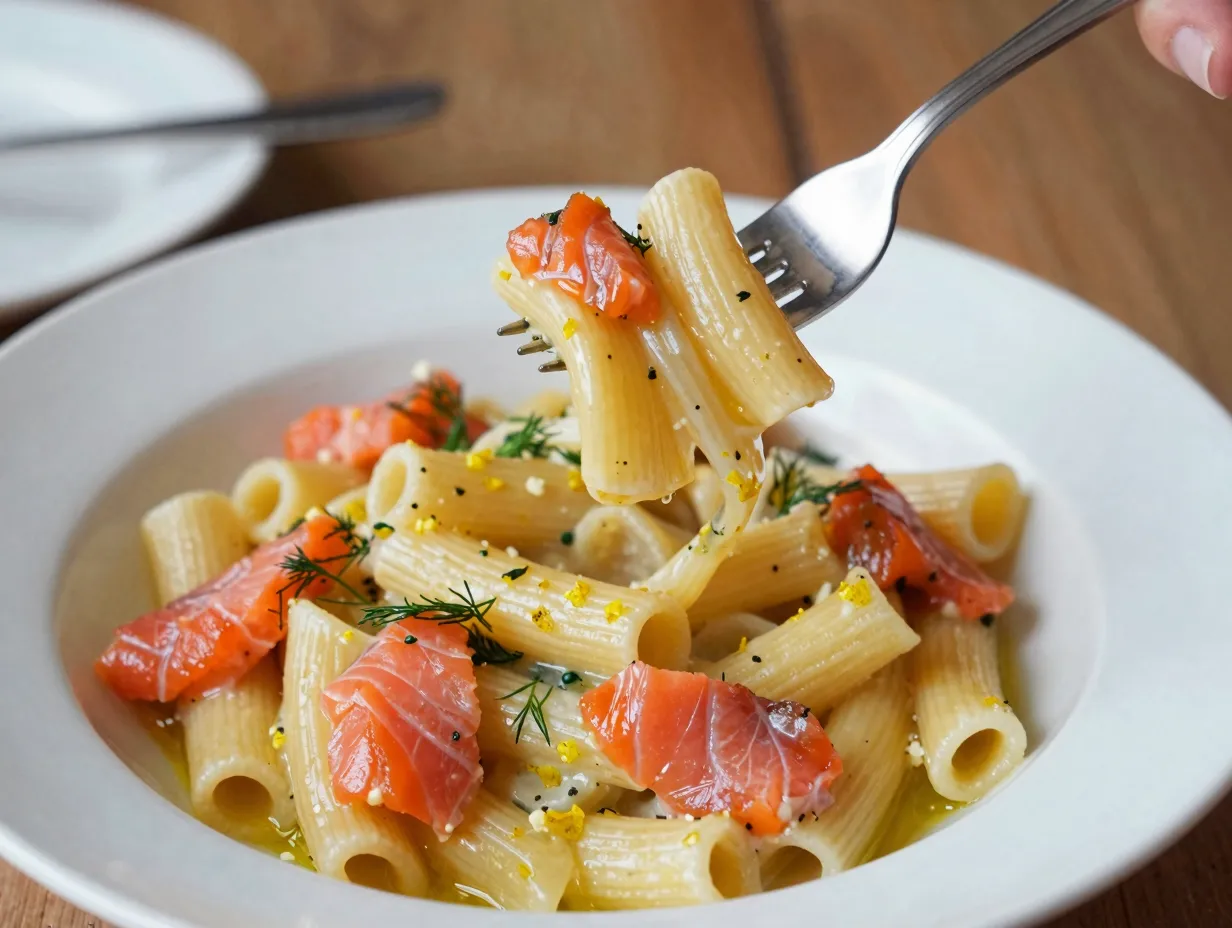
Pasta and salmon might seem like an unlikely pairing, but this dish is one of the most satisfying on the list. Bucatini, thick, hollow spaghetti, is the ideal noodle here because it catches the silky, lemony sauce in its hollow center [1].
The sauce is built from olive oil, garlic, white wine, lemon zest, lemon juice, and a generous amount of freshly cracked black pepper. Flaked sockeye salmon is folded in at the end, off the heat, so it warms through without overcooking. A handful of fresh herbs, dill, chives, or flat-leaf parsley, finishes the dish.
What makes this work: The lemon’s acidity cuts through the richness of the salmon, and the pasta provides a starchy, neutral backdrop that lets the fish’s flavor come forward. This is a 30-minute dinner that feels restaurant-quality.
7. Sockeye Salmon Chowder
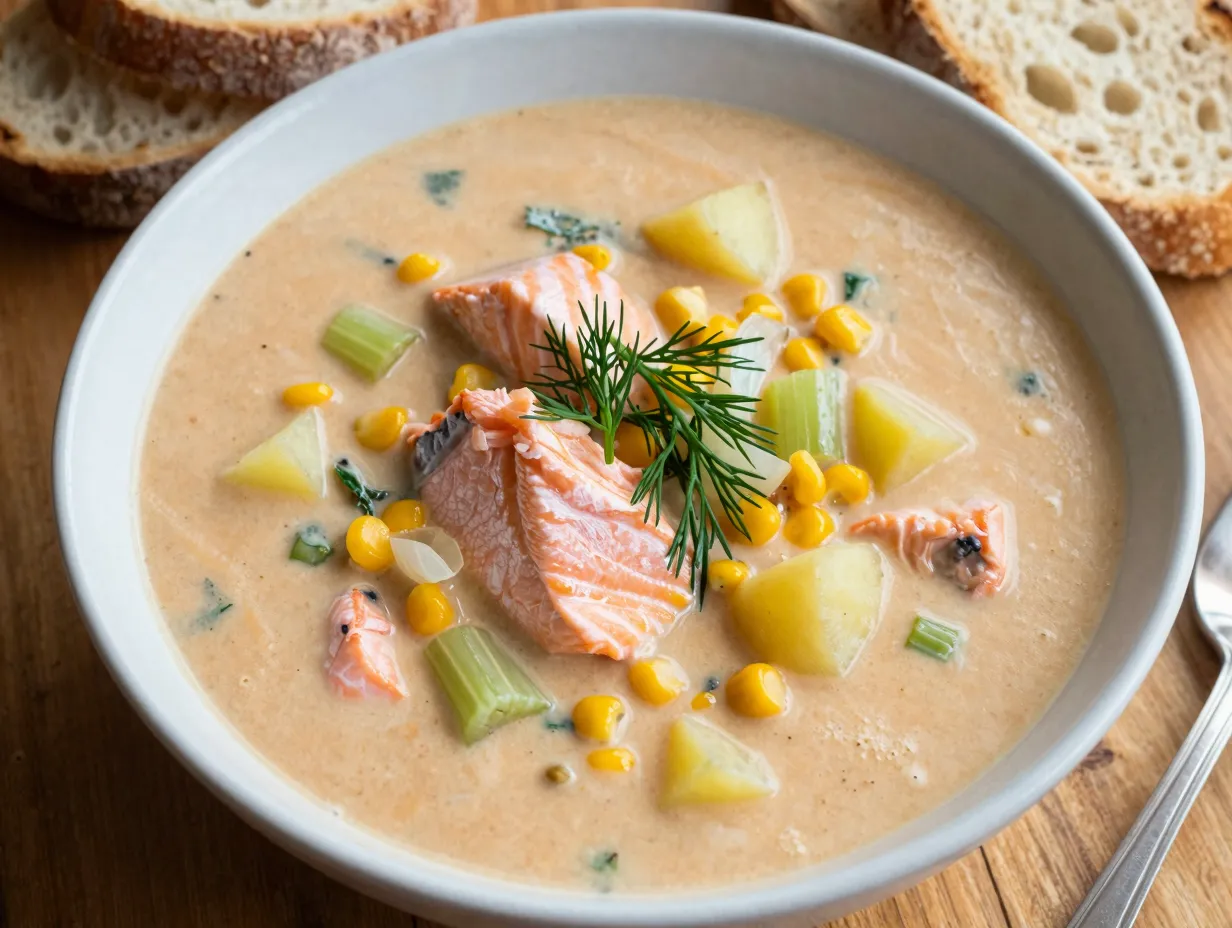
Chowder is the ultimate cold-weather application for sockeye salmon. The fish’s bold flavor holds up beautifully in a rich, creamy broth where milder fish can get lost entirely [1].
The base is classic: diced onion, celery, and potato softened in butter, then simmered in a combination of fish stock and heavy cream. Sockeye salmon is added in large, generous chunks during the final five minutes of cooking. This timing is critical, the fish should be just cooked through, still tender, and not falling apart into the broth.
Flavor builders to include:
- Smoked paprika for depth
- Fresh dill for brightness
- A bay leaf during simmering
- A splash of dry white wine or dry vermouth
- Corn kernels for sweetness and texture
The result is a chowder that is deeply savory, slightly smoky, and unmistakably salmon-forward. Serve with crusty sourdough bread and a simple green salad.
8. Sockeye Salmon with Spiced Broccoli, Currants, and Pecan Sauce
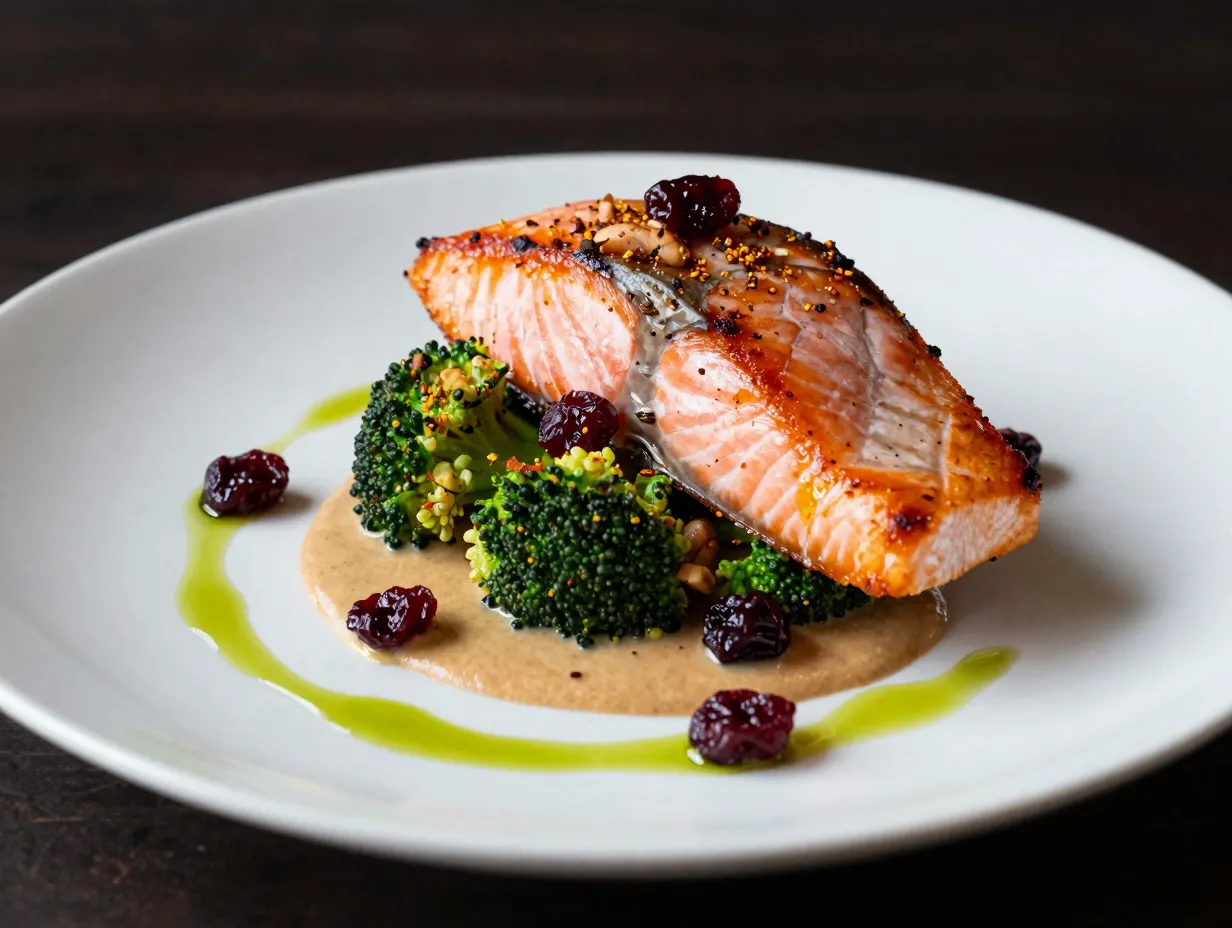
This is the most complex recipe on the list, and it earns every bit of that complexity. The dish layers multiple contrasting flavors and textures: the bold, fatty richness of the salmon, the slightly bitter char of roasted broccoli tossed with warm spices (cumin, coriander, smoked paprika), the sweet-tart pop of dried currants, and a silky, nutty pecan sauce that ties everything together [1].
The pecan sauce is made by blending toasted pecans with roasted garlic, olive oil, a splash of sherry vinegar, and enough water to achieve a pourable consistency. It is savory, slightly sweet, and deeply aromatic.
Why this combination works: Sockeye salmon’s assertive flavor profile is strong enough to anchor a dish with this many competing elements. A milder fish would disappear. Sockeye holds its own and becomes the centerpiece around which all the other flavors orbit.
Plating suggestion: Spread the pecan sauce on the base of the plate, pile the spiced broccoli in the center, place the salmon fillet on top, and scatter the currants over everything. Finish with a drizzle of good olive oil and a few flakes of sea salt.
Choosing and Handling Sockeye Salmon for Best Results
The recipes above will only perform at their best if the fish itself is high quality. Here is what to look for and how to handle it properly.
When buying fresh sockeye:
- The flesh should be a deep, vivid red, not pale pink or brownish.
- It should smell clean and oceanic, not fishy or sour.
- The flesh should be firm and spring back when pressed.
- Wild-caught Alaskan sockeye is the gold standard for both flavor and sustainability.
When buying frozen sockeye:
- Individually quick-frozen (IQF) fillets are often fresher than “fresh” fish that has been sitting on ice for days.
- Thaw overnight in the refrigerator, never at room temperature.
- Pat completely dry before cooking to ensure proper browning and crust formation.
Storage:
- Fresh sockeye should be cooked within two days of purchase.
- Properly frozen sockeye maintains quality for up to three months.
| Recipe | Cooking Method | Difficulty | Time |
|---|---|---|---|
| Grilled with Huckleberry Compote | Grilling | Medium | 30 min |
| Salmon Sushi Cups | Raw / No-cook | Easy | 20 min |
| Cajun Salmon | Pan-sear | Easy | 15 min |
| Slow-Roasted on Fennel Salad | Oven roast | Easy | 40 min |
| Lemon Ginger Grilled | Grilling | Easy | 25 min |
| Lemony Bucatini | Stovetop | Easy | 30 min |
| Salmon Chowder | Stovetop | Medium | 45 min |
| Spiced Broccoli, Currants, Pecan Sauce | Oven + stovetop | Advanced | 50 min |
Common Mistakes to Avoid When Cooking Sockeye Salmon
Even experienced cooks make these errors. Knowing them in advance saves a lot of frustration.
Overcooking: This is the single most common mistake. Sockeye has less intramuscular fat than farmed Atlantic salmon, so it dries out faster. Pull it from heat when the internal temperature reads 120°F to 125°F for optimal texture. Carryover cooking will bring it to the ideal 130°F.
Under-seasoning: Sockeye’s bold flavor is an asset, but it still needs salt to fully express itself. Season generously, especially when using a dry rub or spice blend.
Skipping the dry step: Moisture on the surface of the fish prevents browning and crust formation. Always pat fillets dry with paper towels before applying any seasoning or heat.
Using too mild a marinade: Delicate herb marinades that work on chicken or white fish will be completely overwhelmed by sockeye’s flavor. Lean into bold acids, aromatic spices, and umami-rich ingredients.
Marinating too long in acid: Lemon juice, lime juice, and vinegar will begin to denature the proteins in the fish within 30 to 45 minutes, producing a mushy, ceviche-like texture. Keep acid-based marinades short.
Conclusion
The 8 bold and delicious sockeye salmon recipes that celebrate its rich natural flavor in this guide share a single underlying philosophy: respect the fish. Sockeye salmon is not a blank canvas. It is a bold, assertive ingredient with a flavor profile that rewards cooks who match its energy rather than trying to soften it.
Whether you start with the fast, weeknight-friendly Cajun salmon or commit to the more elaborate spiced broccoli and pecan sauce preparation, each recipe here will give you a result that tastes intentional and confident. The techniques, slow-roasting, high-heat grilling, pan-searing with a spice crust, are all learnable with a single attempt.
Your actionable next steps:
- Start with the Cajun salmon or the lemon ginger grilled fillet if you are new to cooking sockeye. Both are forgiving and fast.
- Source wild-caught Alaskan sockeye from a trusted fishmonger or a reputable online seafood supplier.
- Invest in an instant-read thermometer. It is the single most effective tool for preventing overcooked salmon.
- Work through all eight recipes over the course of a month. By the end, you will have an intuitive understanding of how sockeye behaves under different cooking conditions, and that knowledge will make you a better cook across the board.
Sockeye salmon is one of the most nutritious, sustainable, and flavorful proteins available in 2026. It deserves to be cooked with the same care and ambition it brings to the plate on its own.
References
[1] Sockeye Salmon Recipes – https://www.fisheries.noaa.gov/insight/sockeye-salmon-recipes?utm_source=openai
[2] Coho Salmon Recipes – https://www.fisheries.noaa.gov/insight/coho-salmon-recipes?utm_source=openai