9 Types of Ice Creams You Need to Try Before You Call Yourself a True Dessert Lover
The global ice cream market was valued at over $97 billion in 2023 and is projected to surpass $130 billion by 2030 — yet most people spend their entire lives eating only one or two styles from that vast, frozen universe. If you have ever stood in front of a dessert counter and ordered the same familiar scoop without a second thought, you may be leaving some of the world’s most extraordinary frozen experiences completely untouched.
Disclosure: This post contains affiliate links. As an Amazon Associate, we earn from qualifying purchases, and at no extra cost to you.

This article is your definitive guide to the 9 types of ice creams you need to try before you call yourself a true dessert lover. Whether you are a casual cone enthusiast or a serious foodie chasing the next great bite, this list will expand your frozen horizons in ways you did not expect. Each variety on this list represents a distinct culinary tradition, a unique texture, and a flavor profile that simply cannot be replicated by any other style.
I have personally tracked down several of these varieties across cities and continents, and I can tell you with full confidence: once you try them all, the words “just ice cream” will never leave your mouth again.
Key Takeaways
- The world of frozen desserts extends far beyond the standard American scoop, with nine distinct styles each rooted in a different culture and technique.
- Texture is just as important as flavor — varieties like mochi, kulfi, and gelato each deliver a completely different mouthfeel.
- Many of these ice cream types are now available in major cities and online specialty stores, making them more accessible than ever in 2026.
- Understanding the differences between these styles will help you make more informed, satisfying dessert choices.
- Trying all 9 types of ice creams on this list is one of the most enjoyable and delicious ways to explore global food culture.
The Classic Foundation: Why Knowing Your Ice Cream Styles Matters
Before diving into the full list of the 9 types of ice creams you need to try before you call yourself a true dessert lover, it helps to understand why these distinctions matter at all. Many people assume that ice cream is ice cream — cold, sweet, and creamy. But that assumption misses the entire point.
Each style of frozen dessert is shaped by the ingredients available in its culture of origin, the techniques passed down through generations, and the flavor preferences of the people who created it. A scoop of Italian gelato and a scoop of American-style ice cream may look similar in a bowl, but they are fundamentally different products. The fat content, air incorporation, serving temperature, and base ingredients all vary in ways that create dramatically different eating experiences.
“Ice cream is not a single food. It is a category of art forms, each with its own rules, history, and soul.”
Understanding these differences also makes you a better consumer. You will know when a gelato shop is cutting corners, when a kulfi is authentically made, and when a soft-serve machine is producing something truly special versus something mediocre. That knowledge transforms every dessert outing from a casual stop into a genuine tasting experience.
The Full List: 9 Types of Ice Creams You Need to Try Before You Call Yourself a True Dessert Lover
Here is the complete breakdown of every style you need to know, taste, and appreciate. Each entry includes what makes it unique, where it comes from, and what to look for when you try it.
1. American-Style Ice Cream
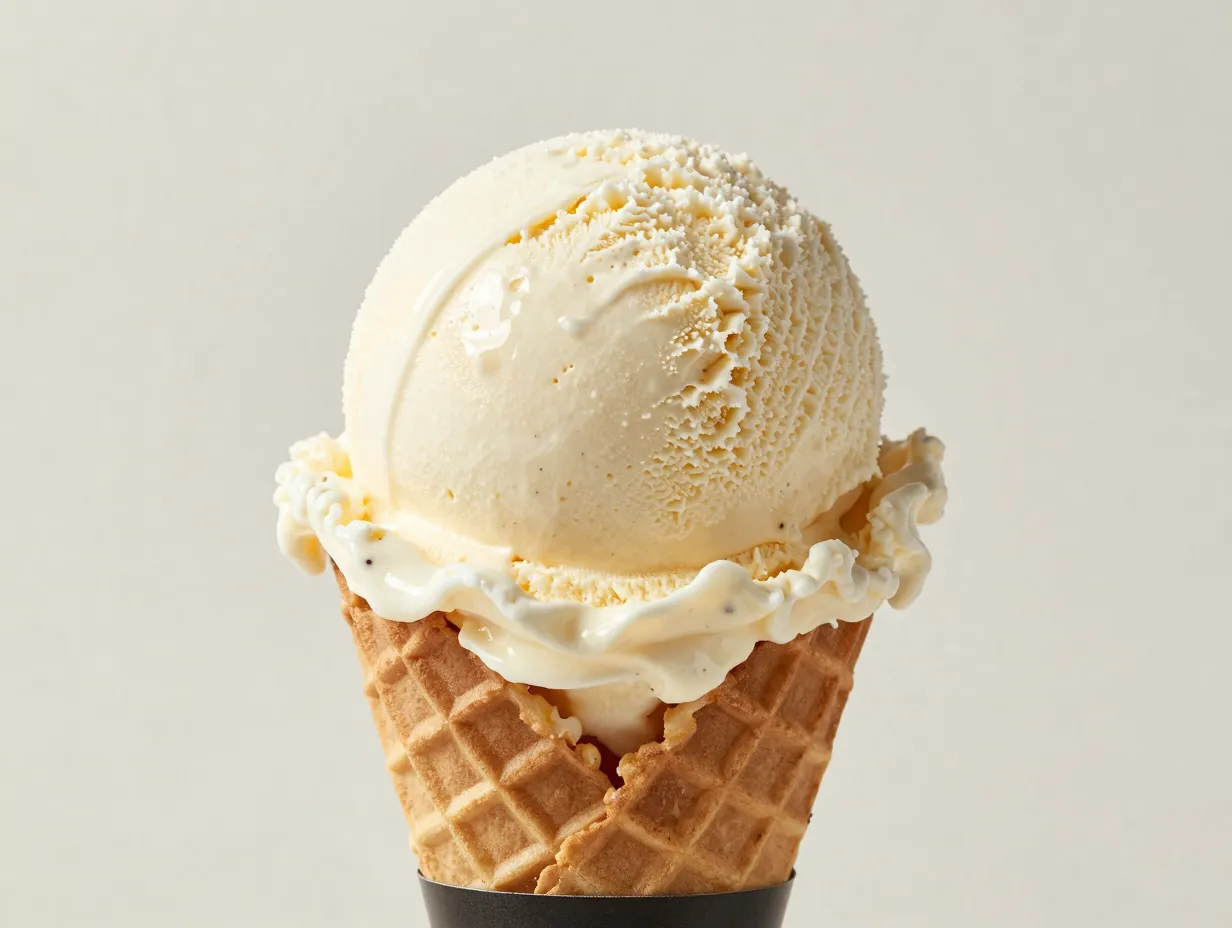
American-style ice cream is the baseline — the style most people in the Western world grew up eating. It is made with a custard base that includes cream, milk, sugar, and egg yolks, then churned in a machine that incorporates air (a process called overrun). The result is a rich, dense, creamy product with a fat content typically between 10% and 16%.
What makes it special: The high fat content gives American-style ice cream its signature richness. The egg yolks add a subtle, rounded flavor that makes even simple vanilla taste complex.
What to look for: Seek out small-batch, artisan producers who use real vanilla beans, high-quality dairy, and minimal stabilizers. The difference between a premium American-style scoop and a mass-produced one is enormous.
Pro tip: A quality American-style ice cream should feel dense and slightly resistant when scooped, not airy or foamy.
2. Italian Gelato
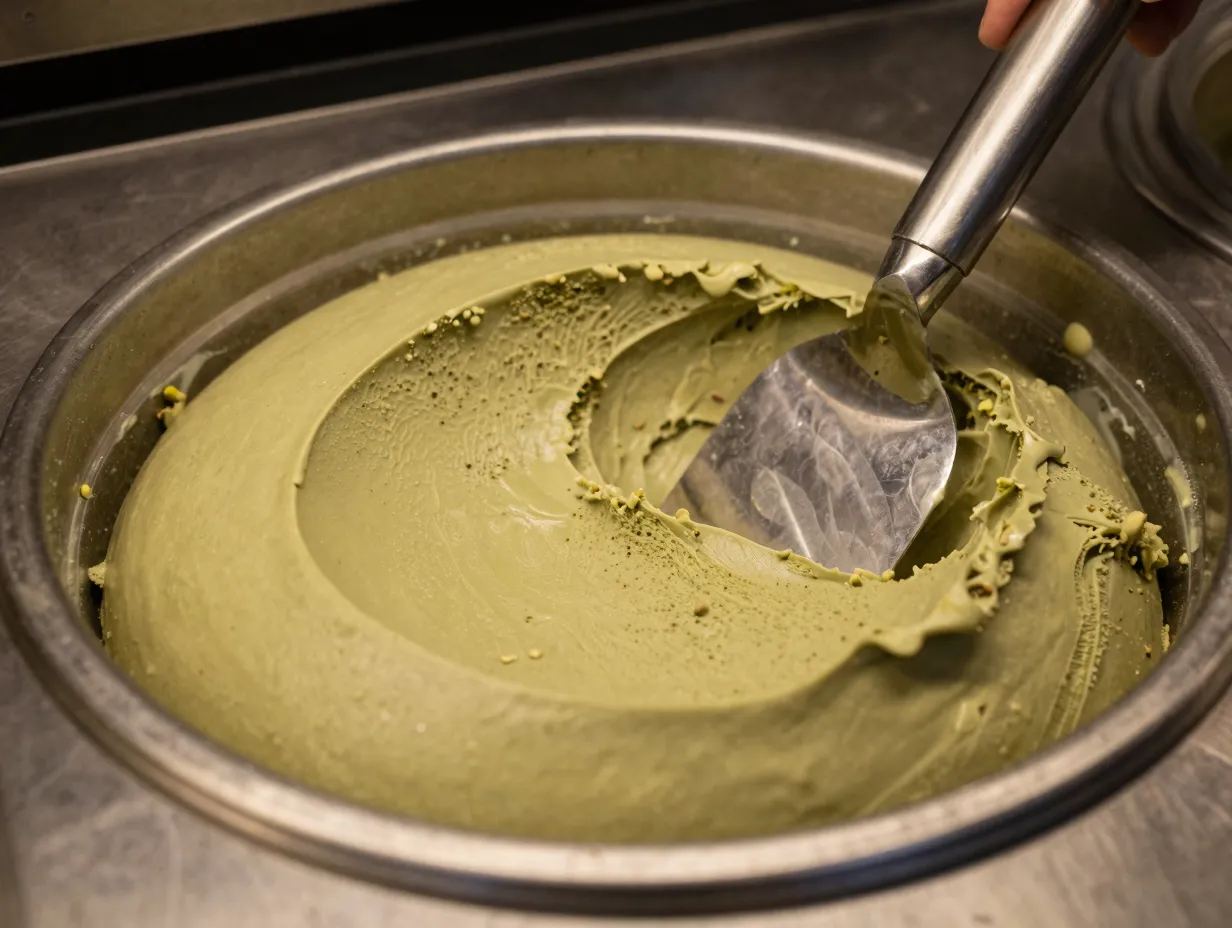
Gelato is arguably the most misunderstood frozen dessert on this list. Many people assume it is simply the Italian word for ice cream. It is not. Gelato has a lower fat content (typically 4%–8%), less air churned into it (lower overrun), and is served at a slightly warmer temperature than American ice cream. The result is a denser, silkier, more intensely flavored product.
What makes it special: Because gelato contains less fat and air, the flavor of the primary ingredient — whether pistachio, hazelnut, or fresh strawberry — comes through with startling clarity. Nothing masks it.
What to look for: Authentic gelato should be stored in covered metal containers (called pozzetti), not displayed in towering, colorful mounds. Bright, neon-colored gelato is almost always a sign of artificial flavoring and heavy stabilizers.
| Feature | American Ice Cream | Italian Gelato |
|---|---|---|
| Fat Content | 10%–16% | 4%–8% |
| Air Incorporation | High (25%–90%) | Low (20%–35%) |
| Serving Temperature | Colder (-12°C) | Warmer (-7°C) |
| Texture | Light, creamy | Dense, silky |
| Flavor Intensity | Moderate | High |
3. Japanese Mochi Ice Cream
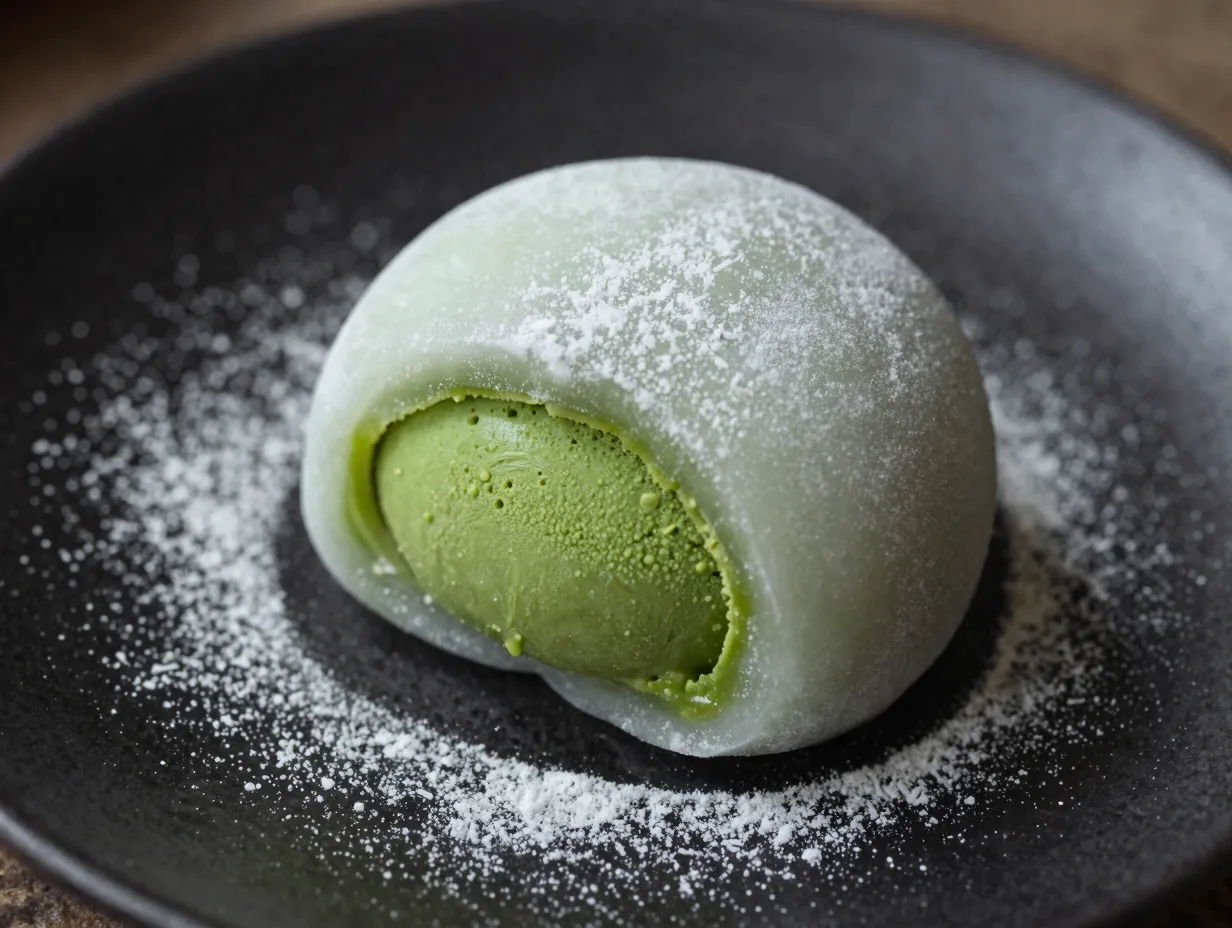
Mochi ice cream is one of the most texturally surprising desserts in the world. It consists of a small scoop of ice cream wrapped inside a thin, chewy layer of mochi — a Japanese rice cake made from glutinous rice flour. The contrast between the cold, creamy interior and the soft, slightly sticky exterior is unlike anything else in the frozen dessert world.
What makes it special: The textural contrast is the entire experience. The mochi wrapper has a subtle sweetness and a satisfying chew that transforms each bite into a multi-layered event.
What to look for: Fresh mochi ice cream should have a soft, pliable wrapper that does not crack or feel hard. Flavors like matcha, black sesame, and red bean are traditional and worth prioritizing over novelty Western flavors.
Personal note: The first time I tried a matcha mochi ice cream at a small shop in Kyoto, I genuinely stopped walking mid-street. The combination of earthy bitterness from the matcha and the sweet chew of the rice cake was something I had simply never experienced before.
4. Indian Kulfi
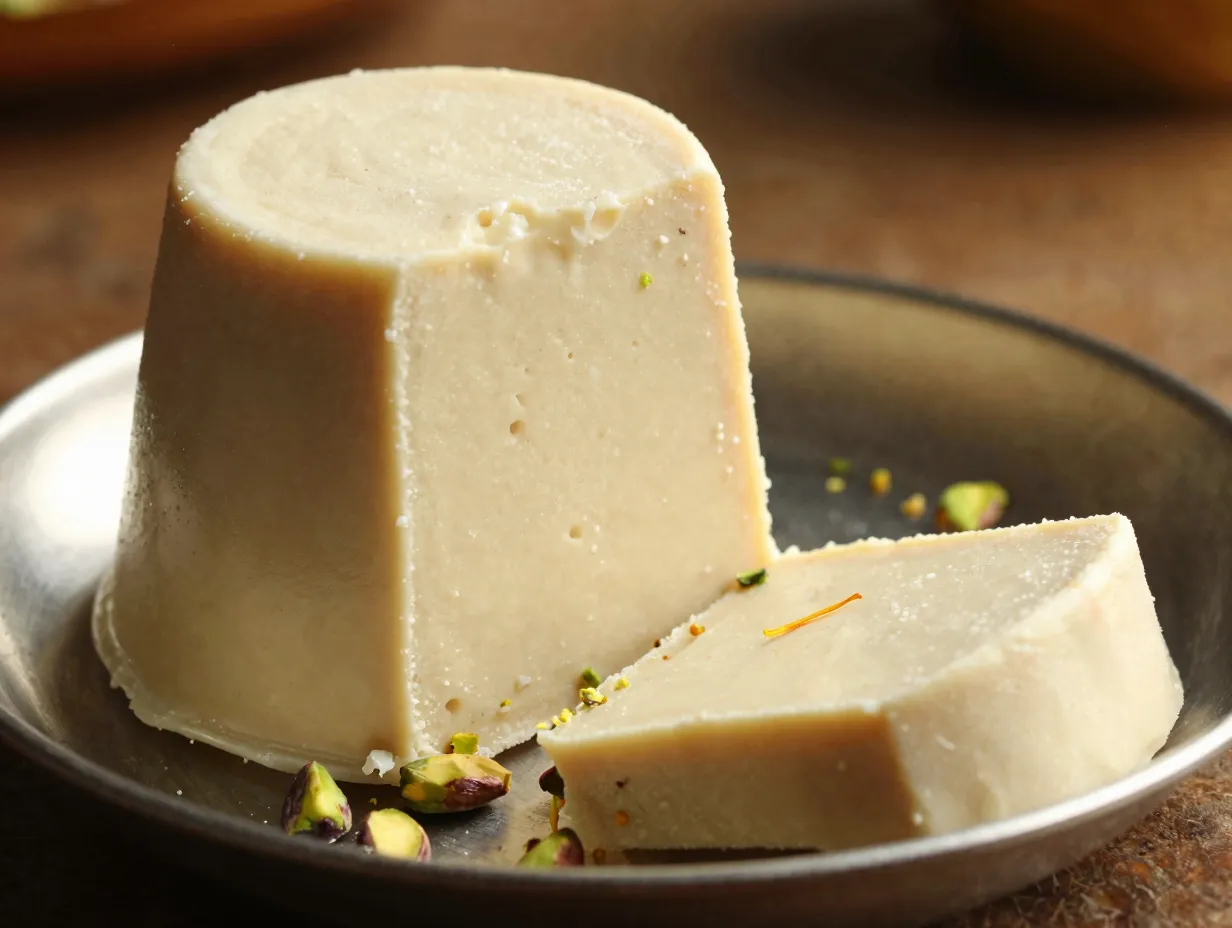
Kulfi is one of the oldest frozen desserts in the world, with roots in the Mughal Empire dating back to the 16th century. Unlike most Western ice creams, kulfi is not churned at all. Instead, it is made by slowly reducing full-fat milk over low heat until it thickens dramatically, then sweetening it with sugar and flavoring it with ingredients like cardamom, saffron, pistachio, or rose water. It is then poured into molds and frozen solid.
What makes it special: Because kulfi is not churned, it has virtually no air in it. This makes it extraordinarily dense — almost like a frozen cream — with an intensely rich, milky flavor. It is also significantly less sweet than most Western frozen desserts.
What to look for: Traditional kulfi should be served on a stick or sliced from a cylindrical mold. The texture should be firm and dense, not soft or scoopable. Authentic kulfi takes time to melt, which is part of what makes it so satisfying to eat on a warm day.
5. Thai Rolled Ice Cream
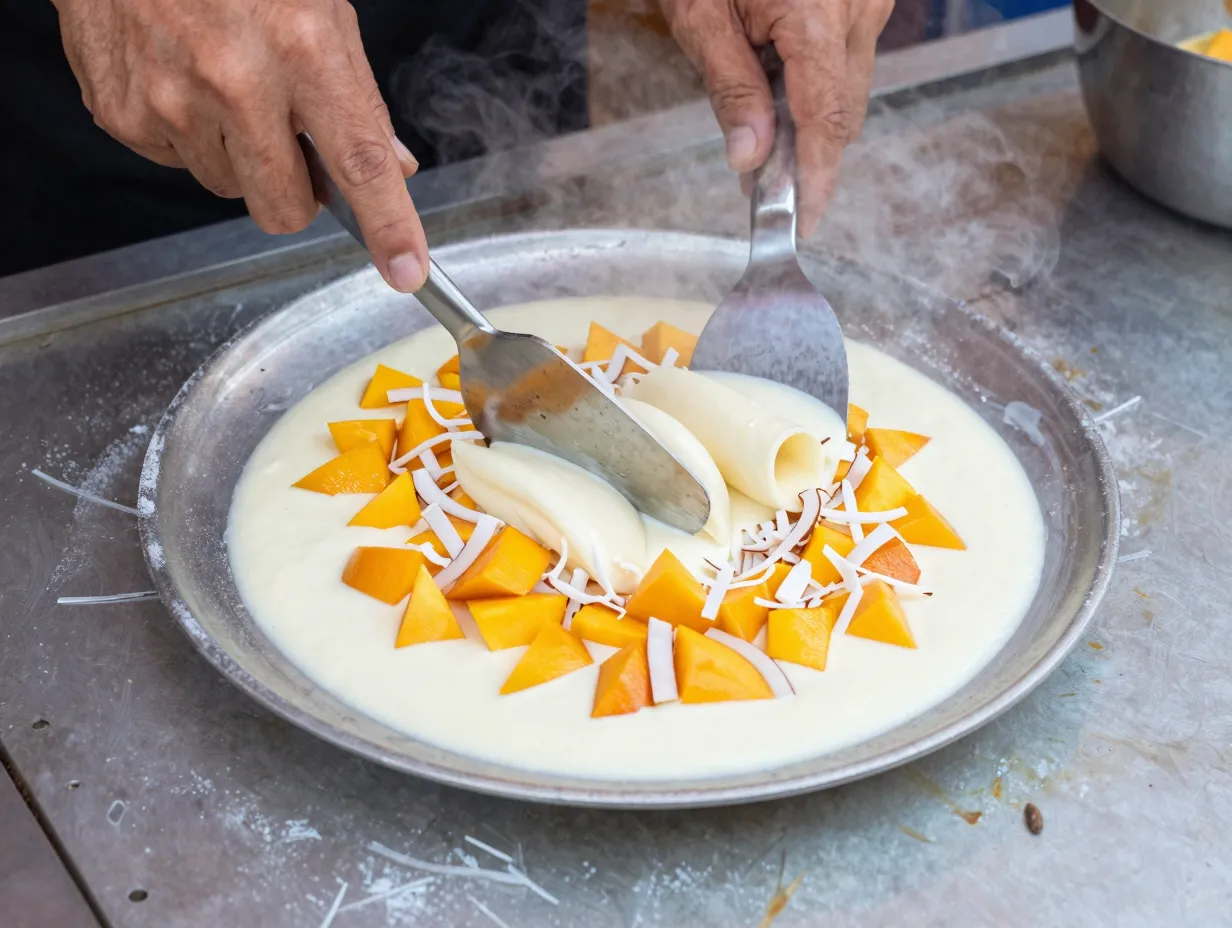
Thai rolled ice cream (known as “stir-fried ice cream” or “ice cream rolls”) became a global sensation in the mid-2010s, but its roots in Thailand go back much further as a street food staple. The process is theatrical: a liquid cream base is poured onto an extremely cold metal surface (typically around -30°C), then spread thin, mixed with toppings, and scraped into tight rolls using metal spatulas.
What makes it special: The rolling process creates a uniquely thin, layered texture that is simultaneously light and creamy. Because the ice cream is made fresh to order, the flavor combinations are nearly limitless.
What to look for: The best Thai rolled ice cream uses high-quality dairy and fresh mix-in ingredients. Watch the preparation — the technique should look smooth and practiced, with the rolls forming cleanly and holding their shape.
6. Soft-Serve Ice Cream

Soft-serve deserves far more respect than it typically receives. Invented in the United States in the late 1930s, soft-serve is made using a machine that continuously churns the ice cream mix while freezing it, incorporating a much higher percentage of air than traditional ice cream. The result is a lighter, fluffier texture that is served directly from the machine at a warmer temperature.
What makes it special: The high air content gives soft-serve a cloud-like quality that feels entirely different from hard-packed ice cream. When done well — particularly in Japan, where soft-serve culture has reached an almost reverent level — it can be one of the most refined frozen dessert experiences available.
What to look for: Japanese soft-serve, particularly flavors like Hokkaido milk, matcha, and black sesame, represents the pinnacle of the form. The milk-to-cream ratio and the freshness of the mix matter enormously.
7. French Parfait
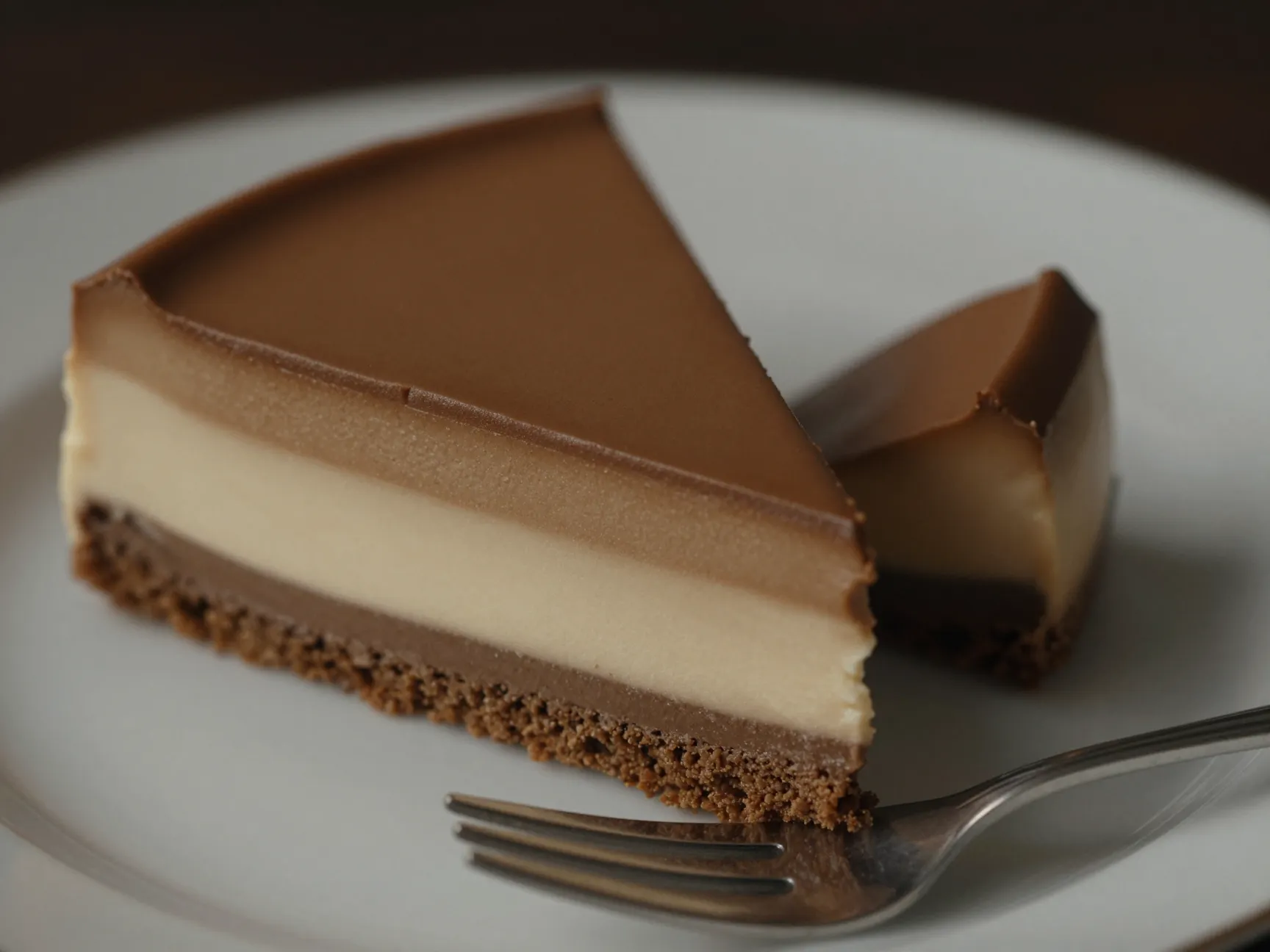
A French parfait is not the layered dessert cup you might find at an American diner. In its authentic form, a parfait is a frozen dessert made from a base of sugar syrup, egg yolks, and whipped cream. Unlike churned ice creams, a parfait is simply mixed and frozen without any mechanical agitation. This produces a smooth, mousse-like texture that is extraordinarily rich and silky.
What makes it special: The lack of churning means there are no ice crystals in a well-made parfait. The texture is uniformly smooth and almost impossibly creamy. The flavor — typically coffee, chocolate, or praline in classic French preparations — is deep and complex.
What to look for: A proper French parfait should be served sliced, not scooped. It should hold its shape cleanly when cut and melt slowly on the tongue, releasing layers of flavor as it does.
8. Deep-Fried Ice Cream
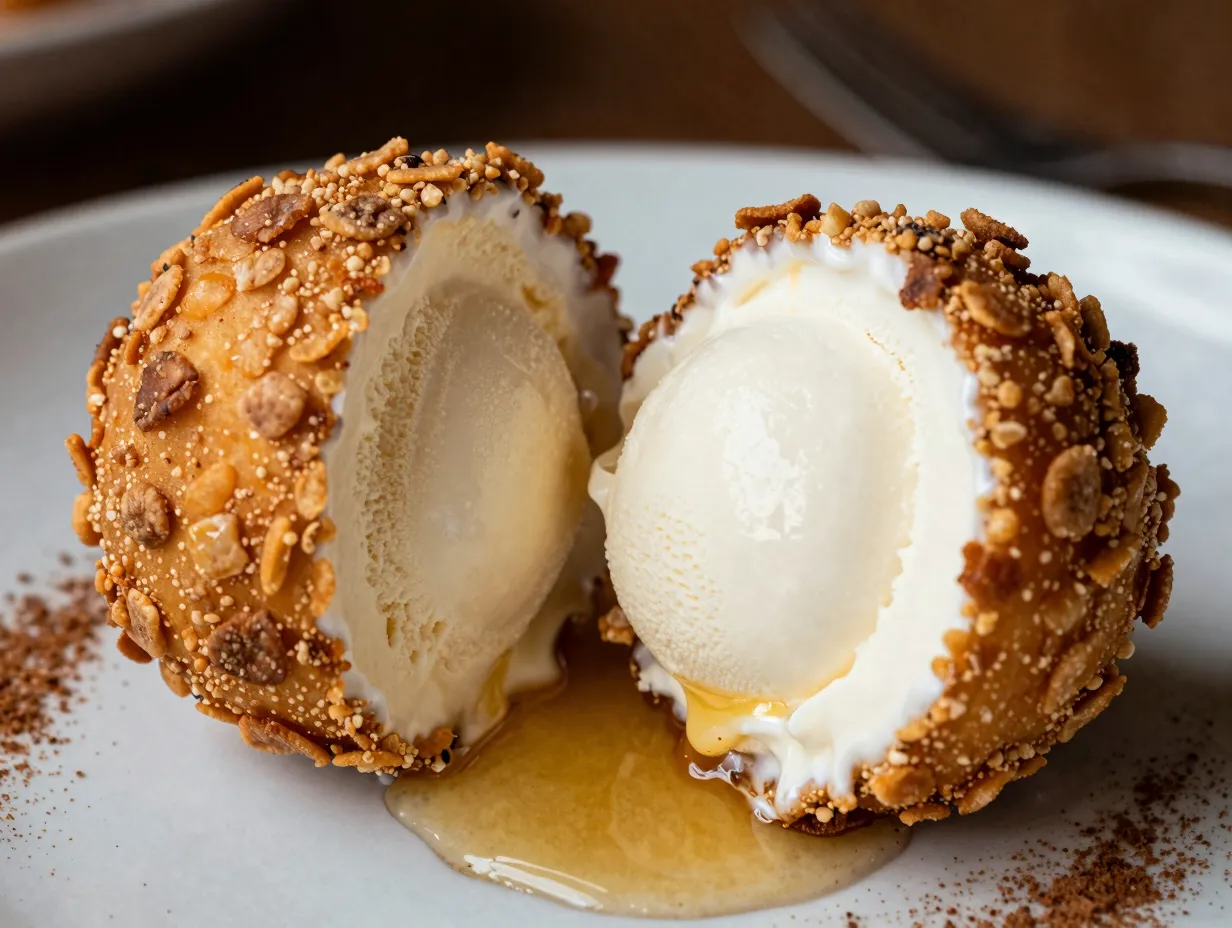
Deep-fried ice cream is one of the most audacious dessert concepts ever created, and it works brilliantly. A scoop of very hard-frozen ice cream is coated in a layer of breading — typically cornflakes, cake crumbs, or a tempura-style batter — and then plunged briefly into hot oil. The exterior fries to a golden crisp while the interior remains frozen.
What makes it special: The contrast between the hot, crunchy exterior and the cold, creamy interior is one of the most dramatic textural experiences in all of dessert. It is a dessert built entirely on the pleasure of contrast.
What to look for: The key to great deep-fried ice cream is speed and temperature. The ice cream must be frozen rock-solid before frying, and the frying time must be extremely brief — typically 15 to 30 seconds. Any longer and the ice cream melts before you can eat it.
Pairing suggestion: Deep-fried ice cream is exceptional with a drizzle of honey and a dusting of cinnamon, as served in many Mexican restaurants where the dish gained widespread popularity in the United States.
9. Neapolitan Ice Cream
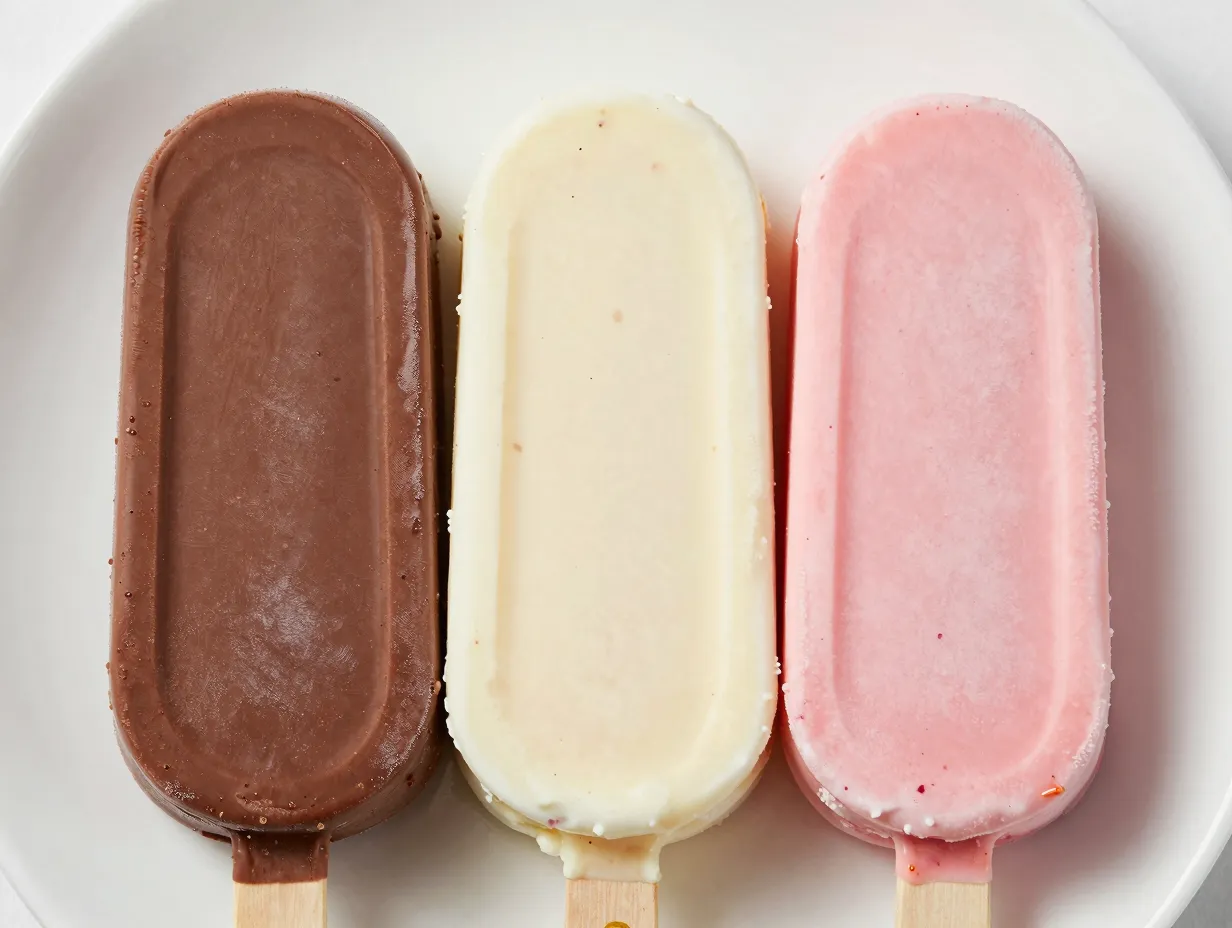
Neapolitan ice cream closes this list not because it is the least impressive, but because it represents something philosophically important: the idea that the best dessert experience is often one that combines multiple perspectives into a single, harmonious whole. Neapolitan ice cream — the classic three-flavor combination of chocolate, vanilla, and strawberry — originated in 19th-century Naples and was brought to the United States by Italian immigrants.
What makes it special: Each of the three flavors in a proper Neapolitan is distinct and high-quality. The chocolate should be deep and slightly bitter, the vanilla should be fragrant and rich, and the strawberry should taste like actual fruit. When all three are eaten together in a single bite, they create a flavor combination that is genuinely greater than the sum of its parts.
What to look for: Avoid mass-produced Neapolitan that uses artificial strawberry flavoring and low-quality chocolate. Seek out artisan versions where each stripe is made with real ingredients. The difference is transformative.
How to Build Your Ice Cream Tasting Journey
Now that you have the full list of the 9 types of ice creams you need to try before you call yourself a true dessert lover, the natural next question is: where do you start?
Here is a practical approach to working through all nine styles in a way that builds your palate progressively.
Start with the familiar. If you have not already had high-quality American-style ice cream from an artisan producer, that is your first stop. It gives you a baseline of richness and sweetness against which everything else can be measured.
Move to gelato second. The contrast between American ice cream and authentic Italian gelato is one of the most educational experiences in frozen desserts. Once you have tasted both side by side, you will understand immediately why they are different products.
Explore Asian styles in the middle of your journey. Mochi, kulfi, and Thai rolled ice cream all challenge Western assumptions about what ice cream should feel and taste like. They are best appreciated after you have a solid reference point from the European and American styles.
Save the theatrical styles for last. Deep-fried ice cream and soft-serve are best experienced as celebrations — moments where the drama and spectacle of the dessert are part of the enjoyment. By the time you reach them, you will have the context to appreciate exactly what makes them remarkable.
A Quick Reference Guide
| Ice Cream Type | Origin | Key Texture | Best Flavor to Start With |
|---|---|---|---|
| American-Style | United States | Rich, creamy | Vanilla bean |
| Gelato | Italy | Dense, silky | Pistachio |
| Mochi | Japan | Chewy exterior, creamy center | Matcha |
| Kulfi | India | Dense, firm | Pistachio-saffron |
| Thai Rolled | Thailand | Light, layered | Mango with coconut |
| Soft-Serve | United States/Japan | Airy, fluffy | Hokkaido milk |
| French Parfait | France | Smooth, mousse-like | Coffee |
| Deep-Fried | Mexico/United States | Crispy outside, frozen inside | Vanilla with honey |
| Neapolitan | Italy/United States | Varied | Classic three-flavor |
Common Mistakes Dessert Lovers Make When Exploring Ice Cream
Even enthusiastic dessert lovers make avoidable errors when working through a list like this. Here are the most common ones.
Judging by appearance alone. The most visually impressive ice cream is rarely the best-tasting one. Authentic gelato stored in covered pozzetti looks far less dramatic than the towering, brightly colored mounds in tourist shops — but it tastes infinitely better.
Eating too fast. Many of these varieties, particularly kulfi and French parfait, are designed to be eaten slowly. The flavor develops as the dessert warms slightly in your mouth. Rushing through them means missing the full experience.
Ignoring the base flavor. When trying a new style for the first time, start with a simple, classic flavor rather than an elaborate combination. Vanilla gelato tells you more about the quality of a gelato shop than any exotic flavor ever could.
Skipping the texture assessment. Before you take your first bite of any new ice cream style, notice the texture visually and then feel it on your spoon. Texture is half the experience, and paying attention to it will deepen your appreciation significantly.
Conclusion
Working through the 9 types of ice creams you need to try before you call yourself a true dessert lover is not just a delicious exercise — it is a genuine education in global food culture, culinary technique, and the endlessly creative ways that human beings have found to transform simple ingredients into extraordinary experiences.
Here are your actionable next steps:
- Identify which of the nine styles you have already tried and which remain on your list.
- Research the best artisan producers or authentic restaurants in your city for the styles you have not yet experienced.
- When you try each new style, take a moment to assess the texture, temperature, and flavor intensity before forming your opinion.
- Keep notes — even informal ones — on what you liked and what surprised you. Building a personal flavor vocabulary makes every future dessert experience richer.
- Share the journey. Dessert is almost always better with company, and introducing someone else to a style they have never tried is one of the most generous things a food lover can do.
The frozen world is far larger and more extraordinary than most people ever discover. In 2026, with artisan producers, specialty dessert shops, and international food markets more accessible than ever, there has never been a better time to explore it fully. Start today.