9 Foolproof Oven Baked Salmon Recipes That Come Out Perfect Every Single Time
Salmon is the most consumed seafood in the United States, yet it is also one of the most frequently overcooked proteins in the home kitchen. That single contradiction explains why so many cooks feel intimidated every time they slide a fillet into the oven. The good news is that mastering 9 Foolproof Oven Baked Salmon Recipes That Come Out Perfect Every Single Time is far less complicated than most cooking videos make it look. With the right temperature, the right technique, and a handful of flavor combinations, you can produce restaurant-quality results on a weeknight schedule, every single time.
Disclosure: This post contains affiliate links. As an Amazon Associate, we earn from qualifying purchases, and at no extra cost to you.
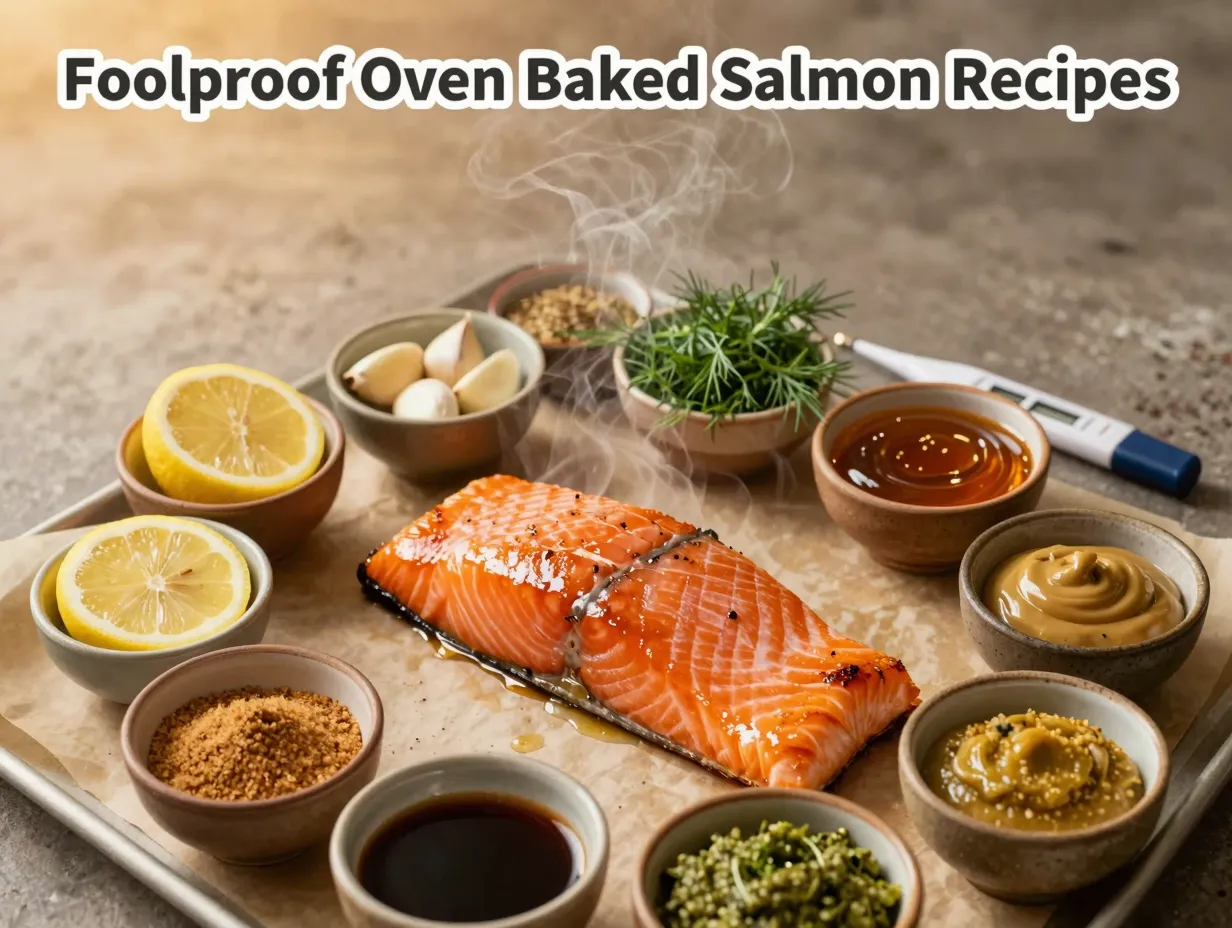
I have spent years testing salmon recipes for family dinners, meal-prep Sundays, and dinner parties where the stakes felt uncomfortably high. What I found is that the difference between a dry, chalky fillet and a moist, flaky one almost always comes down to a few repeatable principles rather than professional culinary training.
Key Takeaways
- Baking salmon at 400 degrees Fahrenheit for 12 to 15 minutes produces consistently moist, flaky results [1]
- Pulling the fish from the oven at an internal temperature of 125 to 130 degrees Fahrenheit and letting carryover heat finish the job prevents overcooking [2]
- Patting fillets dry before seasoning is a non-negotiable step that improves both texture and flavor adhesion [4]
- Thicker fillets (1 to 1.5 inches) are more forgiving and stay juicier than thin ones [3]
- Lining your baking sheet with parchment paper makes cleanup effortless and prevents sticking [3]
The Core Principles Behind Every Foolproof Baked Salmon Recipe
Before diving into the individual recipes, it is worth understanding the science that makes each one work. These principles apply universally, whether you are making a simple weeknight fillet or an elaborate glazed showpiece.
Temperature Is Everything
The single most reliable way to bake salmon is at 400 degrees Fahrenheit (204 degrees Celsius). At this temperature, the outside develops a light, slightly caramelized crust while the interior stays tender and moist. Baking at lower temperatures can work, but it requires longer cooking times that increase the risk of drying out the edges before the center is done [1].
Know Your Target Internal Temperature
The USDA recommends an internal temperature of 145 degrees Fahrenheit (63 degrees Celsius) for fully cooked salmon. However, many experienced cooks and chefs pull their salmon at 125 to 130 degrees Fahrenheit (52 to 54 degrees Celsius) and allow carryover heat to bring it to the final temperature. This approach consistently produces a silkier, more tender texture [2].
A simple instant-read thermometer is the most important tool you can own for baking salmon. It removes all guesswork.
Thickness Determines Timing
A fillet that is 1 to 1.5 inches thick is the sweet spot for oven baking. Thicker fillets are more forgiving because the extra mass slows heat penetration, giving you a wider window before overcooking occurs. Thinner fillets cook in as little as 8 minutes and can go from perfect to dry in under 60 seconds of extra oven time [3].
Always Pat the Salmon Dry
This step takes ten seconds and makes a noticeable difference. Patting the surface dry with paper towels removes excess moisture that would otherwise steam the fish rather than roast it. Dry surfaces also allow seasonings and glazes to adhere properly rather than sliding off [4].
Use Parchment Paper
Line your baking sheet with parchment paper every single time. It prevents sticking, protects the delicate skin, and makes cleanup a matter of simply lifting the paper and discarding it [3].
Let It Rest
After pulling the salmon from the oven, allow it to rest for 2 to 3 minutes before serving. Just like a steak, resting allows the juices to redistribute throughout the fillet rather than running out the moment you cut into it [4].
9 Foolproof Oven Baked Salmon Recipes That Come Out Perfect Every Single Time
Each recipe below follows the core principles outlined above. They are arranged from simplest to most complex so you can build confidence as you go.
1. Classic Salt, Pepper, and Lemon Baked Salmon
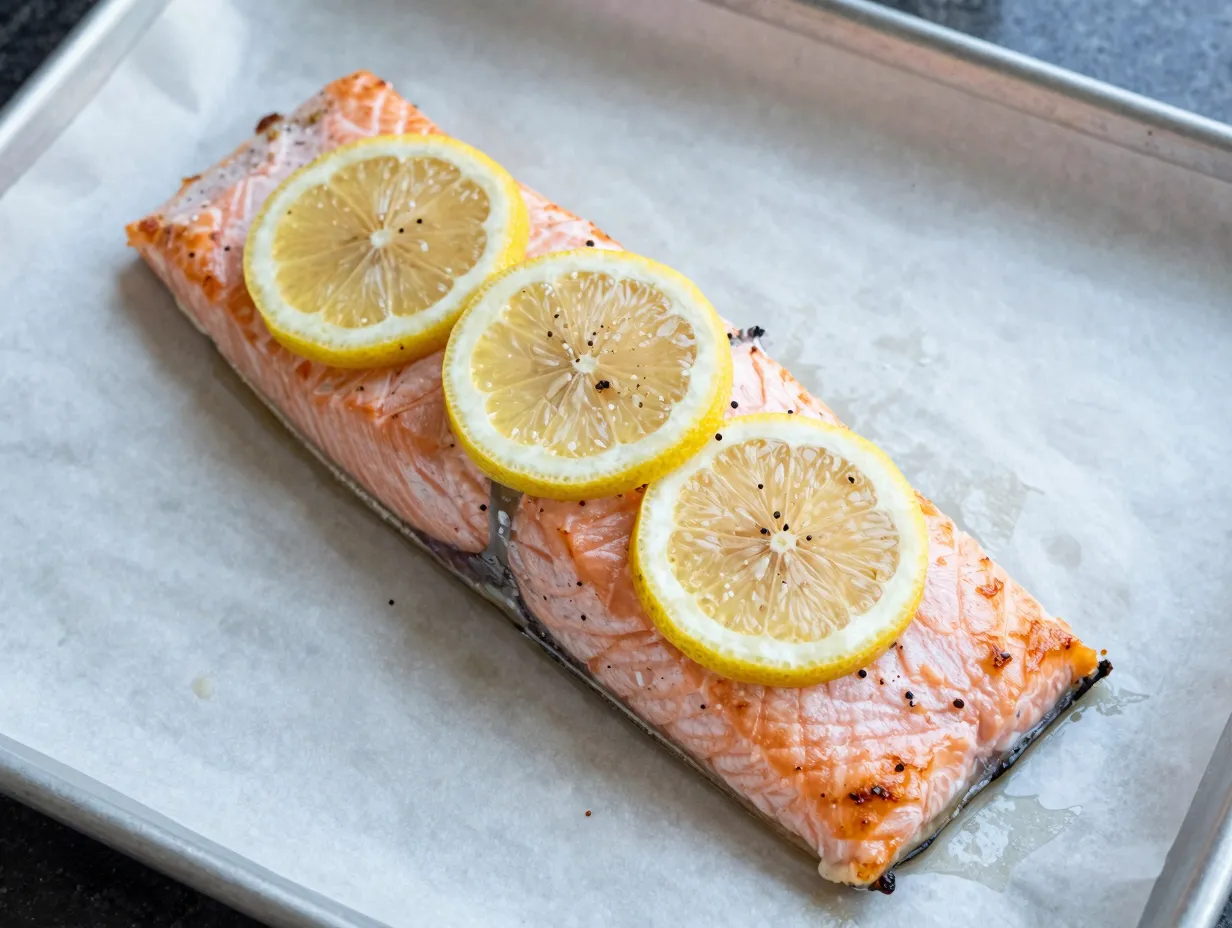
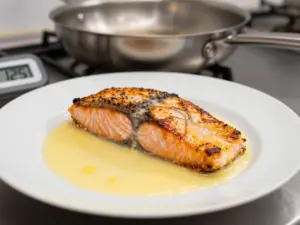
This is the recipe I return to most often because it lets the natural flavor of the fish do the talking. Season a dry fillet generously with kosher salt, freshly cracked black pepper, and a drizzle of olive oil. Lay thin lemon slices on top. Bake at 400 degrees Fahrenheit for 12 to 15 minutes depending on thickness.
The lemon slices serve two purposes: they add bright acidity, and they create a gentle steam barrier that keeps the top of the fillet from drying out. This recipe works equally well with skin-on or skinless fillets, though skin-on fillets provide an extra layer of moisture protection during baking [3].
Pro tip: Use fresh lemon rather than bottled juice. The aromatic oils in the zest make a noticeable difference.
2. Garlic Butter Baked Salmon
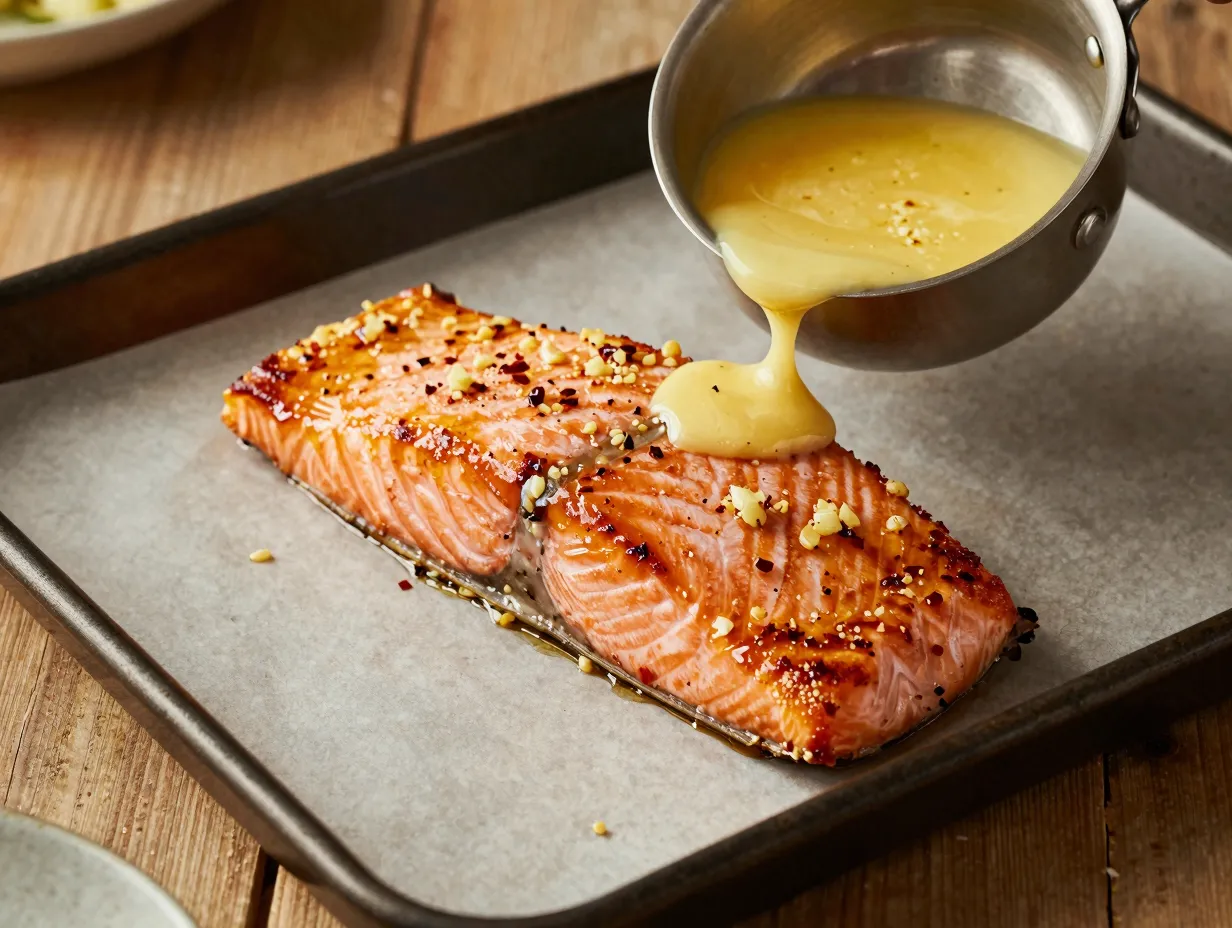
Melt two tablespoons of unsalted butter with three minced garlic cloves and a pinch of red pepper flakes. Brush this mixture generously over the dry fillet before baking. The butter bastes the fish as it melts, creating a rich, savory coating that crisps slightly at the edges.
Bake at 400 degrees Fahrenheit for 12 to 14 minutes. The garlic should turn golden but not brown. If you notice the garlic darkening too quickly, tent the fillet loosely with aluminum foil for the final few minutes.
This recipe pairs beautifully with steamed green beans or roasted asparagus. The simplicity of the preparation means the quality of your salmon matters more here than in heavily glazed recipes, so choose the freshest fillet you can find.
3. Honey Dijon Glazed Salmon
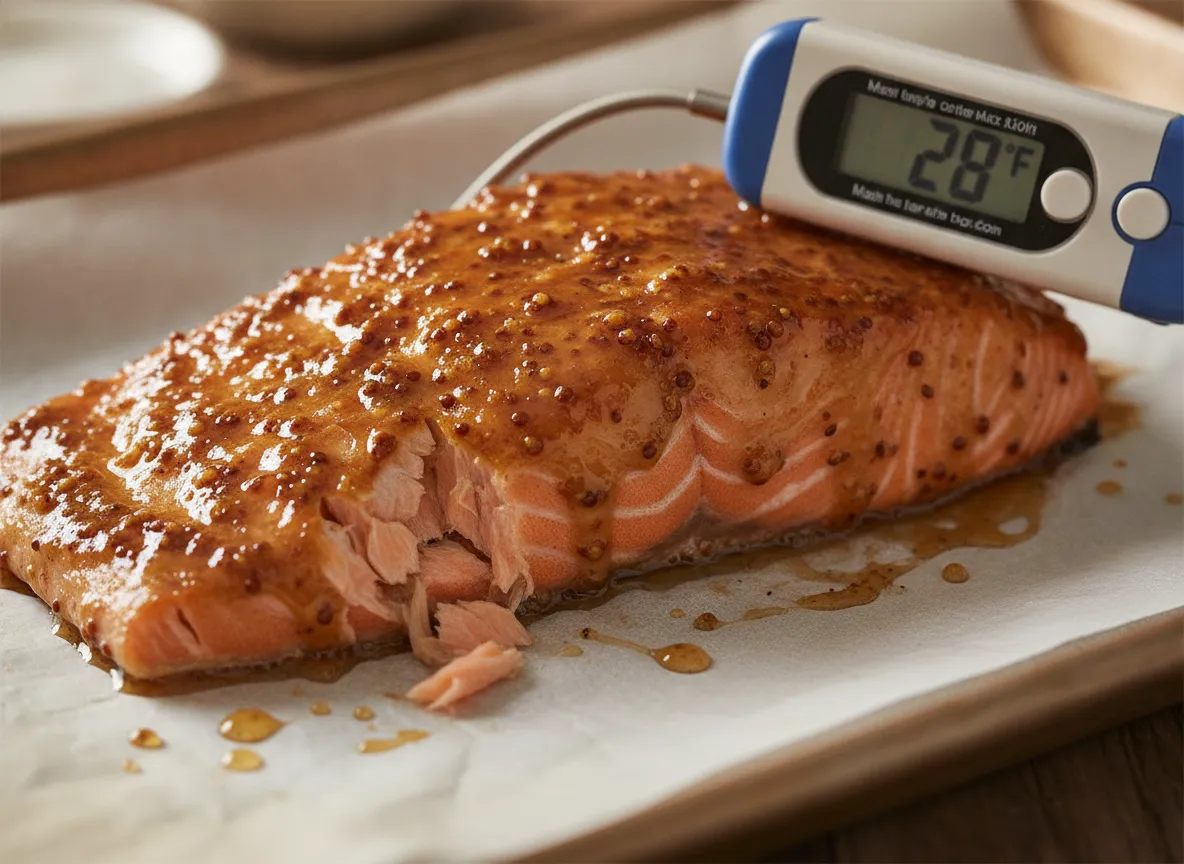
Combine two tablespoons of Dijon mustard, one tablespoon of honey, one teaspoon of apple cider vinegar, and a pinch of salt. Whisk until smooth and spread evenly over the dry fillet. The mustard provides sharpness, the honey adds sweetness and helps the glaze caramelize, and the vinegar cuts through the richness of the fish.
Bake at 400 degrees Fahrenheit for 13 to 15 minutes. The glaze will bubble and deepen in color. Pull the salmon when the internal temperature reads 125 to 130 degrees Fahrenheit and allow carryover heat to finish the job [2].
“The combination of brown sugar or honey with Dijon mustard is one of the most effective flavor pairings for baked salmon because the sweetness amplifies the natural umami of the fish while the mustard provides acidic balance.” [5]
4. Brown Sugar and Soy Glazed Salmon
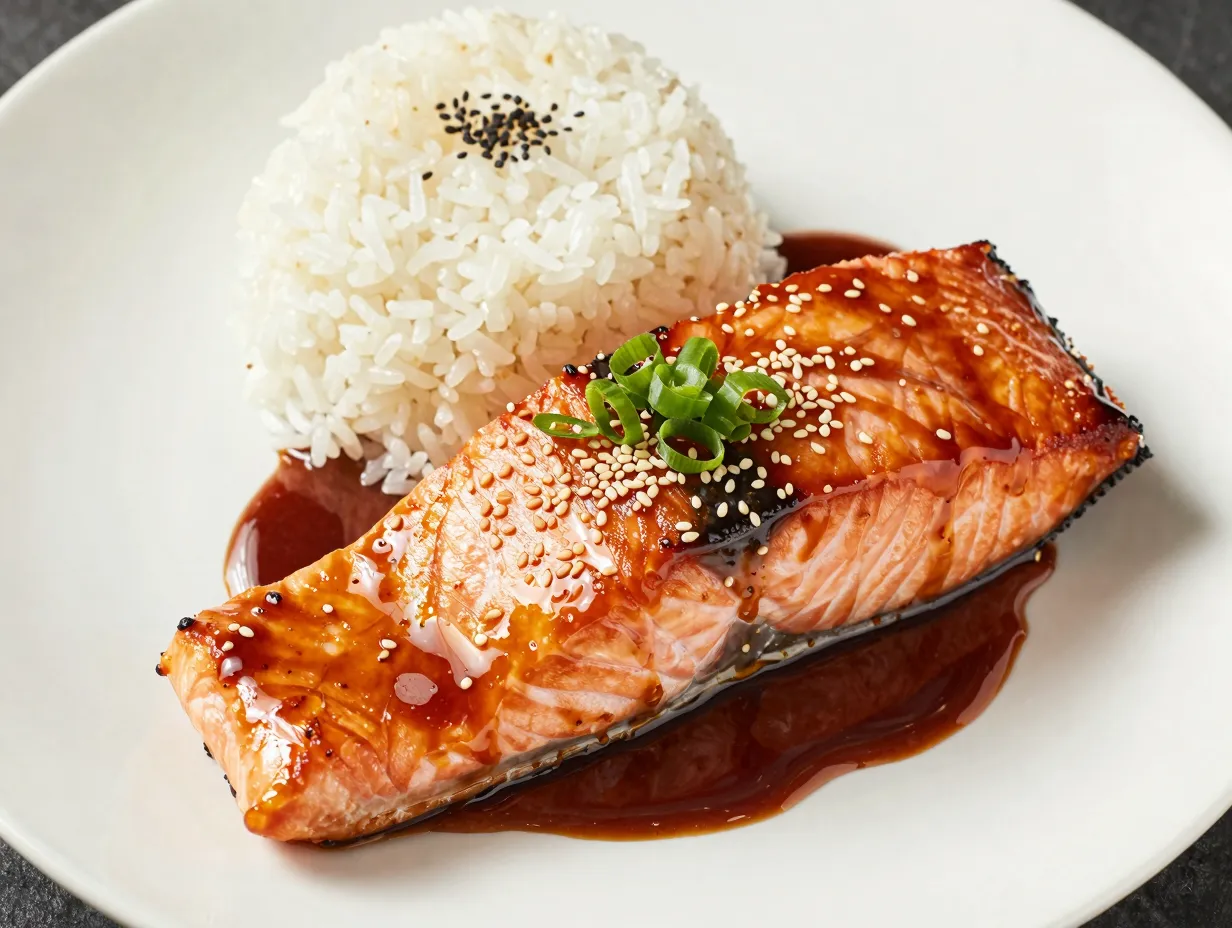
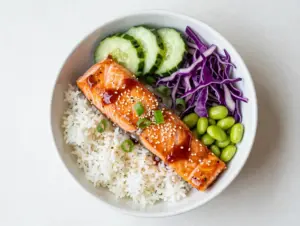
This recipe leans into the sweet-savory balance that makes Asian-inspired salmon preparations so popular. Mix two tablespoons of brown sugar, two tablespoons of low-sodium soy sauce, one teaspoon of sesame oil, and one minced garlic clove. Marinate the dry fillet in this mixture for 15 to 30 minutes before baking [7].
Even a short marination period makes a meaningful difference. The soy sauce penetrates the outer layer of the fish, adding depth that surface seasoning alone cannot achieve. Bake at 400 degrees Fahrenheit for 12 to 15 minutes. The sugar will caramelize into a glossy, lacquered finish.
Serve over steamed jasmine rice with sliced scallions and toasted sesame seeds.
5. Lemon Herb Crusted Salmon
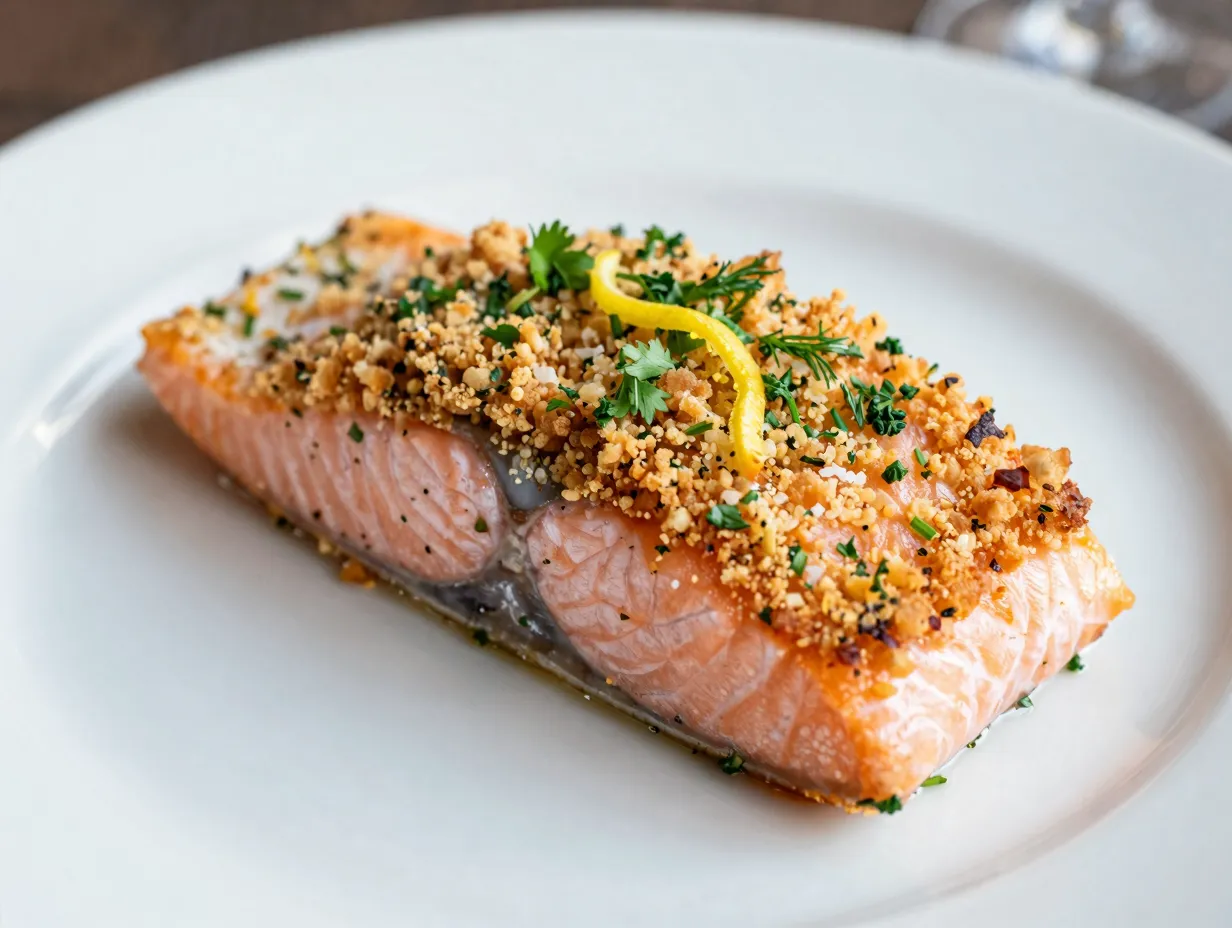
Create a crust by combining half a cup of panko breadcrumbs, two tablespoons of finely chopped fresh parsley, one tablespoon of fresh dill, the zest of one lemon, two tablespoons of olive oil, salt, and pepper. Press this mixture firmly onto the top of the dry fillet.
The key to keeping the crust intact is pressing it down with the flat of your hand rather than sprinkling it loosely. Bake at 400 degrees Fahrenheit for 14 to 16 minutes. The crust should be golden brown and crisp while the fish beneath remains moist.
This recipe is a reliable crowd-pleaser at dinner parties because the visual presentation is impressive and the preparation takes under ten minutes.
6. Teriyaki Baked Salmon
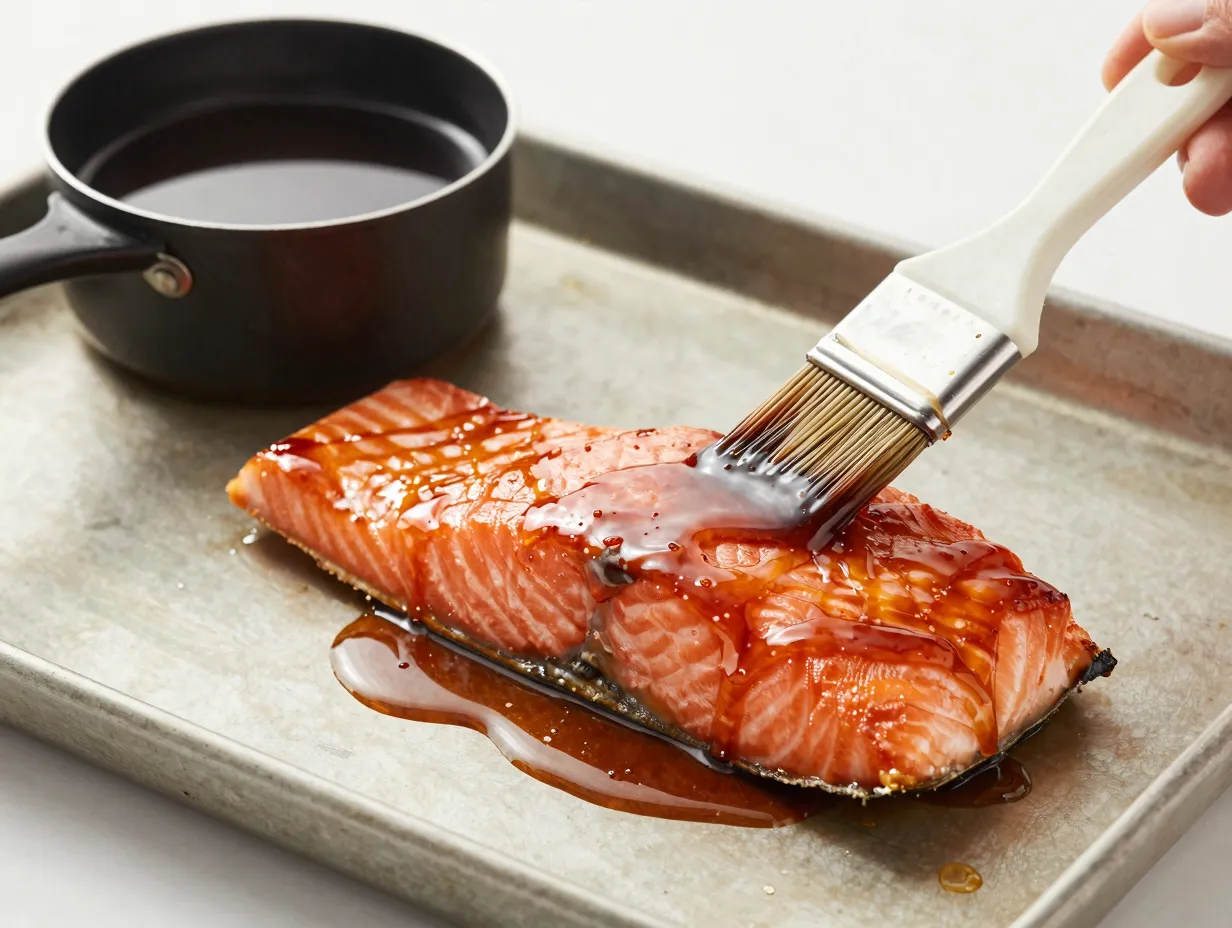
Homemade teriyaki sauce is simpler than most people expect. Combine three tablespoons of soy sauce, two tablespoons of mirin, one tablespoon of sake or dry sherry, and one tablespoon of sugar in a small saucepan. Simmer for two minutes until slightly thickened. Brush half the sauce over the dry fillet and reserve the rest for serving.
Bake at 400 degrees Fahrenheit for 12 to 14 minutes, brushing with additional sauce at the halfway point. The repeated application builds layers of flavor and creates the characteristic glossy finish of a proper teriyaki glaze.
Monitor the internal temperature carefully with this recipe because the sugar content in the glaze can make the surface look done before the interior is ready [6].
7. Pesto Baked Salmon
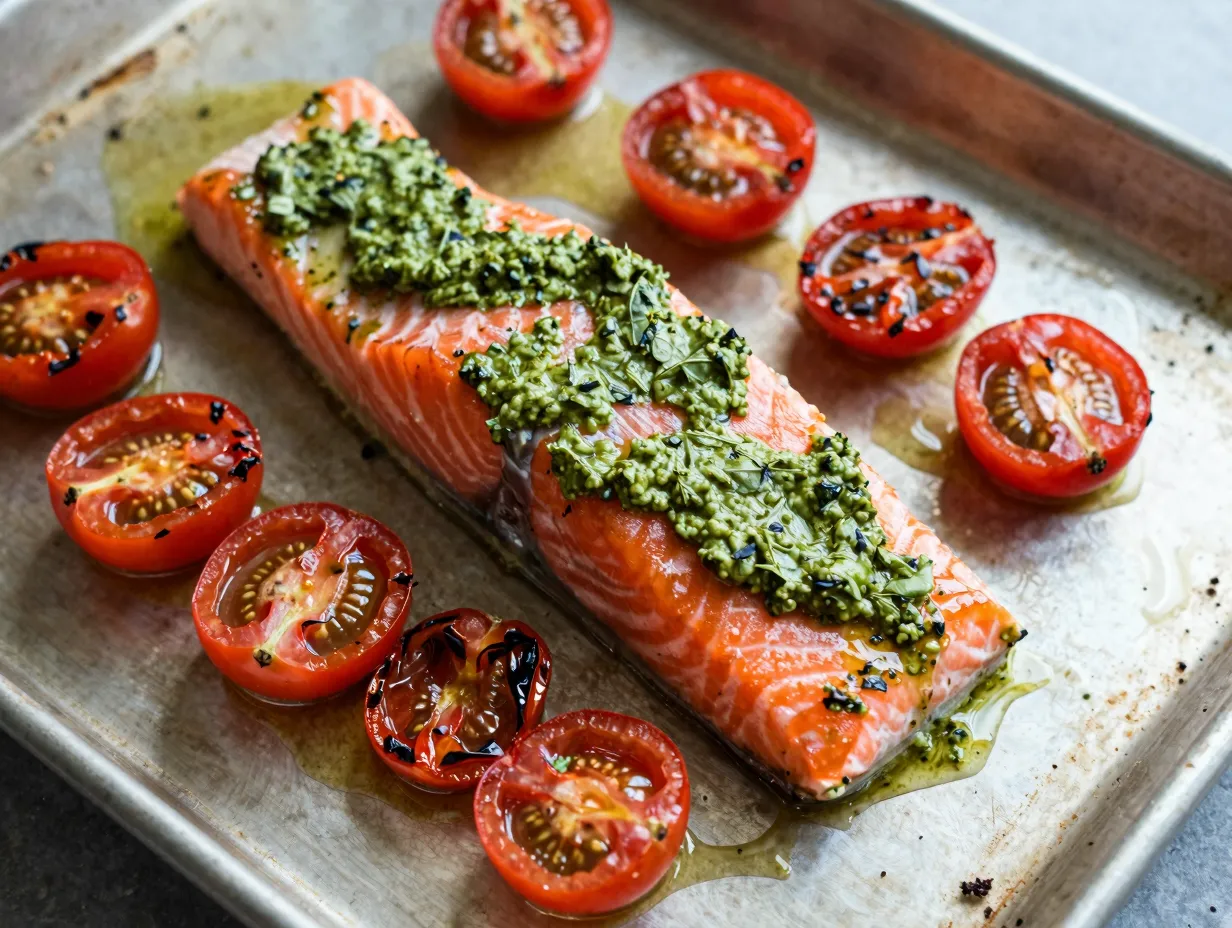
Spread two tablespoons of store-bought or homemade basil pesto over the dry fillet. The oil in the pesto acts as a natural baste, and the basil, garlic, and Parmesan create a complex flavor profile with almost no effort.
Bake at 400 degrees Fahrenheit for 12 to 15 minutes. Top with a handful of halved cherry tomatoes for the last five minutes of cooking. The tomatoes will blister and release their juices, creating a light, fresh sauce that pools around the fillet.
This is one of my personal favorites for a weeknight dinner because the total active preparation time is under five minutes, yet the result looks and tastes like something from a good Italian restaurant.
8. Cajun Spiced Salmon
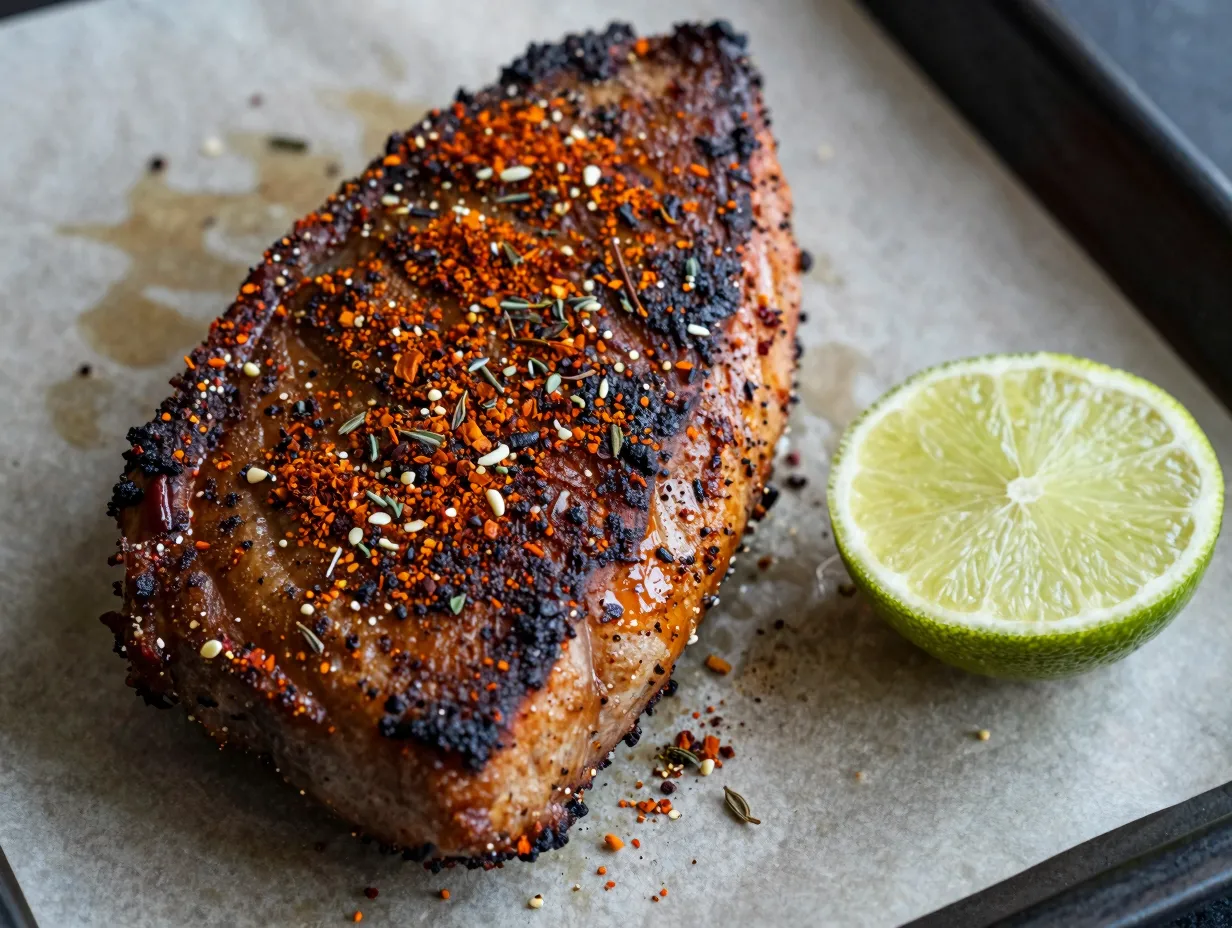
Combine one teaspoon of smoked paprika, half a teaspoon of garlic powder, half a teaspoon of onion powder, a quarter teaspoon of cayenne pepper, half a teaspoon of dried oregano, half a teaspoon of dried thyme, salt, and black pepper. Rub this blend generously over the dry fillet along with a drizzle of olive oil.
Bake at 400 degrees Fahrenheit for 12 to 15 minutes. The spice blend will form a dark, aromatic crust that is slightly spicy and deeply savory. Serve with a cooling element like a simple yogurt sauce or a wedge of lime to balance the heat.
Skin-on fillets work particularly well here because the skin acts as an insulating layer that prevents the bottom of the fillet from drying out while the spiced crust forms on top [3].
9. Maple Miso Glazed Salmon
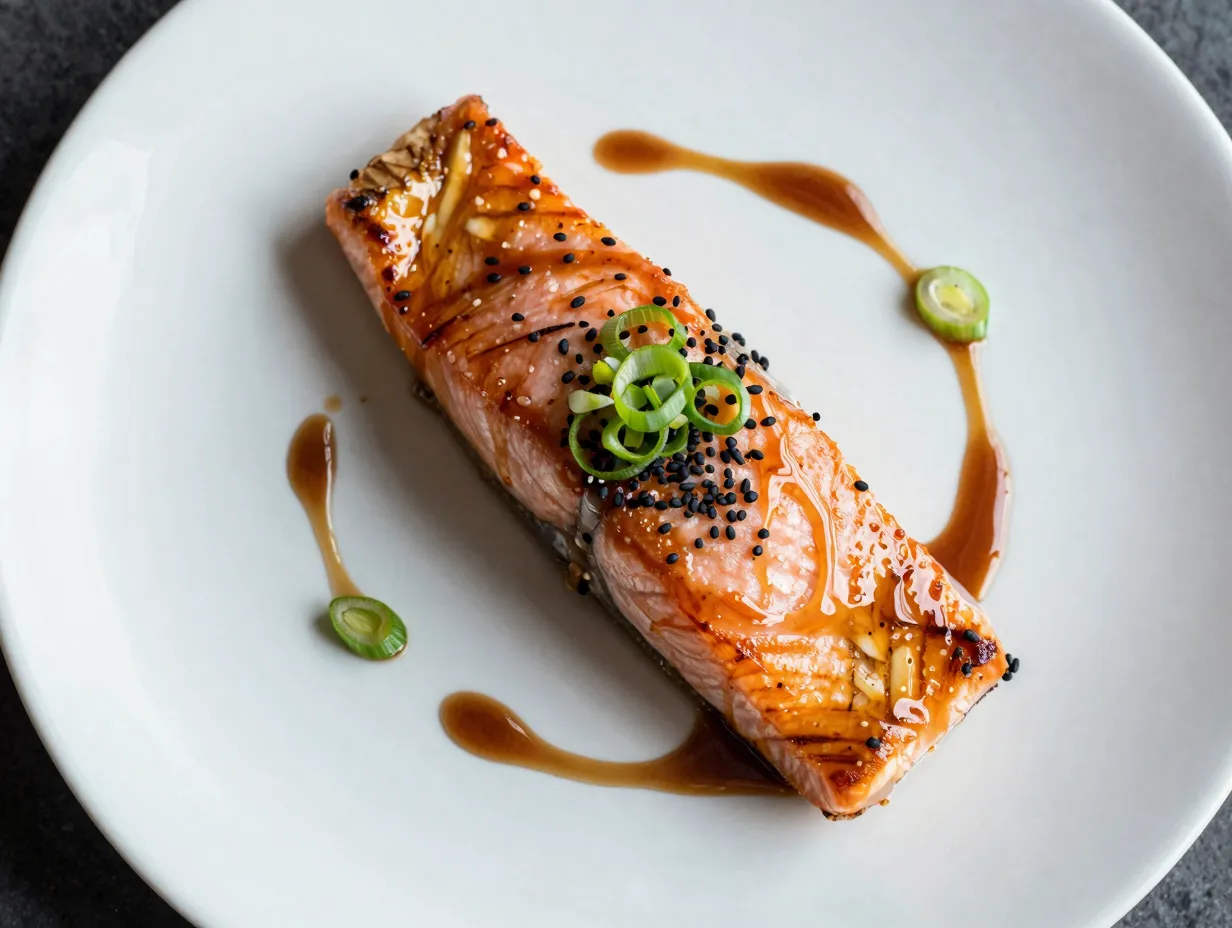
This is the most sophisticated recipe in the collection and the one I reach for when I want to genuinely impress guests. Whisk together two tablespoons of white miso paste, one tablespoon of pure maple syrup, one tablespoon of rice vinegar, and one teaspoon of freshly grated ginger. Spread evenly over the dry fillet.
Allow the fillet to marinate for at least 20 minutes, or up to two hours in the refrigerator. The miso provides deep umami, the maple adds complexity beyond simple sweetness, and the ginger cuts through the richness of the fish [7].
Bake at 400 degrees Fahrenheit for 13 to 15 minutes. Watch the glaze carefully in the final minutes because miso can burn quickly due to its sugar content. Pull the salmon at an internal temperature of 125 to 130 degrees Fahrenheit and rest for three minutes before serving [2].
Garnish with thinly sliced scallions and a sprinkle of black sesame seeds. This recipe consistently earns the most requests for seconds at my dinner table.
A Practical Guide to Avoiding the Most Common Mistakes
Understanding what can go wrong is just as valuable as knowing what to do right. The following table summarizes the most common baked salmon mistakes and their solutions.
| Mistake | Why It Happens | The Fix |
|---|---|---|
| Dry, chalky texture | Overcooking past 145 degrees Fahrenheit | Use a thermometer; pull at 125-130 degrees Fahrenheit [2] |
| Seasoning slides off | Fillet surface was wet | Pat dry thoroughly before seasoning [4] |
| Fillet sticks to pan | No barrier between fish and pan | Always use parchment paper [3] |
| Uneven cooking | Thin end overcooks before thick end is done | Fold thin end under or choose uniform fillets [3] |
| Glaze burns | High sugar content in glaze at high heat | Apply glaze halfway through or tent with foil [6] |
| Juices run out immediately | No resting period after baking | Rest 2 to 3 minutes before cutting [4] |
Skin-On vs. Skinless: Which Should You Choose?
This is one of the most frequently asked questions I receive about baked salmon, and the answer depends on what you are prioritizing.
Skin-on fillets provide a natural moisture barrier during baking. The skin insulates the bottom of the fillet from direct pan heat, which reduces the risk of the flesh drying out. They are also more forgiving for beginners because the skin acts as a buffer against overcooking [3].
Skinless fillets cook slightly faster and are easier to serve, particularly when plating for guests who prefer not to deal with the skin. However, they require closer monitoring to prevent the bottom from drying out. Using parchment paper is especially important with skinless fillets.
For most of the nine recipes above, I recommend starting with skin-on fillets until you are comfortable with your oven’s behavior and timing. Once you have the process dialed in, skinless fillets are perfectly manageable.
Marination: When It Is Worth the Extra Time
Most of the nine recipes in this guide can be made without marinating, but a short marination period genuinely elevates certain flavor profiles. The Brown Sugar and Soy recipe and the Maple Miso recipe both benefit significantly from even 20 to 30 minutes of marination time [7].
The science is straightforward: salt-based marinades begin to penetrate the outer layers of the fish relatively quickly, adding flavor depth that surface application alone cannot replicate. Oil-based marinades coat the surface and help retain moisture during baking.
What to avoid: Do not marinate salmon in highly acidic mixtures (heavy citrus or vinegar) for more than 30 minutes. Prolonged acid exposure begins to denature the proteins in the fish, effectively “cooking” the surface and creating a mushy texture before the fillet even enters the oven.
Scaling These Recipes for Meal Prep
All nine of these recipes scale easily for batch cooking. When baking multiple fillets at once, the key adjustments are:
- Use a large enough baking sheet so fillets are not touching. Crowding traps steam and prevents proper roasting.
- Add two to three minutes to the baking time when cooking four or more fillets simultaneously, as the increased mass in the oven lowers the ambient temperature slightly.
- Check each fillet individually with a thermometer rather than assuming they are all done at the same time, especially if they vary in thickness.
Baked salmon stores well in an airtight container in the refrigerator for up to three days. Cold leftover salmon from the Lemon Herb Crusted or Classic Lemon recipes is excellent flaked over salads or stirred into pasta.
Conclusion
The 9 Foolproof Oven Baked Salmon Recipes That Come Out Perfect Every Single Time outlined in this guide share a common foundation: the right temperature, the right internal temperature target, proper preparation, and a resting period. Once those principles are internalized, the specific flavor combination becomes almost secondary because the technique guarantees a moist, flaky result every time.
Your actionable next steps:
- Start with Recipe 1 (Classic Salt, Pepper, and Lemon) to build baseline confidence with the core technique before moving to glazed recipes.
- Buy an instant-read thermometer if you do not already own one. It is the single most impactful tool for consistent results.
- Work through the list in order over the next nine weeks, one recipe per week. By the end, you will have a permanent rotation of reliable, crowd-pleasing salmon dishes.
- Keep a simple log of fillet thickness and baking time for your specific oven. Every oven runs slightly differently, and a few notes will help you dial in your timing precisely.
Salmon does not need to be intimidating. With the right approach, it is one of the most rewarding proteins you can cook at home, delivering impressive flavor and nutrition with minimal effort.
References
[1] How To Cook Fillet Salmon In The Oven – https://spice.alibaba.com/spice-basics/how-to-cook-fillet-salmon-in-the-oven?utm_source=openai
[2] 8 Minute Baked Salmon – https://www.theendlessmeal.com/8-minute-baked-salmon/?utm_source=openai
[3] Easy Oven Baked Salmon – https://www.micheldumas.com/en/easy-oven-baked-salmon/?utm_source=openai
[4] Perfect Oven Baked Salmon – https://laughingspatula.com/perfect-oven-baked-salmon/?utm_source=openai
[5] Simple Oven Baked Salmon – https://rufusforreal.com/simple-oven-baked-salmon/?utm_source=openai
[6] Best Damn Oven Baked Salmon – https://recipeteacher.com/best-damn-oven-baked-salmon/?utm_source=openai
[7] Baked Salmon Recipe Guide – https://crystalrecipes.com/baked-salmon-recipe-guide/?utm_source=openai