8 Alfredo Pasta Recipes That Are Richer, Creamier, and Better Than Any Restaurant
The average American household spends over $3,000 a year dining out, yet one of the most beloved restaurant dishes, Alfredo pasta, costs less than $4 to make at home with ingredients that produce a far superior result. I learned this the hard way after years of paying $22 for a plate of fettuccine Alfredo at a popular chain restaurant, only to discover that the sauce had been thickened with flour and thinned with water. The moment I made a proper Alfredo from scratch, I never went back.
Disclosure: This post contains affiliate links. As an Amazon Associate, we earn from qualifying purchases, and at no extra cost to you.
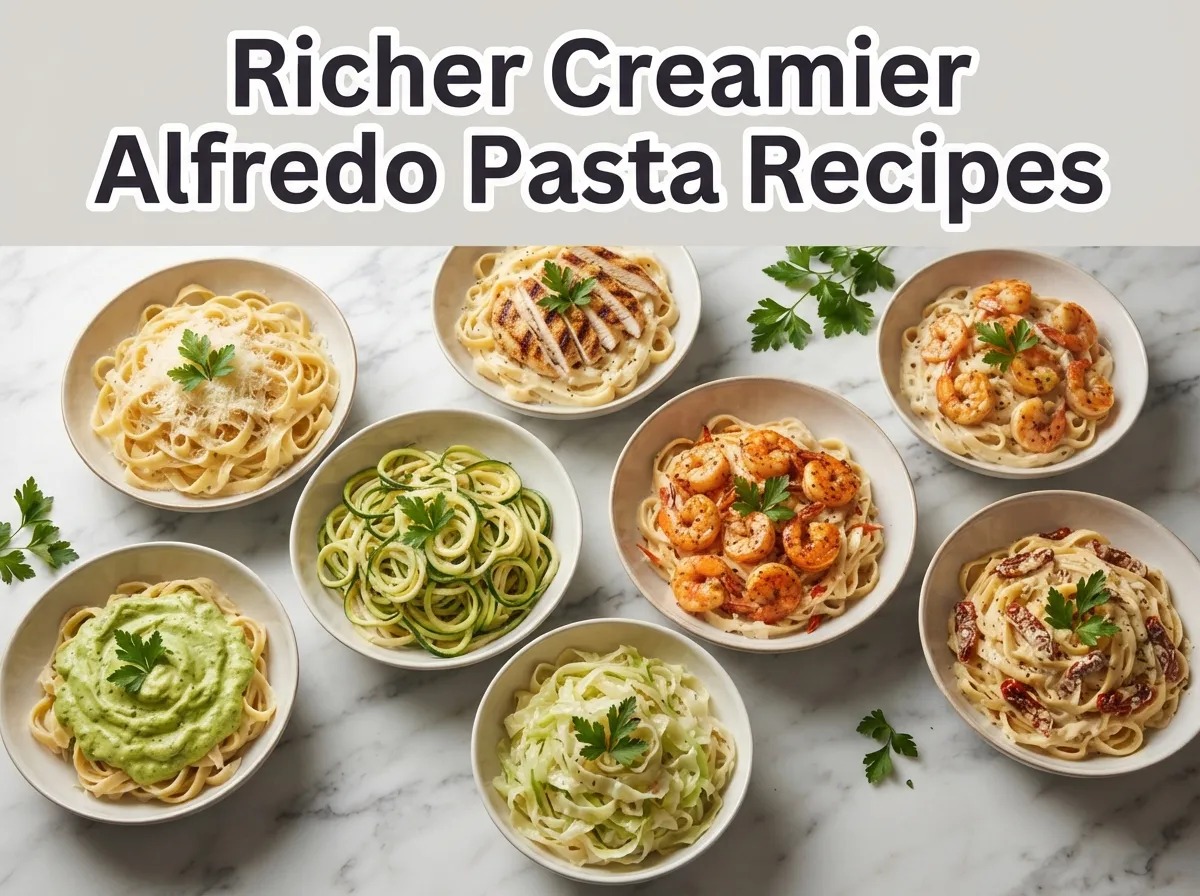
These 8 Alfredo pasta recipes that are richer, creamier, and better than any restaurant are built on real butter, quality cheese, and smart technique. Whether you want the classic Roman original or a bold modern twist, this guide covers every version worth making in 2026.
Key Takeaways
- Real Alfredo sauce requires only a few quality ingredients, butter, Parmesan, and pasta water, but technique makes all the difference.
- Adding heavy cream is an American innovation that makes the sauce even richer and more stable for home cooking.
- Protein additions like chicken and shrimp transform Alfredo from a side dish into a complete, satisfying meal.
- Low-carb and dairy-free variations exist that still deliver the creamy, indulgent experience of the original.
- Starchy pasta water is the secret weapon that binds the sauce and prevents it from breaking or turning greasy.
Why Homemade Alfredo Beats Every Restaurant Version
Most restaurant Alfredo sauces are built for speed and cost control, not flavor. Chain kitchens often use pre-made cream sauce bases, stabilizers, and low-grade Parmesan substitutes. The result is a dish that tastes fine in the moment but lacks the depth and richness that comes from making it yourself.
At home, you control every variable. You choose the pasta, the cheese, the butter quality, and the cooking time. You can also customize the dish to suit your taste, adding heat, protein, vegetables, or alternative bases, in ways that no restaurant menu allows.
The 8 Alfredo pasta recipes that are richer, creamier, and better than any restaurant in this article range from the traditional two-ingredient Roman original to inventive modern versions using avocado, sun-dried tomatoes, and even cabbage. Each one is tested, practical, and designed to outperform anything you would order at a restaurant.
The three pillars of great Alfredo:
- Quality fat (real butter, heavy cream, or a plant-based alternative)
- Aged, finely grated hard cheese (Parmesan, Pecorino Romano, or goat cheese)
- Emulsification through starchy pasta water and proper heat control
The 8 Alfredo Pasta Recipes
1. Classic Fettuccine Alfredo
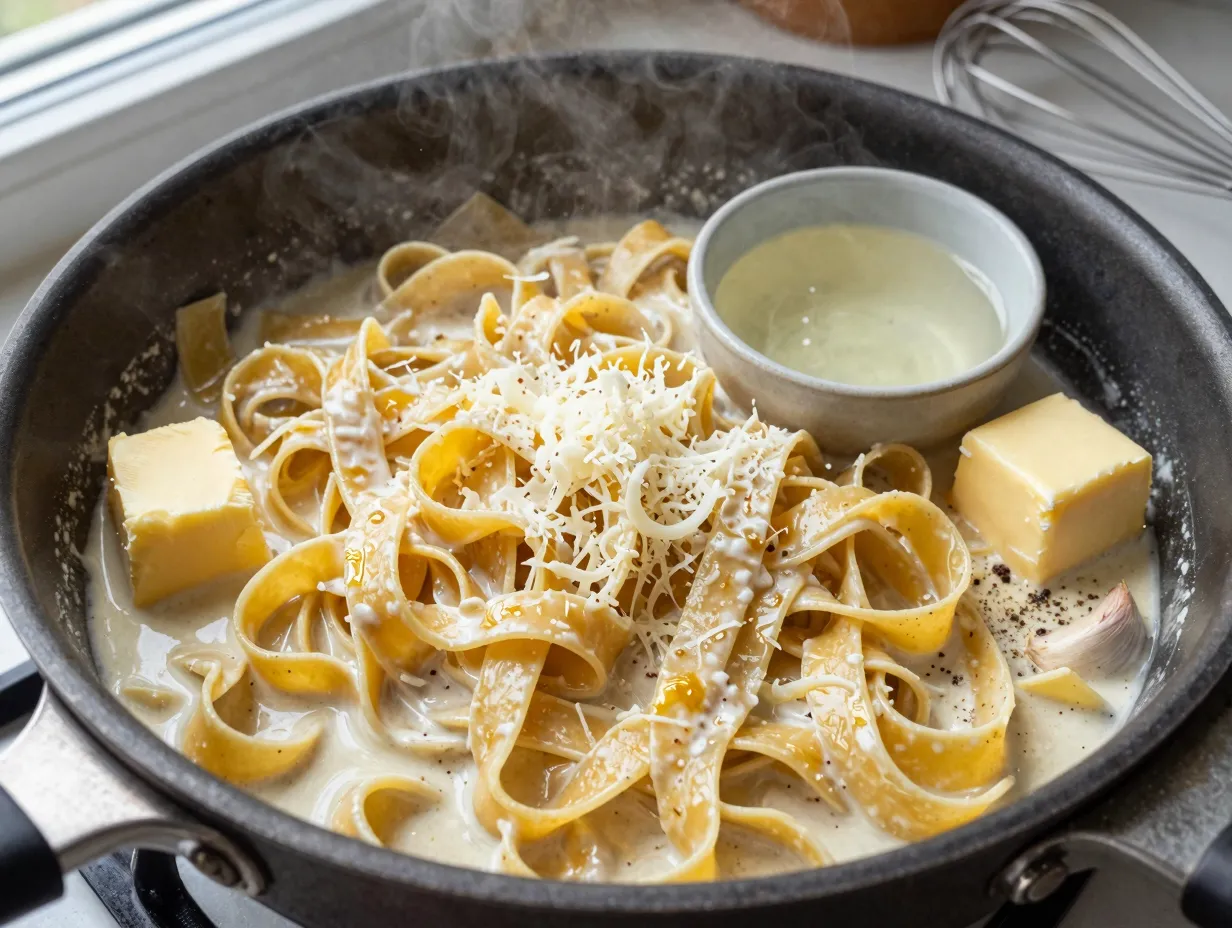
This is where everything begins. The original Alfredo di Lelio recipe from Rome used only two ingredients: butter and Parmesan. The American version, which became popular after the 1920s, added heavy cream and garlic, and that is the version most people know and love today [1].
What makes it work:
The key is building an emulsion. Melt unsalted butter in a wide pan over low heat. Add a splash of hot, starchy pasta water and whisk until the butter and water combine into a silky base. Toss in freshly cooked fettuccine and a generous handful of finely grated Parmigiano-Reggiano. The starch from the pasta water binds everything together. Add heavy cream if you want extra richness, and finish with cracked black pepper and a small clove of minced garlic sautéed in the butter at the start.
Pro tip: Never use pre-grated Parmesan from a canister. The anti-caking agents prevent it from melting smoothly, and you will end up with a grainy, clumpy sauce.
“The difference between a great Alfredo and a mediocre one comes down to three things: the quality of your butter, the freshness of your Parmesan, and your willingness to work the sauce off direct heat.”
2. Chicken Alfredo Pasta
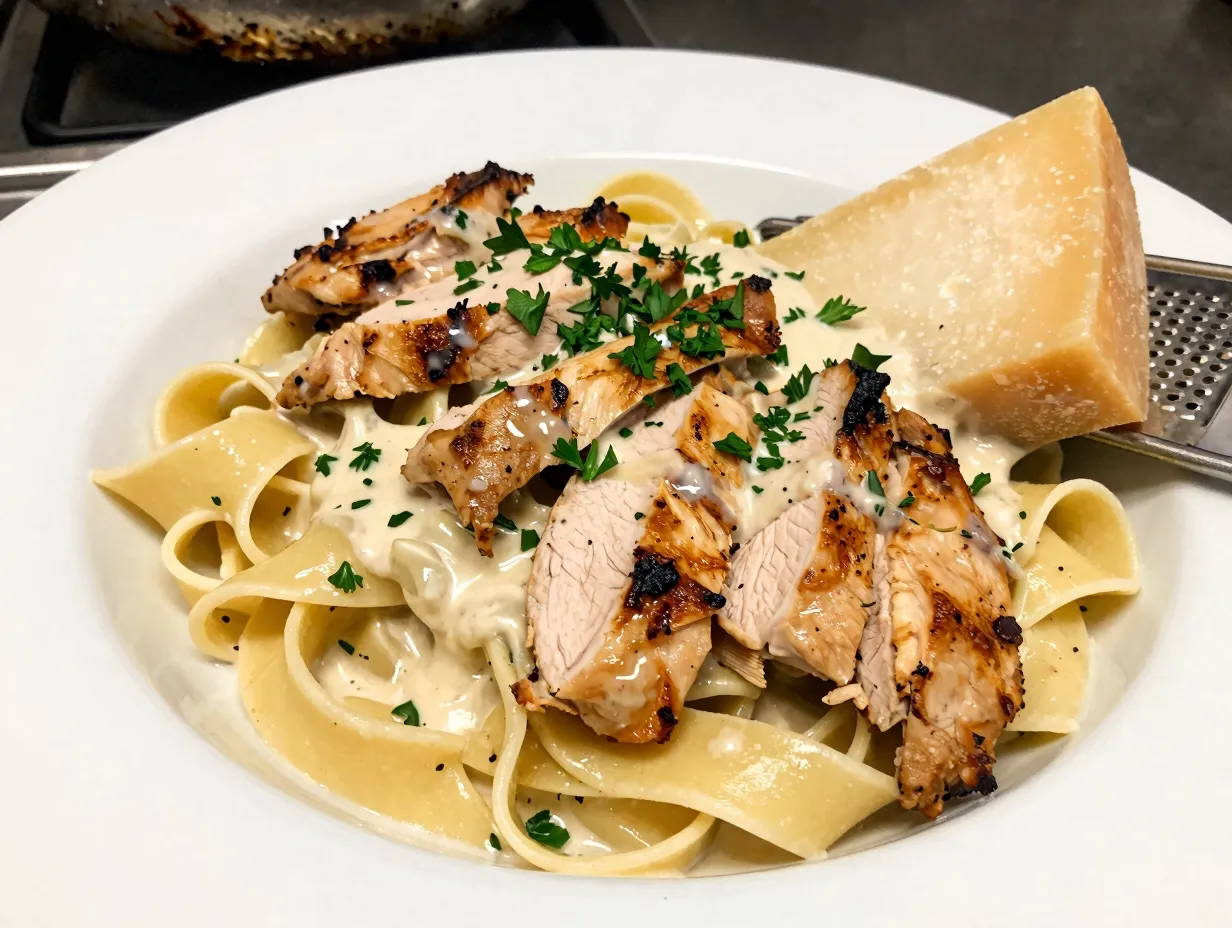
Chicken Alfredo is arguably the most popular pasta dish in America. Adding cooked chicken breast to the classic sauce introduces protein and a savory depth that makes the dish feel like a complete meal rather than a rich side [1].
How to build it right:
Season chicken breasts with salt, pepper, and a pinch of garlic powder. Sear them in a hot skillet with butter until golden on both sides and cooked through. Let the chicken rest for five minutes before slicing it thin. This resting step is critical, it keeps the meat juicy rather than dry.
Build your Alfredo sauce in the same pan you used for the chicken. The browned bits left behind (called fond) dissolve into the butter and cream, adding a layer of savory flavor that a clean pan cannot replicate. Toss in fettuccine or penne, fold in the sliced chicken, and finish with extra Parmesan and fresh parsley.
Ingredient comparison table:
| Ingredient | Classic Alfredo | Chicken Alfredo |
|---|---|---|
| Protein | None | Seared chicken breast |
| Base fat | Butter | Butter + chicken fond |
| Flavor depth | Moderate | High |
| Satiety | Moderate | High |
3. Shrimp Alfredo Pasta
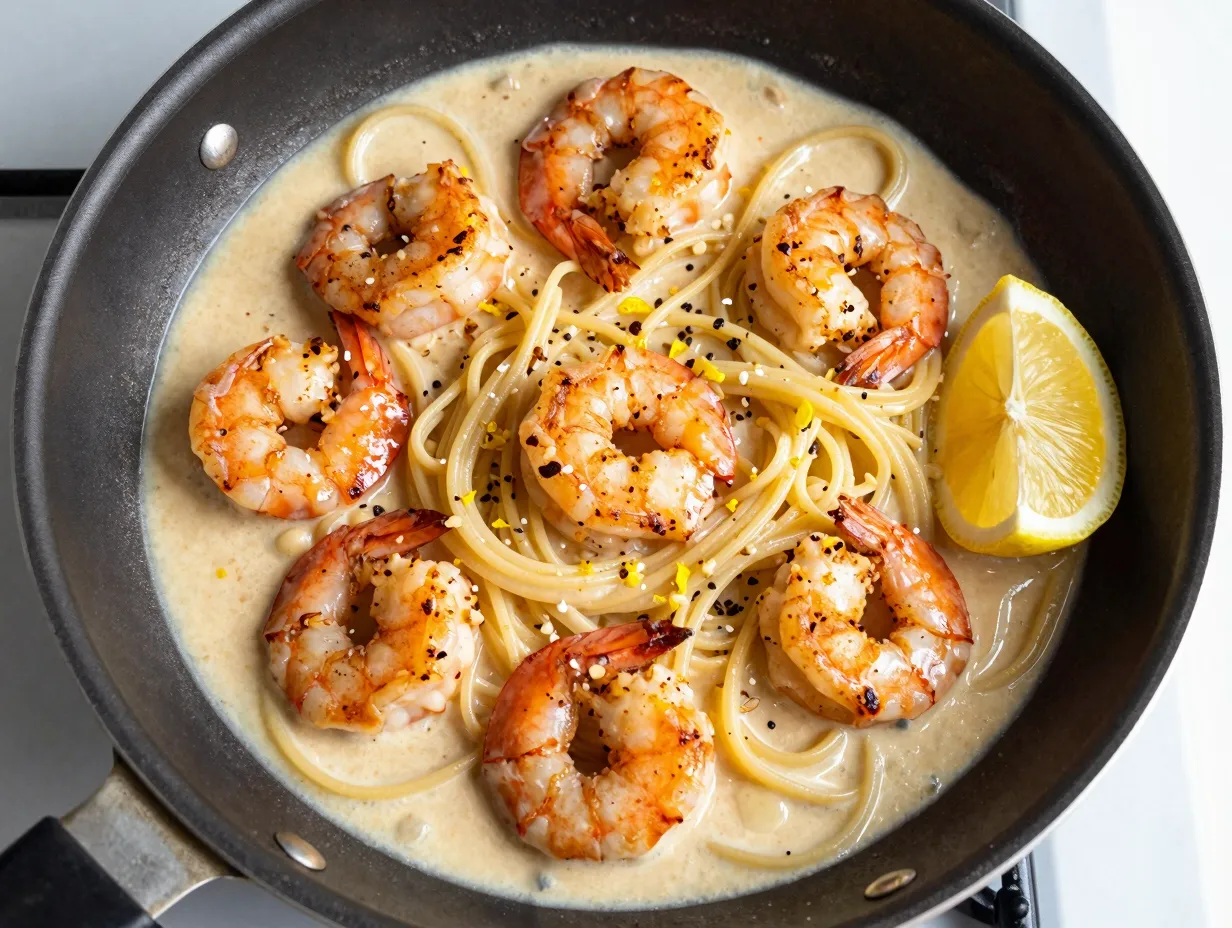
Shrimp Alfredo is the seafood lover’s answer to the classic, and it is one of the fastest versions to prepare. Sautéed shrimp cook in under four minutes, which means the entire dish can be on the table in about 20 minutes [1].
The technique:
Pat large shrimp dry before cooking. Moisture on the surface of shrimp causes them to steam rather than sear, and you lose the golden crust that adds flavor. Cook them in butter with minced garlic for about 90 seconds per side. Remove them from the pan before they are fully cooked, they will finish cooking when you toss them back into the hot sauce.
The natural sweetness of shrimp pairs beautifully with the salty, savory Alfredo base. Use linguine or fettuccine, and do not skip the lemon zest finish. A small amount of fresh lemon zest brightens the entire dish and cuts through the richness of the cream sauce.
4. Spicy Cajun Shrimp Alfredo
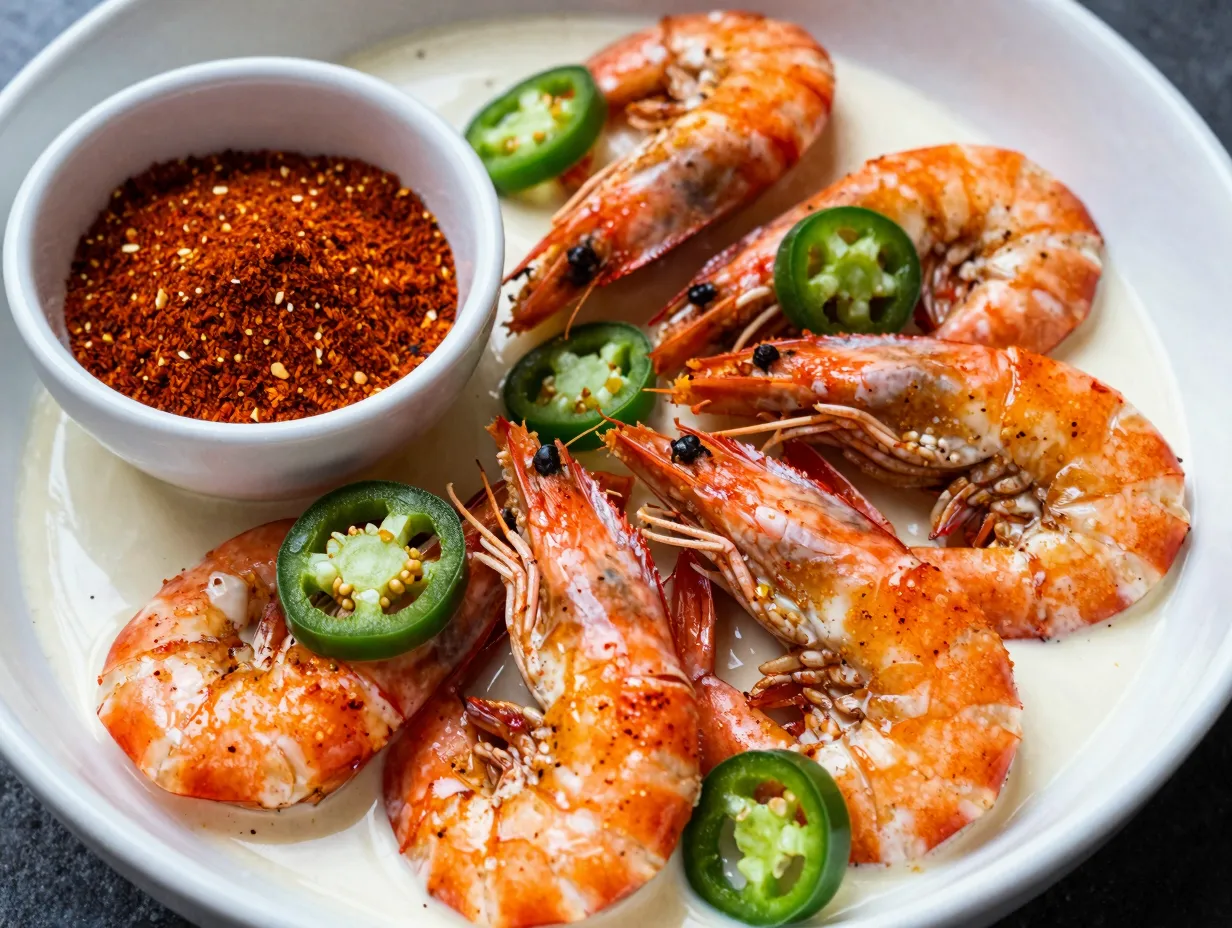
This version takes the shrimp Alfredo concept and pushes it into bold, spicy territory. Cajun seasoning, a blend of paprika, cayenne, garlic powder, onion powder, and dried herbs, coats the shrimp and infuses the sauce with heat and complexity [1].
Why the contrast works:
The creaminess of the Alfredo sauce acts as a buffer for the Cajun heat. Each bite delivers a wave of spice followed immediately by the cooling richness of butter and cream. This push-pull between heat and fat is the same principle behind buffalo chicken wings, and it is deeply satisfying.
Building the spice level:
- Mild: 1 teaspoon Cajun seasoning per pound of shrimp
- Medium: 2 teaspoons with a pinch of cayenne in the sauce
- Hot: 1 tablespoon seasoning plus fresh sliced jalapeño sautéed with the garlic
Add a small amount of the Cajun seasoning directly to the cream sauce, not just the shrimp, so the heat is distributed throughout the entire dish rather than concentrated in one element.
5. Zucchini Noodle Alfredo
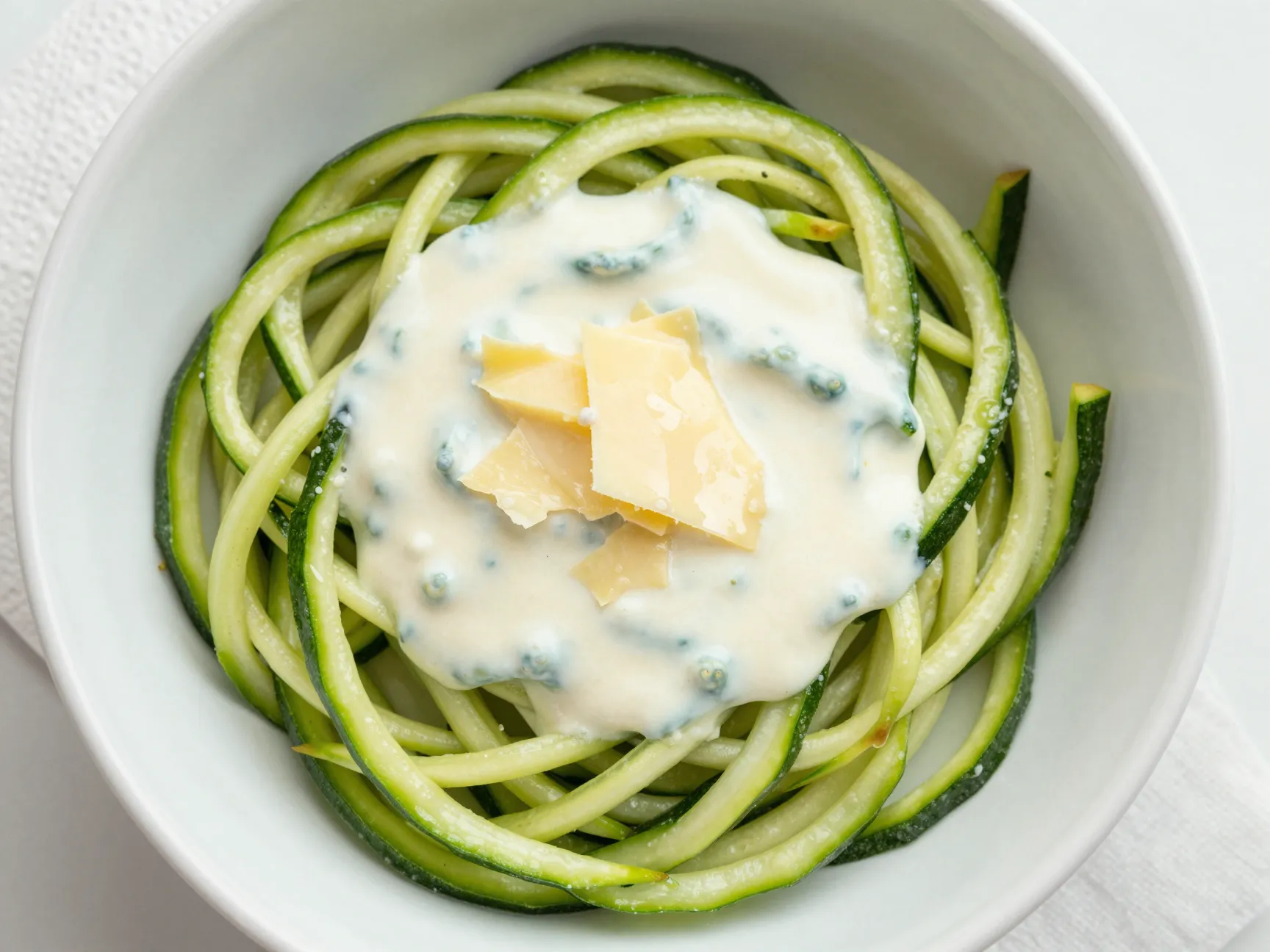
For anyone reducing carbohydrate intake without giving up the Alfredo experience, zucchini noodles (also called zoodles) are a genuinely satisfying substitute. Spiralized zucchini has a mild flavor that absorbs the sauce well, and the texture, when handled correctly, is pleasantly tender without being mushy [1].
The critical step most people miss:
Zucchini contains a high amount of water. If you cook zoodles the same way you cook pasta, the released water will dilute your sauce and leave you with a watery, thin result. The solution is to salt the spiralized zucchini, let it sit for 10 minutes, then press it firmly with paper towels to remove as much moisture as possible before cooking.
Use a Greek yogurt-based sauce or a cashew cream for a lighter result, or go with the traditional butter and Parmesan sauce if you simply want to reduce carbs without reducing calories. Either way, toss the zoodles in the sauce off direct heat and serve immediately, zucchini noodles do not hold well and should be eaten right away.
6. Avocado Alfredo
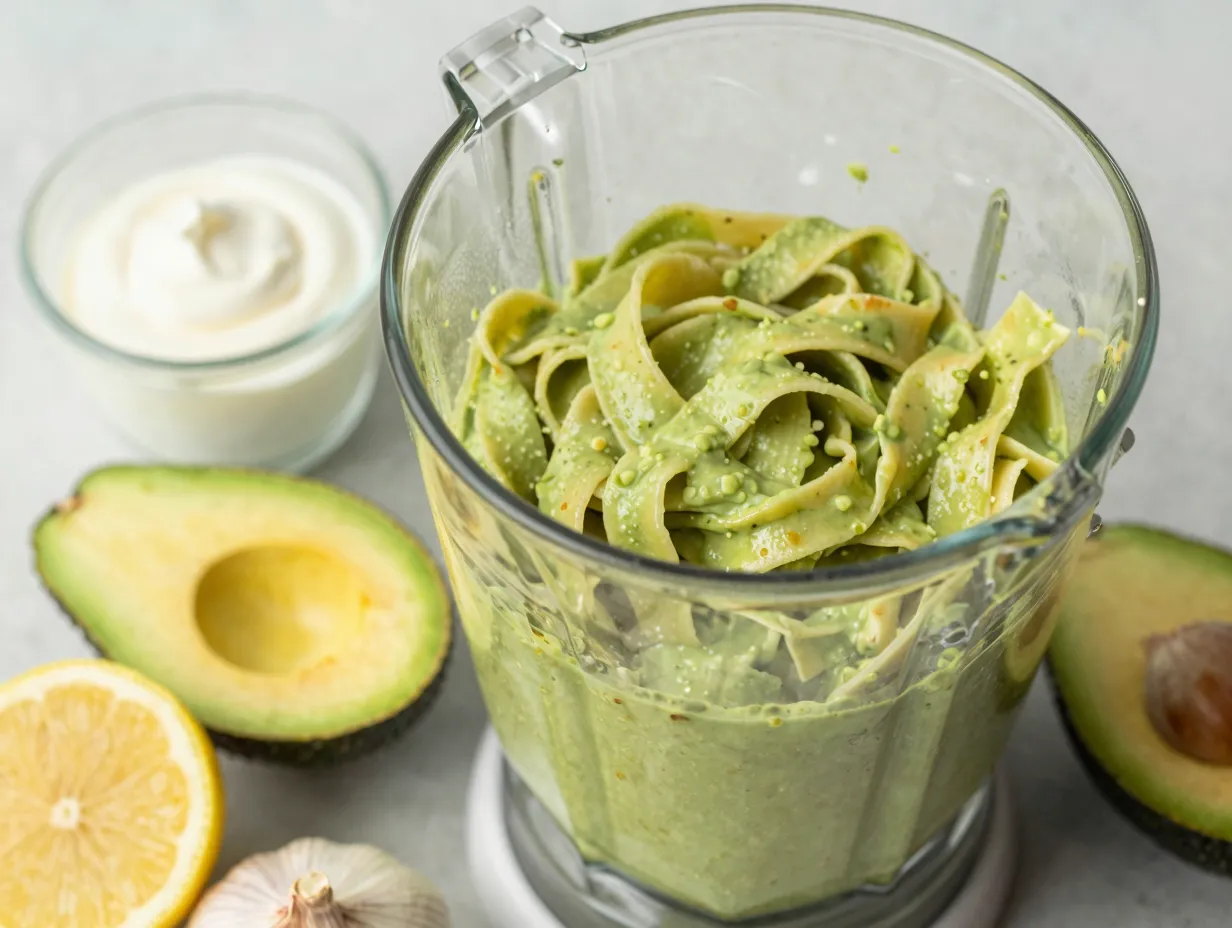
This is the recipe that surprises people most. Blended ripe avocados create a sauce that is genuinely creamy, rich, and satisfying, without a drop of dairy butter [2]. The avocado provides healthy monounsaturated fat, and when combined with garlic, lemon juice, and Pecorino Romano cheese, the result is a green Alfredo sauce that is ready in about 25 minutes.
How to make the sauce:
Blend two ripe avocados with two cloves of raw garlic, the juice of one lemon, a quarter cup of heavy cream (or reserved pasta water for a lighter version), and a generous pinch of salt. The mixture should be completely smooth. Toss it immediately with hot pasta, the heat from the pasta warms the sauce and helps it coat every strand evenly.
Important note: Avocado oxidizes quickly. This sauce should be made and served immediately. It does not store well and will turn brown within a few hours, even with lemon juice. Plan to make exactly as much as you need.
The flavor is nutty, slightly grassy, and deeply savory. It reads as indulgent even though it is nutritionally quite different from a traditional cream-based Alfredo.
7. Cabbage Alfredo
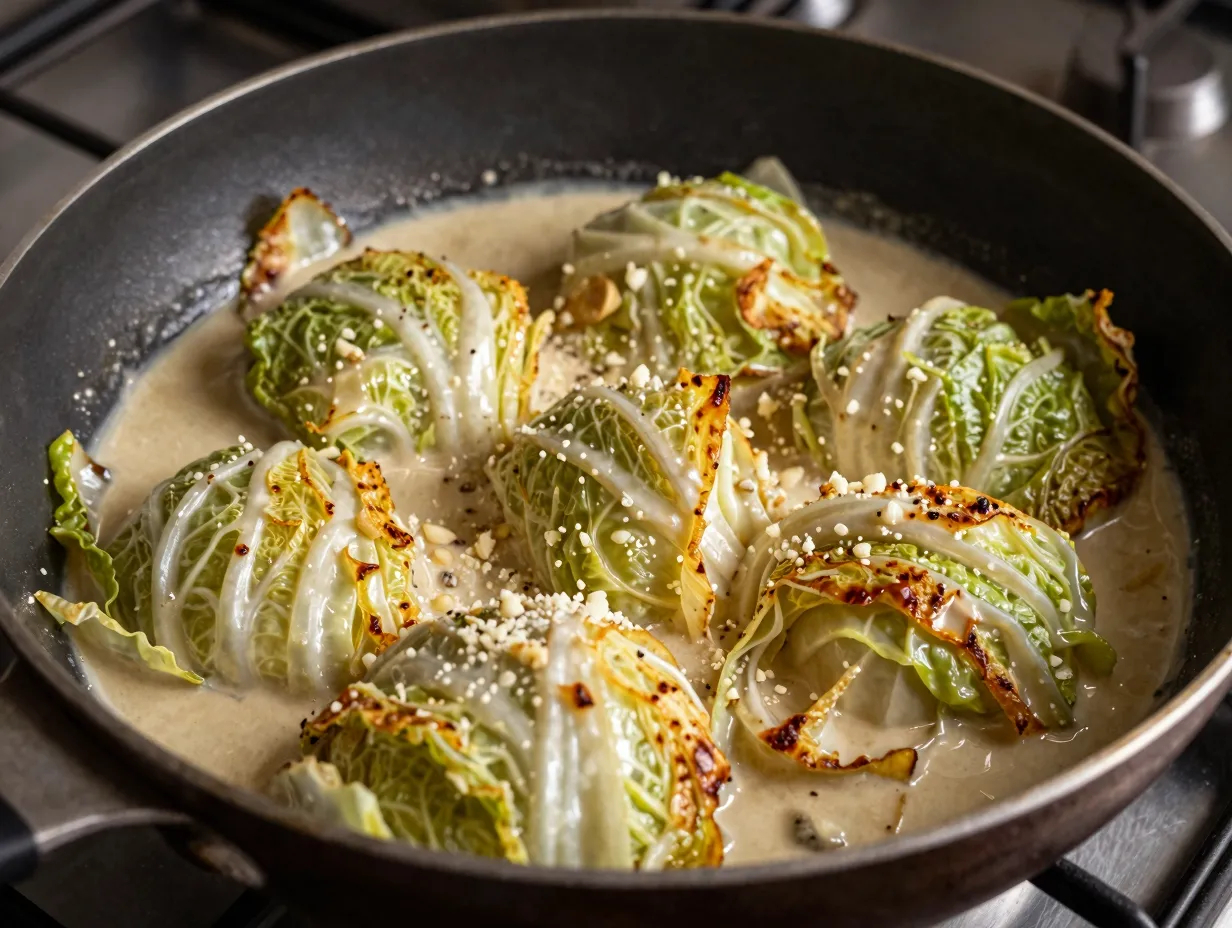
Of all the recipes in this list, Cabbage Alfredo is the one that raises the most eyebrows, and then converts the most skeptics. Savoy cabbage, with its crinkly, tender leaves, absorbs cream sauce in a way that few vegetables can match [2].
Why Savoy cabbage specifically:
Regular green cabbage is too dense and waxy to absorb sauce well. Savoy cabbage has a softer, more porous leaf structure that soaks up the Alfredo sauce as it cooks, becoming silky and rich rather than squeaky or raw-tasting. The mild, slightly sweet flavor of the cabbage complements the salty, fatty sauce without competing with it.
The method:
Slice Savoy cabbage into wide ribbons. Sauté it in butter with garlic until it begins to soften and the edges turn golden. Pour in heavy cream and let it reduce until the sauce thickens. Add Parmesan and toss to combine. Serve on its own as a vegetarian main, or alongside pasta for a more substantial dish.
This recipe is a strong option for anyone who wants the comfort of Alfredo without the heaviness of a full pasta portion. The cabbage adds volume and fiber while the sauce delivers all the richness you expect.
8. Creamy Sun-Dried Tomato Fettuccine Alfredo
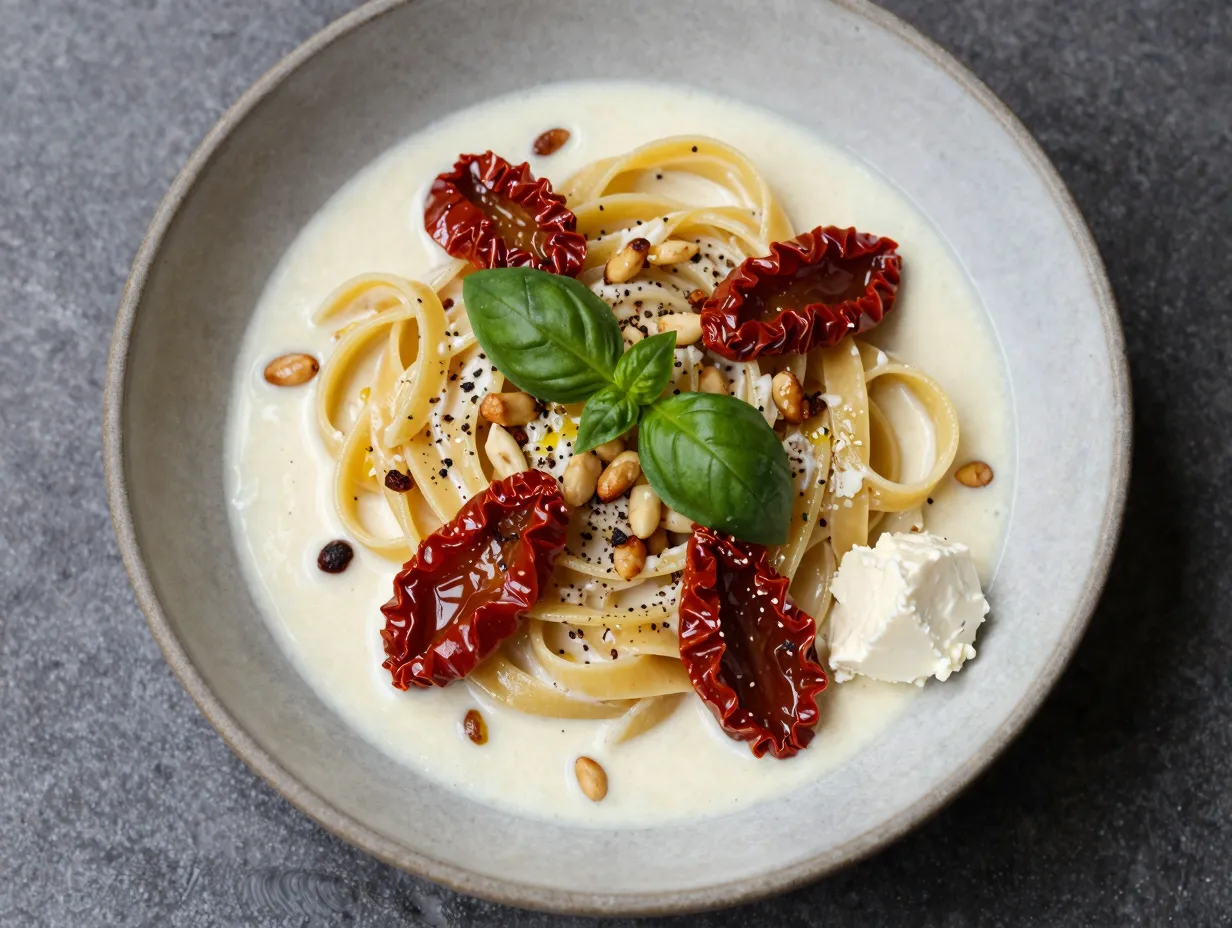
This final recipe is the one I make most often when I want to impress guests without spending hours in the kitchen. It uses goat cheese as the primary sauce base, a technique that produces an instant, silky cream sauce the moment the cheese hits hot pasta [3].
The goat cheese method:
Cook fettuccine until just al dente. Reserve a full cup of starchy pasta water before draining. Crumble soft goat cheese directly into the hot, drained pasta. Add pasta water a few tablespoons at a time, tossing constantly. The goat cheese melts into the starchy water and coats every strand of pasta in a tangy, ultra-creamy sauce that requires no stovetop cooking beyond boiling the pasta itself.
Adding the sun-dried tomatoes:
Fold in oil-packed sun-dried tomatoes, sliced thin, along with their oil. The tomato oil is intensely flavored and acts as an additional fat source in the sauce. Add fresh basil, cracked black pepper, and a small handful of toasted pine nuts for texture.
The result is a pasta dish that tastes complex and restaurant-worthy but takes under 25 minutes from start to finish. The tanginess of the goat cheese and the concentrated sweetness of the sun-dried tomatoes give this version a flavor profile that no traditional Alfredo can replicate.
How to Choose the Right Alfredo Recipe for Any Occasion
Not every version of these 8 Alfredo pasta recipes that are richer, creamier, and better than any restaurant suits every situation. Here is a quick reference to help you decide.
| Recipe | Best For | Prep Time | Dietary Note |
|---|---|---|---|
| Classic Fettuccine Alfredo | Weeknight comfort | 20 min | Vegetarian |
| Chicken Alfredo | Family dinner | 35 min | High protein |
| Shrimp Alfredo | Quick weeknight | 20 min | Seafood |
| Spicy Cajun Shrimp | Bold flavor seekers | 25 min | Spicy, seafood |
| Zucchini Noodle Alfredo | Low-carb diets | 25 min | Low-carb, gluten-free |
| Avocado Alfredo | Dairy-free option | 25 min | Can be dairy-free |
| Cabbage Alfredo | Vegetable-forward | 30 min | Vegetarian |
| Sun-Dried Tomato Fettuccine | Dinner party | 25 min | Vegetarian |
Common Mistakes That Ruin Alfredo Sauce
Even experienced home cooks make these errors. Avoiding them is what separates a good Alfredo from a great one.
Using the wrong heat: Alfredo sauce breaks when it gets too hot. Once you add cheese to the pan, pull it off direct heat entirely. The residual warmth from the pasta and pan is enough to melt the cheese and finish the emulsion.
Adding cheese to a dry pan: Always have liquid in the pan, either pasta water, cream, or melted butter, before adding Parmesan. Cheese added to a dry, hot surface will seize and clump rather than melt smoothly.
Skipping the pasta water: This is the single most common mistake. Pasta water is loaded with dissolved starch, and that starch is what allows the fat and water in your sauce to stay combined. Always reserve at least one cup before draining.
Using cold butter: Cold butter added to a hot pan creates temperature shock and can cause the sauce to separate. Use room-temperature butter and add it gradually.
Overcooking shrimp or chicken: Both proteins continue cooking after you remove them from heat. Pull them off the stove 30 seconds before they look done, and let the residual heat finish the job.
Conclusion
These 8 Alfredo pasta recipes that are richer, creamier, and better than any restaurant prove that the best version of this dish has always been the one you make yourself. From the two-ingredient Roman original to the avocado-based modern twist, each recipe in this list delivers more flavor, more control, and more satisfaction than anything you can order off a chain restaurant menu.
Your actionable next steps:
- Start with the Classic Fettuccine Alfredo to master the emulsification technique before moving to more complex versions.
- Buy a block of Parmigiano-Reggiano and grate it yourself, this single upgrade will improve every recipe on this list immediately.
- Try the Sun-Dried Tomato Fettuccine for your next dinner gathering. It is the fastest impressive pasta dish you will ever make.
- Experiment with the Cajun Shrimp version if you want to understand how heat and richness can work together rather than against each other.
- Keep a jar of starchy pasta water in mind every time you cook pasta, it is free, it is always available, and it is the most underused tool in home pasta cooking.
The gap between restaurant Alfredo and homemade Alfredo is not skill, it is knowledge. Now you have both.
References
[1] Alfredo Pasta Recipes – https://homebrewacademy.com/alfredo-pasta-recipes/?utm_source=openai
[2] Alfredo – https://www.foodnetwork.com/topics/alfredo?utm_source=openai
[3] Creamy Pasta Recipes 257953 – https://www.thekitchn.com/creamy-pasta-recipes-257953?utm_source=openai