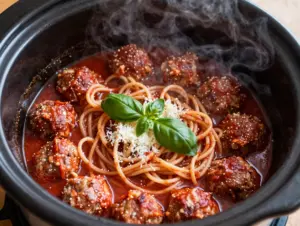
9 Secrets to the Best Homemade Spaghetti and Meatballs Recipe Ever Made
Only 9% of home cooks consistently nail spaghetti and meatballs on the first try, and the gap between a forgettable plate and a truly memorable one almost always comes down to a handful of overlooked techniques. I learned this the hard way after years of producing meatballs that were either dry as sawdust or falling apart before they hit the sauce. The 9 secrets to the best homemade spaghetti and meatballs recipe ever made are not about exotic ingredients or professional kitchen equipment. They are about understanding why each step matters and executing it with intention.
Disclosure: This post contains affiliate links. As an Amazon Associate, we earn from qualifying purchases, and at no extra cost to you.

This guide breaks down every critical decision, from the meat blend you choose to the final garnish on the plate. Whether you are cooking for a Sunday family dinner or trying to impress guests, these techniques will transform your results.
Key Takeaways
- The meat blend matters enormously, a combination of beef, pork, and veal produces far superior flavor and texture than single-protein meatballs
- A panade (bread soaked in milk) is the single most effective technique for keeping meatballs tender and moist
- Browning meatballs before simmering them in sauce builds a flavor crust that defines the dish
- San Marzano tomatoes and fresh herbs are non-negotiable upgrades for a restaurant-quality sauce
- Finishing pasta in the sauce rather than just plating it separately is the step most home cooks skip, and it makes a significant difference
The Foundation: Meat, Mixture, and Meatball Technique
1. Use a Combination of Meats
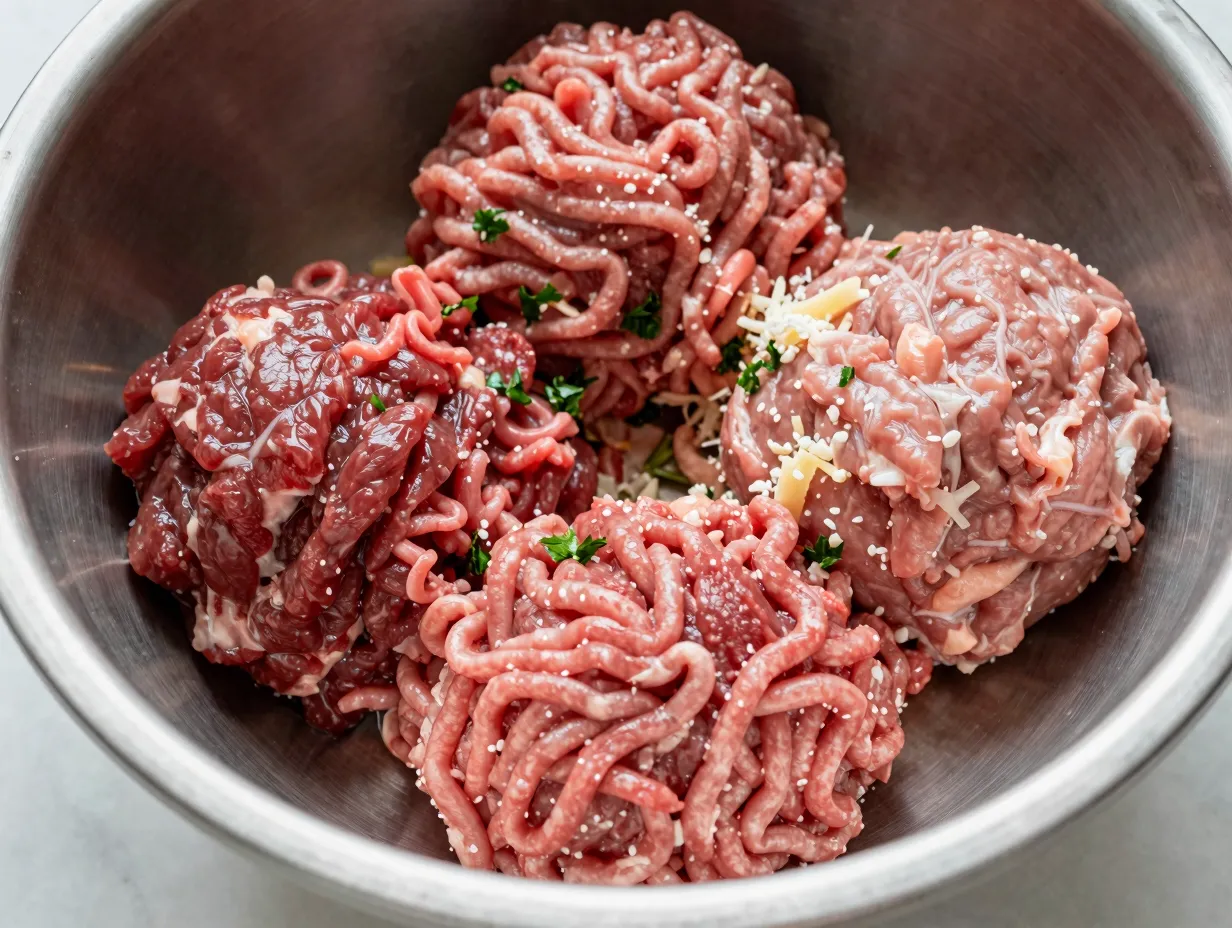
The single most impactful decision you will make for your meatballs happens before you even turn on the stove. Using a blend of ground beef, ground pork, and ground veal creates a complexity of flavor that no single protein can achieve on its own [1]. Beef brings depth and richness. Pork adds fat content and a subtle sweetness. Veal contributes a delicate, fine-grained texture that keeps the meatball tender without making it greasy.
A standard ratio that works well is equal thirds of each meat, though many cooks prefer a heavier beef base, roughly 50% beef, 25% pork, and 25% veal. The key insight is that fat content varies across these proteins, and the combination creates a self-basting effect inside the meatball as it cooks.
Recommended meat blend ratios:
| Meat | Percentage | Primary Contribution |
|---|---|---|
| Ground beef (80/20) | 50% | Depth, richness |
| Ground pork | 25% | Fat, sweetness |
| Ground veal | 25% | Tender texture |
If veal is unavailable or outside your budget, a 60/40 beef-to-pork ratio is a solid backup. Do not, however, use lean ground beef alone, the lack of fat will produce dry, dense meatballs regardless of every other technique you apply.
2. Incorporate a Panade for Tenderness
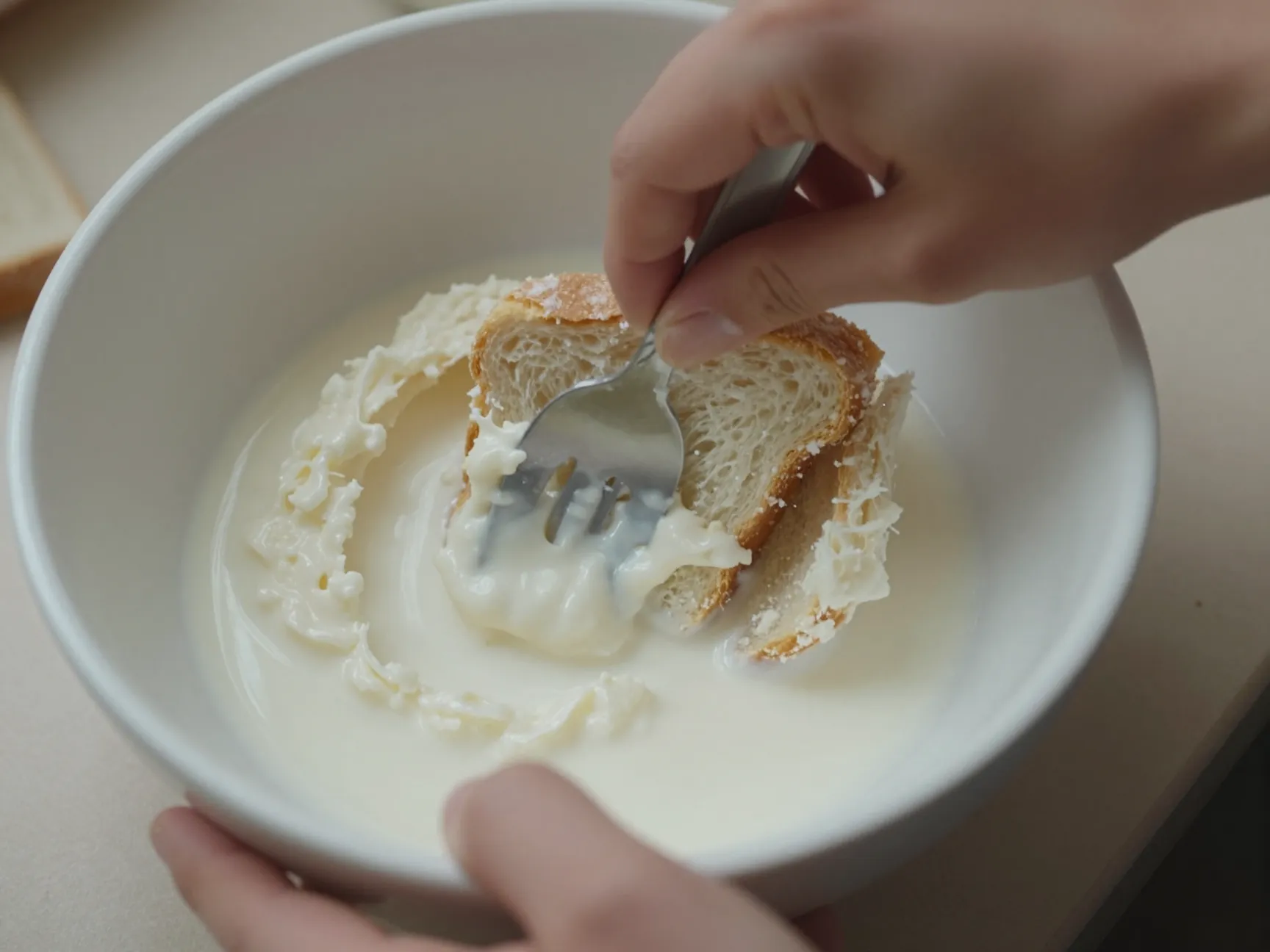
This is the secret that separates good meatballs from great ones, and most home cooks have never heard of it. A panade is simply bread soaked in milk, mashed into a paste, and mixed directly into the meat [2]. The starch from the bread and the proteins in the milk create a barrier that prevents the meat proteins from bonding too tightly during cooking. The result is a meatball that stays moist and tender rather than turning rubbery.
To make a panade, tear two or three slices of white sandwich bread (crusts removed) into small pieces and soak them in about a quarter cup of whole milk for five minutes. Mash the mixture with a fork until it forms a rough paste. Add this directly to your meat mixture along with finely grated onion, which adds both moisture and flavor without the crunch of diced onion [2].
“The panade is not optional if you want a genuinely tender meatball. It is the technique that professional chefs rely on, and it works every single time.”
3. Avoid Overmixing the Meat Mixture
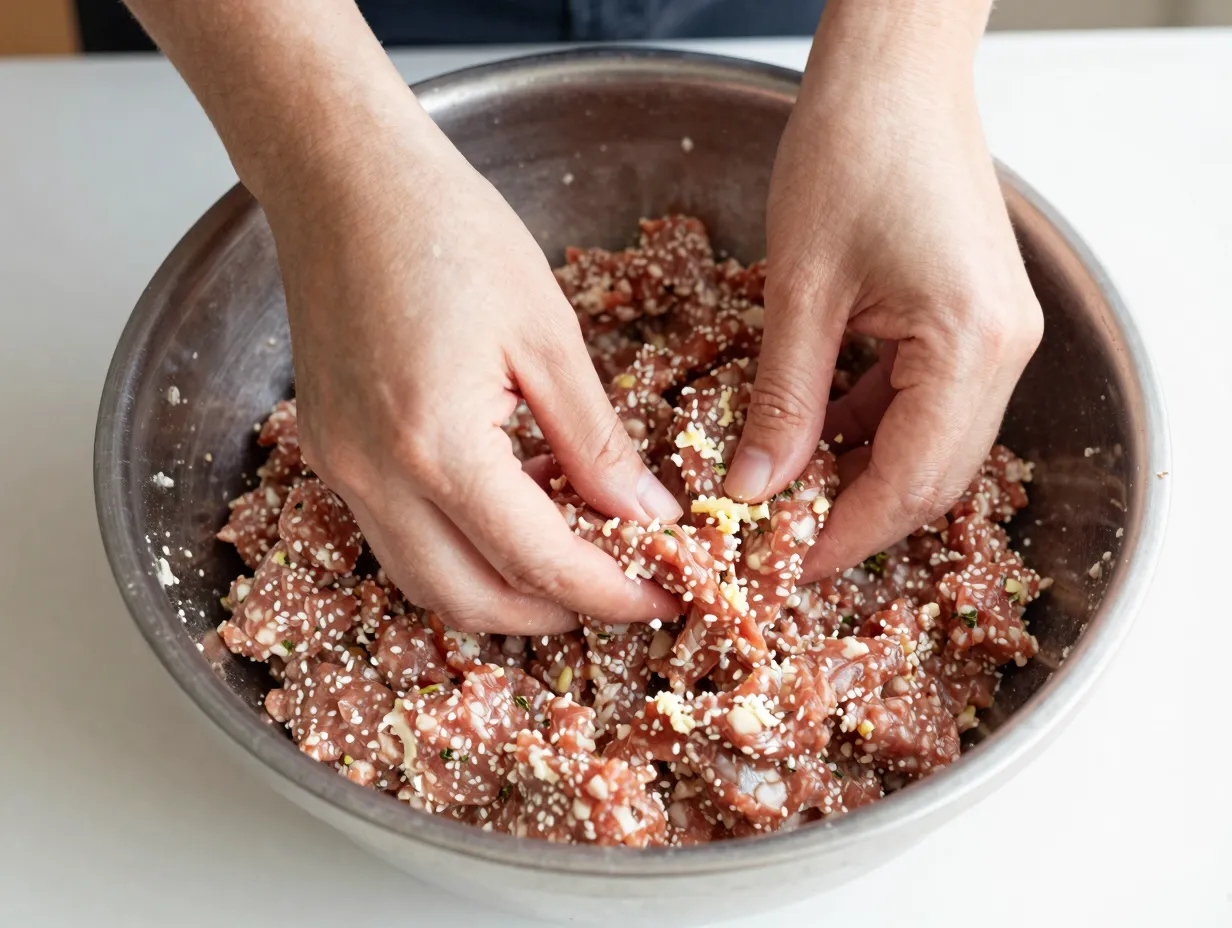
This is a mistake that even experienced cooks make. Once you have combined your meat, panade, eggs, cheese, herbs, and seasonings, the instinct is to mix thoroughly to ensure even distribution. Resist that instinct [3].
Overmixing develops the myosin proteins in the meat, which causes the meatballs to become dense and tough after cooking. Mix only until the ingredients are just combined, roughly 30 to 45 seconds of gentle folding with your hands. The mixture should look slightly shaggy and uneven. That is perfectly fine.
Tips for mixing meatball mixture correctly:
- Use your hands rather than a spoon or mixer
- Work quickly and with a light touch
- Stop as soon as no dry pockets of breadcrumb or egg remain
- Chill the mixture for 20 minutes before rolling if it feels too soft to handle
Roll the meatballs gently between your palms using light pressure. Aim for uniform size, about the diameter of a golf ball, so they cook evenly. Wetting your hands slightly with cold water prevents sticking.
4. Brown Meatballs Before Simmering
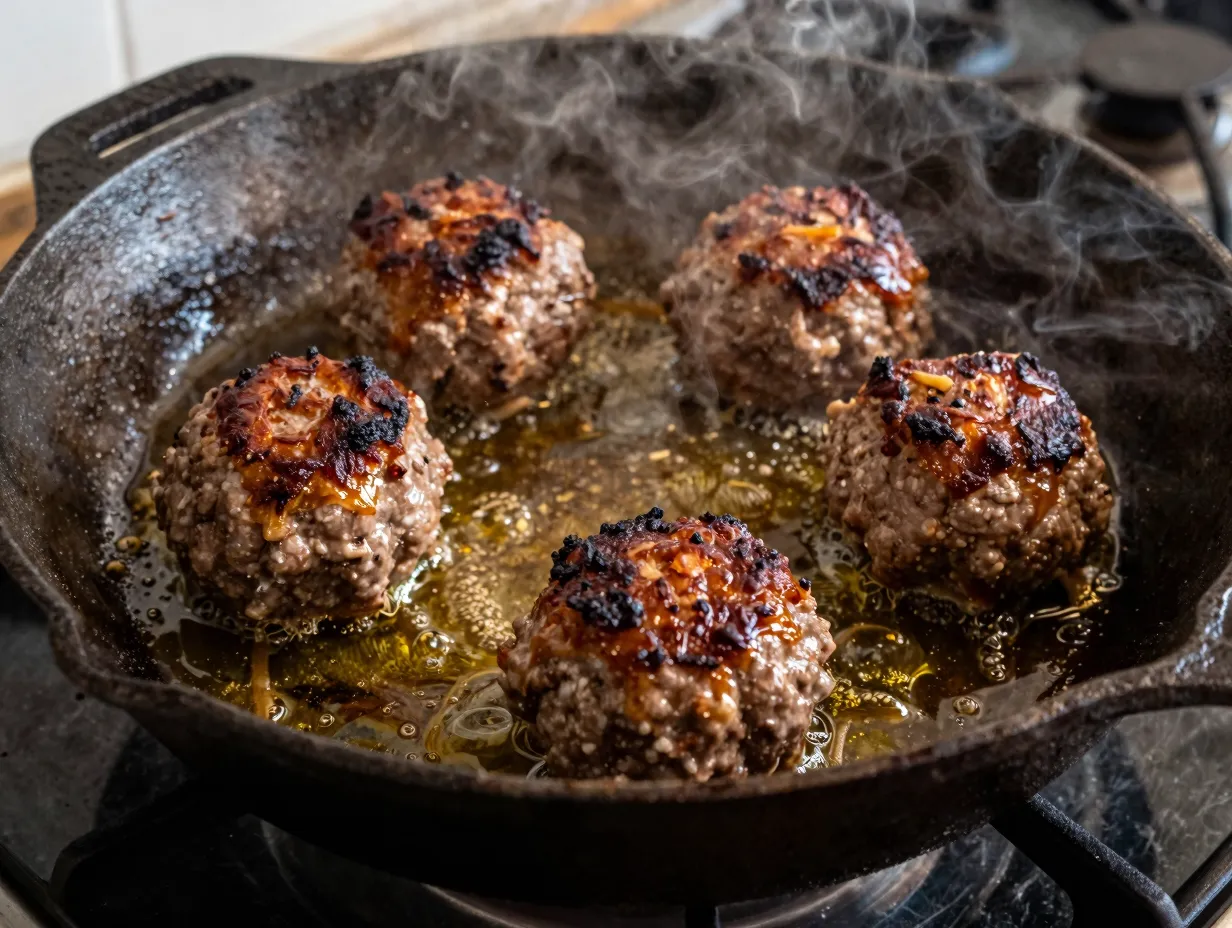
Dropping raw meatballs directly into tomato sauce is one of the most common shortcuts in home cooking, and it costs you more flavor than any other single decision [4]. Browning meatballs in a hot skillet with a thin layer of olive oil before they go into the sauce creates a Maillard reaction on the surface, a complex chemical process that produces hundreds of flavor compounds that simply cannot develop any other way.
Heat a large skillet over medium-high heat. Add two tablespoons of olive oil and let it shimmer before adding the meatballs in a single layer with space between each one. Do not move them for at least two minutes, let the crust develop. Turn them to brown on two or three sides, then transfer them to the sauce to finish cooking through.
The meatballs do not need to be cooked all the way through during browning. They will finish in the sauce, which also allows them to absorb the tomato flavor from the inside. The goal is a deep brown crust on the exterior, not a fully cooked center [4].
The Sauce, Pasta, and Finishing Touches
5. Use High-Quality Tomatoes for the Sauce
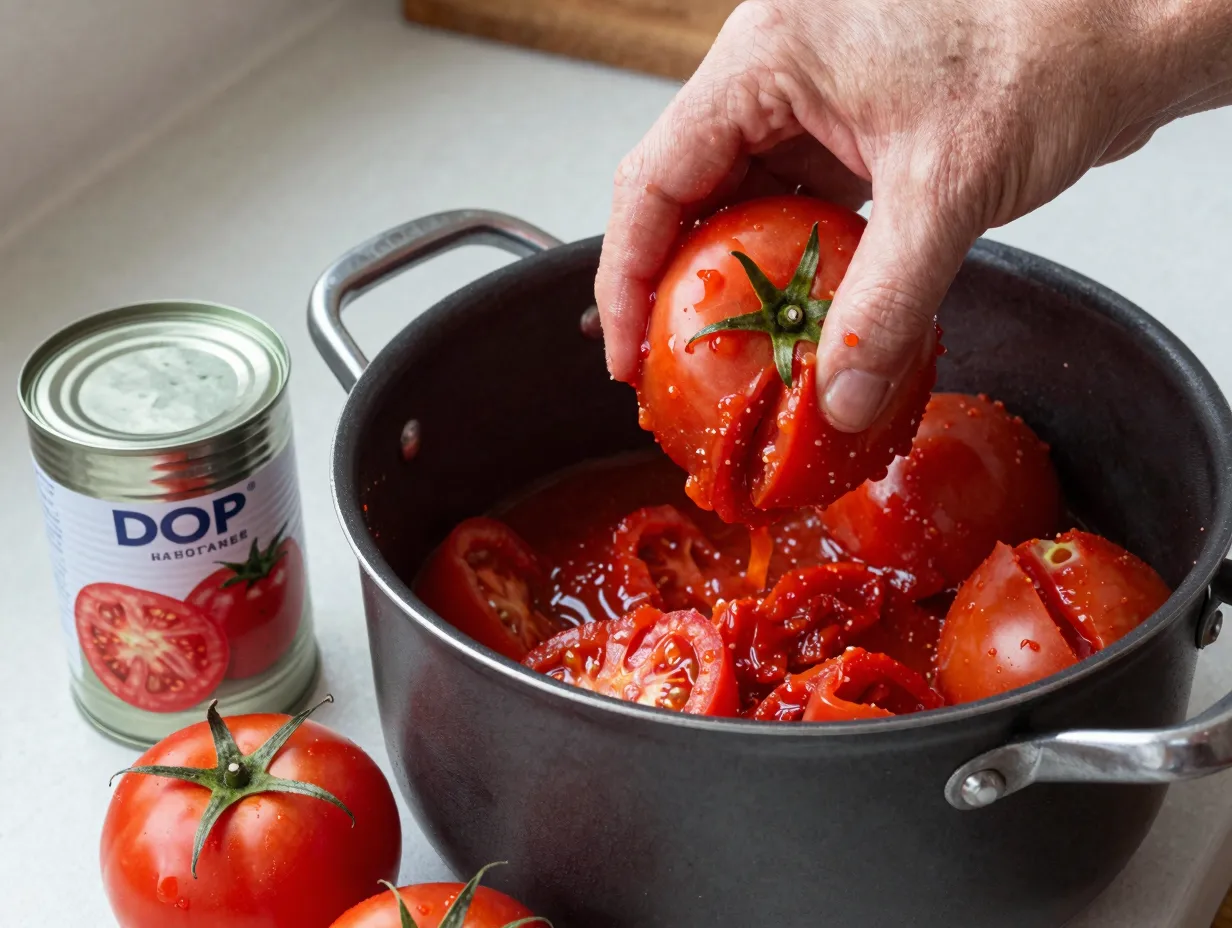
The tomato sauce is not a supporting player in this dish, it is a co-star. The quality of your tomatoes determines the ceiling of what your sauce can become, and no amount of seasoning will rescue a sauce built on inferior tomatoes [1].
San Marzano tomatoes, grown in the volcanic soil of the Campania region of Italy, are the gold standard. They are naturally sweeter, less acidic, and have a denser flesh than standard canned tomatoes. Look for the DOP (Denominazione di Origine Protetta) certification on the label to ensure authenticity. They cost slightly more than generic canned tomatoes, but the difference in the finished sauce is immediately noticeable.
Crush the tomatoes by hand directly into the pot rather than using a blender. This preserves some texture in the sauce and gives it a rustic, hearty character that complements the meatballs.
6. Simmer Sauce with Aromatics
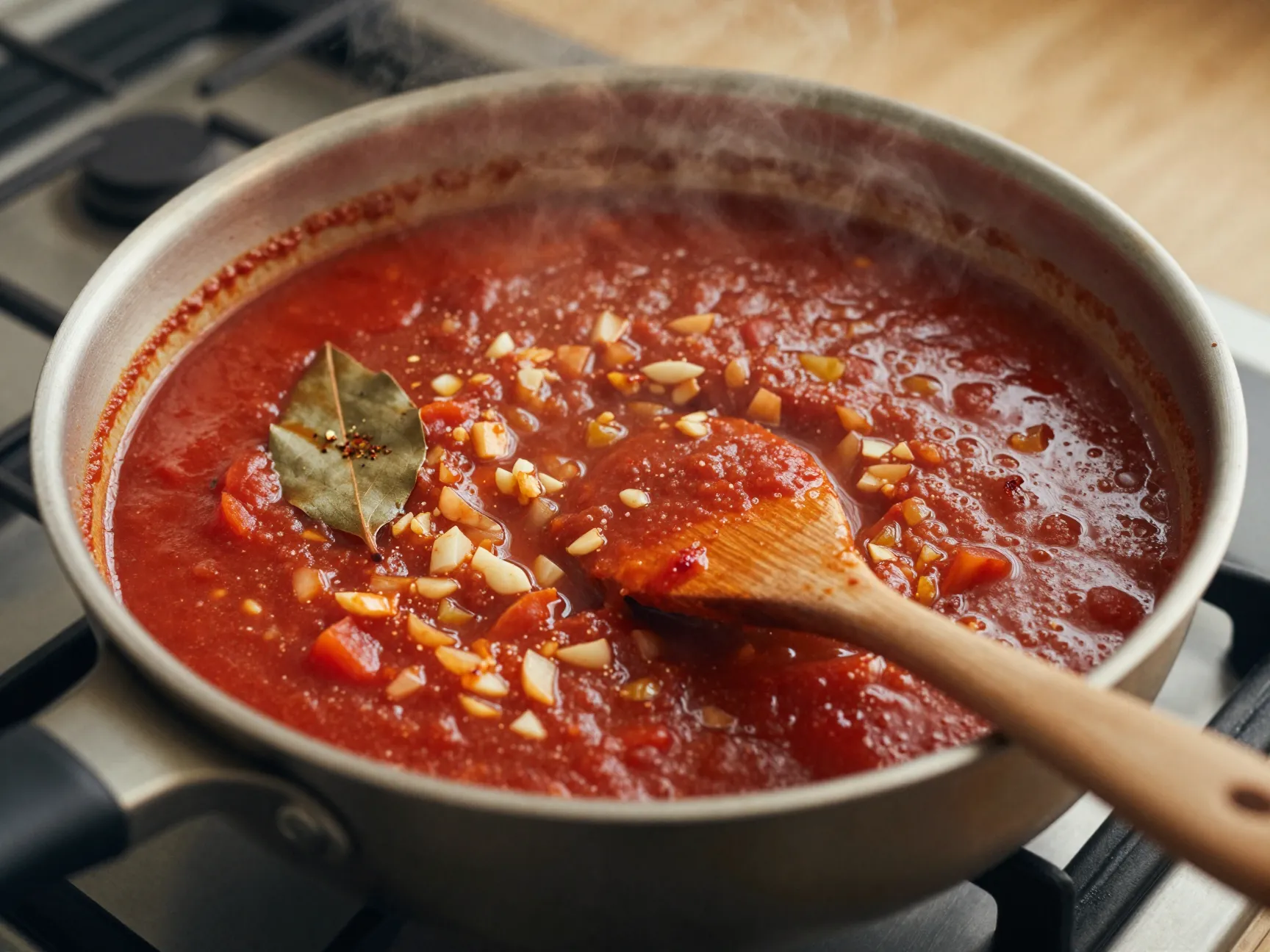
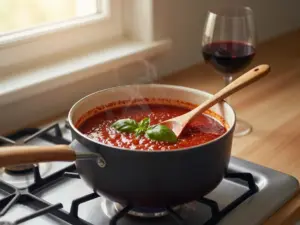
A great tomato sauce is built in layers, and the aromatic base is where those layers begin [5]. Start by gently cooking finely diced onion in olive oil over medium-low heat until it becomes translucent and soft, about eight to ten minutes. Add minced garlic and cook for another minute until fragrant, being careful not to let it brown.
Add the crushed tomatoes, a bay leaf, a pinch of red pepper flakes, and a small amount of sugar if the tomatoes taste acidic. The bay leaf is a subtle but meaningful addition, it contributes a faintly herbal, almost floral note that rounds out the sauce without announcing itself.
Simmer the sauce uncovered over low heat for at least 45 minutes, stirring occasionally. Long, slow simmering concentrates the flavors and allows the water content to reduce, producing a sauce that is thick enough to coat pasta rather than pool at the bottom of the bowl.
7. Use Fresh Herbs in the Sauce
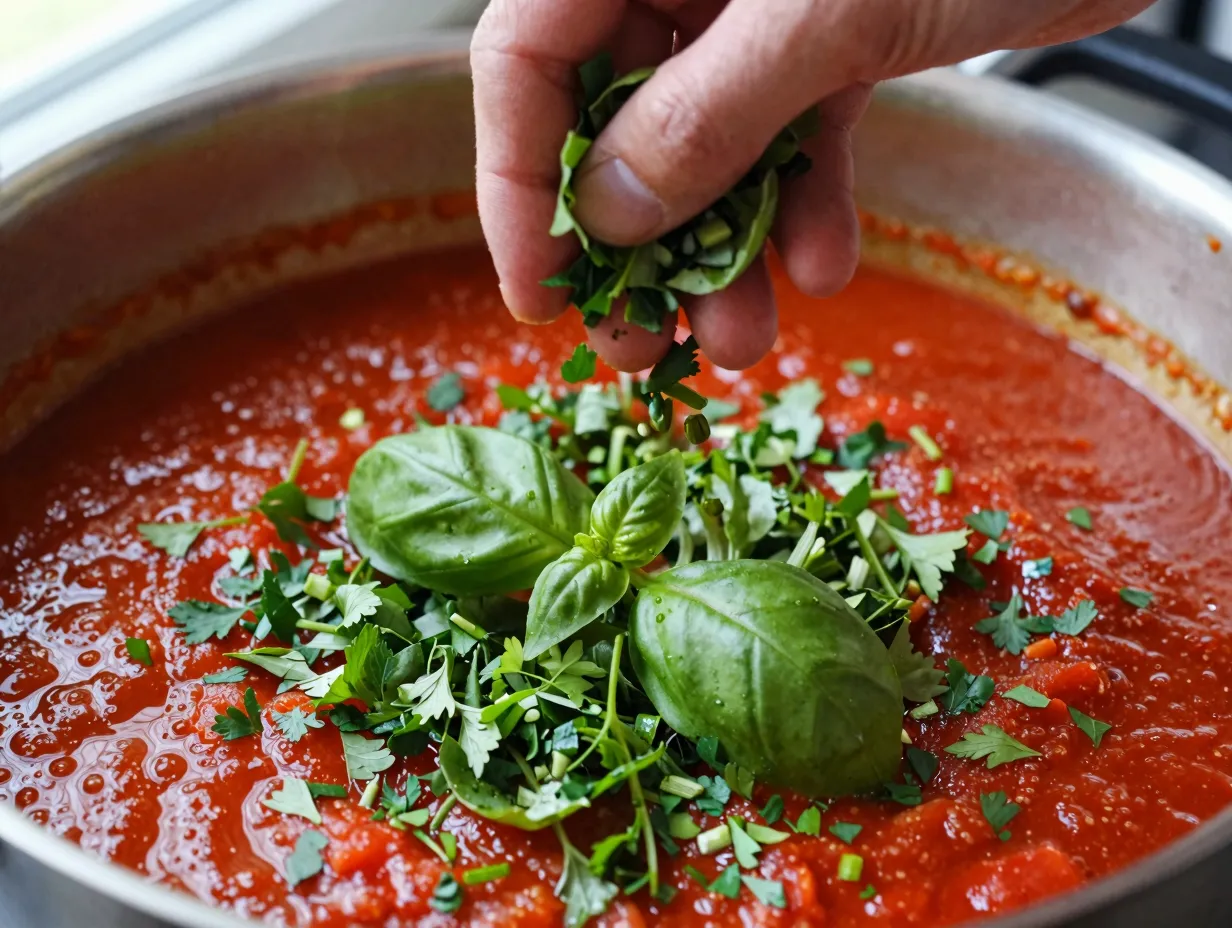
Dried herbs have their place in cooking, but they are not the right tool for finishing a tomato sauce [1]. Fresh basil and fresh flat-leaf parsley added in the final ten minutes of simmering deliver a brightness and vibrancy that dried herbs simply cannot replicate. The volatile aromatic compounds in fresh herbs dissipate quickly with heat, which is why timing matters.
Add a generous handful of torn fresh basil leaves and a tablespoon of chopped flat-leaf parsley toward the end of cooking. Stir them in and let the sauce simmer gently for another five to ten minutes. The herbs will soften and release their oils into the sauce without losing all of their character.
Reserve a few fresh basil leaves for garnishing the finished plate. The visual contrast of bright green against the deep red sauce signals freshness and care to anyone sitting down at the table.
8. Cook Pasta to Al Dente and Reserve Pasta Water
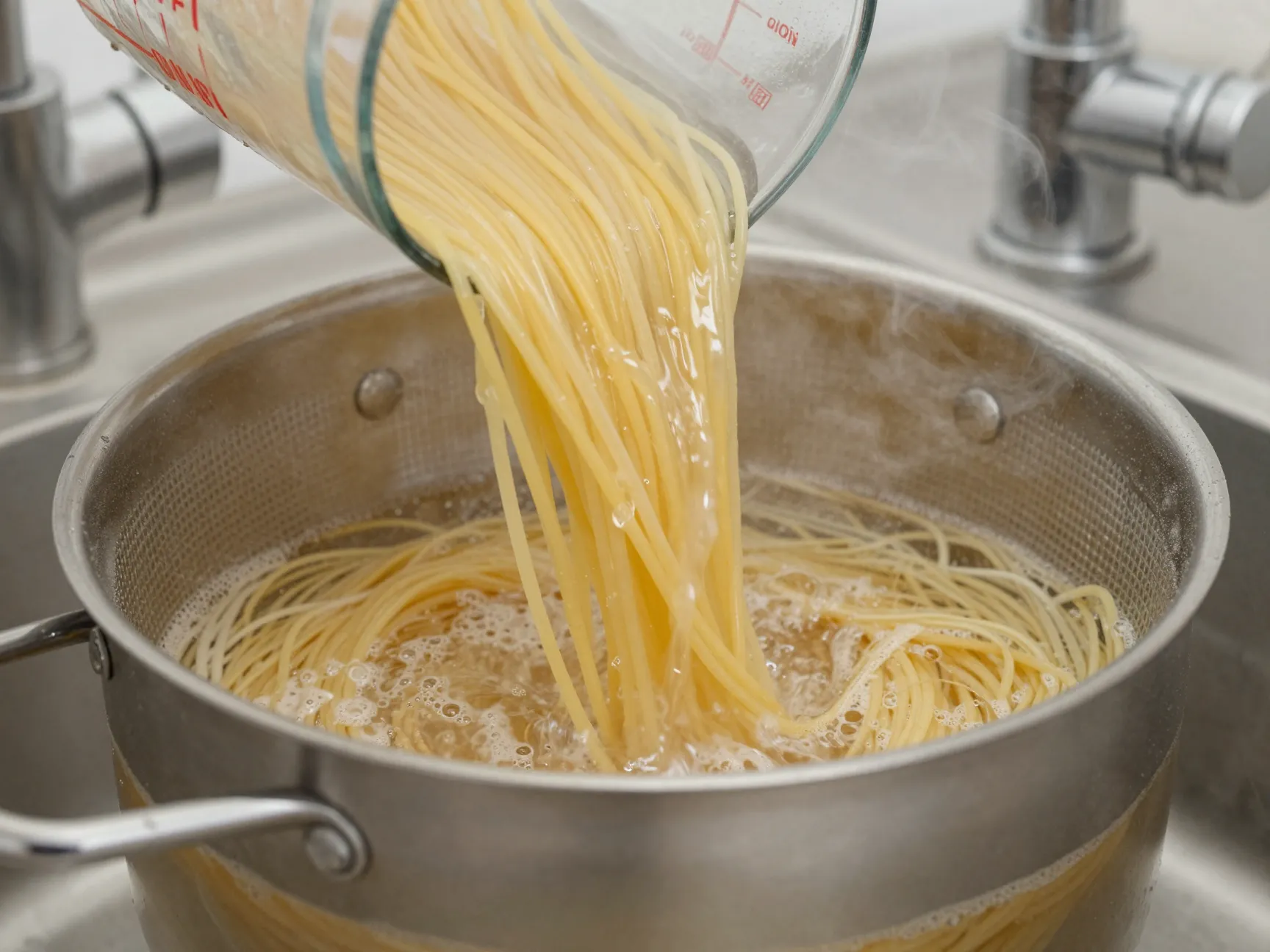
The pasta itself is often treated as an afterthought in spaghetti and meatballs, but two specific techniques at this stage will meaningfully improve the final dish.
First, cook the spaghetti to al dente, firm to the bite, with a faint resistance at the center [6]. Most pasta packages suggest a cooking time range; pull the pasta at the lower end of that range, or even a minute before it. It will continue cooking when you add it to the sauce.
Second, before draining the pasta, scoop out at least one full cup of the starchy cooking water and set it aside [3]. This water is loaded with dissolved starch from the pasta, which acts as a natural emulsifier. Adding a few tablespoons to your sauce helps it cling to the pasta strands rather than sliding off, and it allows you to loosen the sauce if it has thickened too much during simmering.
Why pasta water works:
- Contains dissolved starch that emulsifies fat and water in the sauce
- Adjusts sauce consistency without diluting flavor
- Helps sauce adhere to pasta strands for a cohesive bite
9. Finish Cooking Pasta in the Sauce
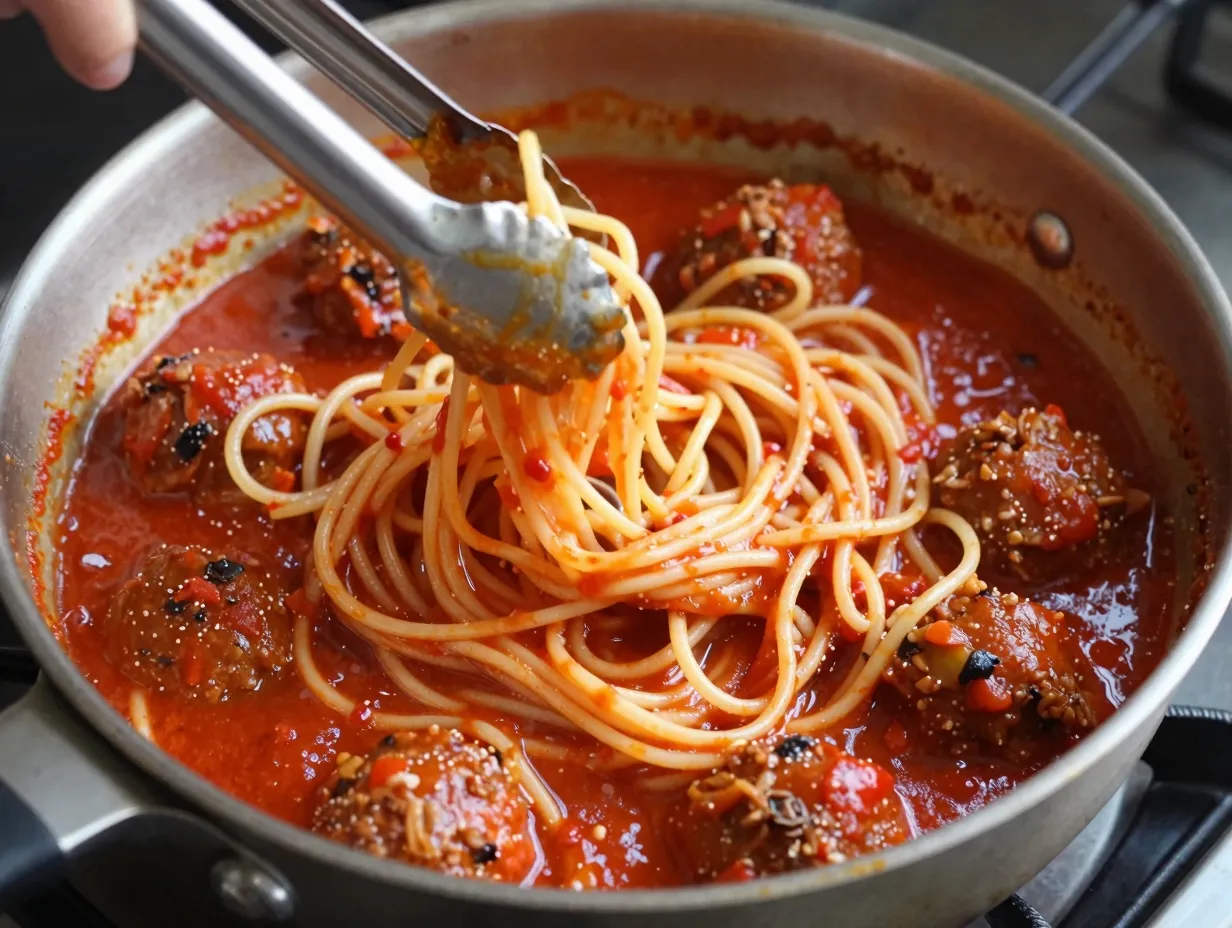
This is the final secret of the 9 secrets to the best homemade spaghetti and meatballs recipe ever made, and it is the step that most home cooks never take [6]. Rather than draining the pasta, plating it, and ladling sauce on top, transfer the al dente spaghetti directly into the simmering sauce using tongs. Let it cook together for 60 to 90 seconds, tossing constantly.
During this brief time, the pasta absorbs some of the sauce, the sauce absorbs some of the pasta starch, and the two become genuinely integrated rather than merely coexisting on the same plate. Add a splash of reserved pasta water if the sauce tightens up too much. The result is a dish where every strand of spaghetti is coated in sauce rather than sitting in a puddle of it.
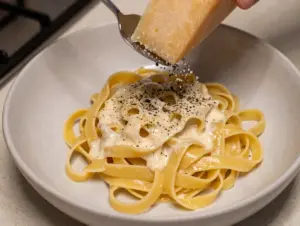
Plate the pasta first, then nestle the meatballs on top and spoon additional sauce over everything. Finish with freshly grated Parmigiano-Reggiano, not pre-shredded cheese from a bag, which contains anti-caking agents that prevent it from melting properly [7]. The fine, salty, nutty quality of freshly grated Parmesan is the finishing note that brings the entire dish together.
Additional Pro Tips Worth Knowing
Beyond the core 9 secrets to the best homemade spaghetti and meatballs recipe ever made, a few supporting habits will further elevate your results.
Let meatballs rest before serving. After pulling the meatballs from the sauce, allow them to rest for three to five minutes before plating [3]. Just as resting applies to steaks, it applies to meatballs, the juices redistribute throughout the interior rather than running out the moment you cut into them.
Season every component separately. Salt the pasta water aggressively, it should taste like mild seawater. Season the meat mixture before rolling. Taste and adjust the sauce at multiple points during cooking. Under-seasoning at any stage creates a flat, one-dimensional dish regardless of ingredient quality.
Make it ahead. Both the sauce and the meatballs improve significantly after 24 hours in the refrigerator. The flavors meld and deepen overnight. This makes the dish ideal for meal prep or entertaining, you can do all the work the day before and simply reheat gently before serving.
Use a wide, shallow pan for the sauce. A wide surface area allows moisture to evaporate more efficiently, concentrating the sauce faster and producing a richer result than a deep, narrow pot.
Conclusion
The 9 secrets to the best homemade spaghetti and meatballs recipe ever made are not complicated, but they do require attention and intention. The difference between a mediocre plate and an exceptional one is almost never about a single dramatic technique. It is the accumulation of small, correct decisions made at each stage of the process.
Start with a three-meat blend and a proper panade. Handle the mixture gently. Brown the meatballs before they touch the sauce. Build your sauce slowly with quality tomatoes, aromatics, and fresh herbs. Cook your pasta to al dente, save the pasta water, and finish the spaghetti in the sauce before plating.
Your actionable next steps:
- Source San Marzano DOP tomatoes before your next cooking session, find them at Italian specialty stores or well-stocked supermarkets
- Make a small test batch of meatballs using the panade technique and compare the texture directly against your previous method
- Try making the sauce and meatballs one day ahead to experience how resting improves the final flavor
- Invest in a block of Parmigiano-Reggiano and a microplane grater, you will use both constantly once you taste the difference
Every time I make this dish now, I think about the years I spent wondering why my version never quite matched what I remembered from the best Italian-American restaurants. The answer was always in these details. Apply them consistently, and the results will speak for themselves.
References
[1] Pro Chef Spaghetti And Meatballs Recipe – https://www.ice.edu/blog/pro-chef-spaghetti-and-meatballs-recipe?utm_source=openai
[2] Spaghetti And Meatballs – https://foodtasia.com/spaghetti-and-meatballs/?utm_source=openai
[3] 10 Tips For Next Level Spaghetti Meatballs – https://recipes.net/articles/10-tips-for-next-level-spaghetti-meatballs/?utm_source=openai
[4] Spaghetti And Meatballs – https://www.girlgonegourmet.com/spaghetti-and-meatballs/?utm_source=openai
[5] Spaghetti And Meatballs Recipe 2043370 – https://www.foodnetwork.com/recipes/ted-allen/spaghetti-and-meatballs-recipe-2043370?utm_source=openai
[6] Spaghetti And Meatballs – https://www.averiecooks.com/spaghetti-and-meatballs/?utm_source=openai
[7] Spaghetti And Meatballs – https://ronzoni.com/recipe/spaghetti-and-meatballs/?utm_source=openai