8 Easy Beef Stew Recipes So Good You’ll Make Them Every Week
A pot of beef stew left on the stove on a cold Tuesday night once turned a skeptical dinner guest into a weekly cooking convert. That is the quiet power of a great beef stew. According to food industry data, beef stew consistently ranks among the top five most searched comfort food recipes in the United States and United Kingdom every winter season. Yet despite its popularity, many home cooks still believe a truly satisfying stew demands hours of fuss and expensive ingredients. That belief is wrong.
Disclosure: This post contains affiliate links. As an Amazon Associate, we earn from qualifying purchases, and at no extra cost to you.
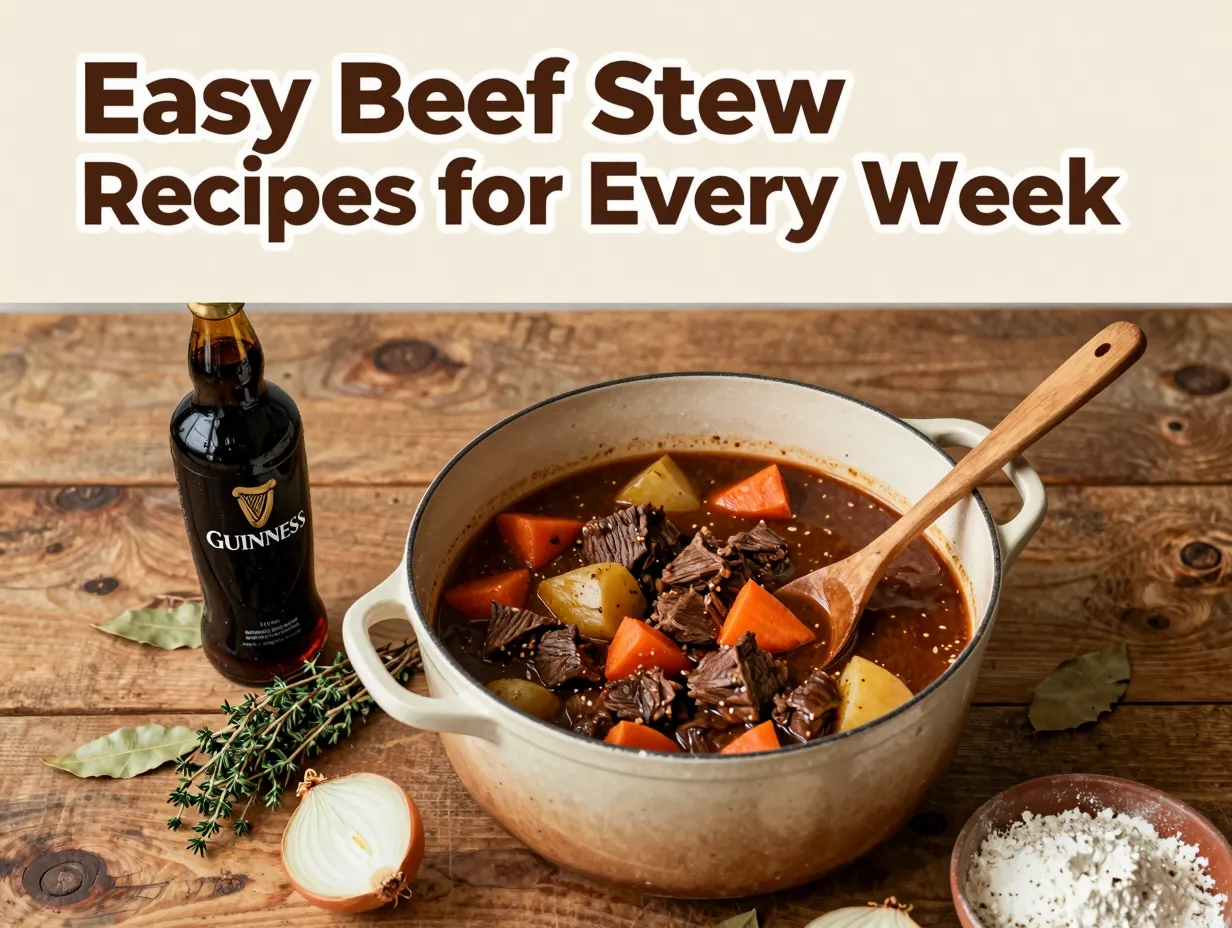
The truth is that the 8 easy beef stew recipes so good you’ll make them every week featured in this guide prove that world-class flavor is entirely achievable on a weeknight schedule. Whether you own a slow cooker, a Dutch oven, or just a basic heavy-bottomed pot, these recipes are designed to fit real life. I have tested variations of each one, and I can tell you with confidence that the results are consistently rich, deeply savory, and crowd-pleasing every single time [1].
Key Takeaways
- Affordable beef cuts like chuck and braising steak become fork-tender through slow cooking, making these recipes budget-friendly.
- A slow cooker is a game-changer for hands-off beef stew preparation, delivering deep flavor with minimal effort.
- Adding beer, stout, or ale to a stew creates a richer, more complex gravy without requiring fancy techniques.
- International variations like Peruvian Beef Estofado show that beef stew is a global comfort food with exciting flavor profiles.
- Most of these stews freeze beautifully, making them ideal for meal prep and busy weeknight dinners.
Why These Are the 8 Easy Beef Stew Recipes So Good You’ll Make Them Every Week
Before diving into the recipes themselves, it is worth understanding what separates a forgettable stew from one you crave on repeat. Three factors consistently determine the outcome: the cut of beef, the liquid base, and the cooking time.
The cut matters most. Cheap, tough cuts like chuck roast, braising steak, and shin beef are actually the best choices for stew. Their high collagen content melts during slow cooking, producing that silky, spoon-coating gravy that makes a stew unforgettable. Lean, expensive cuts dry out and turn rubbery. Always go affordable here.
The liquid base sets the flavor ceiling. Water produces a thin, flat stew. Stock, beer, wine, or a combination of these creates layers of savory depth that water simply cannot replicate. Each recipe below uses a different liquid strategy, and the results speak for themselves.
Low and slow wins every time. Rushing a stew over high heat produces tough meat and a watery sauce. Patience, even just two to three hours on a low simmer, transforms the cheapest ingredients into something genuinely special.
| Factor | Best Choice | Why It Works |
|---|---|---|
| Beef Cut | Chuck, braising steak, shin | High collagen = silky gravy |
| Liquid Base | Stock, beer, wine, stout | Adds depth and complexity |
| Cooking Method | Low simmer or slow cooker | Breaks down tough fibers |
| Thickening Agent | Flour dredge or cornstarch | Creates rich, coating gravy |
With those fundamentals locked in, here are the eight recipes that will earn a permanent spot in your weekly rotation [1].
The 8 Recipes: A Complete Guide to Easy Beef Stew
1. Classic Homestyle Beef Stew
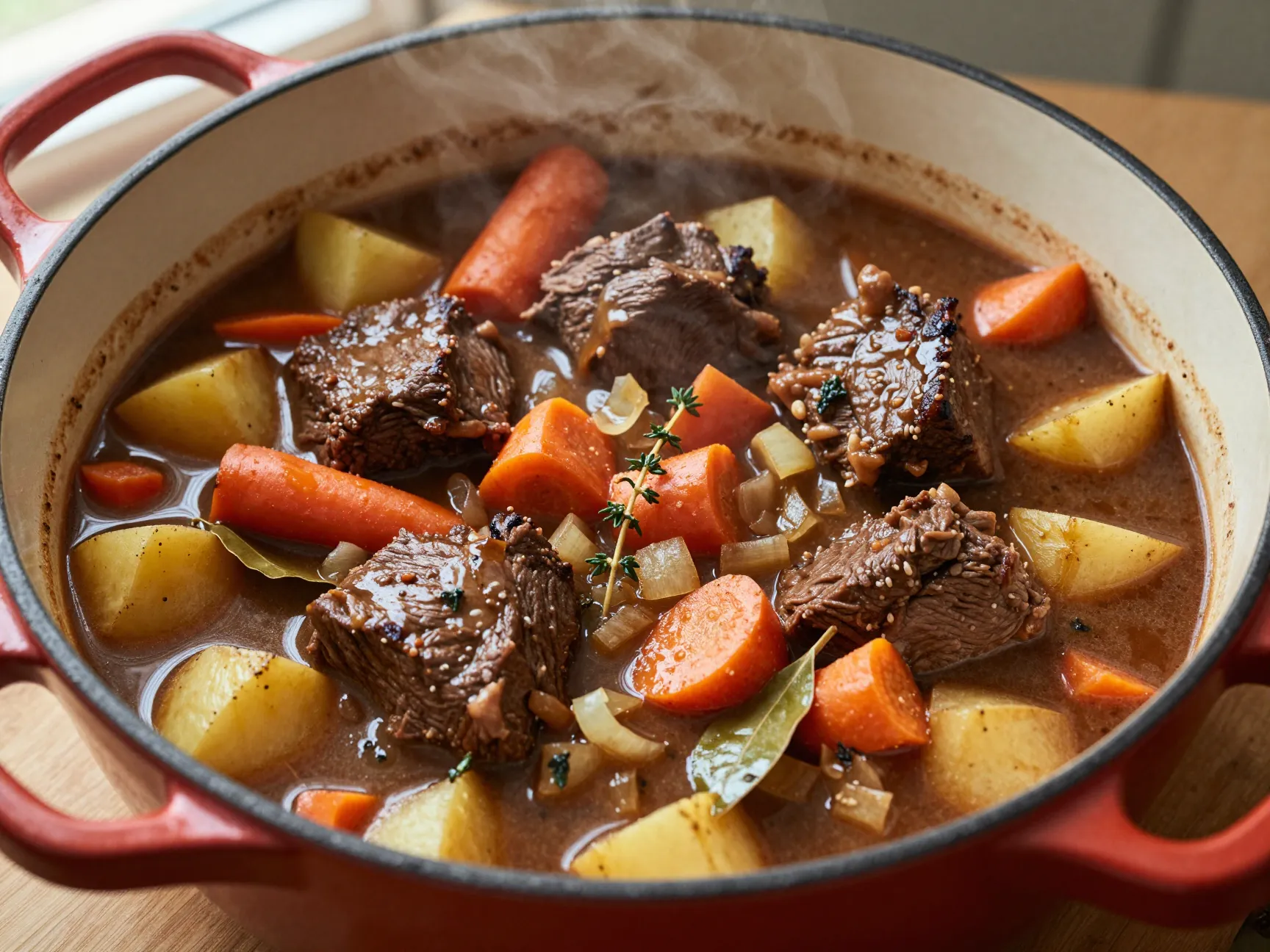
This is the one that started it all for me. A traditional braised beef casserole built on a foundation of thick, rich gravy and chunky root vegetables, this recipe is the definition of no-fuss comfort food. The key is using an affordable cut like chuck or braising steak, which slow-cooking transforms into fall-apart tender pieces that absorb every bit of the gravy’s flavor [1].
What you need:
- 800g braising steak, cut into large chunks
- 3 carrots, roughly chopped
- 3 medium potatoes, cubed
- 2 onions, diced
- 2 tablespoons plain flour
- 500ml beef stock
- 2 tablespoons tomato paste
- Fresh thyme and bay leaves
How to make it: Dredge the beef in seasoned flour and brown it in batches in a hot Dutch oven. Remove the beef, soften the onions, then return the beef with all remaining ingredients. Cover and cook at 160C (320F) for two and a half hours. The result is a glossy, deeply savory gravy clinging to every piece of meat and vegetable.
This recipe is ideal for Sunday meal prep. It tastes even better the next day once the flavors have had time to develop overnight.
2. Slow-Cooker Beef Stew
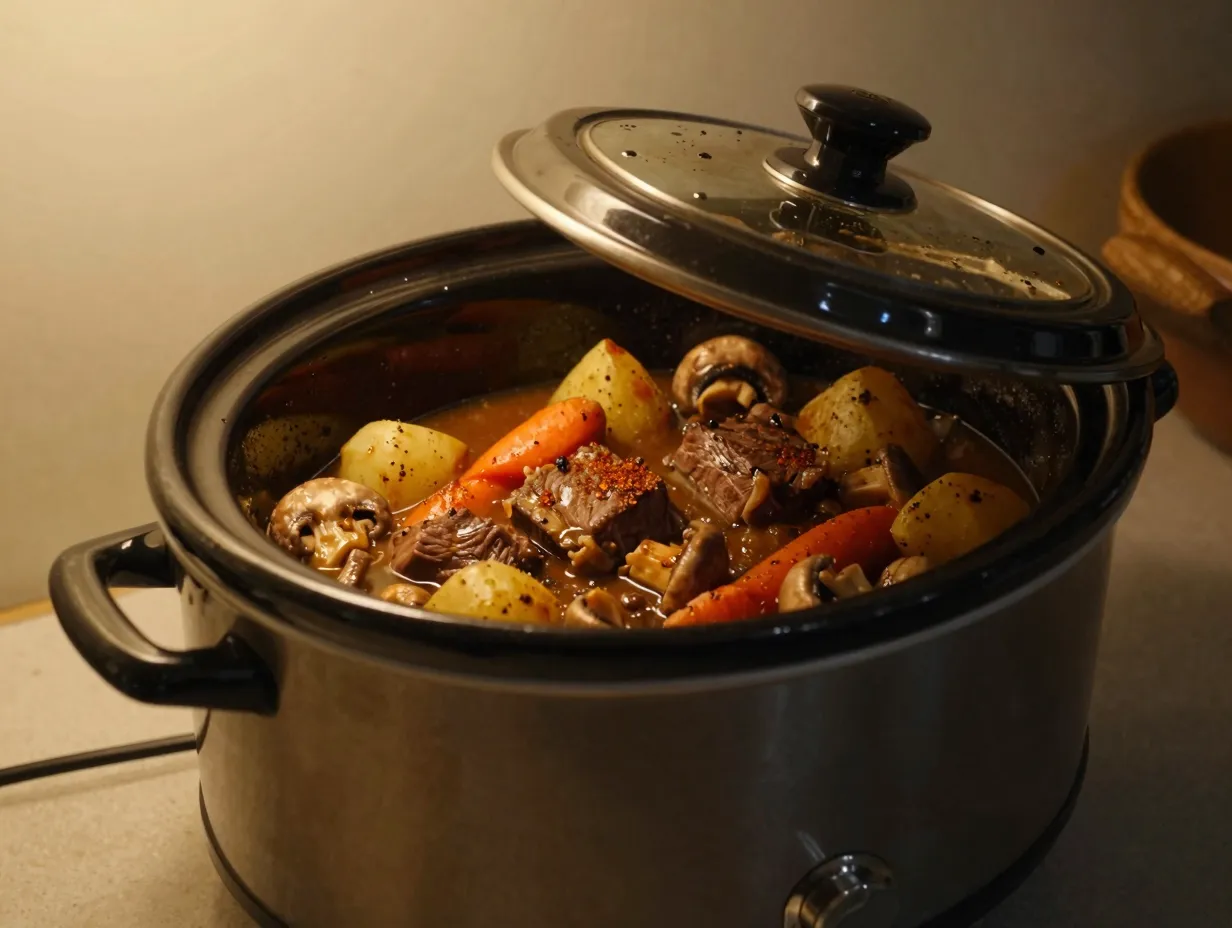
If you own a slow cooker and you are not using it for beef stew, you are leaving one of the easiest weeknight dinners on the table. This version uses braising steak as its protein base, and the extended low-heat cooking environment does all the heavy lifting for you [1].
The real secret to elevating this recipe beyond the ordinary is a small addition of smoked paprika. It introduces a subtle smokiness that makes the gravy taste like it has been cooking over a wood fire all day. Button mushrooms added in the final hour of cooking bring an earthy, meaty depth that rounds out the dish beautifully.
Pro tip: Brown the beef the night before and store it in the fridge. In the morning, load the slow cooker, set it to low, and come home to a dinner that is ready and waiting. Total active cooking time is under 20 minutes.
This recipe has become a consistent family favorite precisely because it demands so little attention while delivering such a satisfying result [1].
3. Beef and Guinness Stew with Carrots
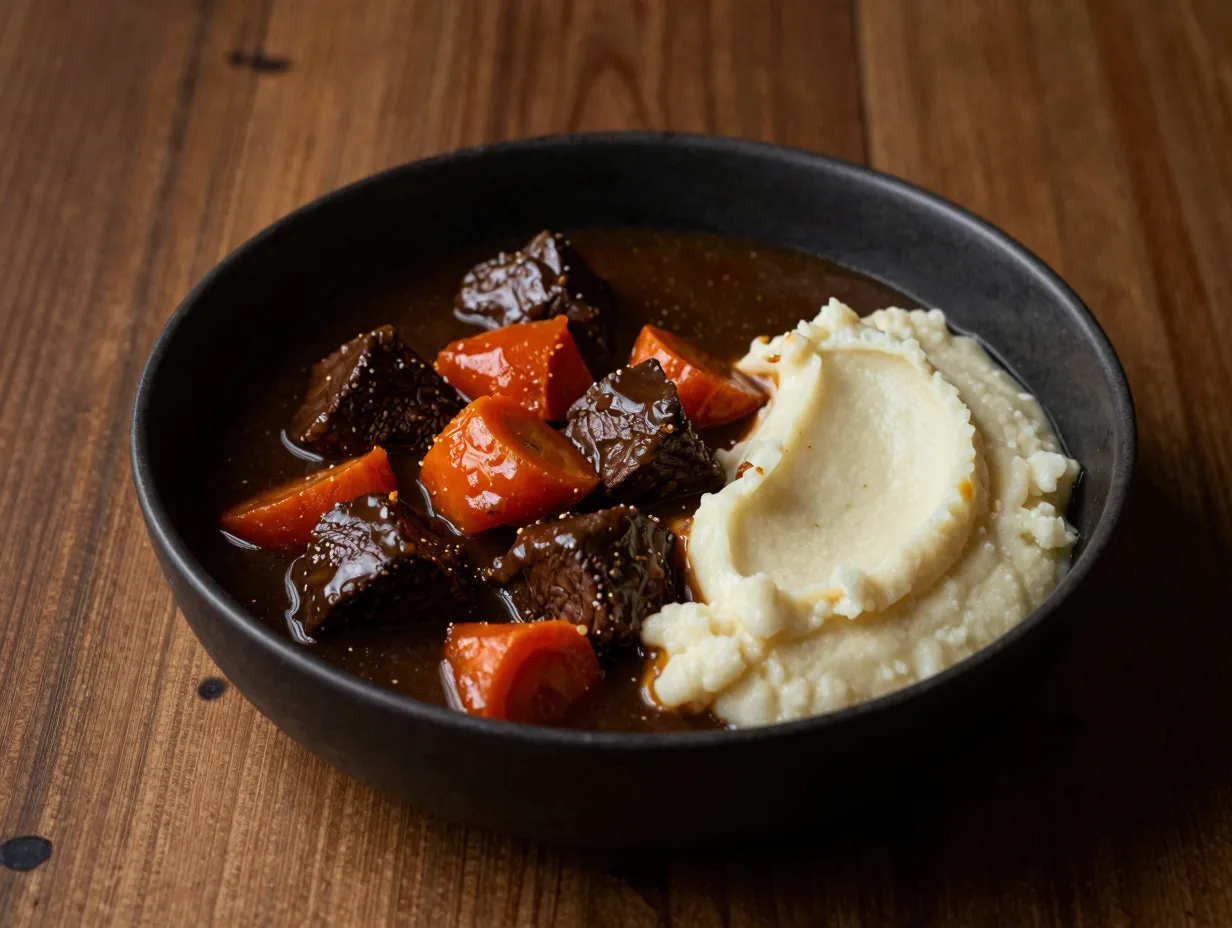
There is a reason this combination has been a staple of Irish cooking for generations. The bitterness of Guinness stout balances the natural sweetness of slow-cooked carrots in a way that no other ingredient can replicate. The result is a stew with remarkable complexity, the kind of flavor profile that makes people ask what your secret ingredient is [1].
Key flavor notes:
- Guinness adds roasted malt bitterness that cuts through the richness of the beef
- Slow-cooked carrots become sweet and almost jammy, creating a natural sweetness in the gravy
- Serving with creamy parsnip mash instead of standard mashed potato adds another layer of earthy sweetness
Use at least 330ml of Guinness and do not be tempted to add more liquid. The stout reduces and concentrates during cooking, so the final gravy is intensely flavored and beautifully dark. This is one of those stews that genuinely improves with a 24-hour rest in the refrigerator, making it a perfect make-ahead option for dinner parties.
4. Beef Bourguignon with Celeriac Mash
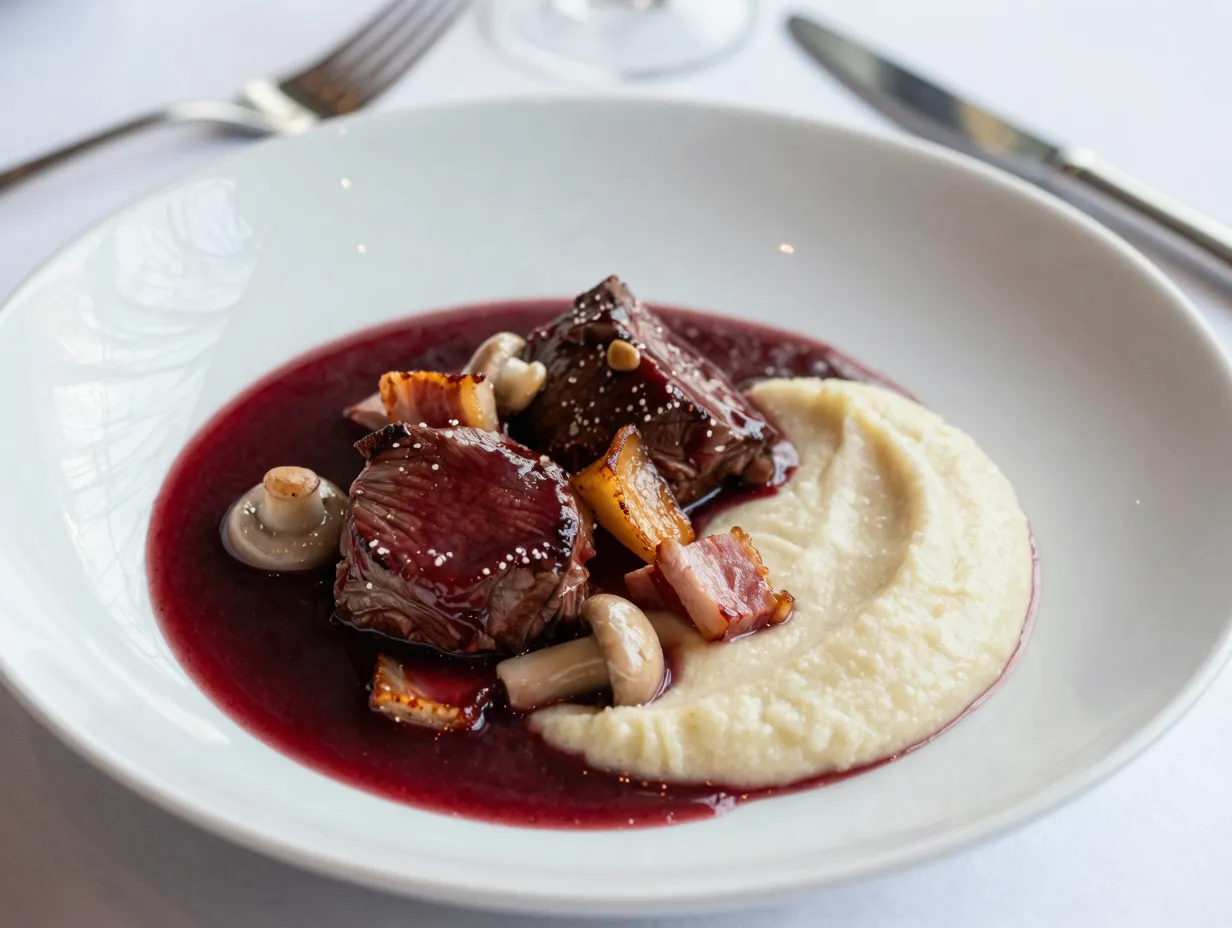
Beef Bourguignon is often treated as a restaurant-level dish, something too complicated for a home cook on a Wednesday evening. That reputation is undeserved. This version, inspired by Gordon Ramsay’s approach to the classic French braise, proves that with the right technique and a bit of patience, this sumptuous slow-cooked stew is entirely achievable at home [1].
The dish is built on a base of red wine, pearl onions, lardons, and mushrooms. The wine reduces into a sauce that is simultaneously rich, tangy, and deeply savory. The celeriac mash served alongside is a smart swap for standard mashed potato. Celeriac has a mild, slightly nutty flavor that does not compete with the bold stew, and its creamier texture makes the combination feel genuinely luxurious.
Steps that make the difference:
- Pat the beef completely dry before browning. Moisture creates steam and prevents proper searing.
- Use a full bottle of decent red wine. Cooking wine produces inferior results.
- Add the mushrooms in the final 30 minutes to preserve their texture.
This is the recipe I make when I want to impress guests without spending the entire day in the kitchen.
5. Slow Cooker Beef Stew with Dumplings
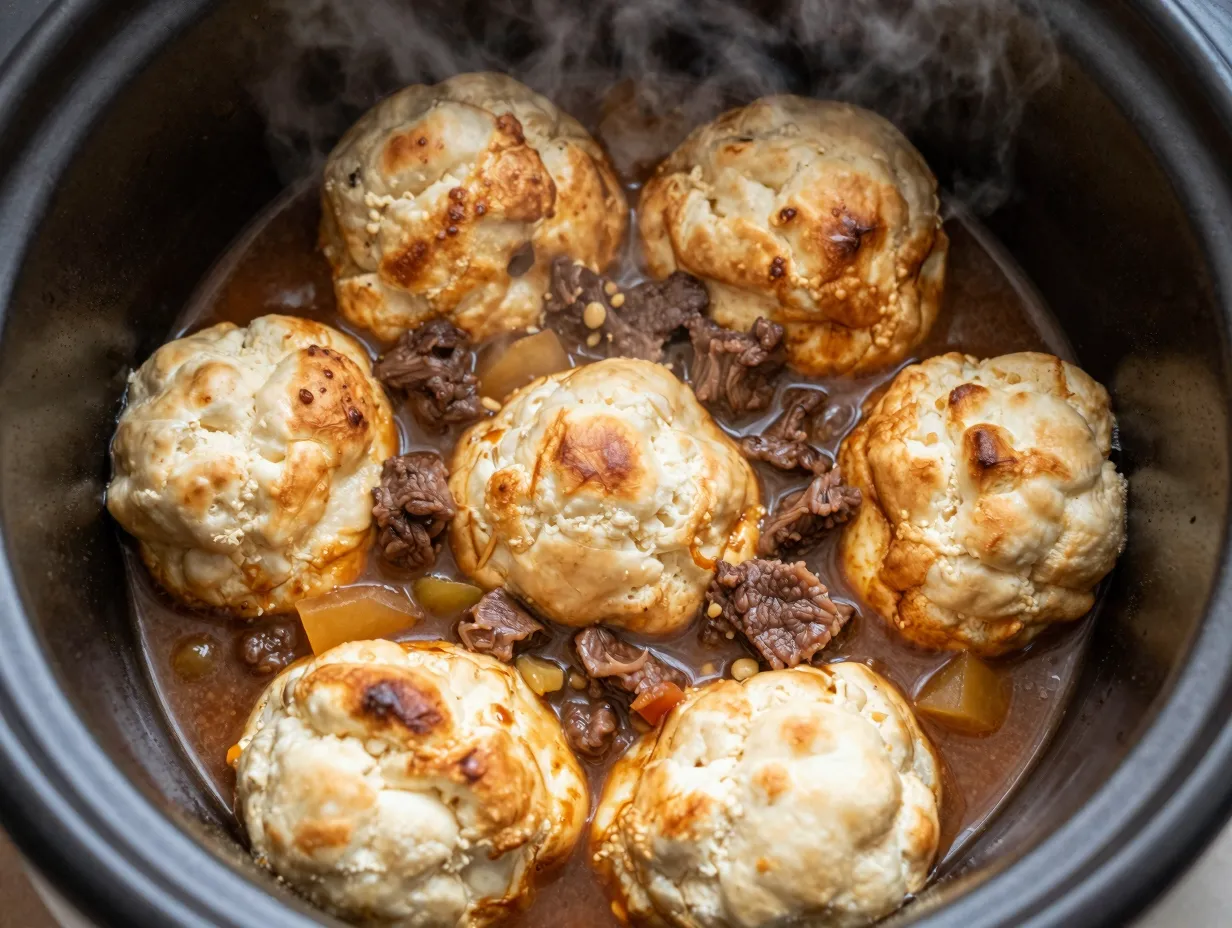
Dumplings transform a good beef stew into a complete, deeply satisfying one-pot meal. This recipe is specifically designed for the slow cooker, meaning you can prepare everything in the morning and return home to a dinner that only needs the dumplings added in the final 30 minutes [1].
The dumplings themselves are made from a simple mixture of self-raising flour, suet, and cold water. They are dropped onto the surface of the stew and cooked with the lid on, where they steam into soft, pillowy clouds that soak up the rich gravy from below.
Why this recipe works for busy households:
- Total prep time is under 25 minutes
- The slow cooker does all the work during the day
- Dumplings require no special skill or equipment
- The finished dish is substantial enough to need no side dishes
This is the quintessential winter warmer. On a cold evening when the last thing anyone wants to do is cook, this recipe delivers maximum comfort with minimum effort [1].
6. Beef and Ale Stew
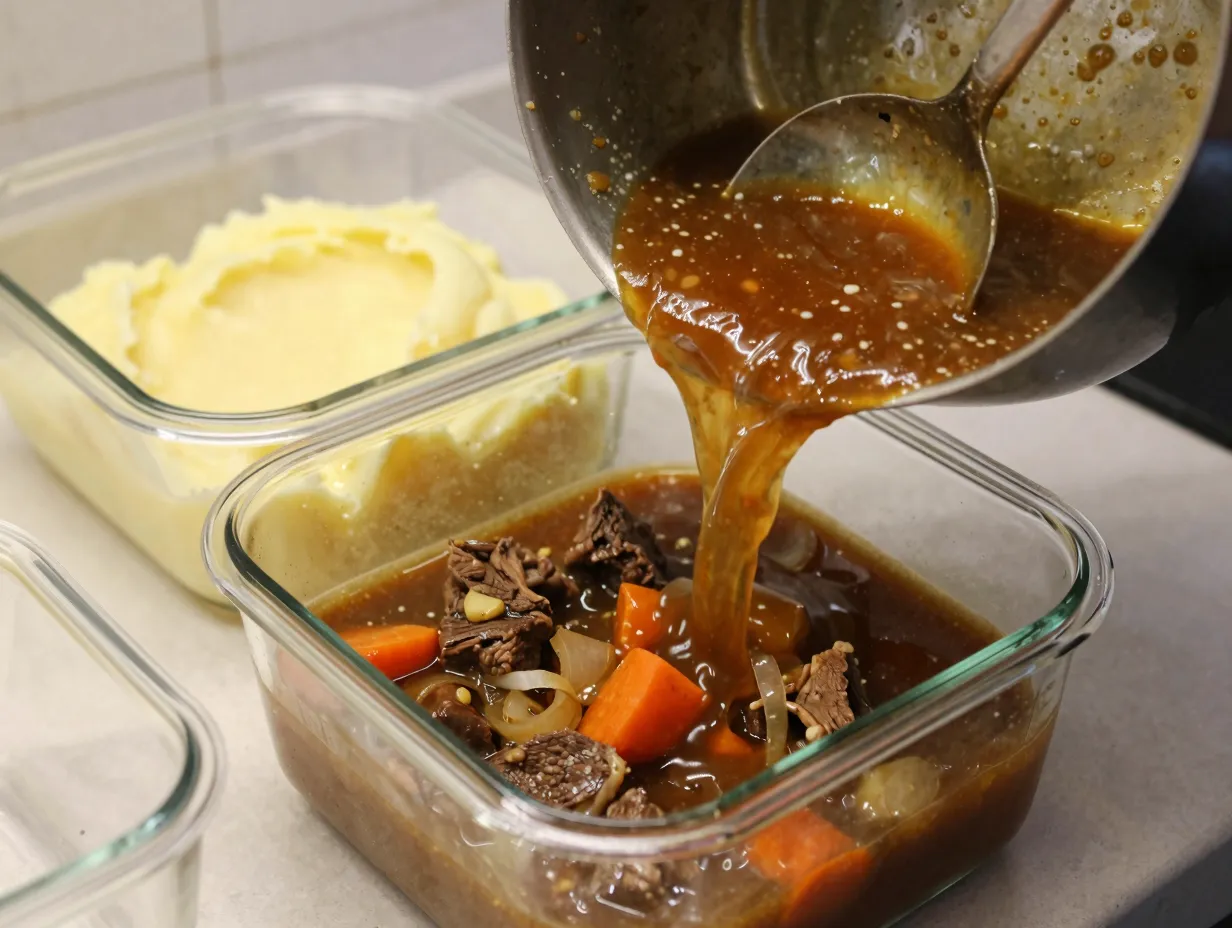
Similar in spirit to the Guinness version but with a distinctly different flavor profile, this beef and ale stew uses a brown or amber ale as its liquid base. Where Guinness brings bitterness and roasted notes, ale contributes a lighter, slightly caramel sweetness that makes the gravy feel richer without being heavy [1].
Served over buttery mashed potato, this is the kind of meal that feels like a reward at the end of a long day. What makes it especially practical is its freezer performance. This stew freezes exceptionally well, retaining its flavor and texture through a full freeze-and-reheat cycle.
Batch cooking strategy:
- Double the recipe and divide into individual portions
- Freeze in airtight containers for up to three months
- Reheat directly from frozen in a low oven or on the stovetop with a splash of stock
For anyone who meal preps, this recipe is an anchor dish. Make it once on a Sunday and you have four to six ready-made dinners waiting in the freezer for the weeks ahead [1].
7. Beef Estofado
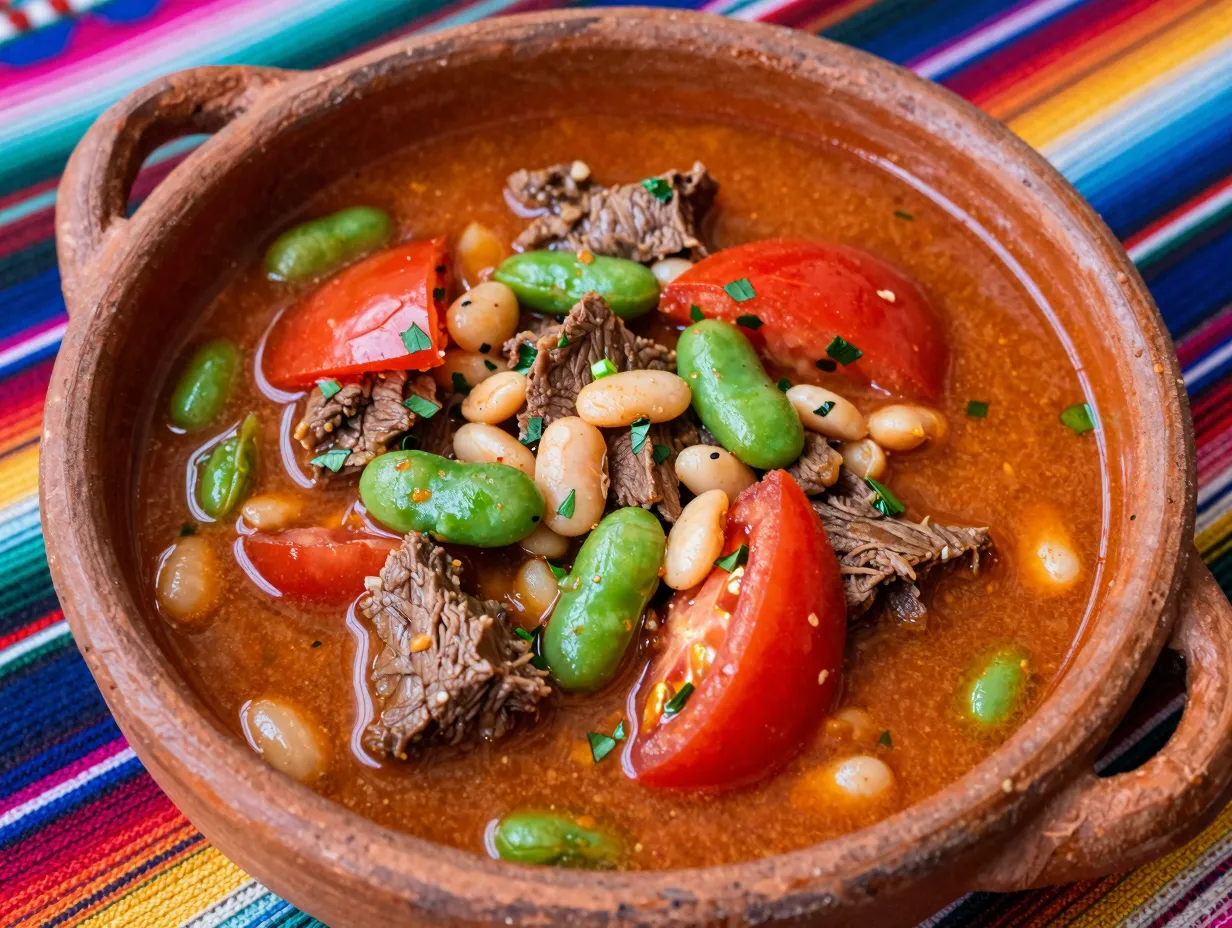
This Peruvian beef stew is the recipe that consistently surprises people the most. It is not a dish most home cooks in the United States or United Kingdom grew up eating, but after one bowl, it earns an immediate place in the regular rotation [1].
Beef Estofado is a slow-cooked braise packed with herbs and warm spices, topped with a combination of tomatoes, broad beans, and cannellini beans. The beans serve two purposes: they add protein and bulk, and they thicken the sauce naturally as they break down during cooking. The spice profile, which typically includes cumin, oregano, and a touch of vinegar, gives the stew a bright, tangy edge that sets it apart from European-style beef braises.
What makes Estofado unique:
- Uses both broad beans and cannellini beans for texture contrast
- Vinegar in the marinade tenderizes the beef and adds brightness to the finished dish
- The tomato base creates a lighter, more vibrant sauce compared to stock-based stews
If you are someone who loves beef stew but wants to explore beyond the classic, this is your next recipe.
8. Spicy Beef Stew with Beans and Peppers
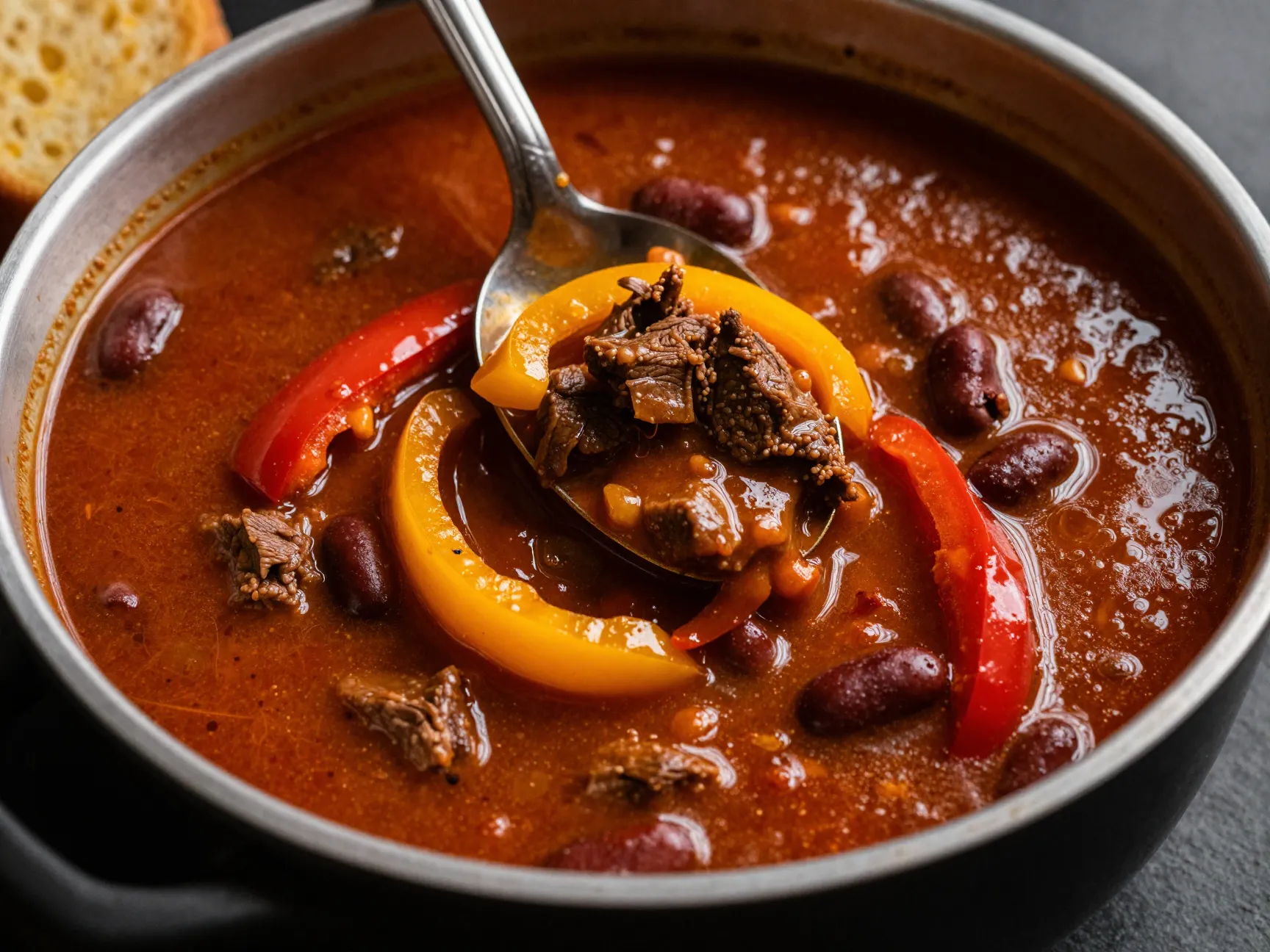
The final recipe in this collection of 8 easy beef stew recipes so good you’ll make them every week brings the heat. This is a stew built for people who want bold, assertive flavor and are not afraid of a little spice [1].
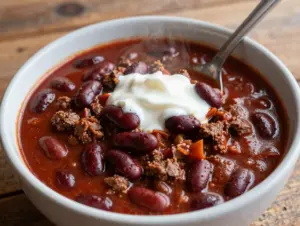
The combination of red and yellow bell peppers adds sweetness and color, while a generous amount of chili flakes or chipotle paste introduces a slow, building warmth that lingers pleasantly. Kidney beans or black beans bulk out the dish and absorb the spiced broth, making every spoonful more complex than the last.
Spice level guide:
| Heat Level | Chili Addition | Result |
|---|---|---|
| Mild | 1 tsp sweet smoked paprika | Warm, smoky depth |
| Medium | 1 tsp chipotle paste | Smoky heat with richness |
| Hot | 2 tsp chipotle + 1 tsp chili flakes | Bold, assertive heat |
This stew is equally good served over rice, with cornbread, or simply with a thick slice of crusty bread to mop up the sauce. It is also one of the most adaptable recipes in this list. Swap the beef for lamb, add sweet potato instead of regular potato, or increase the bean ratio for a more budget-conscious version [1].
Tips for Making Any Beef Stew Better
Regardless of which recipe you choose from this collection of 8 easy beef stew recipes so good you’ll make them every week, these universal techniques will improve your results every single time.
Always brown the beef in batches. Crowding the pan causes steaming rather than searing. Proper browning creates the Maillard reaction, which builds the deep, savory crust that gives a stew its backbone of flavor.
Season in layers, not just at the end. Season the beef before browning, season the vegetables as they soften, and taste and adjust the finished stew. Seasoning only at the end produces a flat, one-dimensional result.
Deglaze the pan properly. After browning the beef and softening the aromatics, add your liquid and scrape up every browned bit from the bottom of the pan. Those caramelized bits are concentrated flavor that should not be wasted.
Rest the stew before serving. Like a roast, a stew benefits from 10 to 15 minutes of resting time off the heat. The sauce thickens slightly and the flavors settle into a more cohesive whole.
Acid at the finish. A small splash of red wine vinegar or a squeeze of lemon juice added at the very end brightens the entire dish and cuts through the richness. Use it sparingly, but do not skip it.
Storage and Reheating Guide
One of the most practical advantages of beef stew is how well it stores and reheats. In many cases, the flavor actually improves after a night in the refrigerator as the ingredients continue to meld.
| Storage Method | Duration | Best Practice |
|---|---|---|
| Refrigerator | Up to 4 days | Store in airtight container, reheat gently |
| Freezer | Up to 3 months | Cool completely before freezing, portion individually |
| Reheating | Stovetop preferred | Add a splash of stock if sauce has thickened too much |
Note: If your stew contains dumplings, store them separately from the stew base. Dumplings do not freeze well and become dense and gummy when reheated after freezing.
Conclusion
The 8 easy beef stew recipes so good you’ll make them every week in this guide cover every scenario a home cook might face. Whether you need a quick slow-cooker solution for a busy weekday, a showstopping Beef Bourguignon for a dinner party, a budget-friendly Spicy Beef Stew with Beans and Peppers for a crowd, or an adventurous Peruvian Estofado to break out of a cooking rut, there is a recipe here that fits [1].
Here are your actionable next steps:
- Choose one recipe from this list and make it this week. Start with the Classic Homestyle Beef Stew if you are new to braising, or the Slow-Cooker Beef Stew if weeknight convenience is your priority.
- Double the batch and freeze half. Every recipe in this list freezes well (except the dumpling version, where you should freeze the base separately). You will thank yourself on a busy Thursday night.
- Master the browning technique. This single skill elevates every stew you will ever make. Practice it until it becomes automatic.
- Explore the international options. Once you have the classic versions dialed in, try the Beef Estofado or the Spicy Stew with Beans and Peppers. These recipes will permanently expand your comfort food repertoire.
A great beef stew is not a complicated thing. It is an honest, generous meal that rewards patience and punishes shortcuts. Make one this week, and I am confident it will not be the last time.
References
[1] Beef Stew Recipes – https://www.bbcgoodfood.com/recipes/collection/beef-stew-recipes?utm_source=openai