9 Pickling Recipes That Will Transform Ordinary Vegetables Into Addictive Snacks
Fermented and pickled foods now account for a $12 billion global market, and home pickling has surged by more than 40% since 2020, yet most home cooks still reach for the same tired cucumber jar at the grocery store. That gap between what pickling can do and what people actually make at home is exactly why I put together this guide. These 9 pickling recipes that will transform ordinary vegetables into addictive snacks cover everything from five-minute refrigerator pickles to bold Korean-inspired radishes, giving you a practical toolkit that goes far beyond the basic dill spear.
Disclosure: This post contains affiliate links. As an Amazon Associate, we earn from qualifying purchases, and at no extra cost to you.
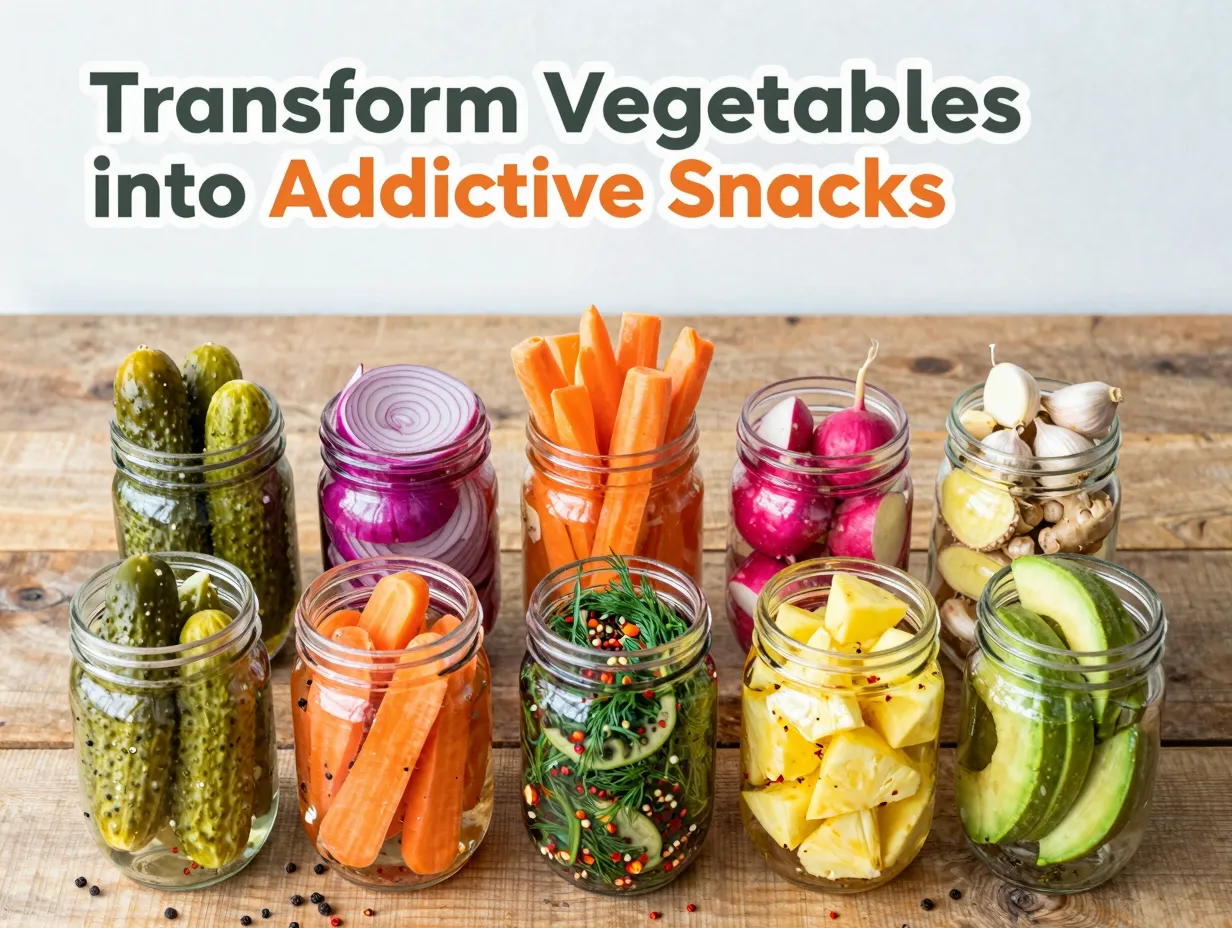
Whether you are a complete beginner or someone who has been brining cucumbers for years, this collection will push your palate in directions you did not expect. Pickling is not just a preservation trick, it is a flavor-building technique that turns bland produce into something you genuinely crave. [1]
Key Takeaways
- Pickling uses acid (vinegar or natural fermentation) to preserve vegetables and dramatically intensify their flavor.
- Quick refrigerator pickles can be ready in under an hour and require no special canning equipment.
- Fermented pickles introduce beneficial probiotics that support gut health, though they require more time than vinegar-based methods. [1]
- You can pickle almost any vegetable, and even some fruits, to create snacks that are low in calories but high in taste.
- Salt quality, vinegar strength, and jar sterilization are the three factors that most directly determine your results.
Why Pickling Turns Ordinary Produce Into Something Extraordinary
Before diving into the recipes, it helps to understand what pickling actually does to a vegetable at a basic level. When you submerge produce in an acidic brine, whether that is white vinegar, apple cider vinegar, or the lactic acid produced during fermentation, several things happen at once.
First, the acid breaks down the outer cell walls of the vegetable just enough to let the brine penetrate deeply. This is why a pickled carrot tastes nothing like a raw carrot. The brine carries salt, sugar, and spices directly into the tissue, replacing some of the vegetable’s natural water content. The result is a more concentrated, layered flavor that raw produce simply cannot deliver.
Second, the salt draws out excess moisture through osmosis, which firms up the texture and prevents sogginess. Third, if you are using a fermentation method rather than a straight vinegar brine, beneficial bacteria (primarily Lactobacillus strains) convert natural sugars into lactic acid, creating that complex, tangy depth you find in a great kimchi or classic deli pickle. [1]
A quick note on nutrition: Pickling can reduce water-soluble vitamins like B and C, and the sodium content of most pickles is relatively high. If you are watching your salt intake, you can reduce the brine concentration slightly in refrigerator pickle recipes without affecting safety, since those are not shelf-stable anyway. [1]
The Two Main Pickling Methods
| Method | Time to Ready | Equipment Needed | Shelf Life |
|---|---|---|---|
| Quick Refrigerator | 30 min – 24 hours | Mason jar, saucepan | 2-4 weeks (refrigerated) |
| Water Bath Canning | 1-2 days | Canning pot, rack, jars | 12-18 months (pantry) |
| Lacto-Fermentation | 3-7 days | Mason jar, weight | 3-6 months (refrigerated) |
9 Pickling Recipes That Will Transform Ordinary Vegetables Into Addictive Snacks
Here are the nine recipes, numbered in ascending order, that I recommend for anyone looking to build a serious pickling repertoire in 2026.
1. Grandma’s Classic Dill Pickles
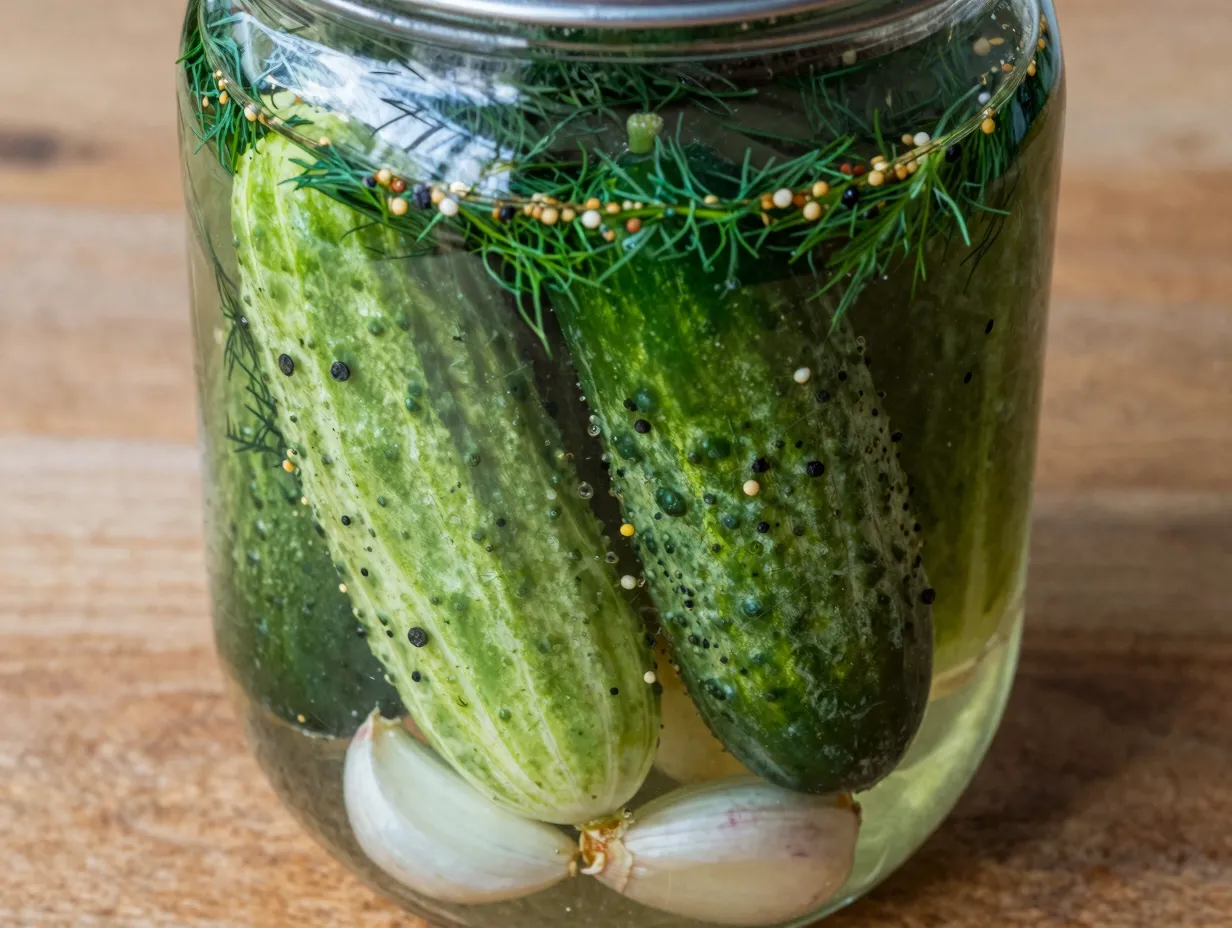
There is a reason this recipe has survived generations. My own grandmother kept a crock of these on the back porch every summer, and the smell of fresh dill and garlic still takes me straight back to her kitchen.
What you need: Kirby cucumbers (the small, bumpy variety), fresh dill heads, garlic cloves, black peppercorns, mustard seeds, white vinegar, water, and pickling salt.
Method: Sterilize your jars. Pack cucumbers tightly with dill and garlic. Bring a brine of 1 cup white vinegar, 1 cup water, and 1 tablespoon pickling salt to a boil. Pour over cucumbers, leaving half an inch of headspace. Process in a water bath for 10 minutes for shelf-stable pickles, or simply refrigerate for a quick version. [1]
Pro tip: Use cucumbers within 24 hours of picking for the crunchiest result. Grape leaves or oak leaves added to the jar contain tannins that help maintain crispness.
2. Quick Pickled Red Onions
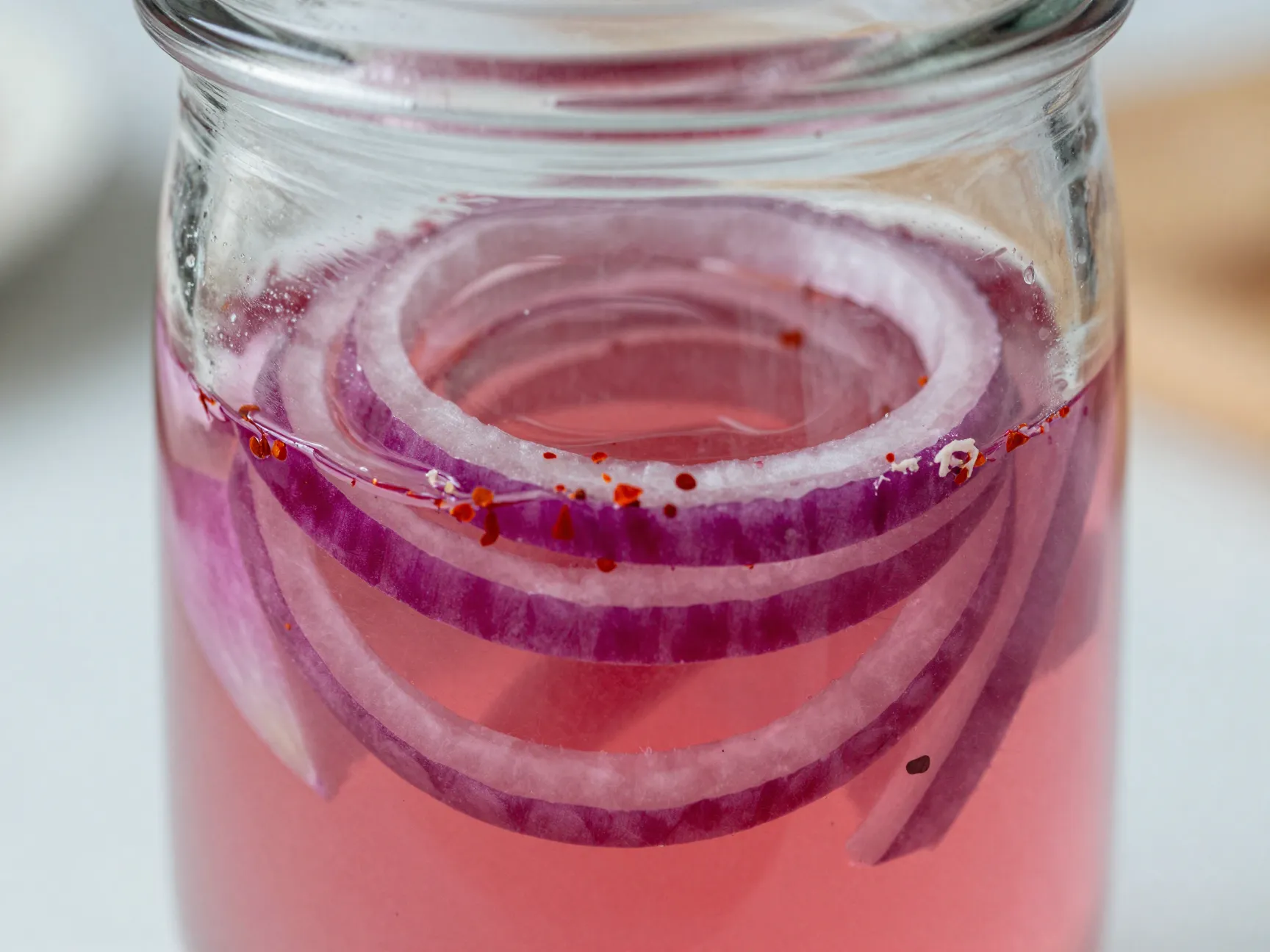
This is the recipe I make more than any other. It takes about 15 minutes of active work and completely changes the flavor profile of tacos, grain bowls, sandwiches, and cheese boards.
What you need: 2 large red onions, 1 cup apple cider vinegar, 1 tablespoon sugar, 1.5 teaspoons kosher salt, optional red pepper flakes.
Method: Slice onions very thin, a mandoline makes this effortless. Pack into a jar. Whisk together the vinegar, sugar, and salt until dissolved (no heating required). Pour over onions, press down to submerge, and refrigerate. They are usable within 30 minutes and peak at about 24 hours. [1]
“Quick pickled red onions are the single highest-return kitchen project you can do in under 20 minutes. They make everything taste more intentional.”
The onions turn a vivid magenta color as the acid reacts with their natural anthocyanin pigments. They keep well in the refrigerator for up to three weeks.
3. Spicy Carrot Refrigerator Pickles
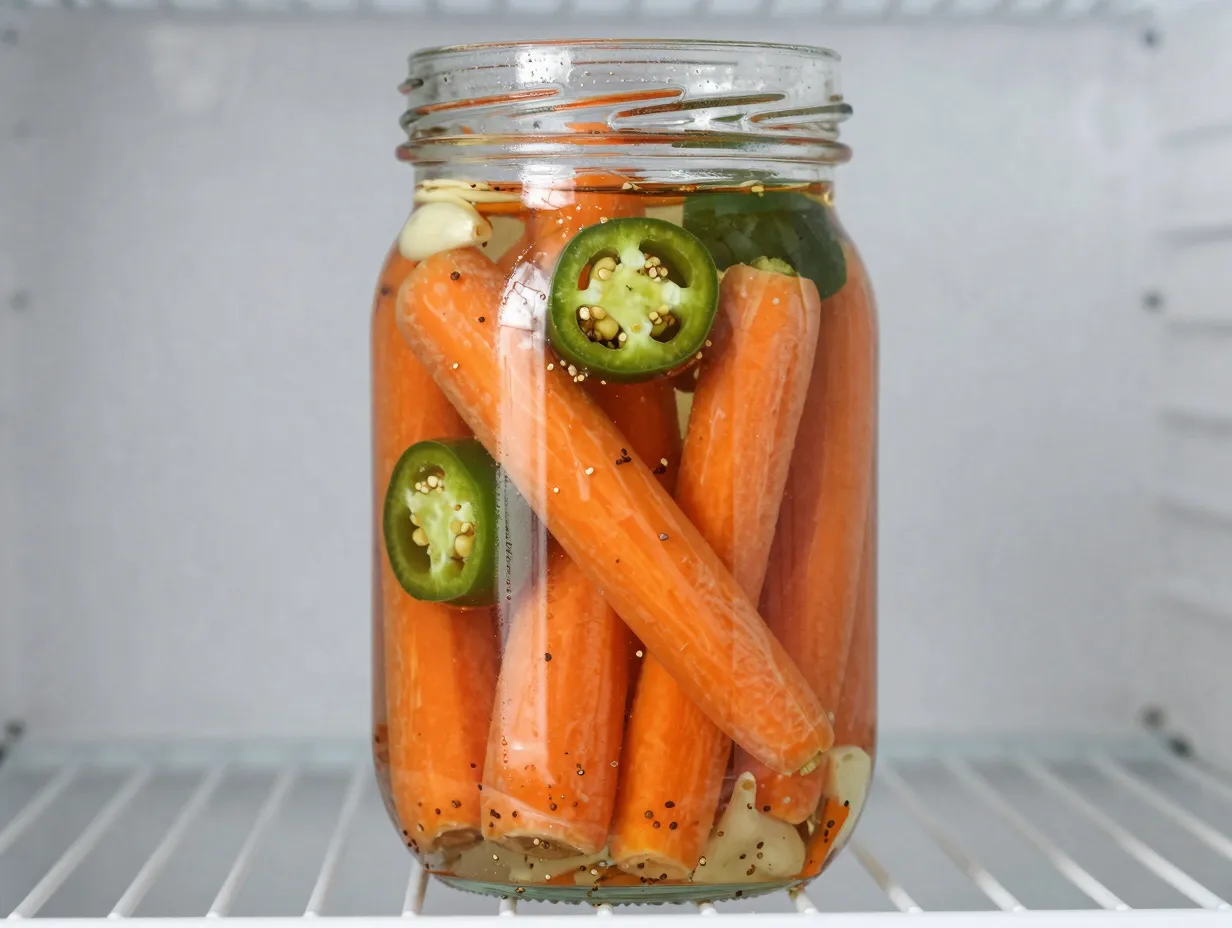
Carrots are underrated as a pickling vegetable. They hold their texture exceptionally well, absorb spice beautifully, and stay crunchy for weeks. This recipe is ready in under an hour and delivers a serious kick. [1]
What you need: 4 large carrots (peeled and cut into sticks or coins), 2 jalapeños (sliced), 3 garlic cloves, 1 cup white vinegar, 1 cup water, 1 tablespoon sugar, 1 tablespoon kosher salt, 1 teaspoon cumin seeds.
Method: Bring vinegar, water, sugar, salt, and cumin to a boil. Pack carrots, jalapeños, and garlic into jars. Pour hot brine over the top. Let cool to room temperature, then refrigerate. Ready in 45 minutes, best after 4 hours. [1]
Flavor variation: Swap jalapeños for dried chiles de arbol and add a cinnamon stick for a Mexican-inspired version that pairs brilliantly with grilled meats.
4. Easy Pickled Garlic
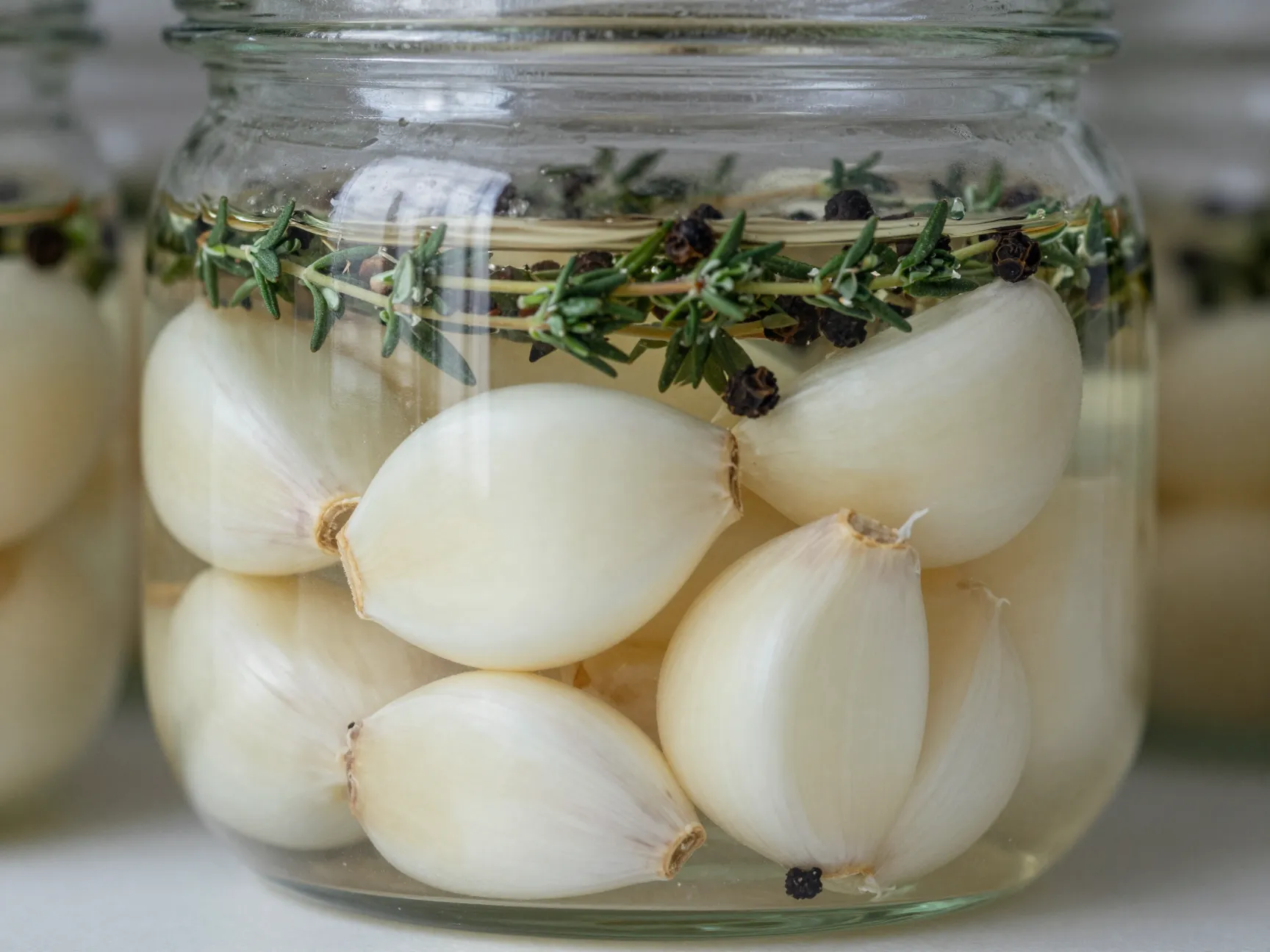
Pickled garlic is a revelation for anyone who loves garlic but finds the raw version too sharp. The pickling process mellows the pungency dramatically while adding a pleasant tang. [1]
What you need: 2 heads of garlic (cloves separated and peeled), 1 cup white wine vinegar, 1/2 cup water, 1 teaspoon sugar, 1 teaspoon salt, fresh thyme sprigs, black peppercorns.
Method: Blanch garlic cloves in boiling water for 1 minute to soften slightly. Pack into sterilized jars with thyme and peppercorns. Bring brine to a boil and pour over garlic. Process for shelf stability or refrigerate. Wait at least one week before eating, the flavor improves dramatically over time. [1]
Uses: Eat straight from the jar, slice into pasta, mash onto bread, or add to charcuterie boards.
5. Korean-Style Pink Radish Pickles (Danmuji-Inspired)
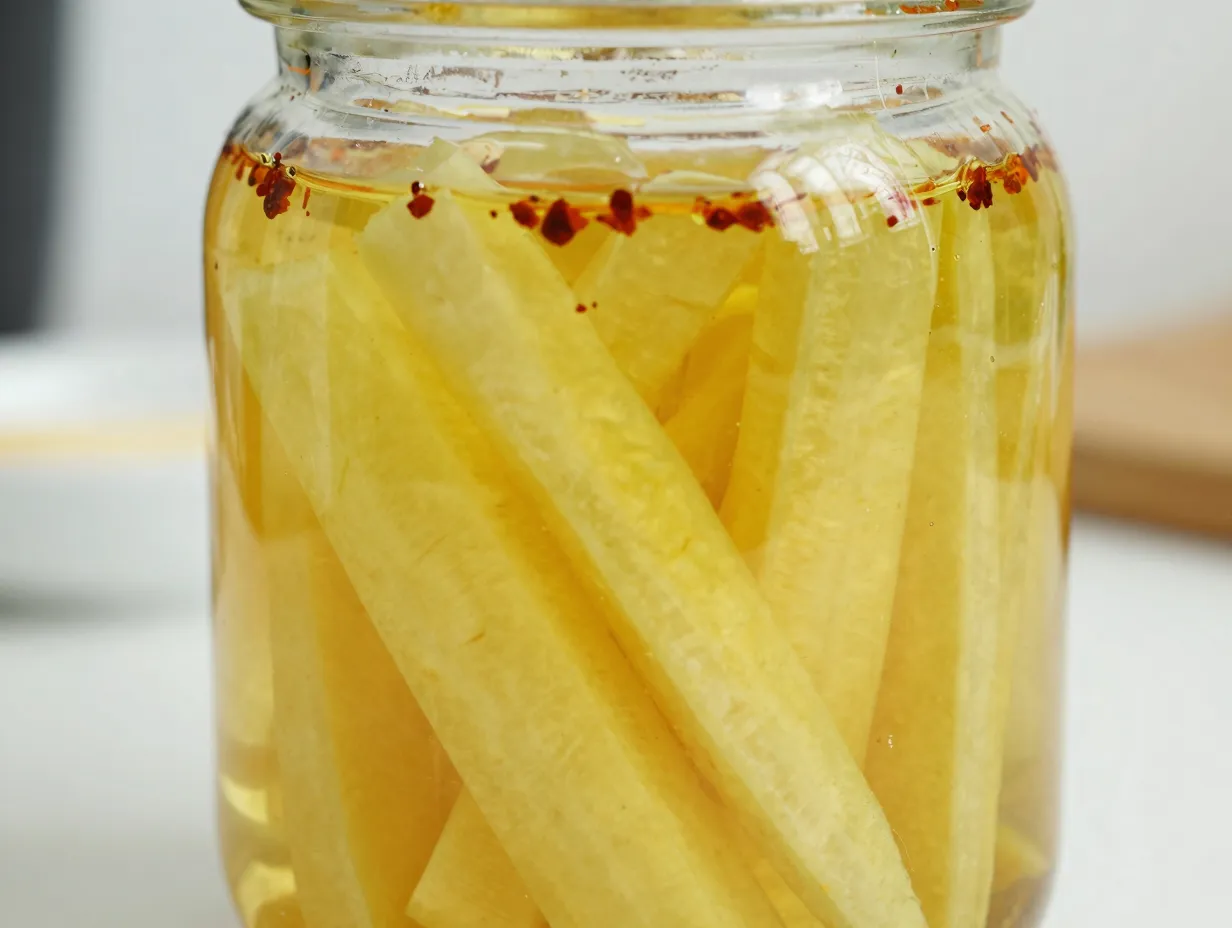
Korean cuisine has one of the world’s most sophisticated pickling traditions, and this simplified version captures the sweet, sour, and slightly spicy balance that makes Korean pickled radishes so addictive. [1]
What you need: 1 large daikon radish (peeled and cut into matchsticks or rounds), 1/2 cup rice vinegar, 1/4 cup water, 3 tablespoons sugar, 1.5 teaspoons salt, 1/2 teaspoon gochugaru (Korean chili flakes), optional 1/4 teaspoon turmeric for color.
Method: Combine vinegar, water, sugar, salt, and gochugaru in a small saucepan and heat until sugar dissolves. Pack radish into jars. Pour warm brine over radish. Cool and refrigerate. Ready in 2 hours, best after overnight. [1]
The turmeric gives the radish a gorgeous golden-yellow hue, while the gochugaru adds a gentle heat that builds slowly. These are outstanding alongside rice dishes, ramen, or Korean BBQ.
6. Homemade Italian Giardiniera
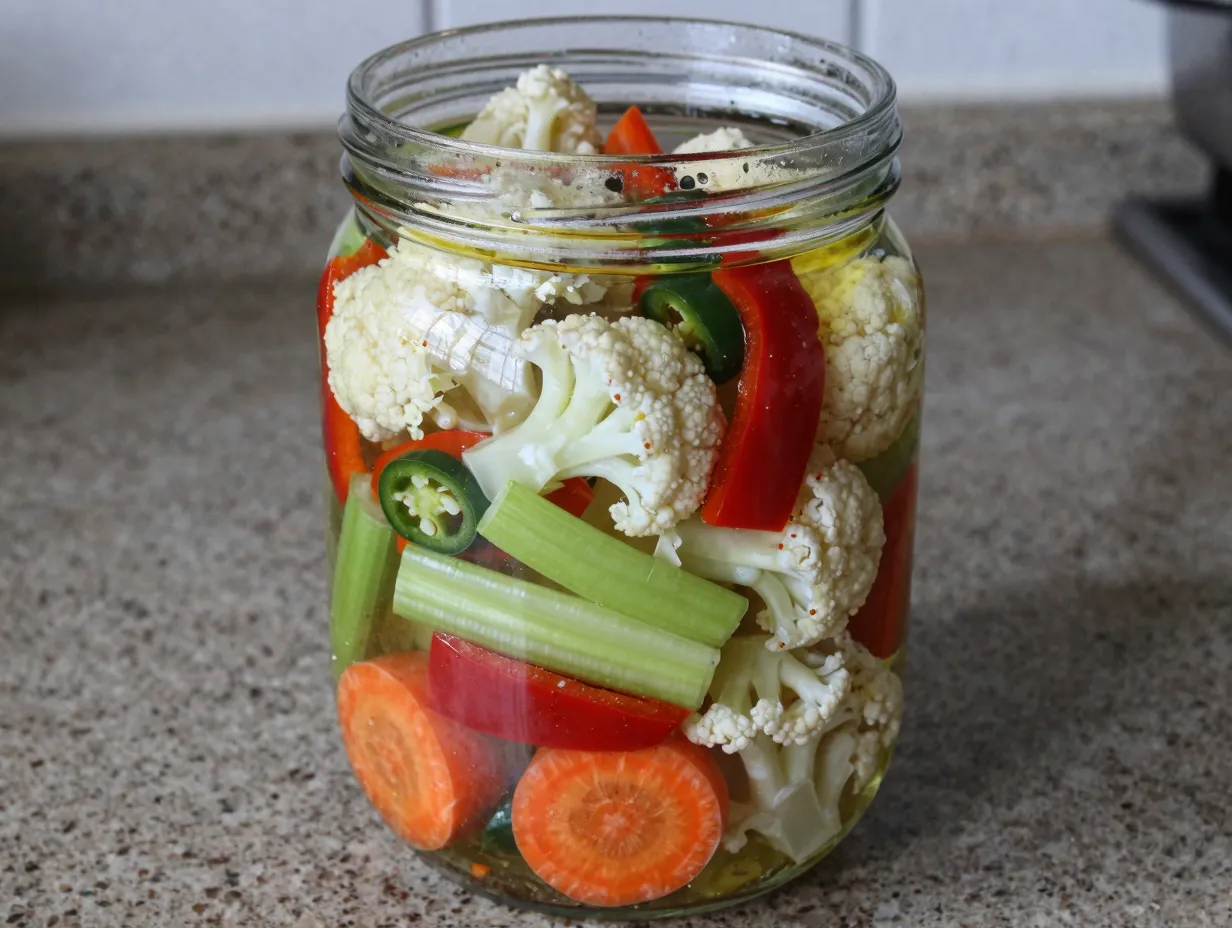
Giardiniera is a mixed pickled vegetable condiment from Italy that has become a staple on Chicago-style Italian beef sandwiches. Making it at home lets you control the heat level and vegetable ratio. [1]
What you need: Cauliflower florets, sliced celery, sliced carrots, sliced pepperoncini, diced red bell pepper, sliced jalapeños (for hot version), white wine vinegar, water, salt, dried oregano, celery seed, black pepper, olive oil.
Method: Salt the vegetables overnight to draw out moisture, then rinse thoroughly. Pack into jars. Combine vinegar, water, and spices and bring to a boil. Pour over vegetables. Once cooled, top with a layer of olive oil to seal. Refrigerate for at least 48 hours before eating. [3]
Key tip: The overnight salting step is non-negotiable. Skipping it produces a watery, bland result. The salt draws out the vegetable’s own liquid, concentrating flavor and improving texture.
7. Pickled Ginger (Gari)
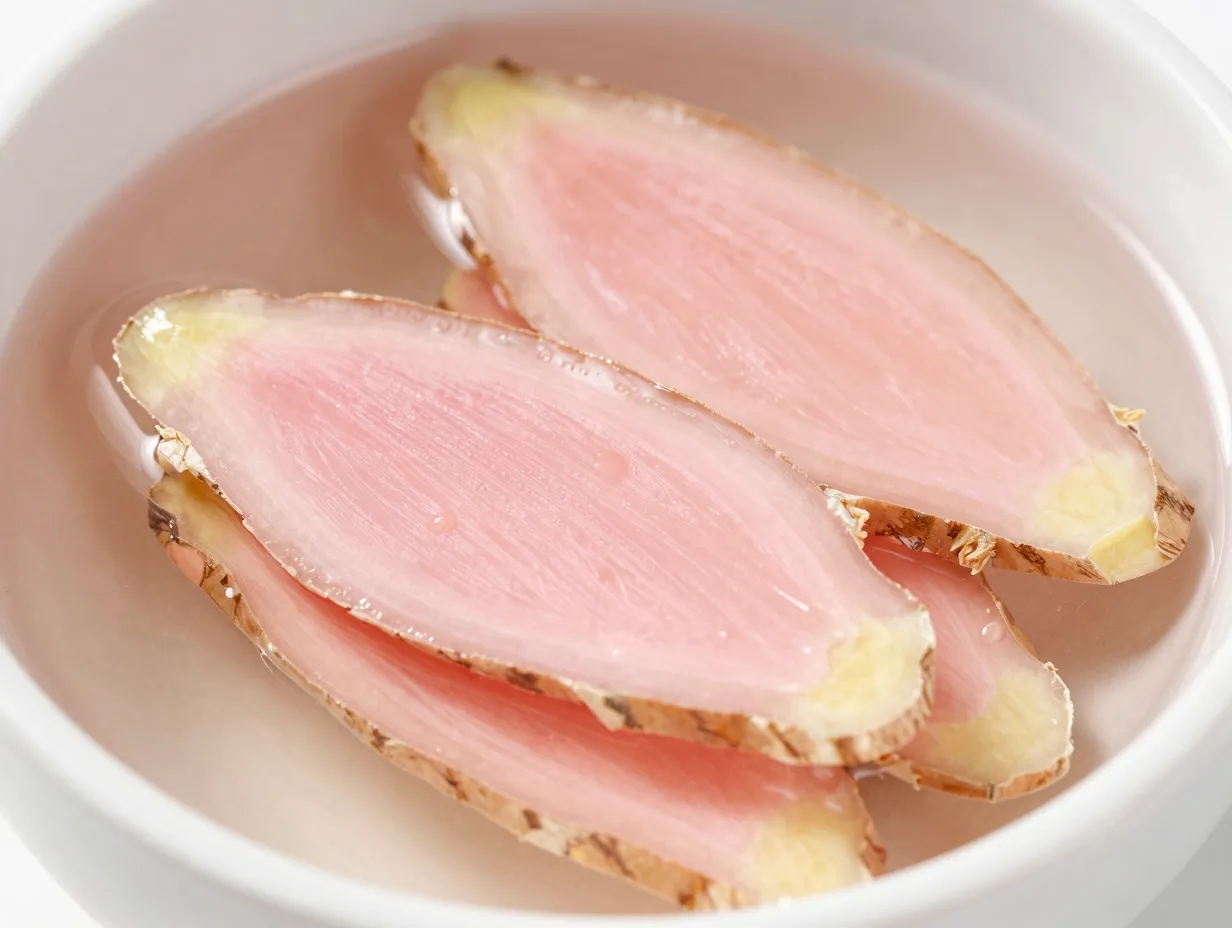
Most people only encounter pickled ginger as the pink pile next to their sushi. Making it at home produces a cleaner, less artificially colored version that is genuinely superior to the jarred product. [1]
What you need: 200g fresh young ginger (thin skin, less fibrous), 1/2 cup rice vinegar, 3 tablespoons sugar, 1 teaspoon salt.
Method: Peel ginger and slice paper-thin using a mandoline or vegetable peeler. Salt the slices and let sit for 30 minutes, then pat dry. Bring vinegar, sugar, and salt to a boil until dissolved. Pack ginger into a jar and pour hot brine over it. Cool and refrigerate. The ginger will turn pale pink naturally if it is young enough. [1]
Ready in 24 hours. Keeps refrigerated for up to 6 months. Beyond sushi, use it in stir-fries, salad dressings, or as a palate cleanser between rich courses.
8. Spicy Pickled Pineapple
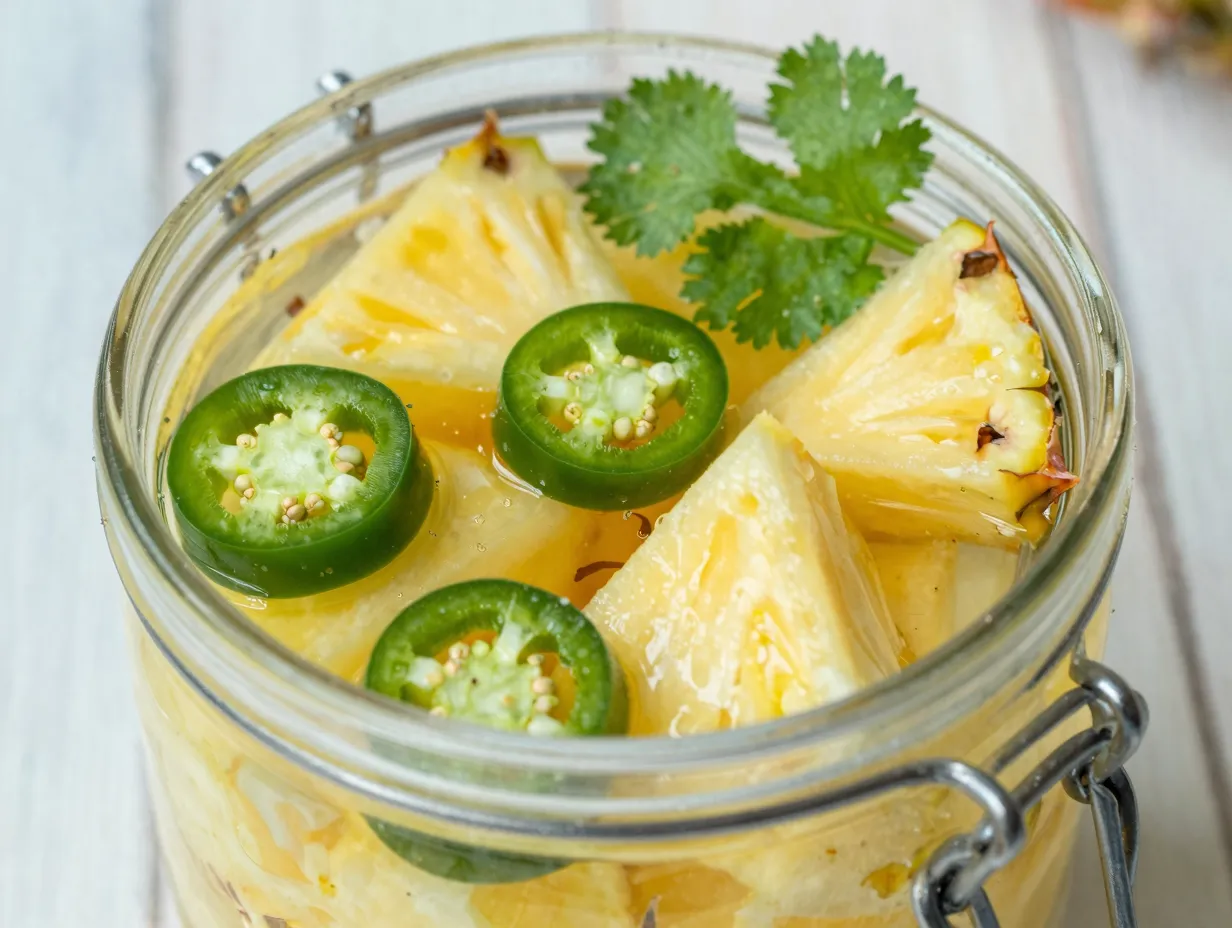
This is the recipe that surprises people most. The combination of sweet tropical fruit, sharp vinegar, fiery jalapeño, and fresh cilantro creates a flavor experience that is genuinely difficult to stop eating. [1]
What you need: 1 fresh pineapple (peeled, cored, cut into chunks), 2 jalapeños (sliced thin), 1/2 cup fresh cilantro, 1 cup white vinegar, 1/2 cup water, 2 tablespoons sugar, 1 teaspoon salt, 1/2 teaspoon black pepper.
Method: Pack pineapple, jalapeños, and cilantro into jars. Bring brine to a boil and pour over fruit. Cool completely before refrigerating. Ready in 4 hours, best after 24 hours. [1]
Serving ideas: Spoon over grilled fish tacos, stir into salsas, serve alongside pork tenderloin, or eat straight from the jar as a snack. The brine itself is excellent as a cocktail mixer.
“Pickled pineapple is the gateway recipe for people who think they do not like pickles. The sweetness softens the acidity just enough to make it universally appealing.”
9. Pickled Avocado
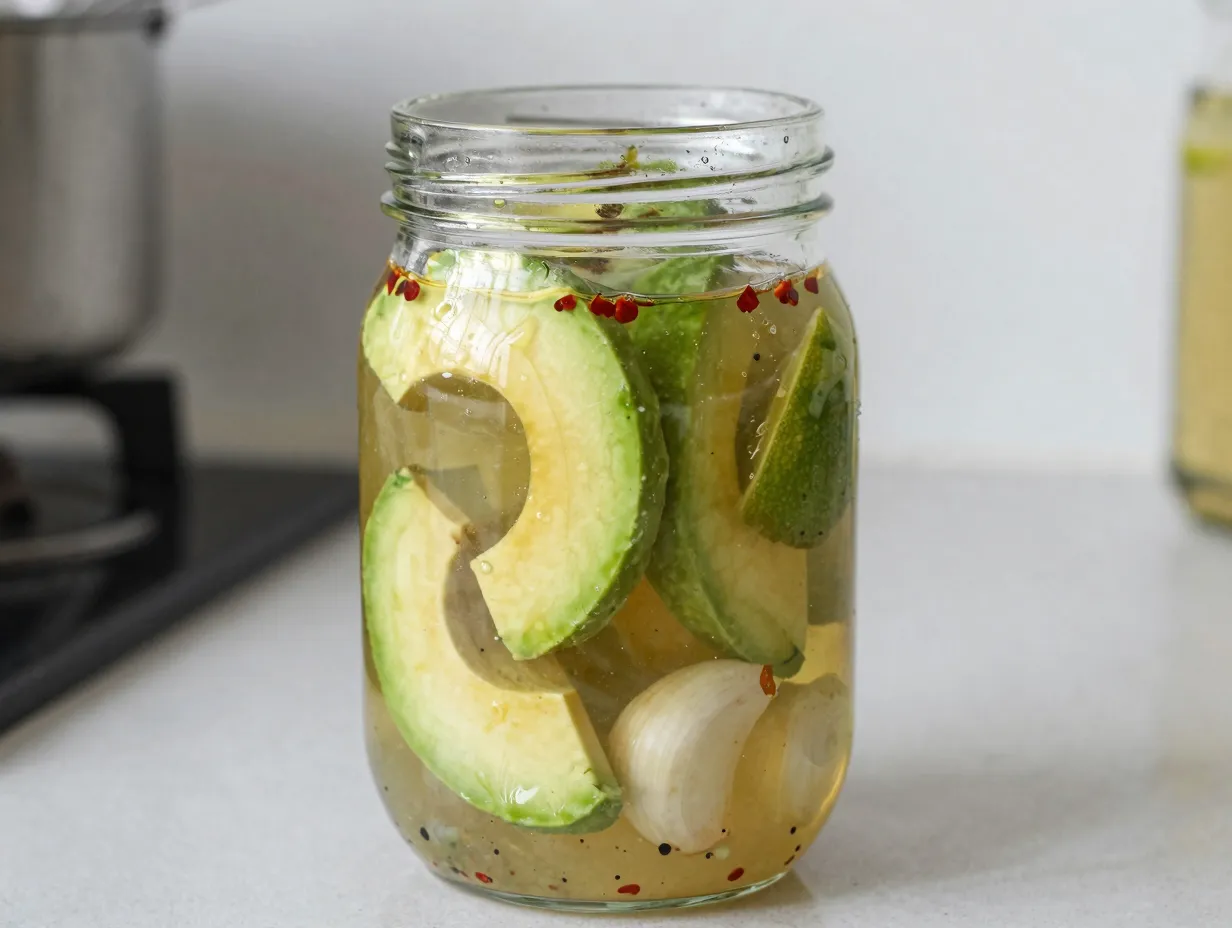
This is the most unconventional entry on the list, and it is also the one that generates the most conversation. Pickled avocado has gained significant traction in 2026 as home cooks experiment with non-traditional pickling subjects. [2]
What you need: 2 firm (not fully ripe) avocados, 1 cup apple cider vinegar, 1/2 cup water, 1 tablespoon honey, 1 teaspoon salt, 1/2 teaspoon red pepper flakes, 2 garlic cloves, juice of 1 lime.
Method: Slice avocados into thick wedges (the skin removed). The key is using firm avocados, fully ripe ones will turn mushy. Bring brine ingredients to a gentle simmer until honey dissolves. Pack avocado slices carefully into a wide-mouth jar. Pour warm (not boiling) brine over the avocado. Cool and refrigerate. Ready in 2 hours. Consume within 5 days. [2]
What to expect: The avocado holds its shape surprisingly well and takes on a bright, tangy flavor that cuts through its natural richness. Use on toast, in grain bowls, or as a topping for nachos.
Essential Tips for Pickling Success
These 9 pickling recipes that will transform ordinary vegetables into addictive snacks all share a few common success factors. Getting these right separates a good pickle from a great one.
Use the right salt. Always use pickling salt, kosher salt, or sea salt. Table salt contains iodine and anti-caking agents that cloud your brine and can inhibit fermentation. [4]
Sterilize your jars. Run jars through a hot dishwasher cycle or submerge in boiling water for 10 minutes. This is especially important for any shelf-stable recipes.
Maintain proper vinegar acidity. For safe water bath canning, use vinegar with at least 5% acidity. Most commercial white and apple cider vinegars meet this standard, but always check the label. [5]
Pack vegetables tightly. Loose vegetables float above the brine, which means uneven pickling and potential spoilage at the exposed surfaces.
Label everything. Write the date on every jar. Refrigerator pickles look identical after two weeks and after two months, the label tells you which is which.
Experiment with spices. The brine ratios in these recipes are reliable baselines, but the spice combinations are entirely flexible. Coriander seeds, star anise, bay leaves, fennel seeds, and dried chiles all work beautifully in different combinations. [3]
How to Build a Pickling Pantry
If you want to make these recipes regularly, stocking a small pickling pantry saves time and money. Here is what I keep on hand at all times:
- White distilled vinegar (5% acidity) — the most neutral and versatile
- Apple cider vinegar — fruity, works well with onions and fruit
- Rice vinegar — mild, essential for Asian-inspired recipes
- Pickling salt or kosher salt
- White sugar and raw cane sugar
- Black peppercorns, mustard seeds, coriander seeds, red pepper flakes
- Bay leaves, dried dill, dried oregano
- Wide-mouth mason jars in pint and quart sizes
- A mandoline slicer for consistent thin cuts
The total investment for a well-stocked pickling pantry is modest — typically under $40 — and most of these ingredients last for months or years. [5]
Conclusion
The 9 pickling recipes that will transform ordinary vegetables into addictive snacks outlined in this guide represent a genuine spectrum of techniques, flavors, and difficulty levels. From the 15-minute red onions that belong in every refrigerator to the slow-developing pickled garlic that rewards patience, each recipe delivers a specific kind of payoff.
Here are your actionable next steps:
- Start with the quick pickled red onions this week. They require no special equipment and will immediately improve at least three meals you are already making.
- Once you are comfortable with the basic brine ratio (vinegar, water, salt, sugar), experiment with the spice combinations in the carrot and giardiniera recipes.
- Try the pickled avocado the next time you have firm avocados on hand. It will change how you think about what can be pickled.
- Invest in a set of wide-mouth mason jars and a mandoline slicer if you plan to pickle regularly. Both tools pay for themselves quickly.
- Keep a pickling journal. Note the ratios, timing, and spice combinations that work best for your palate. Over time, you will develop your own signature recipes.
Pickling is one of those rare cooking skills where the effort-to-reward ratio is almost absurdly favorable. A few minutes of work, a handful of pantry staples, and a day of patience produce something that genuinely elevates everyday eating. Start with one recipe, and I am confident you will not stop there.
References
[1] Pickle Recipes – https://www.healthline.com/health/food-nutrition/pickle-recipes?utm_source=openai
[2] 10 Surprising Pickles 23048286 – https://www.thekitchn.com/10-surprising-pickles-23048286?utm_source=openai
[3] Best Ever Pickling Recipes – https://www.olivemagazine.com/recipes/collection/best-ever-pickling-recipes/?utm_source=openai
[4] Pickle Recipes – https://www.bbcgoodfood.com/recipes/collection/pickle-recipes?utm_source=openai
[5] Pickling Recipes – https://chefstandards.com/pickling-recipes/?utm_source=openai