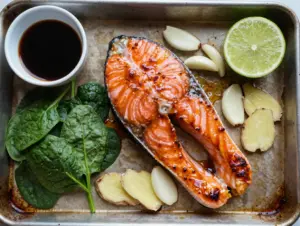
8 Metabolism Boosting Foods for Women That Actually Make a Noticeable Difference
Women’s resting metabolic rate drops by roughly 2-3% per decade after age 30, according to research cited by major nutrition institutions. That quiet, gradual slowdown is why so many women feel like their bodies “changed” even when their habits did not. The good news is that what you eat can meaningfully influence how fast your metabolism runs. This guide to the 8 metabolism boosting foods for women that actually make a noticeable difference is built on real science, not wellness trends. Each food on this list has a documented mechanism that affects how your body burns energy, and I will explain exactly how and why each one works.
Disclosure: This post contains affiliate links. As an Amazon Associate, we earn from qualifying purchases, and at no extra cost to you.
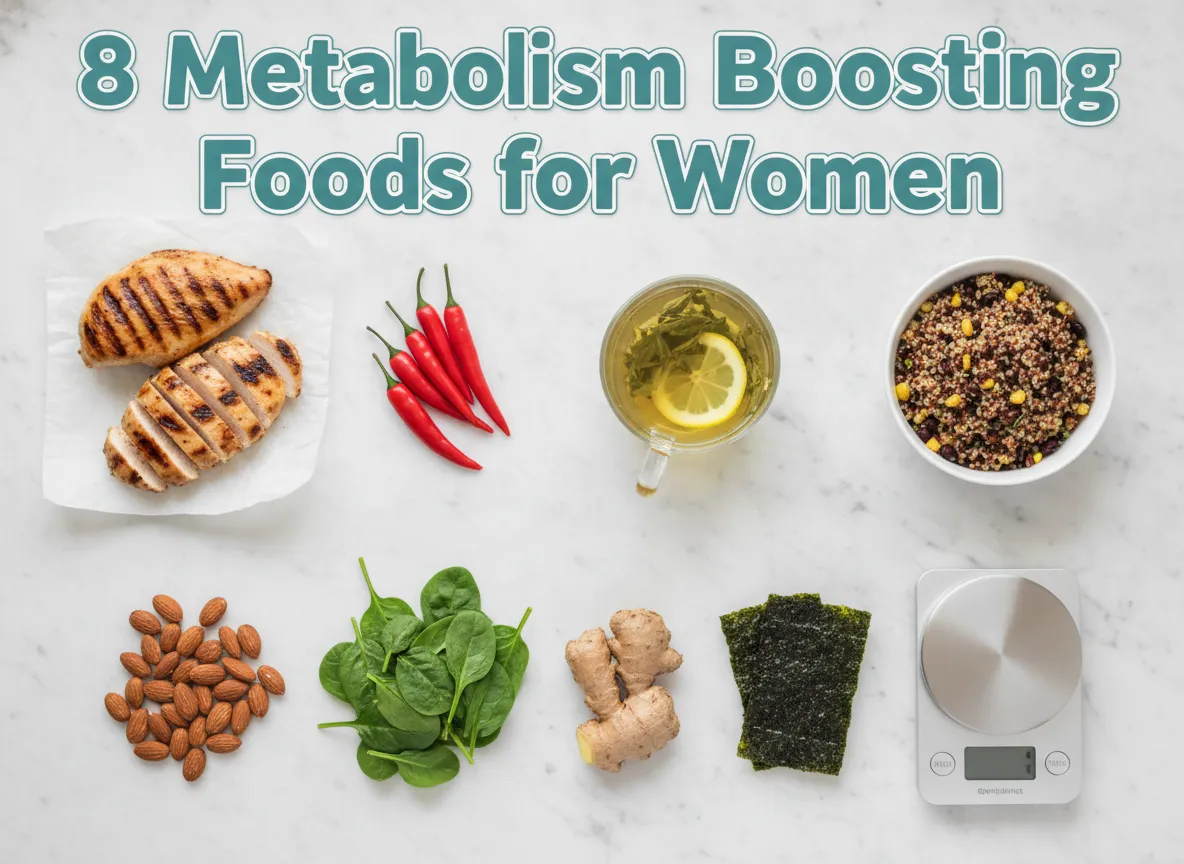
Key Takeaways
- Protein has the highest thermic effect of any macronutrient, boosting metabolic rate by 15-30% during digestion [1]
- Capsaicin in chili peppers and catechins in green tea both trigger measurable increases in calorie burning [1][2]
- Iodine-rich seaweed directly supports thyroid function, which is the master regulator of metabolism [1]
- Whole grains, leafy greens, and nuts provide fiber and nutrients that keep metabolic processes running efficiently [2]
- Consistency matters more than quantity, small daily additions of these foods compound into real results over weeks
Why Metabolism Matters Specifically for Women
Before diving into the list, it is worth understanding why metabolism is a particularly relevant topic for women. Hormonal fluctuations across the menstrual cycle, pregnancy, perimenopause, and menopause all influence how efficiently the body converts food into energy. Women also tend to carry a higher percentage of body fat relative to lean muscle mass compared to men, and since muscle tissue burns more calories at rest than fat tissue, this structural difference means women often have a lower baseline metabolic rate.
This is not a flaw. It is biology. But it does mean that dietary choices carry extra weight, so to speak, for women who want to support their metabolic health.
The foods in this article work through several mechanisms:
- Thermic Effect of Food (TEF): The energy cost of digesting and processing nutrients
- Thermogenesis: Heat production in the body that burns extra calories
- Thyroid support: Nutrients that keep the thyroid gland functioning optimally
- Blood sugar stabilization: Preventing the energy crashes that slow metabolism and trigger cravings
Now, let us get into the list.
The 8 Metabolism Boosting Foods for Women That Actually Make a Noticeable Difference
1. Protein-Rich Foods
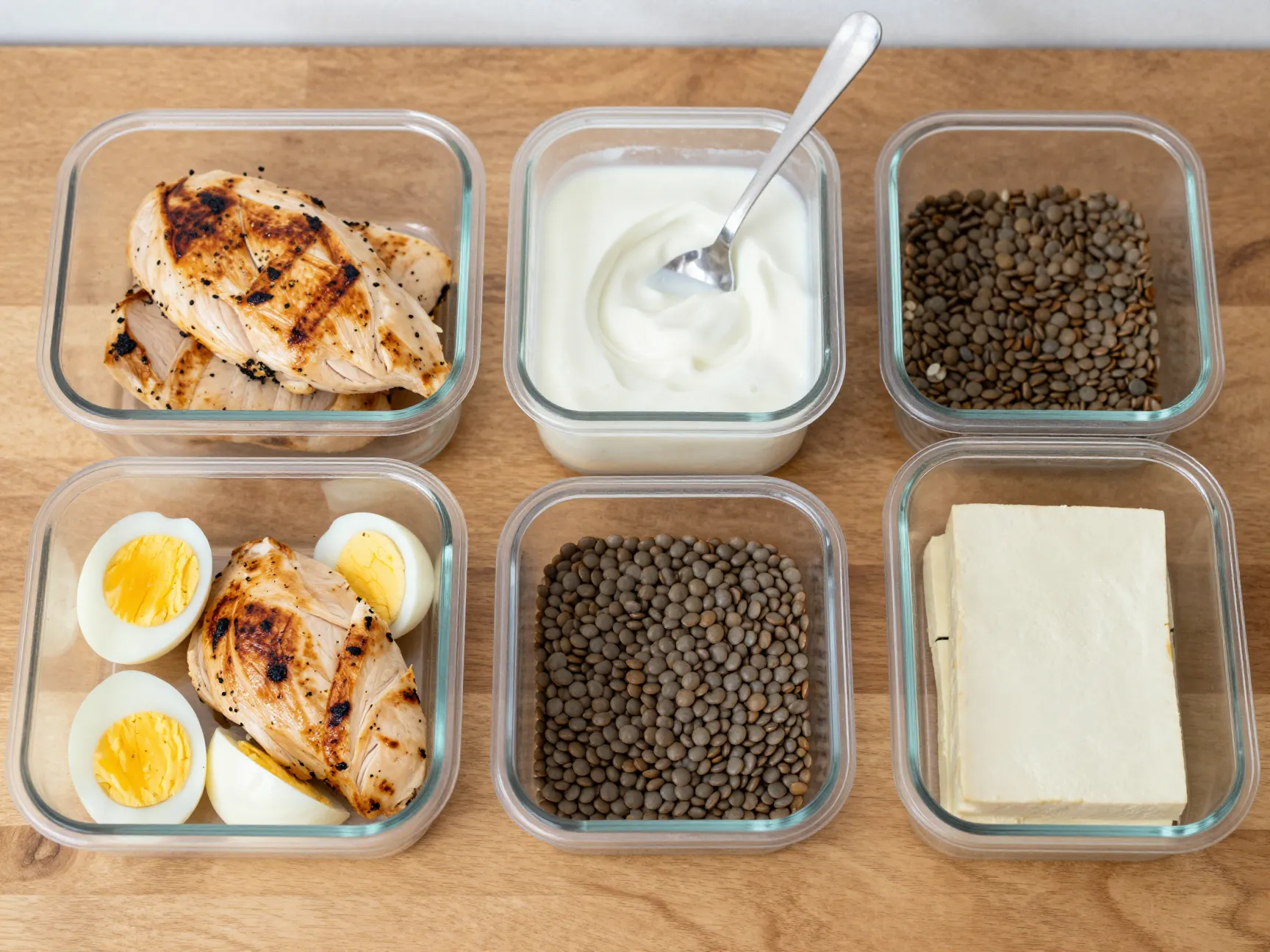
If there is one single dietary change that makes the most measurable difference to metabolic rate, it is increasing protein intake. Protein has a thermic effect of food (TEF) of 15-30%, meaning the body burns 15-30% of the calories from protein just to digest and process it. Compare that to carbohydrates at 5-10% and fats at a mere 0-3%, and the advantage becomes obvious [1].
Why it matters for women specifically: Women who are in perimenopause or postmenopause are at particular risk of losing lean muscle mass, a process called sarcopenia. Muscle is metabolically active tissue. When you lose it, your resting metabolic rate falls. Eating adequate protein helps preserve that muscle, especially when combined with resistance exercise.
Best sources to include:
- Chicken breast and turkey
- Eggs and egg whites
- Greek yogurt and cottage cheese
- Lentils and chickpeas
- Tofu and tempeh
A practical approach: aim to include a protein source at every meal rather than loading all your protein into one sitting. The body can only use so much protein for muscle protein synthesis at one time, so spreading intake across the day is more effective.
“Protein is the only macronutrient that actively earns its keep during digestion. Every gram you eat costs your body energy just to process it.”
2. Chili Peppers

Capsaicin is the bioactive compound that gives chili peppers their heat, and it is also a legitimate metabolic stimulant. When you eat capsaicin, it binds to receptors in the body that trigger thermogenesis, the production of heat, which requires the burning of additional calories [2].
Research shows that capsaicin can temporarily raise body temperature and increase calorie expenditure. While the effect per meal is modest, the cumulative impact of regularly including spicy foods in your diet can add up over time [2].
Forms of chili peppers to use:
- Fresh jalapeños or serranos added to stir-fries and salads
- Cayenne pepper stirred into soups, eggs, or roasted vegetables
- Red chili flakes sprinkled over pasta, pizza, or grain bowls
- Chili paste or hot sauce used as a condiment
One important note: if you have acid reflux or a sensitive digestive system, start with small amounts and see how your body responds. The goal is a consistent, comfortable addition, not a dramatic overhaul.
3. Green Tea

Green tea earns its place on every credible list of the 8 metabolism boosting foods for women that actually make a noticeable difference for two distinct reasons: caffeine and catechins.
Caffeine is a well-established central nervous system stimulant that temporarily boosts metabolic rate by 3-11% [1]. But what makes green tea stand out from coffee is its unique antioxidant profile. Green tea is rich in a catechin called epigallocatechin gallate (EGCG), which has been shown to enhance fat oxidation, the process by which the body breaks down stored fat for energy [1].
The combination of caffeine and EGCG appears to work synergistically, meaning together they produce a greater effect than either would alone.
How to get the most from green tea:
- Drink 2-3 cups per day for a meaningful catechin intake
- Brew at around 80°C (176°F) rather than boiling water, which can degrade catechins
- Matcha, a powdered form of green tea, contains significantly higher concentrations of EGCG than steeped tea bags
- Avoid adding large amounts of milk, as some research suggests dairy proteins may bind to catechins and reduce their absorption
I personally switched from an afternoon coffee to matcha about two years ago and noticed a steadier, less jittery energy lift, a small but real quality-of-life improvement alongside the metabolic benefits.
4. Whole Grains
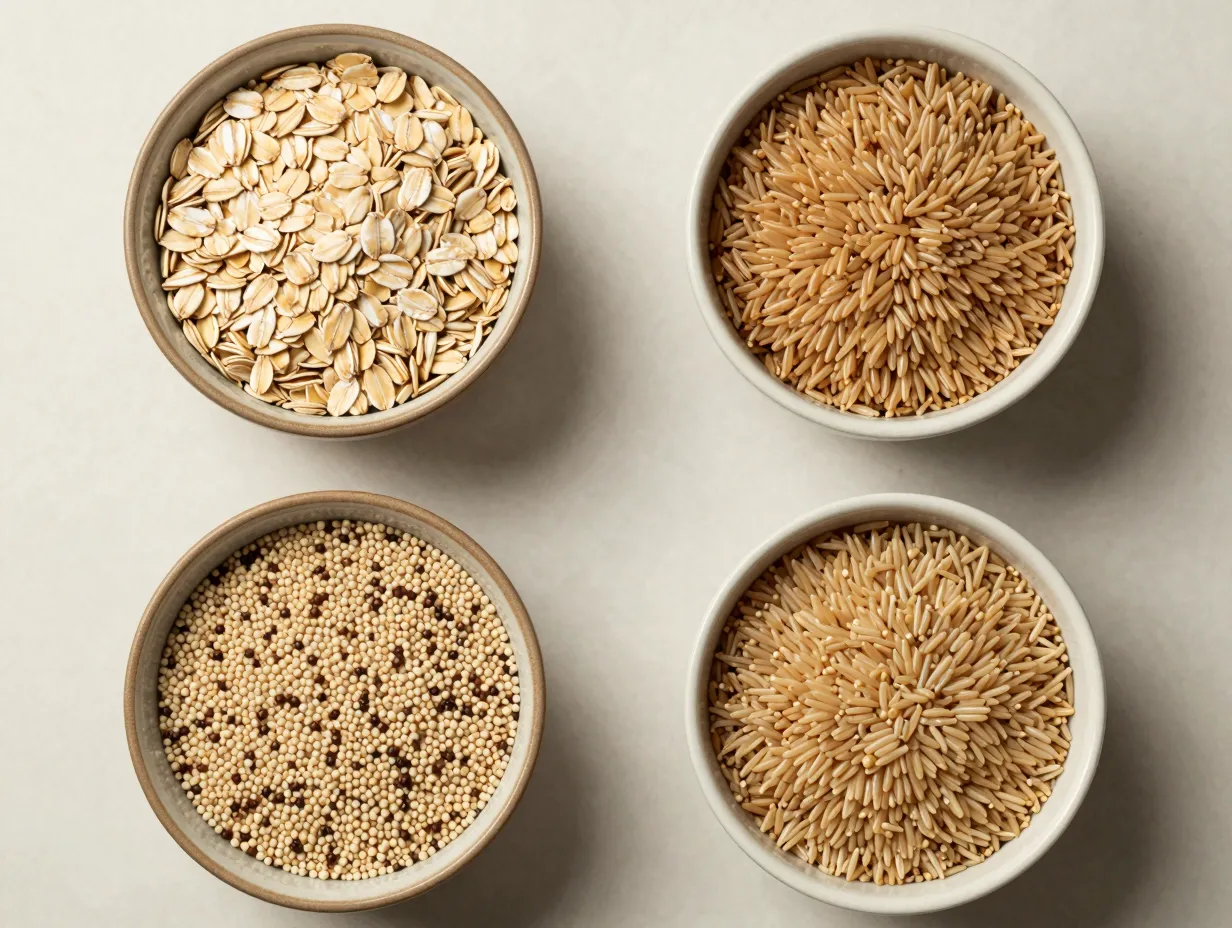
Whole grains like oats, quinoa, brown rice, and barley are often dismissed in low-carb conversations, but they deserve a strong defense when it comes to metabolic health. Unlike refined grains, whole grains retain their bran and germ layers, which means they are rich in fiber, B vitamins, and minerals [2].
The metabolic mechanism: Fiber requires more energy to digest than simple carbohydrates, raising the thermic effect of the meal. More importantly, the fiber in whole grains slows the release of glucose into the bloodstream, preventing the sharp insulin spikes that can, over time, contribute to insulin resistance, a condition that significantly impairs metabolic function [2].
Whole Grain Comparison at a Glance
| Grain | Fiber per 100g (cooked) | Key Metabolic Benefit |
|---|---|---|
| Oats | 1.7g | Beta-glucan supports blood sugar stability |
| Quinoa | 2.8g | Complete protein plus fiber |
| Brown Rice | 1.8g | Slower glucose release than white rice |
| Barley | 3.8g | Highest fiber, strong satiety effect |
Quinoa is particularly worth highlighting because it is one of the only plant foods that contains all nine essential amino acids, giving it a protein quality comparable to animal sources. This dual protein-and-fiber profile makes it especially effective for metabolic support [2].
5. Nuts and Seeds
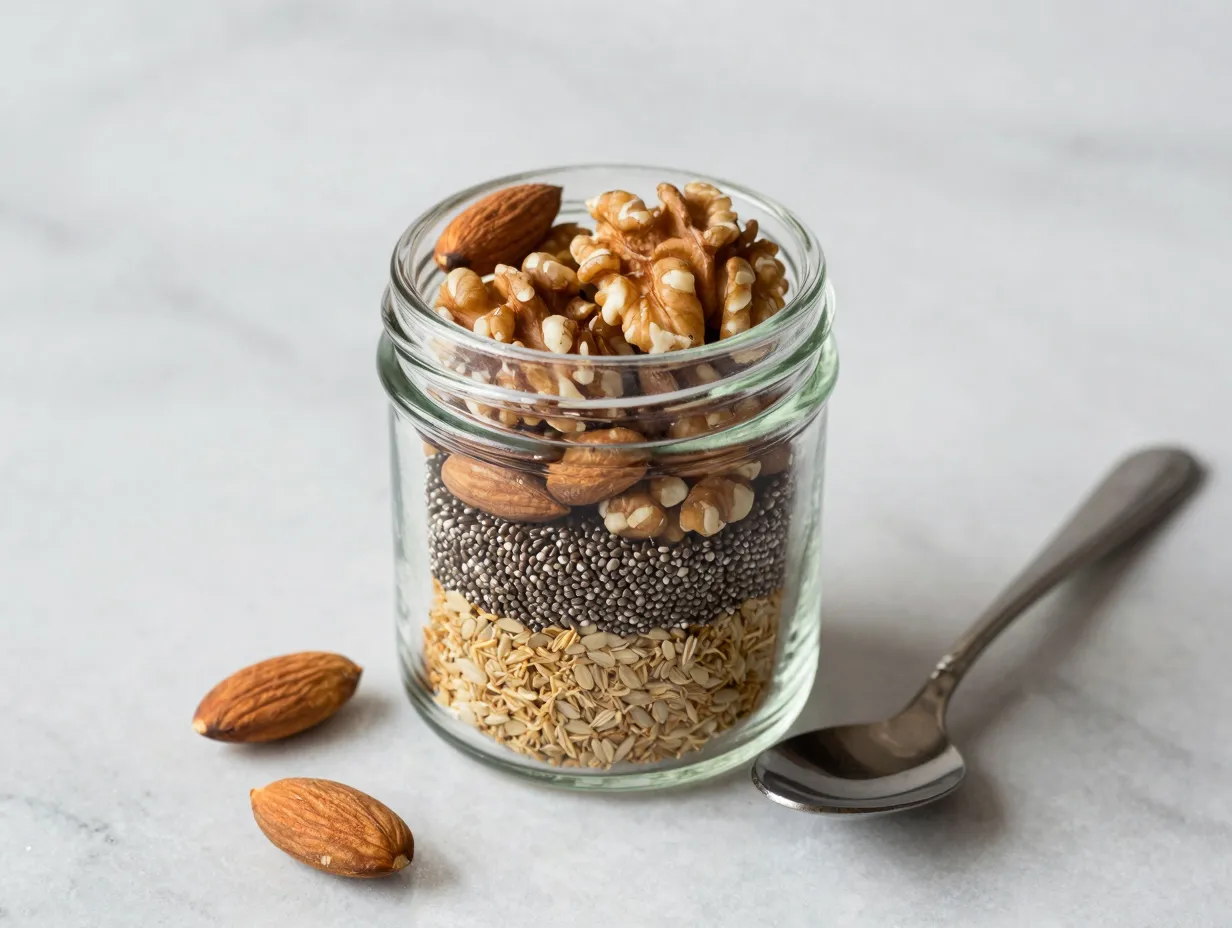
Almonds, walnuts, chia seeds, and flaxseeds are compact nutritional powerhouses. They deliver a combination of healthy fats, fiber, and protein that works on metabolism from multiple angles: raising the thermic effect of the meal, promoting satiety, and providing nutrients that support cellular energy production [2].
What makes nuts and seeds particularly useful for women:
- Flaxseeds contain lignans, plant compounds that support healthy estrogen metabolism, relevant for women navigating hormonal changes
- Chia seeds absorb water and expand in the stomach, promoting fullness and reducing overall calorie intake without slowing metabolism
- Walnuts are one of the best plant sources of omega-3 fatty acids, which support healthy inflammation levels and thyroid function
- Almonds are rich in magnesium, a mineral involved in over 300 enzymatic reactions, many of which relate to energy metabolism
Practical serving suggestions:
- Add a tablespoon of chia seeds or ground flaxseed to morning oatmeal or a smoothie
- Keep a small handful of almonds or walnuts as a desk snack
- Use tahini (sesame seed paste) as a dressing base for salads and grain bowls
A word of caution: nuts are calorie-dense. A small handful (about 28 grams or one ounce) is the appropriate portion. Eating them mindlessly from a large bag can quickly add up to a calorie surplus, which would work against metabolic goals.
6. Leafy Greens

Spinach, kale, Swiss chard, arugula, and broccoli are not glamorous, but they are genuinely effective metabolic allies. These vegetables are low in calories yet high in fiber, iron, magnesium, and a range of B vitamins, all nutrients that play direct roles in energy metabolism [2].
Iron and metabolism: Iron is essential for the production of hemoglobin, the protein in red blood cells that carries oxygen to tissues. When iron levels are low, the body cannot efficiently transport oxygen to muscles and organs, which slows energy production at the cellular level. Women of reproductive age are at higher risk of iron deficiency due to monthly blood loss, making iron-rich leafy greens especially important [2].
Magnesium and metabolism: Magnesium acts as a cofactor for ATP (adenosine triphosphate) production, ATP being the primary energy currency of every cell in your body. Low magnesium is associated with reduced metabolic efficiency.
“Leafy greens are not just diet food. They are the raw material your cells need to produce energy efficiently.”
Easy ways to eat more leafy greens:
- Blend a handful of spinach into a morning smoothie (you will not taste it)
- Use kale or arugula as a base for grain bowls instead of lettuce
- Add broccoli to stir-fries, pasta dishes, or roasted vegetable trays
- Sauté Swiss chard with garlic and olive oil as a quick side dish
7. Ginger

Ginger has been used as a digestive aid and warming spice across cultures for thousands of years, and modern research is beginning to validate what traditional medicine long claimed. The active compounds in ginger, particularly gingerols and shogaols, appear to increase the body’s internal temperature through a process called diet-induced thermogenesis [1].
By raising core body temperature slightly, ginger prompts the body to burn additional calories to maintain thermal balance. It also has well-documented anti-inflammatory properties, which matters for metabolism because chronic low-grade inflammation is associated with insulin resistance and metabolic dysfunction [1].
How to incorporate ginger regularly:
- Fresh ginger grated into hot water with lemon as a morning drink
- Added to stir-fries, soups, and curries during cooking
- Blended into smoothies alongside banana, spinach, and protein powder
- Used in salad dressings with sesame oil and soy sauce
- Ginger tea bags as an afternoon beverage
A small personal anecdote: I started adding fresh ginger to my morning hot water about three years ago, initially for digestive comfort. Within a few weeks I noticed I felt warmer and more energized in the mornings, a subjective experience, certainly, but one consistent with ginger’s thermogenic properties.
8. Seaweed

Seaweed is the most underused food on this list in Western diets, and it may also be the most targeted when it comes to metabolic support. The reason is iodine.
The thyroid gland controls the body’s overall metabolic rate by producing hormones, primarily thyroxine (T4) and triiodothyronine (T3), that regulate how quickly cells convert nutrients into energy. Iodine is the essential mineral the thyroid needs to produce these hormones. Without adequate iodine, thyroid function slows, and with it, metabolism [1].
Women are significantly more likely than men to develop thyroid disorders, including hypothyroidism, which is characterized by a sluggish metabolism, fatigue, weight gain, and cold sensitivity. Ensuring adequate iodine intake through foods like seaweed is a direct, evidence-based way to support thyroid health [1].
Types of seaweed and their iodine content:
- Nori (used in sushi rolls): moderate iodine, widely available, mild flavor
- Kombu (a type of kelp): very high iodine, use sparingly in broths and soups
- Wakame (used in miso soup): moderate iodine, soft texture, easy to cook with
- Dulse: moderate iodine, slightly savory flavor, can be eaten as a snack
Important caveat: More is not better with iodine. Excessive iodine intake can actually disrupt thyroid function. The recommended daily intake for adults is 150 micrograms. A small serving of nori a few times per week is sufficient for most people. Those with existing thyroid conditions should consult a healthcare provider before significantly increasing iodine intake.
How to Build These Foods Into Your Daily Routine
Knowing which foods support metabolism is only half the equation. The other half is making them a consistent, practical part of your life. Here is a simple framework for integrating the 8 metabolism boosting foods for women that actually make a noticeable difference without overhauling your entire diet overnight.
Morning:
- Greek yogurt or eggs (protein)
- Oatmeal topped with chia seeds or ground flaxseed (whole grain + seeds)
- Matcha or green tea instead of a second coffee
Midday:
- A grain bowl built on quinoa or brown rice
- Topped with leafy greens, grilled chicken or tofu, and a ginger-sesame dressing
- A small handful of almonds or walnuts on the side
Afternoon:
- Ginger tea or green tea
- A piece of dark chocolate with almonds if you need a snack
Evening:
- A protein-centered dinner with a side of leafy greens
- Miso soup with wakame seaweed as a starter
- Add chili flakes or fresh jalapeño to season the main dish
This is not a rigid meal plan. It is a pattern. The goal is to make these eight foods familiar, convenient, and enjoyable rather than medicinal obligations.
Common Mistakes That Undermine Metabolic Foods
Even when women add the right foods to their diet, certain habits can cancel out the benefits. Watch out for these patterns:
Undereating overall: Severely restricting calories causes the body to downregulate its metabolic rate as a survival mechanism. Adding metabolism-boosting foods while eating too little can still result in a slower metabolism over time.
Skipping protein at breakfast: The morning meal sets the metabolic tone for the day. A high-carbohydrate, low-protein breakfast leads to blood sugar swings that can blunt metabolic efficiency for hours.
Inconsistency: The foods on this list work through cumulative, daily exposure. Eating chili peppers once a week or drinking green tea occasionally will not produce the same results as making them regular habits.
Neglecting hydration: Water is required for virtually every metabolic reaction in the body. Even mild dehydration reduces the efficiency of metabolic processes. Aim for adequate water intake alongside these foods.
Conclusion
The 8 metabolism boosting foods for women that actually make a noticeable difference are not miracle cures, but they are real tools backed by credible science. Protein raises the thermic effect of every meal. Capsaicin and ginger trigger thermogenesis. Green tea’s catechins enhance fat oxidation. Whole grains and leafy greens stabilize blood sugar and provide essential micronutrients. Nuts and seeds deliver the fats, fiber, and minerals that keep cellular energy production running smoothly. And seaweed provides the iodine your thyroid needs to regulate your entire metabolic system.
Your action plan for this week:
- Add a protein source to every meal, starting with breakfast
- Swap one cup of coffee for green tea or matcha daily
- Season two dinners this week with cayenne pepper or fresh chili
- Try a miso soup with wakame seaweed as a starter two to three times per week
- Replace white rice or pasta in one meal with quinoa or brown rice
None of these steps require a dramatic lifestyle change. They require consistency. Start with one or two changes, build the habit, and add more over time. Metabolism responds to patterns, not single meals. Give these foods the daily presence they need, and the results will follow.
References
[1] Metabolism Boosting Foods – https://www.healthline.com/nutrition/metabolism-boosting-foods?utm_source=openai
[2] Weight Loss Foods For Metabolism – https://www.apollo247.com/health-topics/weight-loss/weight-loss-foods-for-metabolism?utm_source=openai