8 High Protein Dinner Ideas That Keep You Full, Fueled, and Coming Back for More
Most adults eat roughly 50% less protein at dinner than sports nutritionists recommend for muscle maintenance and satiety — and they wonder why they reach for snacks an hour after eating. If that sounds familiar, you are not alone, and the fix is simpler than you might think.
Disclosure: This post contains affiliate links. As an Amazon Associate, we earn from qualifying purchases, and at no extra cost to you.
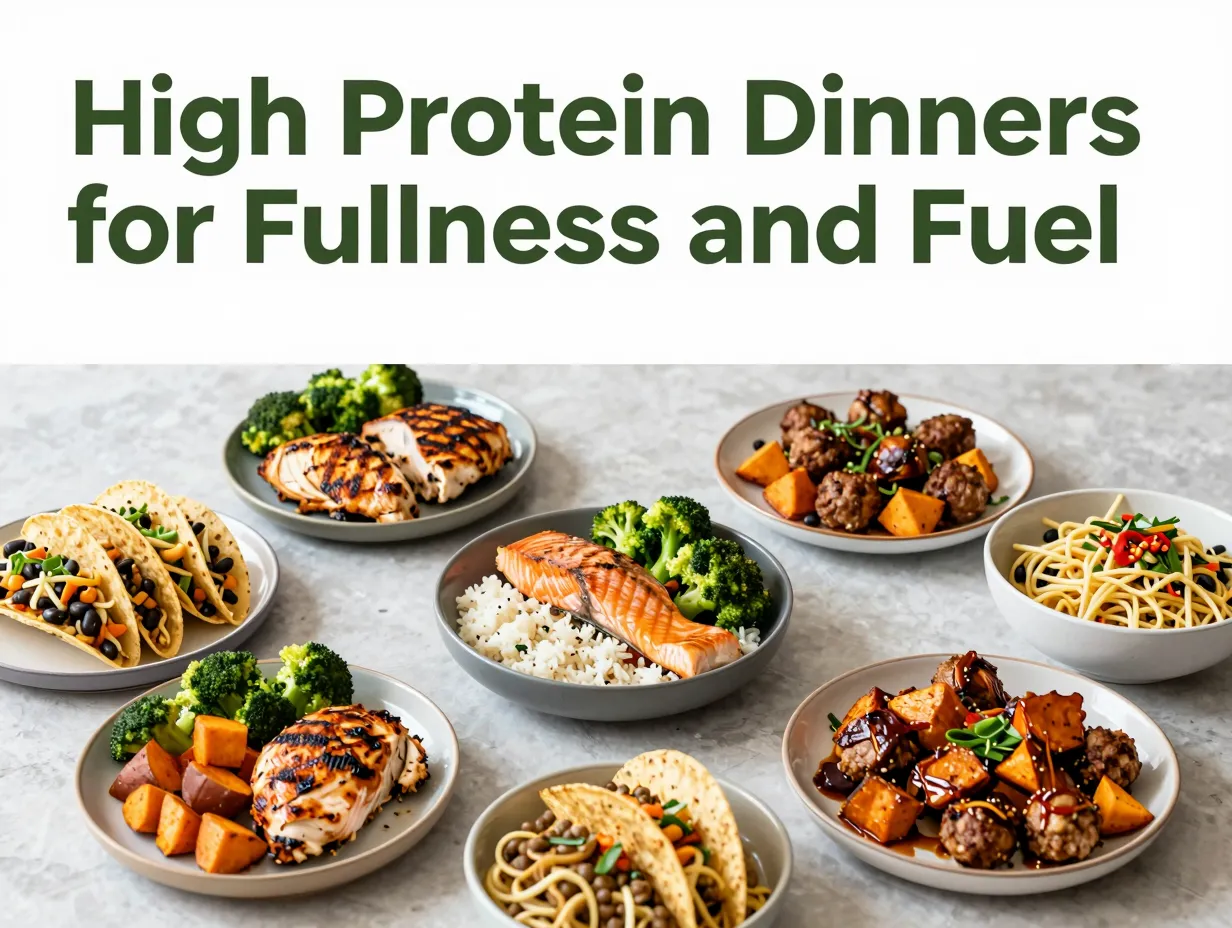
This guide covers 8 high protein dinner ideas that keep you full, fueled, and coming back for more. Every recipe here is built around real food, practical prep times, and protein counts you can actually rely on. Whether you are chasing muscle gain, managing your weight, or just tired of feeling hungry before bedtime, these meals deliver.
Key Takeaways
- Each of the 8 dinners in this list provides at least 40 grams of protein per serving, enough to support muscle repair and sustained fullness.
- Prep times range from 15 to 30 minutes, making these meals realistic for busy weeknights.
- The list includes both animal-based and plant-forward options, so there is something for nearly every dietary preference.
- Pairing protein with complex carbohydrates and fiber amplifies satiety and stabilizes blood sugar.
- Batch cooking and meal prep are built into several of these ideas, saving time across the entire week.
Why Protein at Dinner Actually Matters
Before diving into the meals themselves, it is worth understanding why the evening meal is such a powerful lever for your health goals.
Protein triggers the release of satiety hormones like peptide YY and GLP-1, which signal your brain that you are full. It also has the highest thermic effect of any macronutrient, meaning your body burns more calories digesting protein than it does digesting fat or carbohydrates. At dinner specifically, a high-protein meal supports overnight muscle protein synthesis — the process by which your body repairs and builds muscle tissue while you sleep.
A practical rule of thumb used by many registered dietitians is to aim for 0.7 to 1 gram of protein per pound of body weight per day. For a 160-pound adult, that is between 112 and 160 grams daily. Spreading that intake across three meals means dinner should contribute roughly 40 to 55 grams of protein on its own.
The 8 high protein dinner ideas that keep you full, fueled, and coming back for more listed below are designed with exactly that range in mind.
Quick protein reference by food source:
| Food | Serving Size | Approx. Protein |
|---|---|---|
| Chicken breast | 225g (8 oz) | 52g |
| Salmon fillet | 150g (5 oz) | 30g |
| Edamame | 1 cup cooked | 17g |
| Black beans | 1 cup cooked | 15g |
| Lentil pasta | 85g dry | 21g |
| Quinoa | 1 cup cooked | 8g |
The 8 High Protein Dinner Ideas That Keep You Full, Fueled, and Coming Back for More
1. Grilled Chicken with Sweet Potato and Broccoli
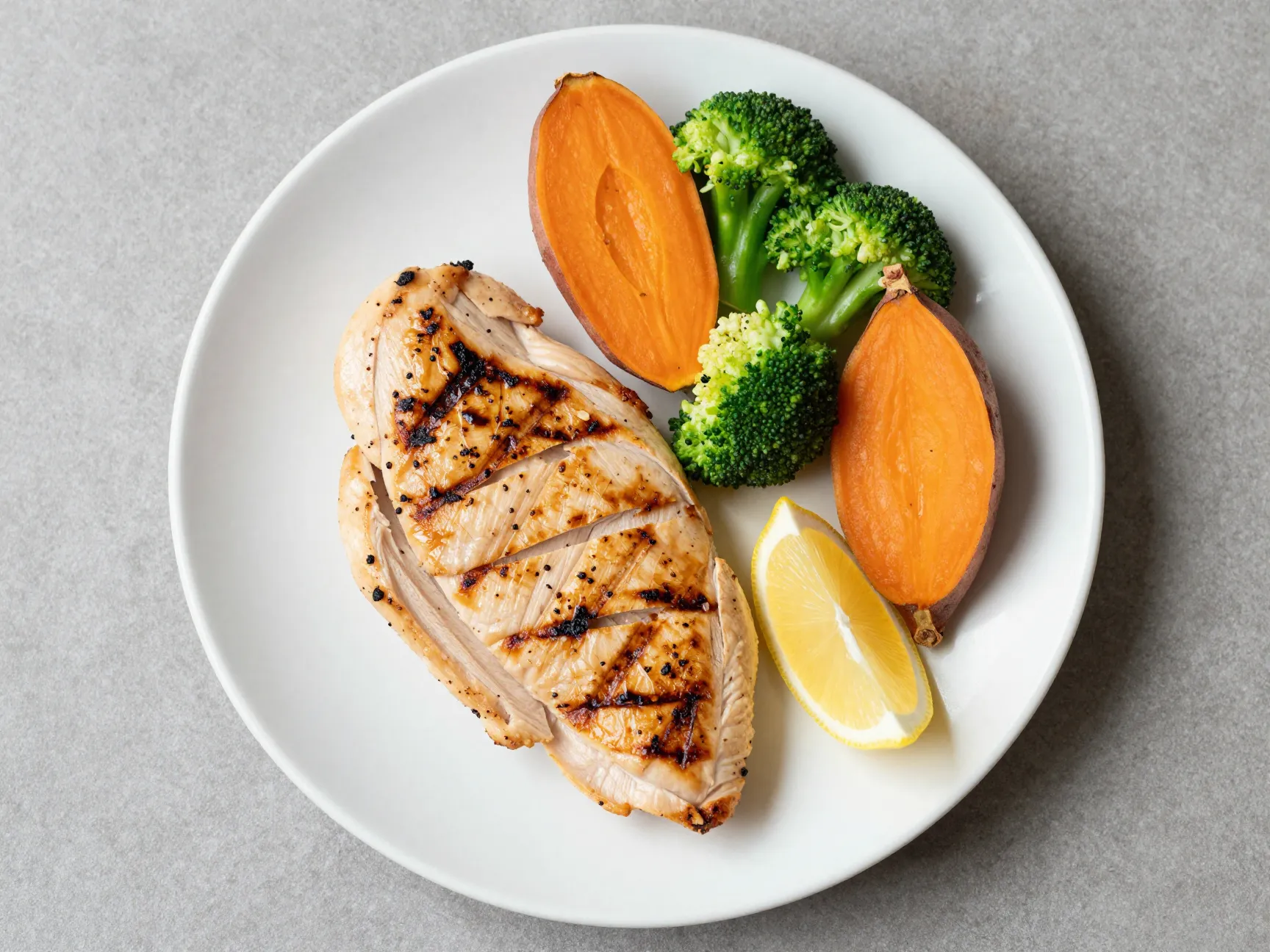
This is the meal I come back to more than any other on a hard training week. It is straightforward, it works, and it delivers a protein punch that holds you through the night.
The formula is simple: 225 grams of grilled chicken breast, one medium sweet potato, and 200 grams of steamed or roasted broccoli. Season the chicken with garlic powder, smoked paprika, and a squeeze of fresh lemon before grilling. This combination provides approximately 52 grams of protein per serving and takes about 25 minutes from start to finish [1].
What makes this meal particularly effective is the combination of macronutrients. The sweet potato contributes complex carbohydrates and beta-carotene, while the broccoli adds fiber and vitamin C. Together, they slow digestion and extend the satiety window well beyond what protein alone would achieve.
Pro tip: Grill two extra chicken breasts and refrigerate them. Slice them over a salad the next day for a fast, high-protein lunch without any additional cooking.
2. Chicken Stir-Fry with Rice
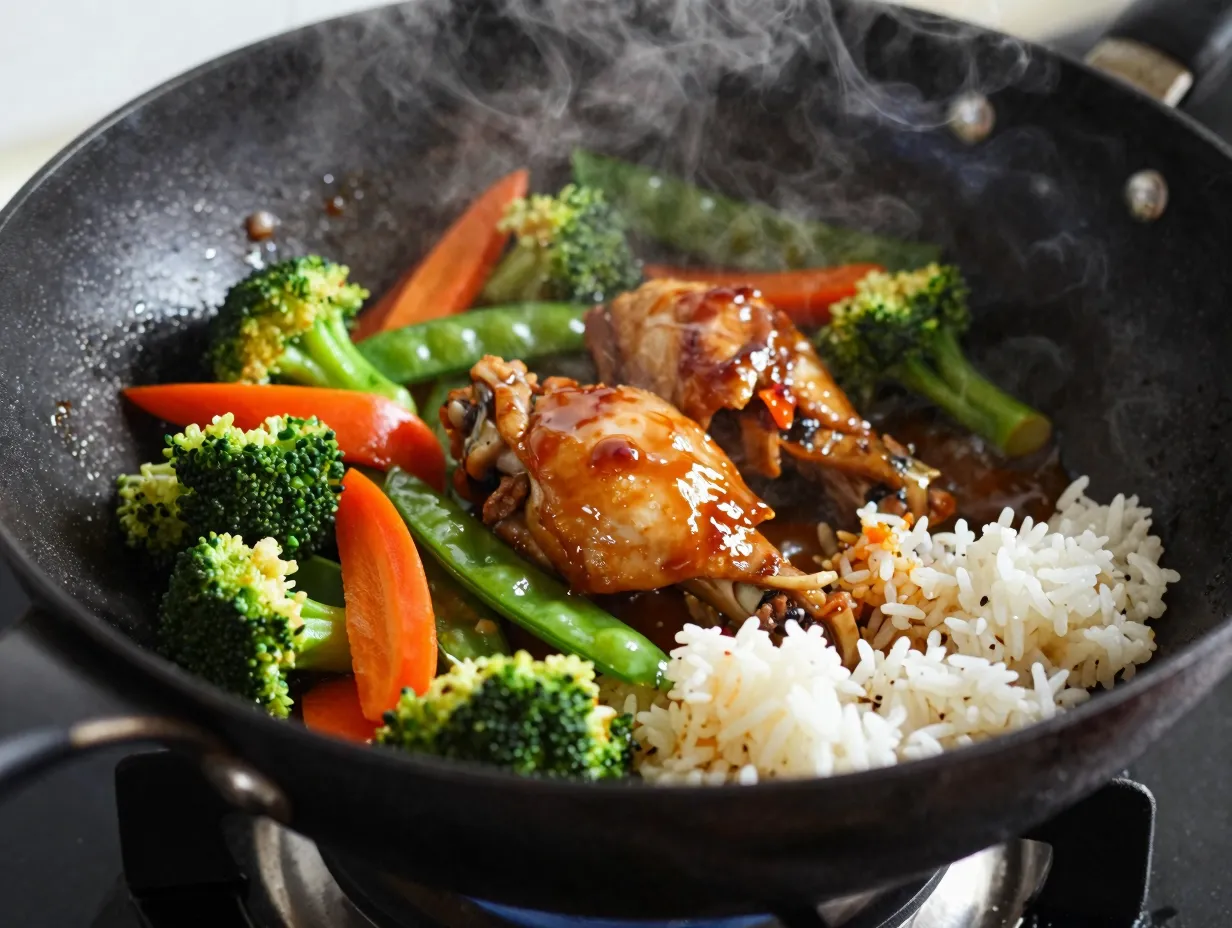
On nights when the clock is working against you, a chicken stir-fry is one of the fastest high-protein dinners you can make without sacrificing quality.
Use 200 grams of chicken thigh meat, which is slightly fattier than breast but also more forgiving in a hot pan. Combine it with a frozen mixed vegetable blend — broccoli, snap peas, carrots, and bell pepper work well — and serve over one cup of cooked jasmine or brown rice. The flavor base is soy sauce, sesame oil, minced garlic, and fresh ginger. This meal delivers around 48 grams of protein and is ready in roughly 20 minutes [1].
Chicken thighs are worth highlighting here. They tend to stay juicy even when cooked quickly over high heat, which means less margin for error compared to breast meat. The dark meat also contains slightly more zinc and iron, both of which support energy metabolism.
Flavor upgrade: Add a tablespoon of oyster sauce and a teaspoon of chili garlic paste to the sauce for a deeper, restaurant-quality profile with no extra prep time.
3. BBQ Chicken Bowl
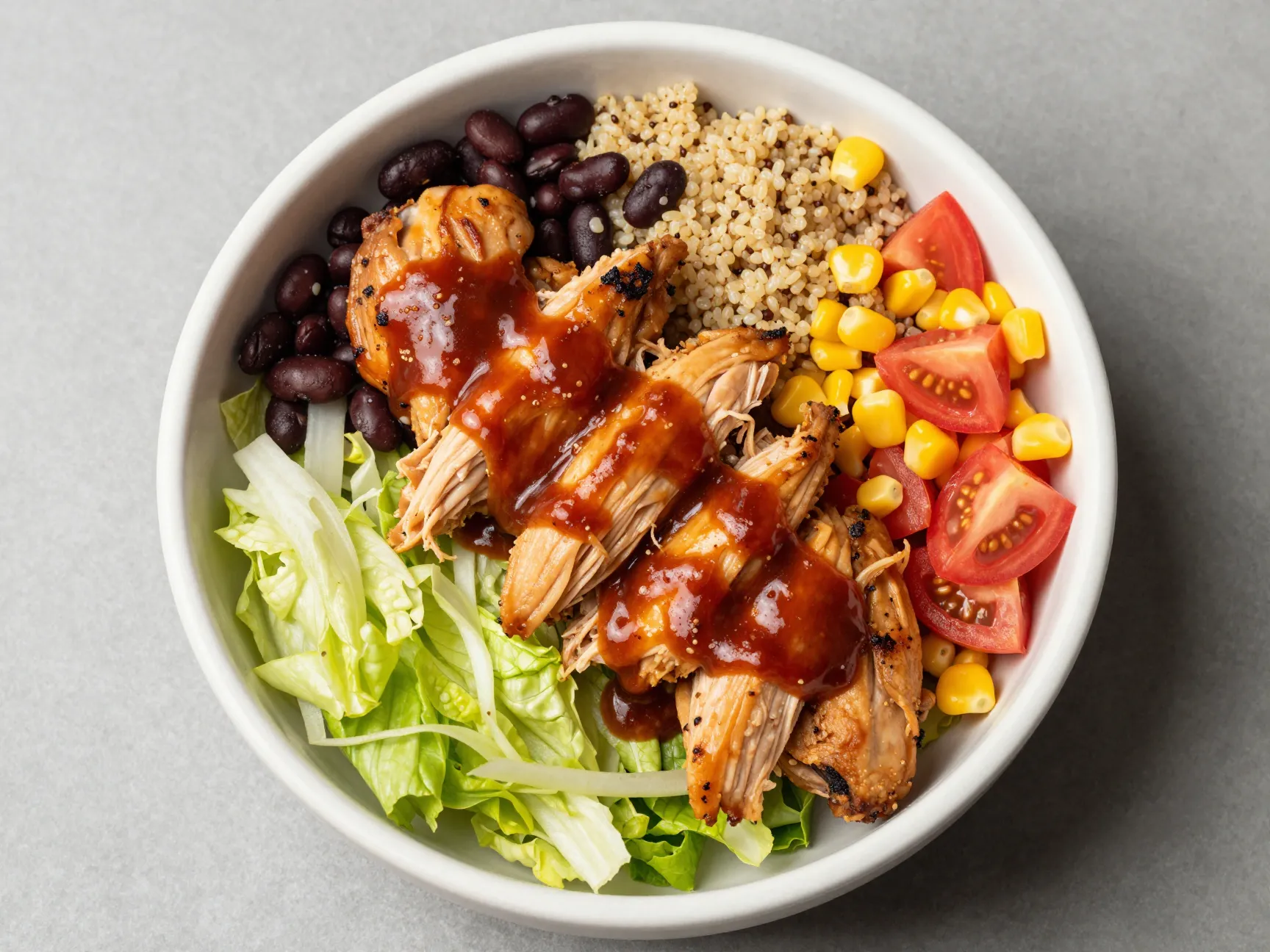
The BBQ chicken bowl is the meal prep champion of this entire list. If you spend 15 minutes on a Sunday afternoon, you can have four lunches or dinners ready to go with almost no effort during the week.
The base is 225 grams of rotisserie chicken — one of the most underrated convenience proteins available — shredded and tossed with your preferred BBQ sauce. Layer it over cooked quinoa, then top with corn kernels, black beans, diced tomatoes, and a handful of shredded romaine. This bowl provides approximately 50 grams of protein per serving [1].
Rotisserie chicken is a genuine time-saver. A standard store-bought bird yields roughly 450 to 500 grams of usable meat, enough for two full bowls. Quinoa adds an additional 8 grams of protein per cup on top of the chicken, making it a smarter base than white rice for protein density.
“The best meal prep strategy is the one you will actually follow. A 15-minute assembly meal beats a 90-minute recipe you never make.”
4. Salmon Bowls
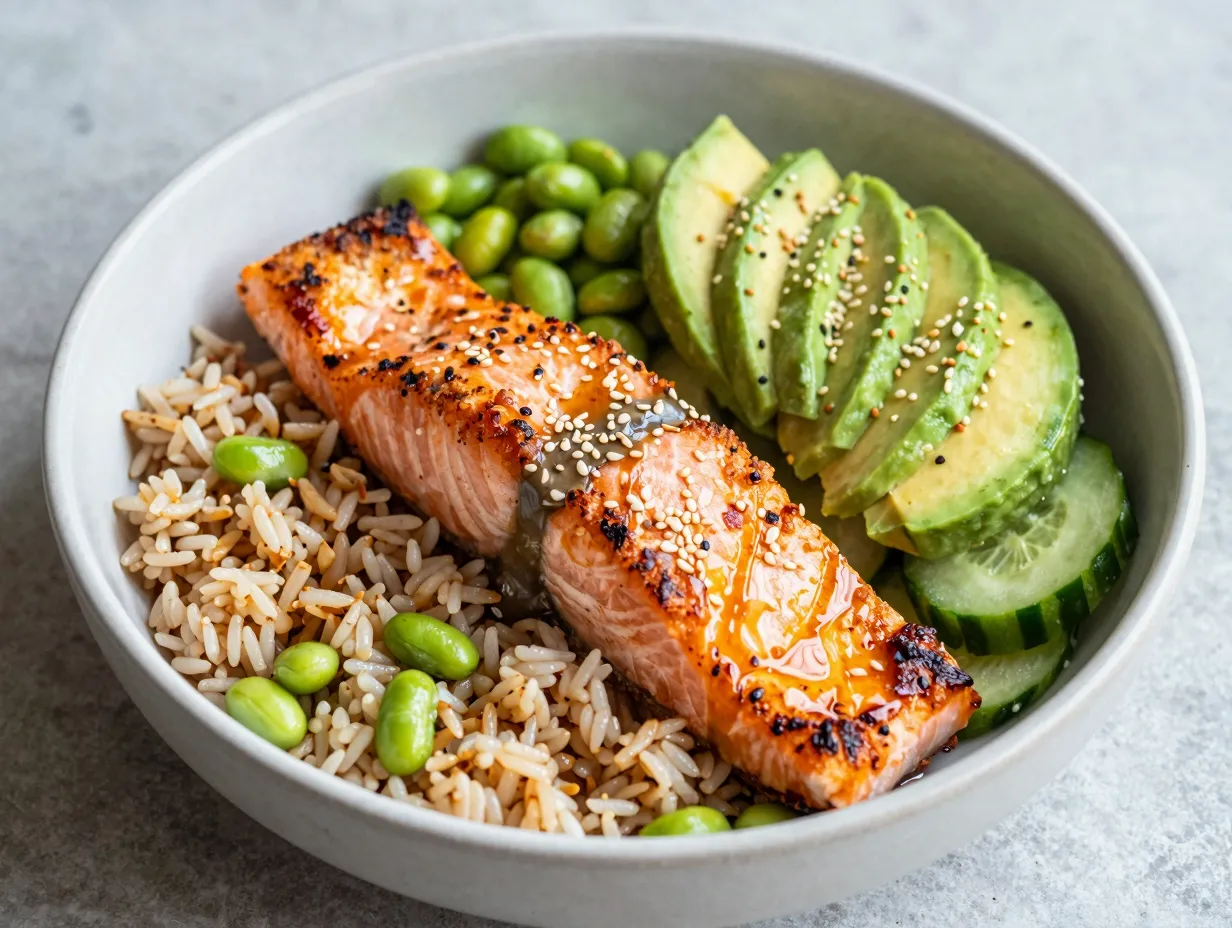
Salmon bowls have earned a permanent spot in my weekly rotation, and the nutritional profile explains why.
Bake or grill a 150-gram (5-ounce) salmon fillet and place it over one cup of cooked brown rice. Top with thinly sliced cucumber, one cup of shelled edamame, sliced avocado, and a sprinkle of sesame seeds. Drizzle with a simple sauce made from soy sauce, rice vinegar, and a touch of honey. The salmon and edamame together provide over 40 grams of protein per serving [2].
Salmon brings more to the table than just protein. It is one of the richest dietary sources of omega-3 fatty acids, specifically EPA and DHA, which reduce systemic inflammation and support cardiovascular health. For anyone doing regular resistance training, the anti-inflammatory properties of omega-3s are a meaningful recovery benefit.
Edamame deserves special recognition as a protein source. One cup of cooked edamame delivers 17 grams of complete protein — meaning it contains all nine essential amino acids — which is rare among plant foods.
Meal prep note: Bake four salmon fillets at once at 200°C (400°F) for 12 to 14 minutes. They refrigerate well for up to three days and taste excellent cold over a rice bowl.
5. Sheet Pan Fajitas
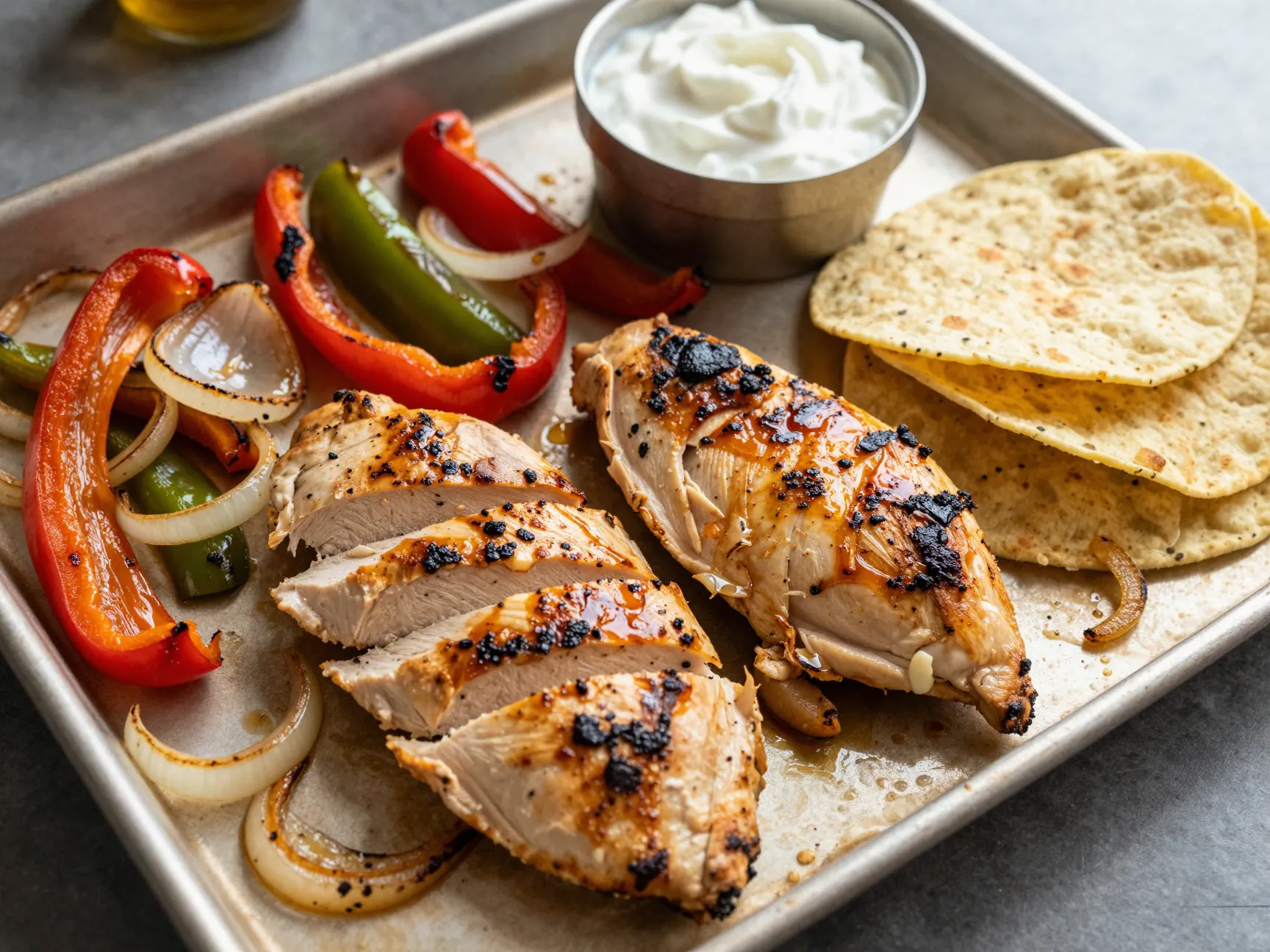
Sheet pan fajitas solve two problems at once: they are high in protein and they require almost no cleanup.
Choose either chicken breast or lean beef sirloin as your protein — both work well. Slice the protein into strips, toss with olive oil, cumin, chili powder, garlic powder, and oregano, then spread across a large sheet pan alongside sliced bell peppers and onions. Roast at 220°C (425°F) for 20 to 22 minutes, stirring once halfway through. Serve in warm corn or flour tortillas with Greek yogurt as a sour cream substitute [2].
The sheet pan method is more than a convenience trick. Roasting at high heat caramelizes the natural sugars in the peppers and onions, creating a depth of flavor that is difficult to achieve by any other method. The char on the edges of the protein adds texture and a slight smokiness that makes the dish feel far more complex than the ingredient list suggests.
Protein stack: Use 200 grams of chicken breast per serving and add a side of black beans for an additional 15 grams of protein, pushing the total well above 50 grams.
6. Lentil Pasta with Meatballs
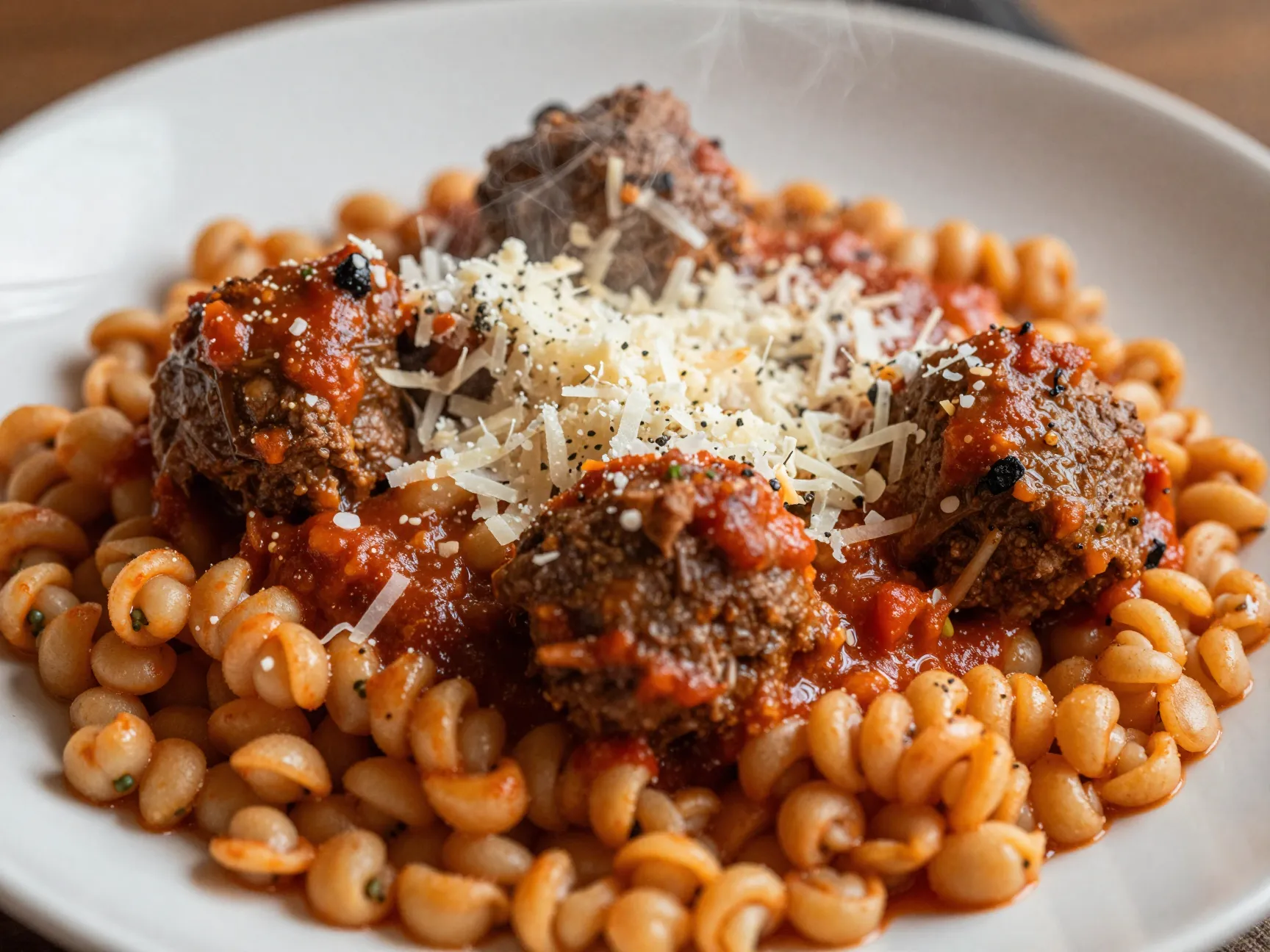
This is the dinner for anyone who still wants pasta night without the protein deficit that typically comes with it.
Lentil pasta is made from red or green lentil flour and contains roughly 21 grams of protein per 85-gram dry serving — more than double the protein of standard semolina pasta. Pair it with four to five homemade or store-bought beef and pork meatballs, a simple marinara sauce, and a generous handful of grated Parmesan. The combined protein content per serving lands between 45 and 55 grams depending on meatball size [2].
Lentil pasta has improved significantly in texture over the past few years. Earlier versions had a grainy, slightly earthy quality that put many people off. Current formulations from most major brands hold their shape well and absorb sauce in a way that closely mimics traditional pasta.
Texture tip: Cook lentil pasta for one minute less than the package directions suggest and finish it in the sauce pan for 60 seconds. This prevents the pasta from becoming mushy and helps it absorb the marinara flavor more evenly.
7. Pressure Cooker Pulled Pork
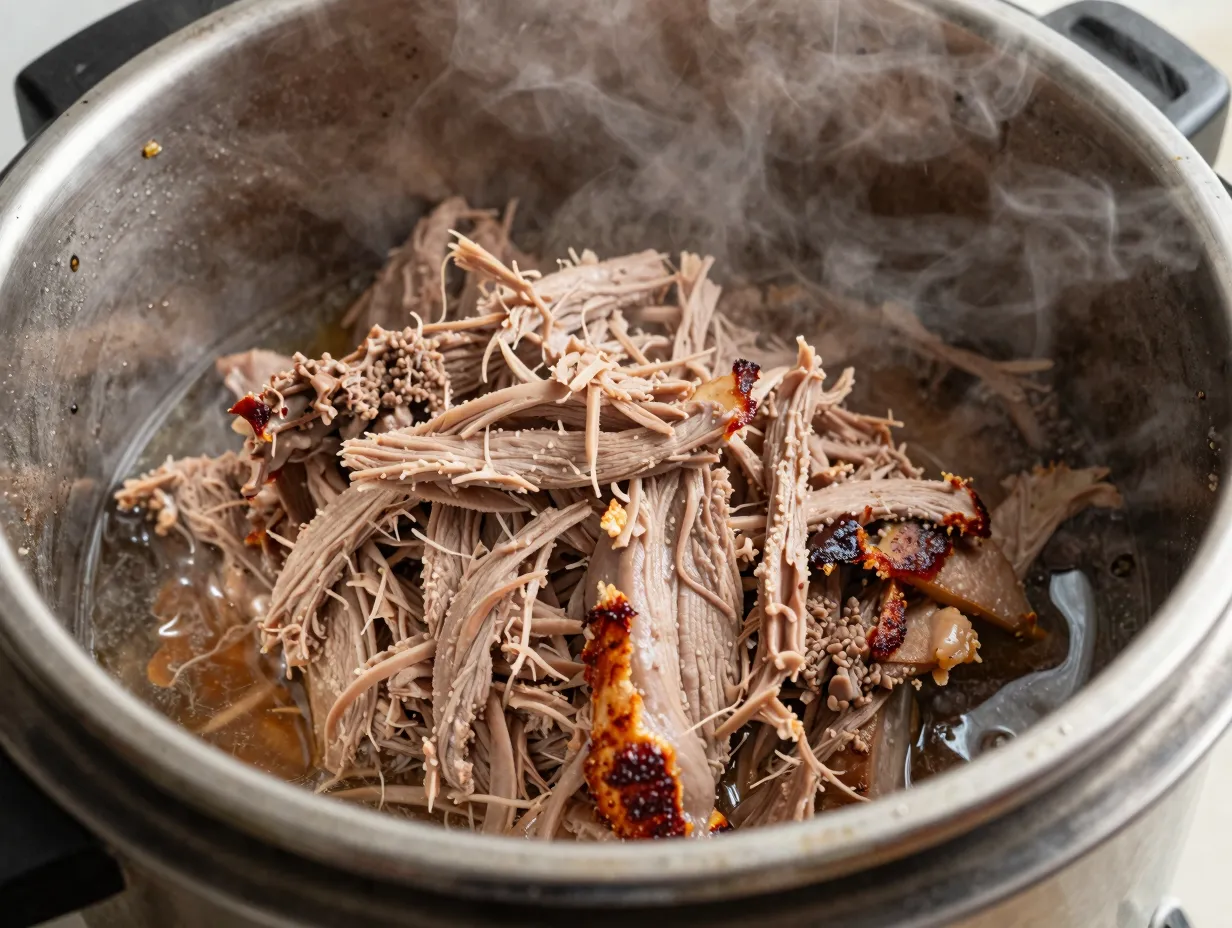
Pulled pork used to mean an all-day smoke session. A pressure cooker changes that equation entirely.
Season a 900-gram (2-pound) pork shoulder with smoked paprika, garlic powder, onion powder, brown sugar, salt, and black pepper. Add half a cup of chicken broth and cook on high pressure for 60 minutes with a natural release. The result is fork-tender, deeply flavored pulled pork that shreds effortlessly. A 200-gram serving provides approximately 42 to 45 grams of protein [2].
The pressure cooker advantage is not just speed. The sealed, pressurized environment forces moisture into the muscle fibers of the pork, producing a tenderness that normally requires hours of low-and-slow cooking. For weeknight meal prep, this is a significant practical win.
Serve over a baked sweet potato, in a whole grain bun, or over cauliflower rice for a lower-carbohydrate option. The pulled pork refrigerates well for up to four days and freezes for up to three months, making it one of the best batch-cook proteins on this list.
8. Black Bean Tacos
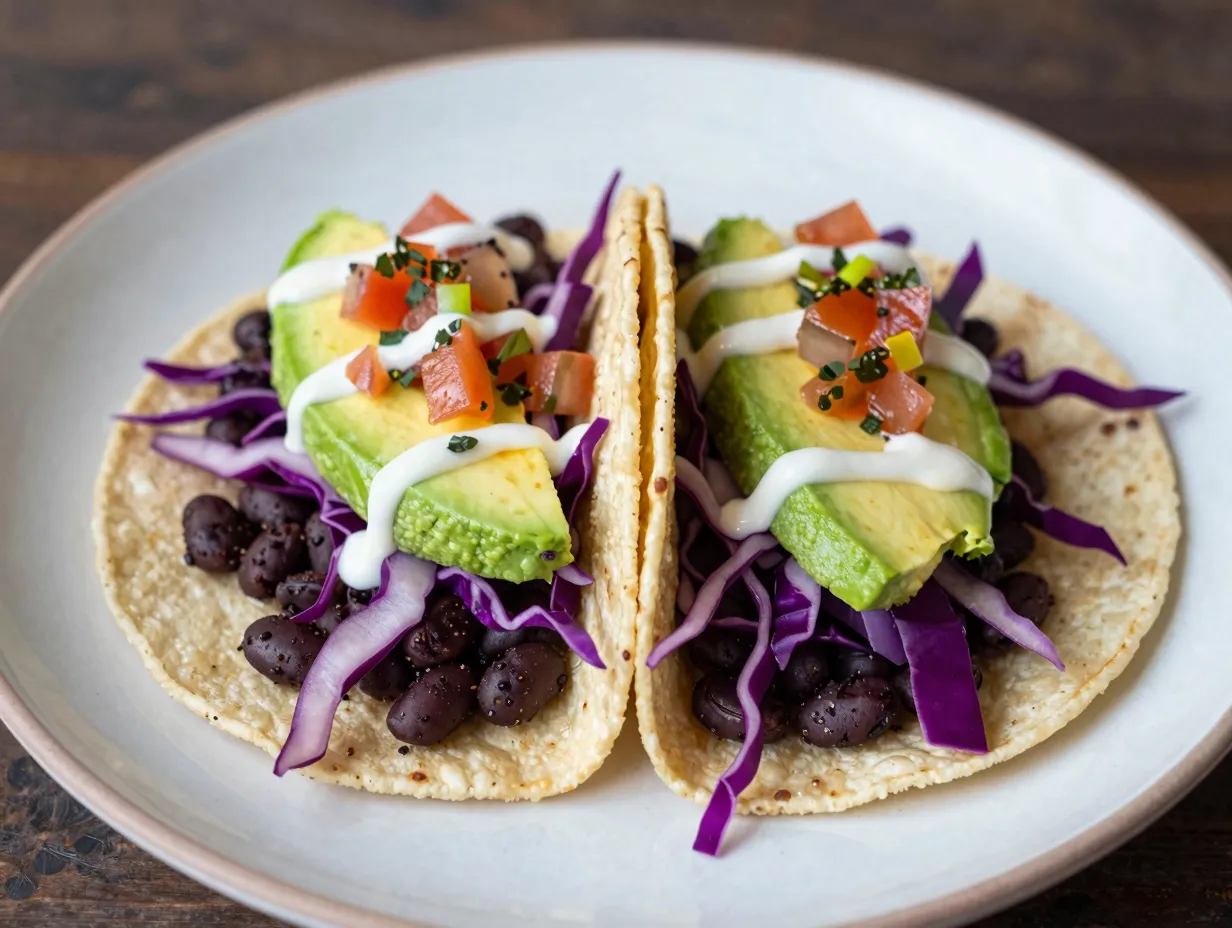
The final entry in this collection of 8 high protein dinner ideas that keep you full, fueled, and coming back for more proves that you do not need meat to hit a serious protein target at dinner.
Two cups of cooked black beans, seasoned with cumin, smoked paprika, lime juice, and a pinch of cayenne, serve as the protein base. Load them into corn tortillas and top with shredded cabbage, pico de gallo, sliced avocado, and a drizzle of chipotle-lime sauce. Two generous tacos with a full cup of beans per serving provide approximately 30 grams of protein from the beans alone, with additional protein from any dairy toppings [2].
Black beans are also one of the highest-fiber legumes available, with roughly 15 grams of fiber per cup. Fiber slows gastric emptying, which extends the feeling of fullness and moderates the blood sugar response after eating. For anyone managing weight or blood sugar levels, this dual protein-and-fiber profile makes black bean tacos a genuinely strategic dinner choice.
Protein boost: Add a quarter cup of crumbled cotija cheese or a dollop of full-fat Greek yogurt to each taco. Either option adds 5 to 8 additional grams of protein with minimal effort.
How to Build Your Own High-Protein Dinner Formula
Once you understand the pattern behind these 8 meals, you can create your own variations indefinitely. The formula is consistent across every recipe:
Lean protein anchor + complex carbohydrate base + fiber-rich vegetable + flavor system = satisfying high-protein dinner
The protein anchor should contribute at least 35 grams on its own. The complex carbohydrate — rice, quinoa, sweet potato, lentil pasta — provides sustained energy and helps shuttle amino acids into muscle tissue. The vegetable layer adds fiber, micronutrients, and volume, which increases physical fullness without adding significant calories. The flavor system — spice blends, sauces, acids like lemon or lime — is what makes you want to come back for the meal again next week.
Common mistakes to avoid:
- Skipping the carbohydrate entirely in an attempt to reduce calories, which often leads to overeating later in the evening
- Under-seasoning protein, which makes meals feel punishing rather than satisfying
- Relying on the same two or three proteins every week, which leads to flavor fatigue and eventually abandoning the habit altogether
- Forgetting that cooking oil, sauces, and cheese contribute significant calories even when the protein content is high
Meal Prep Strategy for the Week
Cooking high-protein dinners every single night is not realistic for most people. A smarter approach is to batch-cook two or three proteins at the start of the week and rotate them across different flavor systems.
Sample weekly prep plan:
| Day | Protein | Base | Flavor System |
|---|---|---|---|
| Monday | Grilled chicken breast | Sweet potato | Garlic, paprika, lemon |
| Tuesday | Rotisserie chicken | Quinoa | BBQ sauce |
| Wednesday | Baked salmon | Brown rice | Soy, sesame, ginger |
| Thursday | Pulled pork | Cauliflower rice | Smoked paprika, cumin |
| Friday | Black beans | Corn tortillas | Chipotle-lime |
By prepping the grilled chicken, baked salmon, and pulled pork on Sunday, you reduce weeknight cooking to assembly and reheating — typically 10 minutes or less per meal.
Conclusion
The 8 high protein dinner ideas that keep you full, fueled, and coming back for more in this guide share a common thread: they are built on real, accessible ingredients, they hit meaningful protein targets, and they are designed to fit into a normal week rather than an idealized one.
Here are your actionable next steps for 2026:
- Choose two or three recipes from this list that match your current skill level and available equipment. Start there rather than attempting all eight at once.
- Set aside 60 to 90 minutes on a Sunday to batch-cook your protein anchors for the week. Grilled chicken, baked salmon, and pressure cooker pulled pork all refrigerate well for three to four days.
- Stock your pantry with the core flavor systems — soy sauce, sesame oil, smoked paprika, cumin, garlic powder, and rice vinegar — so that seasoning a high-protein meal requires no additional shopping trips.
- Track your protein intake for one week using a free app. Most people are surprised to discover they are falling short of their targets, and that awareness alone tends to drive better food choices.
- Revisit the batch-cook strategy after two weeks and adjust based on which meals you actually enjoyed eating. Sustainability matters more than perfection.
Eating enough protein at dinner does not require a nutrition degree, expensive ingredients, or hours in the kitchen. It requires a reliable set of recipes and a basic system for getting them on the table. These eight meals give you both.
References
[1] High Protein Dinner Ideas – https://ttrening.com/learn/articles/high-protein-dinner-ideas?utm_source=openai
[2] Best High Protein Dinner – https://www.mensfitness.com/nutrition/best-high-protein-dinner?utm_source=openai