9 Healthy Recipes for Picky Eaters That the Whole Family Will Actually Love
Nearly 50 percent of parents in the United States report that at least one child in their household qualifies as a picky eater, and yet most family nutrition advice still assumes everyone at the table will cheerfully eat roasted Brussels sprouts. That gap between reality and advice is exactly why I put together this guide to 9 Healthy Recipes for Picky Eaters That the Whole Family Will Actually Love. These are not bland compromise meals or joyless “health food” plates. They are genuinely delicious dishes that happen to be packed with nutrients, and they have been tested on real families with real opinions.
Disclosure: This post contains affiliate links. As an Amazon Associate, we earn from qualifying purchases, and at no extra cost to you.

Whether you are feeding a five-year-old who only accepts beige food or a teenager who claims to hate “anything green,” the recipes in this list work by meeting picky eaters where they are, familiar textures, recognizable flavors, and zero lectures about vegetables.
Key Takeaways
- Hidden vegetable techniques, such as blending spinach into pasta sauce or pureeing squash into cheese sauce, allow you to boost nutrition without triggering food refusals.
- Familiar comfort foods like mac and cheese, quesadillas, and chicken tenders can be upgraded with whole grains and vegetables without changing the flavors kids already love.
- Involving children in simple prep steps increases the likelihood they will try and enjoy new foods.
- Balanced meals do not require exotic ingredients, most of these recipes use pantry staples available at any grocery store.
- Consistency and low-pressure presentation matter more than any single recipe; offer new foods repeatedly alongside accepted favorites.
Why Most “Healthy” Recipes Fail Picky Eaters
Before diving into the recipes themselves, it is worth understanding why so many well-intentioned healthy meals get rejected at the dinner table. Picky eating is not simply stubbornness. Research in pediatric nutrition consistently shows that children have heightened sensitivity to bitter compounds, strong smells, and unfamiliar textures. Adults who dismiss this as a phase often create more mealtime conflict, which ironically makes picky eating worse over time.
The recipes in this guide sidestep those triggers by using three core strategies:
Strategy 1: Concealment. Vegetables are blended, grated finely, or folded into familiar dishes so their texture and appearance do not set off alarm bells.
Strategy 2: Familiar formats. Tacos, pasta, pancakes, and wraps are formats most children already accept. Upgrading the ingredients inside those formats is far more effective than introducing entirely new dishes.
Strategy 3: Visual appeal. Color and presentation matter. A wrap filled with rainbow vegetables is more likely to be eaten than a pile of the same vegetables on a plate.
With those principles in mind, here are the 9 Healthy Recipes for Picky Eaters That the Whole Family Will Actually Love.
9 Healthy Recipes for Picky Eaters That the Whole Family Will Actually Love
1. Butternut Squash Mac and Cheese
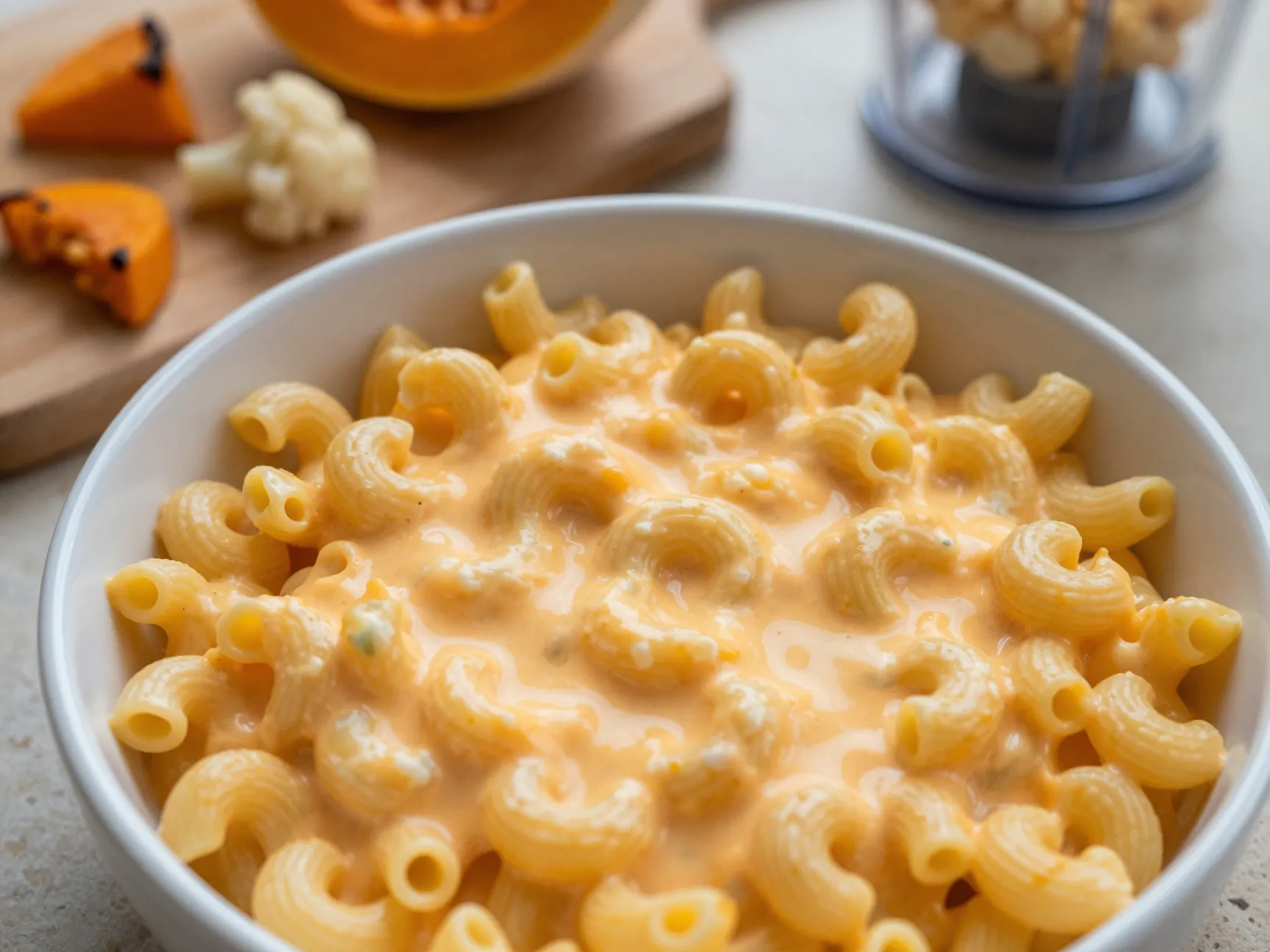
Mac and cheese is the single most universally accepted dish among picky eaters in my experience, which makes it the perfect vehicle for hidden nutrition. This version blends pureed butternut squash and cauliflower directly into the cheese sauce, adding fiber, vitamin A, and potassium without altering the creamy, cheesy flavor that makes the dish so popular [1].
How to make it work:
- Roast the squash and cauliflower until very soft before blending. Any lumps will be noticed immediately by texture-sensitive eaters.
- Use a sharp cheddar rather than mild. The stronger flavor masks the faint sweetness of the squash.
- Keep the pasta shape consistent with what your family already eats. Switching from elbows to shells on the same night you change the sauce is asking for trouble.
Nutritional upgrade at a glance:
| Ingredient Added | Key Nutrient | Benefit |
|---|---|---|
| Butternut squash | Vitamin A, fiber | Immune support, digestive health |
| Cauliflower | Vitamin C, folate | Antioxidant protection |
| Sharp cheddar | Calcium, protein | Bone strength |
2. Hidden Veggie Pasta Sauce
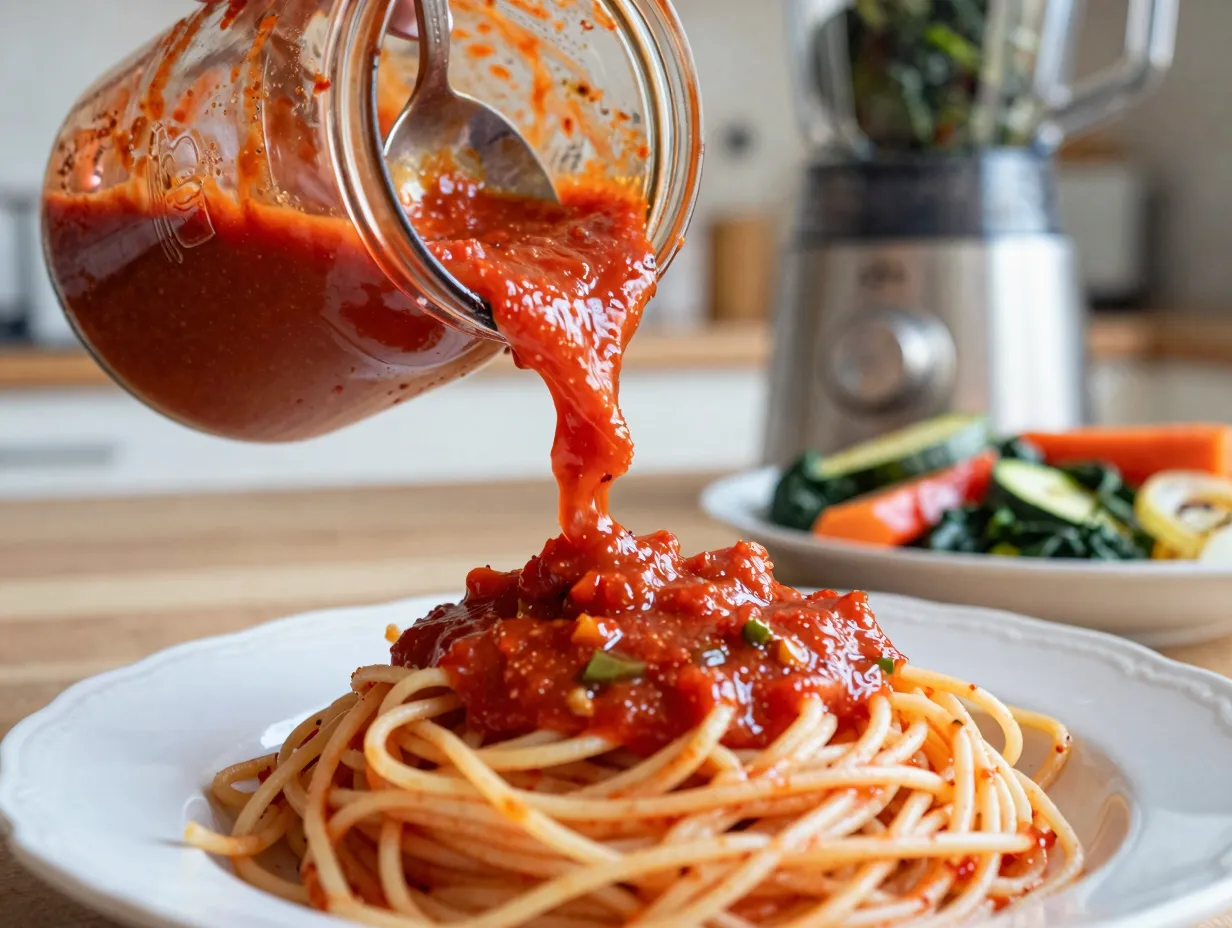
A tomato-based pasta sauce is another ideal hiding place for vegetables. This version blends spinach, zucchini, carrots, bell peppers, and onions into a smooth, rich sauce that looks and tastes like a standard marinara [1]. The secret is blending everything completely, no chunks, no flecks of green visible on the surface.
I started making this sauce when my nephew refused to eat anything that was not pasta with “plain red sauce.” After switching to this version, he was unknowingly eating five vegetables per serving. He is now twelve and still does not know.
Tips for success:
- Saute all vegetables until very soft before blending. Raw or undercooked vegetables will leave a bitter edge.
- Add a small pinch of sugar to balance the acidity of the tomatoes and the bitterness of the spinach.
- Freeze portions in ice cube trays so you always have a nutrient-dense sauce ready on busy weeknights.
“The best way to get more vegetables into a picky eater’s diet is not to fight the battle at the table, it is to win it in the kitchen before the food is ever served.”
3. Veggie-Loaded Quesadillas
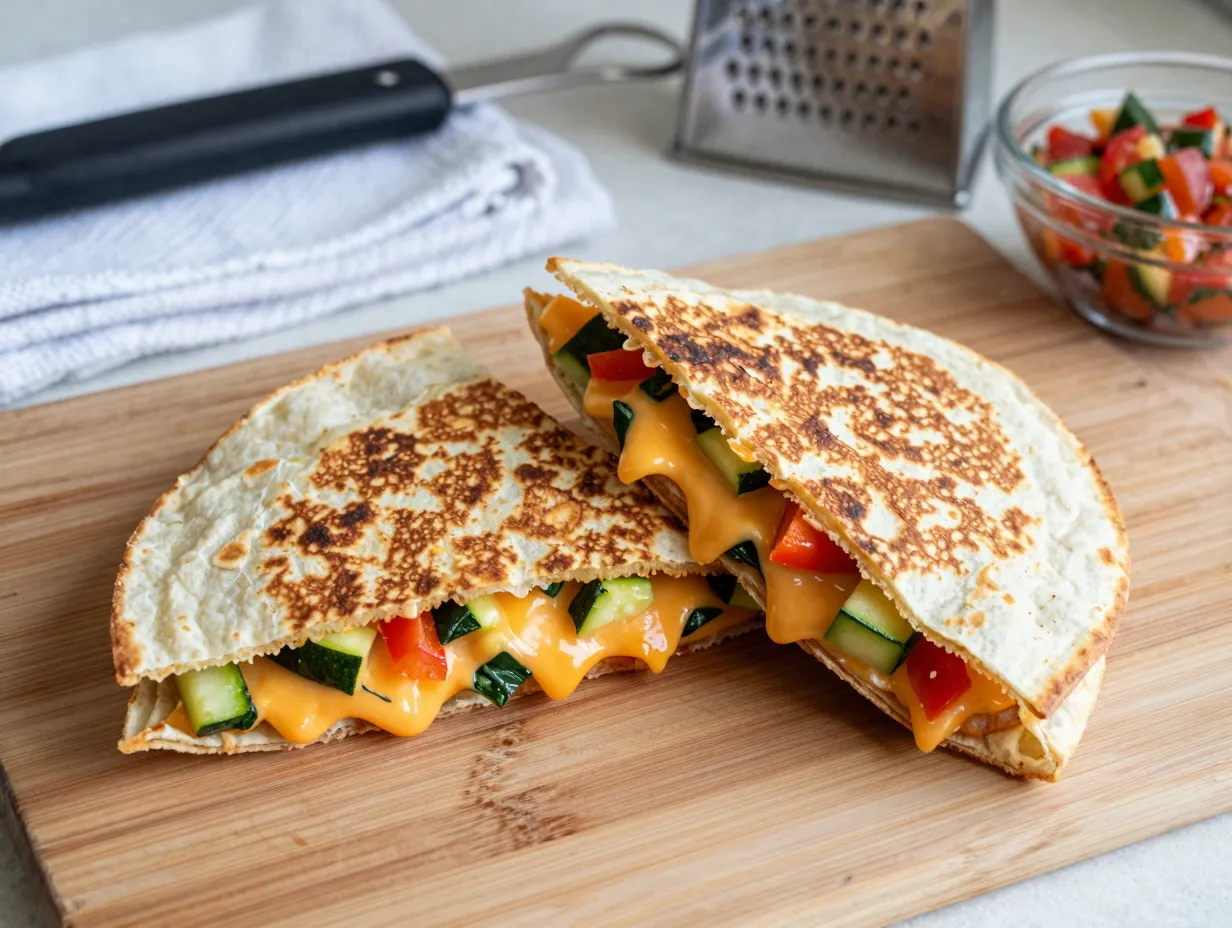
Quesadillas are one of the most flexible formats in family cooking. This version finely grates zucchini, bell pepper, and spinach, then mixes them with shredded cheddar cheese before folding everything into a crispy tortilla [1]. The key word here is “finely.” A box grater produces vegetable pieces small enough to disappear into melted cheese entirely.
Step-by-step approach:
- Grate zucchini and squeeze out excess moisture using a clean kitchen towel. Wet zucchini makes soggy quesadillas.
- Chop bell pepper and spinach as finely as possible, or pulse them briefly in a food processor.
- Cook over medium heat until the tortilla is golden and the cheese is fully melted. Serve with a mild salsa or sour cream for dipping.
This dish works equally well as a weeknight dinner, a school lunch packed cold, or a quick after-school snack. The entire preparation takes under fifteen minutes.
4. Baked Chicken Tenders with Whole Grain Coating
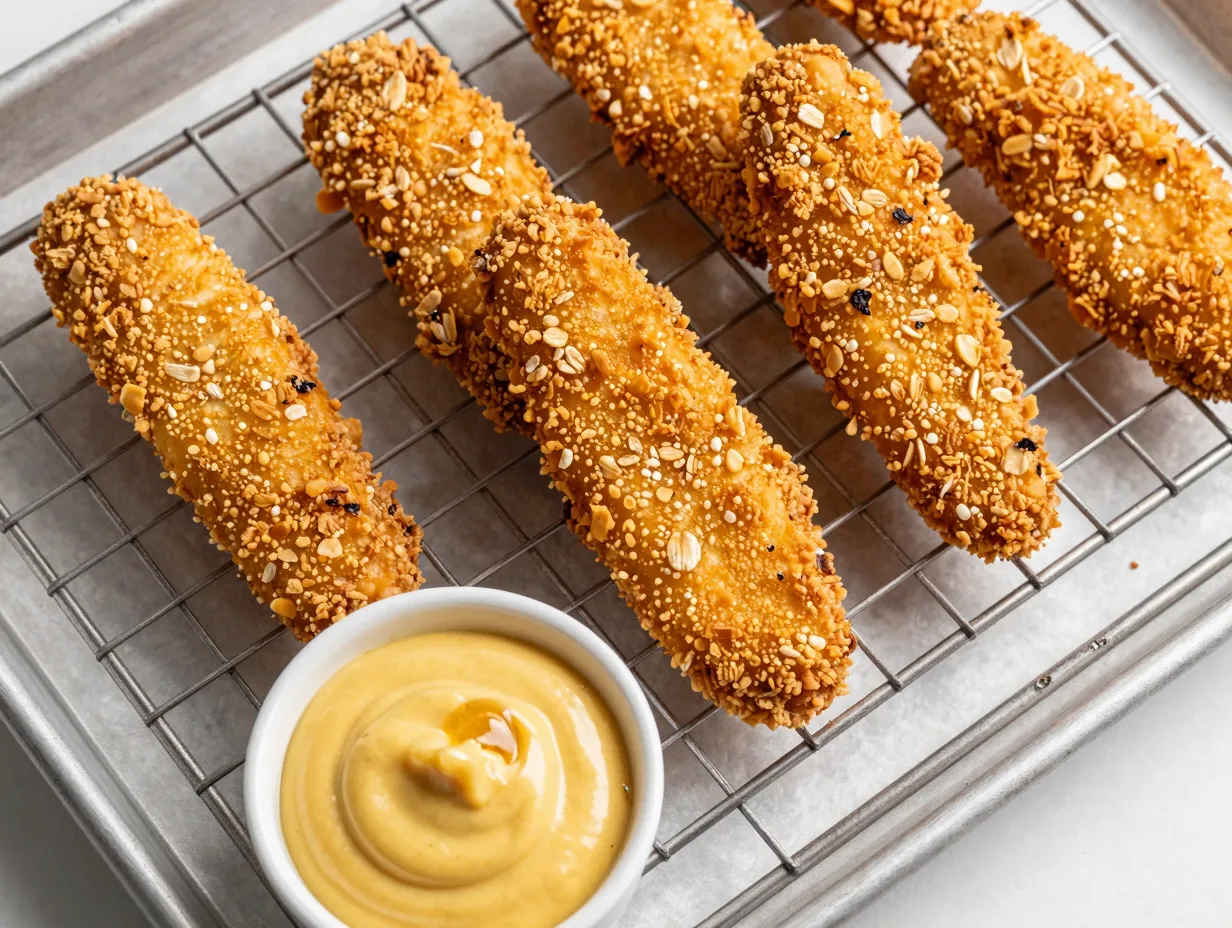
Chicken tenders are beloved by picky eaters of virtually every age, but the standard fried version is high in saturated fat and refined carbohydrates. This upgraded recipe coats chicken strips in a blend of panko breadcrumbs and finely ground oat flour, then bakes them at high heat to achieve a genuinely crunchy exterior [2].
Why this works for picky eaters:
The texture is the critical factor. Picky eaters who love chicken tenders are often responding to the crunch as much as the flavor. Baking at 425 degrees Fahrenheit on a wire rack elevated above the baking sheet allows hot air to circulate underneath, producing a crust that rivals the fried version.
Serving suggestions:
- Pair with a mild honey mustard dip made from equal parts Dijon mustard and honey.
- Serve alongside sweet potato fries for a complete meal that stays within the “acceptable beige food” category many young picky eaters prefer.
- Make a double batch and freeze half for a quick protein option on busy nights.
5. Stuffed Bell Peppers with Ground Beef and Rice
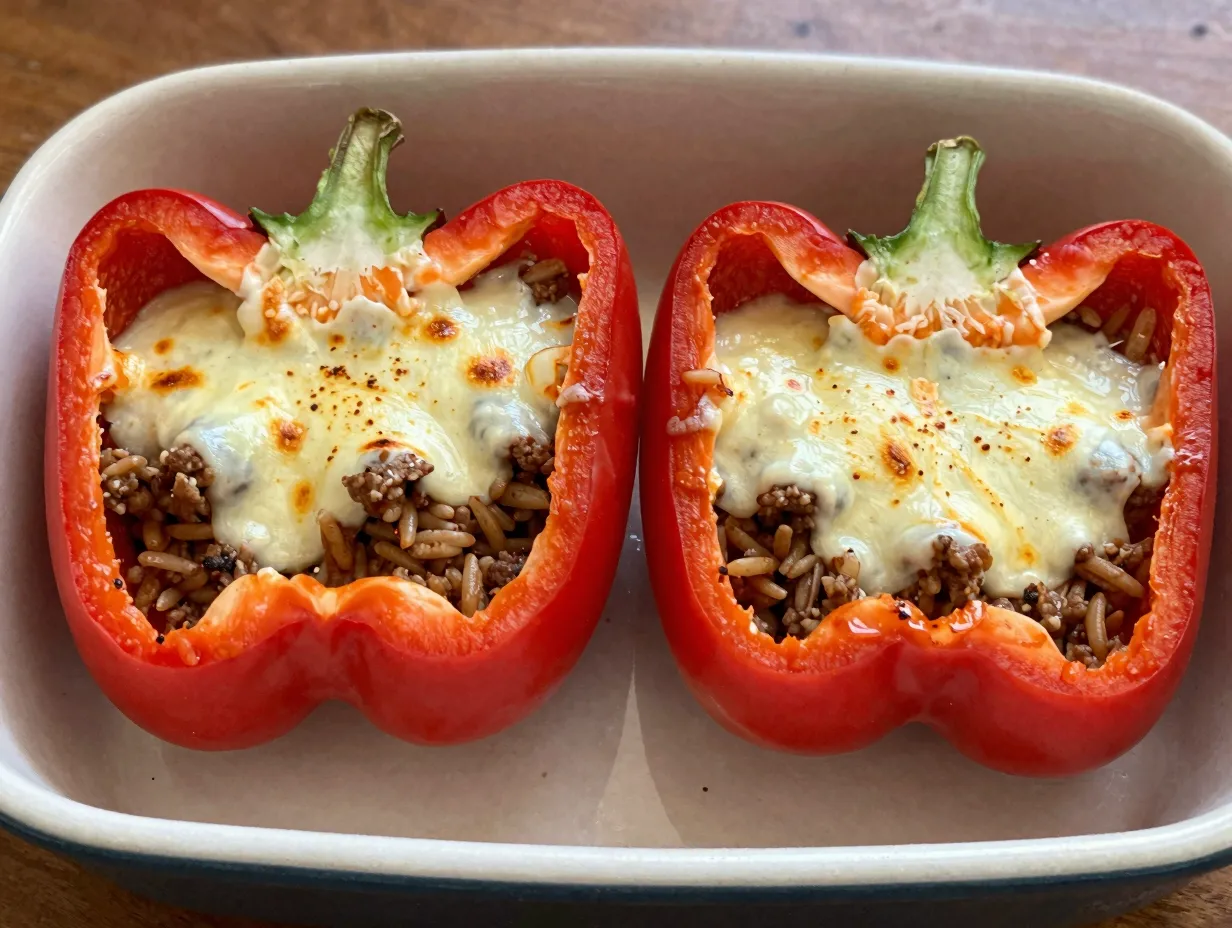
Stuffed bell peppers have a reputation as an adult dish, but this simplified version uses mild seasoning and a familiar ground beef and rice filling that most picky eaters find completely acceptable [2]. The pepper itself becomes a bowl, which, for some children, is the most appealing part of the presentation.
Making it picky-eater friendly:
- Use red or orange bell peppers rather than green. They are sweeter and less bitter, which reduces the chance of rejection.
- Keep the seasoning mild: garlic powder, a small amount of Italian seasoning, salt, and pepper. Avoid anything spicy.
- Top with shredded mozzarella during the last five minutes of baking. Melted cheese on top signals “this is acceptable” to most picky eaters.
Nutrition per serving (approximate):
- Protein: 24 grams
- Fiber: 3 grams
- Vitamin C: 150 percent of daily value (from the pepper)
- Iron: 15 percent of daily value
6. Hamburger Vegetable Soup
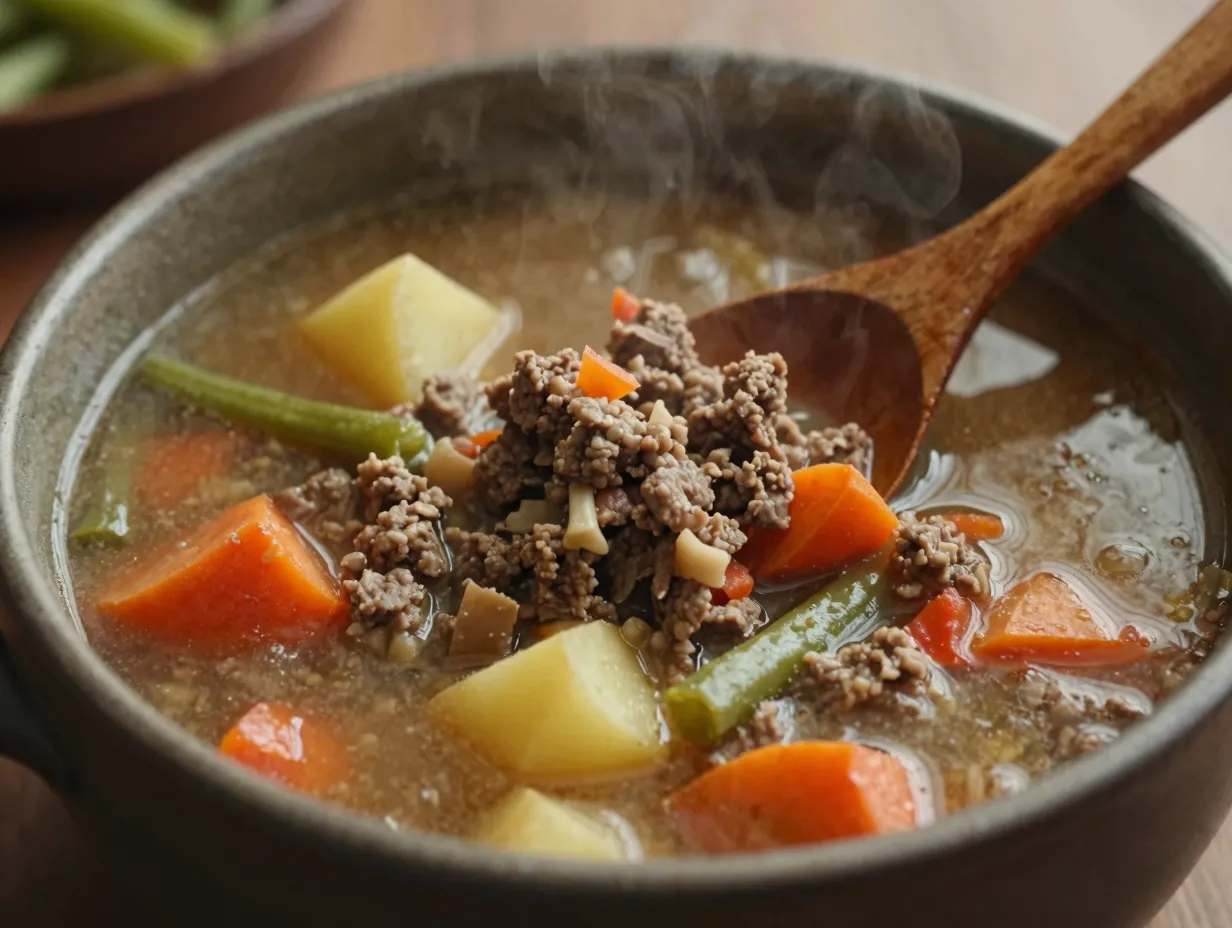
Soup is an underrated vehicle for picky-eater nutrition because the long cooking time softens vegetables until they are barely distinguishable in texture from the broth itself. This hearty version combines ground beef, carrots, potatoes, and green beans in a savory broth, cooking everything until completely tender [2].
The ground beef is the anchor. Most picky eaters who accept beef in other forms, burgers, tacos, pasta sauce, will accept it here. The vegetables essentially absorb the flavor of the beef broth and become secondary to the overall experience.
Key preparation notes:
- Brown the ground beef first and drain excess fat before adding the broth and vegetables. This keeps the soup from becoming greasy.
- Cut all vegetables into small, uniform pieces so they cook evenly and are easy to eat without requiring cutting at the table.
- A small can of diced tomatoes adds depth without making the soup taste “tomatoey” in a way that might trigger rejection.
This soup also reheats beautifully, making it an excellent meal-prep option for the week.
7. Banana-Oat Blender Pancakes
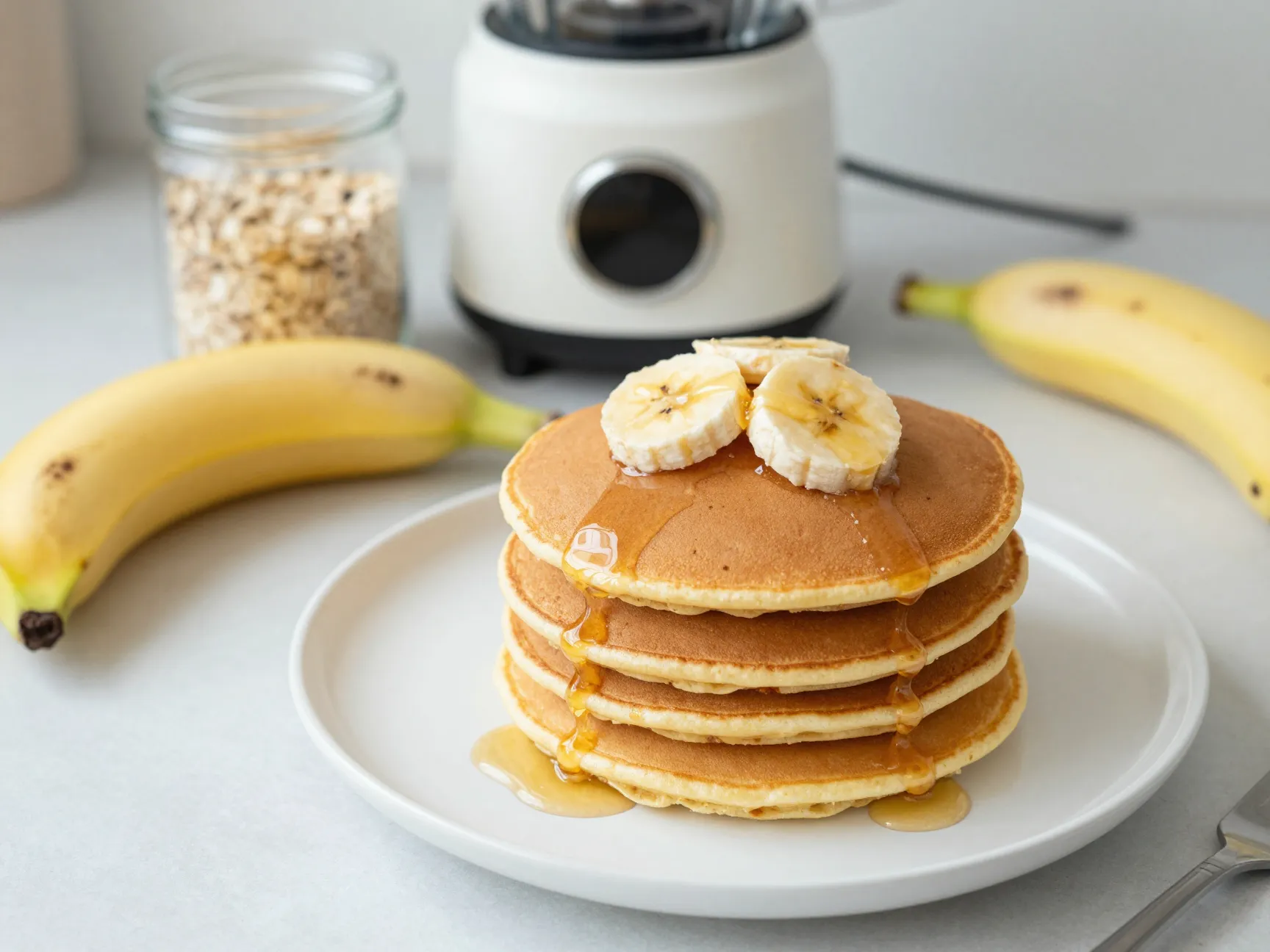
Breakfast is often the most contentious meal for families with picky eaters because mornings are rushed and patience is low. These two-ingredient pancakes, made from ripe bananas and rolled oats blended together, solve both the nutrition problem and the time problem simultaneously [3].
The bananas provide natural sweetness, potassium, and quick energy. The oats add fiber and complex carbohydrates that keep children full through the morning. The entire batter takes ninety seconds to make in a blender.
Variations to try:
- Add a tablespoon of peanut butter to the batter for extra protein and a flavor that most children love.
- Fold in a small handful of blueberries or mini chocolate chips after blending. Both additions make the pancakes feel more special without adding significant sugar.
- Top with sliced banana and a drizzle of honey instead of maple syrup to reduce added sugar.
Why picky eaters accept these: The texture is softer and slightly denser than traditional pancakes, which some texture-sensitive children actually prefer. They also look and function exactly like regular pancakes, so there is no visual cue that anything is different.
8. Rainbow Veggie and Hummus Wraps
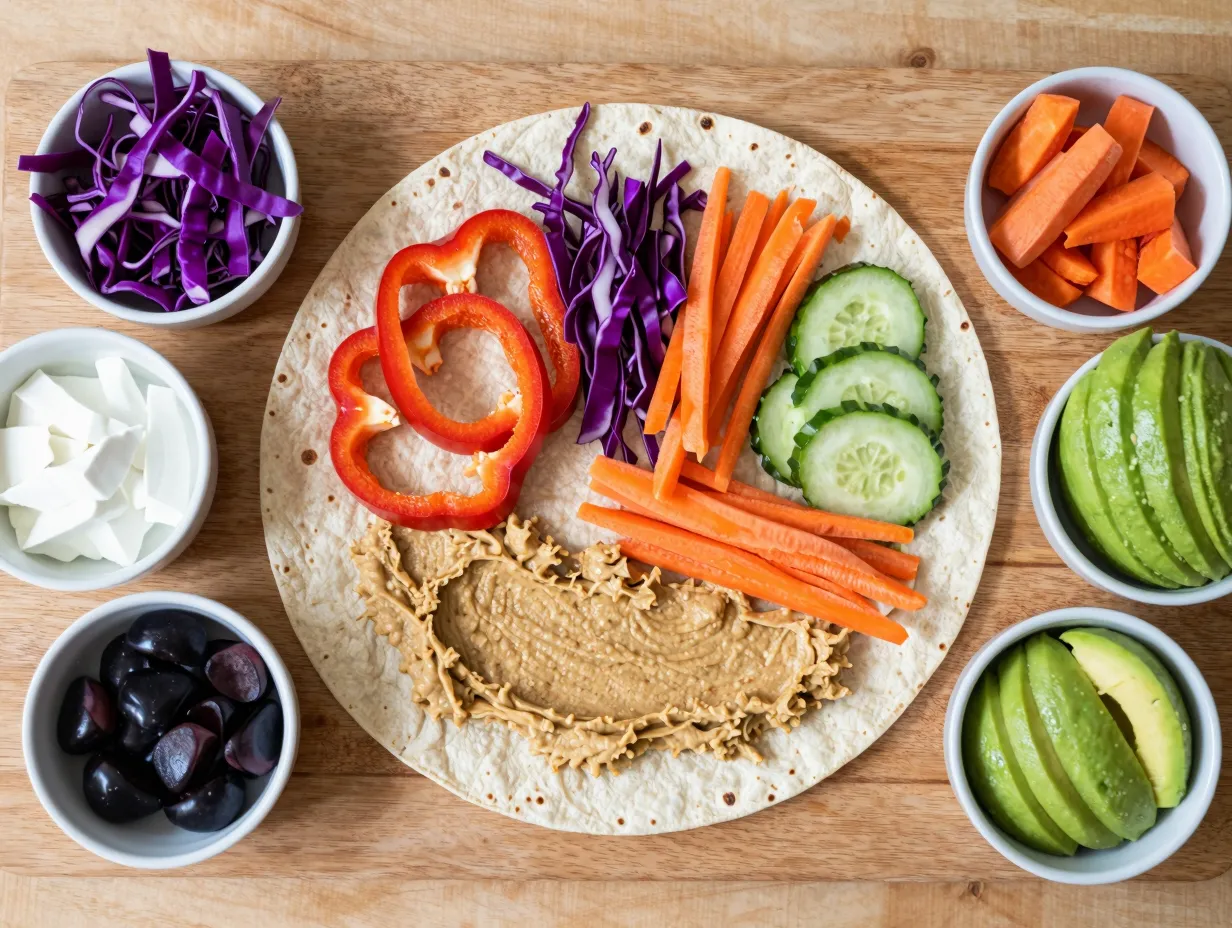
This recipe leans into visual appeal as its primary strategy. A wholemeal tortilla spread with hummus and filled with thinly sliced colorful vegetables, red bell pepper, shredded purple cabbage, cucumber, shredded carrot, and avocado, creates a meal that is visually striking enough to generate curiosity rather than immediate refusal [4].
The hummus is the functional key. It acts as both a spread and a flavor bridge, coating the vegetables in a creamy, savory layer that softens their individual flavors. Children who would refuse raw bell pepper on a plate will often eat it when it is wrapped in a tortilla with hummus.
Making it interactive:
One of the most effective strategies for picky eaters is involving them in assembly. Set out the ingredients in small bowls and let each family member build their own wrap. This gives children a sense of control, which research consistently links to greater willingness to try new foods.
Suggested fillings by acceptance level:
- High acceptance: Shredded carrot, cucumber, avocado, mild cheddar
- Medium acceptance: Red bell pepper, shredded cabbage, corn
- Introduce gradually: Spinach, arugula, roasted red onion
9. Cheesy Veggie Quesadillas (Upgraded Version)
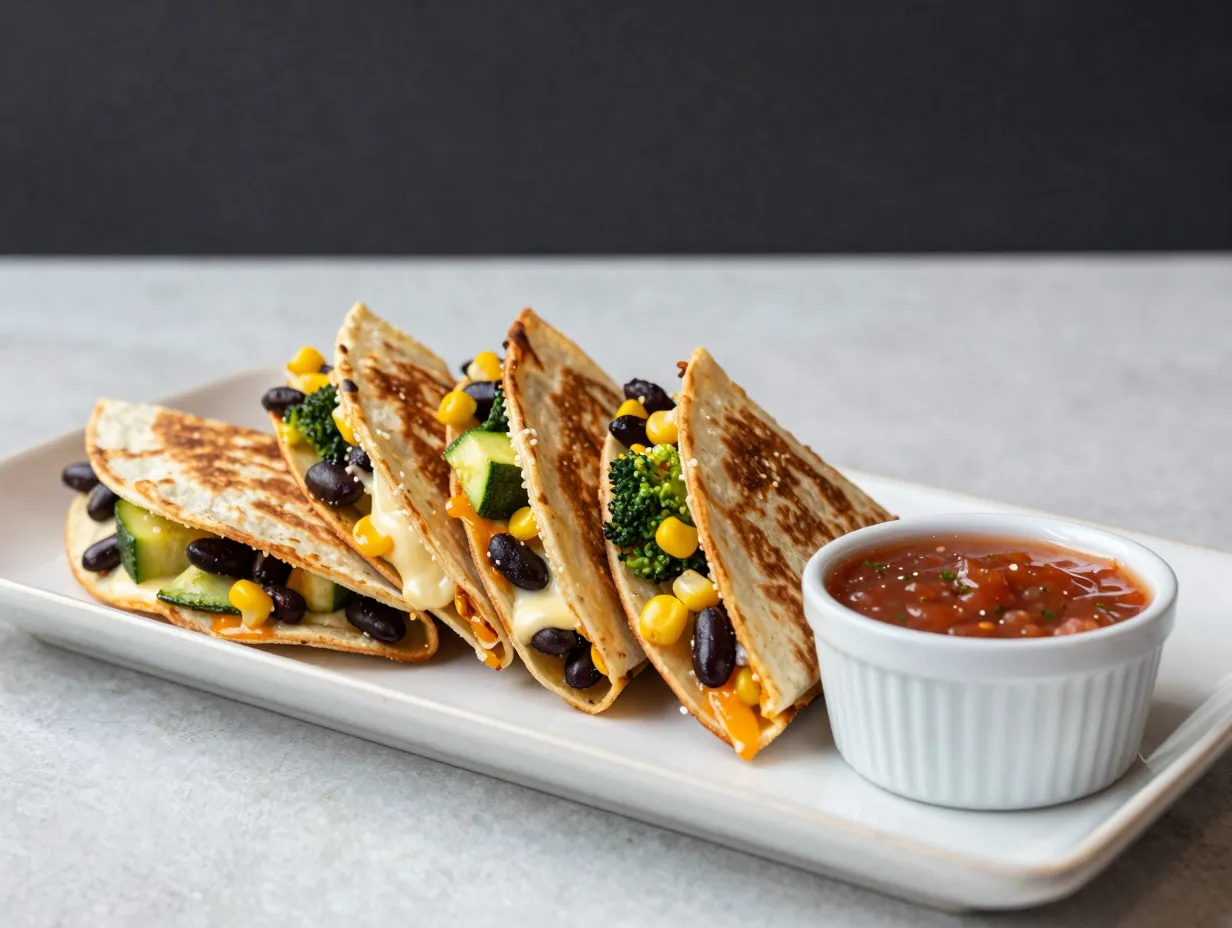
This ninth recipe is a deliberate variation on Recipe 3 that targets slightly older picky eaters or families who want a more substantial meal. Where Recipe 3 uses raw grated vegetables, this version lightly sautes the vegetables first, diced zucchini, corn, black beans, and finely chopped broccoli, before mixing them with a generous amount of shredded Monterey Jack cheese [5].
The sauteing step changes the flavor profile significantly. Cooked vegetables are milder and sweeter than raw ones, which makes them more palatable to eaters who are sensitive to bitter or sharp flavors. Black beans add protein and fiber, making this a genuinely filling meal rather than a snack.
Serving and presentation tips:
- Cut into triangles and serve standing upright in a row rather than flat on a plate. The visual presentation is more interesting and encourages engagement.
- Offer a small ramekin of mild salsa, guacamole, or plain Greek yogurt (as a sour cream substitute) for dipping.
- For adults at the table, add a dash of hot sauce or pickled jalapenos on the side without altering the main quesadilla.
Why this rounds out the list: Together, Recipes 3 and 9 demonstrate how a single format, the quesadilla, can be adapted across different age groups, preference levels, and nutritional goals. This is the core principle of cooking for picky eaters: find the formats that work and build from there.
Practical Strategies to Make These Recipes Even More Effective
Having nine great recipes is a strong start, but the context in which you serve food matters as much as the food itself. Here are the most effective evidence-backed strategies I have found for reducing mealtime conflict:
Serve new foods alongside accepted foods. Never make a meal where everything on the plate is unfamiliar. Pair one new item with two or three foods the child already accepts. This reduces anxiety and makes trying the new food feel lower-stakes.
Avoid short-order cooking. Making an entirely separate meal for a picky eater reinforces the behavior. Instead, ensure that at least one component of the family meal is something the picky eater reliably accepts, while still offering the full meal to everyone.
Repeat exposure without pressure. Research suggests children may need to be exposed to a new food ten to fifteen times before accepting it. Offer without comment, without pressure, and without visible frustration. Simply having the food present at the table counts as an exposure.
Keep portions small for new items. A tiny portion of a new food is far less threatening than a full serving. A single floret of broccoli on a plate is not a battle. A pile of broccoli is.
Praise tasting, not finishing. “I noticed you tried one bite of that, that was brave” is more effective long-term than “Good job cleaning your plate.” The goal is to build a positive relationship with food, not to win individual meals.
Common Mistakes to Avoid When Cooking for Picky Eaters
Even with the best recipes, certain preparation and presentation mistakes can undermine your efforts. Watch out for these:
- Announcing the hidden ingredients. If you tell a child there is spinach in the pasta sauce before they eat it, you have already lost. Let them enjoy the meal first.
- Changing too many things at once. If you switch the pasta shape, the sauce, and the protein all in the same meal, picky eaters will notice the unfamiliarity even if they cannot articulate what changed.
- Inconsistent seasoning. Picky eaters are often highly sensitive to flavor. If your butternut squash mac and cheese tastes slightly different each time, they will notice and become suspicious of it.
- Serving food too hot or too cold. Temperature sensitivity is real. Many picky eaters prefer food at a specific temperature. Let dishes cool slightly before serving.
- Making mealtime a power struggle. The more emotional energy a meal carries, the more likely it is to be rejected. Keep the atmosphere calm and conversation focused on topics other than what is being eaten.
Conclusion
The 9 Healthy Recipes for Picky Eaters That the Whole Family Will Actually Love in this guide share a common philosophy: work with picky eaters rather than against them. By using familiar formats, concealing vegetables in sauces and fillings, and keeping flavors within the range of what your family already accepts, you can dramatically improve the nutritional quality of weeknight meals without triggering the mealtime battles that drain everyone’s energy.
Your actionable next steps for this week:
- Choose one recipe from this list that most closely matches a meal your family already accepts. Start there, not with the most ambitious option.
- Make a double batch of the Hidden Veggie Pasta Sauce and freeze half. Having a nutrient-dense sauce ready to go removes the biggest barrier to healthy weeknight cooking: time.
- Involve at least one family member in the preparation of the Rainbow Veggie and Hummus Wraps. The assembly format is specifically designed for participation.
- Commit to serving one new recipe per week for the next nine weeks. By the end of that period, you will have introduced all nine recipes at least once, and some will have already become family favorites.
Progress with picky eaters is measured in months, not meals. Every low-pressure exposure to a new food is a step forward, even when it does not look like one in the moment.
References
[1] 20 Healthy Meals Designed For Picky Eaters – https://cookcleanrepeat.com/20-healthy-meals-designed-for-picky-eaters/?utm_source=openai
[2] Healthy Recipes For Picky Eaters That Dont Feel Like A Compromise – https://thegourmethost.com/healthy-recipes-for-picky-eaters-that-dont-feel-like-a-compromise/?utm_source=openai
[3] Clean Eating For Picky Eaters – https://mealprepify.com/clean-eating-for-picky-eaters/?utm_source=openai
[4] Healthy Vegetarian Dishes For Picky Eaters – https://kaidooeats.com/blogs/recipes/healthy-vegetarian-dishes-for-picky-eaters?utm_source=openai
[5] 15 Healthy Meal Ideas Picky Eaters – https://healthfullcircle.com/15-healthy-meal-ideas-picky-eaters/?utm_source=openai