8 Homemade Guacamole Recipe Easy Enough for Beginners That Taste Restaurant-Quality
Avocados are the third most-consumed fruit in the United States, yet most home cooks still drive to a restaurant just to get guacamole that actually tastes good. That gap between store-bought disappointment and the real thing is smaller than you think. These 8 homemade guacamole recipe easy enough for beginners that taste restaurant-quality options prove that with the right technique and a few fresh ingredients, anyone can make a bowl of guacamole that rivals the best Mexican restaurant in town, on a Tuesday night, in under 15 minutes.
Disclosure: This post contains affiliate links. As an Amazon Associate, we earn from qualifying purchases, and at no extra cost to you.
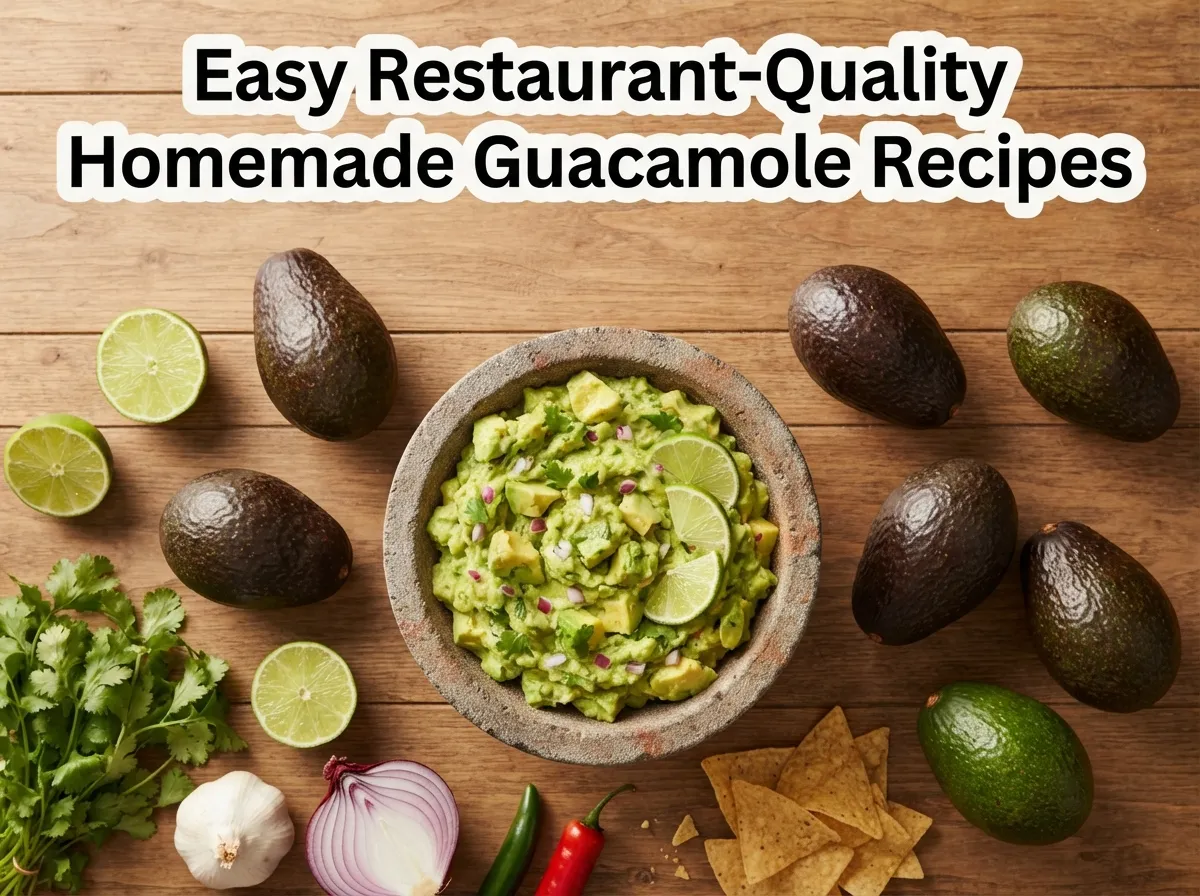
I learned this the hard way. My first attempt at guacamole was a gray, watery mash that tasted like lemon-flavored sadness. After years of testing, adjusting, and eating far too many avocados, I can confidently say the difference between mediocre and magnificent guacamole comes down to a handful of decisions, ripeness, acid balance, salt timing, and knowing when to stop mashing. Every recipe in this list is designed to teach you those principles while delivering real, craveable flavor.
Key Takeaways
- Ripe avocados are non-negotiable; no technique can save an underripe fruit
- Lime juice does double duty, it adds brightness and slows browning
- Salt should be added in layers, not all at once, for the deepest flavor
- Chunky texture almost always beats over-mashed guacamole for restaurant-quality results
- Each of the 8 recipes below builds on a core base, making them easy to customize
Why These 8 Homemade Guacamole Recipes Are Easy Enough for Beginners
Before diving into the individual recipes, it helps to understand what separates a great guacamole from a forgettable one. Restaurant kitchens are not using secret ingredients. They are using fresh produce, proper ratios, and a light hand with the mashing. Once you internalize those three principles, every recipe below becomes intuitive rather than intimidating.
The Core Ingredient Checklist
Every recipe in this list starts with the same foundation. Mastering this base means you can riff on any variation with confidence.
| Ingredient | Amount (per 2 avocados) | Purpose |
|---|---|---|
| Ripe Hass avocados | 2 large | Base, creaminess |
| Fresh lime juice | 1-2 tablespoons | Brightness, preservation |
| Kosher salt | 1/2 teaspoon | Flavor depth |
| White or red onion | 2 tablespoons, minced | Sharpness, texture |
| Fresh cilantro | 2 tablespoons, chopped | Herbal freshness |
| Jalapeño or serrano | 1/2, minced | Heat, complexity |
Picking the Perfect Avocado
This is the single most important skill in guacamole-making. A ripe Hass avocado should yield to gentle pressure from your palm, not your fingertips, which can bruise the flesh. The skin should be dark green to nearly black. If the small stem cap flicks off easily and reveals green underneath, the avocado is ready [1]. If it reveals brown, it is overripe. If the cap does not budge, give it another day on the counter.
“The avocado is the star of the show. Every other ingredient is supporting cast.”, A principle repeated across every credible guacamole recipe source.
1. Classic Restaurant-Style Guacamole
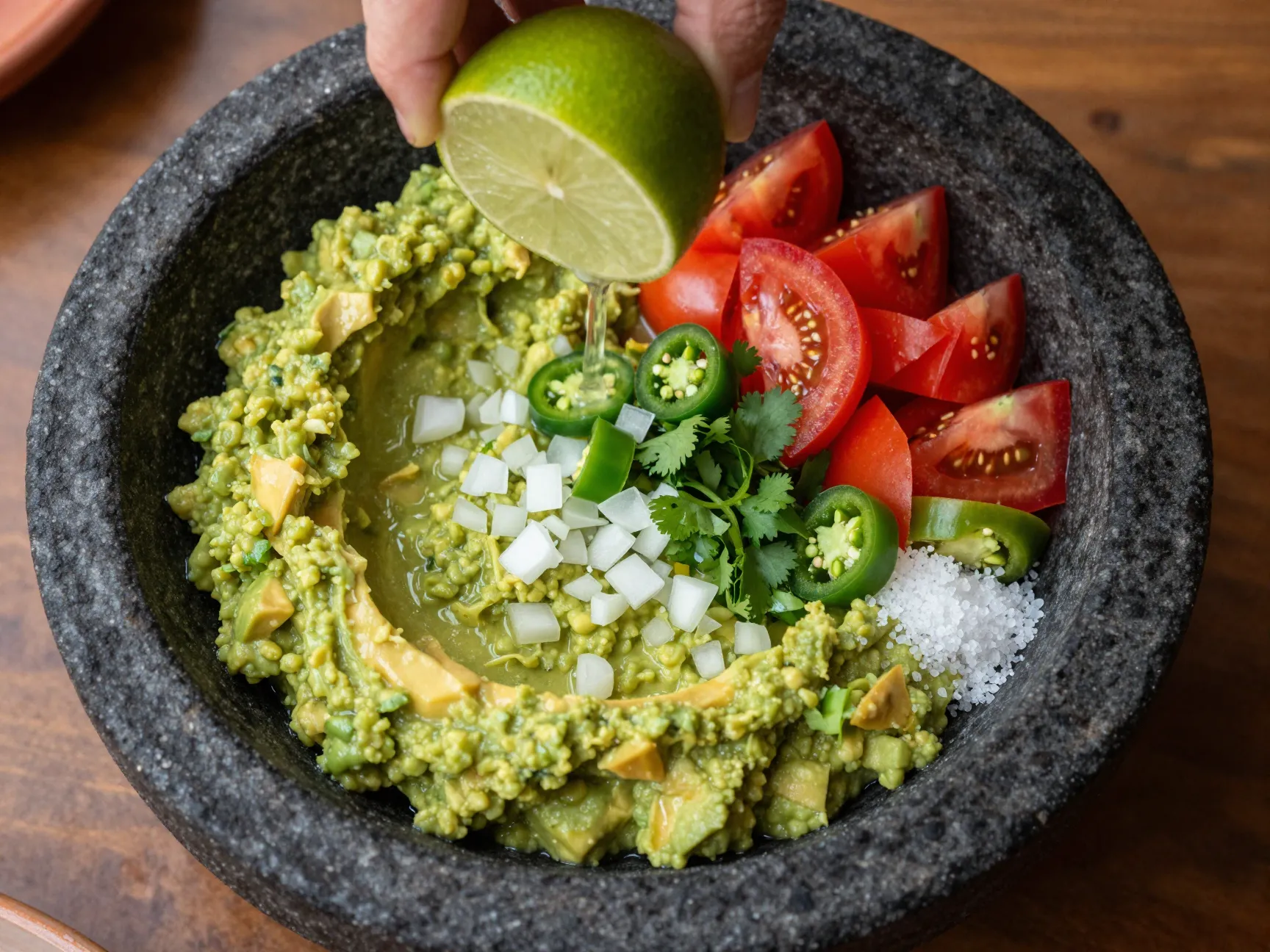
This is the recipe that started my obsession. It is the one you order at a Mexican restaurant when they make it tableside in a molcajete, and it is the benchmark against which every other version should be measured.
Ingredients: 3 ripe Hass avocados, 1 lime (juiced), 1/2 teaspoon kosher salt, 2 tablespoons minced white onion, 1 serrano or jalapeño (seeded and minced), 2 tablespoons fresh cilantro, 1 small roma tomato (diced, seeds removed).
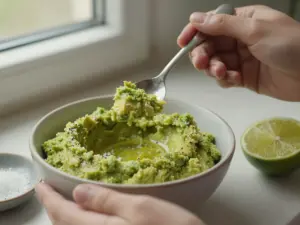
Method: Halve and pit the avocados. Scoop the flesh into a bowl or molcajete. Add salt and lime juice first, then mash to your preferred consistency, leaving visible chunks is the goal. Fold in onion, chile, cilantro, and tomato last to preserve their texture. Taste and adjust salt and lime. Serve immediately [4].
Why it works: The salt-and-lime-first method seasons the avocado at the cellular level before the mix-ins dilute the flavor. This is the technique professional cooks use, and it makes a noticeable difference.
2. Two-Ingredient Minimalist Guacamole
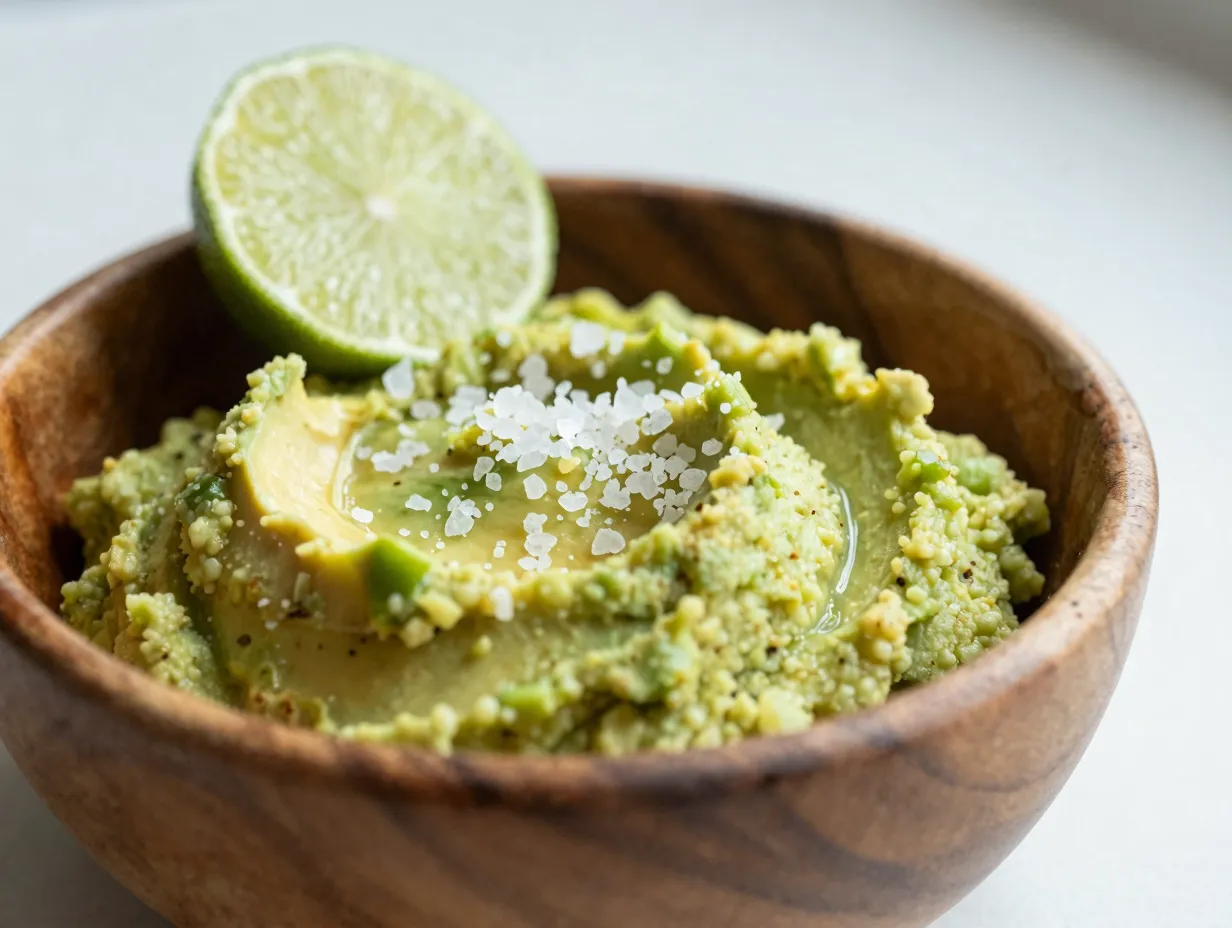
Some of the best food in the world is built on restraint. This stripped-down version is proof that quality ingredients need almost no help.
Ingredients: 2 ripe avocados, juice of 1 lime, generous pinch of flaky sea salt.
Method: Mash avocado with lime juice. Season with salt. Done.
Why it works: When your avocados are perfectly ripe, their buttery, nutty flavor is the entire point. Adding too many ingredients at that stage is like putting ketchup on a great steak. This recipe is ideal for beginners because it removes every variable except ripeness, teaching you to evaluate avocado quality before adding complexity [2].
Best served with: Freshly fried tortilla chips, sliced radishes, or spooned directly onto tacos.
3. Chunky Guacamole with Roasted Tomato
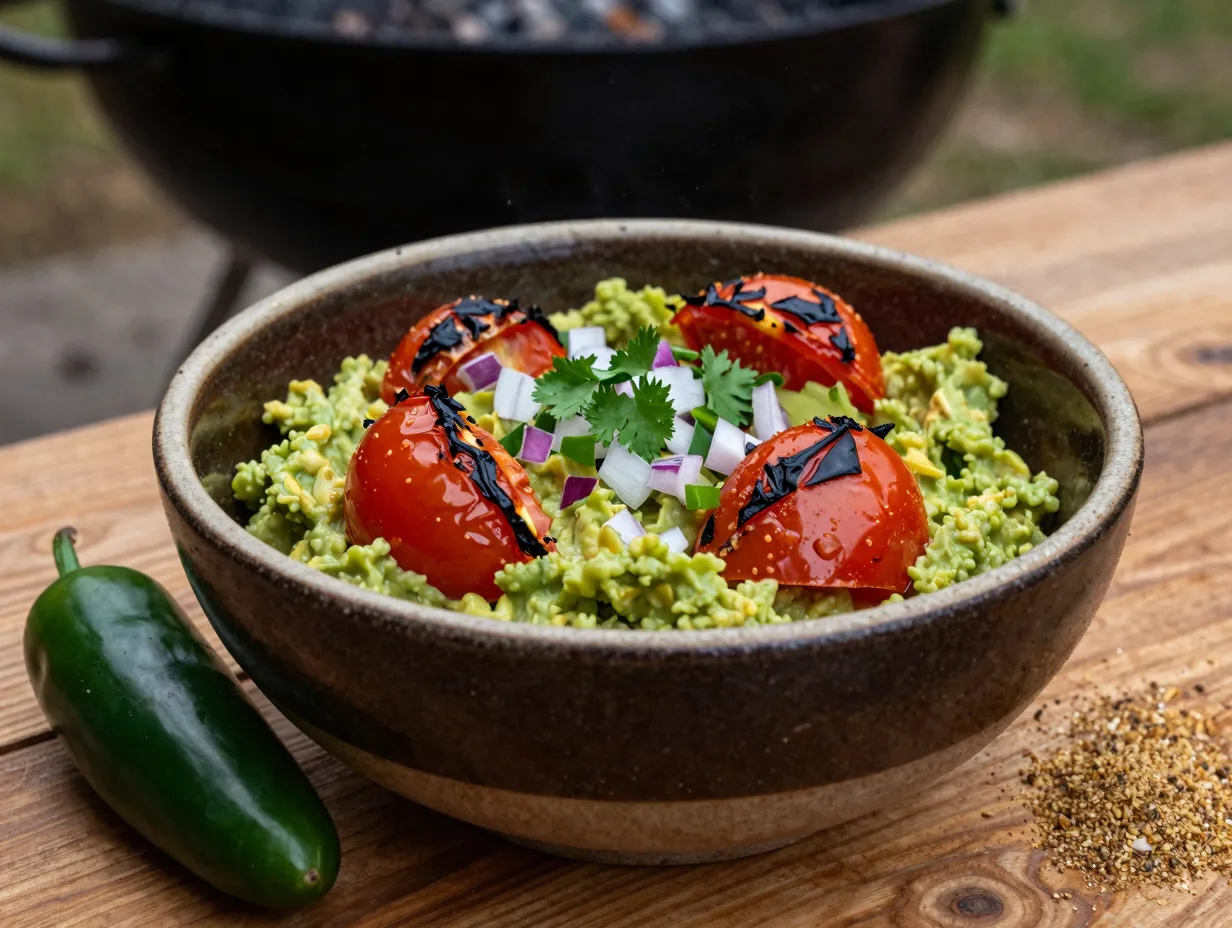
Roasting the tomato before adding it to the guacamole is a technique borrowed from traditional Mexican salsas. It adds a smoky sweetness that elevates the entire bowl.
Ingredients: 3 avocados, 2 roma tomatoes, 1 lime, 1/4 cup red onion (minced), 1 jalapeño, 2 tablespoons cilantro, 1/2 teaspoon cumin, salt to taste.
Method: Place tomatoes under a broiler or directly over a gas flame until the skin chars and blisters. Let cool, peel, dice, and drain excess liquid. Mash avocados with lime and salt. Fold in roasted tomato, onion, jalapeño, cilantro, and cumin. Keep it chunky [6].
Pro tip: Removing excess liquid from the tomato before adding it prevents the guacamole from becoming watery, one of the most common beginner mistakes.
4. Garlic Guacamole
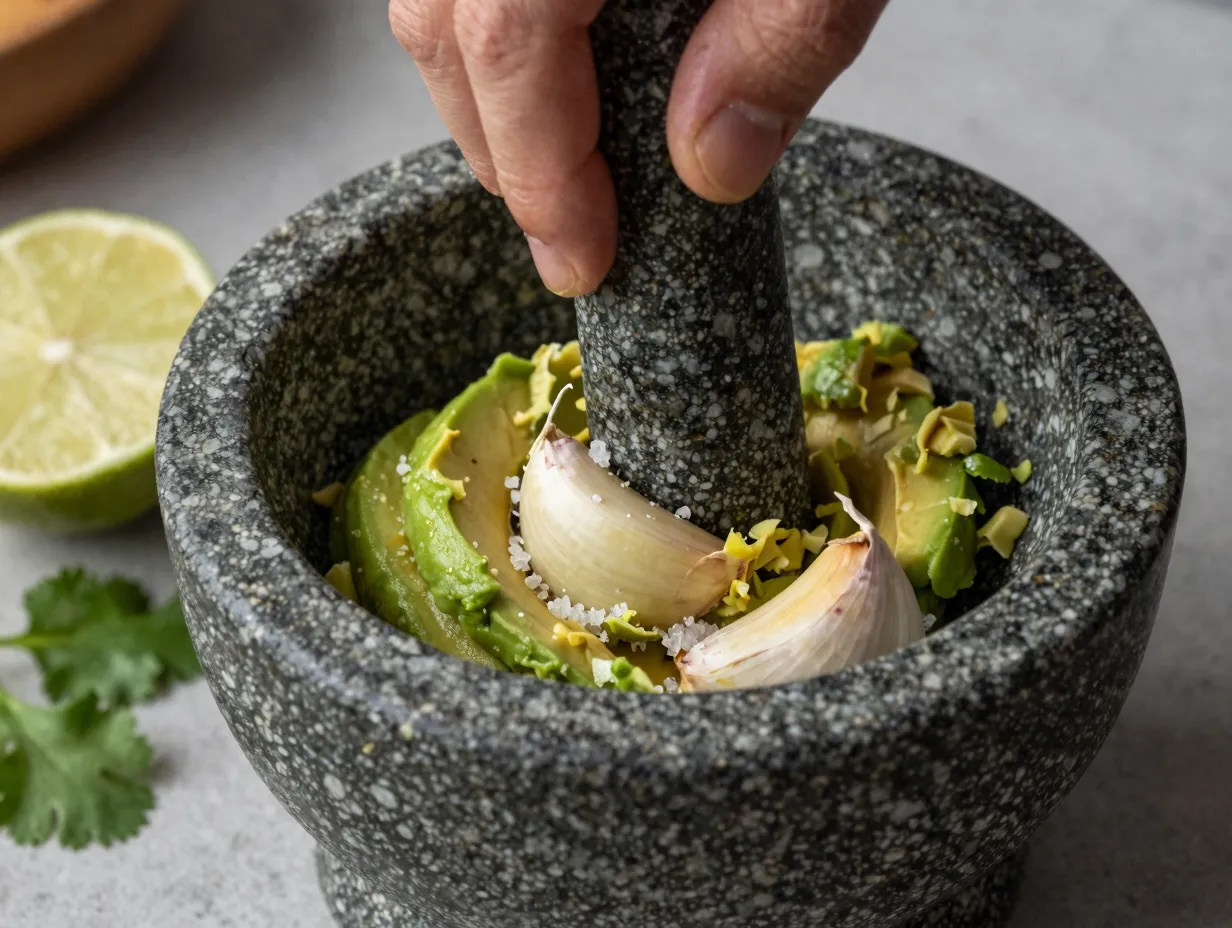
Garlic in guacamole is a divisive topic. Purists say no. Everyone else says yes, and they are right.
Ingredients: 2 avocados, 1-2 cloves garlic (minced or pressed), juice of 1 lime, 1/4 teaspoon salt, 2 tablespoons red onion, 1 tablespoon cilantro.
Method: Mash garlic directly into the avocado with the salt, the salt acts as an abrasive and helps break down the garlic into a paste, distributing the flavor evenly throughout the bowl. Add lime juice, then fold in remaining ingredients [7].
Flavor note: Use raw garlic sparingly. One small clove is enough for two avocados. Too much raw garlic will overpower everything else within minutes of preparation.
Best for: Spreading on toast, topping grain bowls, or serving alongside grilled chicken or fish.
5. Spicy Guacamole with Serrano and Habanero
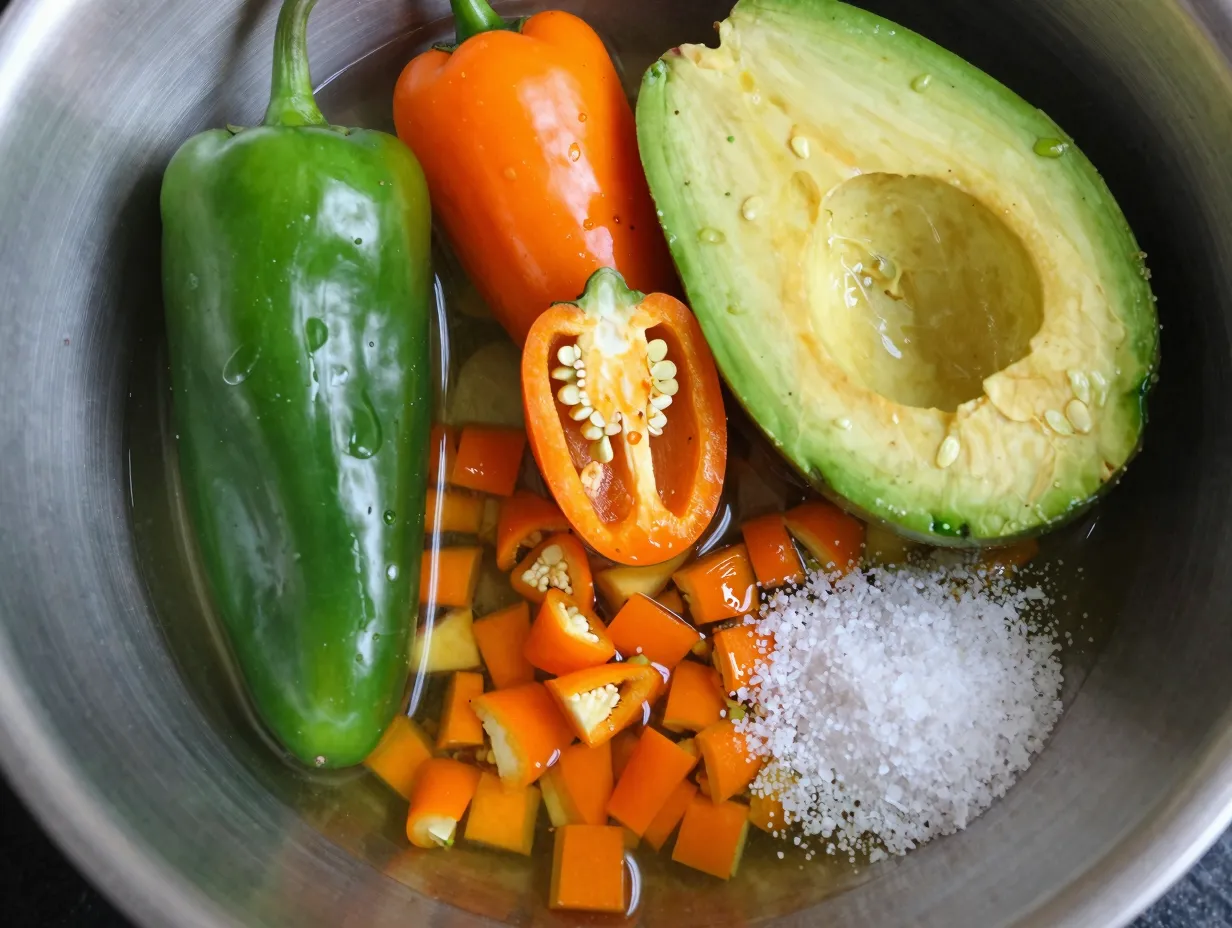
This recipe is for the heat-seekers. It uses two types of chile pepper to build a layered, complex heat rather than a one-note burn.
Ingredients: 3 avocados, 1 serrano pepper (minced, seeds in), 1/4 habanero (minced, seeds removed), juice of 1.5 limes, 1/2 teaspoon salt, 3 tablespoons white onion, 2 tablespoons cilantro.
Method: Combine serrano and habanero with the salt and lime juice in the bowl before adding avocado. Let the chiles sit in the acid for two minutes, this slightly mellows the raw heat and allows the flavors to bloom. Mash avocado in, then fold in onion and cilantro [9].
Heat management tip: Always taste your chile before adding it. Serrano peppers vary significantly in heat level depending on the season and growing conditions. Start with less and add more.
The two-chile approach is a technique used in many traditional Mexican kitchens to create heat with dimension, not just fire.
6. Mango Guacamole
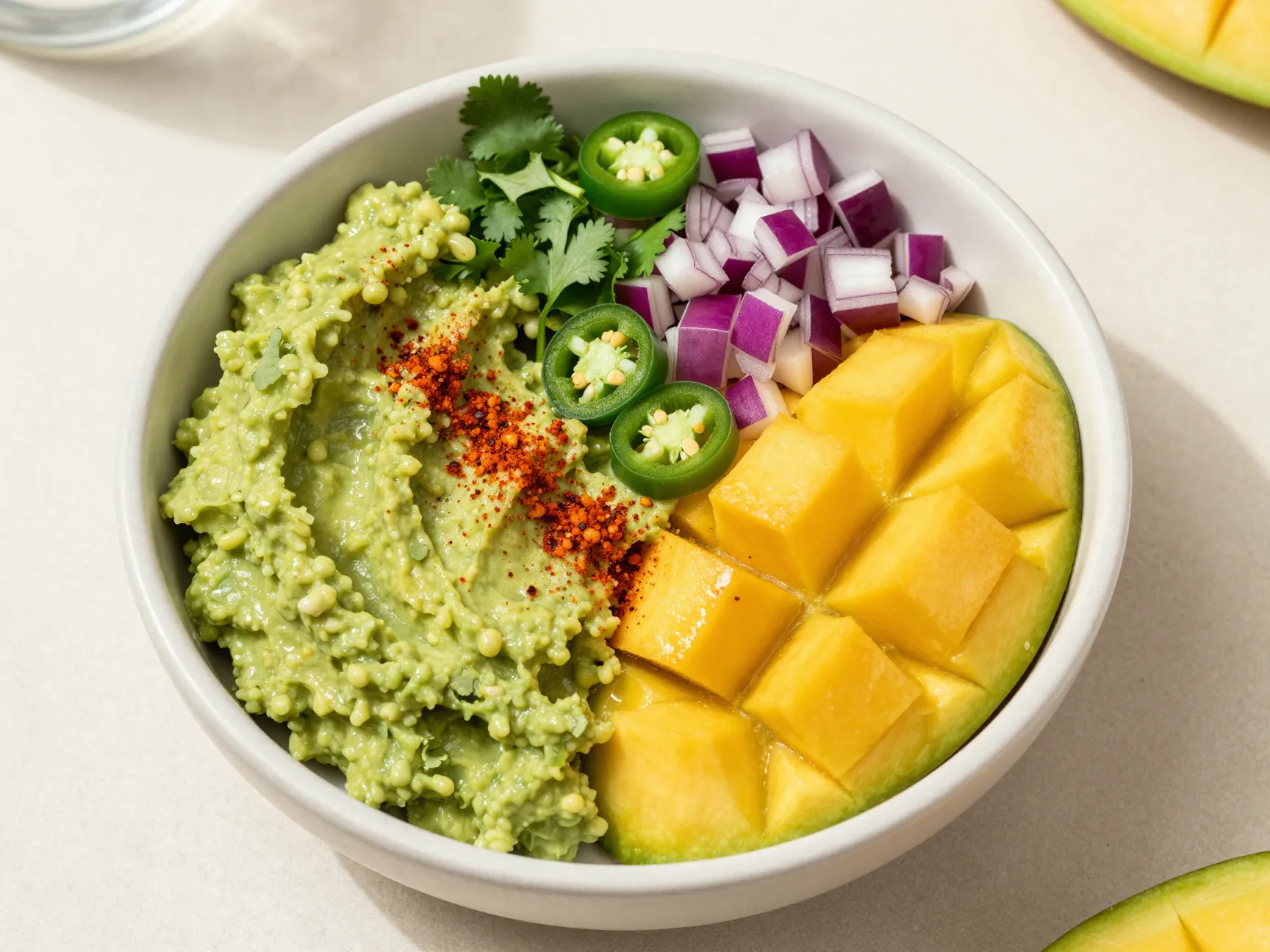
Fruit in guacamole sounds wrong until you taste it. The sweetness of ripe mango against the richness of avocado is genuinely one of the best flavor combinations in casual cooking.
Ingredients: 2 avocados, 1/2 ripe mango (small dice), juice of 1 lime, 1/4 red onion (minced), 1/2 jalapeño (minced), 2 tablespoons cilantro, 1/4 teaspoon salt, pinch of chili powder.
Method: Mash avocados with lime and salt to a chunky consistency. Fold in mango, onion, jalapeño, and cilantro. Finish with a pinch of chili powder for a sweet-heat contrast [10].
Texture tip: Cut the mango into small, uniform pieces, about 1/4 inch dice. Large chunks of mango compete with the avocado rather than complementing it.
Best served with: Cinnamon-dusted tortilla chips, as a topping for fish tacos, or alongside grilled shrimp.
7. Greek-Inspired Guacamole with Feta and Sun-Dried Tomato
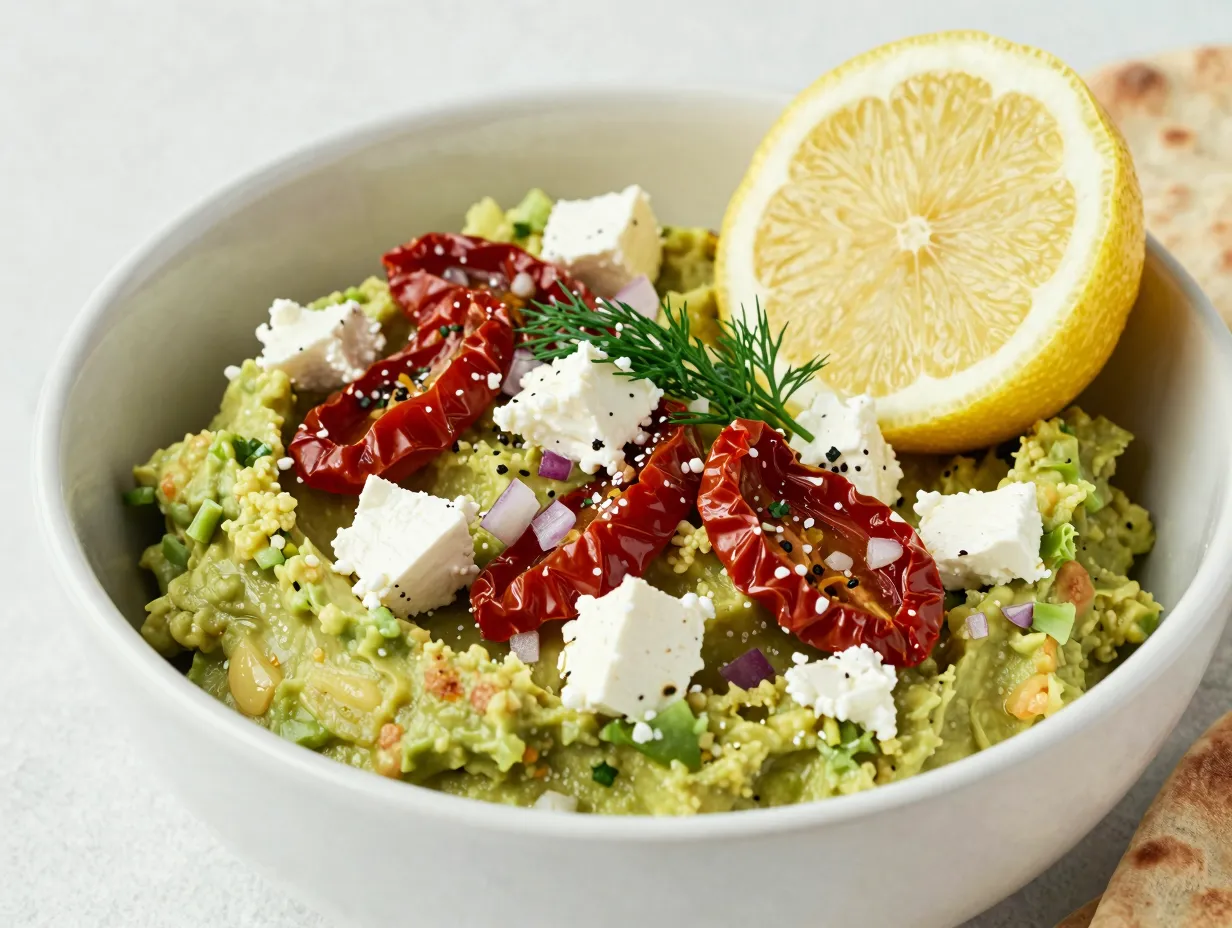
This fusion recipe sounds unconventional, but the salty, tangy character of feta cheese mirrors the role that salt and acid play in traditional guacamole, it just does it with more personality.
Ingredients: 2 avocados, 2 tablespoons crumbled feta, 2 tablespoons sun-dried tomatoes (oil-packed, drained and chopped), juice of 1 lemon (not lime), 1 tablespoon fresh dill, 1 tablespoon red onion, 1/4 teaspoon black pepper.
Method: Mash avocados with lemon juice and a small pinch of salt, go light on the salt since feta is already quite salty. Fold in feta, sun-dried tomatoes, dill, and red onion. Taste before adding any additional salt [2].
Why lemon instead of lime: The floral, slightly sweeter acidity of lemon pairs better with the Mediterranean ingredients in this version. Lime would clash with the dill and feta.
Best served with: Pita chips, cucumber slices, or as a spread on a Mediterranean-style wrap.
8. Smoky Chipotle Guacamole
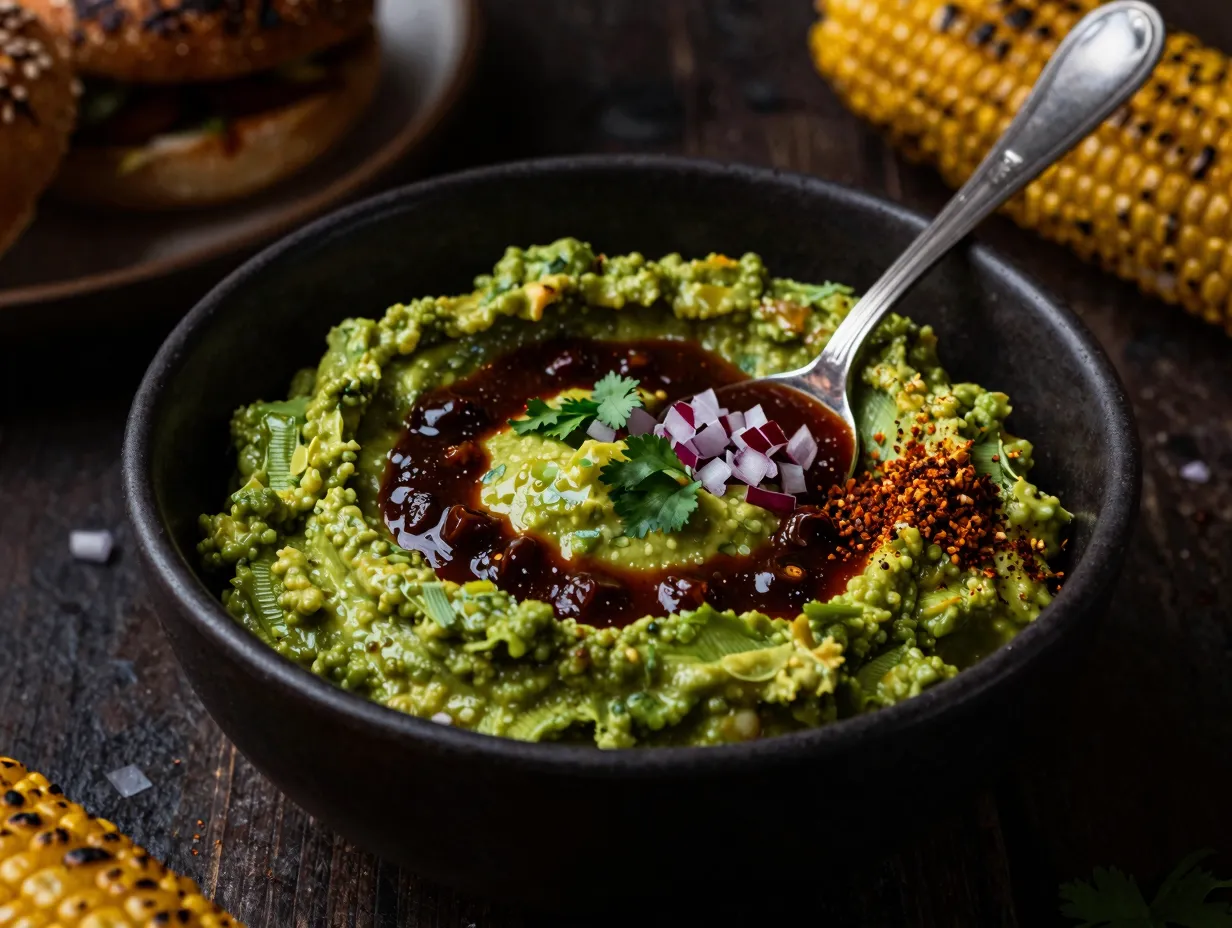
Chipotle peppers in adobo sauce are one of the most underused ingredients in home kitchens. They add a deep, smoky heat that transforms a standard guacamole into something that tastes like it came from a serious kitchen.
Ingredients: 3 avocados, 1-2 chipotle peppers in adobo (minced, plus 1 teaspoon adobo sauce), juice of 1 lime, 1/2 teaspoon salt, 3 tablespoons red onion, 2 tablespoons cilantro, 1/2 teaspoon smoked paprika.
Method: Mash avocados with lime juice and salt. Add minced chipotle, adobo sauce, and smoked paprika. Fold in onion and cilantro. Taste, chipotle heat builds slowly, so wait 30 seconds between tastes before deciding to add more [6].
Storage note: Leftover chipotle peppers can be frozen individually on a parchment-lined sheet, then transferred to a zip-lock bag. Pull one out whenever a recipe calls for it, no waste.
Best served with: Nachos, burgers, grilled corn, or as a dip for sweet potato fries.
Essential Tips That Make All 8 Homemade Guacamole Recipes Easy Enough for Beginners
Even with a great recipe, a few common mistakes can derail the final result. These tips apply across every variation in this list.
How to Prevent Browning
Avocado oxidizes quickly once the flesh is exposed to air. The most effective methods:
- Press plastic wrap directly against the surface of the guacamole, eliminating all air contact.
- Add a thin layer of water or lime juice on top before covering, pour it off before serving.
- Store with the avocado pit pressed into the bowl (this is mostly a myth, but it does protect the small area directly beneath the pit).
- Eat it fresh. Guacamole is at its peak within 30 minutes of making it [1].
Salt Timing Matters
Adding salt at the beginning, when you first mash the avocado, draws out moisture and seasons the fruit from the inside. Adding it at the end seasons only the surface. Both approaches work, but the early-salt method produces deeper, more integrated flavor [7].
The Mashing Debate
Fork vs. molcajete vs. potato masher:
- A fork gives you the most control and produces the chunkiest texture.
- A molcajete (stone mortar and pestle) creates a slightly creamier result because the rough surface breaks down the avocado differently.
- A potato masher works well for large batches but can over-process the avocado quickly.
Never use a food processor or blender unless you specifically want a smooth, sauce-like consistency. The texture of guacamole is part of its identity [4].
How to Ripen Avocados Faster
If your avocados are not quite ready, place them in a paper bag with a banana or apple. The ethylene gas released by the fruit accelerates ripening. Check after 12-24 hours. Do not refrigerate unripe avocados, cold temperatures halt the ripening process entirely [3].
Serving and Pairing Guide
Guacamole is more versatile than its reputation as a chip dip suggests. Here is a quick reference for pairing each recipe style with the right occasion.
| Recipe | Best Pairing | Occasion |
|---|---|---|
| 1. Classic | Tortilla chips, tacos | Any occasion |
| 2. Minimalist | Toast, grain bowls | Weekday breakfast/lunch |
| 3. Roasted Tomato | Grilled meats, nachos | Backyard cookout |
| 4. Garlic | Grilled chicken, fish | Weeknight dinner |
| 5. Spicy Serrano-Habanero | Chips, carnitas tacos | Game day, parties |
| 6. Mango | Fish tacos, shrimp | Summer entertaining |
| 7. Greek Feta | Pita, wraps | Lunch, light entertaining |
| 8. Smoky Chipotle | Burgers, nachos, fries | Game day, cookouts |
Common Beginner Mistakes and How to Fix Them
Even with great recipes, mistakes happen. Here are the most frequent errors and their solutions.
Over-mashing: Once the avocado turns into a smooth paste, you cannot get the texture back. Mash in short bursts and check frequently. Guacamole should have visible pieces of avocado throughout [10].
Under-salting: Avocado is a rich, fatty fruit that needs more salt than you expect. If your guacamole tastes flat, add salt in small increments, a pinch at a time, and taste after each addition.
Using cold avocados: Avocados straight from the refrigerator mash unevenly and taste muted. Let them sit at room temperature for 20-30 minutes before making guacamole.
Skipping the acid: Lime juice is not optional. Without it, the guacamole will brown quickly and taste one-dimensional. If you are out of limes, lemon juice works as a substitute [9].
Adding watery tomatoes: Dice tomatoes, then let them drain in a colander or pat them dry with a paper towel before adding to the bowl. Excess tomato liquid is the leading cause of watery guacamole [6].
Conclusion
The gap between homemade guacamole and restaurant-quality guacamole is not talent, it is technique and ingredient quality. These 8 homemade guacamole recipe easy enough for beginners that taste restaurant-quality options cover every flavor profile, skill level, and occasion you will encounter in 2026, from the stripped-down two-ingredient version that teaches you to trust a ripe avocado to the smoky chipotle bowl that will make people ask for your recipe at every cookout.
Start with Recipe 1 or Recipe 2 to build your foundational skills. Once you can make those consistently well, move to the roasted tomato or chipotle versions for more complexity. By the time you get to the mango or Greek feta variations, you will have the instincts to adjust ratios on the fly without measuring anything.
Your actionable next steps:
- Buy avocados today and let them ripen on the counter until they yield to palm pressure.
- Make the classic recipe (Recipe 1) this week with no substitutions to establish your baseline.
- Try one variation per week until you find the two or three recipes that become your permanent rotation.
- Share your results, guacamole is always better when made for other people.
The best bowl of guacamole you have ever eaten is the one you are about to make yourself.
References
[1] Best Ever Guacamole – https://downshiftology.com/recipes/best-ever-guacamole/
[2] Guacamole Recipe – https://www.wholesomeyum.com/guacamole-recipe/
[3] Watch – https://www.youtube.com/watch?v=Hf5B-zztOaM
[4] Easy Guacamole – https://www.allrecipes.com/recipe/14064/easy-guacamole/
[6] The Best Guacamole – https://frommybowl.com/the-best-guacamole/
[7] Simple Homemade Guacamole – https://alexandracooks.com/2022/05/08/simple-homemade-guacamole/
[9] Homemade Guacamole – https://lolascocina.com/homemade-guacamole/
[10] Guacamole Recipe – https://www.loveandlemons.com/guacamole-recipe/