8 Angel Food Cake Recipes That Are Light, Airy, and Perfectly Sweet
A single slice of angel food cake weighs less than most desserts yet delivers a sweetness that lingers. That paradox, substantial flavor from something nearly weightless, is exactly why this cake has held a place on American tables since the late 1800s [4]. Whether you are baking for a summer gathering, a birthday, or simply because you want something that feels indulgent without being heavy, these 8 angel food cake recipes that are light, airy, and perfectly sweet give you a full spectrum of options, from the classic version to a plant-based twist that surprises even skeptics.
Disclosure: This post contains affiliate links. As an Amazon Associate, we earn from qualifying purchases, and at no extra cost to you.
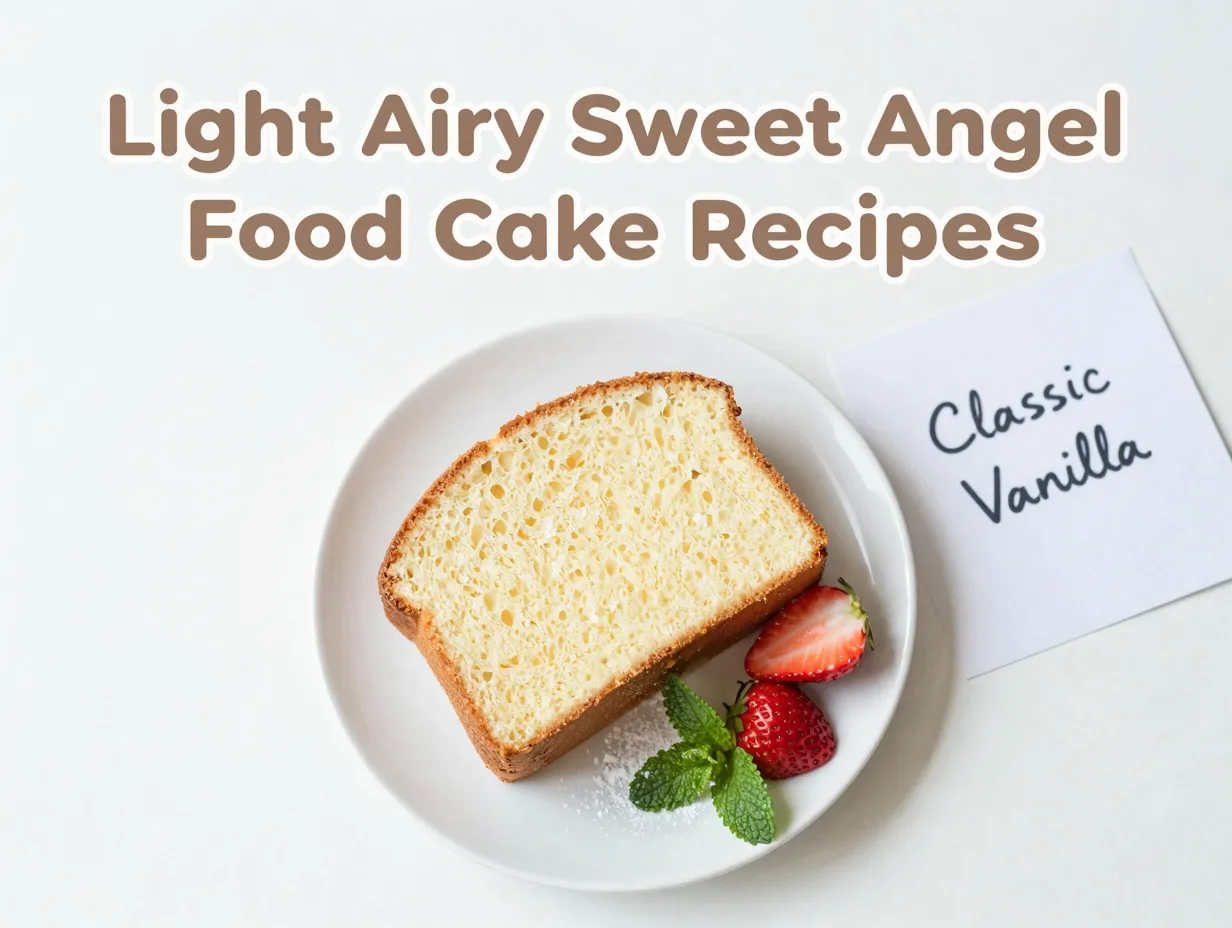
I first made angel food cake on a rainy Saturday afternoon with nothing but a carton of eggs, a bag of cake flour, and a vague memory of watching my grandmother invert a tube pan over a wine bottle to cool it. That image stuck with me for years before I understood the science behind it. Now, after testing dozens of variations, I can say with confidence that this cake rewards precision and punishes shortcuts, but the results are always worth it.
Key Takeaways
- Angel food cake relies entirely on whipped egg whites for lift, making technique more important than ingredients.
- Cake flour, not all-purpose flour, is non-negotiable for achieving the signature airy crumb [7].
- Cooling the cake upside down is not optional, it is the step that prevents collapse [8].
- Flavor variations like almond extract, lemon zest, and meringue icing can transform a single base recipe into eight distinct experiences [9].
- A vegan version using aquafaba is a fully viable alternative that produces a comparable texture [3].
What Makes Angel Food Cake So Unique
Angel food cake is a fat-free sponge cake built almost entirely from egg whites, sugar, and flour [4]. There is no butter, no oil, and no egg yolk. The structure comes entirely from the protein network formed when egg whites are beaten to stiff peaks and then gently folded with dry ingredients. That folding process traps air bubbles, and those bubbles expand in the oven to create the cake’s signature cloud-like interior.
The key variables that determine success:
- Egg white quality and temperature
- The ratio of sugar to flour
- Folding technique
- Pan type (ungreased tube pan only)
- Cooling method
According to food science resources, achieving an internal baking temperature of 206°F is the benchmark for optimal texture and moisture [10]. This is one of the few cake recipes where a probe thermometer genuinely changes outcomes.
Common Mistakes to Avoid Before You Start
Before diving into the recipes, it helps to understand what goes wrong. The most frequent failures include over-whipping or under-whipping egg whites, using a bowl with even a trace of grease, and pulling the cake from the oven before it is fully set [5]. Even a drop of egg yolk in the whites can prevent them from reaching full volume.
Quick reference: What kills angel food cake
| Mistake | Result |
|---|---|
| Greasy mixing bowl | Whites will not whip to stiff peaks |
| Over-whipped whites | Dry, crumbly texture |
| Under-whipped whites | Dense, gummy interior |
| All-purpose flour | Heavy, tough crumb |
| Cooling right-side up | Cake collapses under its own weight |
8 Angel Food Cake Recipes That Are Light, Airy, and Perfectly Sweet
Each recipe below builds on a shared foundation but introduces a distinct flavor profile, technique, or dietary adaptation. I have arranged them from the most traditional to the most adventurous.
1. Classic Vanilla Angel Food Cake
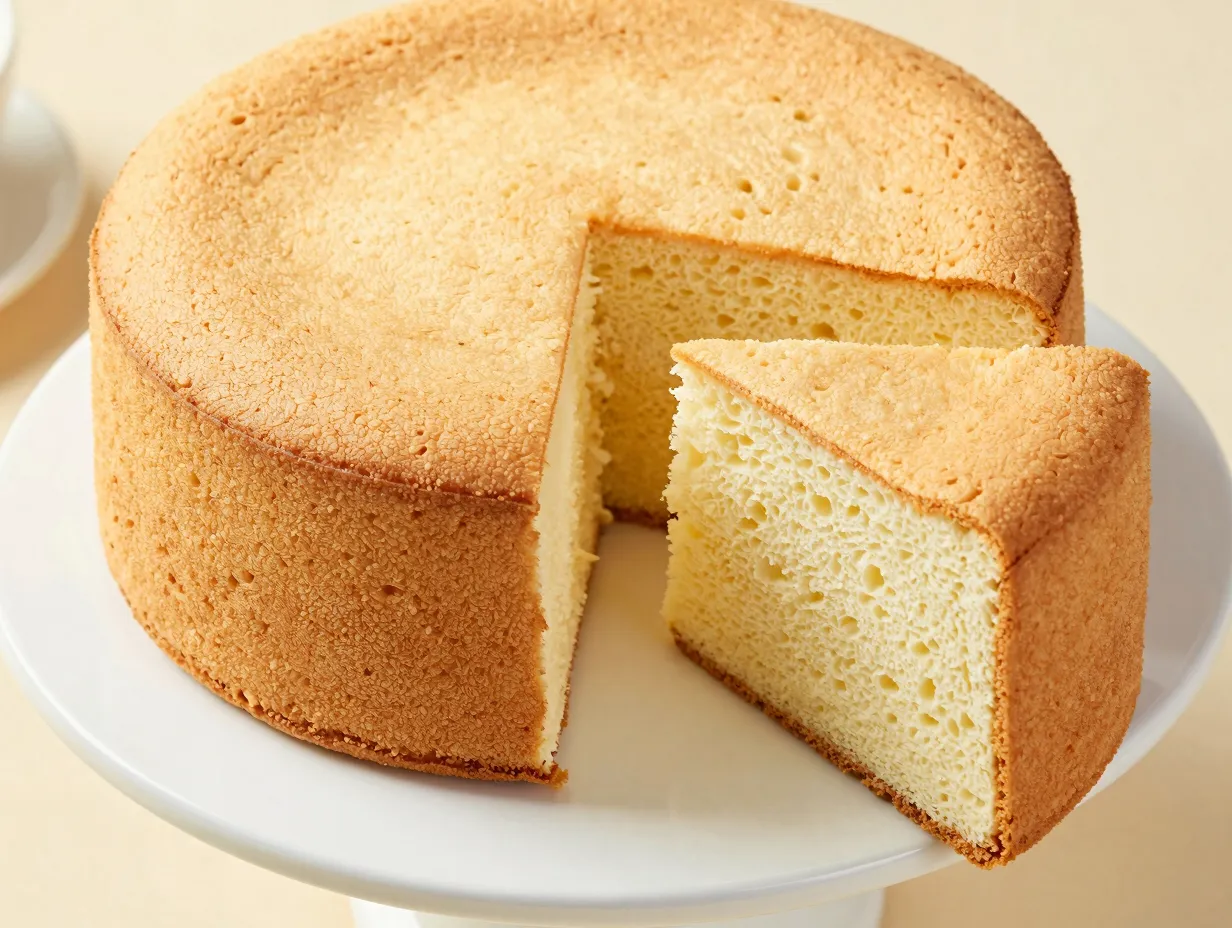
The starting point for every baker. This version uses eight basic ingredients: egg whites, cake flour, granulated sugar, cream of tartar, salt, vanilla extract, and a small amount of powdered sugar [1]. The method is straightforward, sift the dry ingredients twice, whip the whites to stiff peaks, then fold in three stages to preserve as much air as possible.
Amy Dong’s updated approach, which she refined in 2026, emphasizes sifting the flour and sugar mixture multiple times to eliminate any lumps that could deflate the batter [1]. The result is a soft, cloud-like texture that holds its shape when sliced.
Tips for this recipe:
- Use room-temperature egg whites for maximum volume
- Sift cake flour and sugar together at least twice
- Bake at 350°F and check internal temperature with a probe thermometer [10]
- Cool inverted for at least one hour before unmolding [8]
2. Almond-Vanilla Angel Food Cake
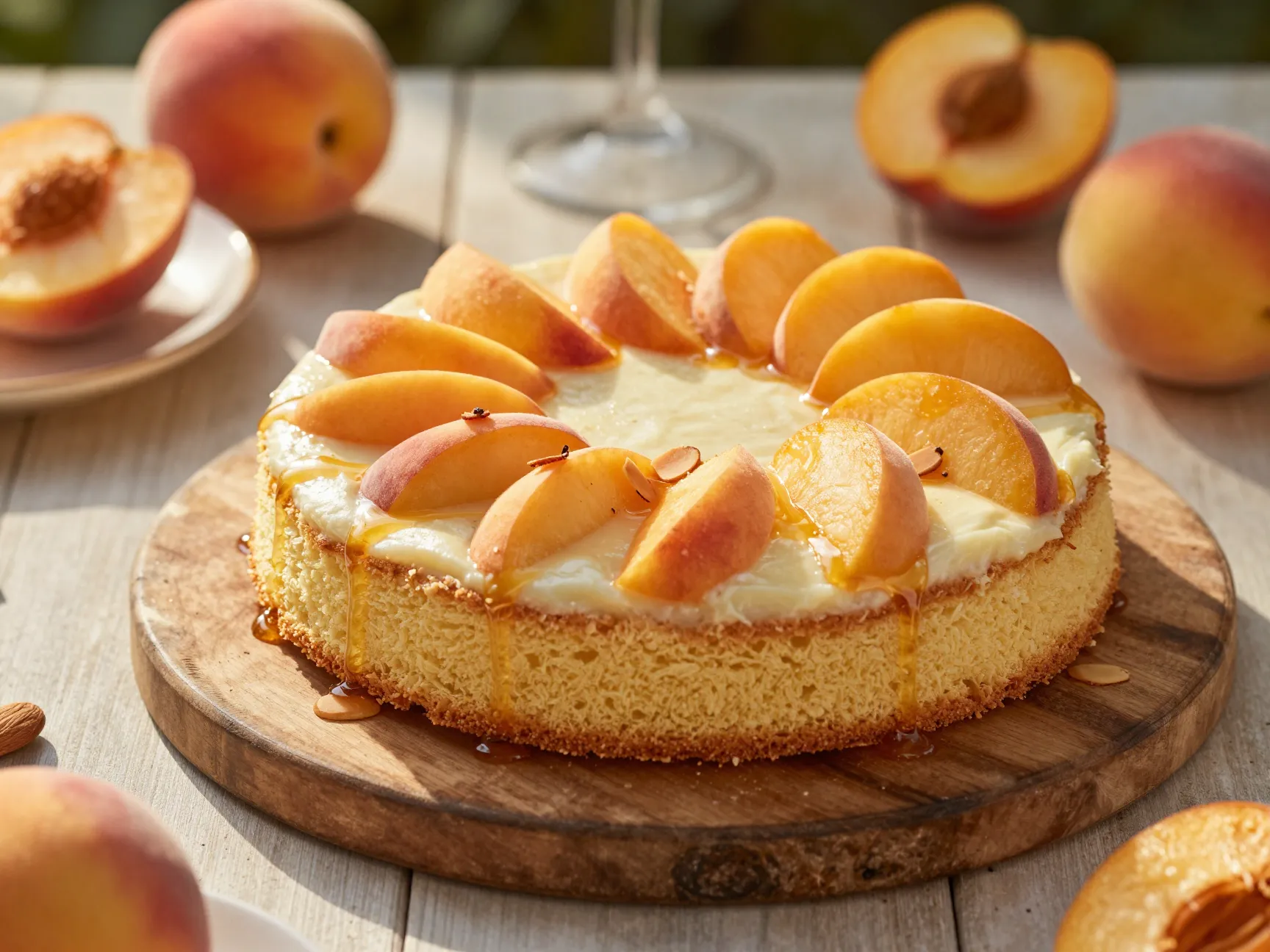
Adding a small amount of almond extract alongside vanilla creates a flavor depth that the classic version cannot match on its own [9]. The ratio matters: too much almond extract turns sharp and medicinal. The sweet spot is roughly one-quarter teaspoon of almond extract per teaspoon of vanilla.
This variation pairs exceptionally well with fresh peaches or a simple raspberry coulis. The nuttiness of the almond note bridges the gap between the cake’s neutral sweetness and the tartness of summer fruit.
Flavor pairing suggestions:
- Fresh peach slices with honey drizzle
- Raspberry jam thinned with a splash of water
- Toasted almond slivers pressed lightly into the top
3. Lemon Angel Food Cake
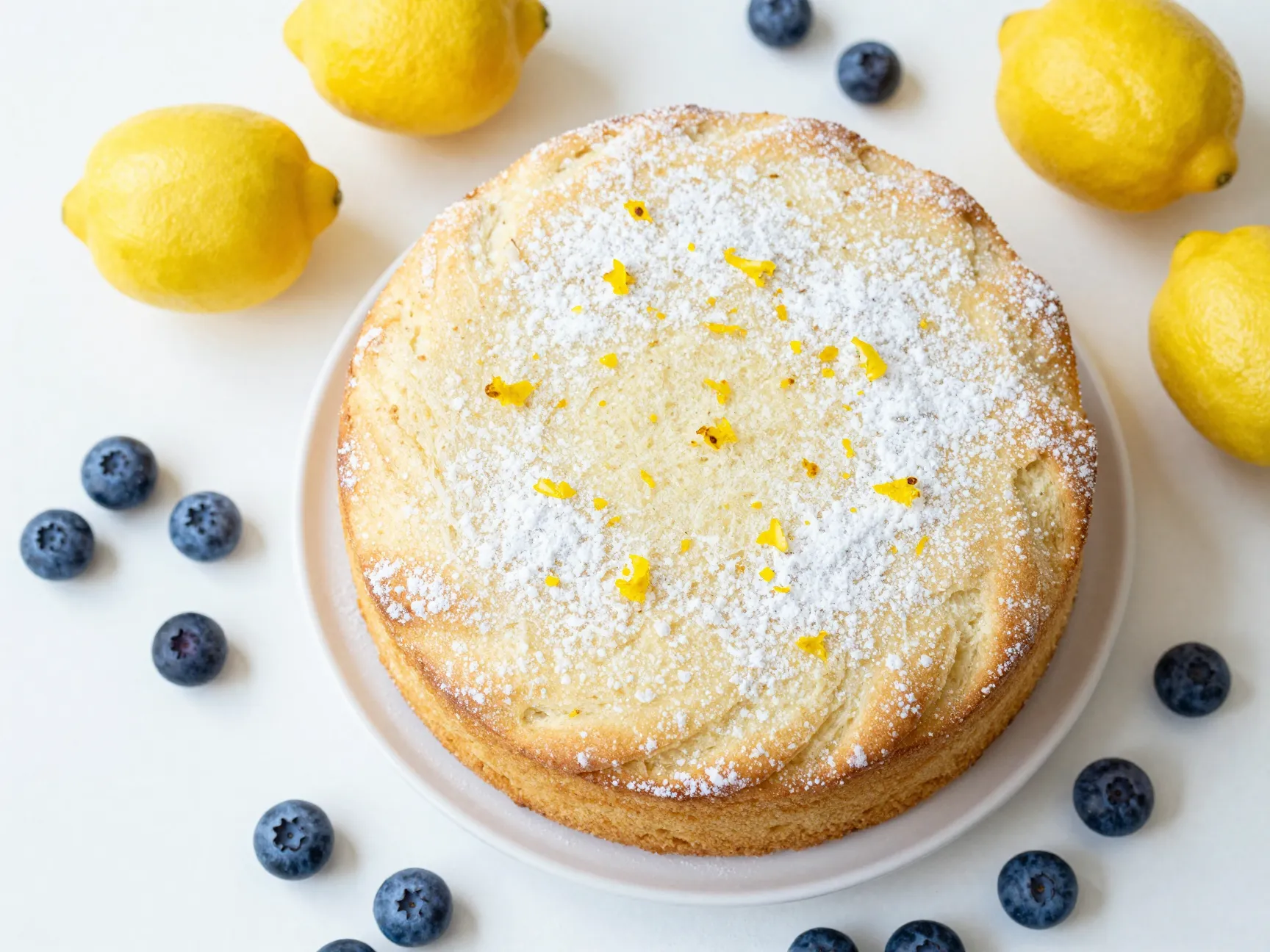
Lemon zest folded directly into the batter adds brightness without adding fat or liquid that could compromise the structure. Use the zest of two lemons for a 10-inch tube pan. A small amount of fresh lemon juice can replace part of the vanilla extract, but keep the total liquid additions minimal.
This version is particularly popular in spring and early summer. Served with fresh blueberries and a light dusting of powdered sugar, it looks and tastes like something from a high-end bakery. The citrus oils in the zest also help the cake release cleanly from the pan.
4. Angel Food Cake with Meringue Icing
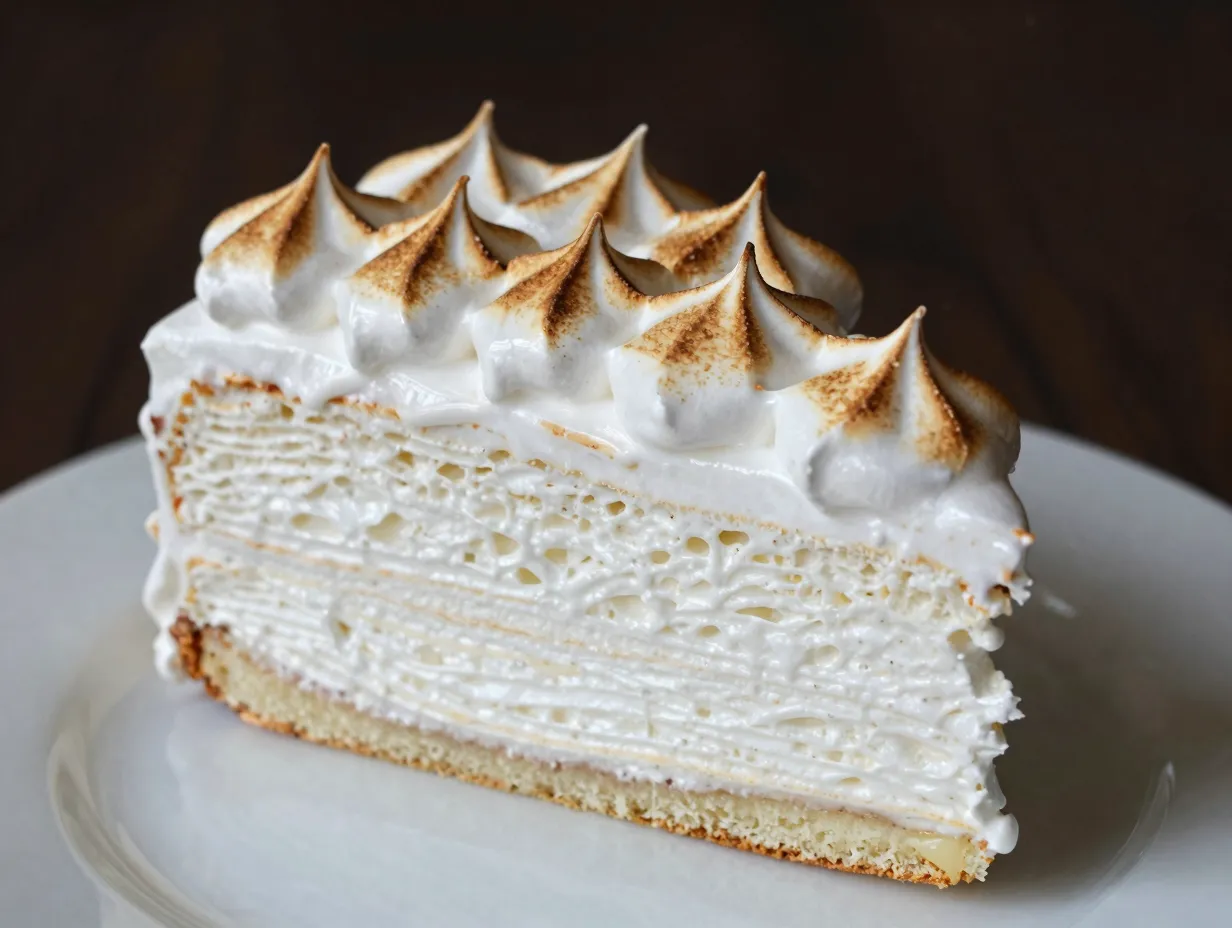
Rather than heavy frosting, a light meringue icing applied to the outside of the cake enhances sweetness without adding the density that buttercream would bring [8]. The meringue is made from the same egg whites used in the cake itself, creating a cohesive flavor profile.
Sabrina Snyder’s guidance on proper folding techniques applies here as well, the meringue must be applied quickly and with a light hand to avoid deflating the cake’s outer crust [2]. A kitchen torch to lightly toast the meringue peaks adds a visual element that makes this version ideal for celebrations.
Meringue icing basics:
- Use a Swiss or Italian meringue for stability
- Apply to a fully cooled cake only
- Toast with a kitchen torch for visual appeal
- Serve within two hours of icing for best texture
5. Strawberry Angel Food Cake
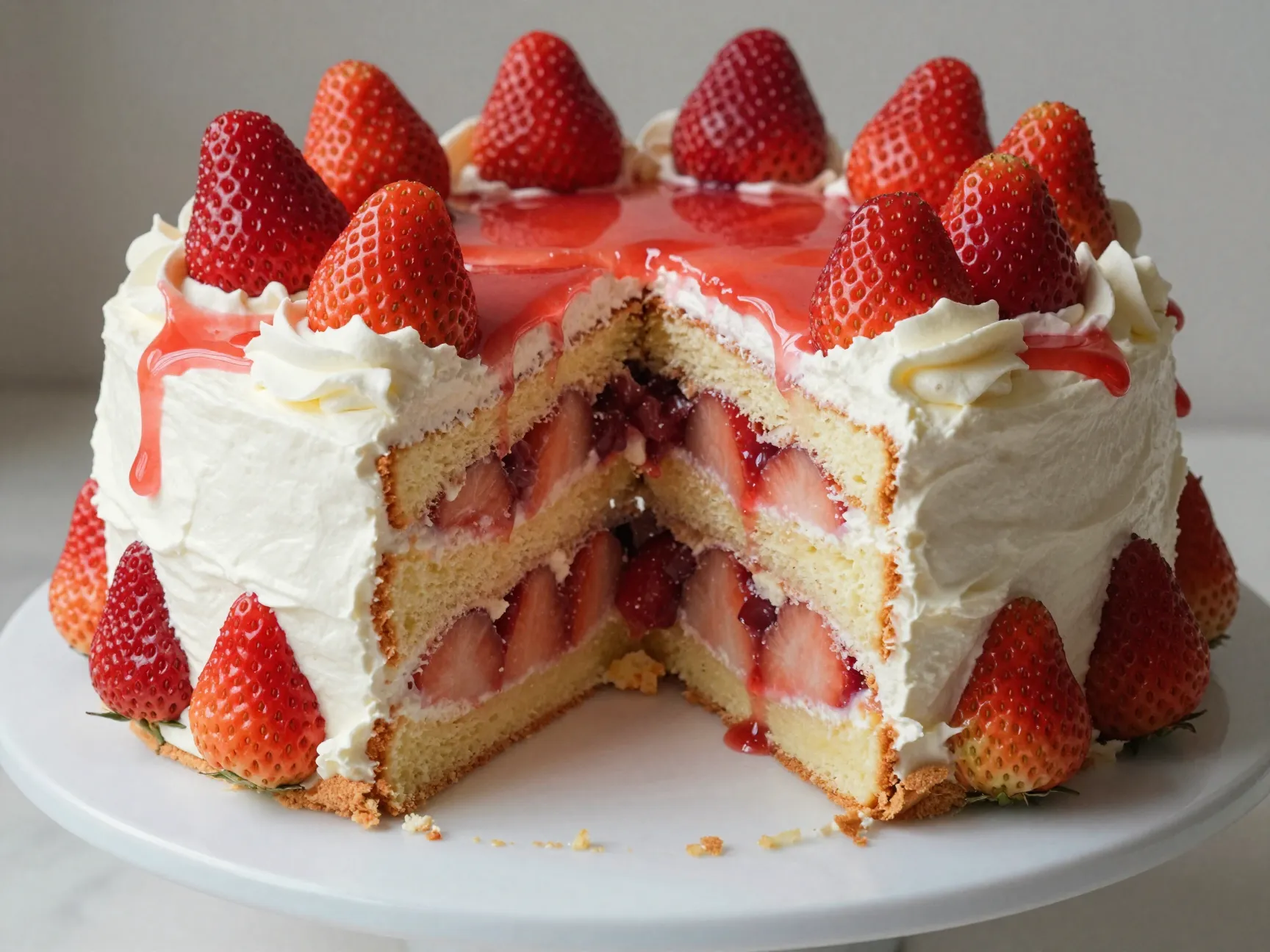
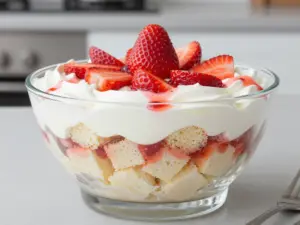
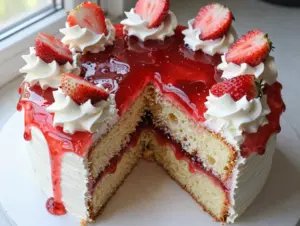
Fresh strawberries are the most traditional pairing for angel food cake, and this version incorporates them in two ways: folded into a light whipped cream topping and layered between sliced cake rounds [6]. The cake itself remains the classic base, but the presentation transforms it into a showpiece.
The key to this recipe is patience. Macerate the strawberries with a small amount of sugar for at least 30 minutes before serving. The syrup that forms is as important as the berries themselves, it soaks lightly into the cut cake surface and adds a layer of flavor that plain fruit cannot provide.
6. Chocolate-Swirl Angel Food Cake
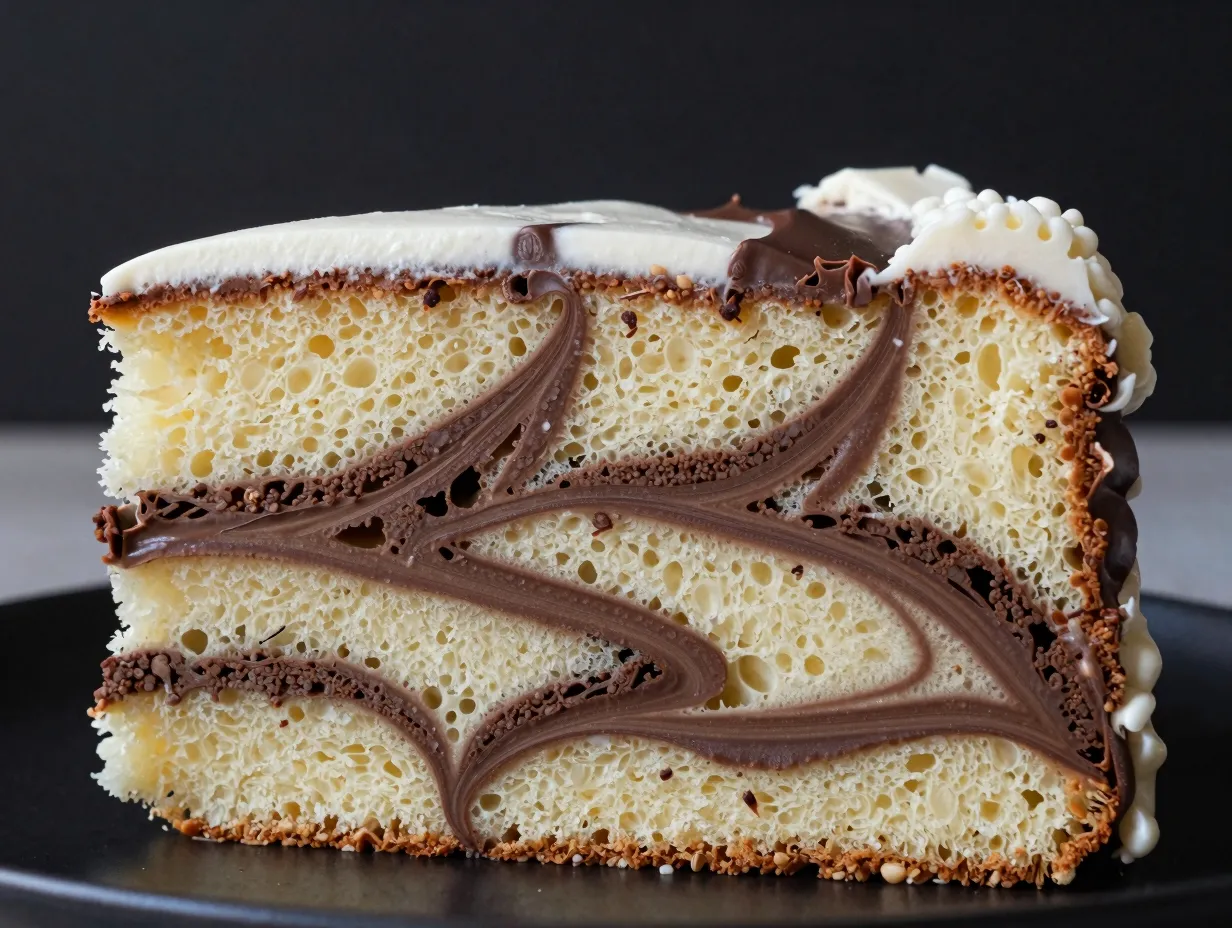
This variation introduces cocoa powder in a restrained way. Rather than mixing cocoa throughout the entire batter, which can weigh it down, you divide the batter into two portions, fold sifted cocoa into one, and then alternate spoonfuls in the tube pan before swirling with a skewer.
The result is a visually striking marbled interior that still maintains the cake’s airy structure. Dutch-process cocoa works better here than natural cocoa because its lower acidity does not interfere with the cream of tartar that stabilizes the egg whites.
Cocoa addition guidelines:
- Use no more than 3 tablespoons of sifted Dutch-process cocoa per half-batch
- Sift the cocoa with a small amount of the cake flour before folding
- Swirl gently, over-mixing eliminates the marbled effect
7. Brown Sugar and Cinnamon Angel Food Cake
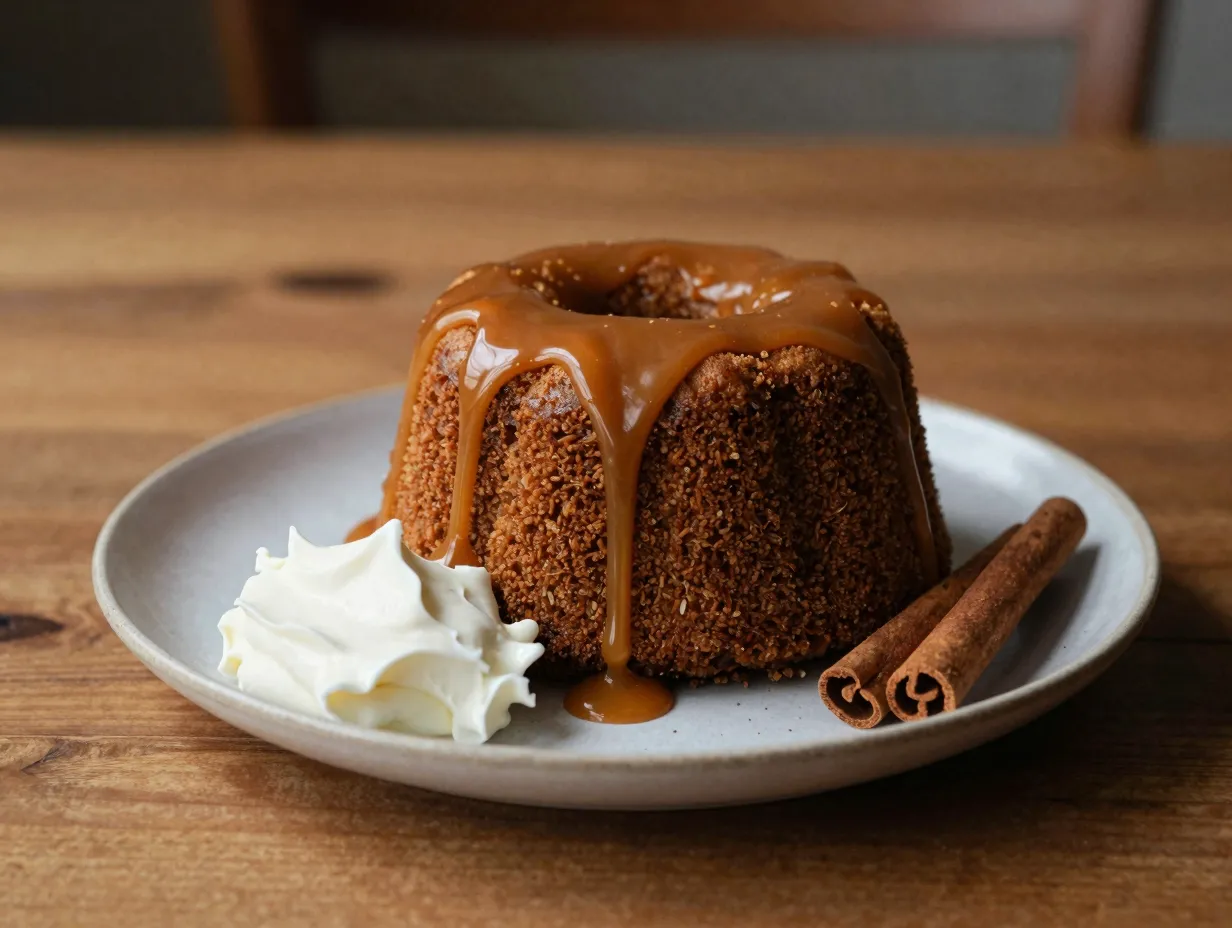
Replacing a portion of the granulated sugar with light brown sugar introduces a subtle molasses note that changes the cake’s flavor profile entirely. Brown sugar contains more moisture than white sugar, so the substitution must be partial, no more than one-third of the total sugar, to avoid disrupting the egg white structure.
Cinnamon, sifted with the flour, adds warmth that makes this version feel appropriate for autumn and winter occasions. Served with a drizzle of salted caramel and a dollop of crème fraîche, it bridges the gap between the traditional angel food cake and a spiced layer cake.
8. Vegan Angel Food Cake with Aquafaba
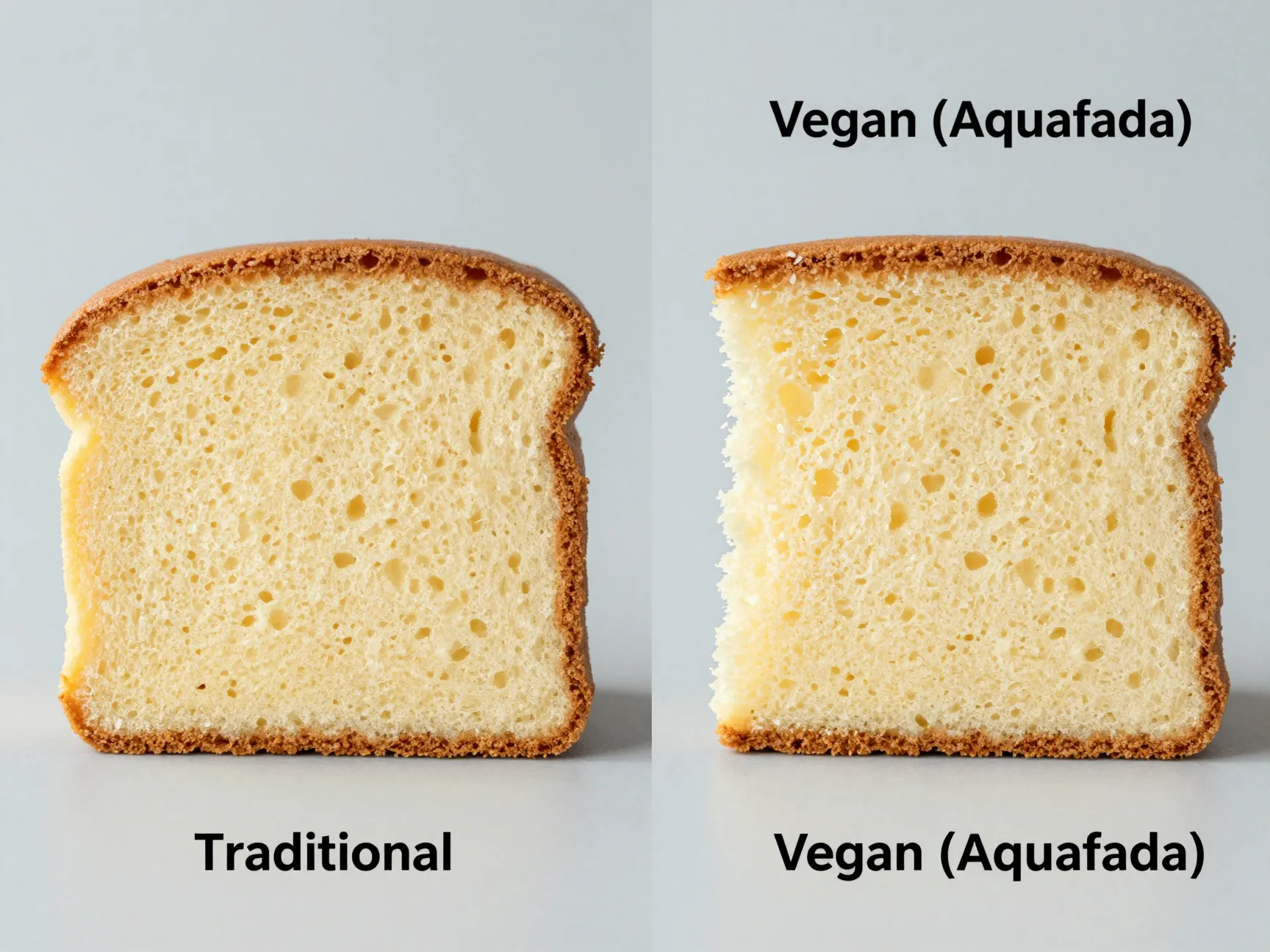
The most technically surprising entry on this list. Aquafaba, the liquid drained from a can of chickpeas, whips into stiff peaks that behave remarkably like egg whites [3]. Charlotte Pointing’s detailed guide on vegan angel food cake demonstrates that the substitution ratio is roughly three tablespoons of aquafaba per egg white.
The texture is slightly denser than the egg-white version, but the difference is subtle enough that most tasters cannot identify it in a blind comparison. Cream of tartar still plays a stabilizing role, and the folding technique remains identical.
Aquafaba substitution guide:
| Traditional Ingredient | Vegan Substitute | Ratio |
|---|---|---|
| 1 egg white | Aquafaba | 3 tablespoons |
| 12 egg whites | Aquafaba | 3/4 cup (180ml) |
| Vanilla extract | No change needed | Same amount |
| Cake flour | No change needed | Same amount |
This version is particularly valuable for households with egg allergies or for bakers who want to reduce their use of animal products without sacrificing a beloved dessert [3].
Essential Techniques That Apply to All 8 Recipes
Understanding the shared foundation beneath all eight variations helps you adapt confidently when something unexpected happens during baking.
Whipping Egg Whites Correctly
Start with a completely clean, dry bowl, stainless steel or glass, never plastic, which can harbor invisible fat residue. Whites at room temperature (around 70°F) whip faster and reach greater volume than cold whites. Add cream of tartar once the whites are foamy but before they begin to hold shape. Beat to stiff, glossy peaks, the whites should stand straight up when the beater is lifted, not curl over [2].
Folding Without Deflating
Use a large, flexible silicone spatula. Cut down through the center of the batter, sweep along the bottom of the bowl, and fold up and over. Rotate the bowl a quarter turn after each fold. The goal is to incorporate the dry ingredients in no more than 40 to 50 folds total. Visible streaks of flour are acceptable, they will disappear during baking [1].
The Cooling Step That Cannot Be Skipped
Immediately after removing the cake from the oven, invert the pan over a bottle neck or the pan’s built-in feet. The cake must hang upside down until completely cool, which takes at least one hour and up to two [8]. This position uses gravity to stretch the cake’s structure as it sets, preventing the collapse that would occur if the cake rested right-side up while still warm.
Storing Your Angel Food Cake
Angel food cake stores surprisingly well at room temperature. Cover it loosely with plastic wrap or a cake dome and it will maintain its texture for up to two days [7]. Refrigeration dries it out faster than room temperature storage, so avoid the refrigerator unless the cake has been topped with perishable cream or fresh fruit.
Serving Suggestions to Elevate Any Variation
The simplicity of angel food cake makes it one of the most versatile dessert bases available. It absorbs flavors from toppings and sauces without becoming soggy, and its neutral sweetness pairs with both tart and rich accompaniments.
Classic pairings that work with all eight recipes:
- Fresh mixed berries with a light dusting of powdered sugar
- Lightly sweetened whipped cream with a drop of vanilla
- A warm berry compote spooned tableside
- Thin slices of mango with a lime-honey glaze
- A scoop of lemon sorbet alongside a warm slice
Angel food cake is frequently served with fresh berries and whipped cream because those toppings mirror the cake’s own lightness rather than competing with it [6]. The combination has remained popular for decades because it works on both a flavor and textural level.
Troubleshooting the Most Common Problems
Even experienced bakers encounter issues with angel food cake. Here is a practical guide to diagnosing and fixing the most frequent problems.
Problem: Cake did not rise
Cause: Egg whites were under-whipped, or the batter was over-folded.
Fix: Confirm stiff peaks before folding. Count your folds and stop at 50.
Problem: Cake collapsed after cooling
Cause: Cooled right-side up, or removed from pan before fully cool.
Fix: Always invert immediately after baking and wait the full cooling time [8].
Problem: Cake is dense and gummy
Cause: All-purpose flour was used instead of cake flour, or too much flour was added.
Fix: Weigh flour rather than measuring by volume, and use only cake flour [7].
Problem: Whites would not whip
Cause: Bowl had grease residue, or egg yolk contaminated the whites.
Fix: Wipe bowl with white vinegar before use. Separate eggs one at a time into a small bowl before adding to the main bowl [5].
Conclusion
These 8 angel food cake recipes that are light, airy, and perfectly sweet cover the full range of what this remarkable cake can do, from the timeless classic to a vegan adaptation that challenges assumptions about what plant-based baking can achieve. The recipes share a common foundation: respect for the egg white (or aquafaba), patience during folding, and the discipline to cool the cake properly before cutting.
Your actionable next steps:
- Start with Recipe 1 (Classic Vanilla) to build your foundational technique before attempting variations.
- Invest in a kitchen scale and a probe thermometer, both will immediately improve your results [10].
- Try Recipe 8 (Vegan Aquafaba) even if you are not vegan; the experience of whipping aquafaba to stiff peaks is genuinely surprising and expands your baking toolkit [3].
- Experiment with toppings before experimenting with the batter, the base recipe is flexible enough to feel like eight different desserts simply by changing what goes on top.
- Share a slice. Angel food cake is at its best when it is fresh, and the portions are generous enough that keeping it all to yourself would be a waste of a very good cake.
The science is straightforward, the ingredients are inexpensive, and the results consistently impress. There is no better argument for adding this cake to your regular rotation.
References
[1] Best Ever Angel Food Cake – https://www.chewoutloud.com/best-ever-angel-food-cake/?utm_source=openai
[2] Angel Food Cake – https://dinnerthendessert.com/angel-food-cake/?utm_source=openai
[3] How To Make Vegan Angel Food Cake – https://vegnews.com/how-to-make-vegan-angel-food-cake?utm_source=openai
[4] Angel Food Cake – https://en.wikipedia.org/wiki/Angel_food_cake?utm_source=openai
[5] Angel Food Cake Recipe – https://www.savorythoughts.com/angel-food-cake-recipe/?utm_source=openai
[6] Glossary – https://www.thenibble.com/REVIEWS/main/cookies/cakes/glossary.asp?utm_source=openai
[7] Light And Fluffy Angel Food Cake Recipe – https://www.tastingtable.com/1131276/light-and-fluffy-angel-food-cake-recipe/?utm_source=openai
[8] Angel Food Cake With Meringue Icing – https://www.bakingwithjoshandange.com/angel-food-cake-with-meringue-icing?utm_source=openai
[9] Pioneer Woman Angel Food Cake Recipe – https://delishsides.com/pioneer-woman-angel-food-cake-recipe/?utm_source=openai
[10] Easy Angel Food Cake Recipe Light Fluffy And Foolproof – https://www.thermoworks.com/blogs/thermoblog/easy-angel-food-cake-recipe-light-fluffy-and-foolproof?utm_source=openai