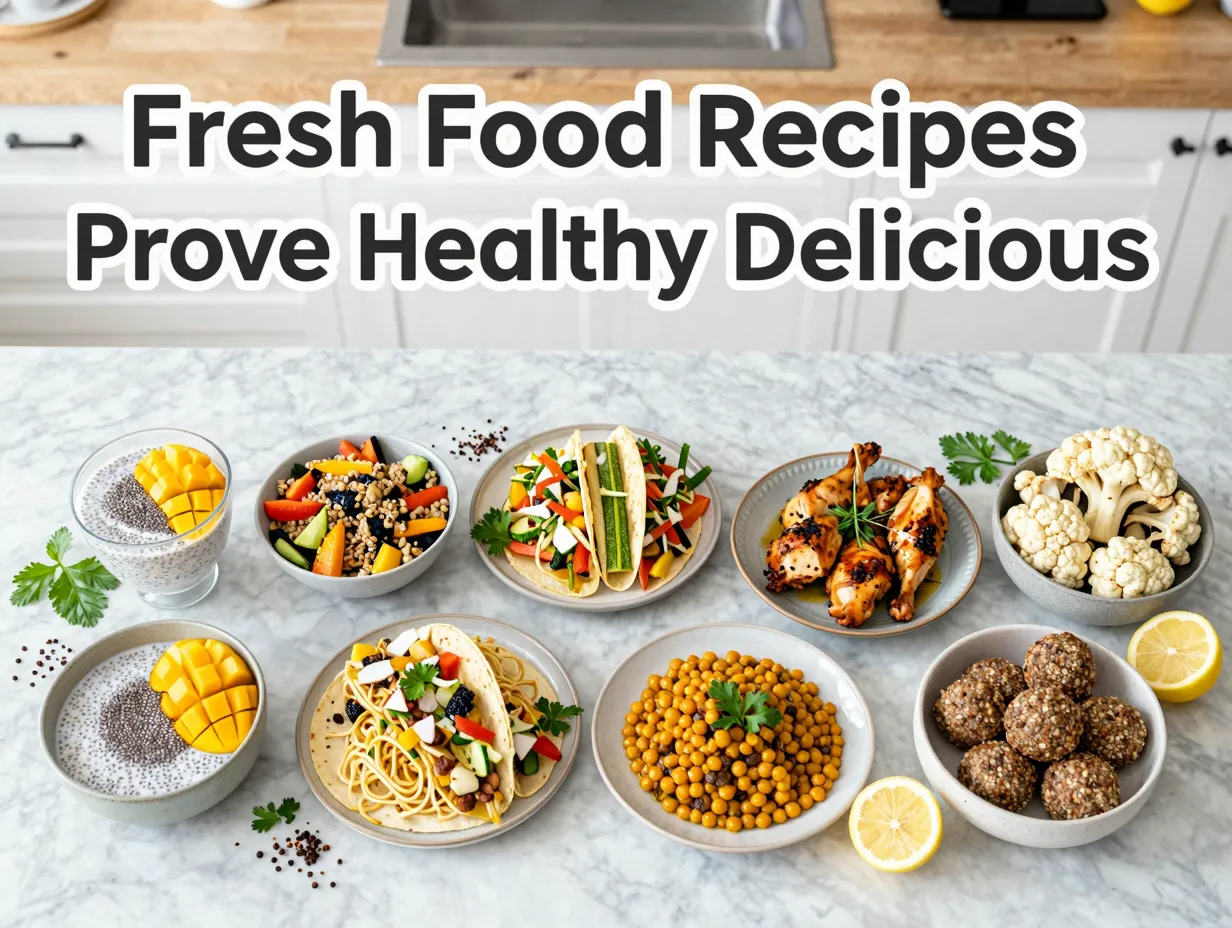
8 Fresh Food Recipes for Clean Eating That Prove Healthy Can Be Delicious
Only 1 in 10 American adults meets the daily recommended intake for fruits and vegetables, according to the CDC. That single statistic tells a story not about willpower, but about perception. Most people still believe that eating clean means eating bland. These 8 fresh food recipes for clean eating that prove healthy can be delicious exist to dismantle that myth, one flavorful dish at a time.
Disclosure: This post contains affiliate links. As an Amazon Associate, we earn from qualifying purchases, and at no extra cost to you.
I spent years cycling through restrictive diets that left me hungry, bored, and eventually reaching for whatever was in the vending machine at 3 p.m. The turning point came when I stopped thinking about what I was cutting out and started focusing on what I was adding in. Fresh herbs. Bold spices. Whole, unprocessed ingredients that actually tasted like something. The transformation was not just physical. It was a complete shift in how I thought about food.
These 8 fresh food recipes for clean eating are built on that philosophy. They draw from a growing body of evidence showing that whole-food, plant-forward cooking can be vibrant, satisfying, and genuinely exciting [1]. Whether you are brand new to clean eating or looking to refresh your routine in 2026, these recipes will give you a practical, delicious starting point.
Key Takeaways
- Clean eating centers on whole, unprocessed ingredients like fresh vegetables, fruits, legumes, and whole grains, not deprivation.
- Bold spices, fresh herbs, and smart cooking methods like grilling and air frying deliver maximum flavor without added sugar or unhealthy fats [2].
- Meal prepping even two or three of these recipes on a Sunday dramatically reduces the temptation to reach for processed options during the week [5].
- Global flavor profiles, from Thai-inspired curries to Moroccan spiced tagines, make clean eating sustainable and exciting long-term [4].
- Variety across breakfast, lunch, and dinner is the single most effective strategy for sticking with a clean eating lifestyle [1].
Why These 8 Fresh Food Recipes for Clean Eating Actually Work
Before diving into the recipes themselves, it is worth understanding what makes clean eating different from a standard diet. Clean eating is not a calorie-counting system or a list of forbidden foods. At its core, it is a commitment to choosing ingredients in their most natural state, avoiding refined sugars, artificial additives, and heavily processed products.
Research consistently shows that diets rich in whole foods support better energy levels, improved digestion, and long-term weight management [3]. The recipes in this collection reflect those principles without sacrificing the one thing that keeps any eating plan alive: taste.
What Makes a Recipe “Clean”
A clean recipe typically checks these boxes:
- Built around fresh or minimally processed ingredients
- Free from added refined sugars and artificial preservatives
- Relies on natural flavor enhancers like herbs, spices, citrus, and fermented ingredients
- Uses cooking methods that preserve nutritional value, such as steaming, grilling, roasting, or air frying [2]
Worth NotingClean eating is not about perfection. It is about progress. Even replacing two or three processed meals per week with whole-food alternatives produces measurable improvements in how you feel.
The 8 Fresh Food Recipes for Clean Eating That Prove Healthy Can Be Delicious
1. Overnight Chia Pudding With Fresh Mango and Toasted Coconut
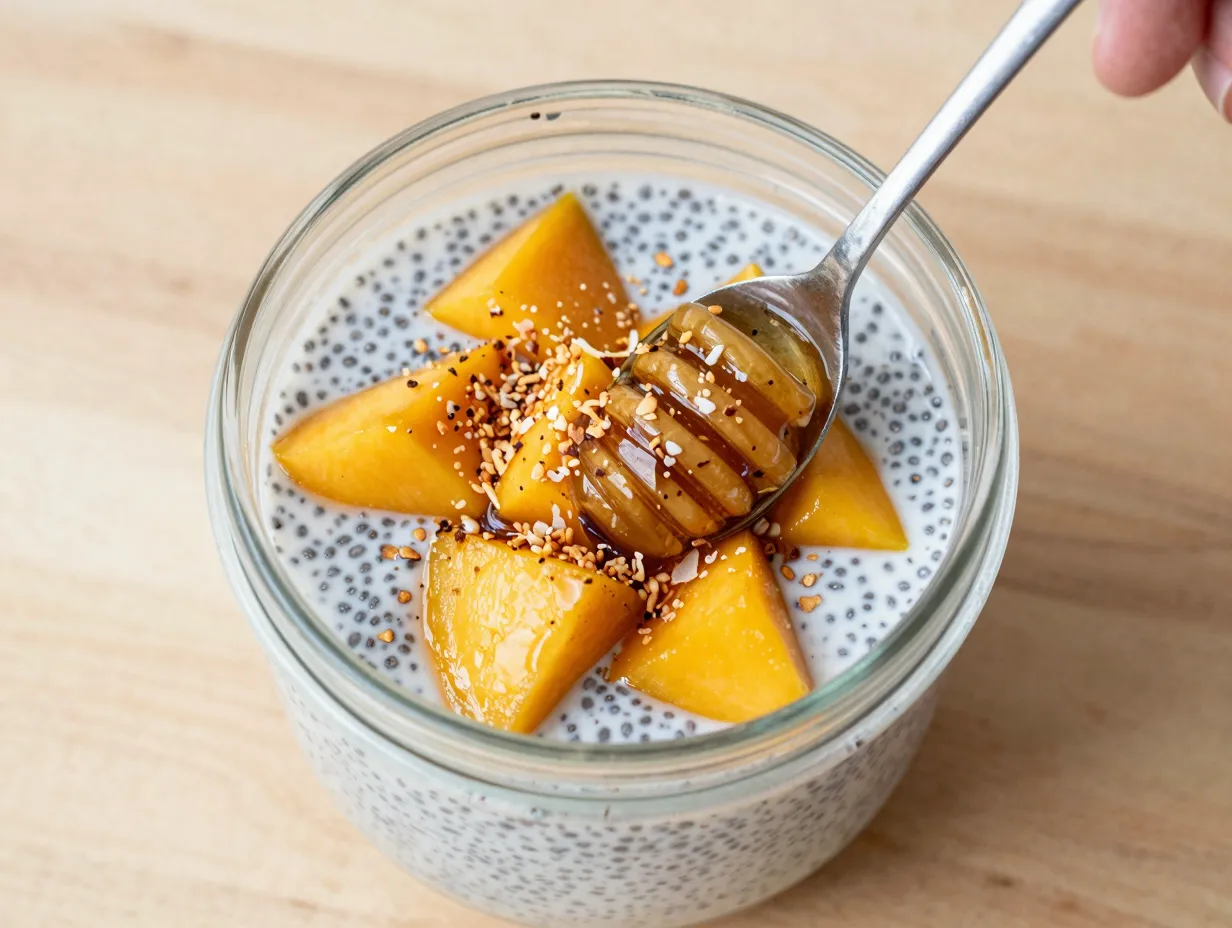
Chia pudding has earned its place as one of the most reliable clean eating breakfasts for good reason. Combine three tablespoons of chia seeds with one cup of unsweetened almond or oat milk. Stir well, cover, and refrigerate overnight. By morning, the seeds absorb the liquid and create a thick, creamy texture that requires zero cooking.
Top with fresh mango chunks, a handful of toasted coconut flakes, and a drizzle of raw honey if you want a touch of natural sweetness. The result is a breakfast that delivers omega-3 fatty acids, fiber, and plant-based protein before 8 a.m. [1].
Why it works: The combination of healthy fats from chia seeds and natural sugars from fresh fruit provides sustained energy without the mid-morning crash that follows a processed cereal or pastry.
Prep time: 5 minutes active, 8 hours passive
Servings: 1 to 2
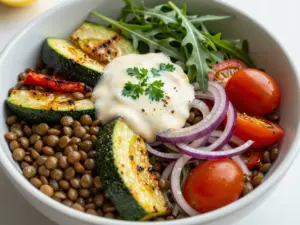
2. Quinoa and Roasted Vegetable Salad With Lemon-Tahini Dressing
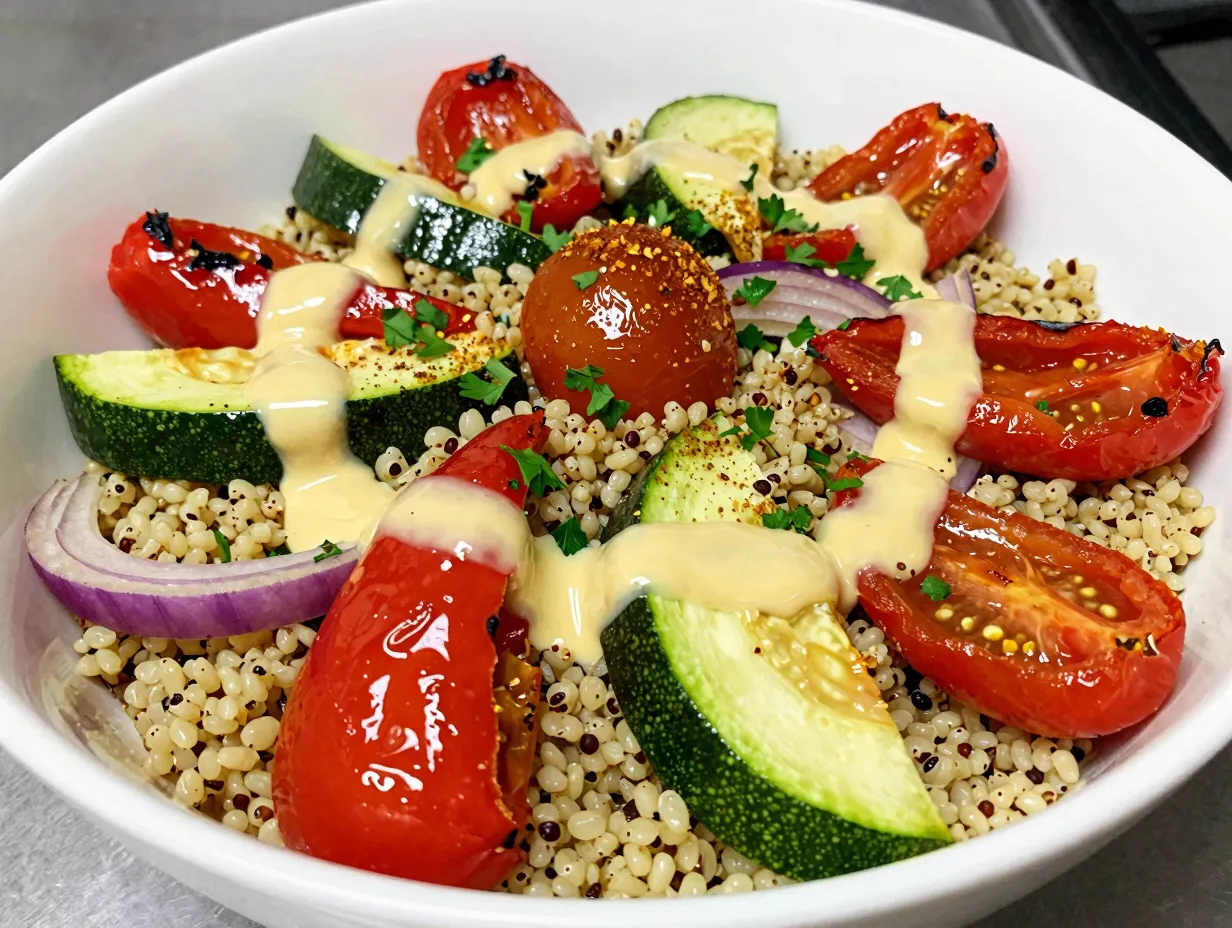
Quinoa is one of the few plant-based sources of complete protein, meaning it contains all nine essential amino acids. Cook one cup of rinsed quinoa in two cups of low-sodium vegetable broth for added depth. While it cooks, roast a sheet pan of chopped bell peppers, zucchini, red onion, and cherry tomatoes at 425 degrees Fahrenheit for 20 to 25 minutes until caramelized.
The lemon-tahini dressing is the real star here. Whisk together two tablespoons of tahini, the juice of one large lemon, one minced garlic clove, a teaspoon of cumin, and enough water to reach a pourable consistency. Toss everything together and finish with fresh parsley and a pinch of smoked paprika [1].
Nutrition snapshot:
| Nutrient | Per Serving (approx.) |
|---|---|
| Protein | 14g |
| Fiber | 8g |
| Healthy Fats | 9g |
| Added Sugar | 0g |
This salad holds well in the refrigerator for three days, making it a strong meal prep candidate [5].
3. Air Fryer Herb-Crusted Chicken Breast
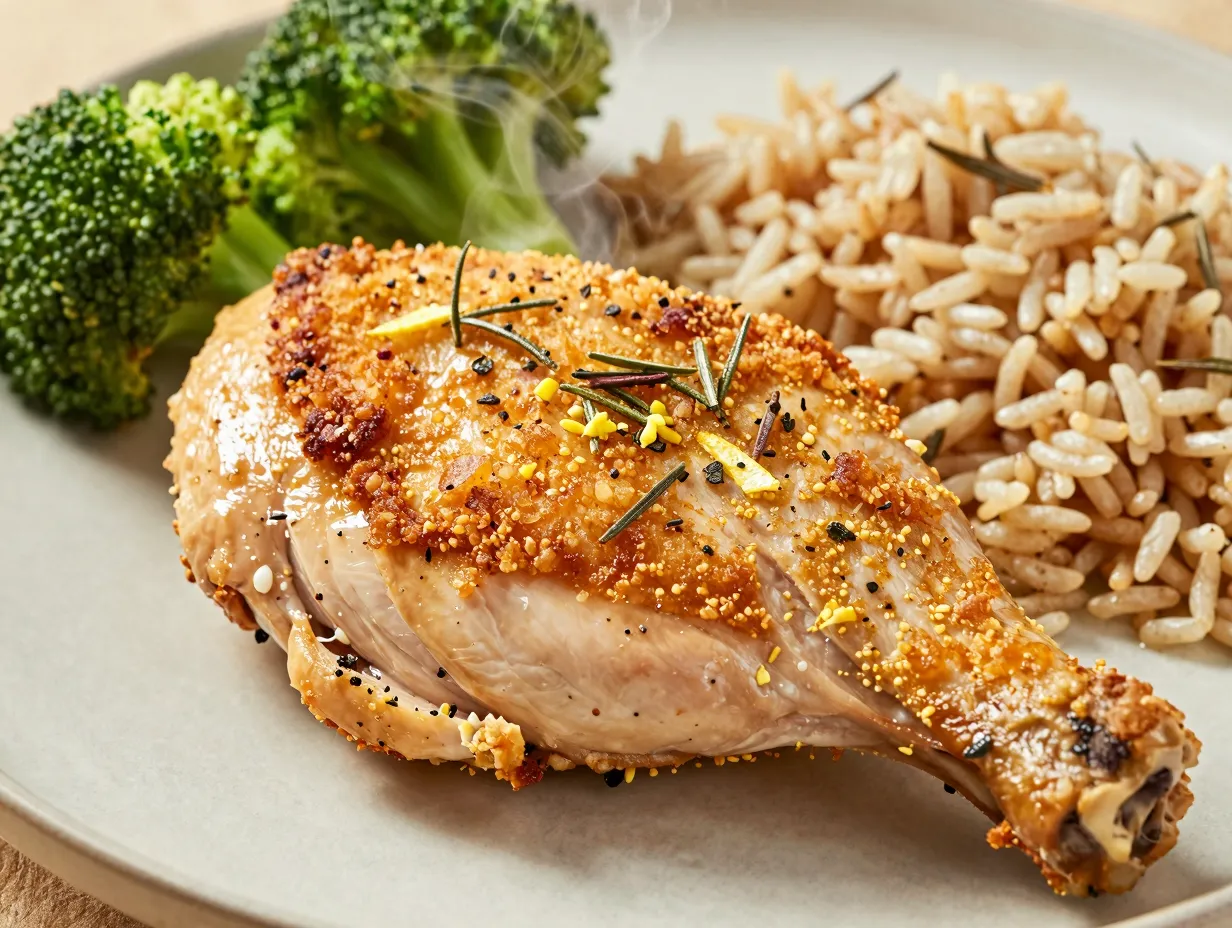
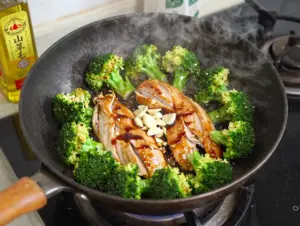
The air fryer has genuinely changed the way health-conscious cooks approach protein. It delivers a crispy, golden exterior with a fraction of the oil required by traditional frying methods [2]. For this recipe, coat two boneless chicken breasts in a mixture of olive oil, garlic powder, dried rosemary, thyme, lemon zest, and a pinch of sea salt. Air fry at 375 degrees Fahrenheit for 18 to 22 minutes, flipping halfway through.
The interior stays juicy while the outside develops a satisfying crust that feels indulgent without being so. Pair with steamed broccoli and a side of brown rice for a complete, balanced plate.
Why it works: Lean protein is a cornerstone of clean eating because it supports muscle maintenance, promotes satiety, and keeps blood sugar stable between meals [3]. The air fryer method removes the need for heavy batters or excessive oil.
4. Zucchini Boat Tacos With Spiced Black Beans
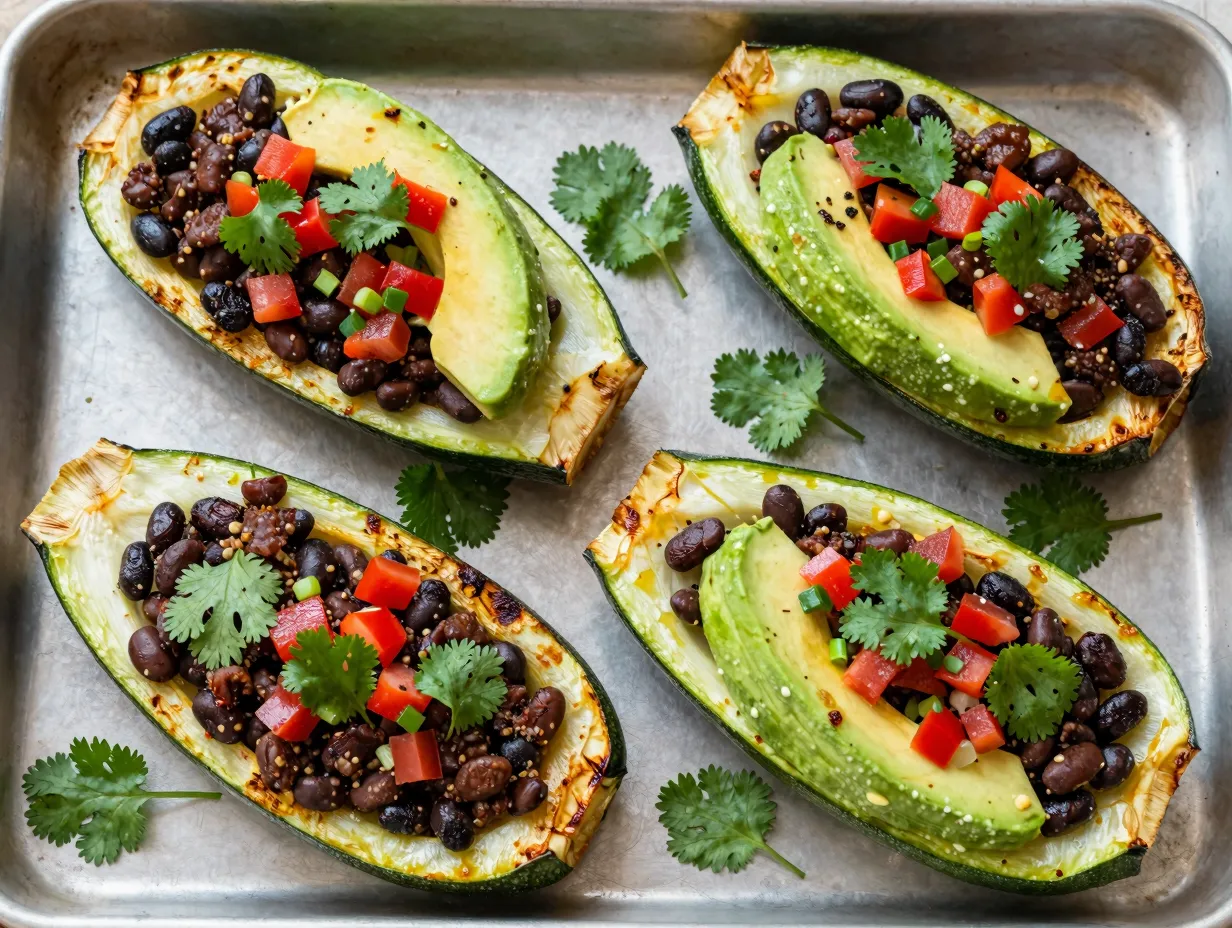
This recipe is proof that clean eating can be fun. Halve four medium zucchinis lengthwise and scoop out the center to create a shallow boat. Brush lightly with olive oil and roast at 400 degrees Fahrenheit for 15 minutes.
While the zucchini roasts, prepare the filling. Drain and rinse one can of black beans and cook them in a skillet with diced red onion, garlic, cumin, chili powder, and a splash of lime juice. Spoon the bean mixture into the zucchini boats and top with fresh pico de gallo, sliced avocado, and a handful of cilantro [1].
Flavor-boosting tip: A light drizzle of hot sauce made from fermented peppers adds heat and depth without any processed ingredients.
These are naturally gluten-free, high in fiber, and satisfying enough to serve as a main course. They also make a strong visual impression, which matters more than people admit when it comes to enjoying what you eat.
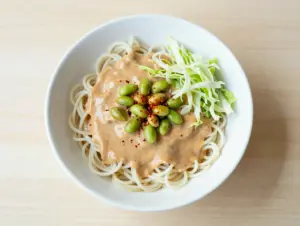
5. Thai-Inspired Coconut Curry Noodles With Edamame
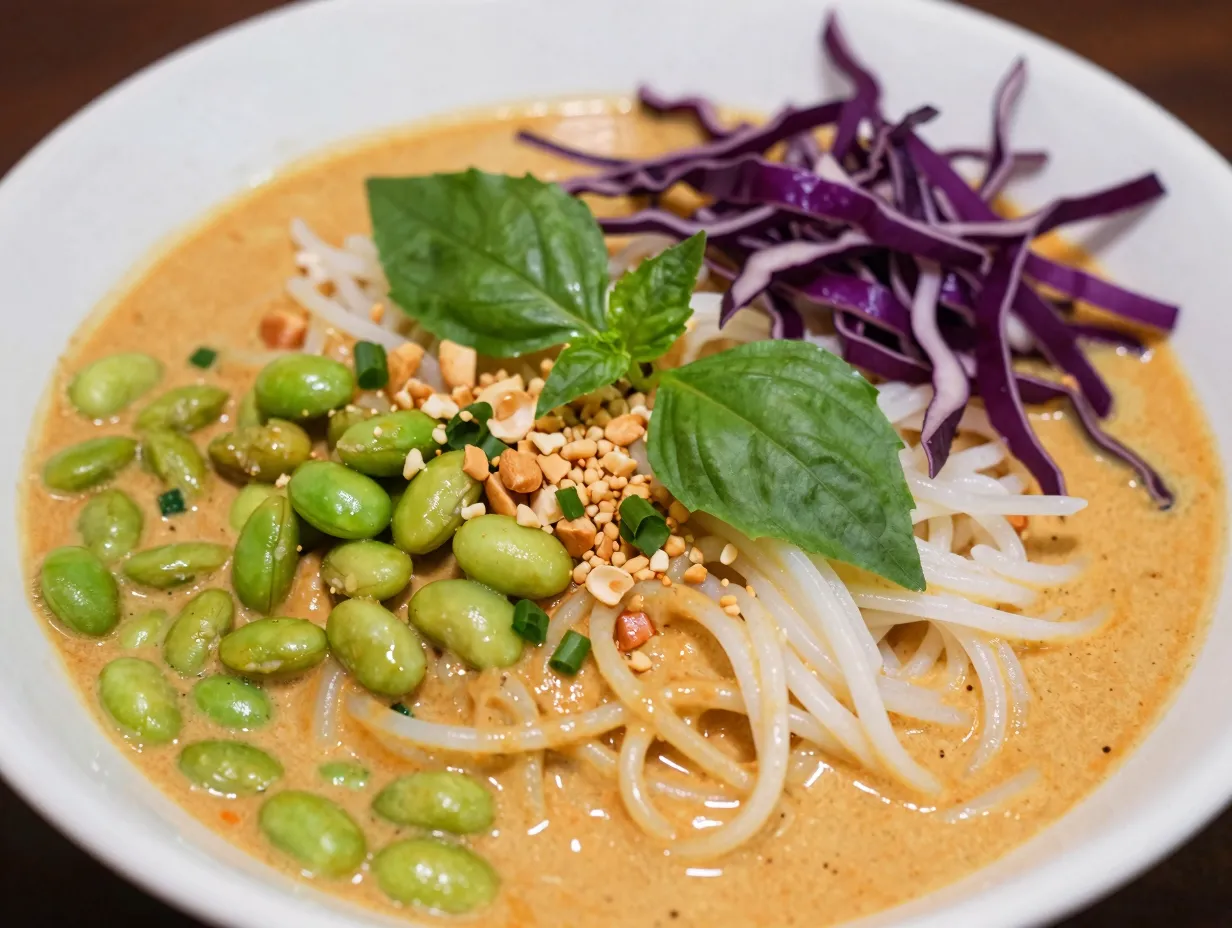
Global flavors are one of the most powerful tools in the clean eater’s arsenal. A Thai-inspired coconut curry transforms simple ingredients into something that feels like restaurant-quality cooking at home [4].
Cook rice noodles according to package directions. In a large pan, sauté minced ginger and garlic in a teaspoon of coconut oil. Add one can of full-fat coconut milk, two tablespoons of red curry paste (check the label for minimal additives), a tablespoon of tamari or low-sodium soy sauce, and a squeeze of lime. Let it simmer for five minutes, then add shelled edamame, shredded purple cabbage, and the cooked noodles.
Finish with fresh Thai basil, sliced scallions, and a scattering of crushed peanuts for crunch.
Why it works: This dish layers umami, heat, creaminess, and brightness in a single bowl. It satisfies the craving for takeout without the sodium overload or mystery ingredients that come with it [2].
6. Moroccan Spiced Chickpea Tagine
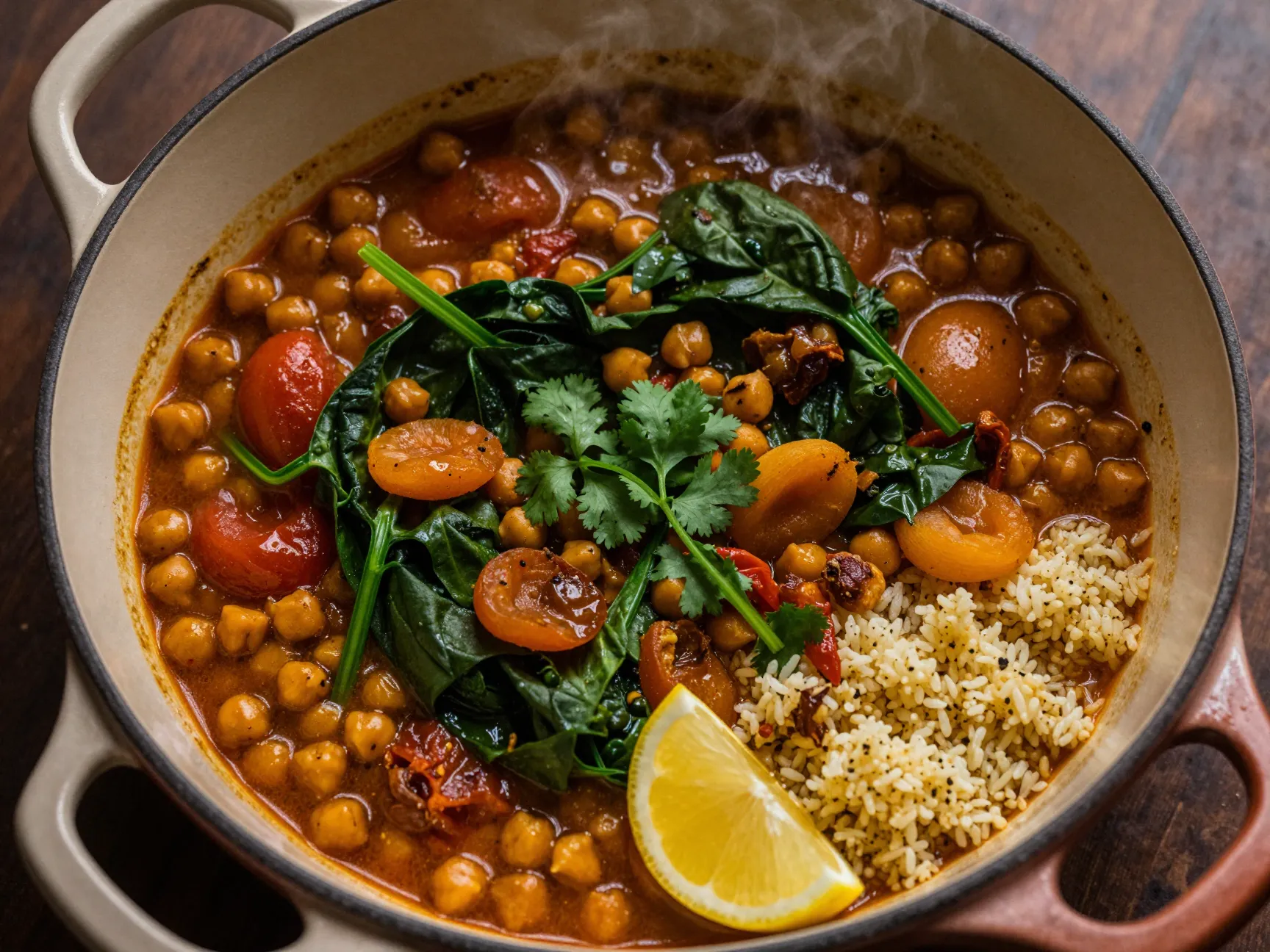
Chickpeas are one of the most versatile legumes in clean eating cooking, and this Moroccan-inspired tagine showcases exactly why [4]. In a heavy-bottomed pot or Dutch oven, sauté diced onion, garlic, and a thumb of fresh ginger in olive oil. Add a generous teaspoon each of cumin, coriander, cinnamon, and turmeric, plus a pinch of cayenne. Toast the spices for 60 seconds before adding diced tomatoes, vegetable broth, and two cans of drained chickpeas.
Simmer for 25 minutes, then stir in a handful of roughly chopped dried apricots and a cup of baby spinach. The apricots add a natural sweetness that balances the warmth of the spices without any refined sugar.
Serve over cauliflower rice or whole grain couscous with a wedge of lemon and fresh cilantro.
Clean Eating Principle in ActionThe Moroccan tagine demonstrates how a handful of pantry spices can create extraordinary depth of flavor without relying on processed sauces, added sugars, or artificial flavor enhancers.
7. Cauliflower Power Bowl With Turmeric Tahini
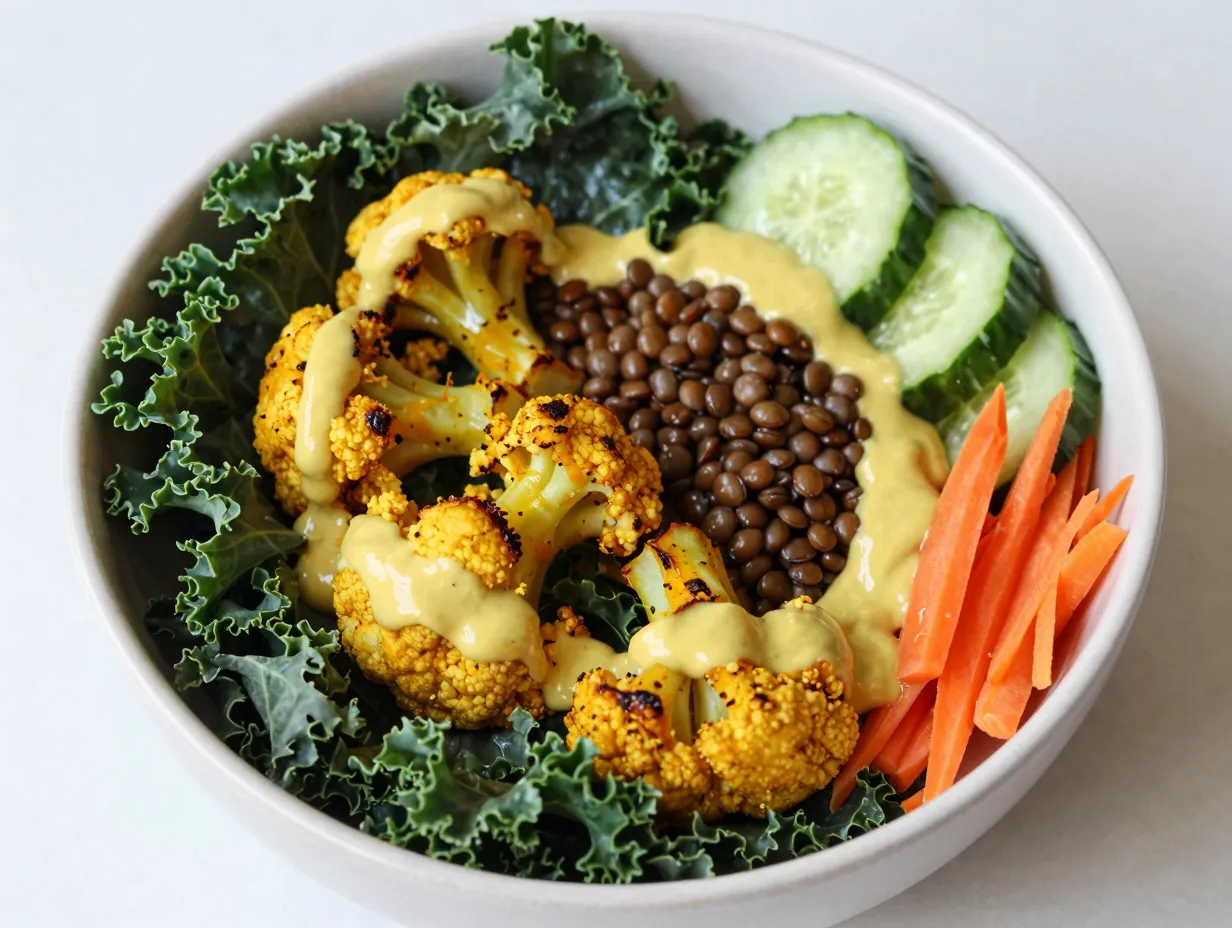
Power bowls have become a staple of clean eating meal prep because they are endlessly customizable and nutritionally complete [1]. This version centers on roasted cauliflower, which develops a nutty, caramelized flavor when roasted at high heat.
Cut one head of cauliflower into florets and toss with olive oil, turmeric, garlic powder, and black pepper. Roast at 425 degrees Fahrenheit for 25 to 30 minutes. Build the bowl with a base of massaged kale, a scoop of cooked lentils, sliced cucumber, shredded carrots, and the roasted cauliflower.
The turmeric tahini dressing comes together in two minutes: whisk tahini, lemon juice, a teaspoon of turmeric, one minced garlic clove, and water until smooth.
Meal prep note: Roast a double batch of cauliflower on Sunday and use it across multiple meals throughout the week. This is one of the most efficient clean eating strategies available [5].
8. Banana Bread Energy Bites With Dark Chocolate and Walnuts
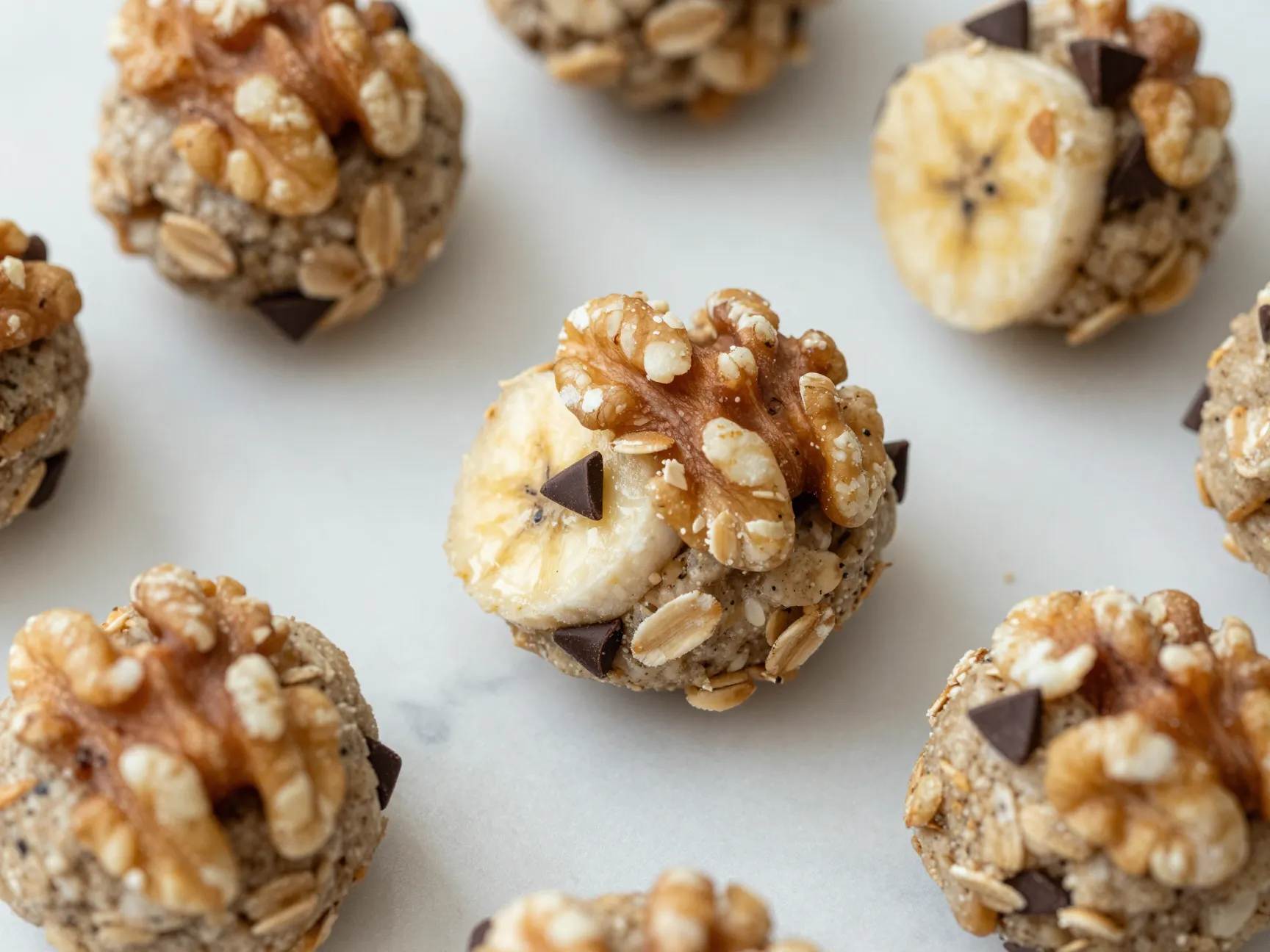
Clean eating does not mean giving up dessert. It means rethinking what dessert can be. These no-bake energy bites use ripe bananas as the primary sweetener, which means zero refined sugar and plenty of natural potassium and fiber [1].
Mash two very ripe bananas in a bowl. Stir in one cup of rolled oats, two tablespoons of natural almond butter, a handful of chopped walnuts, a teaspoon of cinnamon, and a handful of dark chocolate chips (70 percent cacao or higher). Roll into tablespoon-sized balls and refrigerate for at least one hour before serving.
These hold in the refrigerator for up to five days and freeze well for up to a month, making them an ideal clean eating snack to have on hand when the afternoon craving hits.
Why it works: The combination of complex carbohydrates from oats, healthy fats from walnuts and almond butter, and natural sugar from banana creates a genuinely satisfying treat that does not spike blood sugar the way a processed cookie would [3].
Practical Strategies for Making Clean Eating Stick
Having eight strong recipes is a starting point, not a finish line. The real challenge is building a system that makes clean eating the path of least resistance on a Tuesday night when you are tired and the delivery app is one tap away.
Build a Weekly Meal Prep Routine
Meal prepping is consistently identified as one of the most effective strategies for maintaining a clean eating lifestyle over time [5]. It does not require an entire Sunday afternoon. Even 45 minutes of intentional prep, washing and chopping vegetables, cooking a batch of grains, preparing one or two dressings, dramatically reduces friction during the week.
A simple weekly prep routine might look like this:
- Cook a large batch of quinoa or brown rice
- Roast two sheet pans of mixed vegetables
- Prepare one protein (air fryer chicken or a pot of chickpeas)
- Make one sauce or dressing that can be used across multiple meals
Stock a Clean Eating Pantry
The recipes above become much easier to execute when the right ingredients are already in the kitchen. A well-stocked clean eating pantry includes:
- Whole grains: rolled oats, quinoa, brown rice, whole grain couscous
- Legumes: canned chickpeas, black beans, lentils (no added salt)
- Healthy fats: extra virgin olive oil, coconut oil, tahini, natural nut butters
- Flavor builders: cumin, turmeric, smoked paprika, cinnamon, red curry paste, tamari
- Acids: fresh lemons, limes, apple cider vinegar
Embrace Global Flavors
One of the most common reasons people abandon clean eating is boredom. Incorporating global flavor profiles, whether it is the warm spices of Moroccan cuisine or the bright, herbaceous notes of Thai cooking, keeps the palate engaged and makes healthy eating feel like an adventure rather than a restriction [4].
Conclusion
The evidence is clear, and these 8 fresh food recipes for clean eating that prove healthy can be delicious make the case better than any argument could. Clean eating is not about suffering through flavorless salads or counting every gram of carbohydrate. It is about choosing ingredients that are as close to their natural state as possible and then using herbs, spices, and smart cooking techniques to make them genuinely crave-worthy.
Start with two or three recipes from this list this week. Pick the ones that appeal to you most, whether that is the overnight chia pudding for an effortless breakfast or the Moroccan chickpea tagine for a weekend dinner. Build your pantry around the staples that appear across multiple recipes. Set aside one hour on the weekend for meal prep. These small, consistent actions compound into a way of eating that feels sustainable rather than sacrificial.
The goal is not perfection. The goal is momentum. And momentum starts with a single delicious meal.
References
[1] Clean Eating Recipes That Taste Amazing – https://greatist.com/eat/clean-eating-recipes-that-taste-amazing?utm_source=openai
[2] Healthy Recipes That Dont Skimp On Flavor – https://simply-delicious-food.com/healthy-recipes-that-dont-skimp-on-flavor/?utm_source=openai
[3] Clean Eating Meal Ideas – https://mealprepify.com/clean-eating-meal-ideas/?utm_source=openai
[4] Clean Eating Vegan – https://mealprepify.com/clean-eating-vegan/?utm_source=openai
[5] Healthy Clean Eating – https://mealprepify.com/healthy-clean-eating/?utm_source=openai