9 Food and Drink Aesthetic Ideas That Make Your Table Look Effortlessly Stunning
A 2023 study found that diners rate food presented with intentional styling up to 29% more enjoyable than identical food served without it, before they even take a single bite. That single data point changed how I approach every table I set, whether it is a casual Sunday brunch for four or a dinner party for twelve. The visual experience of a table is not a luxury detail reserved for restaurants or professional food photographers. It is a fundamental part of how food tastes, how guests feel, and how a meal is remembered.
Disclosure: This post contains affiliate links. As an Amazon Associate, we earn from qualifying purchases, and at no extra cost to you.
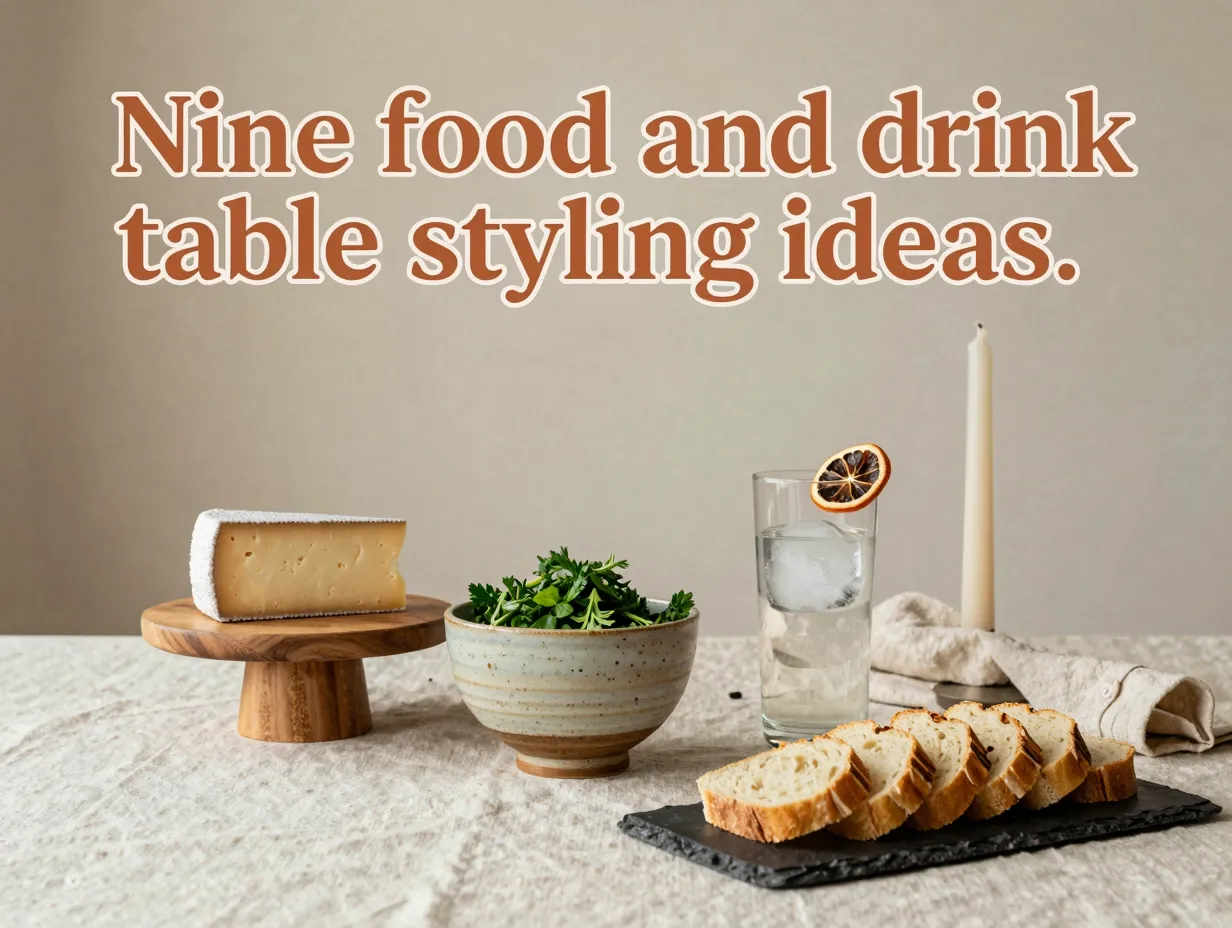
These 9 food and drink aesthetic ideas that make your table look effortlessly stunning are drawn from real styling principles used by professional chefs, event designers, and food stylists. Each idea is practical, budget-conscious, and repeatable. Whether you are hosting guests or simply elevating a weeknight dinner, these techniques will transform your table from functional to genuinely beautiful.
Key Takeaways
- Height, layering, and negative space are the three structural pillars of a visually stunning table
- Tableware texture and color coherence matter as much as the food itself
- Drink presentation is often overlooked but delivers some of the highest visual impact
- Asymmetry and intentional imperfection create a more natural, inviting aesthetic than rigid symmetry
- Small, consistent details, garnishes, linens, lighting, compound into a memorable overall impression
The Core Principles Behind Stunning Food and Drink Aesthetics
Before diving into the specific ideas, it helps to understand why some tables look effortless while others look cluttered or flat. Professional food stylists consistently point to three structural principles: height and drama, negative space, and cohesive but not matchy tableware [2][6]. These three ideas underpin every one of the nine techniques below.
When I first started styling tables for small dinner parties, I made the classic mistake of filling every inch of surface space. The table looked busy, not abundant. It was only after pulling back, removing two dishes, lifting one board onto a small riser, that the whole scene clicked into place. Less, arranged with intention, almost always reads as more.
9 Food and Drink Aesthetic Ideas That Make Your Table Look Effortlessly Stunning
1. Build Upward with Height and Layers
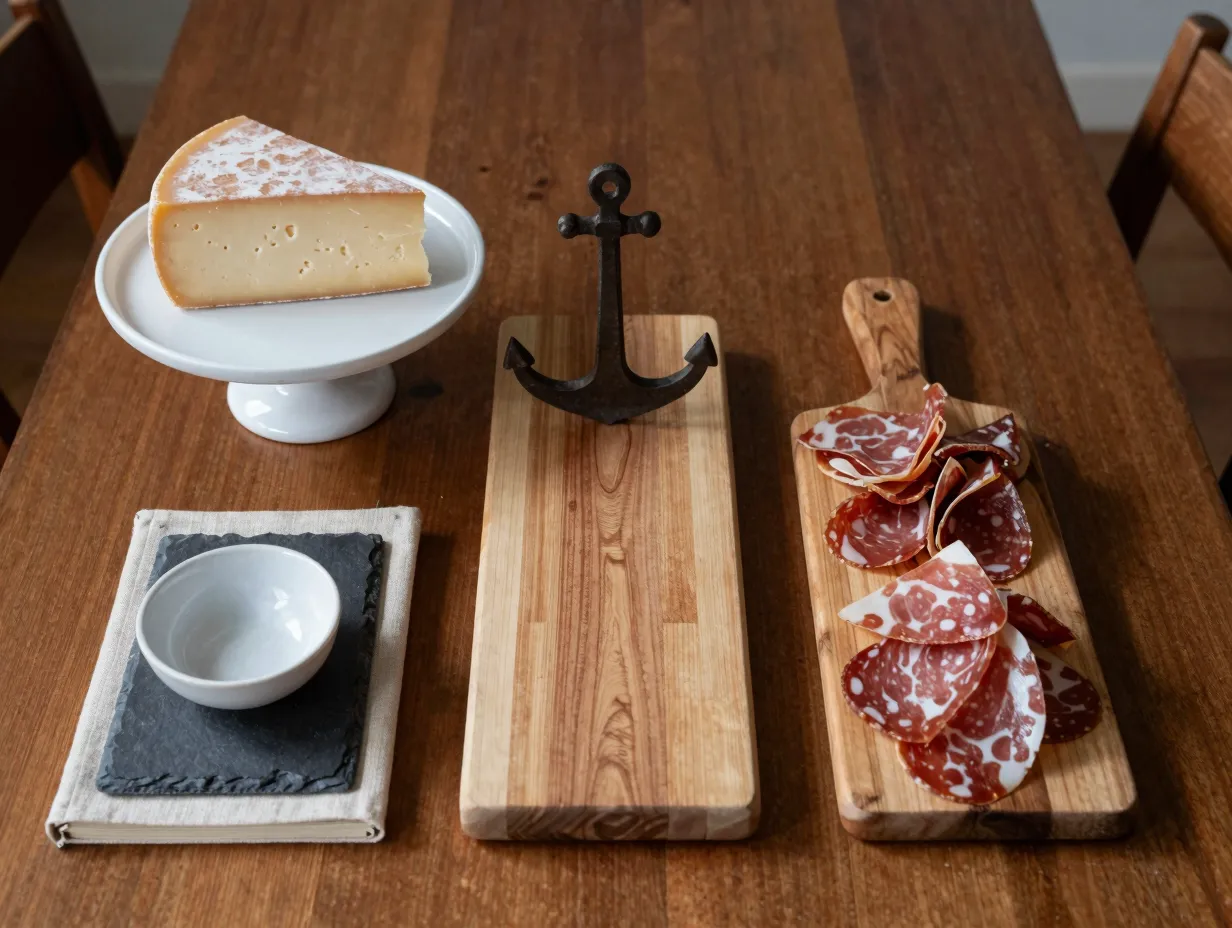
The single most impactful change you can make to any table is introducing vertical variation. A flat table, where every dish sits at the same level, reads as monotonous to the eye. When you stack, lift, and layer, you create drama and a genuine “wow” factor [6].
Use what you already own: a wooden cutting board propped on a small book, a cake stand repurposed as a cheese platform, a folded linen napkin used as a riser for a small bowl. In restaurants, this principle is applied deliberately, tiered dessert stands, elevated charcuterie boards, and multi-level centerpieces all serve the same visual function [7].
Practical height-building tools:
- Cake stands (ceramic, glass, or wooden)
- Wooden boards of varying thicknesses
- Small bowls inverted under a serving plate
- Stacked slate tiles or stone trivets
- Books wrapped in linen or kraft paper
Aim for at least three distinct height levels across your table. The tallest point should sit roughly in the center or slightly off-center to anchor the eye without blocking conversation.
2. Use Negative Space Intentionally
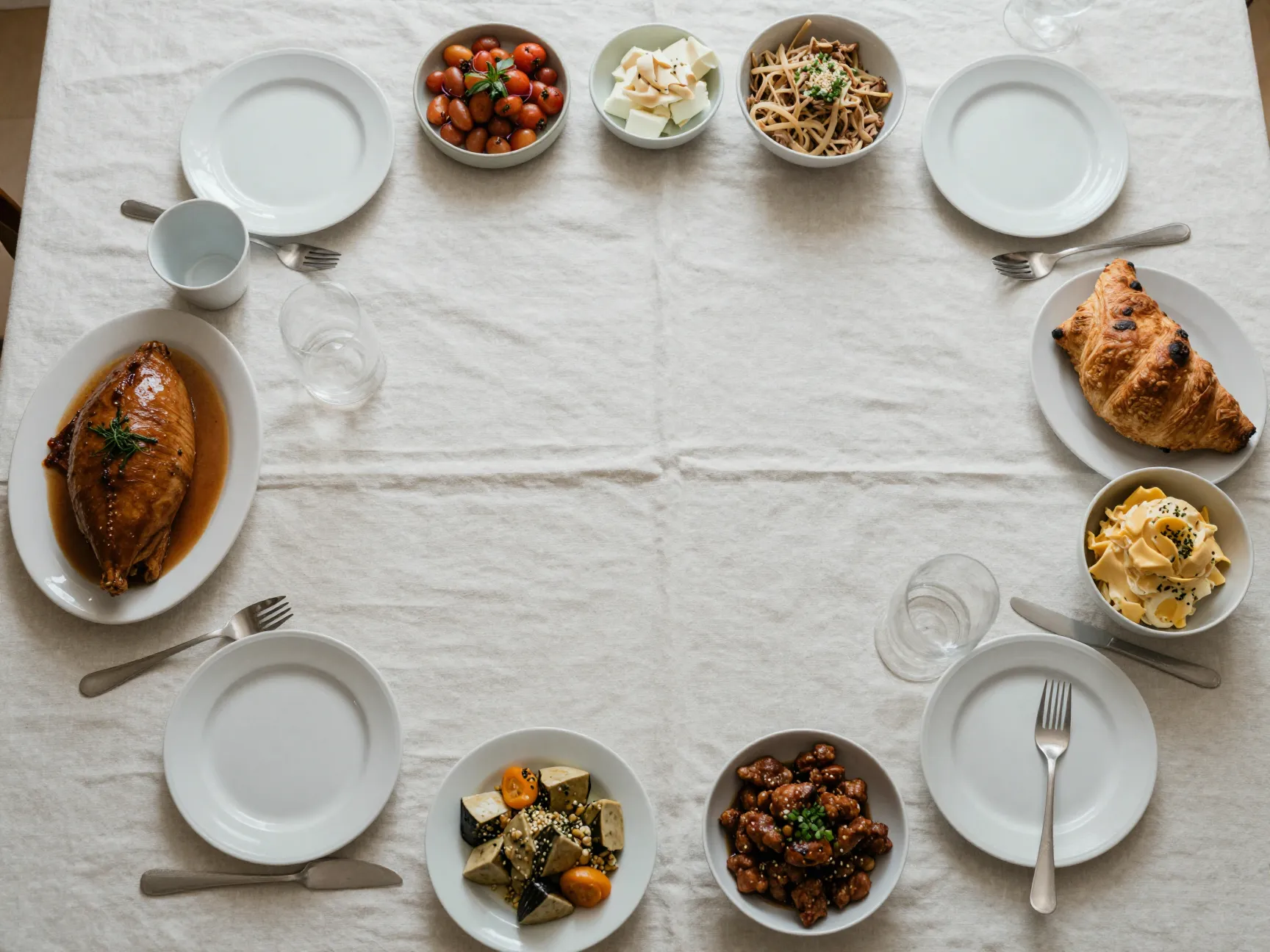
Negative space, the empty area between and around your food, is not wasted space. It is breathing room, and it is one of the most underused tools in home table styling [3][6].
Food52’s styling guidance consistently emphasizes that leaving deliberate gaps between dishes makes each individual item look more considered and intentional [3]. A crowded table suggests abundance but often reads as chaos. A table with breathing room suggests curation and confidence.
A practical rule: after you have arranged everything, remove one item. Then step back and look. In almost every case, the table looks better with that item gone.
Negative space tips:
- Leave at least 15-20% of your table surface visibly clear
- Cluster dishes in groups of three, with gaps between clusters
- Use a runner or tablecloth that extends beyond the dishes to frame the scene
- Avoid pushing dishes to the edges of the table
3. Curate Your Tableware with Texture and Tone
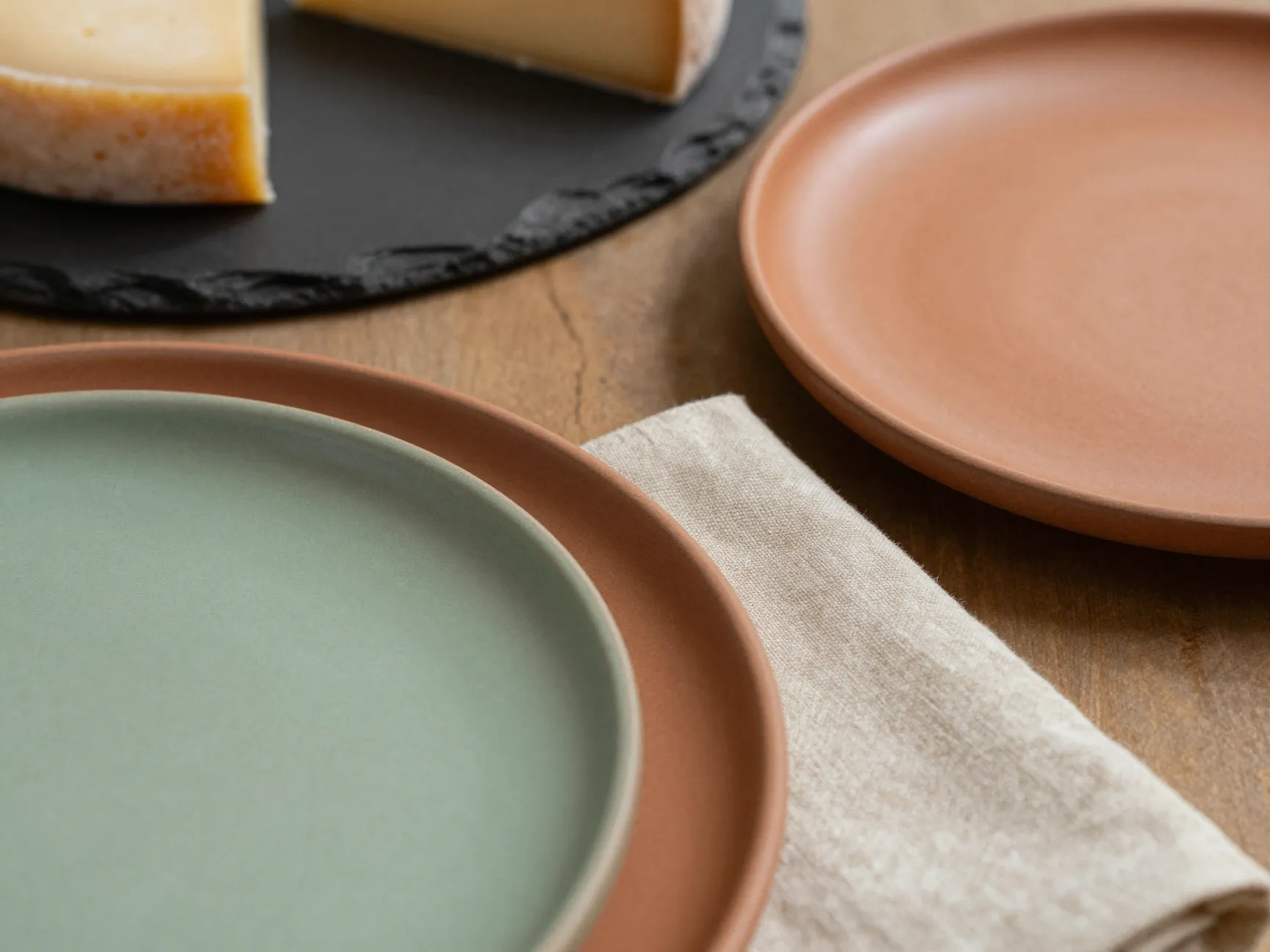
The plates, bowls, boards, and vessels you choose communicate the entire mood of a table before the food even arrives. Professional stylists recommend either a fully cohesive set or intentionally mismatched pieces, the worst outcome is accidental mismatching, where nothing relates to anything else [5][9].
Matte textures, particularly in earthy tones like terracotta, sage, slate, and cream, photograph beautifully and feel warm in person. Glossy white plates are clean and versatile but can look clinical without softening elements like linen or wood [2].
| Tableware Style | Best For | Avoid Pairing With |
|---|---|---|
| Matte earthy ceramics | Rustic, warm, organic aesthetics | Bright plastic or neon accents |
| Glossy white porcelain | Modern, minimalist, fine dining | Heavy, dark, rustic linens |
| Mismatched vintage pieces | Eclectic, relaxed, storytelling tables | Rigid, formal place settings |
| Slate or stone boards | Charcuterie, cheese, appetizers | Delicate, pastel color palettes |
If you are building a collection from scratch in 2026, prioritize pieces that share a tonal family, warm neutrals, cool grays, or deep earthy tones, even if the shapes and sizes vary.
4. Garnish with Purpose, Not Decoration
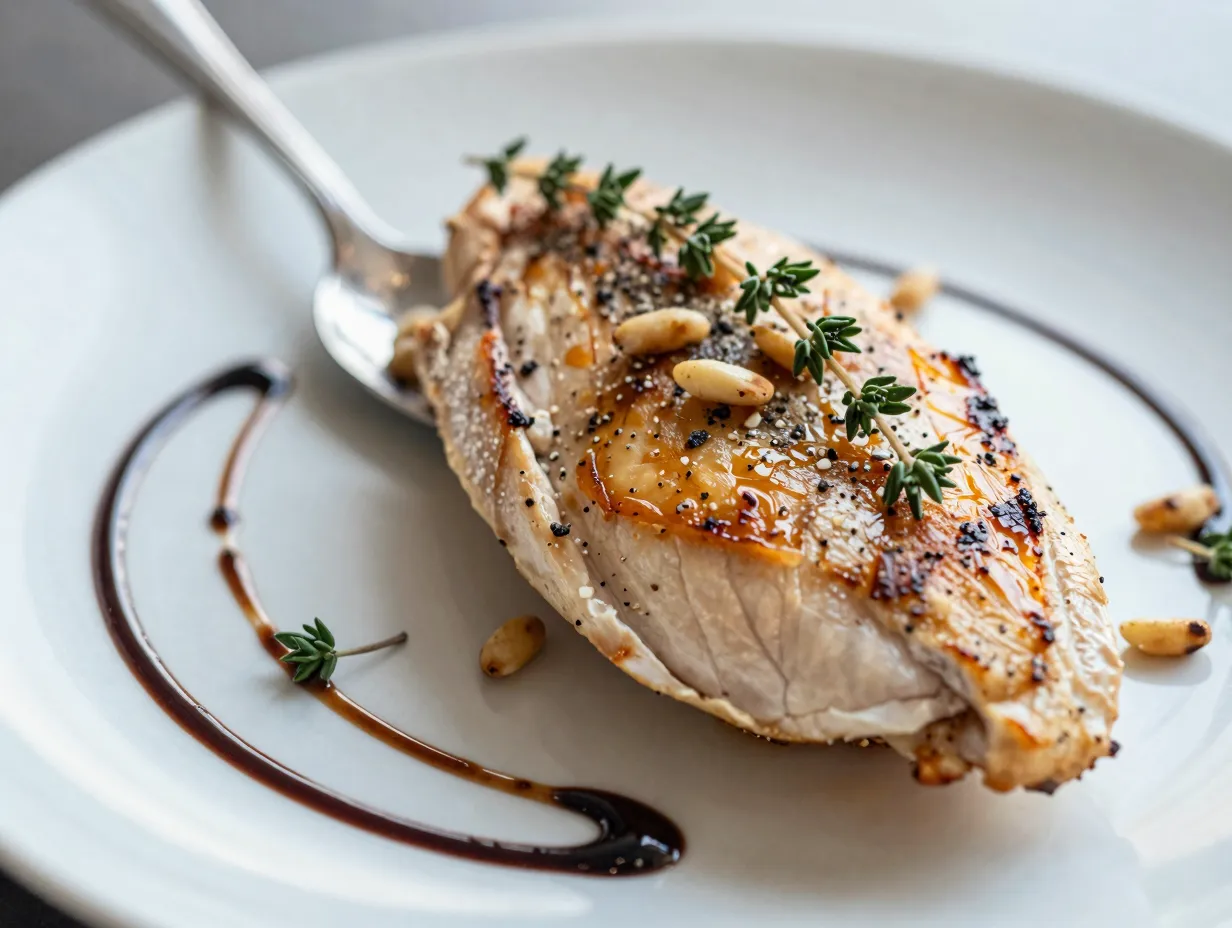
A garnish is not a garnish unless it earns its place. The most common mistake in home food presentation is adding a sprig of parsley or a lemon wedge as an afterthought, a signal that the cook knows something is missing but is not sure what [4][10].
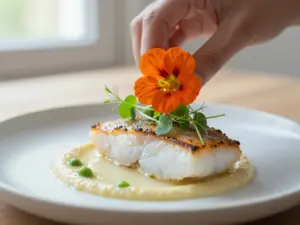
Purposeful garnishes do one of three things: they echo a flavor already in the dish, they add a contrasting color, or they introduce a textural element that makes the plate more interesting to look at and eat [4].
High-impact garnish ideas:
- Fresh herbs that mirror the dish’s seasoning (thyme on roasted chicken, basil on tomato dishes)
- A thin slice of citrus zest curled over a cocktail or dessert
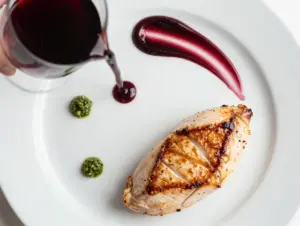
- A drizzle of contrasting sauce applied with a spoon or squeeze bottle
- Edible flowers for color contrast on salads or cheese boards
- Toasted seeds or nuts scattered at the last moment for texture
“The garnish should look like it grew there, not like it was placed there.”, a principle I first heard from a food stylist at a workshop, and one I have never forgotten.
5. Apply the Rule of Odd Numbers to Food Groupings
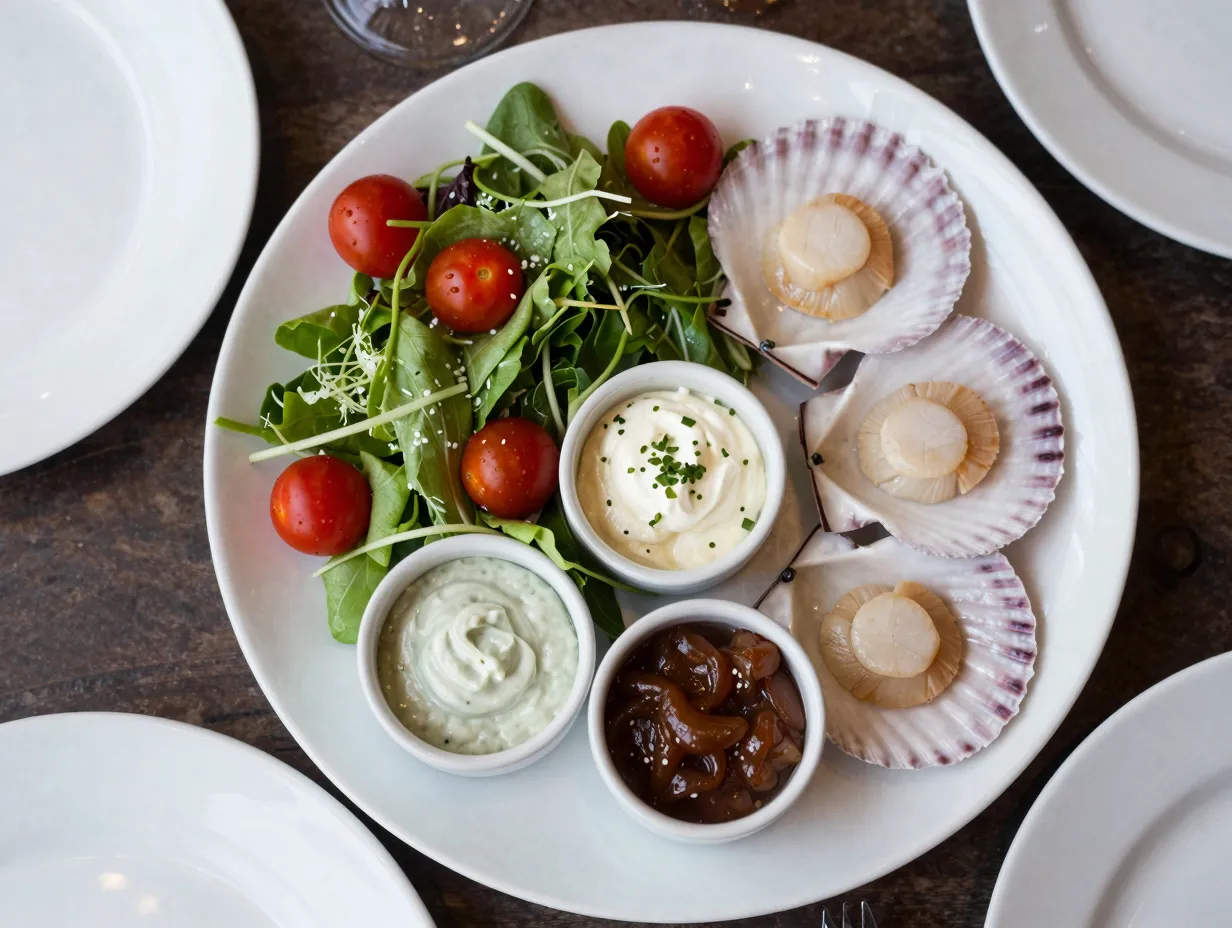
Odd numbers feel natural. Even numbers feel arranged. This is a principle borrowed from visual design and interior styling, and it applies directly to food presentation [10].
When plating individual dishes, three scallops look more dynamic than four. Five cherry tomatoes scattered across a salad look more alive than six arranged in a line. On a larger table spread, group your dishes in threes, three dips with crudités, three small dessert portions, three drink vessels of varying heights [7].
This rule also applies to garnishes. A single herb sprig looks lonely. Two looks symmetrical and stiff. Three looks intentional and natural.
Where to apply odd-number groupings:
- Appetizer portions on a shared board
- Drink glasses or carafes arranged as a cluster
- Decorative elements like candles or small vases
- Sauce dots or drops on a plated dish
6. Elevate Drink Presentation with Glassware and Garnishes
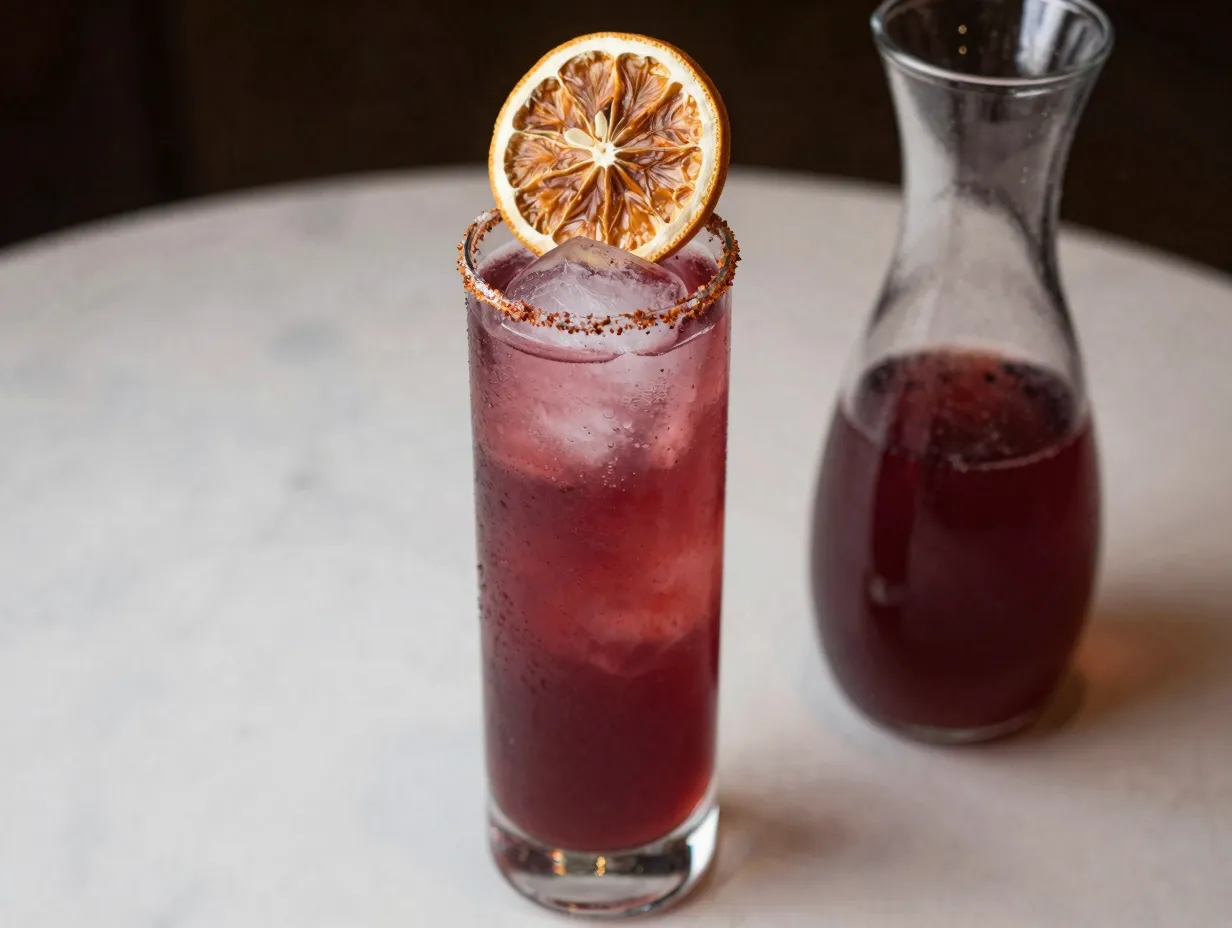
Drinks are the most neglected element of table aesthetics in home settings. Yet a well-presented drink, whether it is a cocktail, a mocktail, a simple sparkling water, or a jug of iced tea, can anchor an entire table’s visual identity [1][5].
The key variables are glassware shape, color of the liquid, ice presentation, and rim or float garnishes. A tall, slender glass makes a drink look elegant. A wide, short glass reads as casual and generous. Colored drinks, deep berry tones, bright citrus yellows, pale mint greens, add immediate visual interest to a table dominated by food tones [1].
Drink aesthetic upgrades that cost almost nothing:
- Large, clear ice cubes instead of standard cloudy ice
- A dried citrus wheel or fresh herb float on top of the drink
- A salted or sugared rim with a colored spice like smoked paprika or activated charcoal
- Matching or intentionally contrasting glassware heights across the table
- A small carafe or pitcher as a centerpiece with a coordinating glass beside it
In 2026, the dried citrus garnish trend continues to dominate both home and restaurant drink presentation for good reason, it is beautiful, long-lasting, and adds a warm amber or crimson tone that photographs exceptionally well.
7. Use Color Theory to Build a Cohesive Visual Palette
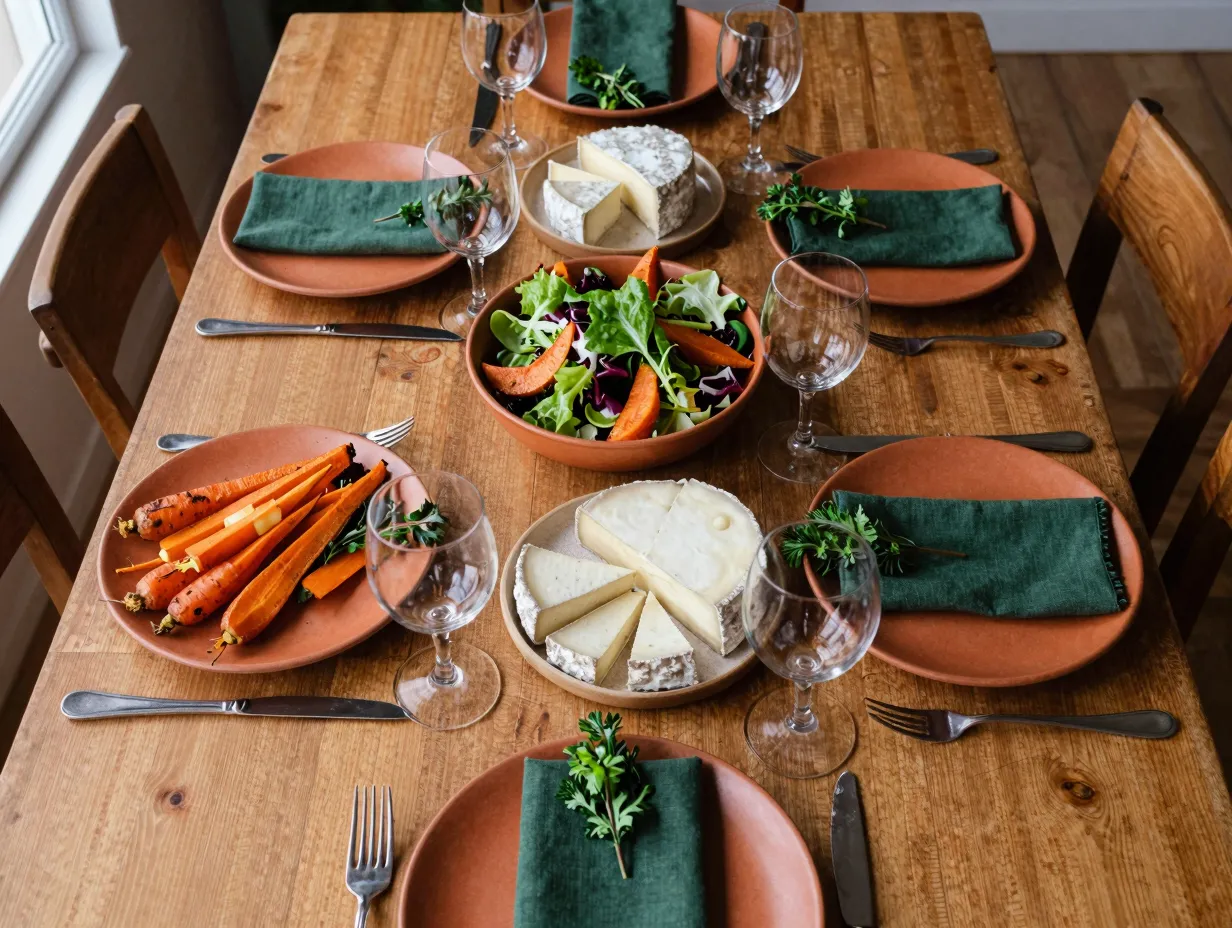
Every stunning table has a color story. It does not need to be complex, in fact, the most striking tables often work with just two or three colors, but it needs to be intentional [2][8].
Color theory applied to food styling works like this: choose a dominant tone from your tableware or linen, then build your food and drink choices around complementary or analogous colors. A table anchored by warm terracotta tones is elevated by deep greens (herbs, salad leaves), warm oranges (roasted vegetables, citrus), and creamy whites (cheese, bread, sauces).
Color palette combinations that work consistently:
- Terracotta + deep green + cream
- Slate gray + pale yellow + white
- Navy blue + warm gold + ivory
- Sage green + blush pink + natural wood tones
The food itself contributes color, so plan your menu with the visual palette in mind. A monochromatic beige menu, roasted chicken, mashed potato, bread, needs deliberate color intervention through garnishes, linens, or drink colors [2].
8. Fold, Layer, and Texture Your Linens
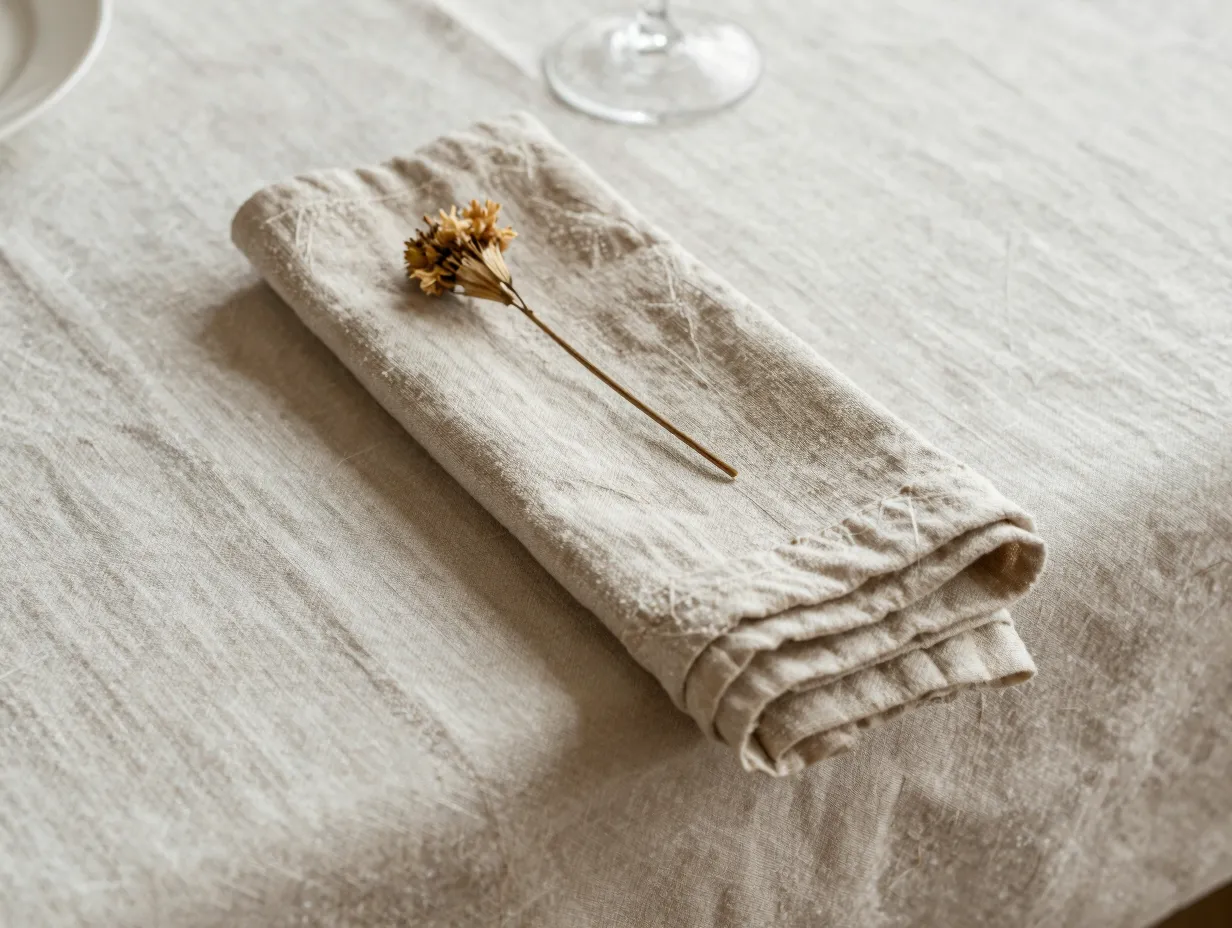
Linens are the foundation layer of any table aesthetic, and yet most home hosts either skip them entirely or lay them flat without thought. A linen napkin folded with intention, a runner draped with a slight overhang, or a textured cloth layered under a smooth one, these details signal care and create a backdrop that makes everything placed on top look more considered [9].
The current direction in 2026 leans toward natural, undyed, or lightly textured linens, washed linen, cotton gauze, and loosely woven jute runners. These materials photograph well, feel relaxed rather than formal, and complement both matte ceramics and rustic wooden boards [8][9].
Linen layering techniques:
- Place a textured runner over a plain tablecloth rather than using either alone
- Allow napkins to fall loosely rather than folding them into rigid shapes
- Tuck a small herb sprig or dried flower into a napkin fold as a personal touch
- Use a linen in a color that contrasts softly with your dominant tableware tone
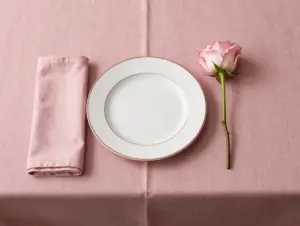
A loosely folded napkin placed beside a plate, rather than under the cutlery, reads as effortlessly styled rather than formally set. It is a small shift that changes the entire register of the table.
9. Light the Table, Not Just the Room
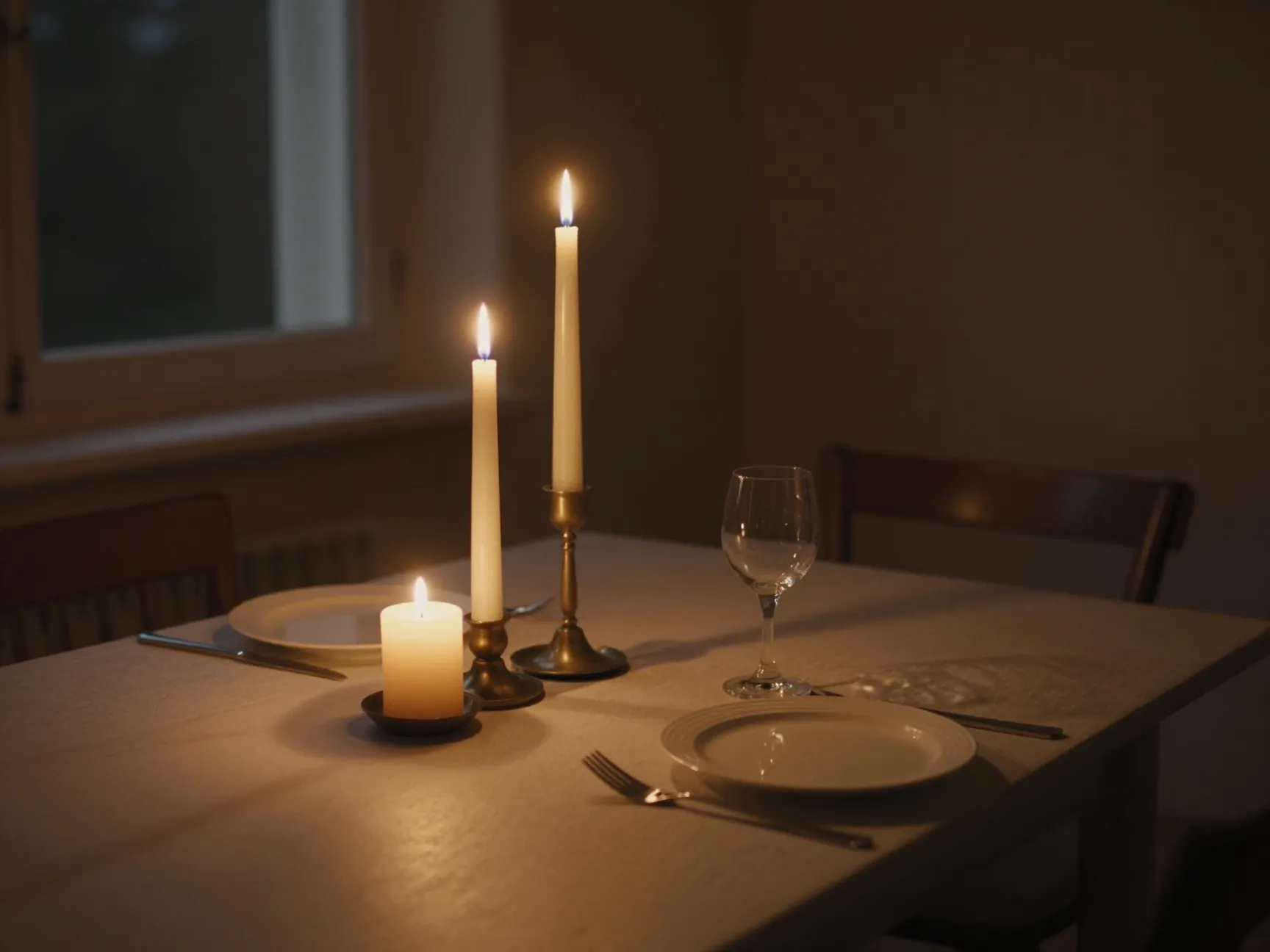
Lighting is the final layer of these 9 food and drink aesthetic ideas that make your table look effortlessly stunning, and it is the one most people forget entirely. The difference between a table that looks beautiful in person and one that photographs beautifully often comes down entirely to light [8].
Natural light from a nearby window, positioned so it falls across the table at a low angle, is the gold standard. It creates soft shadows, adds depth to textures, and makes food colors look saturated and vivid. If natural light is not available, warm-toned candles or low-wattage amber bulbs positioned at table height, rather than overhead, replicate the same effect [7][8].
Lighting principles for table aesthetics:
- Position your light source to the side of the table, not directly above it
- Use candles in varying heights for warmth and vertical interest (they also count as height-building elements from Idea 1)
- Avoid cool-toned overhead fluorescent lighting, it flattens food color and texture
- If photographing the table, turn off overhead lights entirely and rely on a single window or a warm lamp
A table lit with two taper candles and a nearby window will outperform a table lit by a bright overhead fixture every single time, regardless of how beautiful the food is.
Restaurants understand this deeply, the deliberate use of warm, low lighting in dining spaces is one of the most studied elements of hospitality design, directly linked to guest satisfaction and perceived food quality [8].
How These 9 Food and Drink Aesthetic Ideas Work Together
The power of these 9 food and drink aesthetic ideas that make your table look effortlessly stunning is not in any single technique. It is in the way they compound. Height creates drama. Negative space gives that drama room to breathe. Curated tableware provides a coherent visual language. Purposeful garnishes add detail. Odd-number groupings create natural rhythm. Elevated drink presentation adds color and sparkle. A considered color palette ties everything together. Textured linens provide the foundation. And warm, directional light makes the whole scene glow.
You do not need to apply all nine at once, especially when starting out. My own approach was to introduce one new principle per hosting occasion. By the third or fourth dinner party, the habits had become instinctive, I was reaching for the cake stand automatically, pulling back one dish before guests arrived, and checking the light angle before I lit the candles.
The result is a table that guests notice and comment on, not because it looks like a magazine shoot, but because it feels genuinely considered. That is the real goal of food and drink aesthetics: not perfection, but presence.
Conclusion
A stunning table is not the result of expensive equipment or professional training. It is the result of applying a small set of consistent, learnable principles, the same ones professional food stylists and restaurant designers have used for decades.
Your actionable next steps:
- Start with height. Find one object in your home, a cake stand, a wooden board, a folded cloth, and use it to lift one dish above the others at your next meal.
- Pull back one item. After you have set your table, remove one dish or element and observe whether the table looks better. It almost certainly will.
- Choose a color story. Before your next dinner party, identify two or three colors that will anchor your tableware, linen, and food choices.
- Upgrade one drink. Add a single garnish, a dried citrus slice, a fresh herb sprig, a large ice cube, to every drink you serve and watch the visual impact it creates.
- Light with intention. Move one lamp to table height or light two taper candles before guests arrive. Notice how the entire table changes.
These five steps, applied consistently, will make every table you set in 2026 and beyond look effortlessly, genuinely stunning.
References
[1] Watch – https://www.youtube.com/watch?v=imtAAns1pNM&vl=en
[2] 8 Simple Ways To Make Meals Look Stunning 1 – https://www.cbc.ca/life/food/8-simple-ways-to-make-meals-look-stunning-1.5014979
[3] 20654 How To Make Food Look Beautiful – https://food52.com/story/20654-how-to-make-food-look-beautiful
[4] 10 Food Presentation Ideas To Make Every Plate Pop – https://www.restaurantindia.in/article/10-food-presentation-ideas-to-make-every-plate-pop.13014
[5] 10 Chic Aesthetic Food Presentation Ideas Savory Edition – https://worthybornedit.com/10-chic-aesthetic-food-presentation-ideas-savory-edition/
[6] Food Presentation Ideas – https://pos.toasttab.com/blog/on-the-line/food-presentation-ideas
[7] 15 Restaurant Table Top Ideas – https://www.jamaligarden.com/blogs/blog/15-restaurant-table-top-ideas
[8] Restaurant Decor Ideas – https://www.getbento.com/blog/restaurant-decor-ideas/
[9] 11 Restaurant Table Setting Ideas That Will Impress Your Customers – https://www.shoesforcrews.ie/blogs/news/11-restaurant-table-setting-ideas-that-will-impress-your-customers
[10] 23 Ways To Make Everyday Food Look Fabulous – https://www.lovefood.com/gallerylist/63124/23-ways-to-make-everyday-food-look-fabulous