9 Amazing Food Decoration Ideas That Make Every Dish Look Restaurant-Worthy
A study by the Cornell Food and Brand Lab found that people rate the same food as tasting better when it is plated attractively, visual presentation can increase perceived value by up to 29 percent. That single fact changed the way I approach every meal I put on the table. Whether you are hosting a dinner party or simply making Tuesday night pasta feel special, the gap between a home-cooked plate and a restaurant-quality dish is almost never about the recipe. It is almost always about the decoration.
Disclosure: This post contains affiliate links. As an Amazon Associate, we earn from qualifying purchases, and at no extra cost to you.
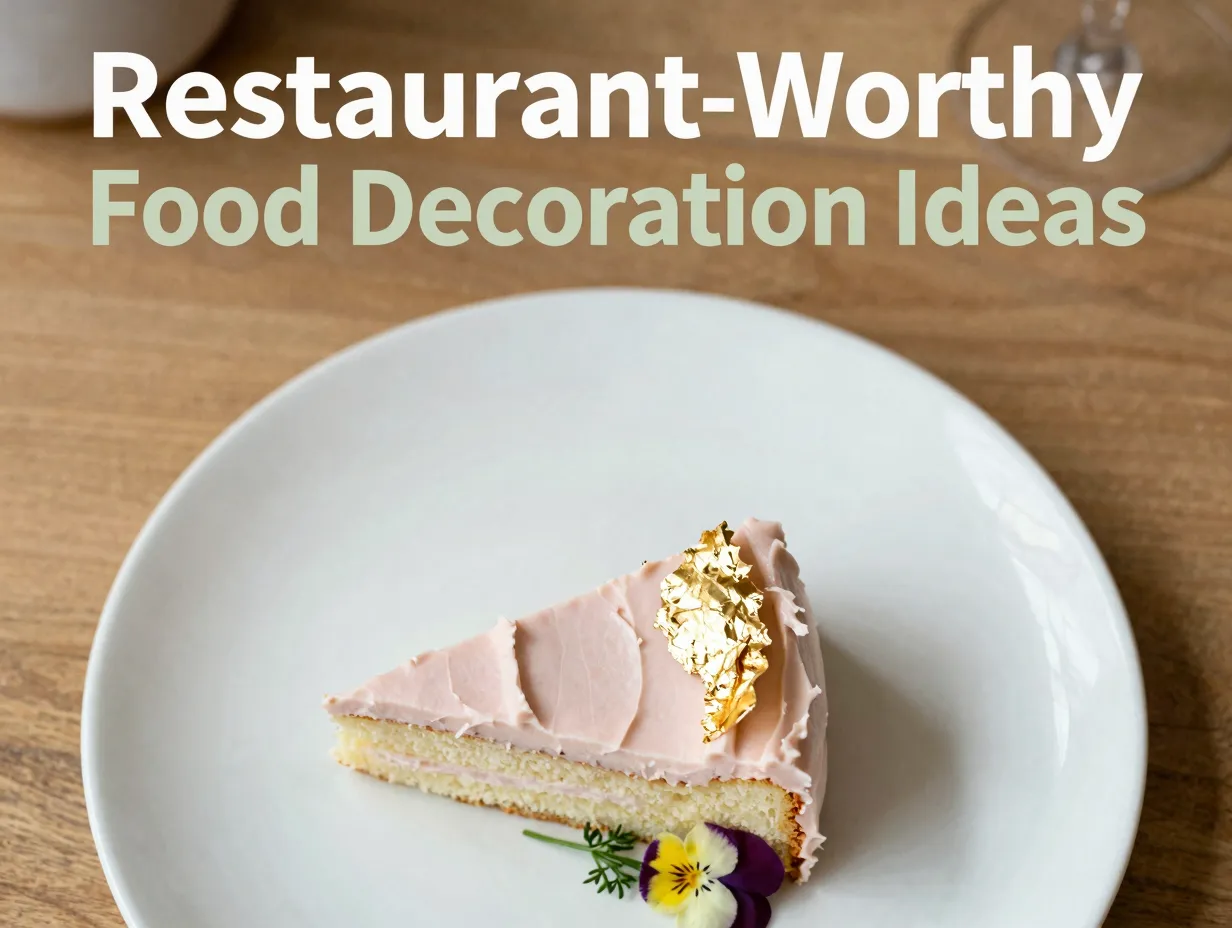
These 9 amazing food decoration ideas that make every dish look restaurant-worthy are not reserved for professional chefs with expensive tools. Most of them require nothing more than a steady hand, a few inexpensive supplies, and a willingness to slow down and think about presentation. In this guide, I will walk you through each idea with practical steps, current trend context, and honest advice from my own kitchen experiments.
Key Takeaways
- Visual presentation can significantly increase how people perceive the taste and value of food, making decoration a worthwhile investment of time.
- Minimalist techniques, negative space, clean lines, and restrained color, are among the most powerful and accessible decoration strategies available in 2026.
- Edible flowers, metallic accents, and textured finishes are leading professional trends that home cooks can replicate with basic tools.
- Sustainable, natural decorating choices such as plant-based food coloring and locally sourced garnishes align with broader food culture shifts.
- Playful, imperfect decoration is not a mistake, it is a deliberate style that adds personality and warmth to any dish.
What Makes Food Decoration So Powerful
Before diving into the specific techniques, it helps to understand why decoration works at a psychological level. Humans process visual information before any other sensory input. When a dish arrives at the table, or appears on a social media feed, the brain has already formed an opinion before the first bite. Color contrast, height variation, and intentional negative space all send signals about care, quality, and craftsmanship.
Restaurants understand this deeply. A fine dining kitchen spends as much time on the final 60 seconds of plating as it does on the first 60 minutes of cooking. The good news is that the core principles behind professional plating are learnable, repeatable, and surprisingly affordable.
The 9 amazing food decoration ideas that make every dish look restaurant-worthy covered in this article draw from verified 2026 food and baking trends, professional pastry techniques, and practical home kitchen experience. Each one is actionable today.
9 Amazing Food Decoration Ideas That Make Every Dish Look Restaurant-Worthy
1. Master Minimalist Plating With Negative Space
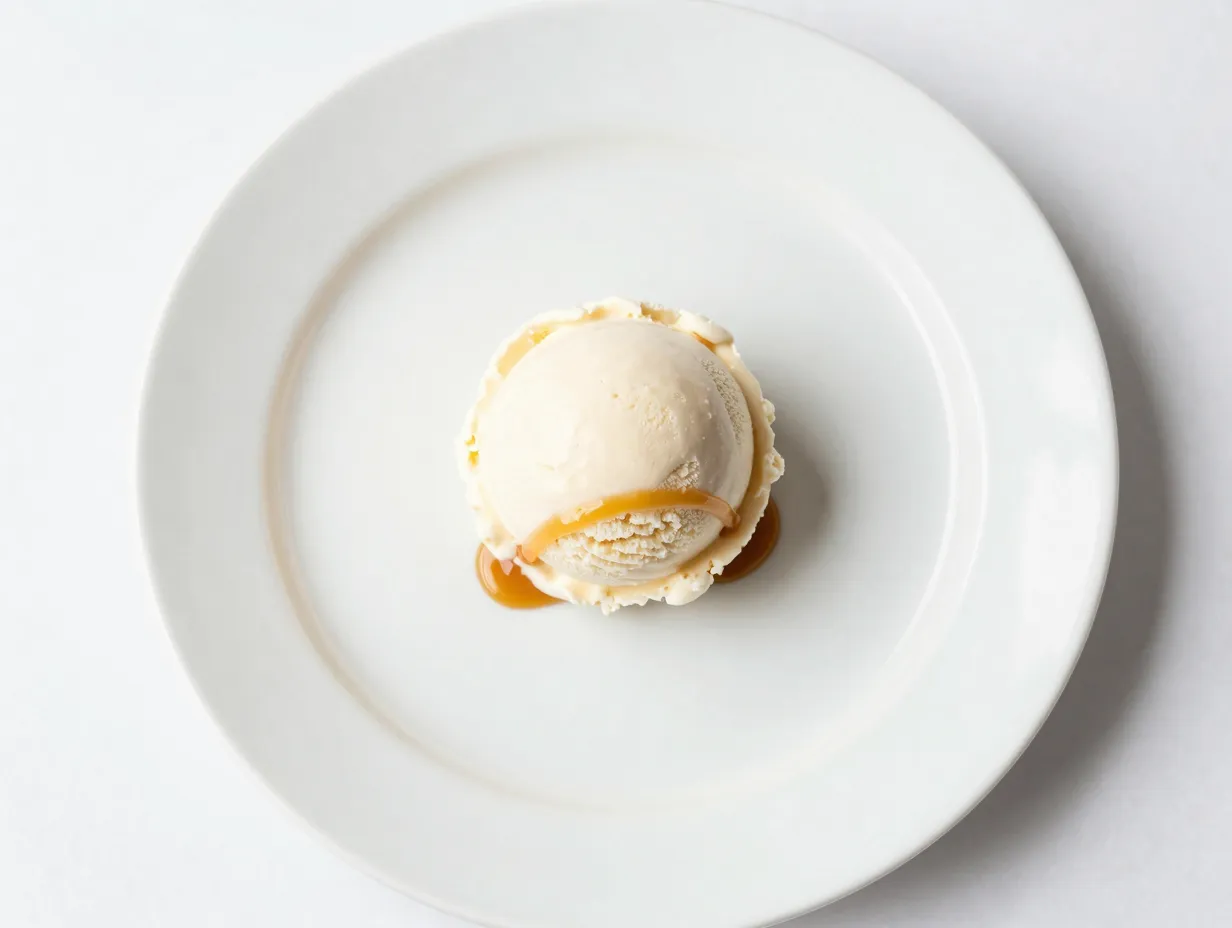
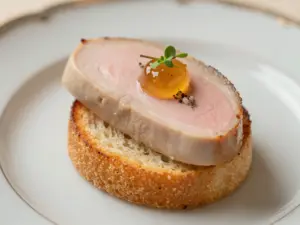
The single most underused tool in home cooking is empty plate space. Most home cooks pile food generously toward the edges, filling every inch. Professional chefs do the opposite.
Minimalist elegance in food decoration emphasizes clean lines, single-color palettes, and the strategic use of negative space to create sophisticated, photogenic presentations [1]. The empty area around a dish is not wasted space, it is a frame. It draws the eye directly to the food and signals confidence in the quality of what is being served.
How to apply this at home:
- Use a plate that is at least two inches wider than your portion.
- Place the main component slightly off-center, toward the upper third of the plate.
- Add one or two small accent elements, a sauce dot, a single herb sprig, rather than crowding the rim.
- Wipe the plate edges with a clean cloth before serving.
This technique works for savory dishes, desserts, and even simple snacks. A single scoop of ice cream on a wide, chilled plate with a thin drizzle of caramel looks more elegant than a bowl packed with three scoops and toppings.
2. Use Pressed Edible Flowers as Natural Garnishes
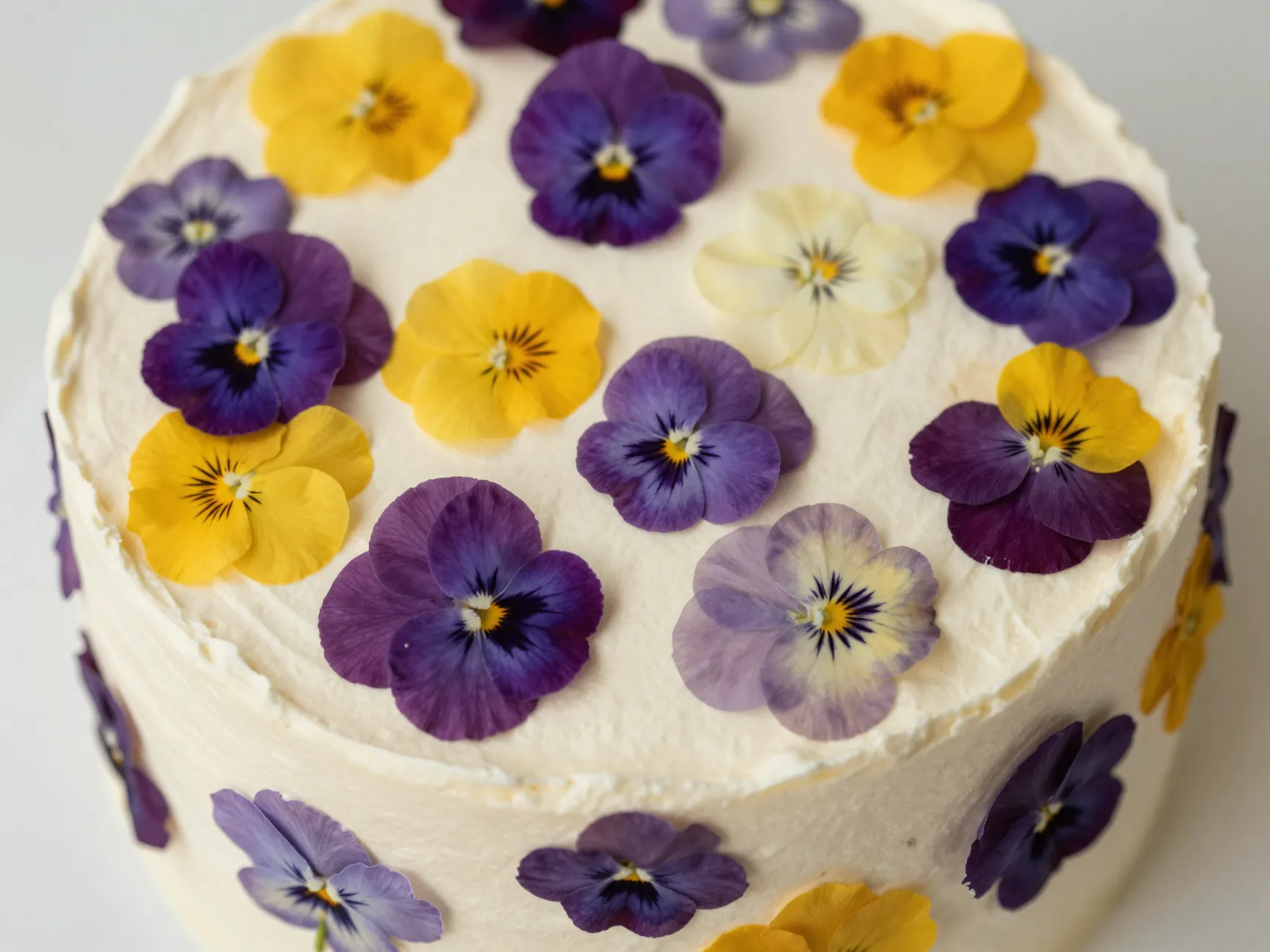
Few decoration techniques generate as much visual impact for as little effort as edible flowers. The botanical trend in food presentation has moved well beyond wedding cakes and into everyday cooking, and for good reason, flowers introduce color, texture, and a sense of occasion that no synthetic decoration can replicate.
Incorporating real edible flowers pressed between layers of buttercream or embedded in clear gelatin adds natural beauty to both sweet and savory dishes, aligning with the broader botanical movement in food decoration [1]. Pansies, violas, nasturtiums, and chamomile are all edible, widely available, and visually striking.
Practical tips:
- Press flowers between sheets of parchment paper under a heavy book for 48 hours before use.
- Use them on top of frosted cakes, inside clear ice cubes for drinks, or scattered across a cheese board.
- Always confirm that flowers are food-grade and pesticide-free before using them on edible dishes.
- For savory applications, nasturtiums add a peppery flavor that complements salads and grain bowls.
I first tried this technique on a simple vanilla cake for a friend’s birthday. The pressed flowers transformed what was an ordinary frosted cake into something that looked genuinely professional. The reaction from guests was immediate and enthusiastic.
3. Apply Textured Buttercream and Palette Knife Finishes
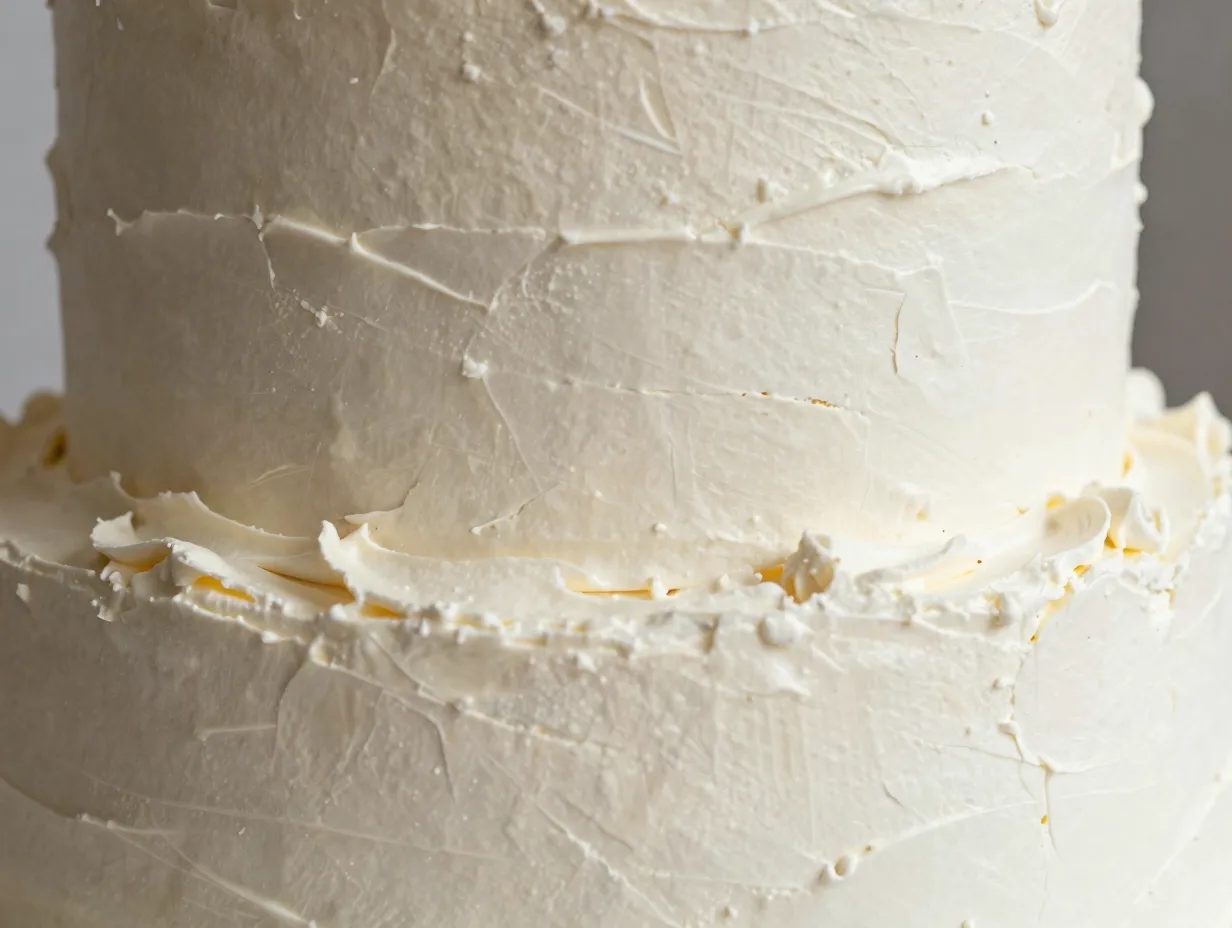
Perfectly smooth frosting used to be the gold standard in cake decoration. That standard has shifted. Abstract palette knife work, rustic swirls, and intentional textures are now replacing the pursuit of flawless finishes, adding depth and character to cakes and other desserts [1].
This is genuinely good news for home decorators, because achieving a textured finish is far easier than achieving a perfectly smooth one. Imperfection, when applied deliberately, reads as artistry.
Techniques to try:
- Load a palette knife or offset spatula with buttercream and drag it across the cake surface in short, overlapping strokes.
- Use the back of a spoon to create swirling peaks, similar to spreading meringue.
- Press a textured comb or fork lightly against the sides of a frosted cake and drag it around the circumference.
- Layer two complementary colors of buttercream and blend them partially for a marbled effect.
The key word here is “intentional.” Random smearing looks messy. Deliberate, directional strokes look artistic. Spend 30 seconds planning the direction and rhythm of your strokes before you begin.
4. Add Metallic and Pearlescent Accents Sparingly
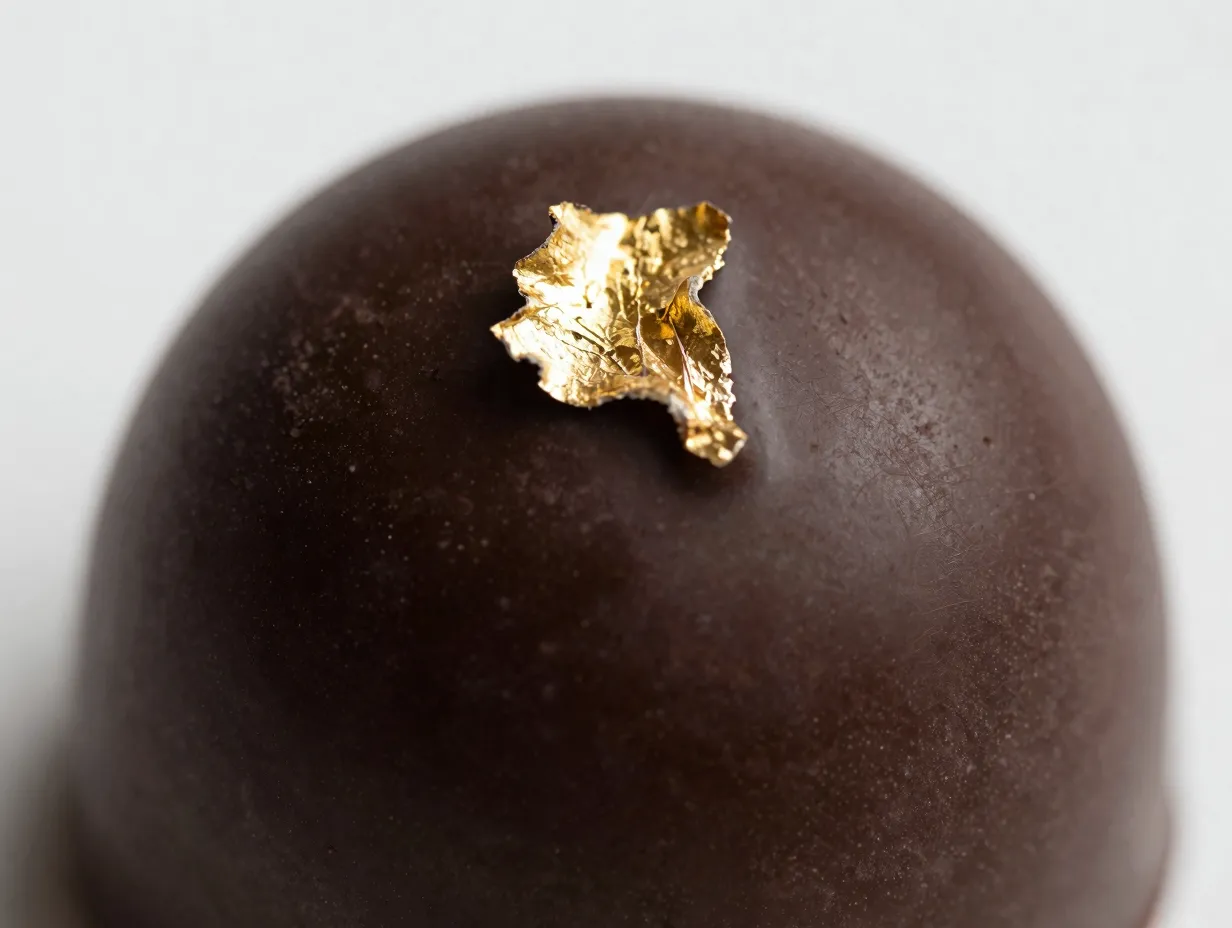
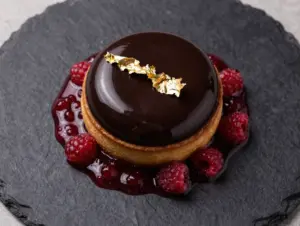
Gold leaf, silver luster dust, and iridescent finishes add luxury and drama to food presentations. These elements are used sparingly in professional kitchens for maximum impact, a single sheet of edible gold leaf on a chocolate truffle, a dusting of pearl luster on a macaron, a thin metallic stripe across a plated dessert [1].
The word “sparingly” is critical. Metallic accents lose their power when overused. A cake covered entirely in gold leaf looks garish. A single gold leaf fragment placed precisely on a dark chocolate ganache looks expensive and intentional.
Where to use metallic accents:
- A small gold leaf fragment on the surface of a panna cotta or mousse.
- Pearl luster dust brushed lightly over fondant details or chocolate decorations.
- A thin line of edible silver painted along the edge of a plated cake slice.
- Iridescent shimmer mixed into a clear glaze for a mirror-effect finish on tarts.
5. Embrace Sustainable, Natural Food Coloring
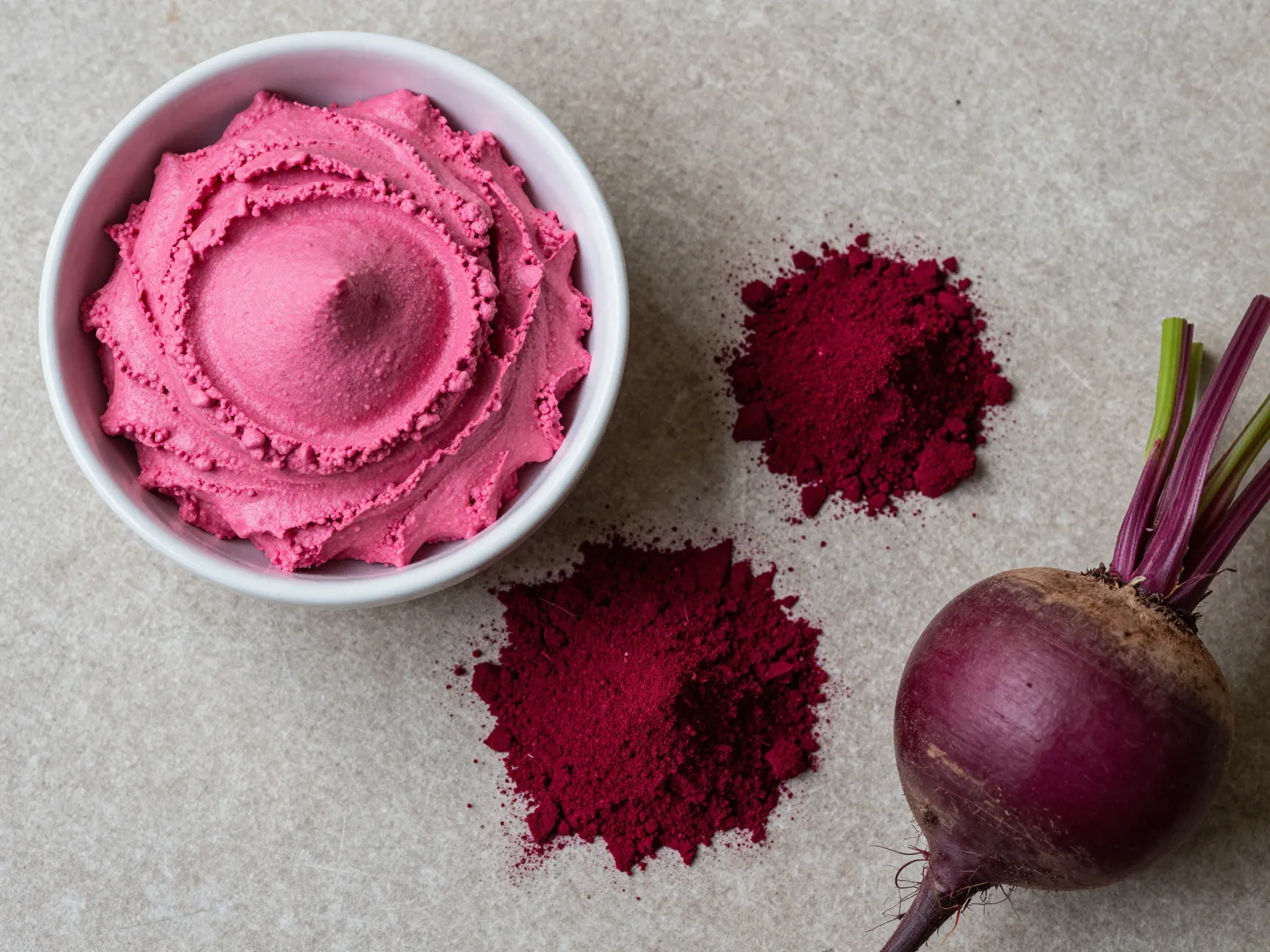
The shift toward sustainable decorating practices is one of the most significant trends reshaping food decoration in 2026. Eco-friendly practices include the use of natural food coloring, reduced waste, minimal non-edible decorations, and locally sourced ingredients [1].
Beyond the environmental benefits, natural food coloring produces colors that synthetic dyes often cannot, the deep burgundy of beet powder, the vivid yellow of turmeric, the soft blue-green of butterfly pea flower. These colors have an organic warmth and depth that looks genuinely beautiful on a plate.
Natural color sources to experiment with:
| Color | Natural Source | Best Used In |
|---|---|---|
| Pink/Red | Beet powder | Frosting, pasta dough, sauces |
| Yellow | Turmeric | Rice, sauces, cake batter |
| Blue/Purple | Butterfly pea flower | Drinks, glazes, frosting |
| Green | Matcha, spinach powder | Noodles, cakes, creams |
| Orange | Carrot powder, paprika | Soups, dips, frosting |
| Brown | Cocoa powder | Buttercream, sauces |
Using natural coloring also aligns with the broader consumer movement toward transparency in food. Guests appreciate knowing that the vivid pink in your frosting comes from real beets rather than synthetic dye number 40.
6. Incorporate Chewy and Contrasting Textures
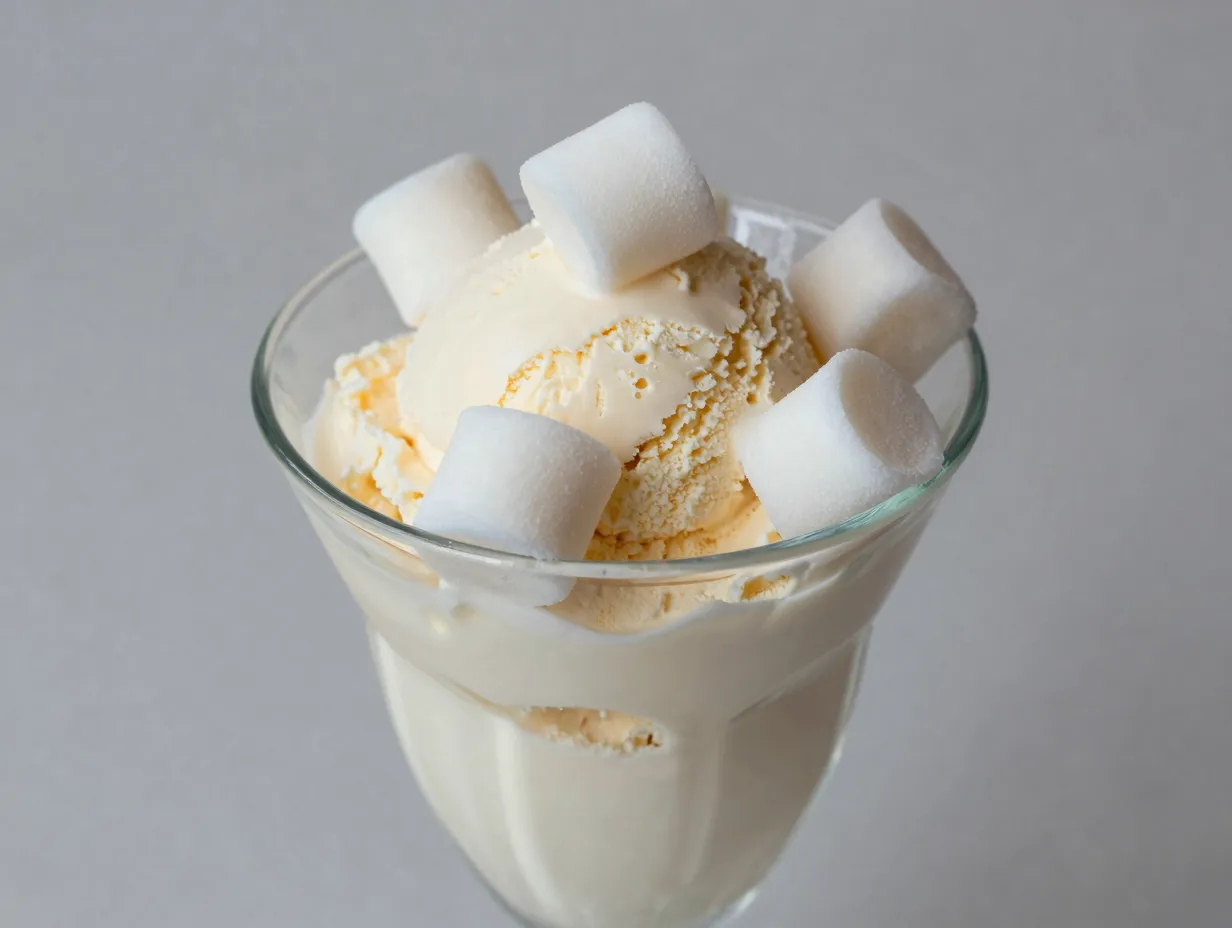
Visual decoration is not only about appearance, it is also about the promise of sensory experience. Consumers are increasingly seeking richer, multi-sensory experiences in food, with bold contrasts, layered flavors, and unexpected textures turning familiar formats into something more expressive [2]. Chewy textures like mochi and tapioca pearls, along with creamy elements such as whipped dressings and compound butters, are trending as decorative-functional components in desserts [3].
Adding a textural element to the surface of a dish serves two purposes: it creates visual interest and it delivers a sensory payoff that elevates the eating experience.
Textural decoration ideas:
- Place small mochi pieces on top of ice cream or parfaits for a chewy contrast.
- Scatter toasted seeds or crushed nuts across a plated salad or grain bowl.
- Add a quenelle of whipped cream or compound butter as a sculptural accent on savory dishes.
- Use tapioca pearls as a decorative topping on puddings or fruit-based desserts.
- Pipe small dots of a contrasting cream or gel in a deliberate pattern around the main component.
The combination of visual pattern and textural contrast is what separates a decorated dish from a merely garnished one.
7. Revive Vintage Piping and Handcrafted Details
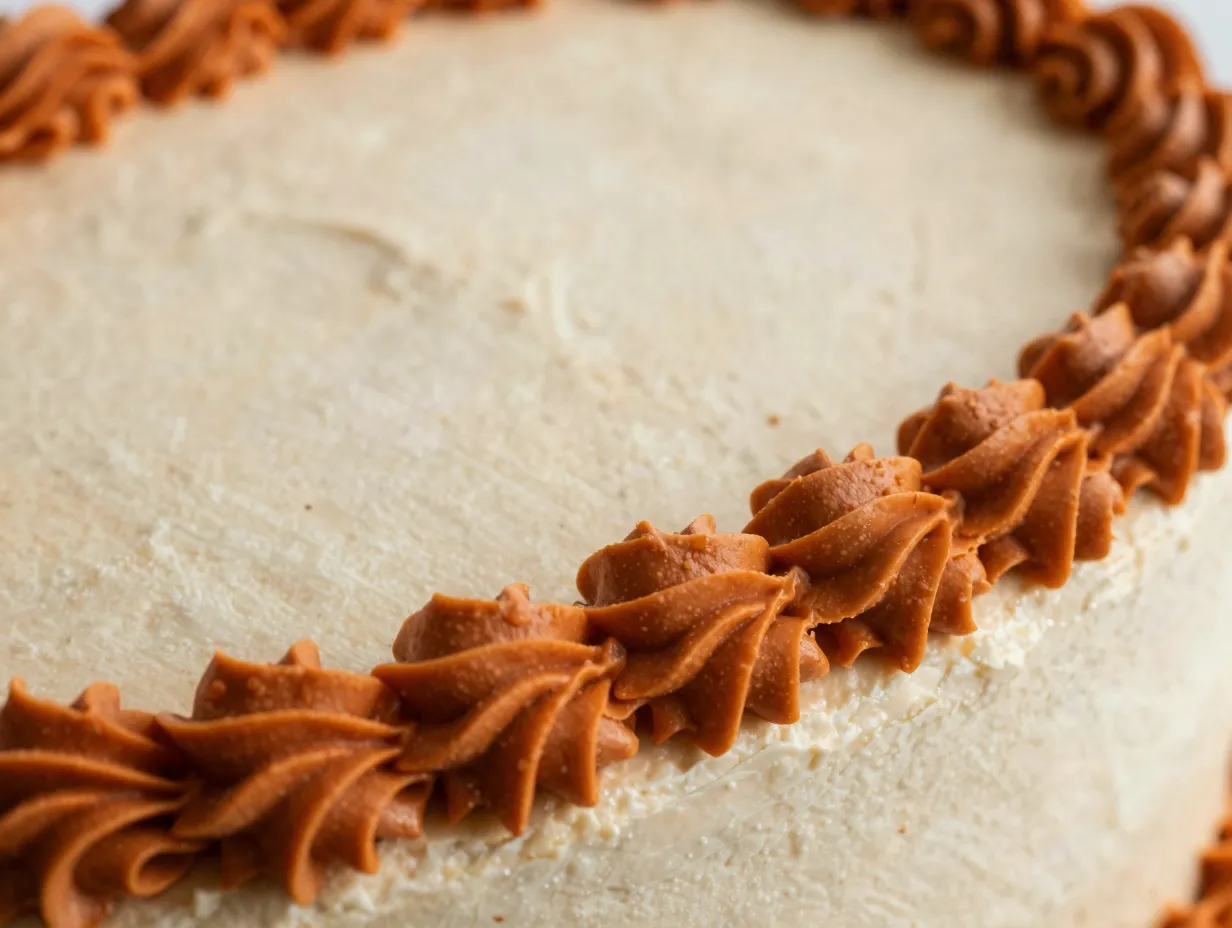
Hand piping, fondant details, and personal touches are experiencing a strong comeback in 2026 baking culture, with decoration becoming part of the joy rather than a chore [4]. There is also a broader vintage revival at play, 1970s-inspired designs, retro color palettes, and nostalgic decorating styles are making a significant return in both professional and home baking [1].
This trend is particularly accessible because it rewards practice over perfection. A hand-piped rosette border on a birthday cake carries more warmth and personality than a store-bought decoration ever could.
Getting started with vintage piping:
- Invest in a basic piping bag set with four or five nozzle types: star, round, petal, leaf, and basketweave.
- Practice piping on a sheet of parchment paper before moving to the actual cake.
- Use retro color combinations, burnt orange with cream, dusty rose with sage green, mustard yellow with chocolate brown.
- Pipe shell borders, rope borders, or simple rosette clusters for a classic 1970s aesthetic.
- Add fondant details such as small flowers, leaves, or geometric shapes for a handcrafted finish.
The “perfectly imperfect” quality of hand piping is part of its charm. Slight variations in size and spacing make the decoration feel human and personal rather than machine-made.
8. Transform Tablescaping Into a Food Art Installation
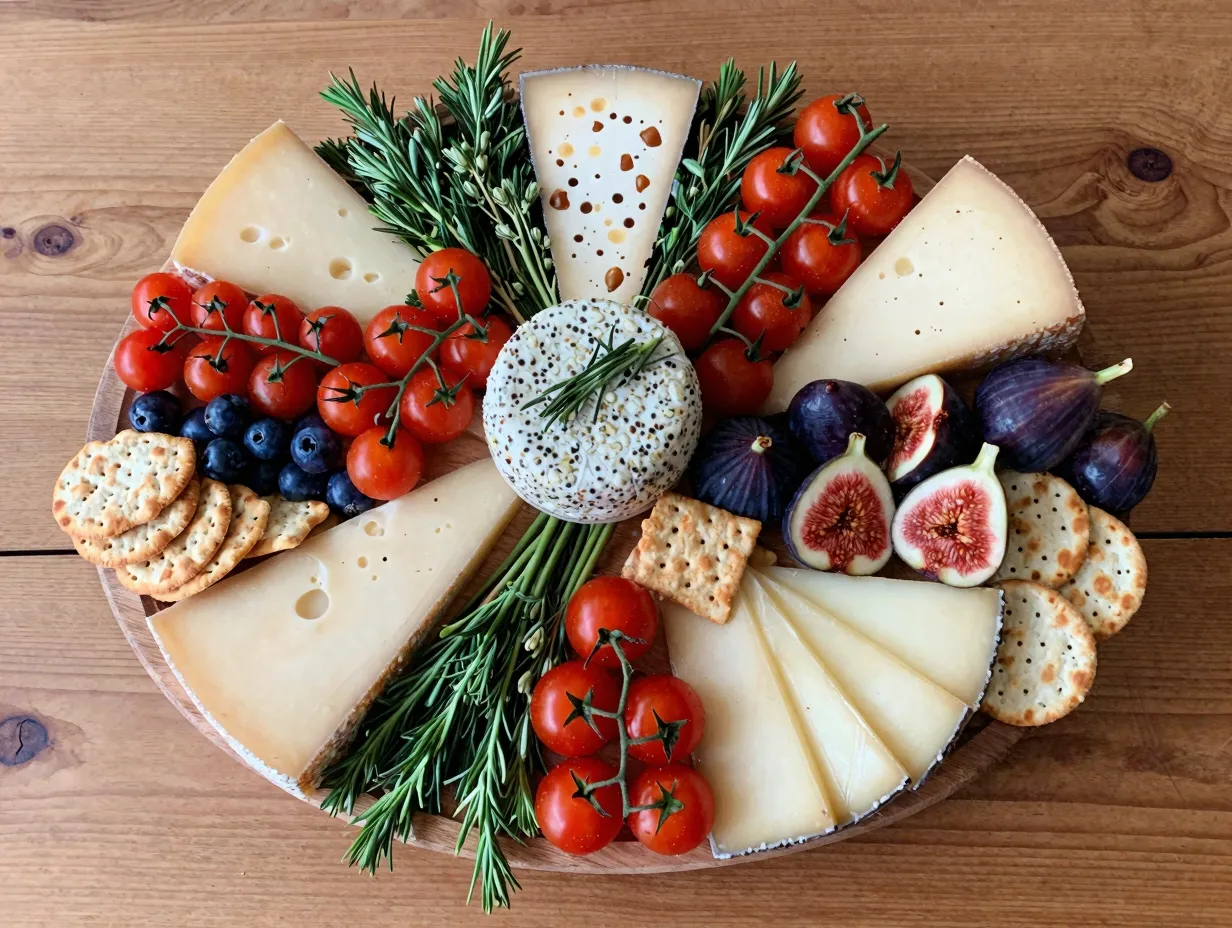
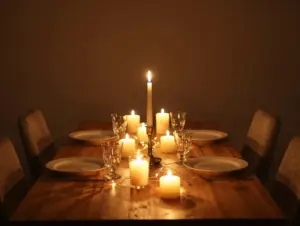
Food decoration extends beyond the individual plate. The trend of using food as decorative features in tablescaping embraces whimsical and abundant presentations reminiscent of still life paintings, turning food into a central element of table decoration [5].
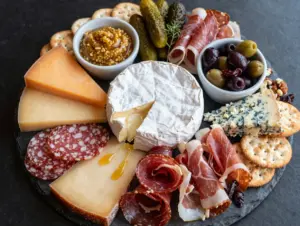
This approach, sometimes called “food as art”, treats the entire table surface as a canvas. A cheese board becomes a landscape. A fruit arrangement becomes a centerpiece. A spread of small dishes becomes a curated collection.
Practical tablescaping techniques:
- Build a grazing board that uses height variation: stack crackers, lean cheese wedges, and pile fruit at different levels.
- Use fresh herb bunches, whole citrus fruits, and edible flowers as both food and decoration across the table surface.
- Choose serving vessels that complement each other, mix wood, ceramic, and marble for visual texture.
- Allow some food items to spill slightly beyond their containers for an abundant, generous look.
- Use odd numbers of decorative food elements, three figs, five cherry tomatoes, for a more natural, organic arrangement.
I applied this approach at a dinner party last spring, building a large grazing table that covered most of the dining surface. Guests spent more time photographing the table than eating from it, which I took as the highest possible compliment.
9. Lean Into Rustic, Relaxed Beauty
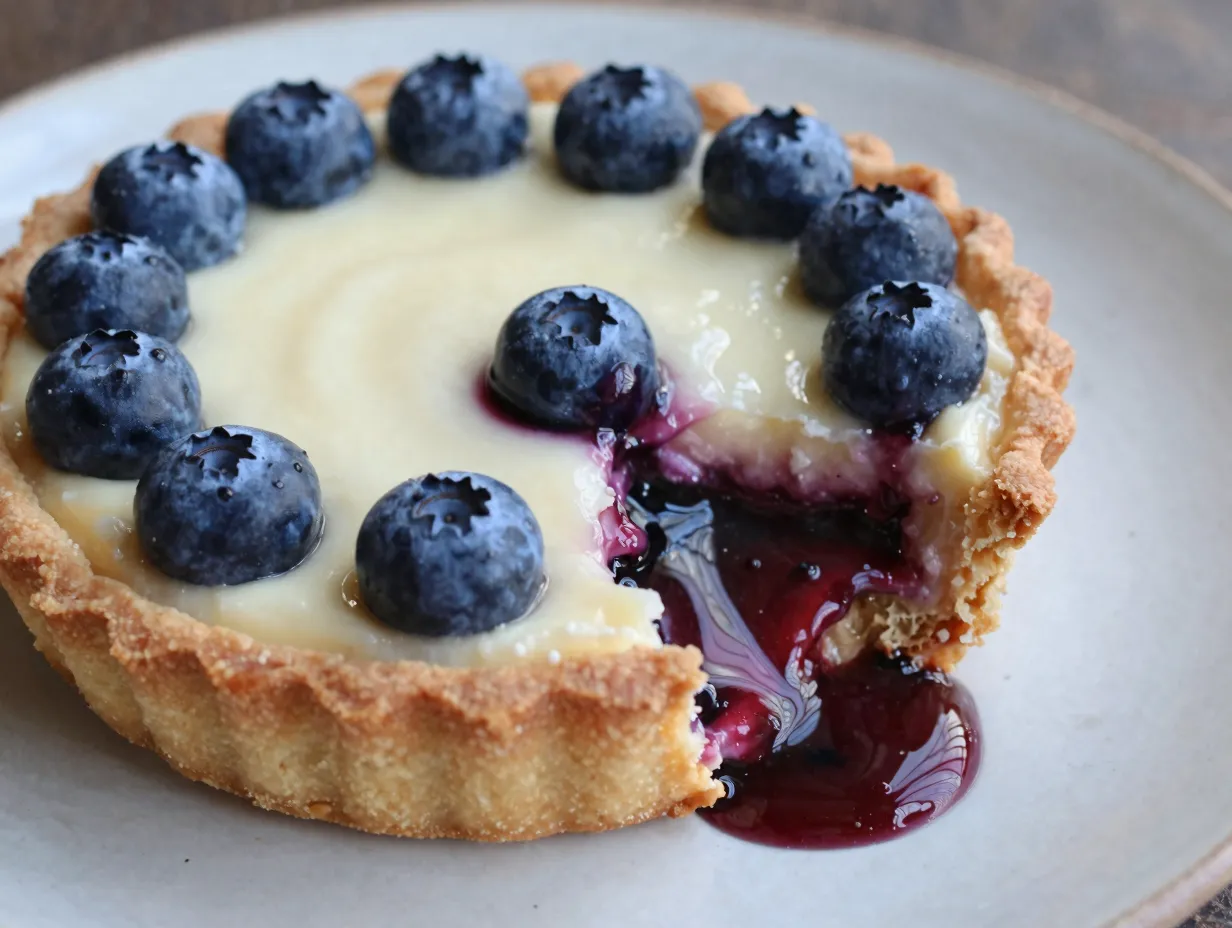
The final idea in these 9 amazing food decoration ideas that make every dish look restaurant-worthy is perhaps the most liberating: stop chasing perfection. Perfectly imperfect cakes with soft finishes and natural textures continue to shine in 2026, emphasizing less polish and more personality [4]. The rustic, relaxed approach to food decoration is not a fallback for when things go wrong, it is a deliberate aesthetic choice.
Rustic beauty in food decoration means:
- Allowing frosting to show natural spatula marks rather than buffing them smooth.
- Letting fruit juices bleed slightly into a cream or custard for an organic color effect.
- Placing garnishes with a loose, casual hand rather than measuring exact distances.
- Choosing rough-edged ceramic plates and linen napkins over pristine white porcelain.
- Embracing the natural imperfections of handmade pasta, uneven cookie edges, and slightly lopsided cakes.
The rustic approach also pairs beautifully with the sustainable decorating philosophy discussed in idea five. Natural ingredients produce natural-looking results, and natural-looking results have a warmth and authenticity that hyper-polished presentations sometimes lack.
“The most memorable meals I have eaten in my life were not the most technically perfect. They were the ones that felt made with genuine care and attention, and that quality shows in the decoration as much as the cooking.”
How to Choose the Right Decoration Technique for Your Dish
Not every technique suits every dish. Here is a quick reference guide to help match decoration ideas to specific food types:
| Dish Type | Best Decoration Ideas | Avoid |
|---|---|---|
| Celebration Cakes | Pressed flowers, metallic accents, vintage piping | Overcrowding with multiple competing elements |
| Savory Plated Dishes | Minimalist plating, textural contrast, herb garnishes | Sweet decorations, heavy floral garnishes |
| Desserts and Pastries | Natural food coloring, chewy textures, rustic finishes | Overly complex piping on delicate items |
| Grazing Boards and Spreads | Tablescaping, edible flowers, height variation | Metallic accents (look out of place) |
| Everyday Home Cooking | Rustic beauty, minimalist negative space, herb garnishes | Time-intensive techniques on weeknight meals |
Common Mistakes to Avoid in Food Decoration
Even experienced cooks make these errors. Knowing them in advance saves time and frustration.
Mistake 1: Using too many decoration elements at once. Restraint is the hallmark of professional plating. Choose one or two techniques per dish and execute them well.
Mistake 2: Ignoring color temperature. Warm colors (reds, oranges, yellows) advance visually and draw the eye. Cool colors (blues, greens, purples) recede. Use this to guide where you want attention to land on the plate.
Mistake 3: Decorating a cold dish on a warm plate, or vice versa. Temperature affects how garnishes behave. Butter melts, cream weeps, and flowers wilt when placed on surfaces that are too warm.
Mistake 4: Forgetting the plate edge. A smeared rim undermines even the most careful plating. Always wipe the plate edge with a clean, slightly damp cloth before serving.
Mistake 5: Choosing non-edible decorations without labeling them. If you use a non-edible element for visual effect, a decorative skewer, a non-edible flower, make sure guests know it is not meant to be eaten.
Conclusion
The 9 amazing food decoration ideas that make every dish look restaurant-worthy covered in this guide share a common thread: they all require attention rather than expensive equipment. Minimalist plating, pressed edible flowers, textured buttercream finishes, metallic accents, natural food coloring, contrasting textures, vintage piping, tablescaping, and rustic beauty are all accessible to any home cook willing to slow down and think intentionally about presentation.
Your actionable next steps:
- Start with minimalist plating on your next dinner. Use a wider plate, leave more space, and add only one garnish element. Notice the difference.
- Order a small packet of edible flowers and a booklet of edible gold leaf online. Experiment with them on a simple dessert before a special occasion.
- Practice one piping technique on parchment paper for 10 minutes before applying it to an actual cake.
- Build one grazing board using the tablescaping principles outlined in idea eight. Photograph it before guests arrive.
- Replace one synthetic food coloring in your pantry with a natural alternative, start with beet powder for pink and matcha for green.
Food decoration is a skill that compounds. Each technique you learn makes the next one easier. The first decorated plate you serve will feel effortful. The tenth will feel natural. And somewhere along the way, the people you cook for will start asking how you make everything look so good.
References
[1] Cake Decorating Trends 2026 – https://bak.ae/en/blog/cake-decorating-trends-2026/?utm_source=openai
[2] Food Trends 2026 – https://www.ircagroup.com/en/food-trends/food-trends-2026?utm_source=openai
[3] 2026 Flavor And Ingredient Trends – https://www.foodprocessing.com/rd-trends/article/55337369/2026-flavor-and-ingredient-trends?utm_source=openai
[4] Top 10 Baking Trends For 2026 – https://www.lvcc.co.uk/news-article/top-10-baking-trends-for-2026?utm_source=openai
[5] Summer Tablescaping Trends 2026 – https://www.livingetc.com/ideas/summer-tablescaping-trends-2026?utm_source=openai