9 Pound Cake Recipes That Are Dense, Buttery, and Perfectly Satisfying
The first pound cake ever baked used a full pound each of butter, sugar, eggs, and flour. That ratio, born somewhere in early 18th-century Europe, produced a cake so rich and sturdy it could last for days without going stale. Bakers have been chasing that same deeply satisfying density ever since. These 9 Pound Cake Recipes That Are Dense, Buttery, and Perfectly Satisfying honor that original spirit while offering enough variety to keep every baker engaged, from the first-timer pulling out a loaf pan to the seasoned home baker looking for a new signature dessert.
Disclosure: This post contains affiliate links. As an Amazon Associate, we earn from qualifying purchases, and at no extra cost to you.
Key Takeaways
- Pound cake achieves its signature dense, moist crumb through high-fat ingredients like butter, cream cheese, or sour cream.
- Room-temperature ingredients and proper creaming technique are the two most critical factors in getting the texture right.
- These 9 pound cake recipes cover a wide range of flavors, from classic vanilla to lemon, chocolate, and brown butter variations.
- Most pound cakes store well at room temperature for up to four days, making them excellent make-ahead desserts.
- Small adjustments in fat source, acid content, and baking temperature can dramatically change the final texture and flavor profile.
Why Pound Cake Remains One of the Most Beloved Baked Goods
Before diving into the recipes themselves, it helps to understand what separates a truly great pound cake from an average one. The difference almost always comes down to three things: fat quality, mixing method, and patience.
Fat is the foundation. Butter provides flavor, but the type of butter matters. European-style butter, which contains a higher fat percentage than standard American butter, produces a noticeably richer crumb. When a recipe calls for unsalted butter, use it. Salted butter introduces unpredictable sodium levels that can affect both flavor balance and gluten development.
Creaming is not optional. When you cream butter and sugar together, you are not just mixing two ingredients. You are forcing air into the fat, creating tiny pockets that expand during baking. Under-creaming produces a flat, dense cake in the wrong way. Over-creaming can cause the structure to collapse. The target is a mixture that looks pale, almost white, and feels noticeably lighter than when you started. This typically takes four to six minutes with a stand mixer on medium speed.
Room temperature matters more than most bakers realize. Cold eggs added to creamed butter cause the emulsion to break. The fat seizes, the batter curdles, and the final cake bakes up with a greasy, uneven texture. Set your eggs and dairy on the counter for at least thirty minutes before you begin.
“A pound cake is not a complicated recipe, but it is an unforgiving one. The technique is everything.”
With those fundamentals in place, the following collection of 9 Pound Cake Recipes That Are Dense, Buttery, and Perfectly Satisfying becomes far more approachable.
The 9 Pound Cake Recipes That Are Dense, Buttery, and Perfectly Satisfying
1. Classic Vanilla Butter Pound Cake
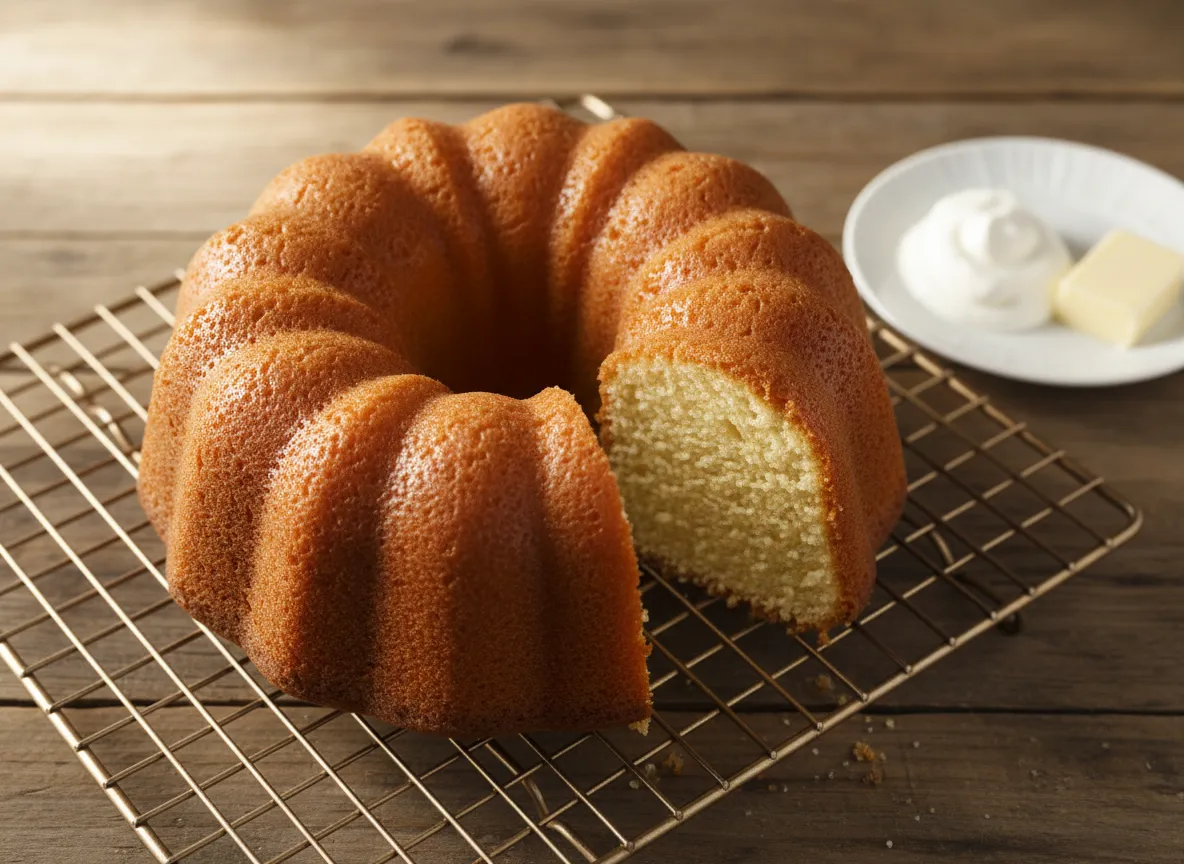
This is the recipe every baker should master before attempting any variation. It uses the original ratio concept updated for modern ovens and modern palates.
Ingredients:
- 3 cups all-purpose flour
- 1/2 teaspoon baking soda
- 1/2 teaspoon salt
- 1 cup (2 sticks) unsalted butter, room temperature
- 3 cups granulated sugar
- 6 large eggs, room temperature
- 1 cup full-fat sour cream
- 2 teaspoons pure vanilla extract
Method: Cream butter and sugar for five full minutes. Add eggs one at a time. Alternate flour mixture and sour cream in three additions. Bake at 325 degrees Fahrenheit in a greased and floured tube pan for approximately 80 to 90 minutes.
The sour cream here is doing double duty. It adds fat and moisture, but its acidity also tenderizes the gluten strands, producing a crumb that is dense without being tough. This is the benchmark against which all other pound cakes in this list should be measured.
2. Cream Cheese Pound Cake
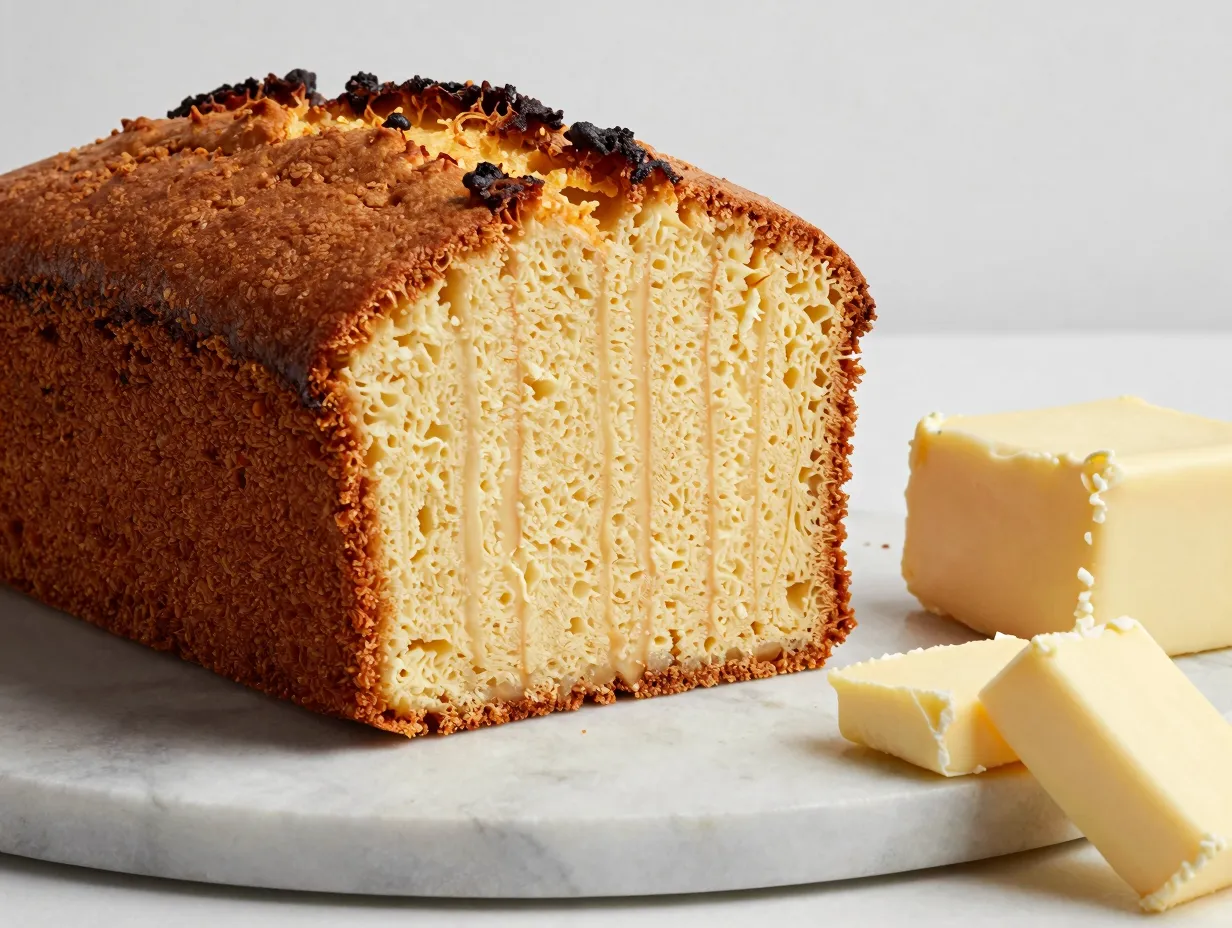
Replacing a portion of the butter with full-fat cream cheese is one of the most reliable ways to add richness and a subtle tang to a pound cake. I first made this version for a family gathering years ago, and it has been requested at nearly every holiday since.
Key ratio: 1 1/2 cups butter plus one 8-ounce block of cream cheese, both at room temperature.
The cream cheese adds density and a slightly chewy quality to the crust that many bakers find addictive. It also extends the shelf life of the cake, keeping it moist for an extra day or two compared to an all-butter version.
Baking tip: Because cream cheese adds moisture, reduce your oven temperature by 10 to 15 degrees and extend baking time by 10 to 15 minutes. Use a wooden skewer to test doneness rather than relying on the timer alone.
3. Lemon Glazed Pound Cake
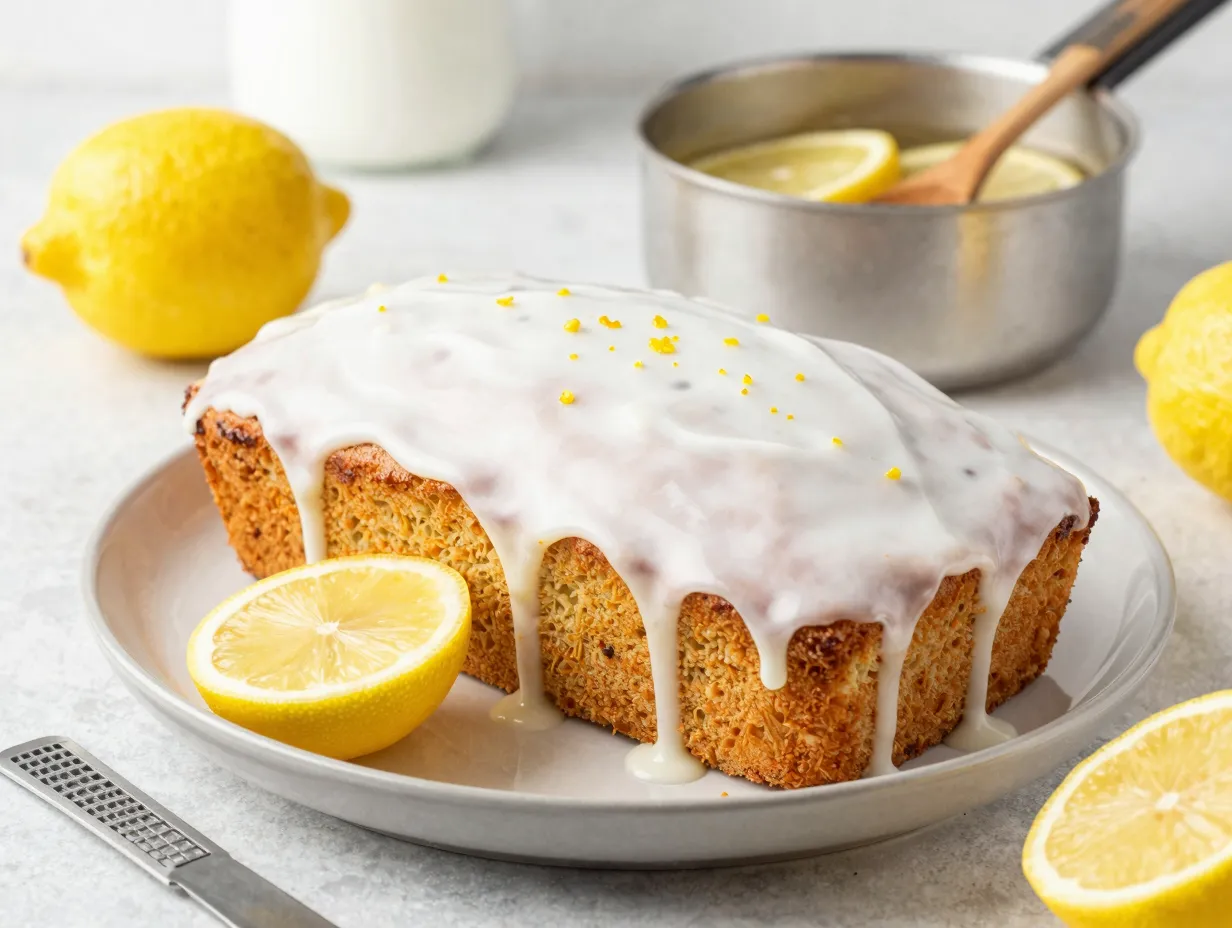
Citrus and butter are natural partners. The acid in lemon juice cuts through the richness of a butter-heavy batter and brightens every bite. This version uses both lemon zest in the batter and a simple lemon syrup poured over the hot cake as it comes out of the oven.
The lemon syrup technique: Combine 1/4 cup fresh lemon juice with 1/4 cup granulated sugar in a small saucepan. Heat until the sugar dissolves. Poke the hot cake all over with a skewer, then pour the warm syrup slowly over the surface. The syrup soaks into the crumb, adding moisture and intensifying the citrus flavor from the inside out.
Finish with a simple lemon glaze made from powdered sugar and lemon juice once the cake has cooled completely.
4. Brown Butter Pound Cake
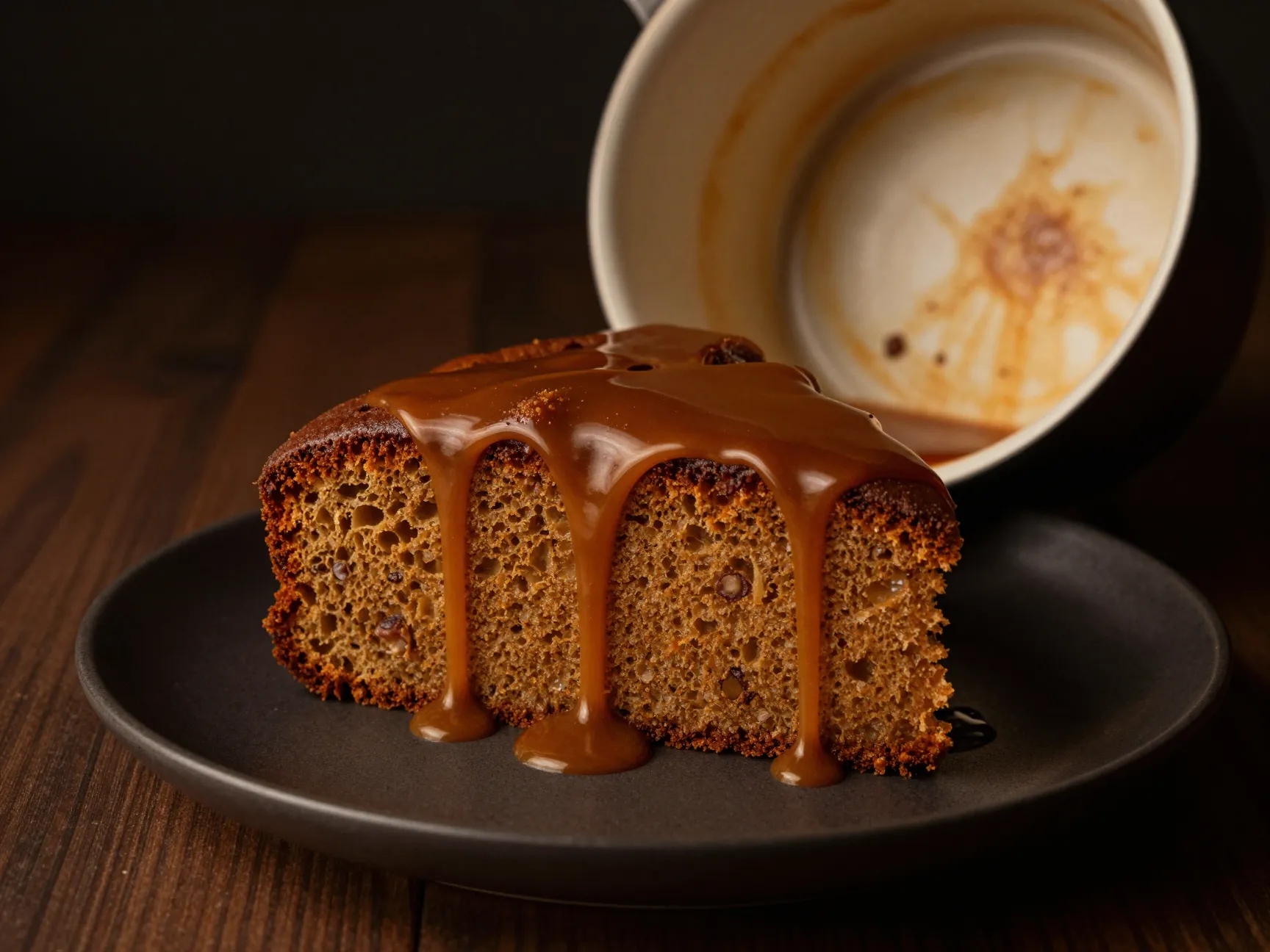
Brown butter, or beurre noisette, is regular butter that has been cooked until the milk solids caramelize. The result is a nutty, almost toffee-like flavor that adds enormous depth to a standard pound cake recipe.
How to brown butter correctly:
- Melt butter in a light-colored saucepan over medium heat.
- Stir constantly as the butter foams.
- Watch for golden-brown specks to appear on the bottom of the pan.
- Remove from heat immediately and pour into a heatproof bowl to stop cooking.
- Cool to room temperature, then refrigerate until solid before using.
The browned milk solids that settle at the bottom of the bowl are packed with flavor. Scrape them into the batter along with the solidified butter. Do not discard them.
This pound cake pairs exceptionally well with a simple vanilla bean glaze or a drizzle of salted caramel.
5. Sour Cream Pound Cake with Almond Extract
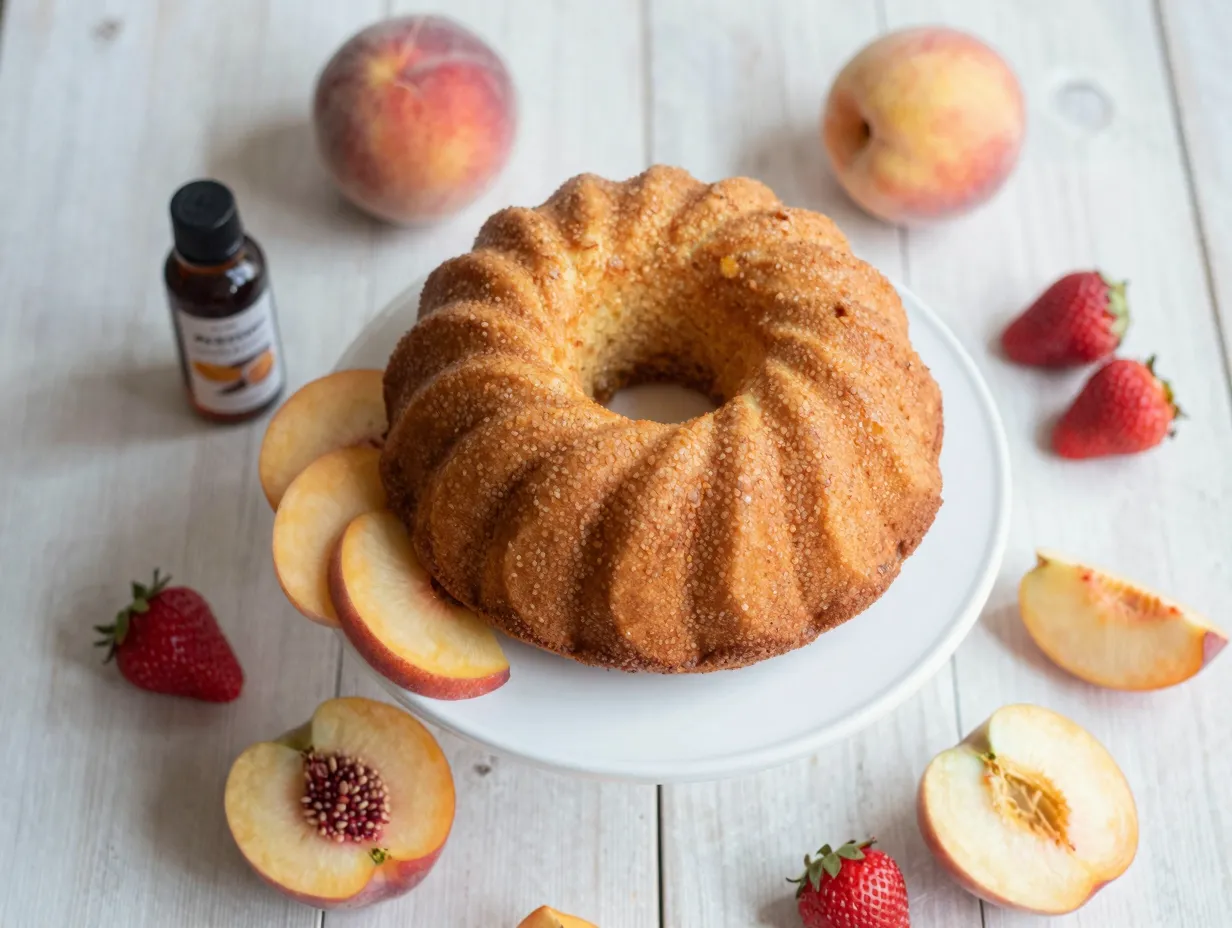
Almond extract is one of the most underused flavoring agents in home baking. A small amount, typically no more than one teaspoon, adds a warm, marzipan-like note that complements the richness of butter without overwhelming it.
This recipe uses a full cup of sour cream for maximum moisture and a combination of vanilla and almond extracts for a layered flavor profile. The result is a cake that tastes familiar but slightly more complex than a standard vanilla version.
Serving suggestion: Slice thin and serve with fresh peaches or strawberries. The almond note in the cake echoes the stone-fruit flavors beautifully.
Storage note: Wrap tightly in plastic wrap at room temperature. This cake actually improves on day two as the flavors meld and the crumb settles.
6. Chocolate Marble Pound Cake
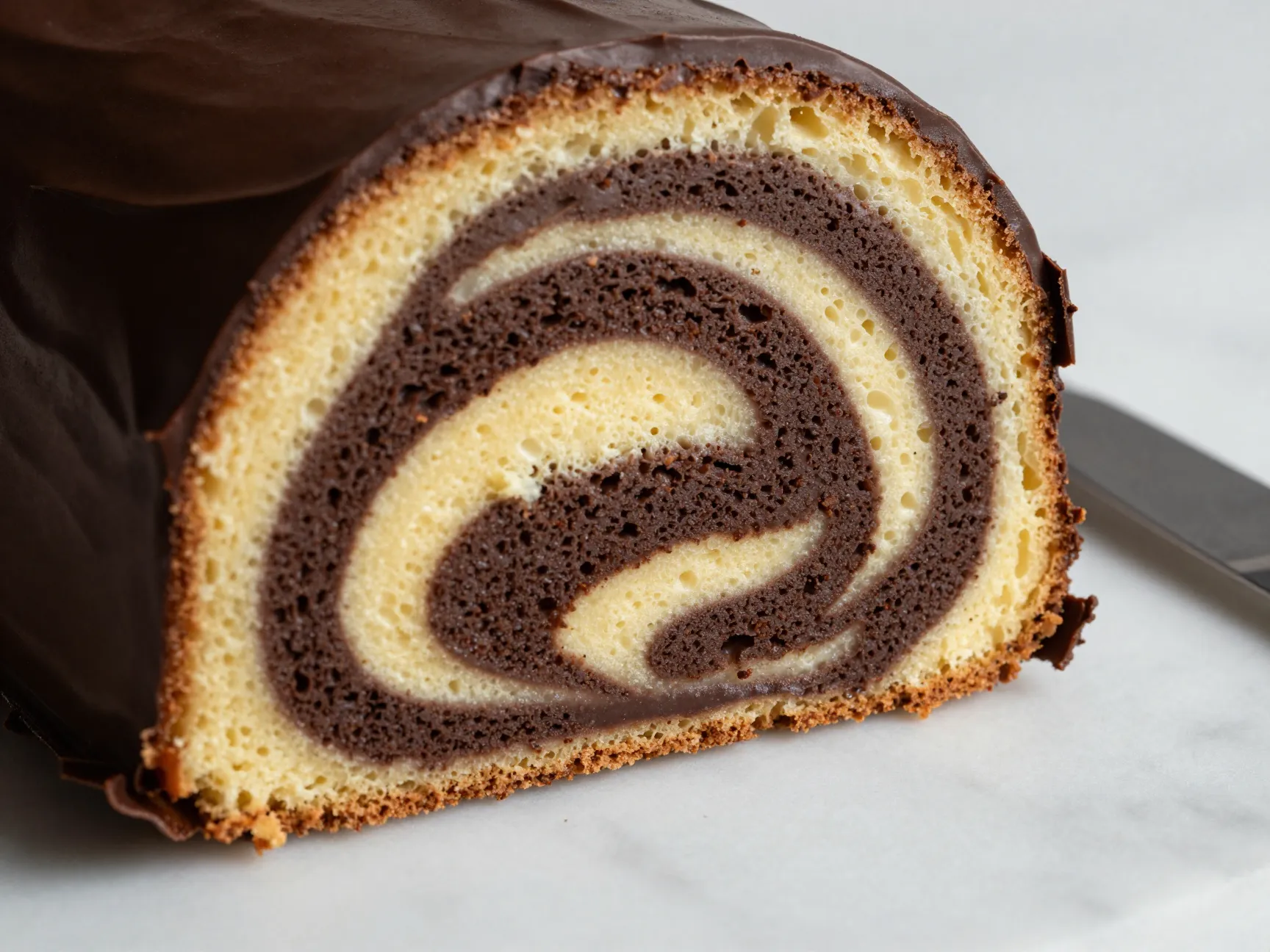
Marble pound cake offers the best of both worlds. The base batter is a classic vanilla pound cake, but a portion is removed and mixed with Dutch-process cocoa powder and a small amount of melted dark chocolate before being swirled back in.
The swirl technique matters. Many bakers over-swirl, turning the marble effect into a muddy, indistinct pattern. For clean, dramatic swirls, use a butter knife or thin spatula and make no more than four to six figure-eight passes through the batter. Less is more.
7. Five-Flavor Pound Cake
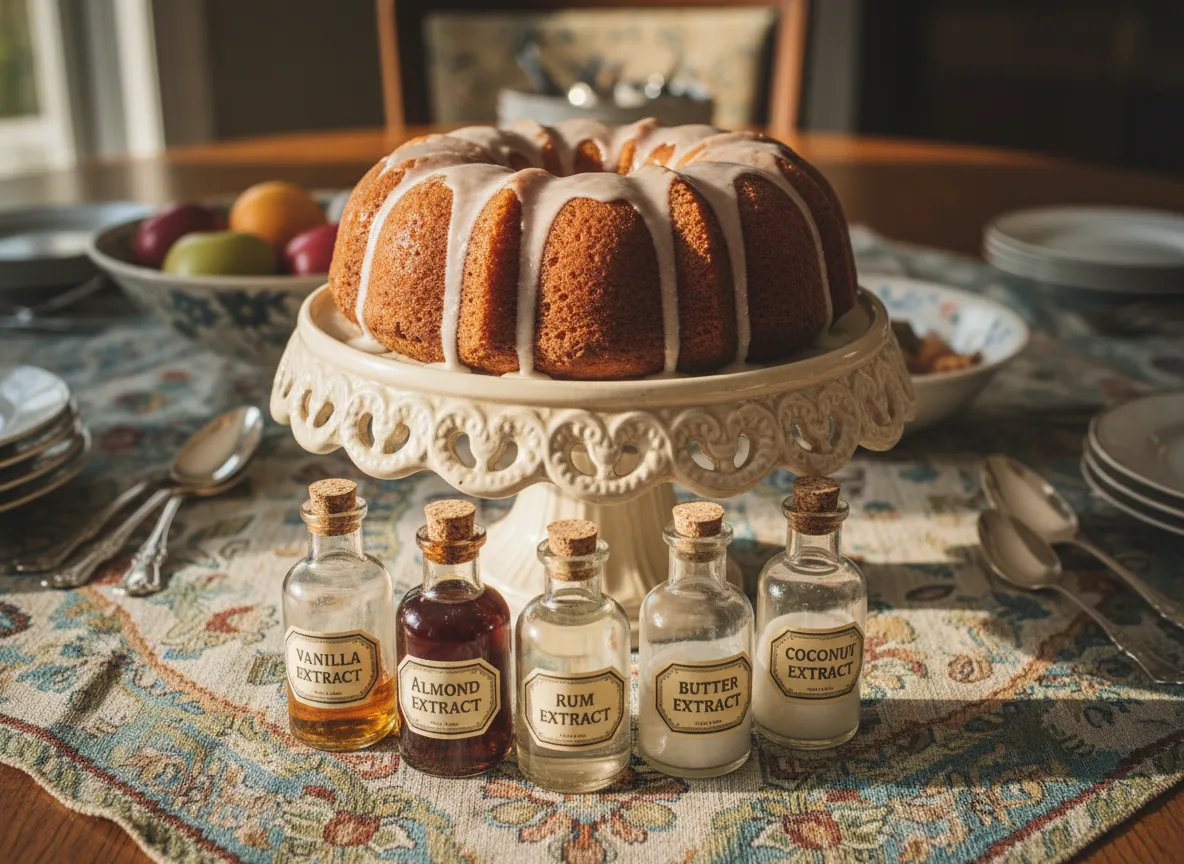
This Southern classic layers five distinct extracts into a single batter: vanilla, almond, rum, butter, and coconut. The combination sounds aggressive on paper, but in practice the flavors blend into something that is simultaneously familiar and impossible to place.
The five extracts:
| Extract | Amount | Role in Flavor Profile |
|---|---|---|
| Vanilla | 1 teaspoon | Warm base note |
| Almond | 1/2 teaspoon | Nutty, marzipan depth |
| Rum | 1/2 teaspoon | Warm, slightly boozy richness |
| Butter | 1/2 teaspoon | Amplifies buttery quality |
| Coconut | 1/2 teaspoon | Subtle tropical sweetness |
This cake is traditionally finished with a glaze that uses the same five extracts, reinforcing the flavor from the outside in. It is a staple at church potlucks and family reunions across the American South for good reason.
8. Whipping Cream Pound Cake
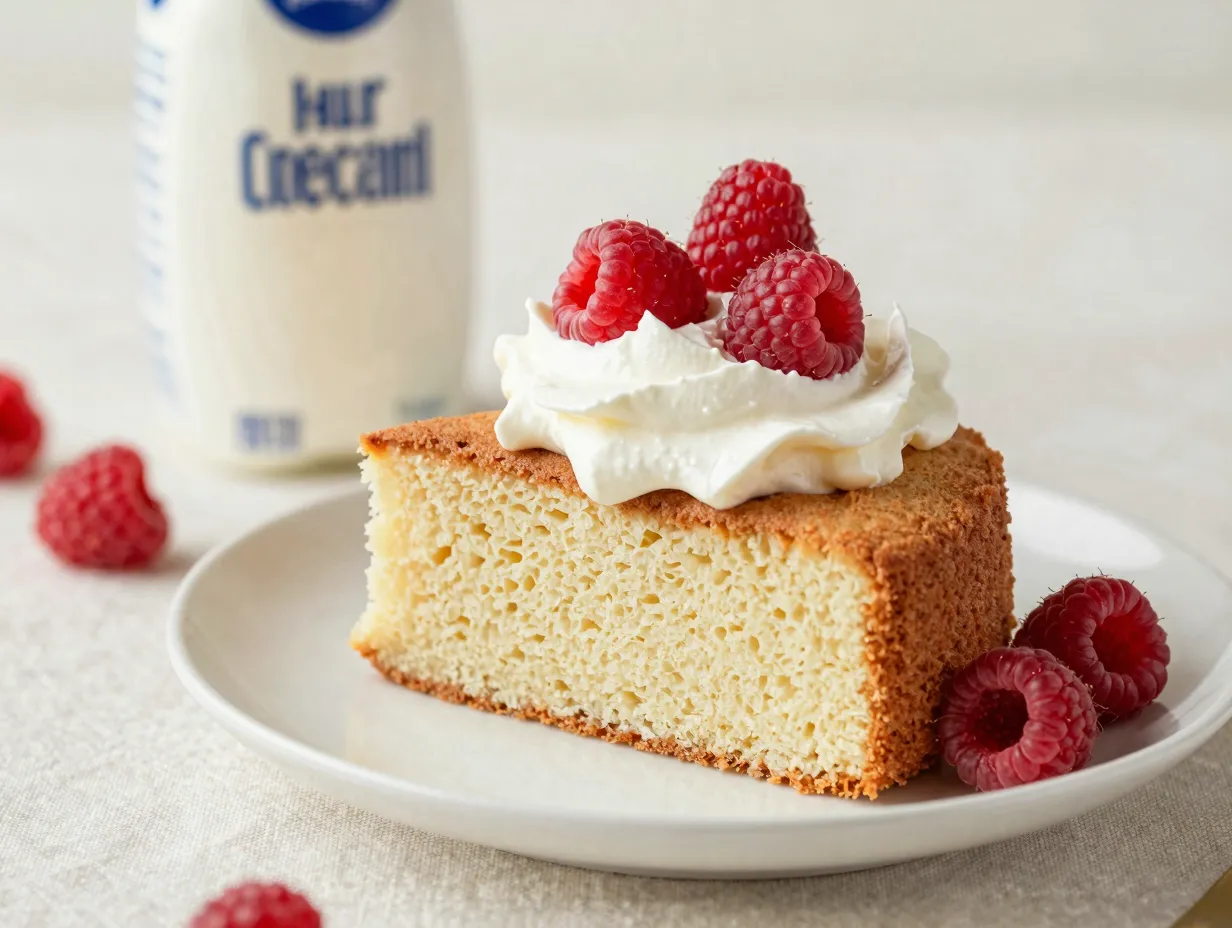
Most pound cake recipes rely on butter as the primary fat. This version substitutes heavy whipping cream for the dairy component, producing a cake with an extraordinarily tender, almost velvety crumb that is lighter in texture than a traditional version while still being satisfyingly dense.
Why whipping cream works: The fat content in heavy cream (typically 36 percent or higher) provides richness comparable to butter, but because it is already in liquid form, it incorporates into the batter more evenly. The result is a crumb with a finer, more uniform texture.
Critical instruction: Do not whip the cream before adding it to the batter. Use it straight from the container in its liquid state. Whipping it first would introduce too much air and change the final texture entirely.
This cake is particularly good served with fresh whipped cream and seasonal berries, which creates a pleasant contrast between the dense cake and the airy topping.
9. Brown Sugar and Bourbon Pound Cake
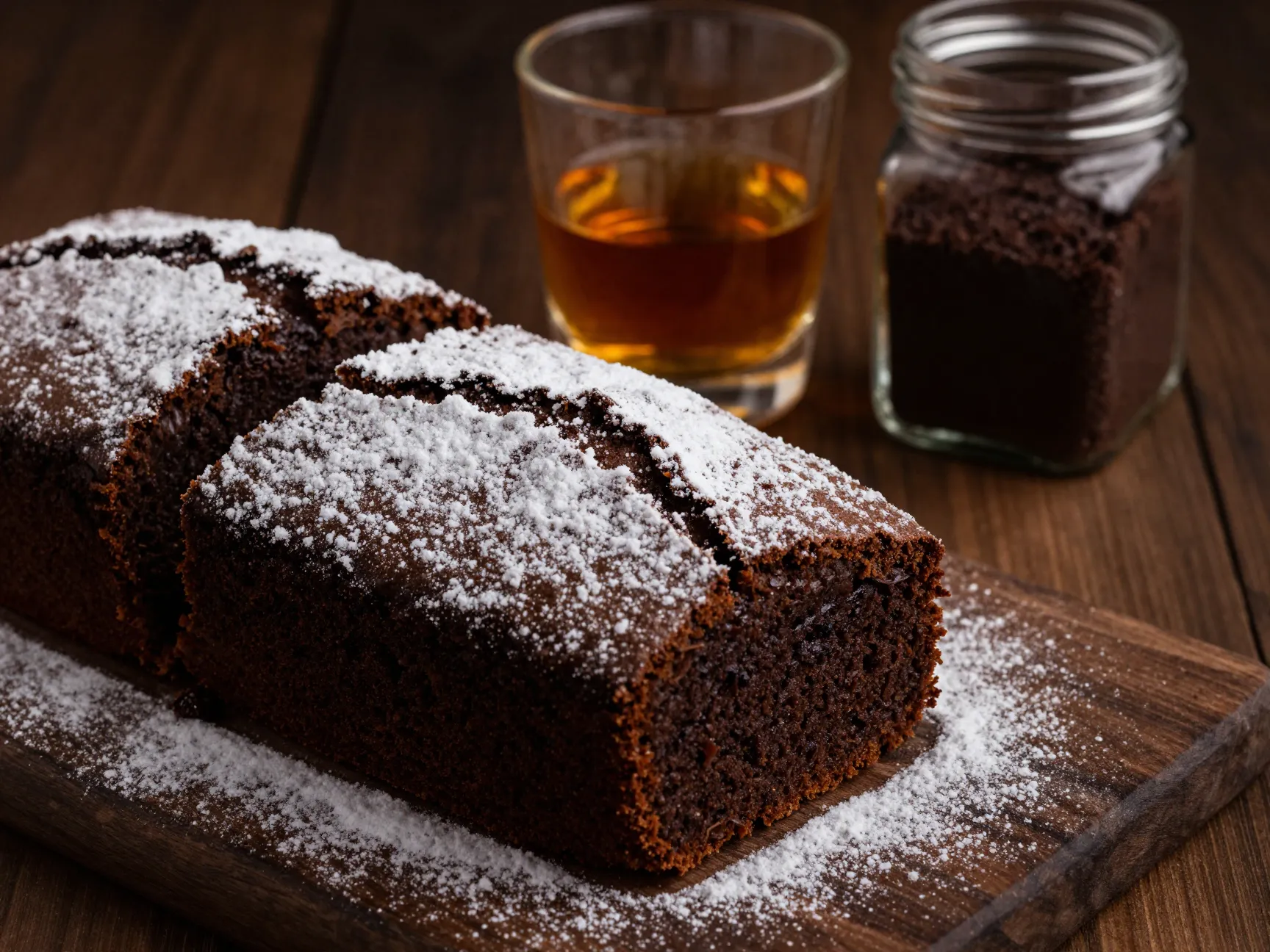
The final recipe in this collection of 9 Pound Cake Recipes That Are Dense, Buttery, and Perfectly Satisfying is the most indulgent of the group. Replacing granulated white sugar with dark brown sugar adds a deep molasses note that pairs naturally with a tablespoon of good bourbon stirred into the batter.
Brown sugar vs. white sugar in pound cake:
- Brown sugar contains molasses, which is hygroscopic, meaning it attracts and holds moisture. Cakes made with brown sugar stay moist longer.
- The molasses also adds a slight acidity that tenderizes the crumb.
- Brown sugar produces a slightly denser, chewier texture compared to white sugar.
- The flavor is noticeably more complex, with caramel and toffee undertones.
The bourbon: Use one tablespoon of a good-quality bourbon. The alcohol bakes off during the long baking time, leaving behind the vanilla, oak, and caramel notes that make bourbon such a natural companion to brown butter and brown sugar. If you prefer to avoid alcohol entirely, substitute one teaspoon of pure vanilla extract plus one teaspoon of strong brewed coffee.
Finish this cake with a brown sugar glaze or a simple dusting of powdered sugar. It needs very little embellishment.
Common Pound Cake Problems and How to Fix Them
Even experienced bakers run into trouble with pound cake. The following table covers the most frequent issues and their solutions.
| Problem | Likely Cause | Solution |
|---|---|---|
| Sunken center | Underbaked or oven too hot | Use an oven thermometer; test with skewer before removing |
| Dry, crumbly texture | Overbaked or too much flour | Spoon flour into measuring cup; reduce bake time by 5 minutes |
| Greasy crumb | Cold eggs broke the emulsion | Always use room-temperature eggs |
| Pale, thick crust | Pan not properly prepared | Grease and flour pan thoroughly; use butter not spray |
| Cake sticks to pan | Removed too soon or pan not greased | Cool in pan 10 minutes before inverting |
| Dense, gummy center | Overmixed after flour added | Mix on low speed once flour is incorporated; stop as soon as combined |
Essential Equipment for Baking a Perfect Pound Cake
The right tools make a measurable difference in the final result.
Stand mixer: A stand mixer with a paddle attachment is the most reliable way to cream butter and sugar to the right consistency. A hand mixer works, but requires more attention to ensure even creaming.
Tube pan or Bundt pan: The center tube conducts heat into the middle of the batter, ensuring even baking throughout a very dense cake. A standard loaf pan works for smaller recipes but requires longer baking times and more careful monitoring.
Oven thermometer: Most home ovens run 25 to 50 degrees hotter or cooler than their displayed temperature. An inexpensive oven thermometer eliminates this variable entirely.
Kitchen scale: Measuring flour by weight rather than volume is the single most reliable way to ensure consistent results across multiple bakes. One cup of flour can weigh anywhere from 120 to 160 grams depending on how it was scooped. A scale eliminates that variance.
How to Store and Serve Pound Cake
Proper storage preserves both texture and flavor.
- Room temperature: Wrap tightly in plastic wrap or store in an airtight container. Most pound cakes remain fresh for three to four days.
- Refrigerator: Refrigeration extends shelf life to about one week but can dry out the crumb. If refrigerating, bring the cake to room temperature before serving.
- Freezer: Pound cake freezes exceptionally well. Wrap individual slices in plastic wrap, then place in a zip-top freezer bag. Frozen slices thaw at room temperature in about 30 minutes.
Serving ideas beyond the plain slice:
- Toast a slice in a skillet with a small amount of butter until golden on both sides. Serve with vanilla ice cream.
- Cube leftover pound cake and layer with whipped cream and fresh fruit for a quick trifle.
- Use thick slices as the base for a simple strawberry shortcake.
Conclusion
These 9 Pound Cake Recipes That Are Dense, Buttery, and Perfectly Satisfying represent a full spectrum of what this classic baked good can be. From the foundational simplicity of a classic vanilla butter pound cake to the layered complexity of a brown sugar and bourbon version, each recipe builds on the same core principles: quality fat, proper technique, and patience.
Actionable next steps:
Start with Recipe 1, the classic vanilla butter pound cake, and bake it twice before moving on to any variation. The repetition will teach you more about creaming, emulsification, and oven behavior than any written instruction can. Once that foundation is solid, work through the cream cheese version and the lemon glazed version, which introduce two of the most important variables in pound cake baking: fat substitution and acid balance.
Keep a small notebook near your stand mixer. Record your oven temperature, the exact time you pulled the cake, and any texture notes after the first slice. Over three or four bakes, patterns will emerge that tell you exactly how your oven and your kitchen environment affect the final result.
Pound cake is one of the few baked goods that rewards the baker who slows down. The technique is not complicated, but it is precise. Master it, and you will have a reliable, crowd-pleasing recipe that can anchor a dessert table for the rest of your life.