9 Beef Stew Meat Recipes That Are Hearty Comforting and Incredibly Easy to Make
Cold weather accounts for a measurable spike in home cooking searches every year, and beef stew consistently ranks among the top five most-searched comfort food recipes from October through March. There is a reason for that. A well-made beef stew delivers everything a home cook wants in a single pot: deep, savory flavor, fork-tender meat, and a rich gravy that practically builds itself during cooking. If you have been looking for a reliable collection of go-to recipes, these 9 beef stew meat recipes that are hearty, comforting, and incredibly easy to make will cover every occasion, skill level, and kitchen setup you can think of.
Disclosure: This post contains affiliate links. As an Amazon Associate, we earn from qualifying purchases, and at no extra cost to you.
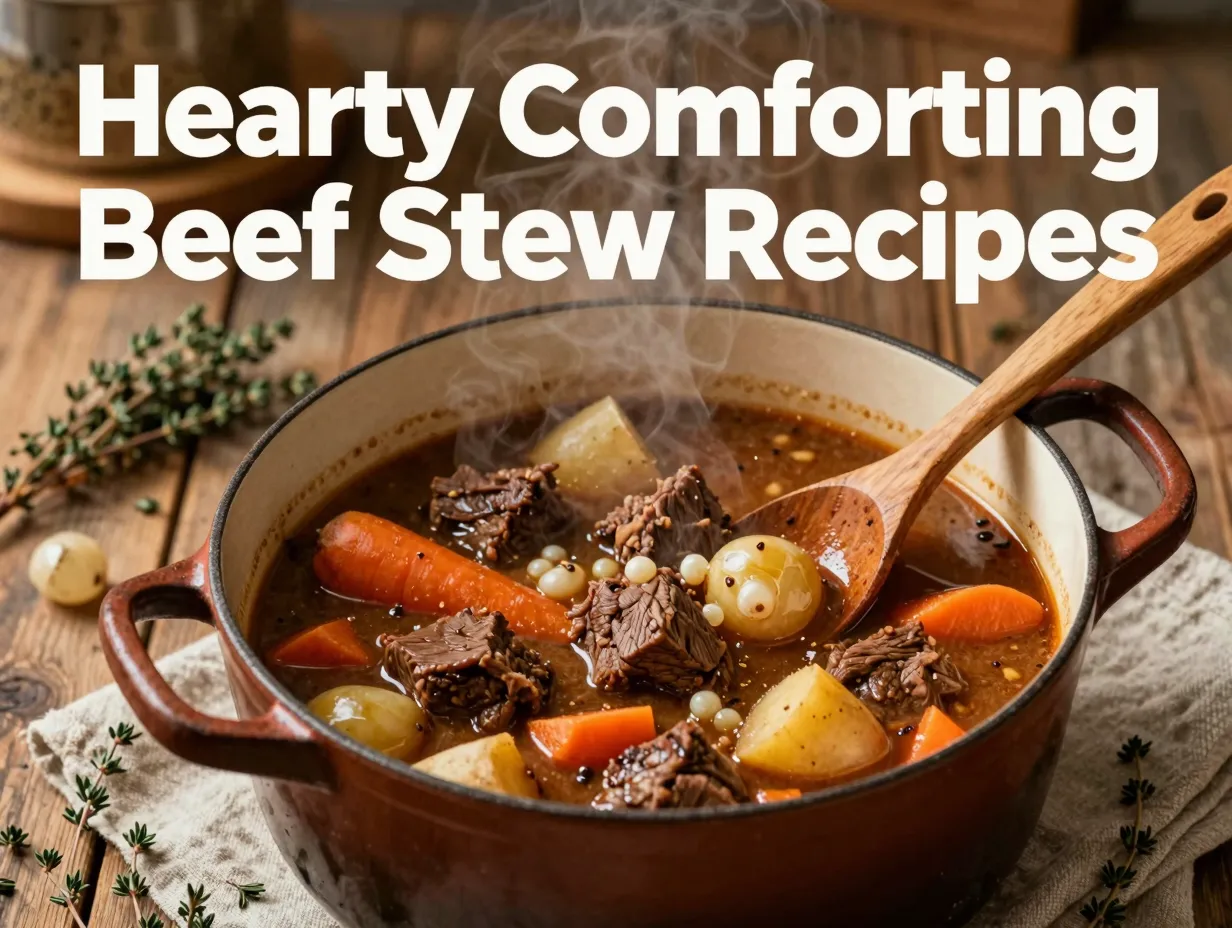
Whether you are a seasoned home cook or someone who just bought their first Dutch oven, this guide walks you through nine distinct recipes, each with its own character and technique. From slow cooker classics to bold red wine braises, you will find something worth bookmarking tonight.
Key Takeaways
- Chuck roast cut into 1-inch cubes is the gold standard for stew meat because its fat content keeps it moist during long cooking times
- Browning the meat before adding liquid is the single most important step for building deep, complex flavor
- Slow cookers, Dutch ovens, and Instant Pots all produce excellent results depending on your schedule
- Adding wine, beer, or tomato paste creates layers of umami that water and broth alone cannot replicate
- These nine recipes range from 30-minute weeknight versions to weekend braises that reward patience
Why Beef Stew Meat Is the Ultimate Comfort Food Ingredient
Before diving into the recipes themselves, it helps to understand why stew meat performs so well in slow, moist-heat cooking. Cuts like chuck roast contain a high amount of collagen, which breaks down into gelatin over time. That gelatin is what gives a finished stew its silky, lip-coating texture. Cheaper cuts actually outperform expensive ones here, which makes beef stew one of the most budget-friendly meals you can put on the table [2].
BBC Good Food’s extensive beef stew recipe collection highlights this principle repeatedly: the longer and slower you cook tough cuts, the more tender and flavorful the result [1]. Serious Eats echoes that finding, noting that patience during the cooking process is what separates a forgettable stew from a memorable one [3].
The best cuts for beef stew:
| Cut | Why It Works | Cooking Time |
|---|---|---|
| Chuck roast | High collagen, rich marbling | 2-3 hours braised |
| Short rib | Intensely beefy flavor | 2.5-3.5 hours |
| Brisket | Becomes very tender | 3-4 hours |
| Round steak | Leaner, quicker | 1.5-2 hours |
One tip I always share with friends who are new to stewing: do not skip the sear. Browning the meat in batches over high heat creates the Maillard reaction, a chemical process that produces hundreds of flavor compounds. That five-minute step pays dividends in the final bowl [6].
9 Beef Stew Meat Recipes That Are Hearty Comforting and Incredibly Easy to Make
Here are nine recipes that cover the full spectrum of home cooking styles, from quick weeknight dinners to slow weekend projects. Each one is built around accessible ingredients and straightforward technique.
1. Classic American Beef Stew
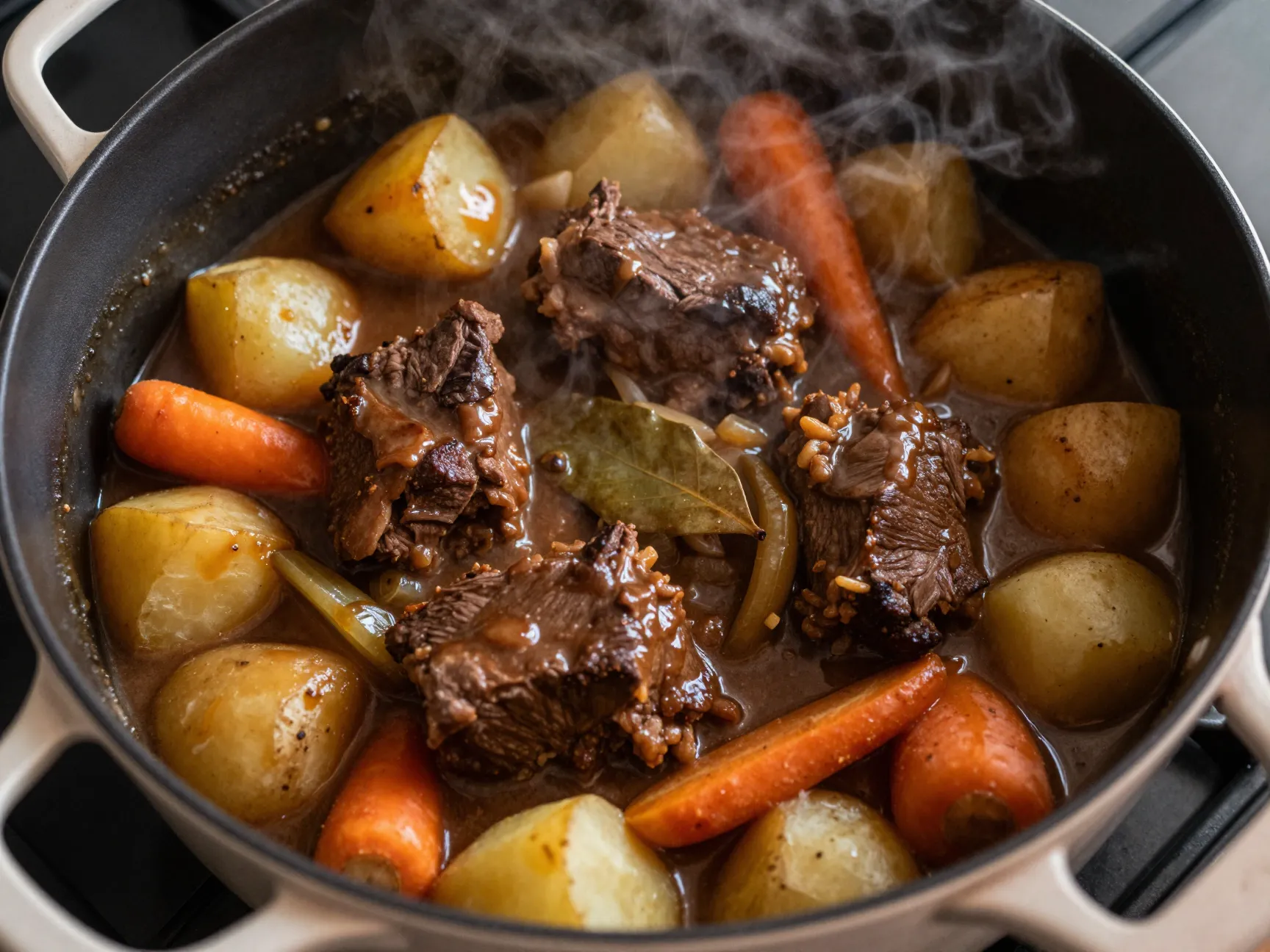
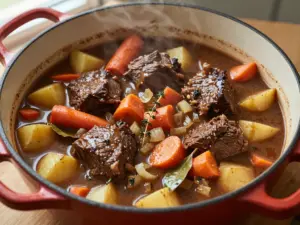
This is the recipe most people picture when they hear “beef stew.” It features chunks of chuck roast, russet potatoes, carrots, celery, and onions simmered in a beef broth base thickened with a small amount of flour. The key is building the broth with Worcestershire sauce, tomato paste, and a bay leaf for depth.
Quick method overview:
- Sear seasoned beef cubes in batches in a Dutch oven
- Saute onions and garlic in the same pot
- Add tomato paste, flour, and broth
- Simmer covered for 90 minutes before adding vegetables
- Cook another 30 minutes until vegetables are tender
This approach, popularized by home cooking sites like Spend With Pennies, produces a thick, deeply savory gravy without requiring any special ingredients [2]. I made a version of this recipe for a family gathering last winter, and the pot was empty before I had a chance to sit down.
2. Slow Cooker Beef Stew
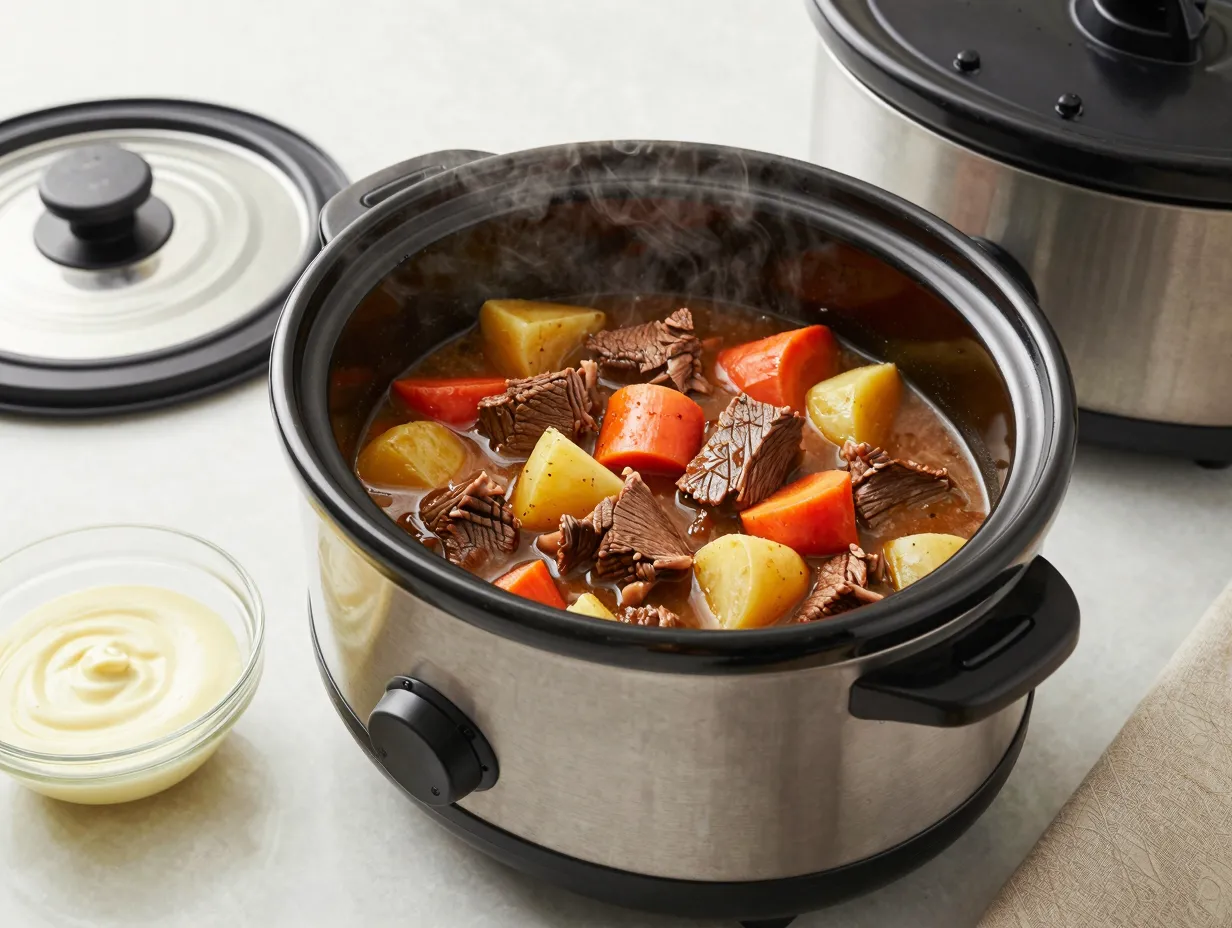
For anyone who wants dinner waiting when they walk in the door, the slow cooker version of beef stew is the answer. The process is nearly identical to the classic method, but you do the searing in the morning, transfer everything to the slow cooker, and let it run on low for 8 hours.
Pro tip: Cornstarch slurry added in the last 30 minutes of cooking thickens the gravy more reliably in a slow cooker than flour added at the start.
The Country Cook’s version of this recipe is a reader favorite for good reason: it requires minimal prep and delivers maximum comfort [9]. The slow, steady heat is especially kind to tougher cuts, making the meat almost impossibly tender by dinnertime.
3. Red Wine Beef Stew (Boeuf Bourguignon Style)
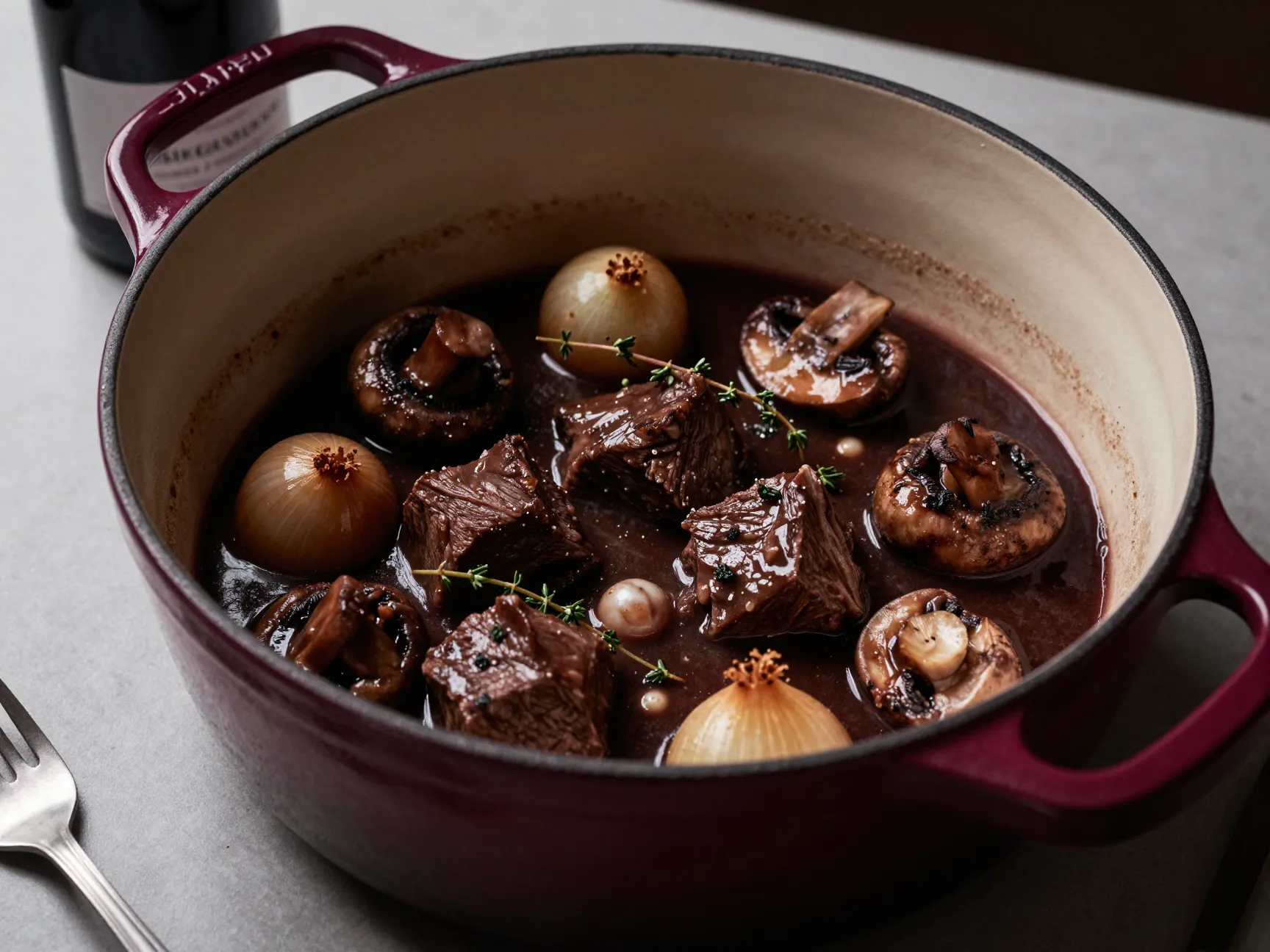
This French-inspired recipe elevates the basic formula with a full bottle of dry red wine, pearl onions, mushrooms, and fresh thyme. The wine does double duty: it deglazes the pan after searing, lifting all the browned bits, and it becomes the backbone of the braising liquid.
Best wines to use:
- Burgundy or Pinot Noir for authenticity
- Cabernet Sauvignon for a bolder flavor
- Any dry red you would actually drink
Delish recommends cooking this style of stew low and slow in a 325-degree oven for about two hours, which produces even, gentle heat on all sides of the pot [6]. The result is a stew that tastes like it came from a French bistro, made entirely in your own kitchen.
4. Guinness Beef Stew
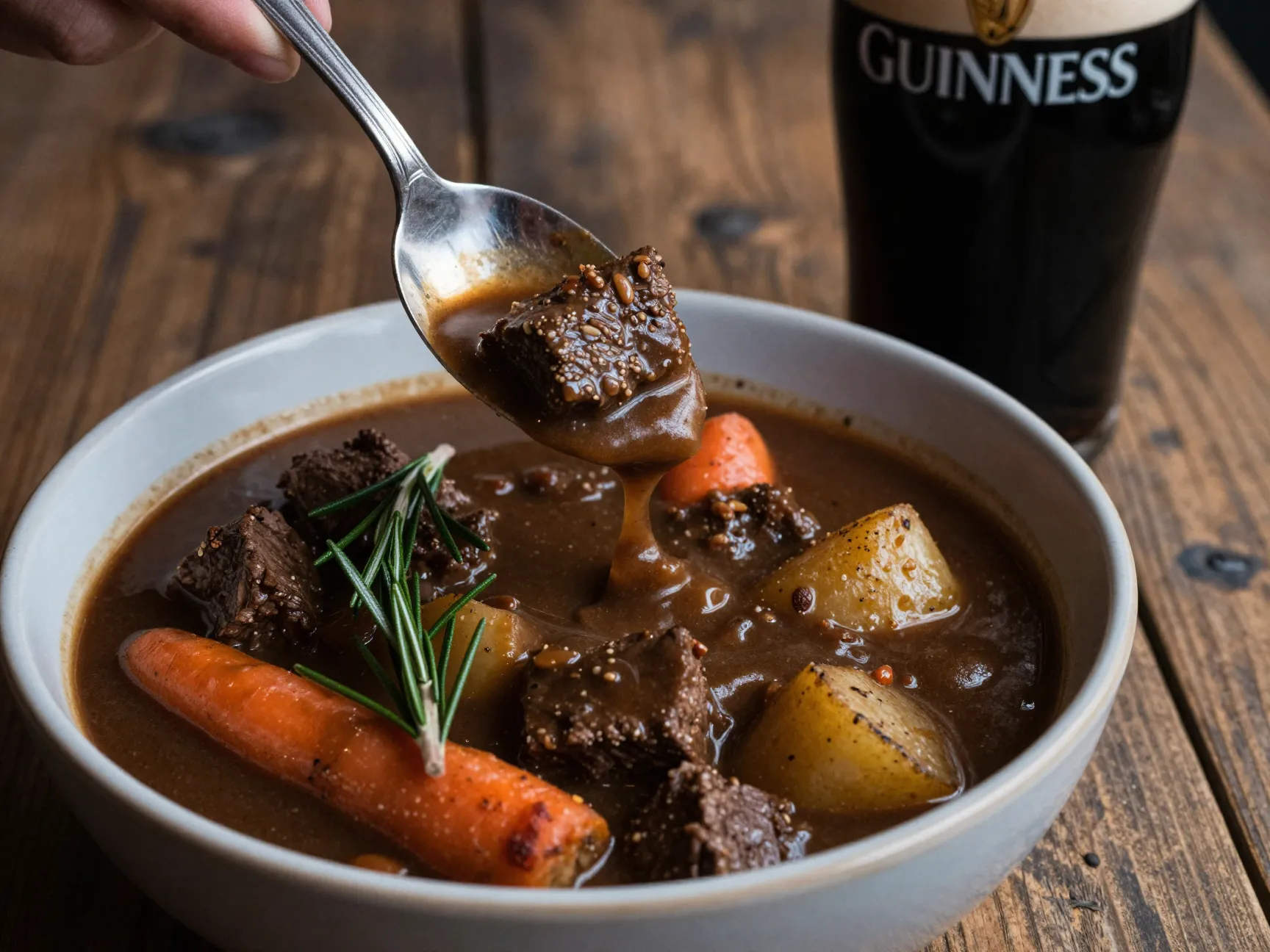
Dark stout beer brings a roasted, slightly bitter note to beef stew that balances beautifully against the natural sweetness of carrots and parsnips. This Irish-inspired recipe is a staple in my household every St. Patrick’s Day, but honestly it deserves a spot on the rotation all winter long.
The process mirrors the classic American stew, with one substitution: replace half the beef broth with one can of Guinness. The alcohol cooks off completely, leaving behind malt and coffee notes that deepen the gravy in a way that broth alone cannot achieve.
Key ingredients:
- 2 lbs chuck roast, cubed
- 1 can Guinness Extra Stout
- 2 cups beef broth
- Carrots, parsnips, and potatoes
- Fresh thyme and rosemary
Every Last Bite features a similar preparation and notes that the stout creates a naturally rich, dark gravy without needing additional thickeners [8].
5. Instant Pot Beef Stew
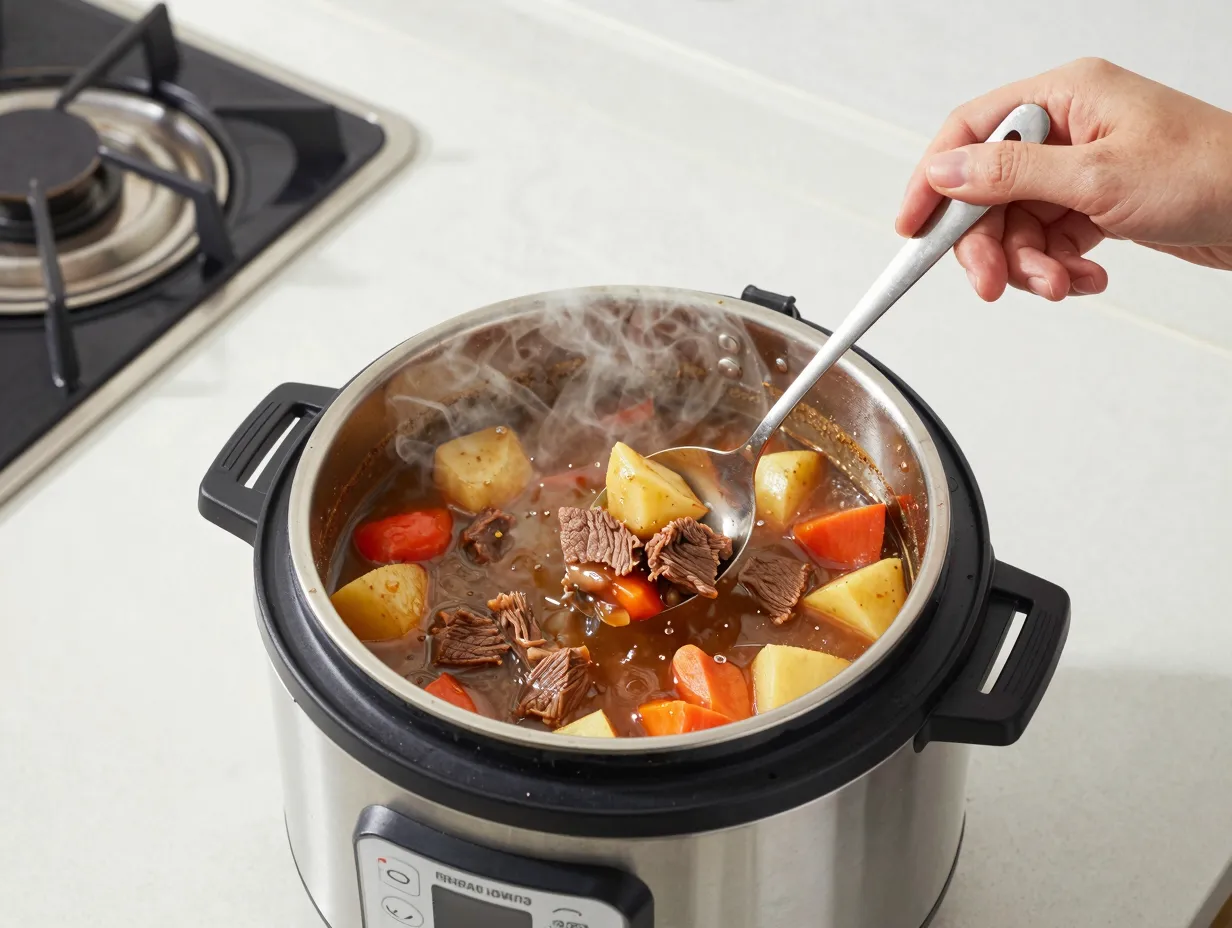
Pressure cooking compresses what would normally be a two-hour braise into about 35 minutes of total cooking time. The Instant Pot version of beef stew is ideal for weeknights when you want the depth of a slow-cooked meal without the wait.
Instant Pot timing guide:
| Step | Time |
|---|---|
| Saute beef in batches | 8-10 minutes |
| Saute aromatics | 3 minutes |
| Pressure cook on high | 25 minutes |
| Natural release | 10 minutes |
| Thicken gravy on saute mode | 5 minutes |
Healthy Fitness Meals outlines this method clearly, noting that the pressure environment forces liquid into the meat fibers more aggressively than stovetop simmering, which is why the texture can be slightly different but still very satisfying [5]. I find the Instant Pot version slightly less silky than a Dutch oven braise, but the convenience factor makes it a weekly staple in my kitchen.
6. Tomato-Based Italian Beef Stew
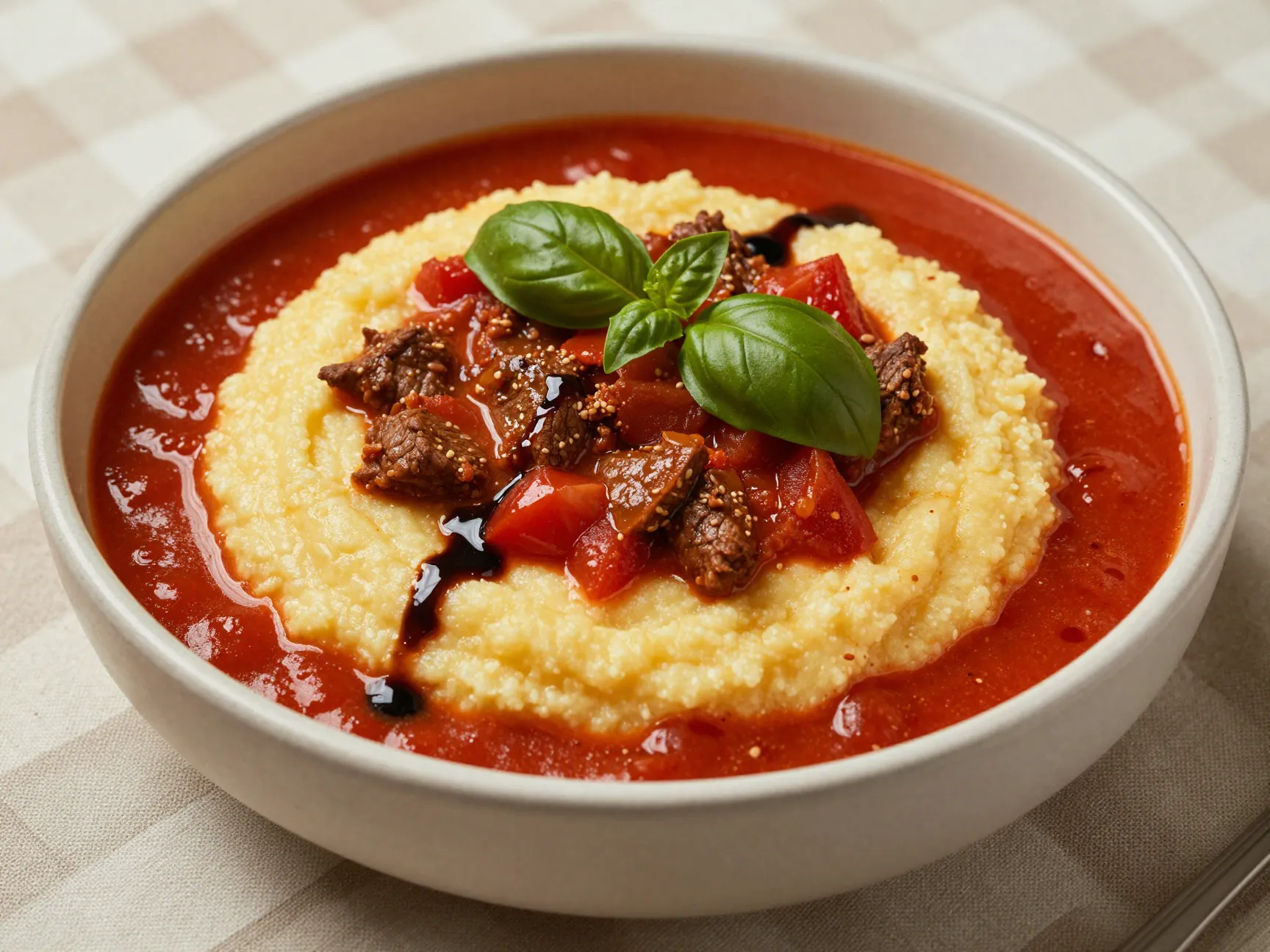
This recipe draws on Italian “spezzatino” tradition, using crushed tomatoes, red wine, and dried herbs like oregano and basil as the braising liquid. The result is closer to a thick, meaty ragu than a traditional gravy-based stew, and it pairs beautifully with polenta, egg noodles, or crusty bread.
What makes it different:
- Crushed tomatoes replace most of the broth
- Italian seasoning blend instead of thyme and bay
- A splash of balsamic vinegar added at the end brightens the whole dish
- Serve over polenta for a complete meal
This is a great recipe for anyone who finds traditional beef stew too heavy. The acidity of the tomatoes cuts through the richness of the meat and keeps the dish feeling lighter despite its depth of flavor.
7. Hungarian Beef Goulash
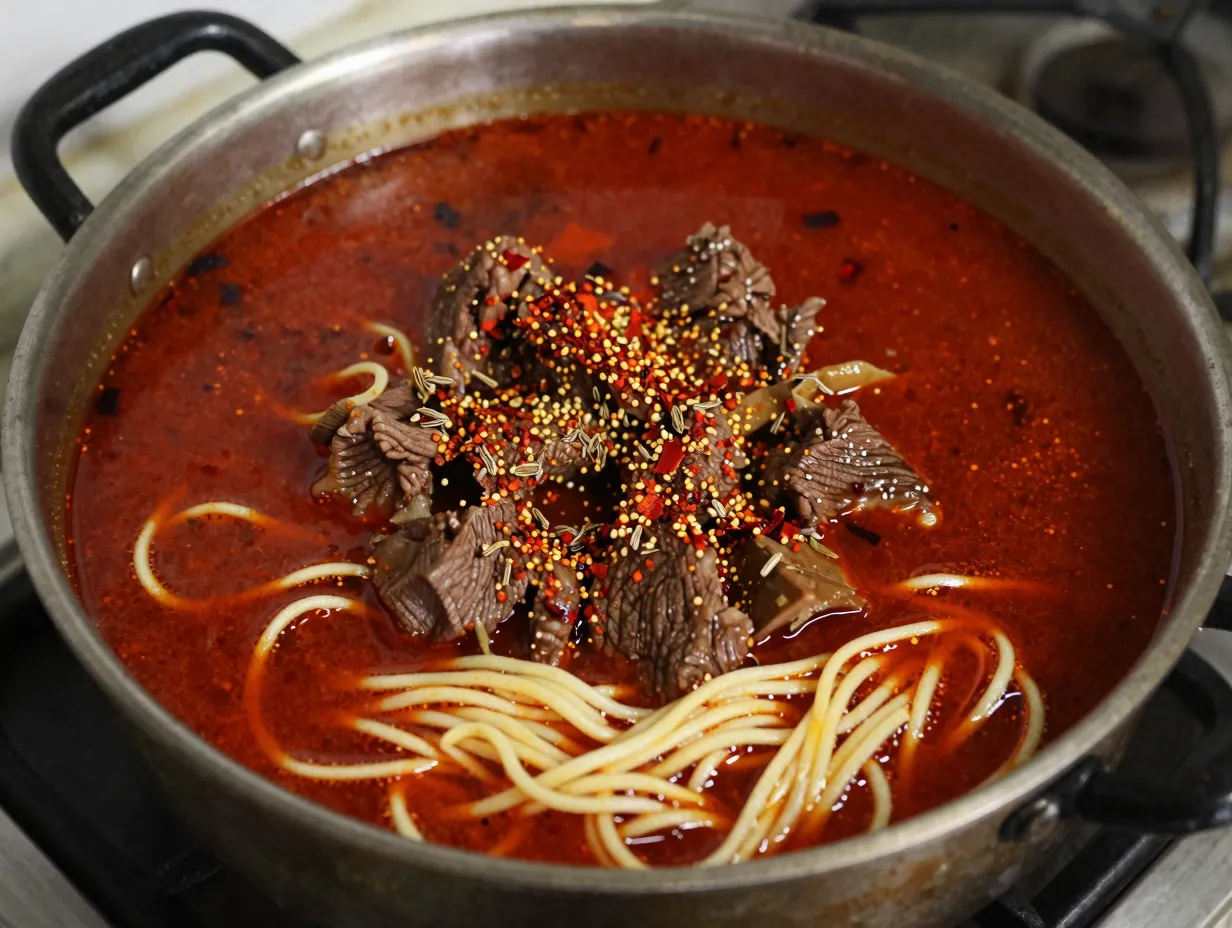
Goulash is technically a stew, and it deserves a place on any list of hearty beef stew meat recipes. The defining ingredient is sweet Hungarian paprika, used in generous quantities to create a vivid red broth with a warm, earthy flavor profile.
Authentic goulash tips:
- Use at least 3 tablespoons of sweet paprika per 2 lbs of meat
- Never let the paprika burn; add it off the heat or with liquid immediately
- Caraway seeds add an authentic Eastern European note
- Serve over egg noodles or spaetzle
MSN’s roundup of easy beef stews includes goulash-style preparations as some of the most satisfying cold-weather options available, and I would agree completely [10]. The paprika creates a color and flavor that feels entirely different from a standard brown beef stew, which makes it a great option for breaking out of a cooking rut.
8. Asian-Inspired Beef Stew with Star Anise
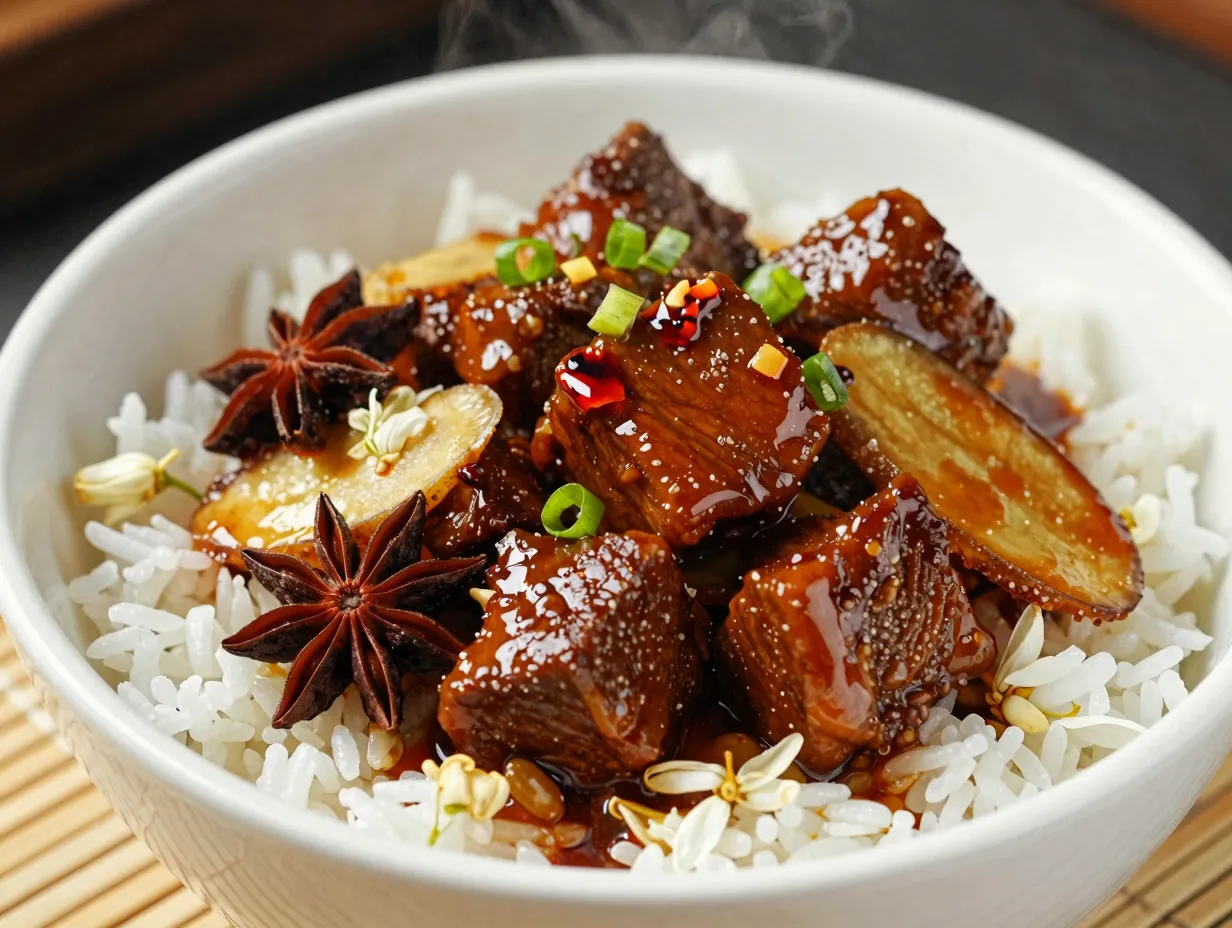
This recipe borrows from Chinese red-braised beef traditions, using soy sauce, rice wine, ginger, garlic, and whole star anise as the flavor base. The result is a deeply aromatic stew with a soy-caramel glaze on the meat that is unlike anything in the Western stew canon.
Flavor-building ingredients:
- 3 tablespoons soy sauce
- 2 tablespoons oyster sauce
- 1 tablespoon Shaoxing rice wine
- 3 whole star anise
- 1-inch piece of fresh ginger, sliced
- 2 teaspoons brown sugar
Must Eat Food’s collection of quick stew meat recipes includes Asian-inspired variations that demonstrate how versatile stew beef can be when you step outside the traditional European framework [4]. Serve this version over steamed jasmine rice with sliced scallions and a drizzle of chili oil.
9. Vegetable-Forward Beef Stew with Root Vegetables
This final recipe leans into the vegetables as much as the meat, using a wide variety of root vegetables including turnips, parsnips, sweet potatoes, and celery root alongside the standard carrots and potatoes. The result is a more complex, earthy stew that feels nutritionally complete on its own.
Root vegetable timing guide:
| Vegetable | Add at |
|---|---|
| Turnips, parsnips | 60 minutes before end |
| Carrots, potatoes | 45 minutes before end |
| Sweet potatoes | 30 minutes before end |
| Peas, green beans | 10 minutes before end |
NYT Cooking’s reader-submitted beef stew recipes frequently highlight this kind of vegetable-forward approach as a way to stretch a smaller amount of meat further without sacrificing satisfaction [7]. Adding a handful of fresh herbs at the very end, like parsley or chives, brings brightness to what might otherwise feel like a heavy dish.
Tips for Making Any Beef Stew Better
No matter which of these 9 beef stew meat recipes that are hearty, comforting, and incredibly easy to make you choose to try first, a few universal principles will improve your results every time.
Brown the meat in batches. Crowding the pan steams the beef instead of searing it. Work in small batches and give each piece real contact with the hot pan surface.
Deglaze thoroughly. After browning, there will be a layer of dark, sticky fond on the bottom of the pot. That is pure flavor. Add your liquid and scrape it up completely before it burns.
Season in layers. Add salt at the beginning, middle, and end of cooking. Taste before serving and adjust. A stew that tastes flat usually just needs salt and a small splash of acid, like red wine vinegar or lemon juice.
Let it rest. Like most braised dishes, beef stew tastes better the next day. The flavors continue to meld as the stew cools and sits overnight in the refrigerator. Reheat gently over low heat.
“The best beef stew you will ever eat is almost always the one you made yesterday.” This is a truth every experienced home cook eventually discovers.
Thickening options:
| Method | How to Use | Result |
|---|---|---|
| Flour dredge | Toss beef in flour before searing | Gradual thickening |
| Cornstarch slurry | Mix with cold water, add at end | Quick, glossy finish |
| Potato starch | Same as cornstarch | Slightly clearer result |
| Reduction | Simmer uncovered last 20 min | Concentrated flavor |
Common Mistakes to Avoid
Even experienced cooks run into problems with beef stew. Here are the most common errors and how to fix them.
Using the wrong cut. Lean cuts like sirloin or tenderloin become dry and chewy when braised. Stick with chuck, short rib, or brisket for best results.
Adding vegetables too early. Potatoes and carrots added at the start of a two-hour braise will disintegrate completely. Add them in the last 30 to 45 minutes of cooking.
Not enough liquid. The beef should be mostly submerged but not swimming. Too little liquid causes scorching; too much dilutes the flavor.
Cooking at too high a temperature. A vigorous boil toughens the meat. The liquid should barely simmer, with only occasional bubbles breaking the surface.
Skipping the acid. A small amount of acid at the end of cooking, whether from wine, vinegar, or tomatoes, brightens the entire dish and keeps it from tasting flat.
Conclusion
These 9 beef stew meat recipes that are hearty, comforting, and incredibly easy to make represent the full range of what a single cut of beef can accomplish. From the familiar warmth of a classic American stew to the aromatic complexity of an Asian-inspired braise, each recipe offers something distinct while sharing the same foundational principle: patient cooking transforms humble ingredients into something extraordinary.
Actionable next steps to get started today:
- Choose one recipe from this list that matches your available time and equipment
- Buy a 2-pound chuck roast and cut it into 1-inch cubes the night before to save time
- Gather your aromatics: onion, garlic, carrots, and celery are the foundation of nearly every recipe here
- Make a double batch and freeze half in airtight containers for a ready-made meal later in the month
- Experiment with one new variation each week until you have worked through all nine
The beauty of beef stew is its forgiveness. It rewards improvisation, tolerates substitutions, and almost always turns out well even when you deviate from the recipe. Start with the classic version, build your confidence, and then let curiosity guide you toward the goulash, the Guinness stew, or the Asian braise. Your kitchen will smell incredible either way.
References
[1] Beef Stew Recipes – https://www.bbcgoodfood.com/recipes/collection/beef-stew-recipes
[2] Beef Stew Recipe – https://www.spendwithpennies.com/beef-stew-recipe/
[3] Beef Stew Recipes 11865186 – https://www.seriouseats.com/beef-stew-recipes-11865186
[4] Quick Stew Meat Recipes – https://musteatfood.com/quick-stew-meat-recipes/
[5] Homemade Beef Stew – https://healthyfitnessmeals.com/homemade-beef-stew/
[6] Easy Beef Stew Recipe – https://www.delish.com/cooking/recipe-ideas/a23515497/easy-beef-stew-recipe/
[7] Beef Stew Recipes Readers – https://cooking.nytimes.com/article/beef-stew-recipes-readers
[8] Beef Stew – https://www.everylastbite.com/beef-stew/
[9] Best Ever Beef Stew – https://www.thecountrycook.net/best-ever-beef-stew/
[10] Ss Aa1zcop0 – https://www.msn.com/en-us/foodanddrink/recipes/11-delicious-and-easy-beef-stews-that-are-perfect-for-cold-weather-comfort/ss-AA1zCOp0