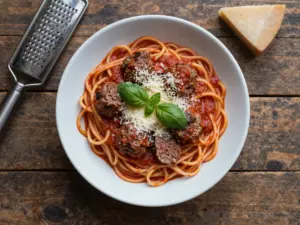
9 Best Spaghetti Recipes That Home Cooks Swear By for Perfect Results Every Time
Spaghetti is the most consumed pasta shape in the world, with Italy alone producing over 1.4 million tons of pasta annually, and spaghetti consistently claims the top spot in sales. Yet for all its global popularity, a surprisingly large number of home cooks still struggle to get it right. Watery sauces, overcooked noodles, and bland flavor profiles are common complaints. That is why I put together this definitive guide to the 9 Best Spaghetti Recipes That Home Cooks Swear By for Perfect Results Every Time, a carefully curated list that draws on trusted culinary sources and real kitchen wisdom to help you nail every bowl, every single time.
Disclosure: This post contains affiliate links. As an Amazon Associate, we earn from qualifying purchases, and at no extra cost to you.
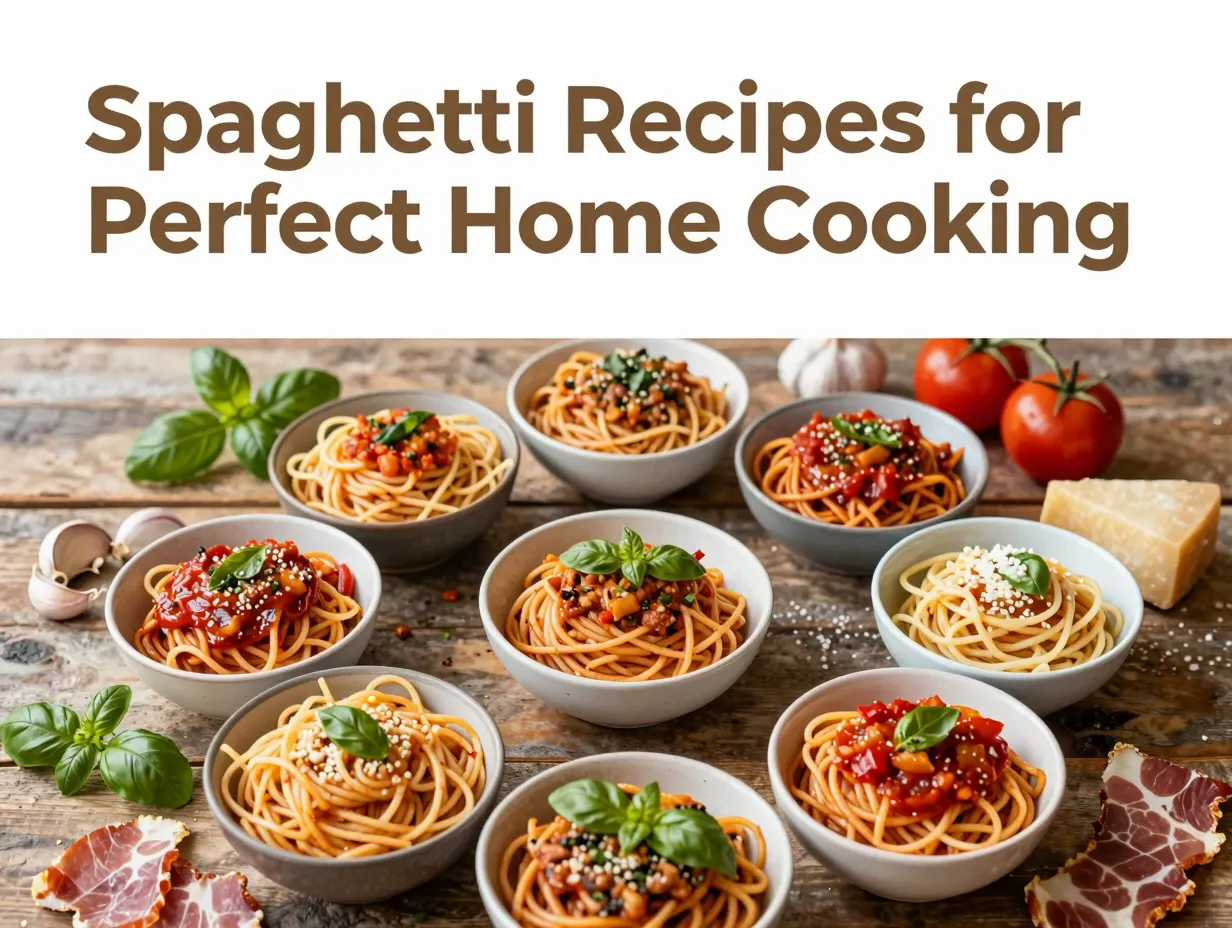
Key Takeaways
- The 9 best spaghetti recipes range from ultra-simple three-ingredient dishes to rich, slow-simmered meat sauces, there is a perfect option for every skill level and time constraint.
- Cooking pasta al dente and using starchy pasta water are two non-negotiable techniques that separate good spaghetti from great spaghetti.
- Quality ingredients, ripe tomatoes, good olive oil, real Parmigiano-Reggiano, make a dramatic difference even in the simplest recipes.
- Classic Italian recipes like Carbonara and Aglio e Olio rely on technique, not complexity, to deliver restaurant-quality results at home.
- Understanding the flavor profile of each sauce helps you match the right recipe to the right occasion, whether it is a quick weeknight dinner or a weekend dinner party centerpiece.
Why These Spaghetti Recipes Stand Above the Rest
Before diving into the list, it is worth understanding what makes a spaghetti recipe truly reliable. I have tested dozens of variations over the years, and the recipes that consistently produce the best results share three qualities: they use a manageable number of ingredients, they rely on proven technique, and they respect the balance between pasta and sauce.
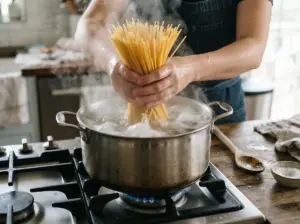
A common mistake is treating spaghetti as a neutral base that simply carries whatever sauce you throw at it. In reality, the pasta itself is a flavor component. Salting your water aggressively, it should taste like mild seawater, is the single most impactful step most home cooks skip. Similarly, reserving a cup of starchy pasta water before draining gives you a powerful emulsifying tool that binds sauce to noodle in a way nothing else can replicate.
With those fundamentals in place, the recipes below will consistently deliver outstanding results [1].
The 9 Best Spaghetti Recipes That Home Cooks Swear By for Perfect Results Every Time
1. Classic Spaghetti with Marinara Sauce
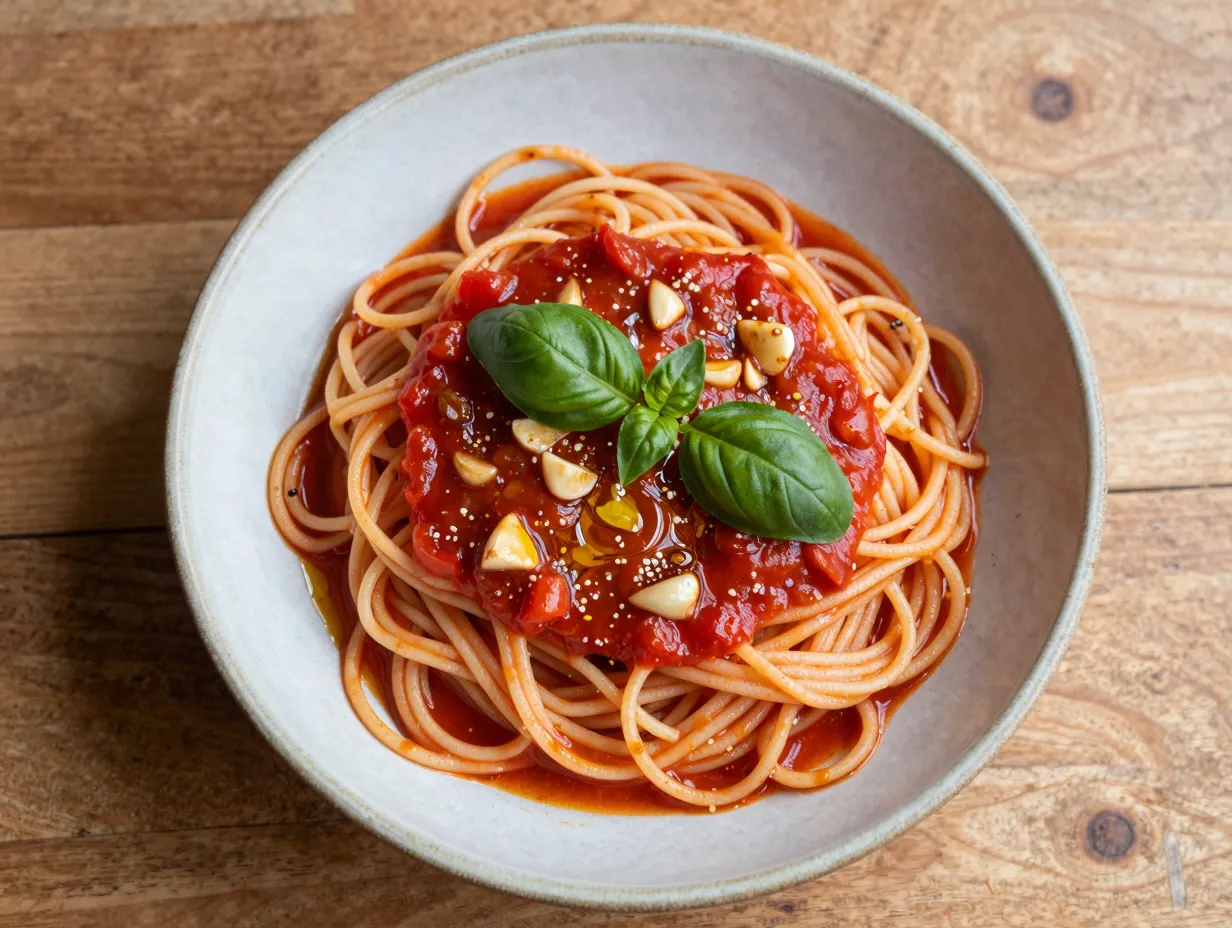
There is a reason this dish appears on nearly every Italian-American restaurant menu in the world. Classic marinara is built on a short list of ingredients, canned San Marzano tomatoes, garlic, olive oil, fresh basil, and a pinch of red pepper flakes, yet it delivers a depth of flavor that feels far more complex than its component parts suggest.
The key technique: Cook the garlic gently in olive oil over low heat until it turns pale gold but never brown. Burnt garlic is bitter and will ruin the entire sauce. Add your crushed tomatoes, season generously, and let the sauce simmer uncovered for 20 to 25 minutes. The sauce should reduce slightly and turn a deeper, richer red.
Pro tip: A small pinch of sugar added at the end corrects any residual acidity from the tomatoes without making the sauce taste sweet.
This dish is both comforting and easy to prepare, making it the ideal starting point for anyone building their spaghetti repertoire [1].
| Prep Time | Cook Time | Servings | Difficulty |
|---|---|---|---|
| 5 min | 25 min | 4 | Easy |
2. Spaghetti Carbonara
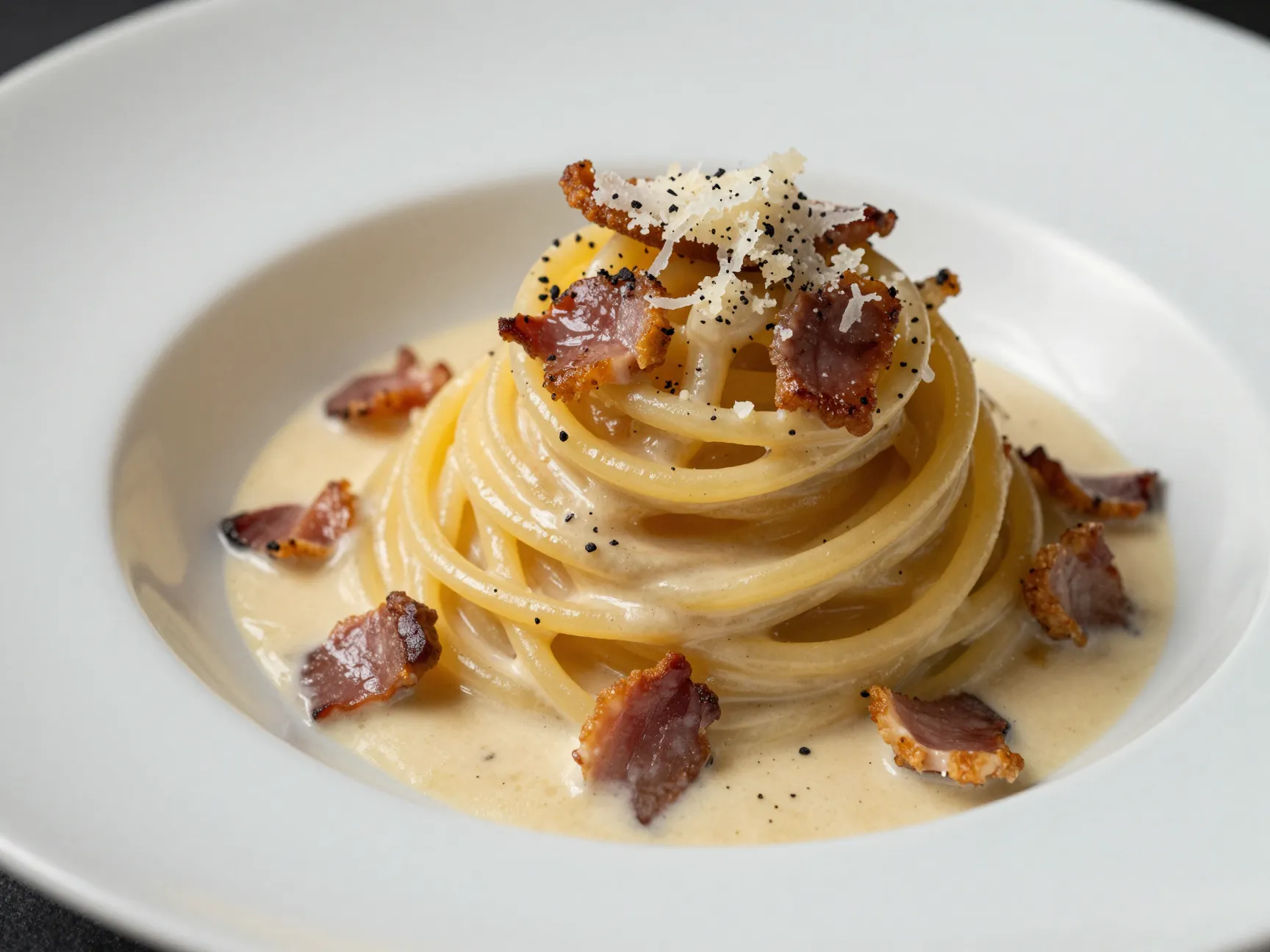
Carbonara is the recipe that separates confident home cooks from nervous ones. Done correctly, it produces a silky, glossy sauce that coats every strand of pasta. Done incorrectly, you end up with scrambled eggs.
The authentic Roman version contains exactly four ingredients beyond the pasta: guanciale (cured pork cheek), Pecorino Romano, eggs, and black pepper. Many home cooks substitute pancetta, which is widely available and produces an excellent result with a slightly milder flavor profile [2].
The critical technique: The sauce is made entirely off the heat. After draining the pasta, remove the pan from the burner, add the egg and cheese mixture, and toss vigorously while adding pasta water a splash at a time. The residual heat from the pasta cooks the eggs gently without curdling them. The target texture is a sauce that flows like heavy cream, not thick, not runny.
“Carbonara is not a cream sauce. It never was. The creaminess comes entirely from the emulsification of egg yolk, cheese, and starchy pasta water.”, A principle every serious home cook should internalize.
Common mistake to avoid: Adding the egg mixture while the pan is still on the heat. Even medium heat is enough to scramble the eggs instantly.
3. Spaghetti Bolognese
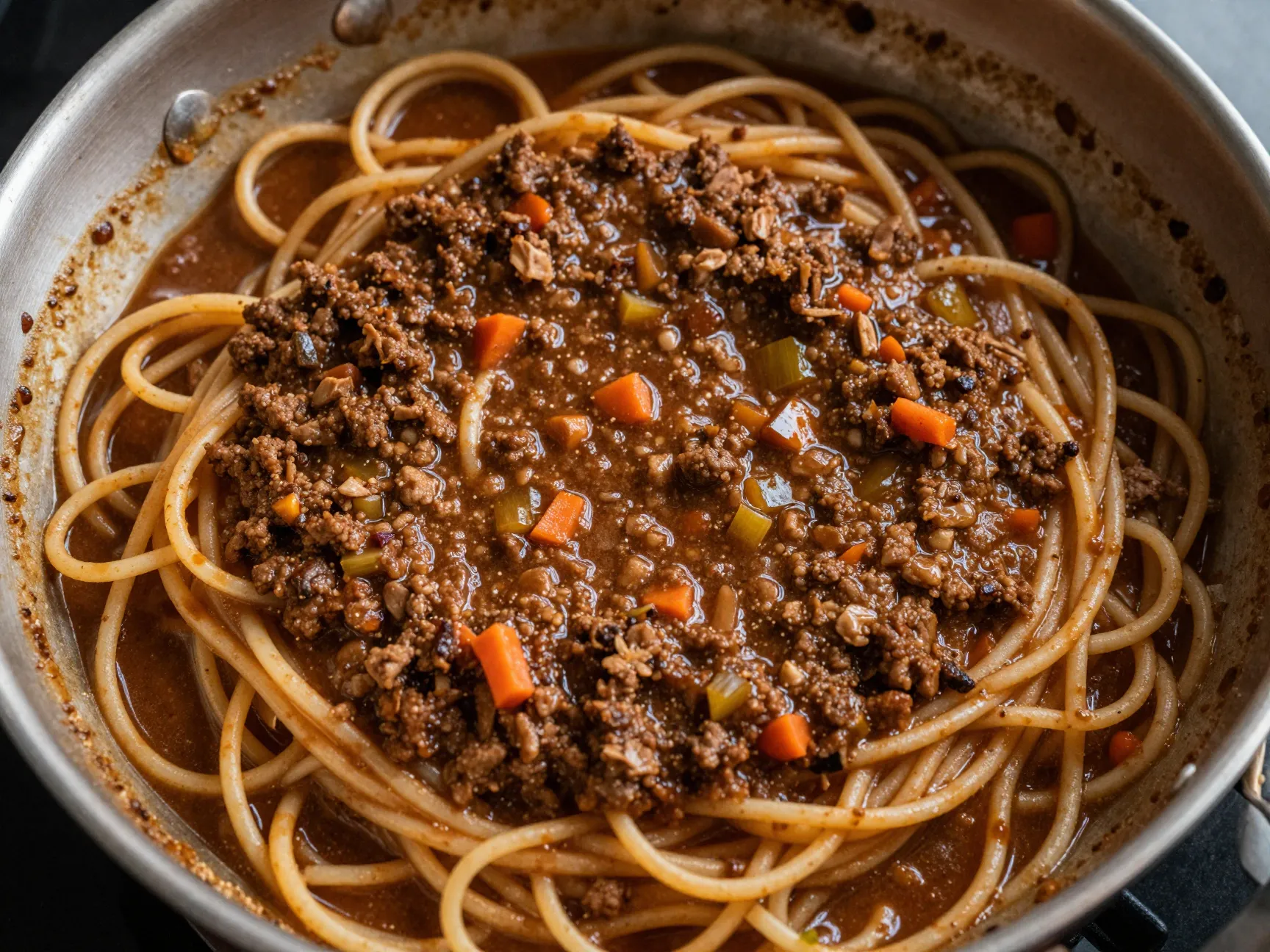
If marinara is the weeknight workhorse, Bolognese is the weekend showstopper. A proper Bolognese, known in Italy as ragù alla Bolognese, is a slow-cooked meat sauce that requires patience but rewards it generously [2].
The authentic version from Bologna uses a combination of ground beef and pork, a soffritto of onion, carrot, and celery, a splash of whole milk (which tenderizes the meat), and dry white wine. Tomato plays a supporting role here, not the starring one. Many home cooks over-tomato their Bolognese, which shifts the flavor profile away from the rich, meaty depth that defines the dish.
Minimum simmer time: 2 hours. Three hours is better. The sauce should be thick, barely saucy, and deeply savory.
Ingredient spotlight:
- Ground beef and pork (50/50 blend)
- Soffritto: onion, carrot, celery
- Whole milk
- Dry white wine
- A small amount of tomato paste or crushed tomatoes
- Parmigiano-Reggiano for serving
This hearty meat sauce is a staple in many households for good reason, it freezes beautifully and actually improves after a day in the refrigerator [2].
4. Spaghetti Aglio e Olio
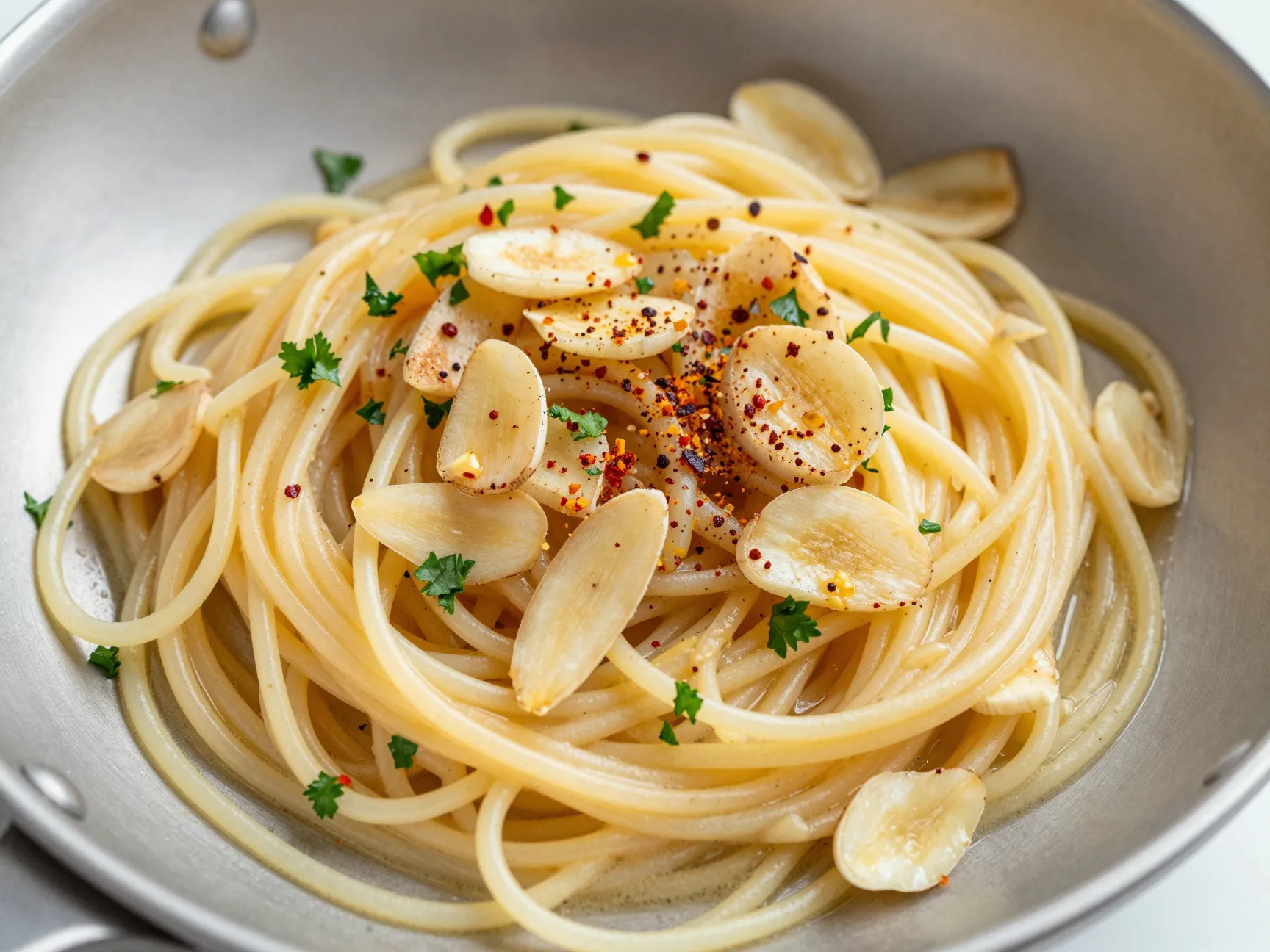
Aglio e Olio is the purist’s spaghetti. Six ingredients, twenty minutes, and a technique that requires genuine attention. This dish is a masterclass in how quality ingredients and proper execution can produce something extraordinary from almost nothing [3].
The ingredients are: spaghetti, garlic, extra virgin olive oil, red pepper flakes, flat-leaf parsley, and Parmigiano-Reggiano (optional, though traditionalists omit it).
The technique that matters: Slice the garlic paper-thin rather than mincing it. Thin slices cook evenly and create a different flavor than minced garlic, which can turn acrid quickly. Toast the garlic in olive oil over medium-low heat, watching carefully. The moment it turns light golden, add a ladle of pasta water to stop the cooking. This creates a light emulsified sauce that is neither greasy nor watery.
This recipe highlights the essence of Italian cooking, restraint, quality, and respect for the ingredient [3].
5. Spaghetti alla Puttanesca
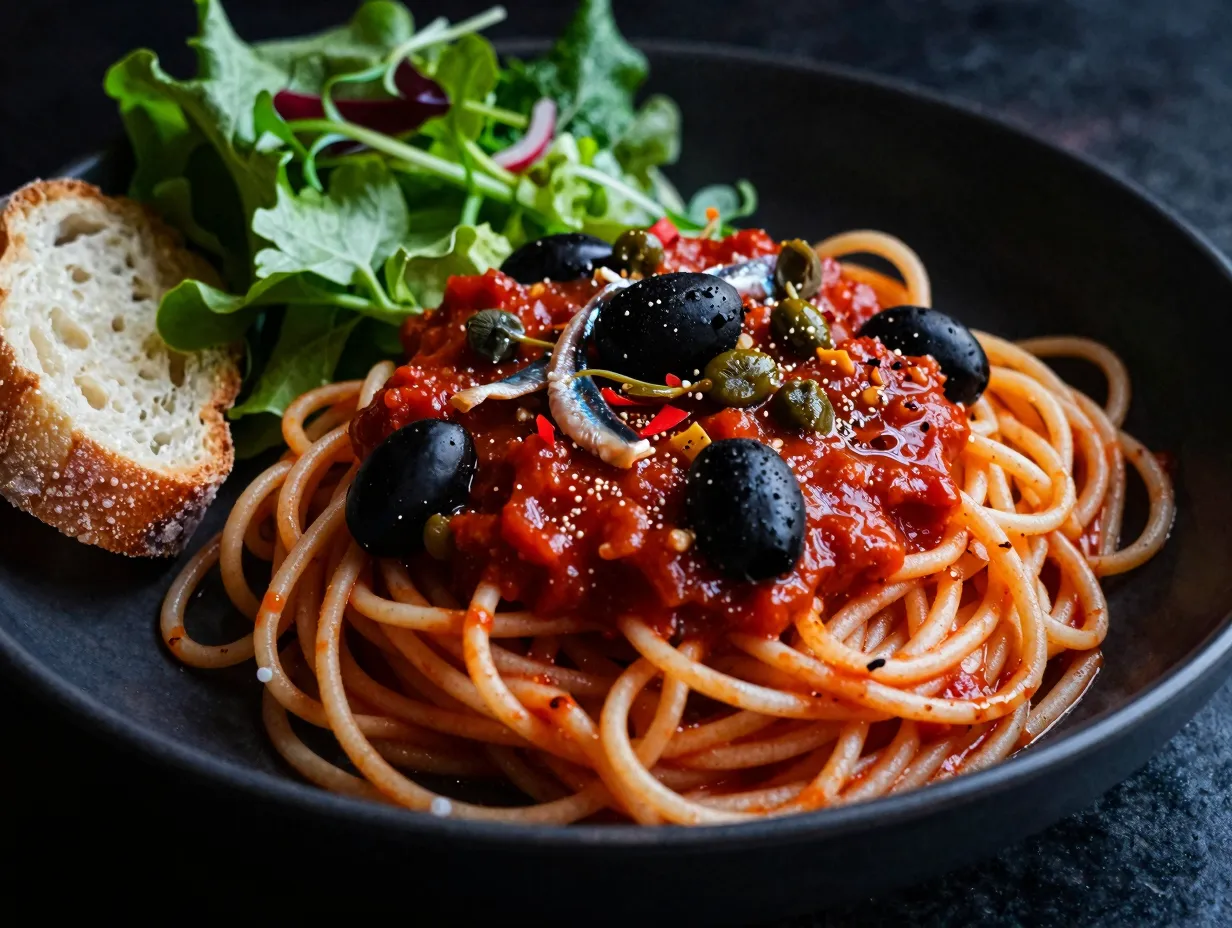
Puttanesca is a bold, assertive sauce that divides opinion and wins devotion. It originated in Naples and combines ingredients that might seem like an unlikely combination: canned tomatoes, Kalamata olives, capers, anchovies, garlic, and red pepper flakes [2].
The anchovies are the element that intimidates most home cooks, but they dissolve completely into the oil during cooking and contribute a deep, savory umami backbone rather than a fishy flavor. If you are cooking for someone who claims to dislike anchovies, do not mention them. They will not notice, they will only notice that the sauce tastes unusually good.
Flavor profile: Salty, briny, tangy, spicy, and deeply savory all at once. This is not a subtle dish, and it is not meant to be.
Best served with: A simple green salad and crusty bread. The sauce is intense enough that it needs nothing more.
| Key Ingredient | Role in the Dish |
|---|---|
| Anchovies | Umami depth, savory backbone |
| Capers | Briny acidity |
| Olives | Richness, slight bitterness |
| Red pepper flakes | Heat and complexity |
6. Spaghetti with Meatballs
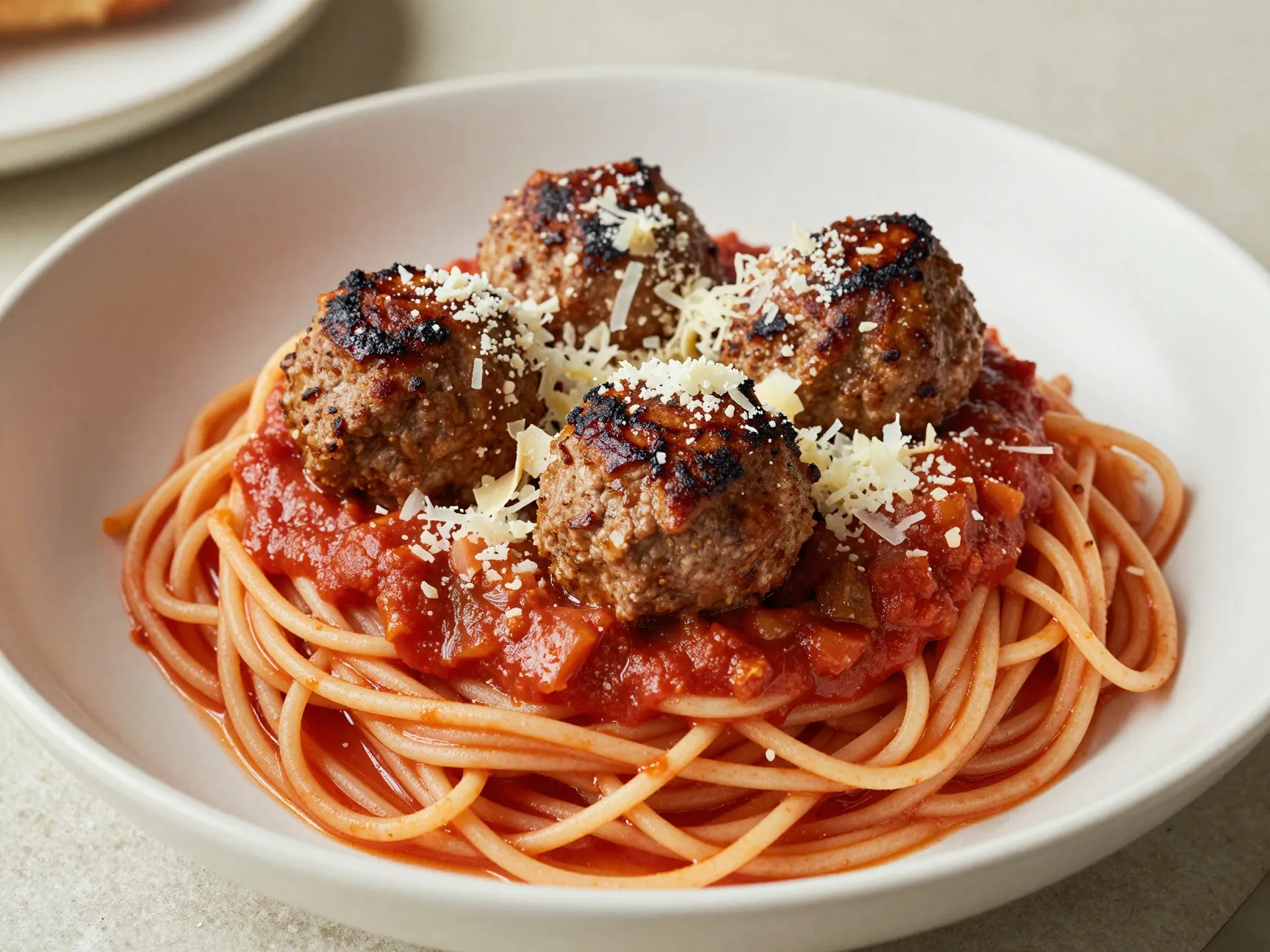
Spaghetti with meatballs is not technically an Italian dish, it is an Italian-American creation that emerged from the immigrant communities of New York and New Jersey in the early twentieth century. That historical footnote does nothing to diminish its status as one of the most beloved comfort food dishes in the world [3].
The secret to exceptional meatballs lies in three factors: the meat blend, the binder, and the cooking method.
Meat blend: A combination of beef, pork, and veal (or beef and pork if veal is unavailable) produces the most tender, flavorful result. All-beef meatballs are denser and less nuanced.
Binder: Soaking torn bread in milk and squeezing it out before mixing it into the meat creates a panade, a technique that keeps meatballs moist and tender through the cooking process.
Cooking method: Sear the meatballs in a hot pan before finishing them in the sauce. The Maillard reaction on the exterior adds a layer of flavor that poaching them directly in sauce cannot achieve.
Simmer the seared meatballs in your marinara for at least 30 minutes. The meatballs flavor the sauce, and the sauce flavors the meatballs, it is a mutually beneficial relationship.
7. Spaghetti with Garlic, Olive Oil, and Red Pepper Flakes
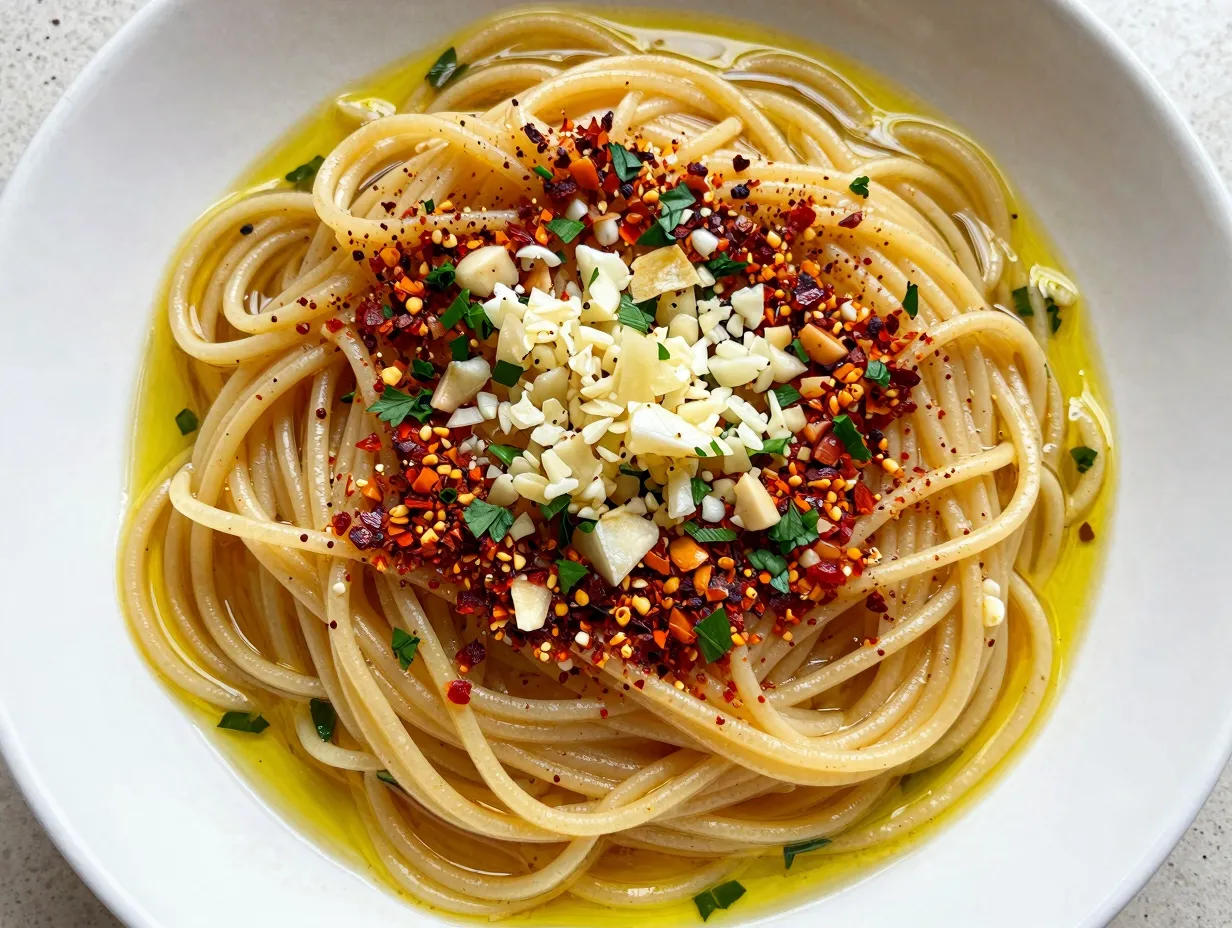
This recipe is closely related to Aglio e Olio but deserves its own entry because it leans into a slightly different flavor profile, more heat, more garlic, and a more assertive presence of red pepper flakes [3].
Where Aglio e Olio is delicate and refined, this version is punchy and direct. It is the dish I make at 11 PM when I am hungry, the pantry is nearly empty, and I need something satisfying in under 20 minutes.
What makes it work:
- Use more garlic than feels comfortable, at least four to five cloves for two servings
- Do not be timid with the red pepper flakes
- Finish with a generous drizzle of your best extra virgin olive oil added off the heat
- A handful of chopped flat-leaf parsley brightens the entire dish
The minimalist nature of this recipe means ingredient quality is everything. Use the best olive oil you own.
8. Spaghetti with Fresh Tomato Sauce
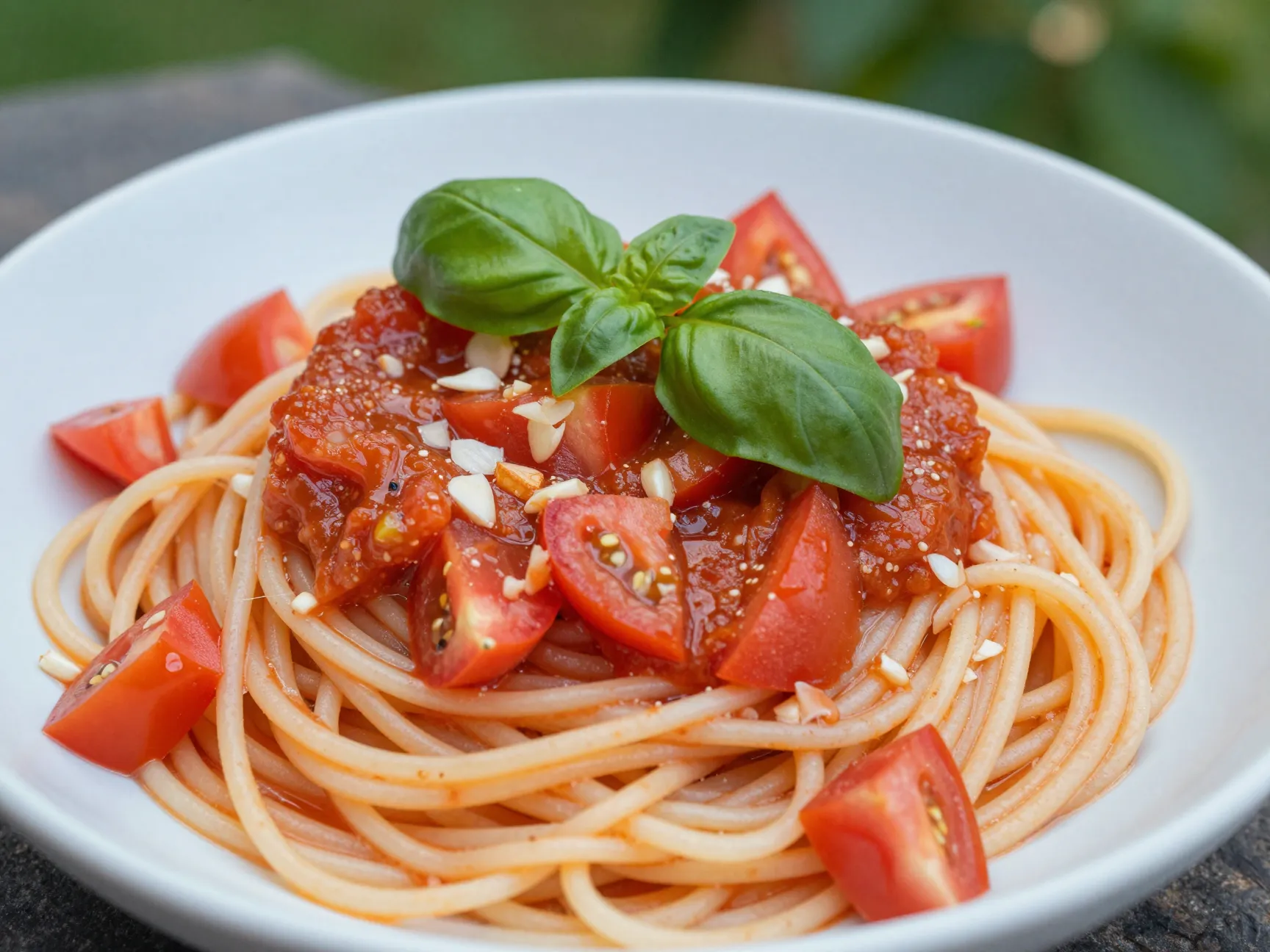
This recipe is seasonal cooking at its most honest. It works only when tomatoes are at peak ripeness, late summer, ideally from a farmers market or your own garden. At any other time of year, canned San Marzano tomatoes will serve you better [4].
The technique is almost shockingly simple. Halve ripe tomatoes, toss them with olive oil, garlic, salt, and torn basil, and let them sit at room temperature for 30 minutes. The salt draws out the tomato juices and the mixture becomes its own no-cook sauce. Toss with hot pasta and a splash of pasta water, and the heat from the noodles does the rest.
Why it works: Peak-season tomatoes are sweet, acidic, and intensely flavored without any cooking required. Heat actually diminishes some of the volatile aromatic compounds that make a great fresh tomato so distinctive. This recipe preserves all of them.
This is the easiest way to turn peak-season tomatoes into dinner, and once you try it in August with tomatoes still warm from the vine, you will understand why home cooks return to it every summer [4].
9. Spaghetti Pomodoro
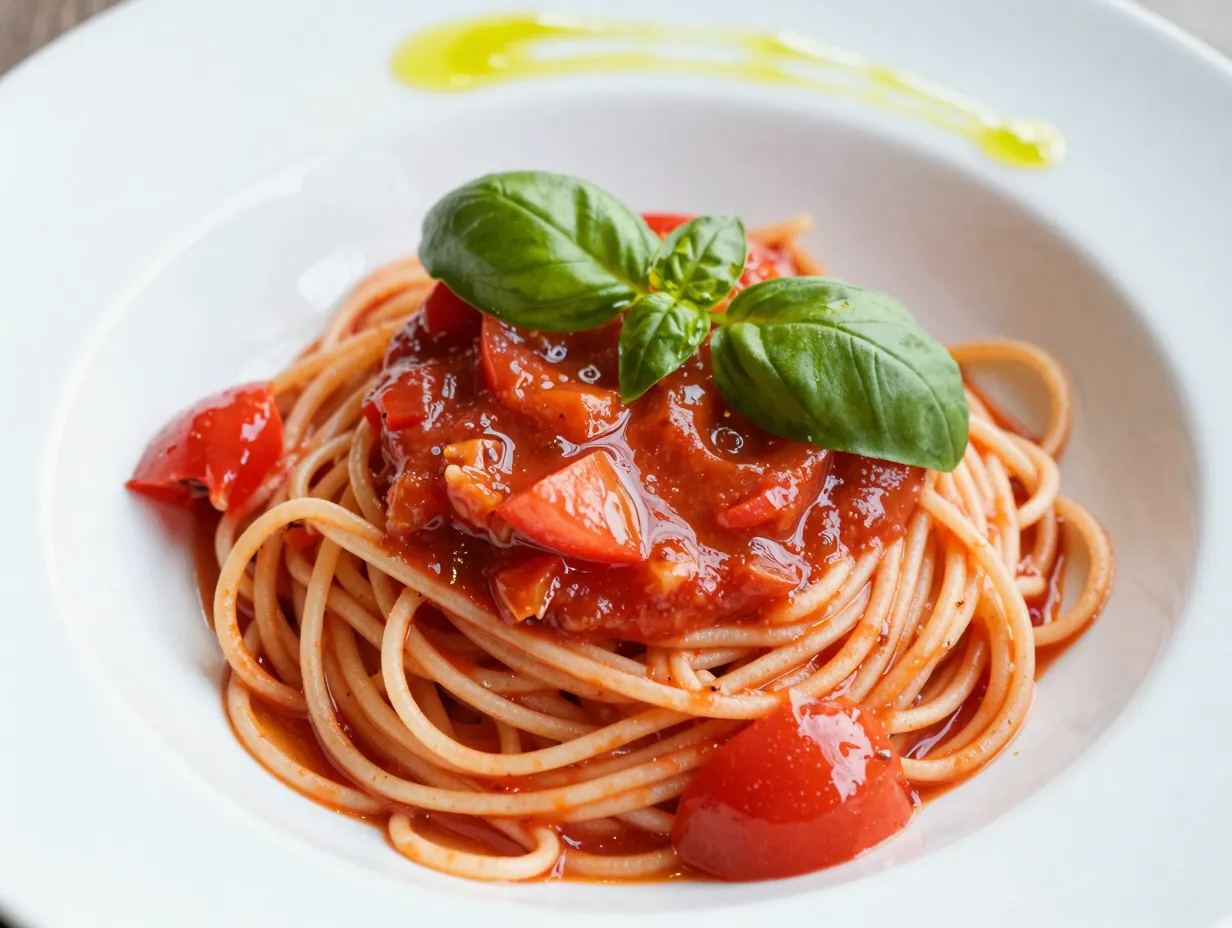
Pomodoro is the bridge between marinara and fresh tomato sauce, cooked, but briefly, to preserve the bright, clean flavor of the tomatoes while developing a light body that clings to the pasta [5].
The authentic Italian version uses fresh tomatoes, garlic, extra virgin olive oil, and fresh basil. Nothing else. It represents the simplicity and elegance that defines the best Italian cooking at its most essential.
The technique that distinguishes Pomodoro from marinara:
- Cook time is short, 10 to 15 minutes maximum
- The tomatoes should retain some texture rather than breaking down completely
- The sauce should look bright and vibrant, not dark and reduced
- Basil is added at the very end, off the heat, to preserve its fragrance
Serving suggestion: Finish with a drizzle of cold-pressed extra virgin olive oil directly on the plate. The contrast between the warm sauce and the fresh oil adds a layer of complexity that elevates the entire dish [5].
Essential Techniques That Apply to All 9 Recipes
Understanding the 9 Best Spaghetti Recipes That Home Cooks Swear By for Perfect Results Every Time is only half the equation. The other half is mastering the foundational techniques that apply across every recipe on this list.
Salt your water generously. This is the most repeated piece of pasta advice for a reason. Under-salted pasta tastes flat regardless of how good the sauce is. Use approximately one tablespoon of kosher salt per four quarts of water.
Cook to al dente, not beyond. Al dente means “to the tooth”, the pasta should have a slight resistance when you bite through it. It will continue cooking for 30 to 60 seconds after you add it to the sauce, so pull it from the water slightly before it reaches your target texture.
Reserve pasta water before draining. Starchy pasta water is one of the most useful tools in Italian cooking. It emulsifies sauces, adjusts consistency, and helps sauce adhere to pasta. Get in the habit of scooping out at least one cup before you drain.
Finish pasta in the sauce. Rather than plating pasta and spooning sauce on top, add the drained pasta directly to the sauce pan with a splash of pasta water and toss over medium heat for 60 to 90 seconds. This step, called “mantecatura” in Italian, marries the pasta and sauce into a unified dish.
Use a wide, deep pan for the sauce. A wider surface area means faster evaporation and better sauce reduction. A deep pan prevents splatter and gives you room to toss the pasta vigorously.
Matching the Right Recipe to the Right Occasion
Not every spaghetti recipe suits every situation. Here is a quick reference guide:
| Occasion | Best Recipe Choice |
|---|---|
| Weeknight dinner under 30 minutes | Aglio e Olio, Fresh Tomato Sauce |
| Impressive dinner party dish | Carbonara, Bolognese |
| Comfort food craving | Spaghetti with Meatballs, Marinara |
| Pantry-only cooking | Aglio e Olio, Puttanesca |
| Peak summer produce | Fresh Tomato Sauce, Pomodoro |
| Bold, adventurous flavors | Puttanesca |
Common Mistakes That Undermine Even the Best Spaghetti Recipes
Even when following the 9 Best Spaghetti Recipes That Home Cooks Swear By for Perfect Results Every Time, avoidable errors can derail a dish. Here are the most frequent ones:
- Rinsing the pasta after cooking. This washes away the starch that helps sauce adhere to the noodles. Never rinse pasta unless you are making a cold pasta salad.
- Adding oil to the cooking water. A persistent myth. Oil floats on water, does nothing to prevent sticking, and coats the pasta in a way that prevents sauce from clinging to it.
- Breaking spaghetti before cooking. This is a deeply personal preference for some, but it changes the texture and eating experience significantly. If the pasta does not fit in your pot, use a wider pot.
- Serving on a cold plate. Warm your plates in a low oven or by rinsing them with hot water. Cold plates cool pasta rapidly and cause the fat in the sauce to congeal.
- Using pre-grated cheese from a can. The anti-caking agents in pre-grated cheese prevent it from melting properly. Grate fresh Parmigiano-Reggiano or Pecorino Romano directly over the dish.
Conclusion
The 9 Best Spaghetti Recipes That Home Cooks Swear By for Perfect Results Every Time cover the full spectrum of what this remarkable pasta can do, from the austere elegance of Aglio e Olio to the slow-built richness of Bolognese, from the briny boldness of Puttanesca to the pure summer joy of a fresh tomato sauce made with peak-season produce.
What unites all nine recipes is a commitment to technique over complexity. The best spaghetti dishes are not the most elaborate ones. They are the ones where every ingredient is treated with respect and every step is executed with attention.
Your actionable next steps:
- Start with the recipe that matches your current skill level and available time. Marinara and Aglio e Olio are the best entry points for new cooks.
- Master the core techniques, salting water, cooking al dente, reserving pasta water, and finishing pasta in the sauce, before worrying about recipe variations.
- Invest in a few quality pantry staples: San Marzano tomatoes, good extra virgin olive oil, and a block of real Parmigiano-Reggiano. These three items will improve every recipe on this list immediately.
- Work through all nine recipes over the course of a month. By the end, you will have a complete spaghetti repertoire that covers every occasion and every craving.
Great spaghetti is not a mystery. It is a skill, and like every skill, it improves with deliberate practice and good information. You now have both.
References
[1] 20 Spaghetti Recipes That Stand The Test Of Time – https://cookcleanrepeat.com/20-spaghetti-recipes-that-stand-the-test-of-time/?utm_source=openai
[2] Spaghetti Recipes – https://www.bbcgoodfood.com/recipes/collection/spaghetti-recipes/?utm_source=openai
[3] Spaghetti – https://www.foodnetwork.com/recipes/main-dish/pasta/spaghetti?utm_source=openai
[4] Spaghetti – https://www.bonappetit.com/ingredient/spaghetti?utm_source=openai
[5] Spaghetti Recipes – https://www.delallo.com/blog/spaghetti-recipes?utm_source=openai