8 Luxury Food Packaging Ideas That Make Homemade Gifts Look Incredibly Premium
A study by Dotcom Distribution found that 40% of consumers are more likely to make repeat purchases from a brand that uses premium packaging, and that psychology applies just as powerfully to homemade gifts as it does to retail products. The difference between a jar of homemade jam that feels like a thoughtful luxury and one that looks like an afterthought often comes down entirely to how it is wrapped, boxed, and presented.
Disclosure: This post contains affiliate links. As an Amazon Associate, we earn from qualifying purchases, and at no extra cost to you.
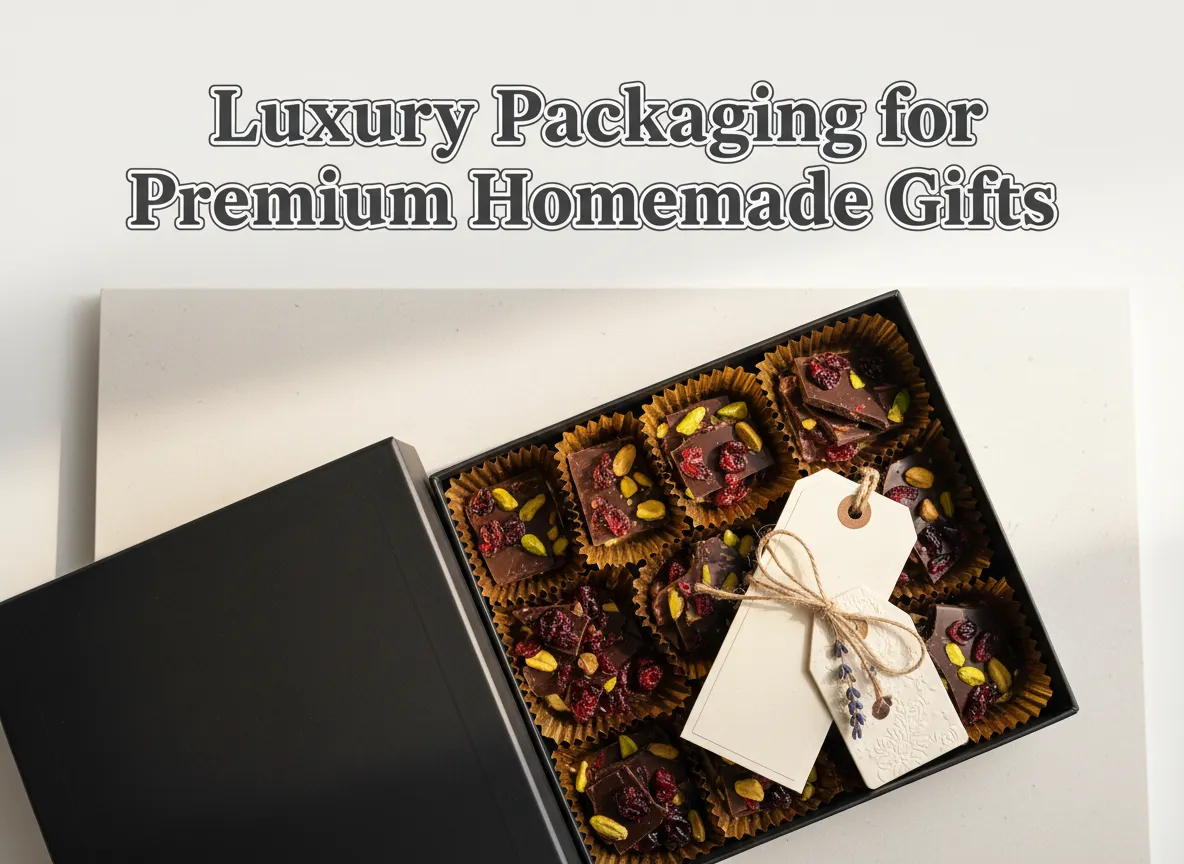
These 8 luxury food packaging ideas that make homemade gifts look incredibly premium are not reserved for large brands with big budgets. With the right materials, finishes, and structural choices, anyone can elevate a batch of cookies, a handcrafted truffle box, or a set of spiced nuts into something that genuinely feels like a high-end retail product. I have tested many of these approaches personally, and the reactions from recipients have been remarkable every single time.
Key Takeaways
- The tactile experience of packaging, how it feels in the hand, is just as important as how it looks
- Magnetic closure rigid boxes and drawer-style structures create memorable unboxing moments that elevate perceived value
- Soft-touch matte lamination and embossing add a professional, high-end finish without requiring industrial equipment
- Sustainable eco-luxury packaging appeals to modern gift recipients while still looking sophisticated
- Personalized digital touches like QR codes and custom labels transform a simple food gift into a unique, memorable experience
Why Packaging Is the First Taste Your Gift Gives
Before anyone opens a box of your homemade salted caramels or takes the lid off your spiced granola, they experience the packaging. That first impression is not trivial. Research consistently shows that premium packaging increases the perceived value of the contents inside, regardless of what those contents actually cost to produce. [4]
Think about the last time you received a beautifully wrapped gift. The weight of the box, the texture of the paper, the satisfying resistance of a well-made lid, all of these sensory signals told your brain something important before you even saw what was inside. That is the power of intentional packaging design.
For homemade food gifts specifically, premium packaging serves a second purpose: it communicates care. It tells the recipient that you did not just make something, you thought about every detail of how they would experience it. That message is worth more than any store-bought alternative.
The 8 luxury food packaging ideas that make homemade gifts look incredibly premium covered in this article draw from techniques used by top-tier confectionery and gourmet food brands. Adapted for the home gifter, they are practical, achievable, and genuinely transformative.
8 Luxury Food Packaging Ideas That Make Homemade Gifts Look Incredibly Premium
1. Magnetic Closure Rigid Boxes
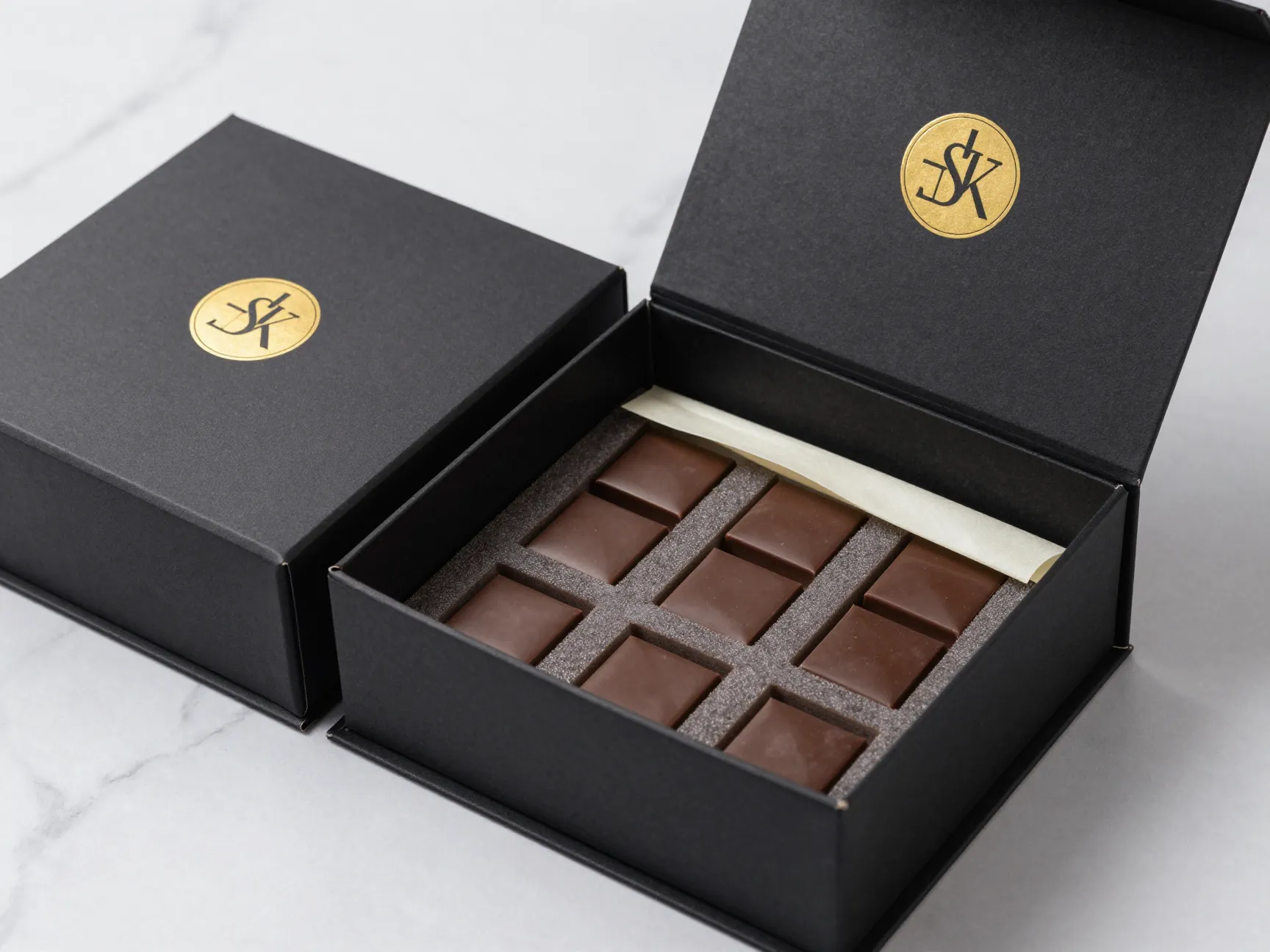
There is a moment that every premium packaging designer aims to create: the satisfying, quiet “click” of a magnetic closure box snapping shut. That sound and sensation communicate quality more effectively than almost any visual element. Magnetic closure rigid boxes use hidden neodymium magnets embedded in the lid and base, creating a closure that feels deliberate and substantial. [1]
For homemade food gifts, these boxes are ideal for chocolates, truffles, macarons, and other small gourmet items arranged in a grid or nestled in custom inserts. The rigid structure also protects delicate handmade items during transport, which is a practical bonus alongside the aesthetic one.
What to look for when sourcing magnetic closure boxes:
- Minimum 1200gsm greyboard construction for genuine rigidity
- Fabric or paper wrap in matte black, deep navy, or champagne tones
- Custom foam or cardboard inserts to hold individual food items securely
- Lid depth that allows for a branded tissue paper layer before the contents are revealed
I once gifted a set of handmade chocolate bark in a matte black magnetic closure box with a gold foil logo sticker on the lid. The recipient assumed it was from a specialty confectionery shop. That reaction is exactly what this packaging achieves.
2. Soft-Touch Matte Lamination
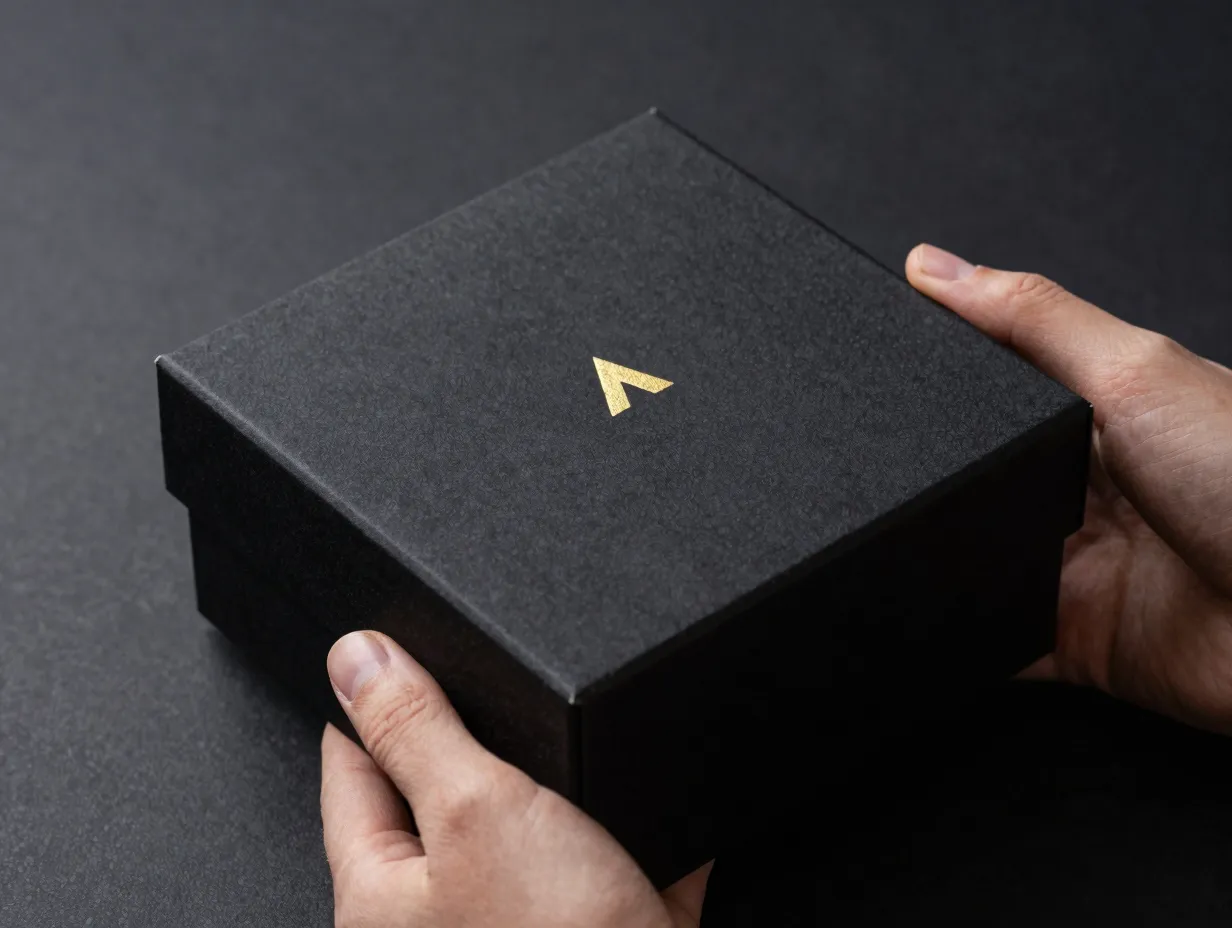
Touch is an underestimated dimension of the gifting experience. Soft-touch matte lamination applies a thin coating to paper or cardboard packaging that gives it a velvety, almost suede-like feel. The result is a surface that invites touch and signals quality the moment someone picks up the package. [2]
This finish works particularly well on dark-colored packaging, matte black is the gold standard, because it creates a visual depth that glossy finishes simply cannot match. A matte black box with soft-touch lamination and a single gold embossed logo is one of the most universally recognized signals of luxury in product packaging.
Practical applications for homemade food gifts:
- Custom printed boxes ordered in small runs from specialty packaging suppliers
- Laminated label sheets applied to plain kraft or white boxes
- Soft-touch pouches for items like handmade granola, spiced nuts, or artisan tea blends
The key insight here is that the feel of the packaging communicates quality before the eyes have processed the design. When both the visual and tactile experiences are premium, the perceived value of the gift increases significantly.
3. Embossing and Debossing

Embossing raises a design element above the surface of the packaging material. Debossing presses it below. Both techniques add a three-dimensional, tactile quality to packaging that is immediately associated with craftsmanship and attention to detail. [3]
For homemade food gifts, embossing and debossing are most commonly applied to:
- Custom gift tags and hang tags
- Rigid box lids with a name, monogram, or simple design element
- Kraft paper wrapping with a pressed wax seal or stamped pattern
- Labels on glass jars or bottles
You do not need industrial equipment to achieve this effect at home. Embossing heat tools and brass embossing folders are widely available and can be used with cardstock, kraft paper, and even some thinner rigid materials. A simple embossed monogram on a gift tag elevates the entire presentation immediately.
“The difference between a gift that feels handmade and one that feels artisan often comes down to a single embossed detail on the packaging.”
For those ordering custom packaging from suppliers, embossed or debossed logos on rigid box lids are a standard option that adds relatively little to the unit cost but dramatically increases the perceived value of the finished product. [3]
4. High-Quality Materials
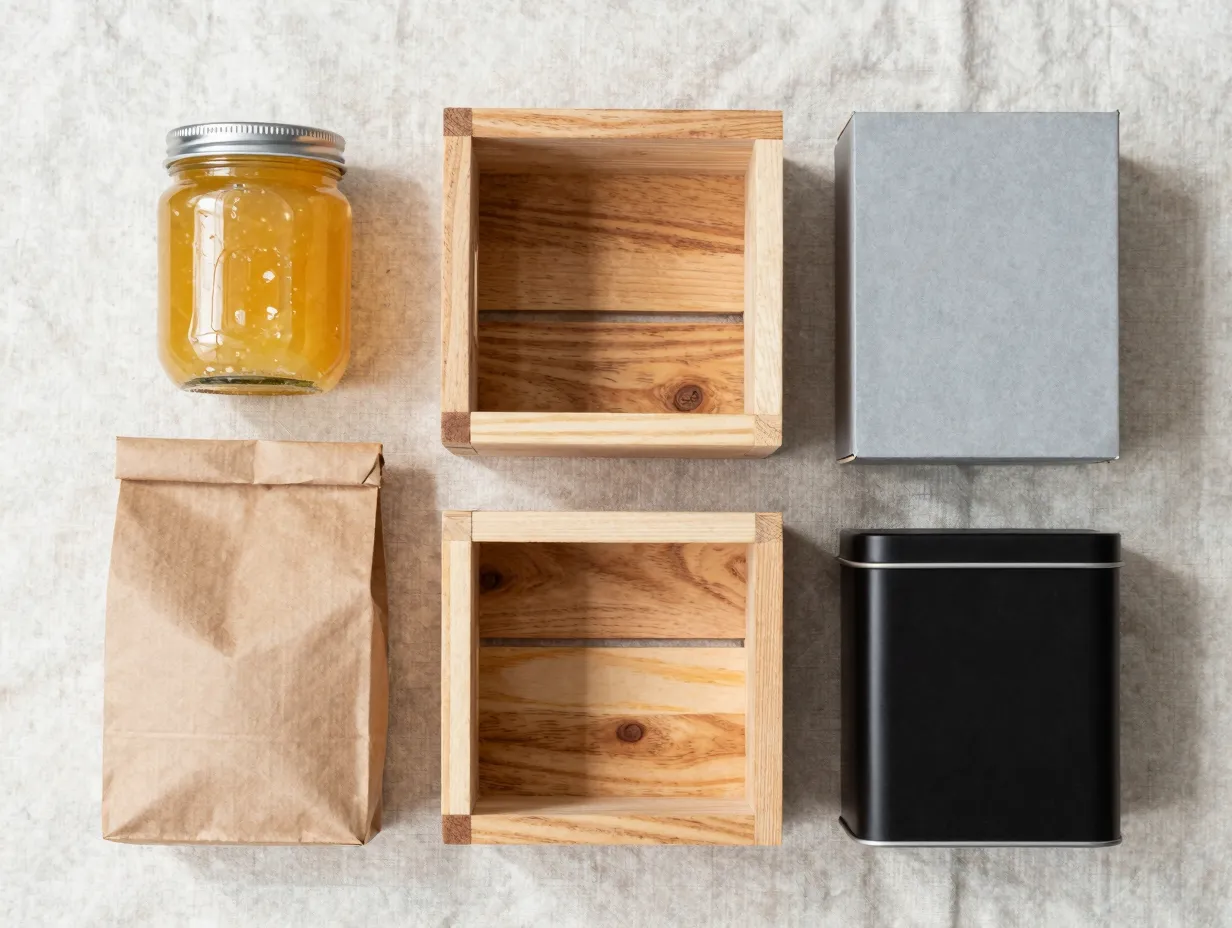
The weight and substance of packaging materials send an immediate signal about what is inside. Lightweight, flimsy packaging suggests a low-cost product. Heavyweight paper, glass, metal, and wood communicate durability, care, and premium quality. [4]
When selecting materials for homemade food gift packaging, consider the following hierarchy:
| Material | Best For | Luxury Signal |
|---|---|---|
| Heavyweight kraft paper (120gsm+) | Wrapping, bags, envelopes | Artisan, natural, considered |
| Rigid greyboard boxes | Chocolates, pastries, jars | Substantial, protective, premium |
| Glass jars with metal lids | Jams, sauces, honey, spices | Timeless, reusable, high-end |
| Wooden crates or boxes | Gift hampers, multiple items | Heritage, crafted, memorable |
| Metal tins | Cookies, caramels, tea | Keepsake quality, collectible |
The material choice should align with the food inside. A glass jar of handmade lemon curd with a metal screw-top lid and a clean custom label feels like something from a premium deli. The same curd in a thin plastic container with a printed sticker does not, regardless of how good the recipe is.
5. Minimalist Design with Premium Branding
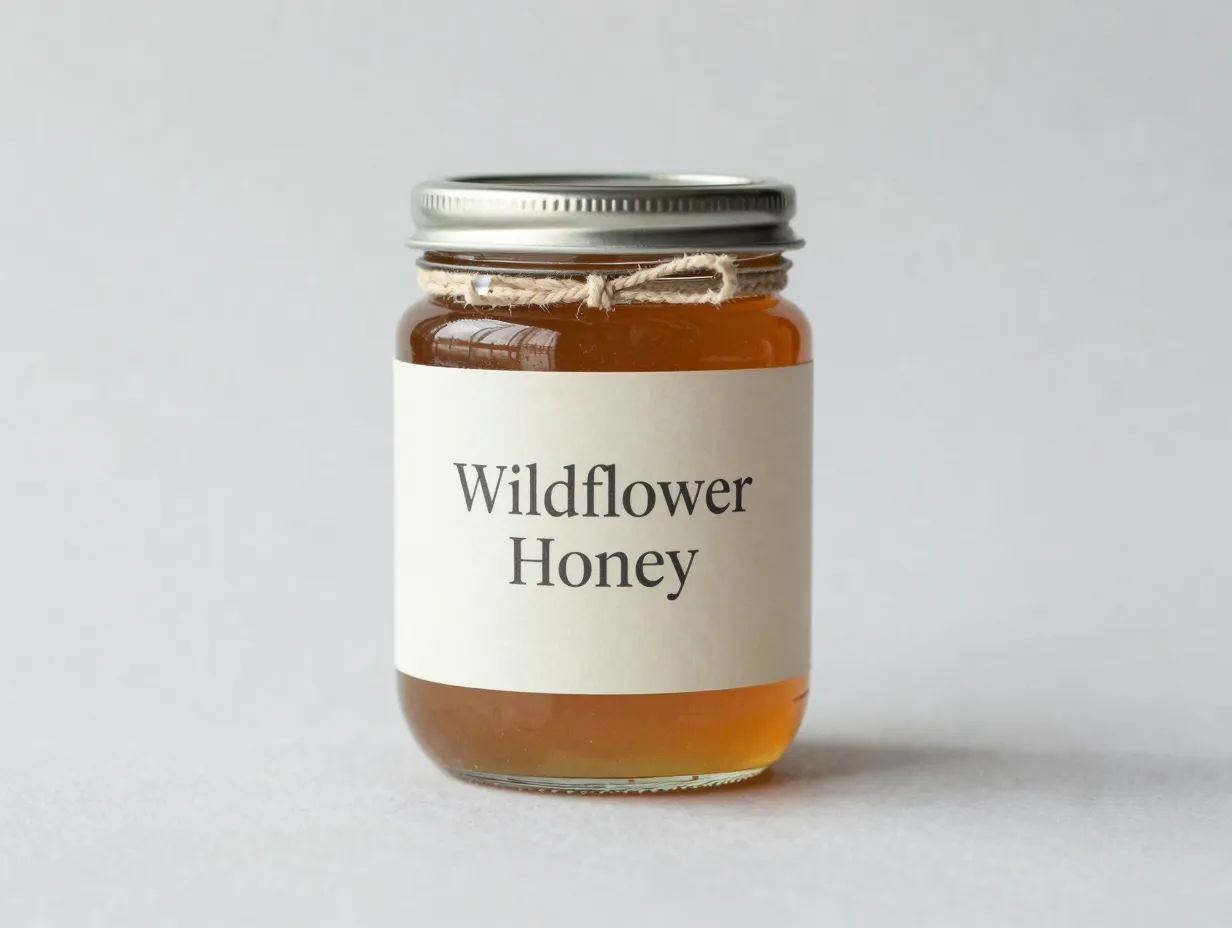
Restraint is one of the most powerful tools in luxury packaging design. Brands like Aesop, Diptyque, and Fortnum and Mason have built global reputations on the principle that less, done with precision, communicates more than elaborate decoration ever could. [5]
For homemade food gifts, minimalist packaging means:
- Clean typography: A single elegant serif or sans-serif font for the product name, with generous spacing
- Muted color palettes: Cream, ivory, warm grey, matte black, deep forest green, or dusty rose
- Subtle branding elements: An embossed monogram, a discreet wax seal, or a single foil-stamped initial
- White space: Allowing the packaging to breathe rather than filling every surface with information
A practical approach I have used is to design a simple custom label in a tool like Canva using a premium font, print it on cream matte label paper, and apply it to a plain glass jar or kraft paper bag. The result looks intentional and professional without requiring any specialist equipment.
The key principle is consistency. Every element of the packaging, the label, the ribbon, the tissue paper, the outer box, should feel like it belongs to the same visual world. That coherence is what separates genuinely premium presentation from an assemblage of nice-looking parts. [5]
6. Innovative Structural Design
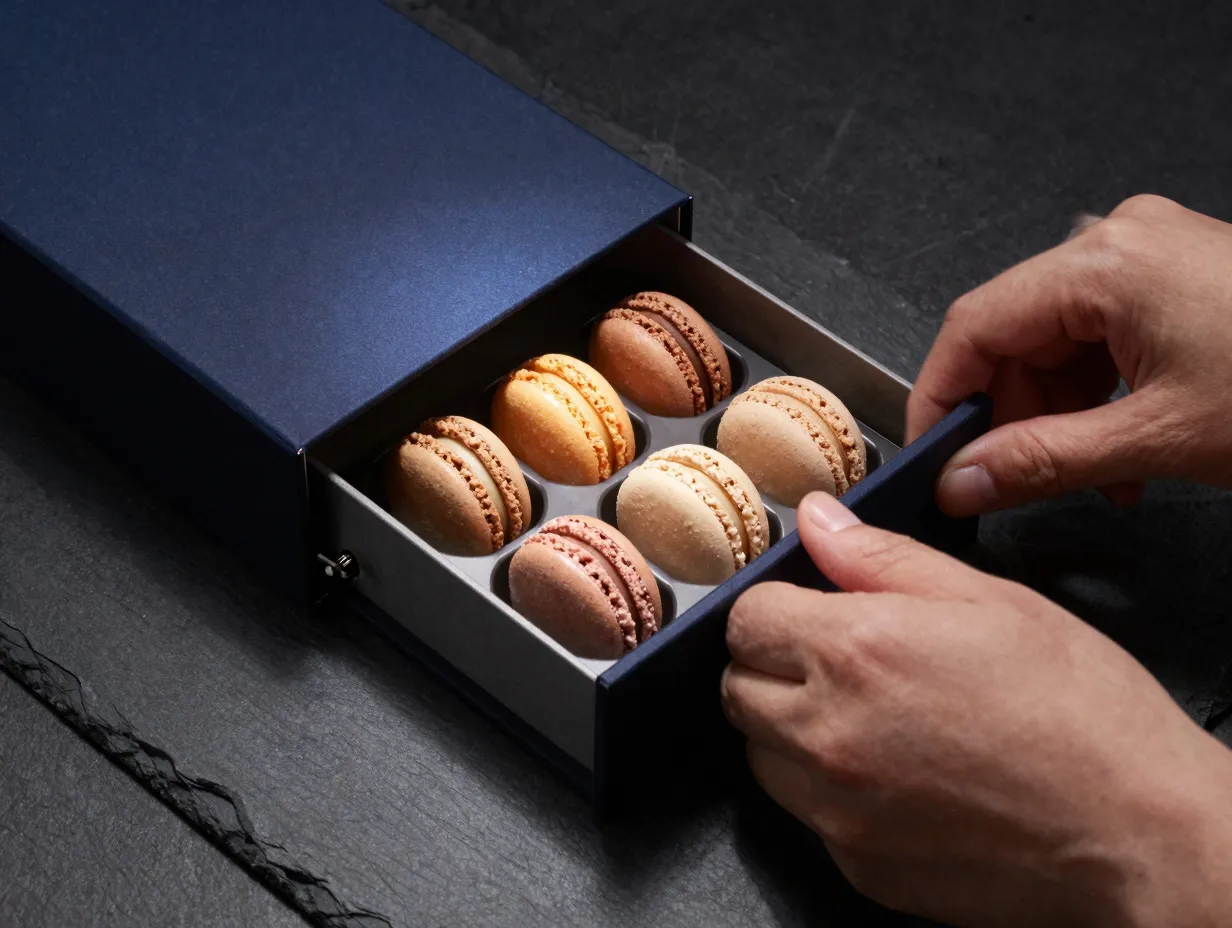
The structure of packaging is itself a design statement. Drawer-style slide boxes, collapsible rigid boxes, hexagonal containers, and tiered presentation boxes all create an unboxing experience that adds to the perceived value of the gift before the contents are even visible. [1]
Structural formats worth considering for homemade food gifts:
- Drawer-style slide boxes: The inner tray slides out smoothly from the outer sleeve, revealing contents in a deliberate, theatrical way. Ideal for chocolates or layered confectionery.
- Two-piece lid and base rigid boxes: The classic format for premium gifting. A deep base holds the product; the lid lifts cleanly away. Works for almost any food item.
- Hexagonal or octagonal boxes: Unusual shapes stand out immediately and signal that thought has gone into every detail. Particularly effective for cookies, macarons, or small jars.
- Collapsible rigid boxes: These fold flat for storage and assembly, making them practical for home gifters who need to store packaging before use.
- Windowed boxes: A small die-cut window covered with food-safe acetate allows a glimpse of the contents, building anticipation while protecting the product.
The unboxing experience is now a recognized element of premium gifting culture. When the structure of the packaging creates a moment of discovery, the gift feels more considered and more valuable. [1]
7. Sustainable and Eco-Luxury Packaging
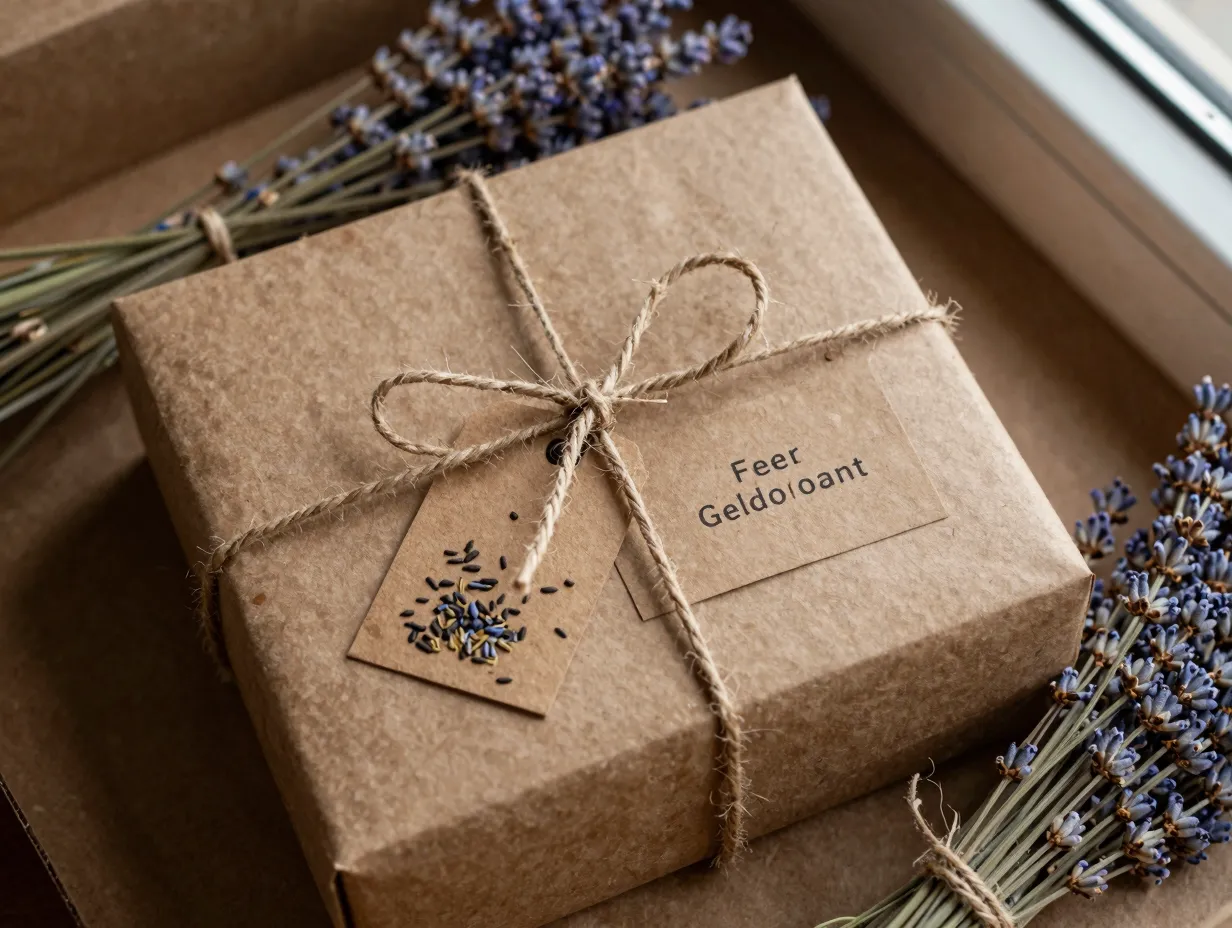
In 2026, sustainability is not a niche preference, it is a mainstream expectation, particularly among gift recipients aged 25 to 45. The good news for homemade food gifters is that eco-friendly materials and luxury aesthetics are no longer in tension. They have converged into a category that designers call eco-luxury. [1]
Eco-luxury packaging for homemade food gifts includes:
- Unbleached kraft paper and board: The natural brown tone of kraft has become associated with artisan quality and environmental responsibility simultaneously
- Recycled rigid boxes: Indistinguishable in appearance and feel from virgin board, but with a significantly lower environmental footprint
- Seed paper tags: Gift tags made from paper embedded with wildflower seeds that can be planted after the gift is opened, a memorable touch that recipients often comment on
- Biodegradable tissue paper: Available in a range of colors and textures, replacing synthetic alternatives
- Natural twine, raffia, and cotton ribbon: These materials look beautiful, feel premium, and decompose naturally
The visual language of eco-luxury packaging tends toward warm neutrals, natural textures, and handwritten or hand-stamped elements. This aesthetic aligns perfectly with the homemade gifting context, where authenticity and personal care are the core message.
A simple combination of a recycled kraft rigid box, natural twine, a seed paper gift tag, and a custom kraft label can achieve a look that feels both luxurious and genuinely thoughtful. The environmental story becomes part of the gift itself.
8. Personalized Packaging with Digital Integration
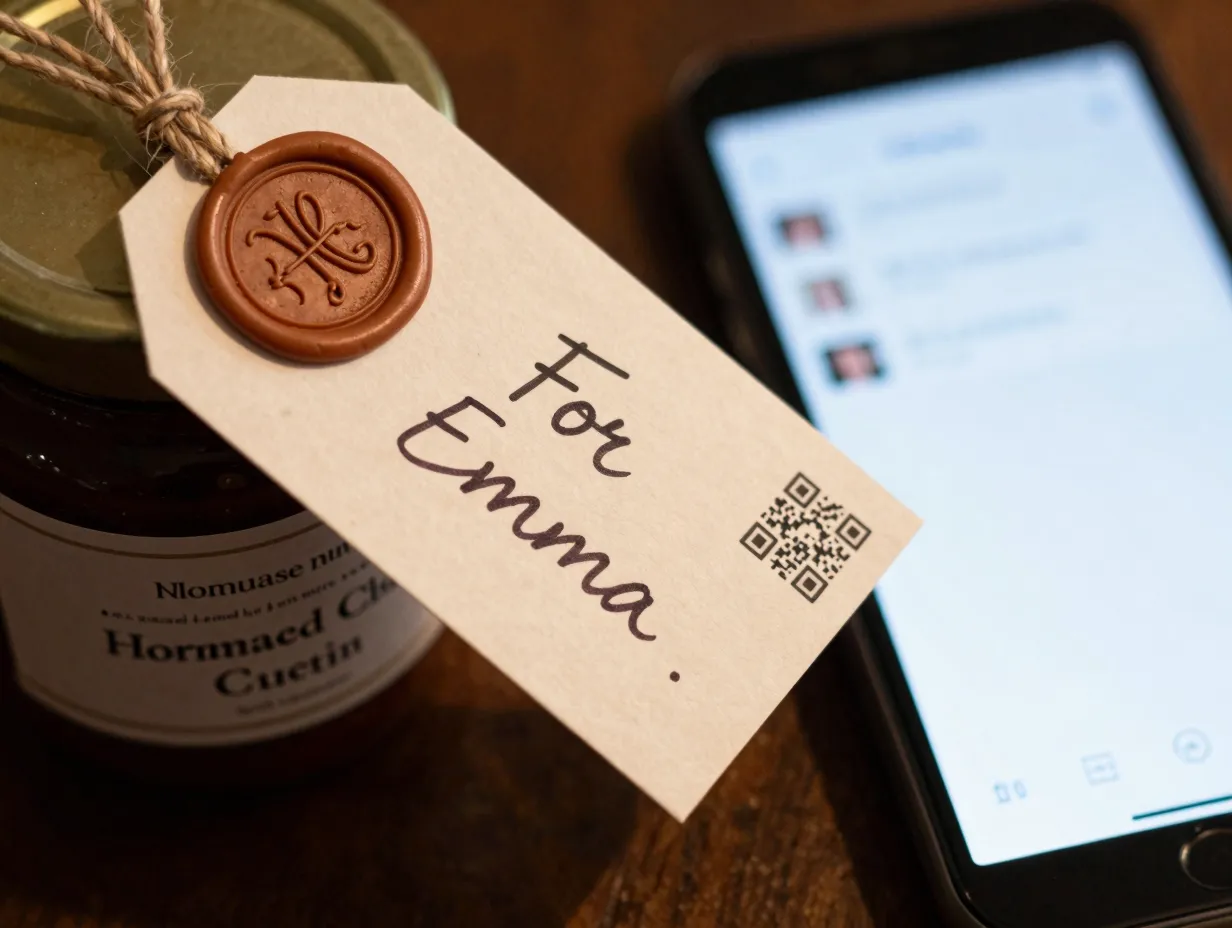
Personalization has always been a feature of premium gifting. A monogrammed label, a handwritten note, or a custom color scheme tied to the recipient’s preferences all communicate that the gift was made specifically for them. Digital integration takes this a step further, adding a layer of interactivity that no store-bought product can replicate. [6]
Personalization options for homemade food gift packaging:
- Custom printed labels: Include the recipient’s name, a personal message, or a date that holds significance
- QR codes: A small QR code on the label or gift tag can link to a personal video message, a recipe card, a playlist, or a photo album, turning the packaging into a gateway to a richer experience
- Variable data printing: For those gifting to multiple recipients, this allows each package to have a unique label printed in a single print run
- Wax seals with custom stamps: Monogrammed or design-specific wax seals add a handcrafted, personal touch that feels both historic and contemporary
- Hand-calligraphed tags: Even a small handwritten element, a name, a date, a single word, adds warmth and individuality that no digital print can fully replicate
The combination of physical personalization and digital connectivity is particularly powerful for milestone gifts, birthdays, anniversaries, weddings, or holiday hampers. A QR code that links to a personal video message transforms a jar of homemade chutney into a genuinely emotional gift. [6]
“When packaging tells a personal story, it stops being a container and becomes part of the gift itself.”
How to Combine These Ideas for Maximum Impact
The most effective luxury food packaging does not rely on a single technique. It layers multiple elements to create a cohesive, multi-sensory experience. Here is a practical framework for combining the ideas above:
The Foundation Layer: Choose your primary container based on the food item. A magnetic closure rigid box for chocolates, a glass jar for preserves, a metal tin for cookies.
The Finish Layer: Apply a premium finish to the primary container. Soft-touch lamination on a printed box, or a custom matte label on a glass jar.
The Detail Layer: Add a tactile detail. An embossed tag, a wax seal, a foil-stamped logo sticker, or a hand-stamped kraft paper wrap.
The Presentation Layer: Complete the package with a structural or material choice that elevates the unboxing. Tissue paper in a complementary color, natural twine, a seed paper tag, or a drawer-style outer sleeve.
The Personal Layer: Add the personalization element. A handwritten note, a custom label with the recipient’s name, or a QR code linking to a personal message.
Each layer adds depth to the experience without requiring the previous layer to be elaborate. A simple glass jar can become a genuinely premium gift when the label is beautifully designed, the lid is tied with a length of natural twine, and a small embossed tag carries the recipient’s name.
Common Mistakes to Avoid
Even with premium materials, certain errors undermine the luxury effect immediately:
- Inconsistent visual elements: Mixing fonts, colors, or material styles creates a cluttered, amateur impression
- Overfilling packaging: Luxury packaging always has breathing room. Cramming too much into a box removes the sense of considered presentation
- Ignoring the inside of the box: The interior of a rigid box should be as considered as the exterior. Tissue paper, a custom insert, or a simple printed liner all contribute to the unboxing experience
- Cheap ribbon or twine: A beautiful box undermined by a thin, shiny synthetic ribbon loses much of its premium quality immediately
- Skipping the finishing detail: A wax seal, an embossed tag, or a single sprig of dried herb or flower can be the element that makes the entire presentation memorable
Conclusion
The 8 luxury food packaging ideas that make homemade gifts look incredibly premium covered in this article, magnetic closure rigid boxes, soft-touch matte lamination, embossing and debossing, high-quality materials, minimalist design, innovative structural formats, eco-luxury packaging, and personalized digital integration, are not theoretical concepts. They are practical, accessible techniques that transform the way homemade food gifts are received and remembered.
Your next steps:
- Choose one food gift you plan to give in the next month and identify which packaging technique would have the greatest impact on its presentation
- Source one premium material, a set of magnetic closure boxes, a roll of soft-touch laminate label paper, or a wax seal kit, and experiment with it before your next gifting occasion
- Design a simple custom label using a free tool and print it on matte label paper to replace any plain or generic labeling you currently use
- Add one personalization element, a handwritten tag, a QR code, or a recipient’s name on the label, to make the next gift feel genuinely individual
Premium packaging is not about spending more money. It is about making more deliberate choices. When every element of the presentation communicates care and intention, the homemade gift inside does not just taste good, it feels like a luxury.
References
[1] Rigid Box Packaging Ideas Luxury Brands – https://shop.dylign.com/blogs/inside-dylign/rigid-box-packaging-ideas-luxury-brands?utm_source=openai
[2] 50 Luxury Packaging Design Ideas – https://vividprintinghub.com/50-luxury-packaging-design-ideas/?utm_source=openai
[3] Packaging Design Ideas For Luxury Food Brands – https://oliverinc.com/blog/packaging-design-ideas-for-luxury-food-brands/?utm_source=openai
[4] Luxury Packaging Design – https://www.designerpeople.com/blog/luxury-packaging-design/?utm_source=openai
[5] Luxury Packaging Ideas For Premium Food Brands – https://www.swiftpak.co.uk/insights/luxury-packaging-ideas-for-premium-food-brands?utm_source=openai
[6] Luxury – https://www.dnpackaging.com/packaging/ideas/luxury/?utm_source=openai