8 Mongolian Beef Recipe Variations That Taste Better Than Takeout
Americans spend roughly $100 billion on Chinese-American takeout every year, yet most of that money goes toward dishes that can be replicated at home in under 30 minutes, often with better ingredients, fresher flavors, and a fraction of the sodium. Mongolian beef is one of the most ordered items on those menus, and once you understand the basic formula, the possibilities multiply fast. This guide to the 8 Mongolian Beef Recipe Variations That Taste Better Than Takeout will show you exactly how to customize that iconic sweet-savory sauce for every craving, dietary need, and occasion you can think of.
Disclosure: This post contains affiliate links. As an Amazon Associate, we earn from qualifying purchases, and at no extra cost to you.
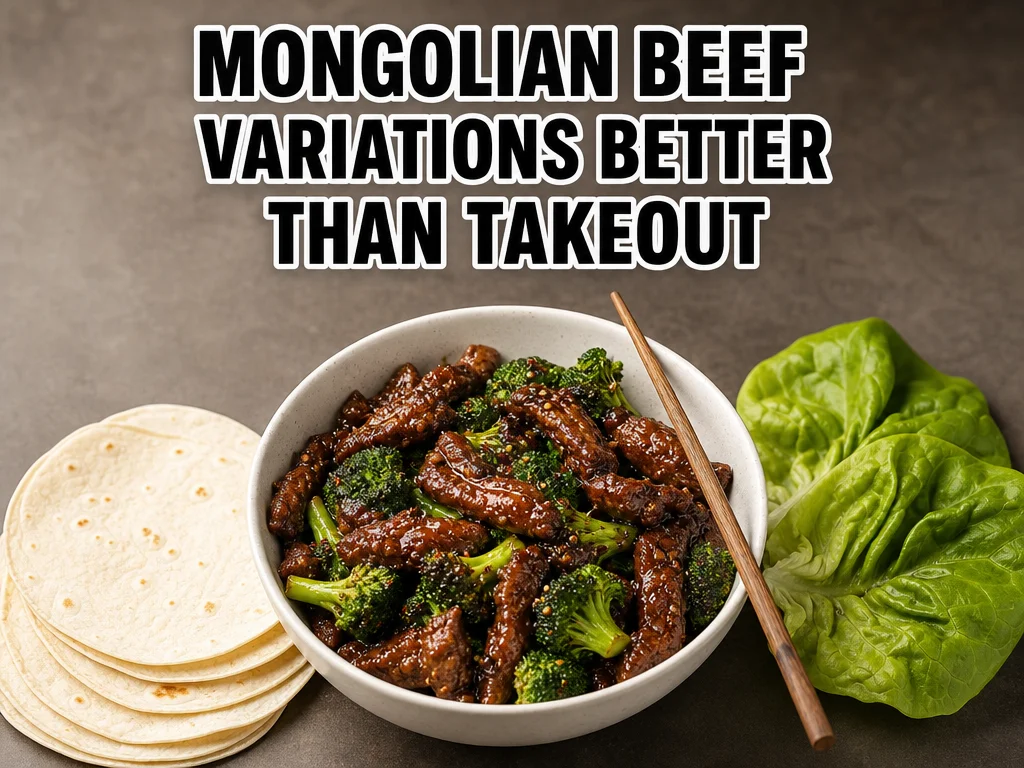
Whether you are a weeknight cook looking for a fast dinner or a weekend food enthusiast ready to experiment, these eight variations deliver restaurant-level results from your own kitchen.
Key Takeaways
- The classic Mongolian beef sauce is built on soy sauce, brown sugar, garlic, and ginger, and it adapts easily to dozens of flavor profiles.
- Small technique changes, such as adjusting cornstarch ratios or using an air fryer, dramatically change the texture of the finished dish.
- Protein swaps, vegetable additions, and serving format changes can make this one recipe serve every dietary preference at your table.
- Making Mongolian beef at home gives you full control over sodium, sugar, and heat levels that takeout restaurants rarely offer.
- All eight variations in this list use accessible ingredients available at most grocery stores in 2026.
Why Homemade Mongolian Beef Beats the Takeout Box
The first time I made Mongolian beef at home, I was skeptical. I had ordered it from the same Chinese-American restaurant for years, and the idea that my home kitchen could compete felt optimistic at best. Then I tasted the sauce I had built from scratch, dark soy sauce, brown sugar, fresh garlic, and grated ginger, and realized the takeout version had been holding back on depth the entire time.
The core of every great Mongolian beef dish is the sauce. It is a balance of:
- Soy sauce for umami and salt
- Brown sugar for sweetness and caramelization
- Fresh garlic and ginger for aromatic punch
- Sesame oil for a nutty finish
- Cornstarch to thicken and help the sauce cling to the beef
Once you own that formula, the eight variations below become intuitive. You are not learning eight separate recipes. You are learning one recipe with eight intelligent modifications.
“The difference between good Mongolian beef and great Mongolian beef is almost always technique, not ingredients.”
The Right Cut of Beef Matters
Flank steak is the standard choice, and for good reason. It has enough fat marbling to stay juicy under high heat, and its long muscle fibers slice cleanly against the grain into thin strips. Sirloin and skirt steak work as substitutes. The key is slicing thin, about one-eighth of an inch, and always cutting against the grain to shorten the muscle fibers and maximize tenderness.
The Sauce Formula at a Glance
| Ingredient | Standard Amount | Purpose |
|---|---|---|
| Soy sauce | 1/3 cup | Umami base |
| Brown sugar | 1/4 cup | Sweetness and glaze |
| Garlic (minced) | 4 cloves | Aromatic depth |
| Fresh ginger | 1 tsp grated | Warmth and brightness |
| Sesame oil | 1 tsp | Nutty finish |
| Cornstarch slurry | 1 tbsp + water | Sauce thickener |
The 8 Mongolian Beef Recipe Variations That Taste Better Than Takeout
1. Crispy Mongolian Beef
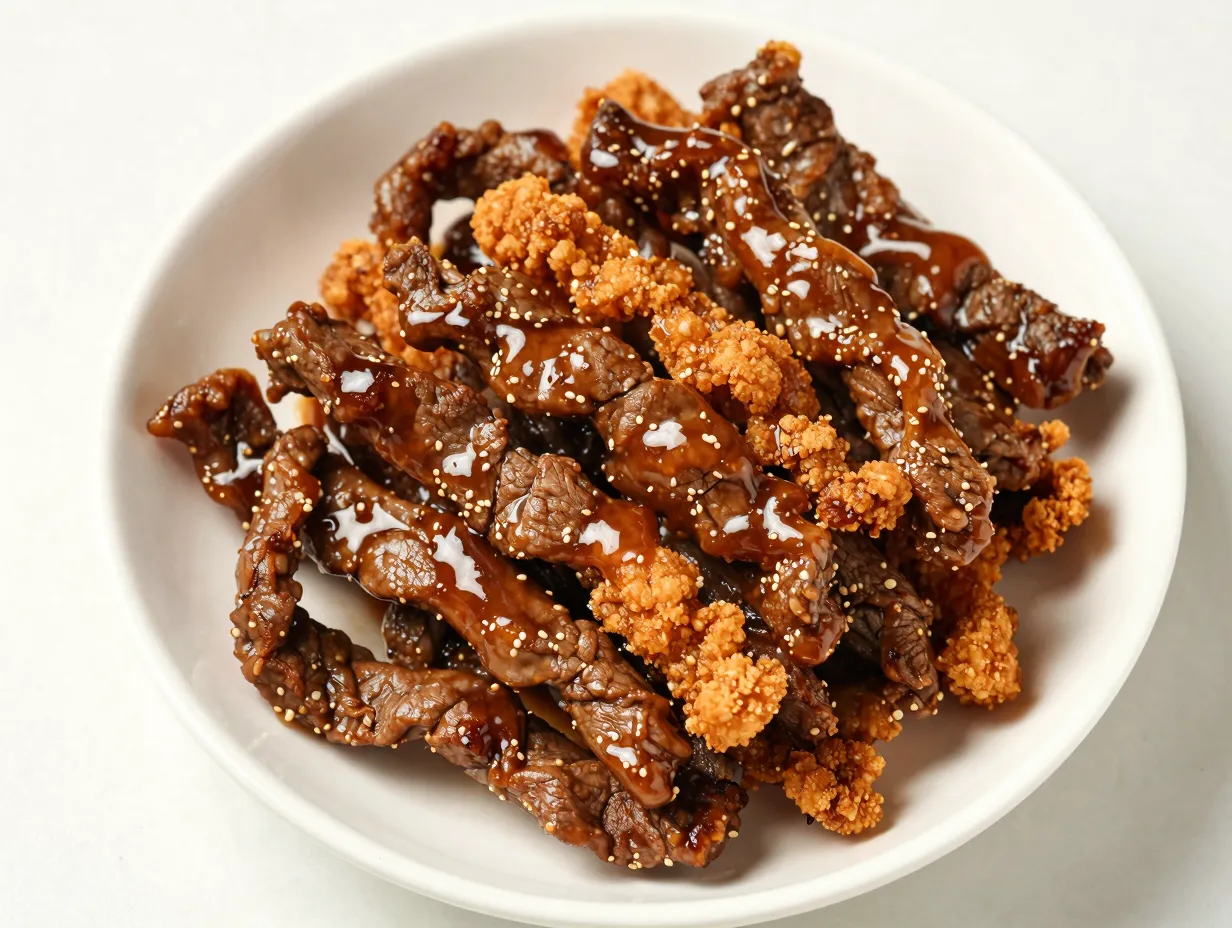
If you love the crunch of a good tempura or Korean fried chicken, this variation is going to become a regular in your rotation. The standard recipe uses about two tablespoons of cornstarch to coat the beef. This version increases that to half a cup and adds two tablespoons of all-purpose flour to the dredge. [1]
Instead of stir-frying, the coated beef strips go into oil heated to 350 degrees Fahrenheit and fry for two to three minutes until they turn golden and genuinely crunchy. [1] The sauce is then thickened separately so it coats the beef without softening the crust.
Pro tip: Fry in small batches. Overcrowding the oil drops the temperature and steams the beef instead of frying it.
The result is a texture that no takeout container can preserve during a 20-minute delivery ride. You get that satisfying shatter on the first bite, followed by the tender beef inside, all wrapped in that glossy sweet-savory glaze.
2. Spicy Mongolian Beef
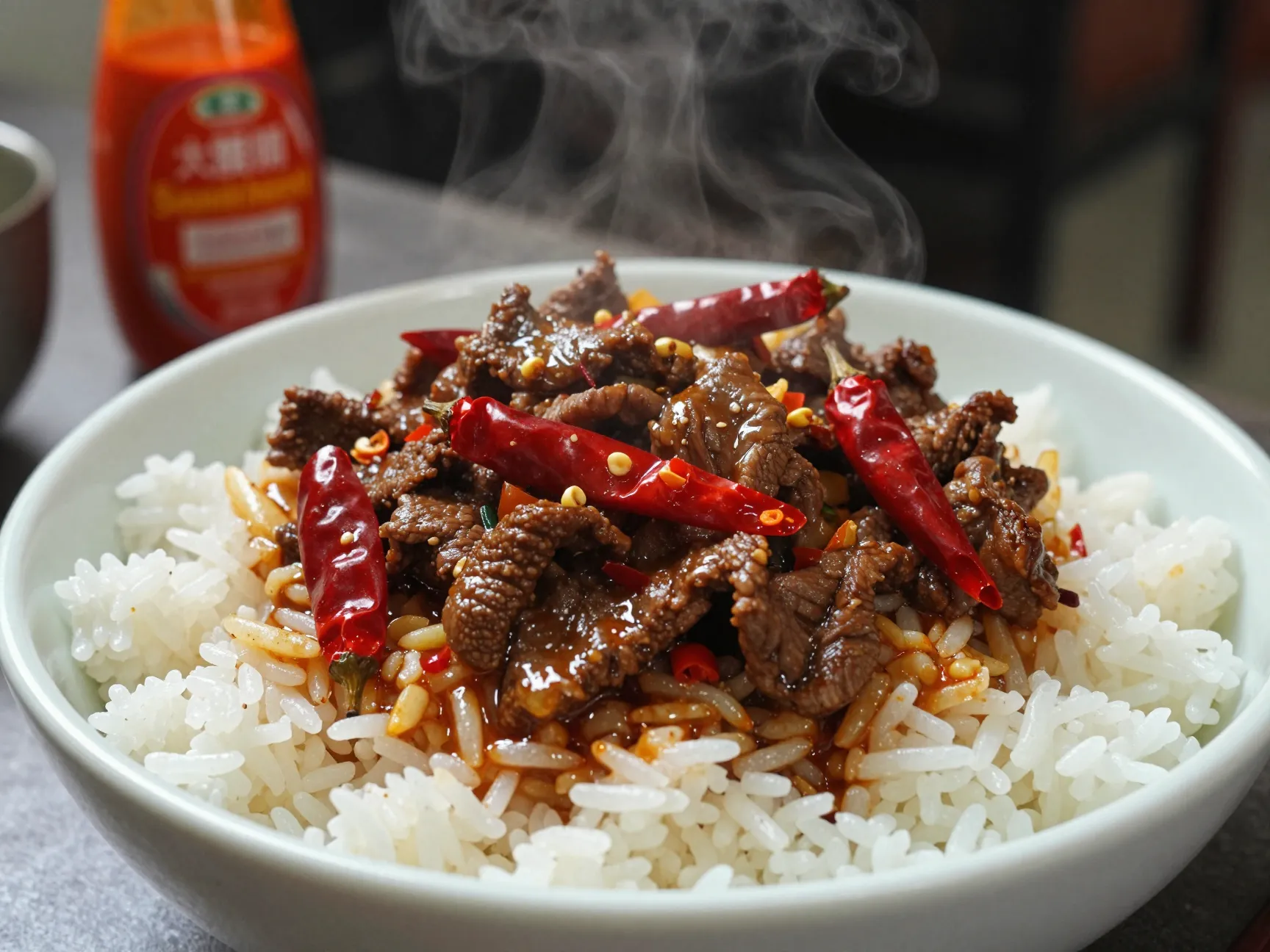
Some people find the standard Mongolian beef sauce almost too sweet. If you are in that camp, this variation is your answer. Adding one to two tablespoons of sambal oelek or sriracha directly into the sauce mixture introduces a slow, building heat that cuts through the sweetness and creates a more complex flavor profile. [1]
Alternatively, you can increase the dried red chilies from the standard two or three up to five or six, keeping the seeds intact for maximum heat. [1] The sugar in the sauce does not disappear, but it shifts from being the dominant note to being the balancing note.
Heat level guide:
- Mild: 1 tsp sambal oelek, seeds removed from chilies
- Medium: 1 tbsp sriracha, 3-4 chilies with seeds
- Hot: 2 tbsp sambal oelek, 5-6 chilies with seeds intact
This version pairs especially well with plain steamed jasmine rice, which absorbs the spicy sauce and tempers the heat with every bite.
3. Slow Cooker Mongolian Beef
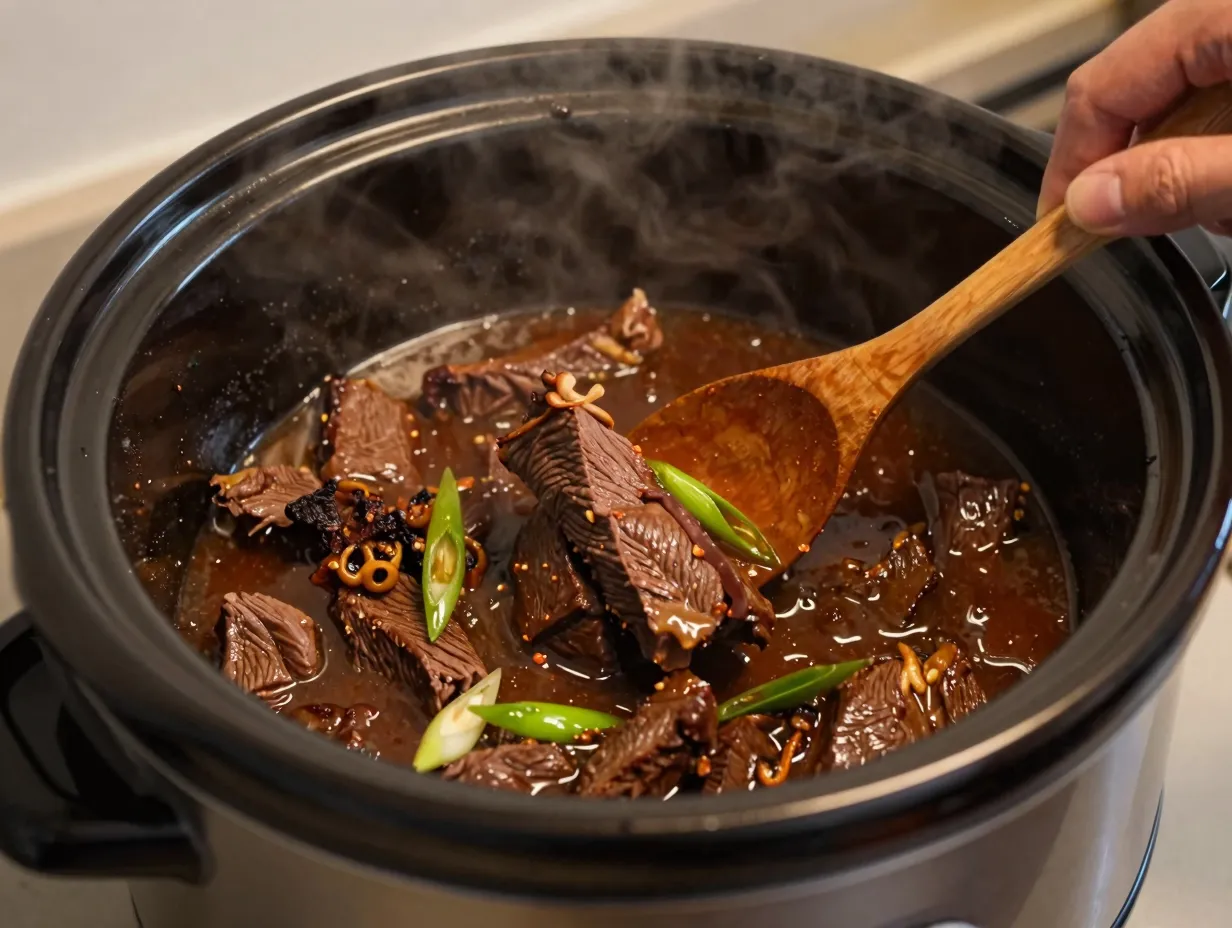
Tuesday nights exist in every household. The kind of night where dinner needs to cook itself while you handle everything else. Slow cooker Mongolian beef is built for exactly that scenario.
The approach is straightforward. You skip the cornstarch coating on the beef entirely and place the raw sliced flank steak directly into the slow cooker. The sauce, with garlic and ginger already mixed in, goes on top. Cook on low for four to five hours or on high for two to three hours. [1]
In the final 30 minutes, stir in a cornstarch slurry to thicken the sauce. Add sliced green onions in the last 10 minutes so they retain some texture. [1]
What you gain: Hands-off cooking, deeply infused flavor as the beef braises slowly in the sauce, and a texture that is fork-tender rather than seared and chewy.
What you trade: The caramelized crust you get from a screaming-hot wok. For weeknight ease, that is a trade most people are happy to make.
4. Mongolian Chicken or Tofu
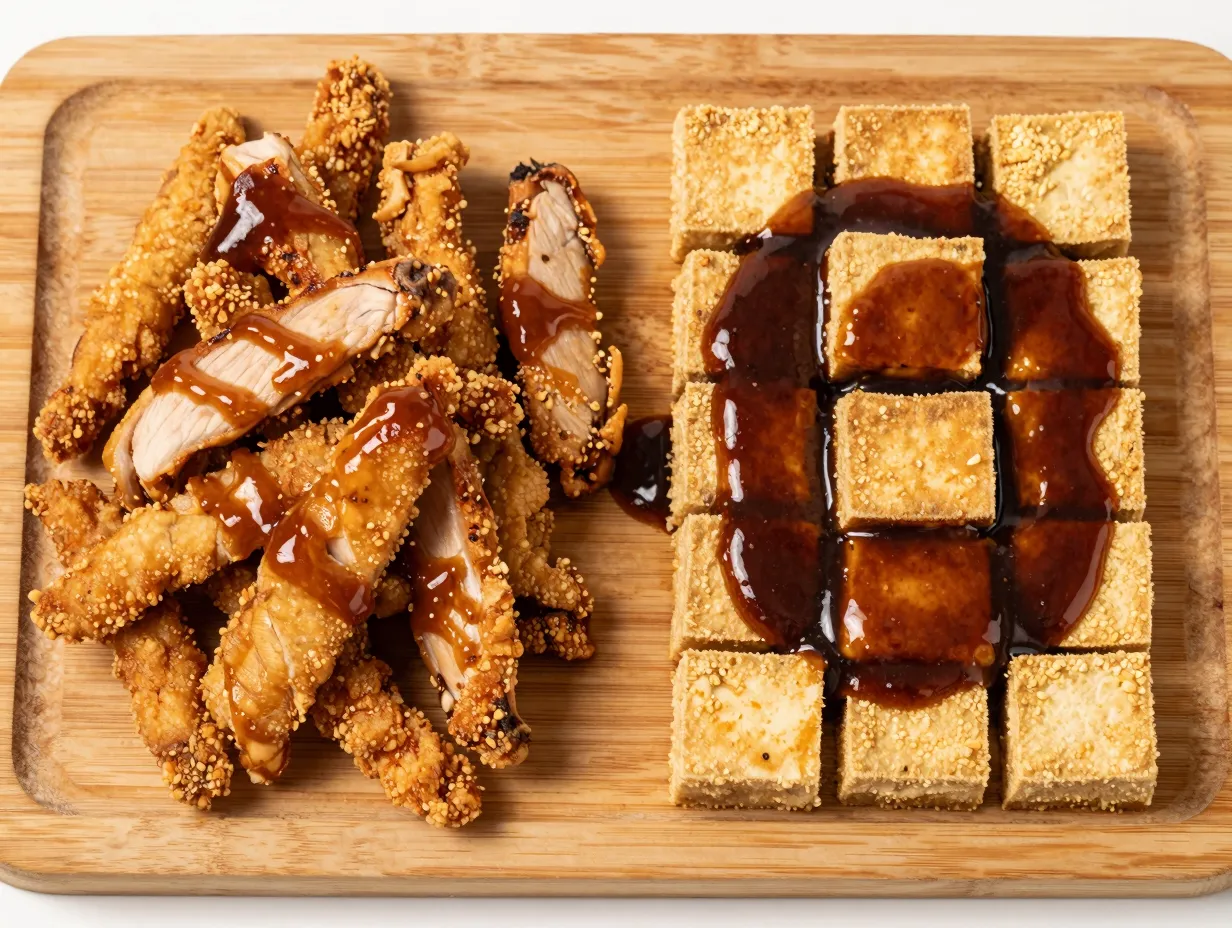
Not everyone at the table eats beef, and this variation proves that the magic of Mongolian sauce is not protein-specific. [1]
For chicken, use thinly sliced boneless, skinless chicken thighs rather than breasts. Thighs have more fat and stay juicy under the high heat of a wok. Coat them in cornstarch the same way you would the beef and sear in batches until cooked through.
For tofu, the process requires one extra step. Press an extra-firm block of tofu for at least 20 minutes to remove excess moisture, then cube it, coat it in cornstarch, and pan-fry until each side is genuinely crispy. [1] The cornstarch crust creates a surface that holds the sauce beautifully.
| Protein | Prep Note | Cook Time |
|---|---|---|
| Flank steak | Slice against grain | 2-3 min per batch |
| Chicken thighs | Thin slices, same method | 3-4 min per batch |
| Extra-firm tofu | Press, cube, fry | 4-5 min per side |
This variation also makes the dish accessible to vegetarians and people reducing their red meat intake without requiring a completely separate recipe.
5. Mongolian Beef with Broccoli
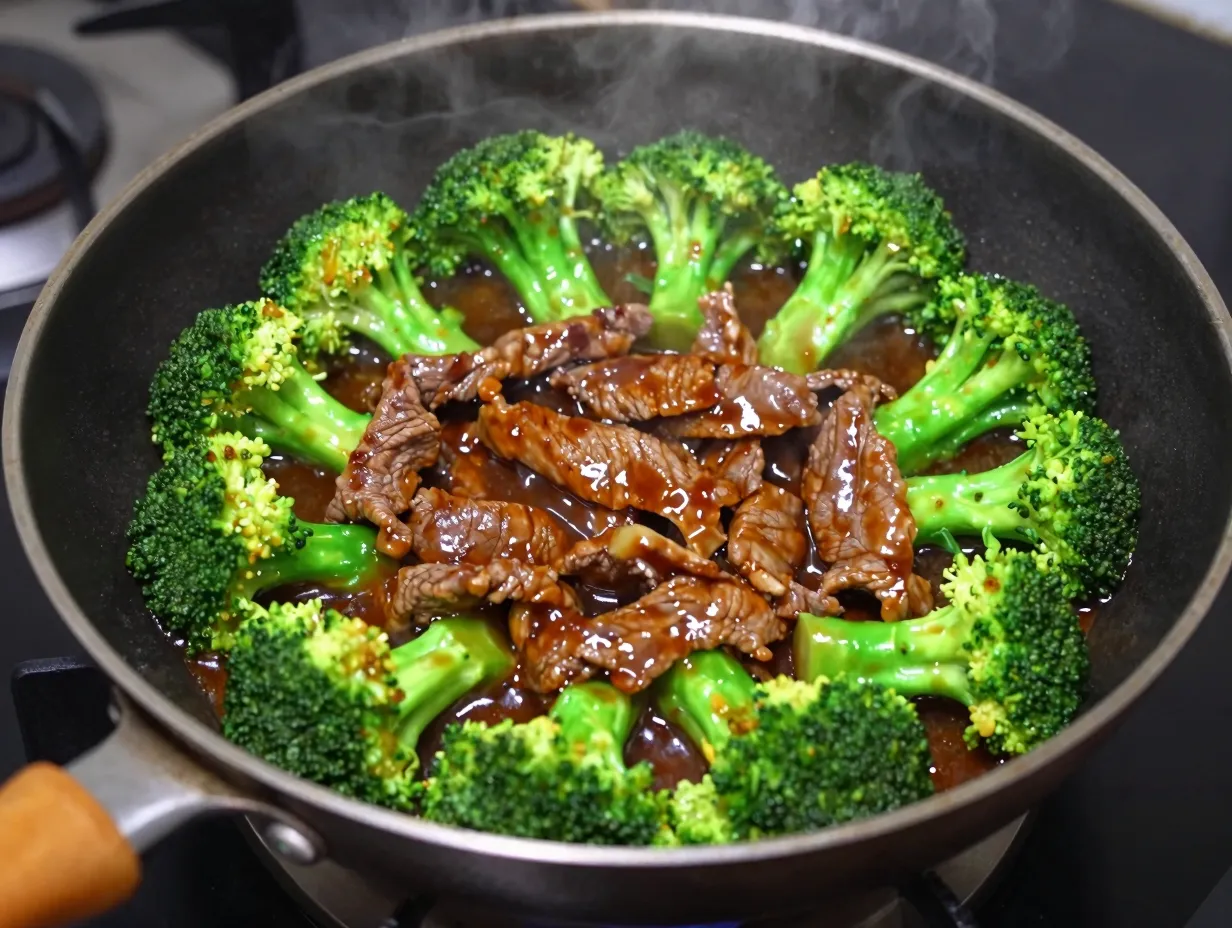
This is the variation I make most often at home, partly because it adds nutrition without complicating the recipe and partly because the broccoli soaks up the sauce in a way that makes every bite more interesting.
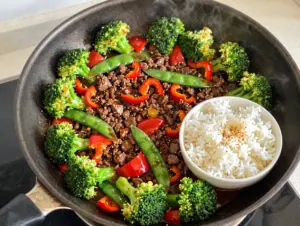
After searing the beef and setting it aside, add two cups of broccoli florets to the hot wok. Stir-fry for two to three minutes, adding a small splash of water to create steam and help the broccoli cook through without burning. [1] Then add the sauce and return the beef to the pan.
Other vegetables that work equally well in this slot:
- Snap peas (add at the same stage as broccoli)
- Bell peppers (red or orange for sweetness)
- Bok choy (add in the last minute to keep it crisp)
- Mushrooms (shiitake or cremini for extra umami)
The color contrast of dark caramelized beef against bright green broccoli also makes this the most visually appealing version of the dish, which matters when you are serving it to people who eat with their eyes first.
6. Mongolian Beef Noodles
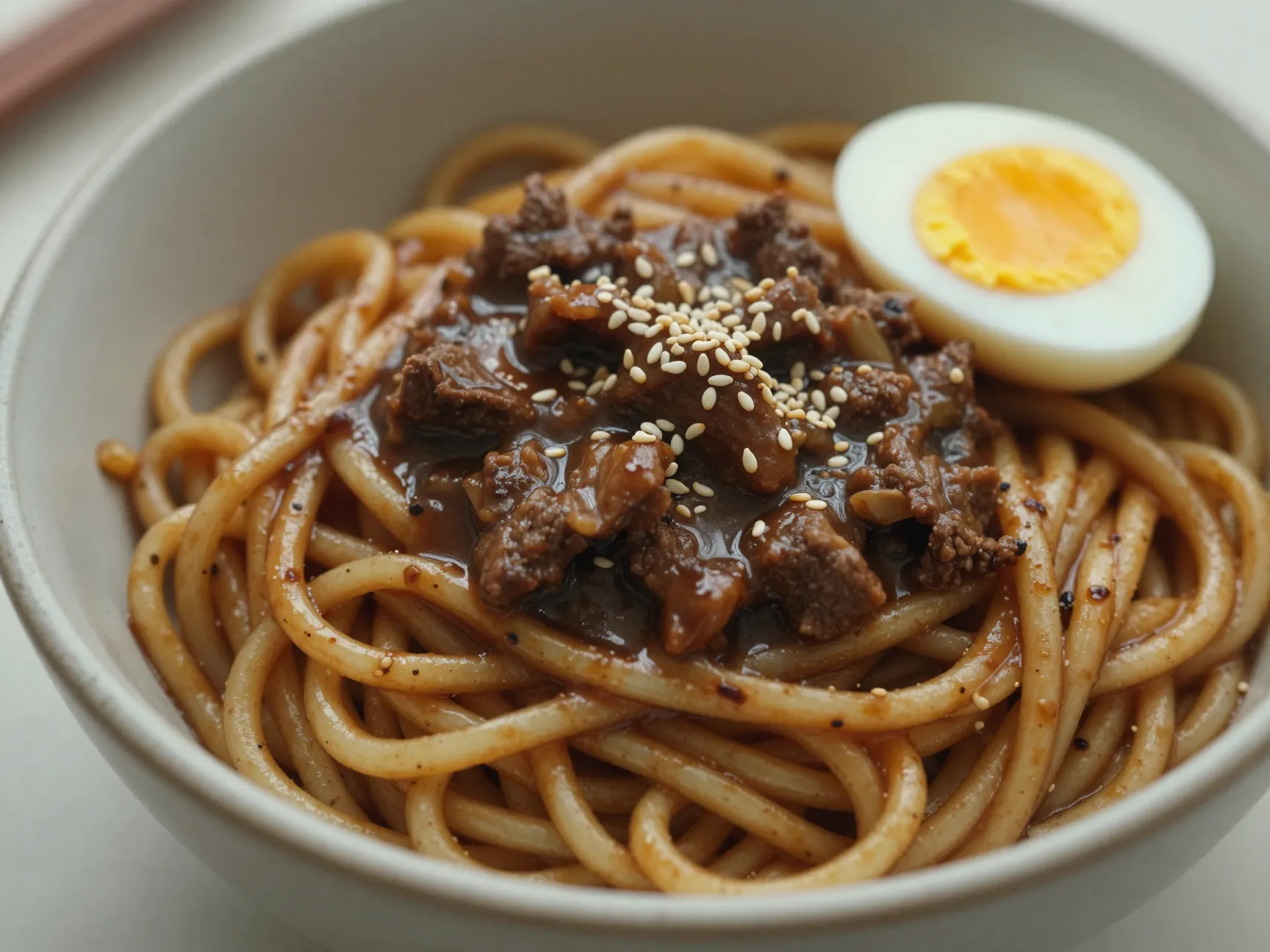
Rice is the default serving base for Mongolian beef, but swapping it for noodles transforms the dish from a stir-fry into something closer to a noodle bowl, and the sauce clings to noodles in a way that is deeply satisfying. [2]
Cook your noodles of choice first, drain them, and then toss them directly in the pan with the finished beef and sauce. The noodles absorb the sauce from the inside out rather than just sitting underneath it. [2]
Best noodle options for this variation:
- Lo mein: Soft and chewy, the classic choice
- Udon: Thick and pillowy, holds up to the bold sauce
- Soba: Nutty buckwheat flavor adds complexity
- Ramen noodles: Budget-friendly and widely available
Add a soft-boiled egg on top and a sprinkle of sesame seeds, and you have a bowl that looks and tastes like it came from a serious noodle shop.
7. Mongolian Beef Lettuce Wraps
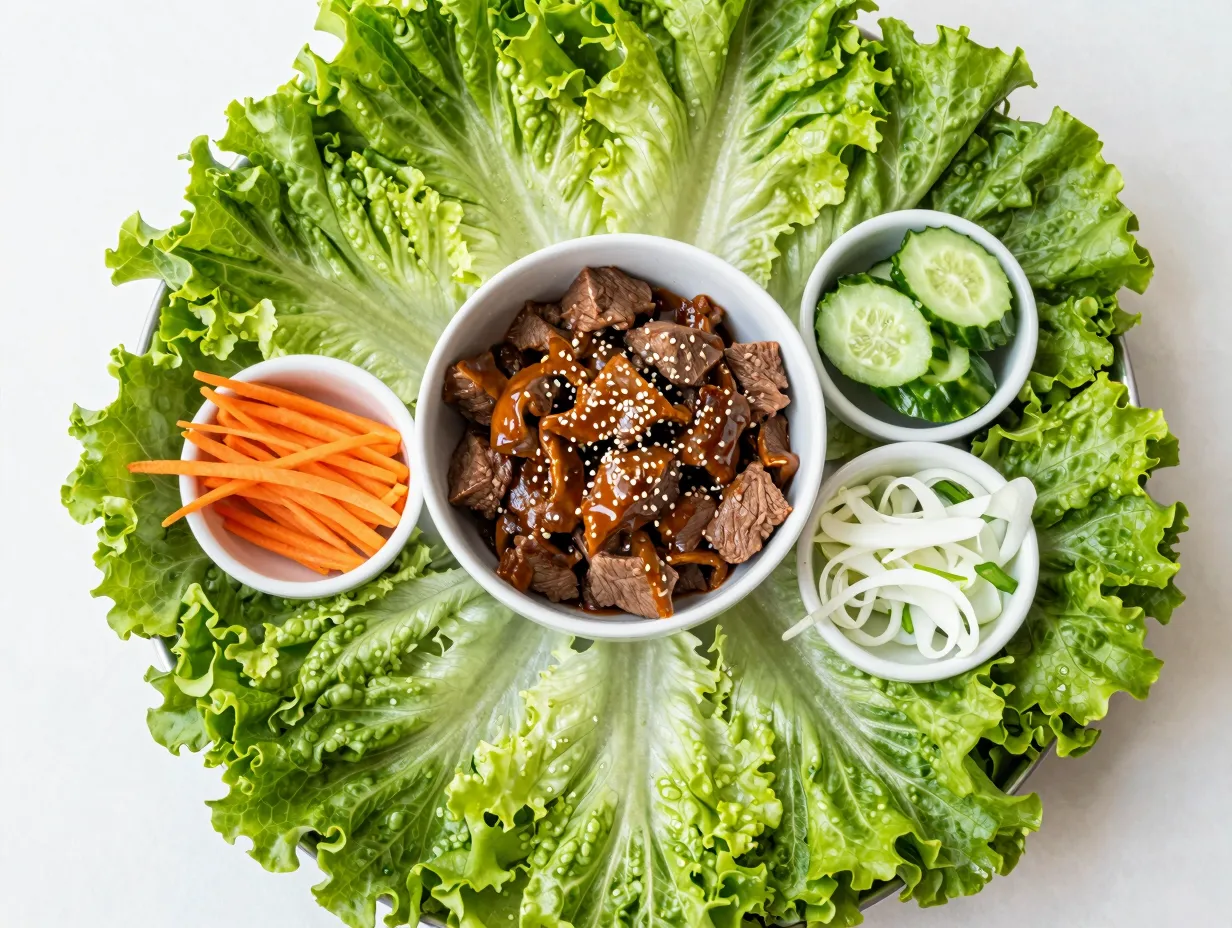
This variation reframes Mongolian beef as an appetizer or a lighter main course. Instead of serving the beef over a starch, you spoon it into butter lettuce cups and top with shredded carrot, sliced cucumber, and a drizzle of extra sauce. [2]
The contrast between the warm, rich beef and the cool, crisp lettuce is what makes this version genuinely exciting rather than just a low-carb substitution. It is a different eating experience, not a compromised one.
Build your lettuce wrap:
- Start with a whole butter lettuce leaf as the cup
- Add a generous spoonful of Mongolian beef
- Top with shredded carrot and thin cucumber slices
- Drizzle with extra sauce
- Finish with sesame seeds and sliced scallions
This format also works well for entertaining. Set up a build-your-own station and let guests assemble their own wraps. It is interactive, it looks impressive, and it keeps the kitchen work minimal.
8. Mongolian Beef Tacos
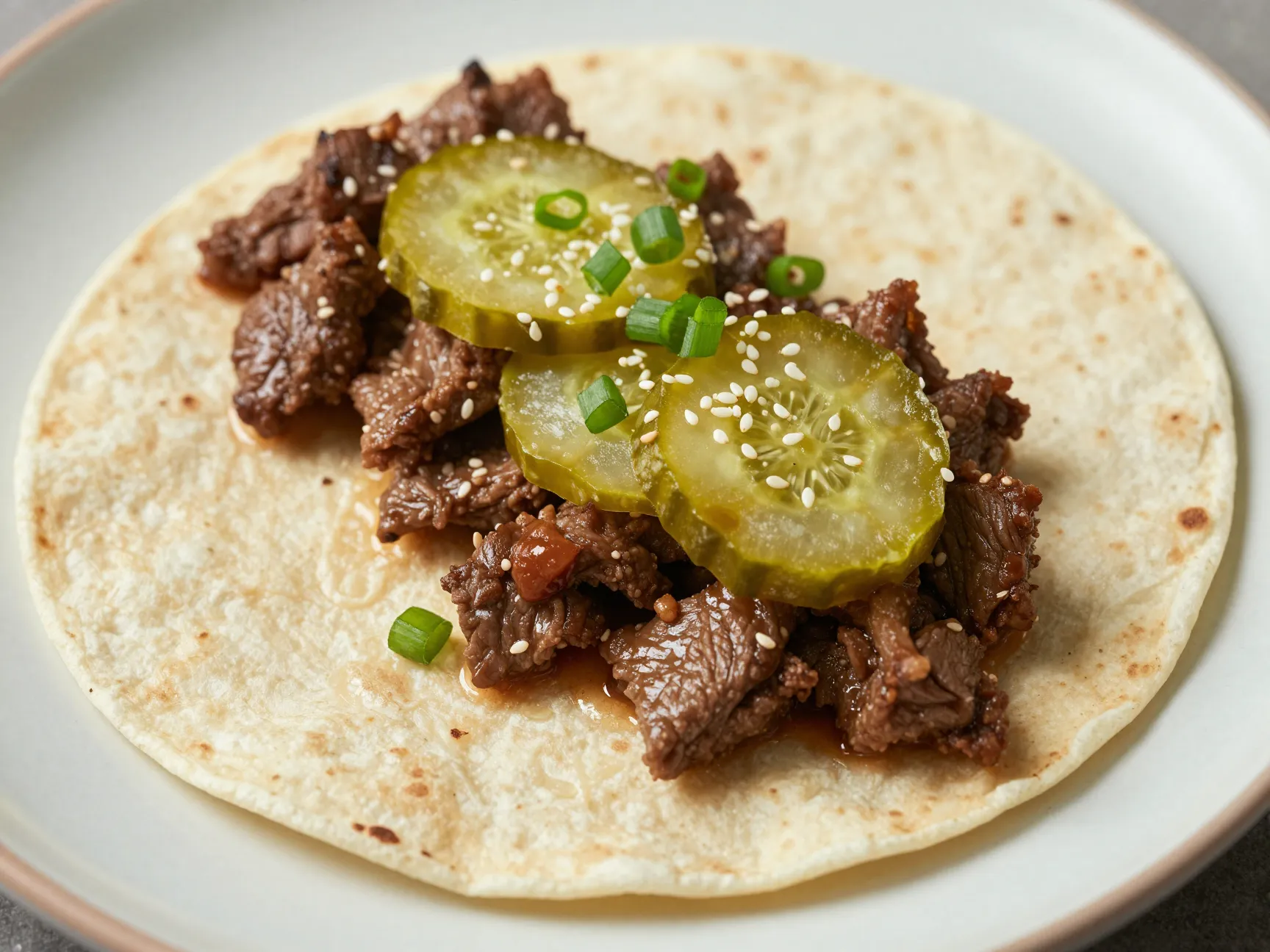
Of all the 8 Mongolian Beef Recipe Variations That Taste Better Than Takeout listed here, this one gets the most surprised reactions from people who try it for the first time. The combination sounds unexpected. It tastes inevitable.
Warm flour or corn tortillas serve as the base. Pile on the Mongolian beef, then add quick-pickled cucumbers or a simple cabbage slaw for acidity and crunch. Finish with sesame seeds and scallion greens. [2]
The pickled cucumber is worth the five minutes it takes to make. Combine thinly sliced cucumber with rice vinegar, a pinch of sugar, and a pinch of salt. Let it sit for 10 minutes while the beef cooks. The acidity cuts through the richness of the sauce and keeps each bite from feeling heavy.
Quick pickle ratio: 2 tbsp rice vinegar, 1 tsp sugar, 1/4 tsp salt, per one medium cucumber, sliced thin.
This fusion taco format also works as a party food. Make a large batch of the beef and set out the toppings buffet-style. It disappears fast.
Bonus: Two Dietary Variations Worth Knowing
Beyond the core eight, two additional modifications deserve mention because they address specific dietary needs without requiring any compromise on flavor.
Gluten-Free Mongolian Beef
Standard soy sauce contains wheat, which rules it out for people with celiac disease or gluten sensitivity. The fix is straightforward: substitute tamari or coconut aminos in a one-to-one ratio. Replace the cornstarch with arrowroot powder for thickening. [3] The flavor difference is minimal, and the dish becomes fully accessible to gluten-free diners.
Air Fryer Mongolian Beef
For a lighter alternative to deep-frying that still delivers real crispiness, the air fryer is a legitimate tool. Coat the beef lightly in cornstarch and a small amount of oil, then air-fry at 400 degrees Fahrenheit for six to eight minutes, shaking the basket halfway through. [3] Toss the crispy beef with the prepared sauce immediately after.
The result is noticeably crispier than a standard stir-fry and uses a fraction of the oil required for deep-frying.
Common Mistakes to Avoid
Even a straightforward recipe like Mongolian beef has a few failure points that are worth knowing before you start.
- Skipping the cornstarch coating: The coating is not just for crunch. It creates a surface that the sauce can bond to. Without it, the sauce slides off the beef.
- Crowding the pan: Beef needs direct contact with a hot surface to sear. Too many pieces at once creates steam and results in gray, chewy meat instead of caramelized strips.
- Using cold beef straight from the refrigerator: Let the sliced beef sit at room temperature for 10 to 15 minutes before cooking. Cold meat drops the pan temperature and prevents proper searing.
- Oversweetening the sauce: Taste as you go. Brown sugar quantities can vary based on the soy sauce brand you use. Some soy sauces are saltier than others, which changes the balance.
- Cooking the garlic and ginger too long: They burn quickly. Add them to the oil for 30 to 45 seconds maximum before adding the sauce.
Conclusion
The 8 Mongolian Beef Recipe Variations That Taste Better Than Takeout covered in this guide share a single foundation: a well-balanced sauce of soy, sugar, garlic, and ginger that adapts to whatever your kitchen, your schedule, and your dinner guests require. From the shatteringly crispy deep-fried version to the fusion taco format, each variation is a genuine improvement over what arrives in a takeout container, because you control the quality, the heat level, and the freshness.
Your next steps:
- Start with the classic stir-fry method to build confidence with the sauce formula.
- Try the crispy version the second time you make it. The texture difference is worth the extra step.
- Keep tamari and arrowroot powder in your pantry so the gluten-free adaptation is always one substitution away.
- Experiment with the noodle and lettuce wrap formats when you want to serve Mongolian beef as something other than a rice bowl.
The best version of this dish is not the one on any restaurant menu. It is the one you build in your own kitchen, adjusted to exactly how you like it.
References
[1] Mongolian Beef Recipe – https://www.umamicart.com/blog/2026/04/08/mongolian-beef-recipe/?utm_source=openai
[2] Healthy Mongolian Beef – https://www.thefreshcooky.com/healthy-mongolian-beef/?utm_source=openai
[3] Mongolian Beef Recipe – https://zikorecipes.com/mongolian-beef-recipe/?utm_source=openai