9 Fancy Food Presentation Fine Dining Tricks That Elevate Any Home-Cooked Meal
A Cornell University study found that diners rate the same food as tasting better when it is plated attractively, not marginally better, but up to 29% more enjoyable. That single finding changed how I approach every plate I set on the table, even on a Tuesday night with leftover chicken and roasted carrots.
Disclosure: This post contains affiliate links. As an Amazon Associate, we earn from qualifying purchases, and at no extra cost to you.
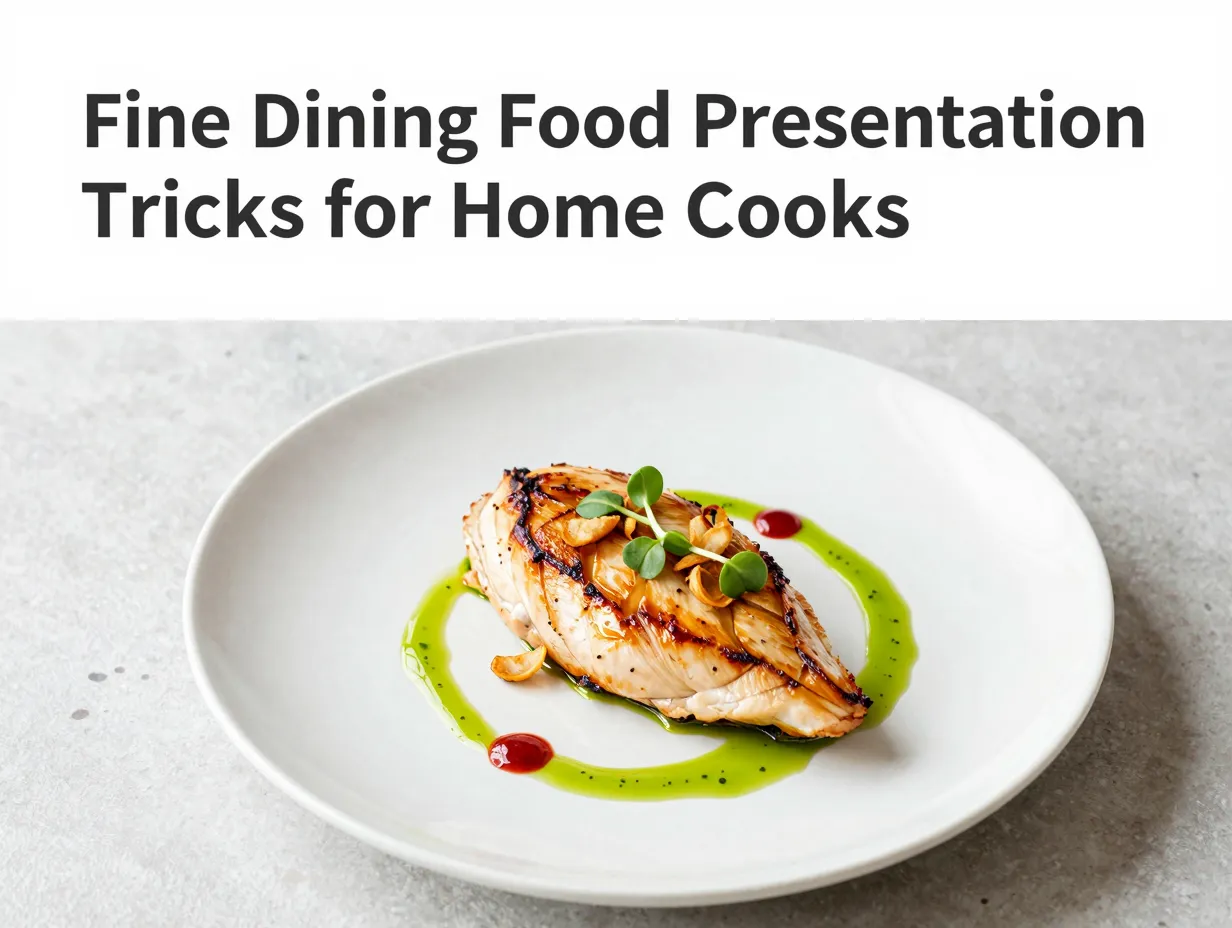
The truth is, fine dining restaurants are not hiding secret ingredients. They are applying visual design principles that any home cook can learn in an afternoon. The 9 Fancy Food Presentation Fine Dining Tricks That Elevate Any Home-Cooked Meal covered in this guide are the same techniques professional chefs use to justify premium prices, and they translate directly to your kitchen without expensive equipment or culinary school training.
Whether you are hosting a dinner party or simply want to make weeknight meals feel more intentional, these tricks will change the way you think about the plate as a canvas.
Key Takeaways
- The plate is a design surface, not just a vessel, treat it that way before you add a single ingredient
- Negative space, color contrast, and off-center placement are the three fastest wins for any home cook
- Sauces should be applied as artistic accents, not poured over food as an afterthought
- Odd numbers, asymmetry, and varied textures signal sophistication to the eye and the brain
- Edible garnishes must earn their place by adding flavor, not just decoration
The Foundation: How Professional Chefs Think About a Plate Before Touching the Food
Before a single spoonful of food lands on a plate at a Michelin-starred restaurant, the chef has already visualized the finished dish. That mental blueprint, or sometimes a literal sketch on paper, is what separates a beautiful plate from a chaotic one. Understanding this mindset is the first step toward mastering the 9 Fancy Food Presentation Fine Dining Tricks That Elevate Any Home-Cooked Meal.
1. Plan Your Plate Like a Design Project
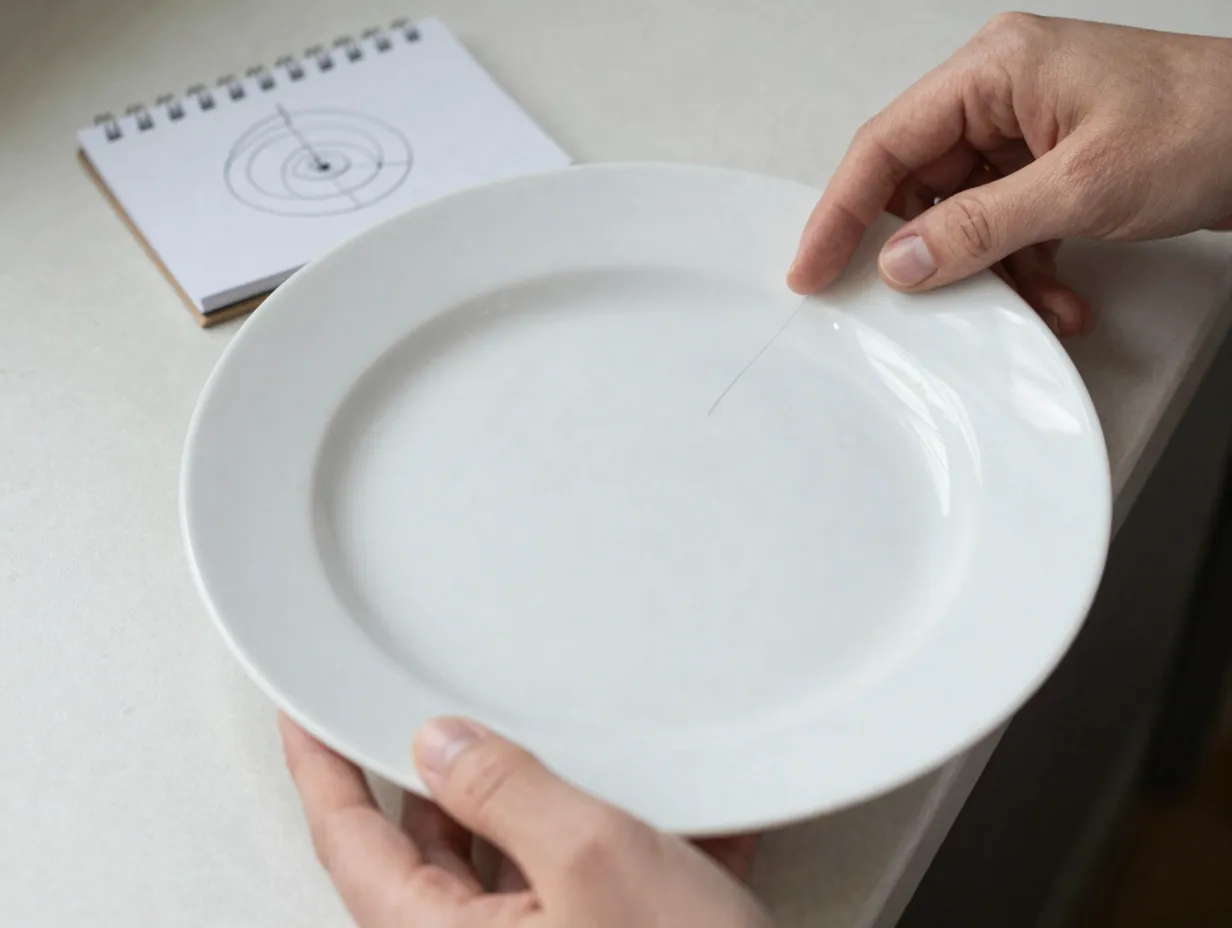
The single most underrated habit in fine dining plating is pre-visualization. Before you plate anything, ask yourself: where does the eye go first? Where does it travel next? Professional chefs often sketch a rough layout or at minimum hold an empty plate and mentally map the components [1].
Think of the plate as a clock face. The protein typically sits between 3 and 9 o’clock, the starch between 9 and 12, and the vegetable between 12 and 3. This clock-face method gives every element a designated home and prevents the common mistake of dumping everything in the center [7].
Practical steps to plan your plate:
- Identify your hero ingredient (the focal point)
- Decide how many components will appear
- Choose a plate size that leaves room for negative space
- Mentally rehearse the plating sequence before the food is ready
This takes about 60 seconds and pays off every time.
2. Create a Clear Focal Point Using the Rule of Thirds
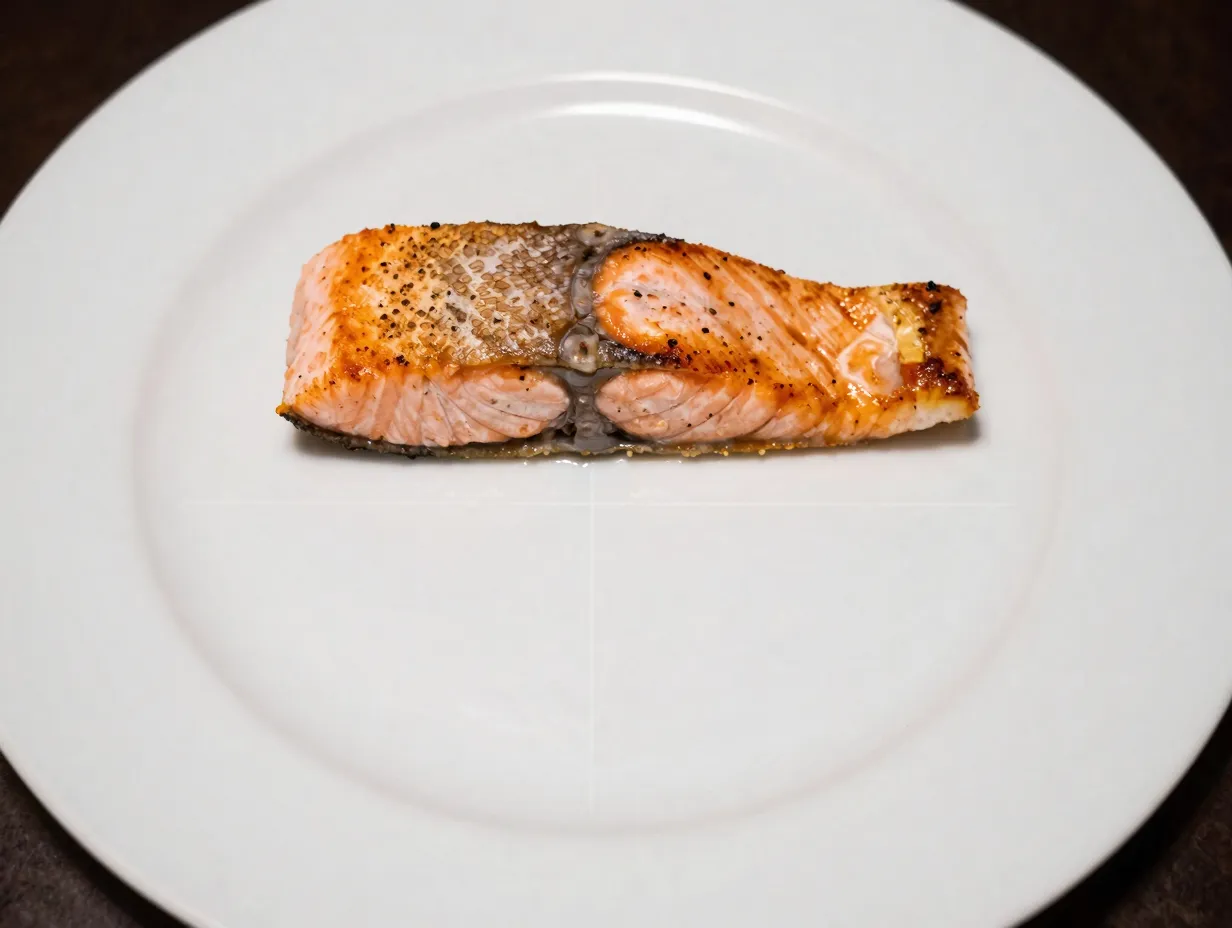
In photography, the rule of thirds divides a frame into nine equal sections. Subjects placed at the intersection points feel more dynamic than centered subjects. The same rule applies directly to plating [8].
Place your main protein or hero element slightly off-center, roughly one-third from the edge of the plate. This immediately creates visual tension and sophistication. A perfectly centered piece of salmon looks like cafeteria food. The same salmon placed at a rule-of-thirds intersection looks intentional and refined [5].
Why it works: The human brain finds centered compositions predictable and slightly boring. Off-center placement triggers a subtle sense of movement and artistry.
Try this tonight: instead of centering your steak, shift it toward the upper-left third of the plate. Notice how the entire presentation changes without changing the food itself.
3. Use Color Contrast and a Limited Palette
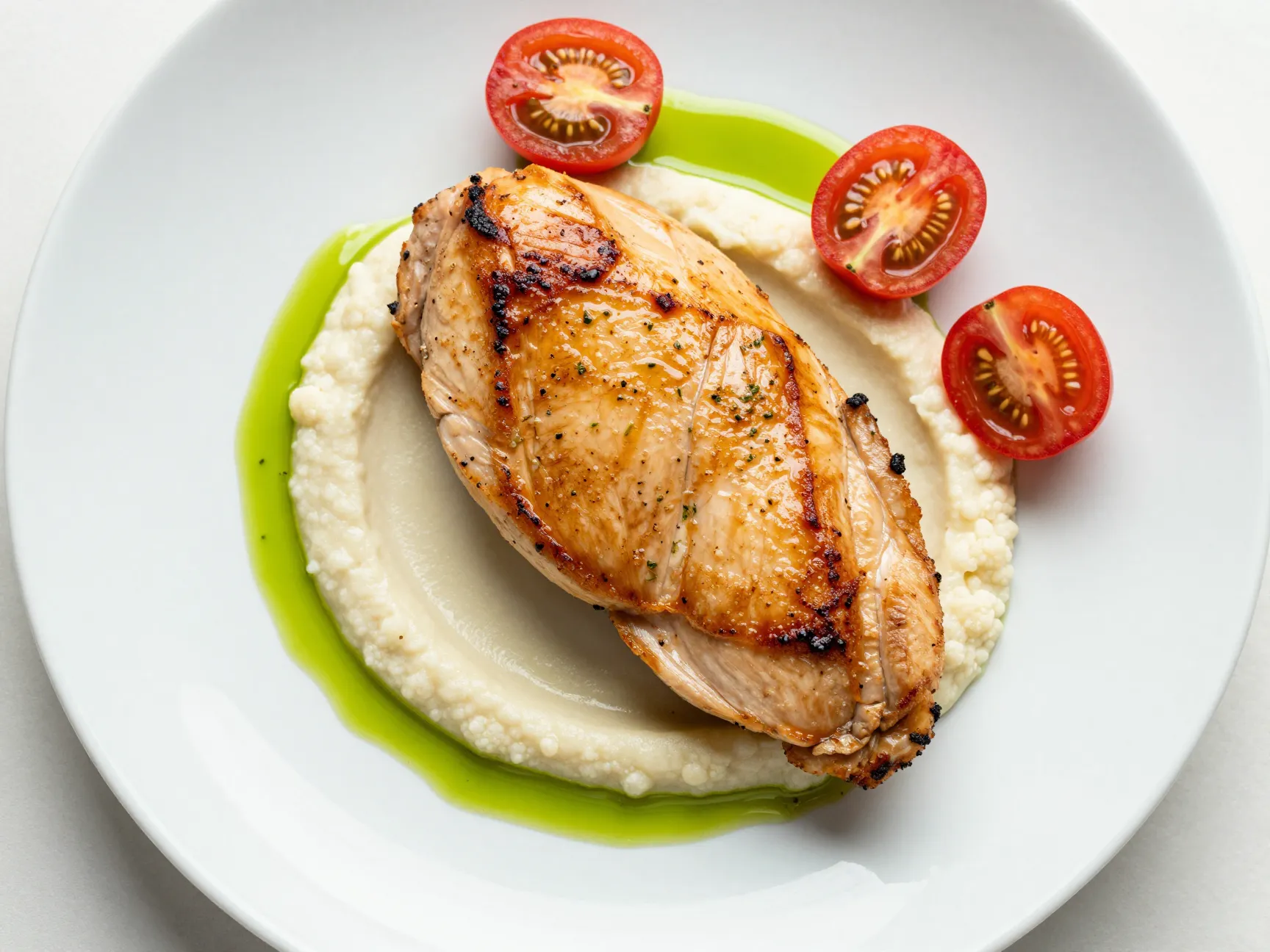
Color is the first thing a diner registers, before texture, before aroma, before anything else. Fine dining chefs think carefully about the color story on each plate [9].
Two principles govern color in plating:
Contrast: Pair warm and cool tones. A pale white fish fillet needs something vibrant alongside it, a smear of bright green herb oil, a scattering of ruby pomegranate seeds, or a golden tuile. Without contrast, the plate reads as flat and unappetizing.
Restraint: Limit your palette to three or four colors maximum. More than that creates visual noise. Think of a classic fine dining plate: ivory, deep green, and a single pop of red. Simple, elegant, memorable [1].
A quick color audit before plating:
| Color Role | Example | Purpose |
|---|---|---|
| Base/neutral | Ivory cauliflower puree | Grounds the composition |
| Dominant | Seared golden chicken | Hero element |
| Accent | Bright green herb oil | Adds energy and contrast |
| Pop | Three cherry tomato halves | Draws the eye |
Execution: The Hands-On Tricks That Transform the Plate
Once the design framework is in place, execution is where the magic happens. These next six tricks are the ones I return to most consistently, they are practical, repeatable, and immediately visible in the finished dish.
4. Layer Textures Visibly
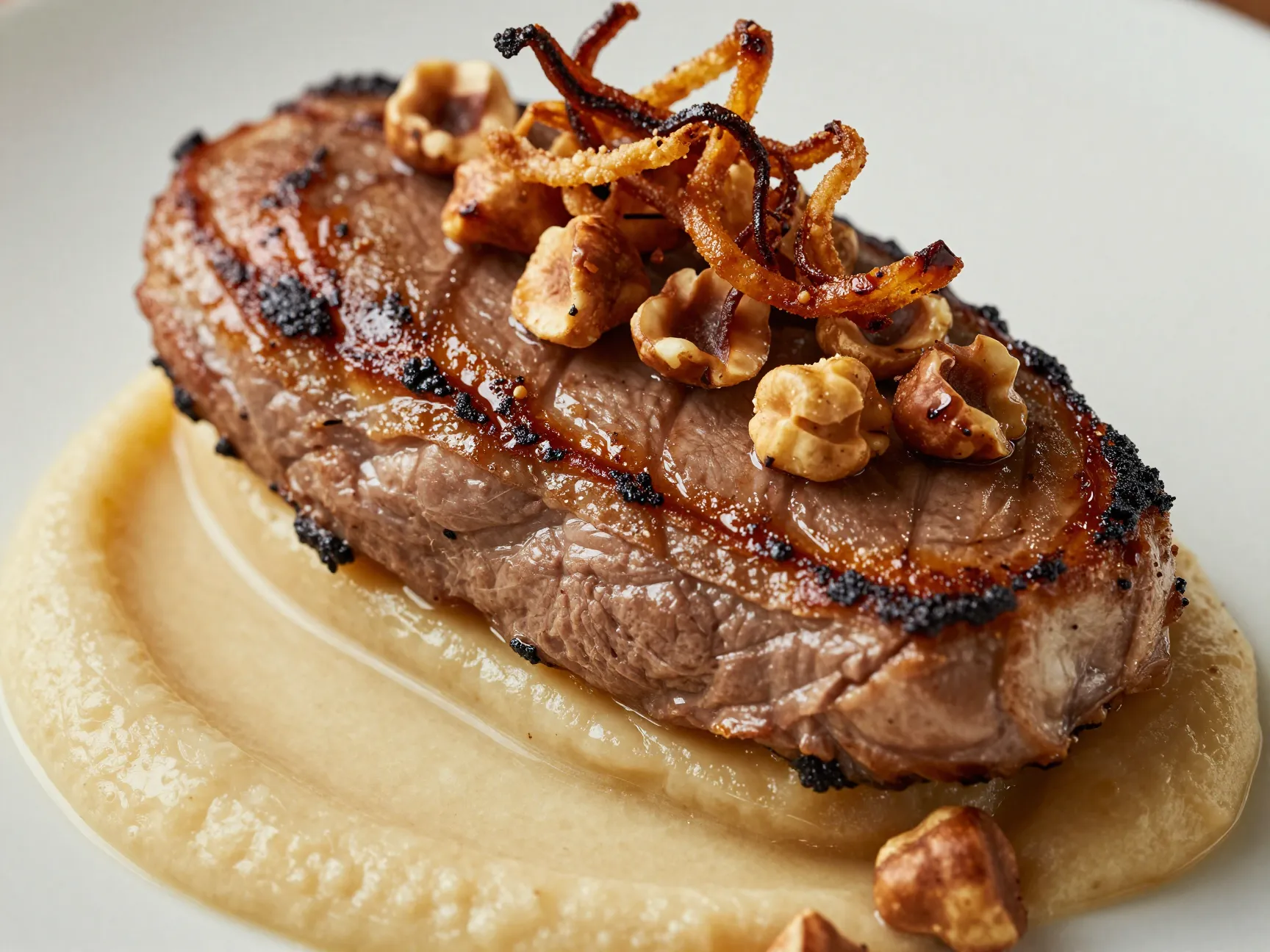
A plate that looks beautiful but delivers a single uniform texture is a missed opportunity. Fine dining chefs obsess over textural contrast because it creates an experience that unfolds as you eat [6].
The classic combination is: creamy + crispy + crunchy. A silky parsnip puree beneath a seared duck breast, finished with a scattering of toasted hazelnuts. Each element is distinct, and the contrast makes every bite more interesting.
To apply this at home:
- Add a crispy element (fried shallots, toasted breadcrumbs, puffed grains) to any soft dish
- Place creamy components (purees, whipped cheeses) as a base or smear, not a blob
- Ensure crunchy garnishes are added at the last second so they stay crisp
The key is making the textures visible. If the crispy element is buried under sauce, it fails both visually and texturally.
5. Build Height and Use a Low-Profile Anchor
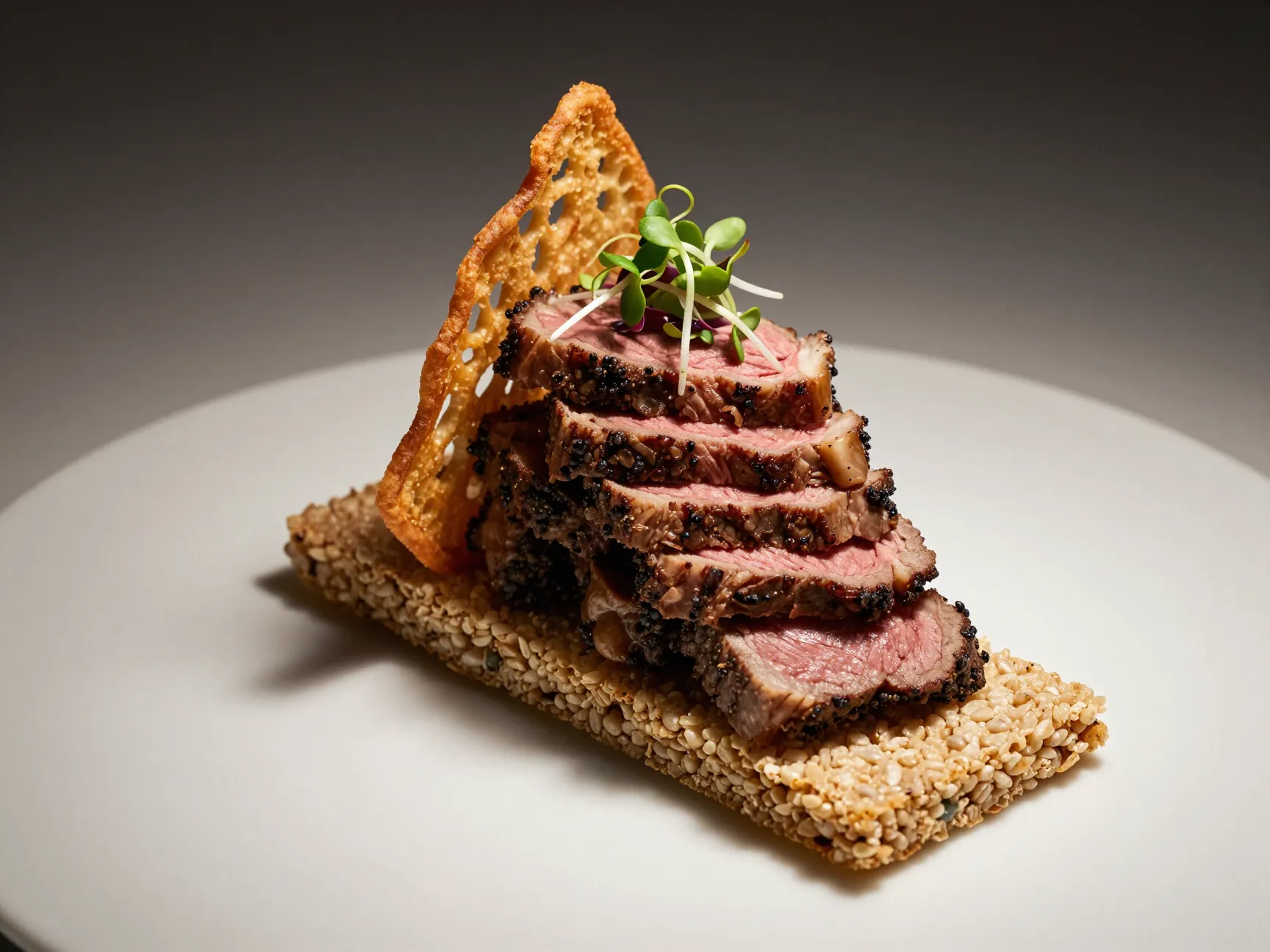
Height on a plate signals effort and artistry. It draws the eye upward and creates a three-dimensional composition that photographs beautifully and impresses in person [8].
The technique professional chefs use is called the low-profile anchor: a flat, stable base element (a puree smear, a grain cake, a pressed vegetable stack) that supports a taller element above it. The anchor keeps the height from toppling while adding its own visual weight to the composition.
Examples of height-building at home:
- Stack sliced proteins in a slight lean rather than lying flat
- Prop a piece of crispy skin or a tuile against the main element
- Use a ring mold to create a neat cylinder of rice or risotto, then remove it before serving
- Twist herb sprigs or microgreens upward rather than laying them flat
One rule: height should feel natural, not forced. A tower of food that looks like it will collapse the moment someone breathes on it undermines confidence in the cook.
6. Use Negative Space as a Design Tool
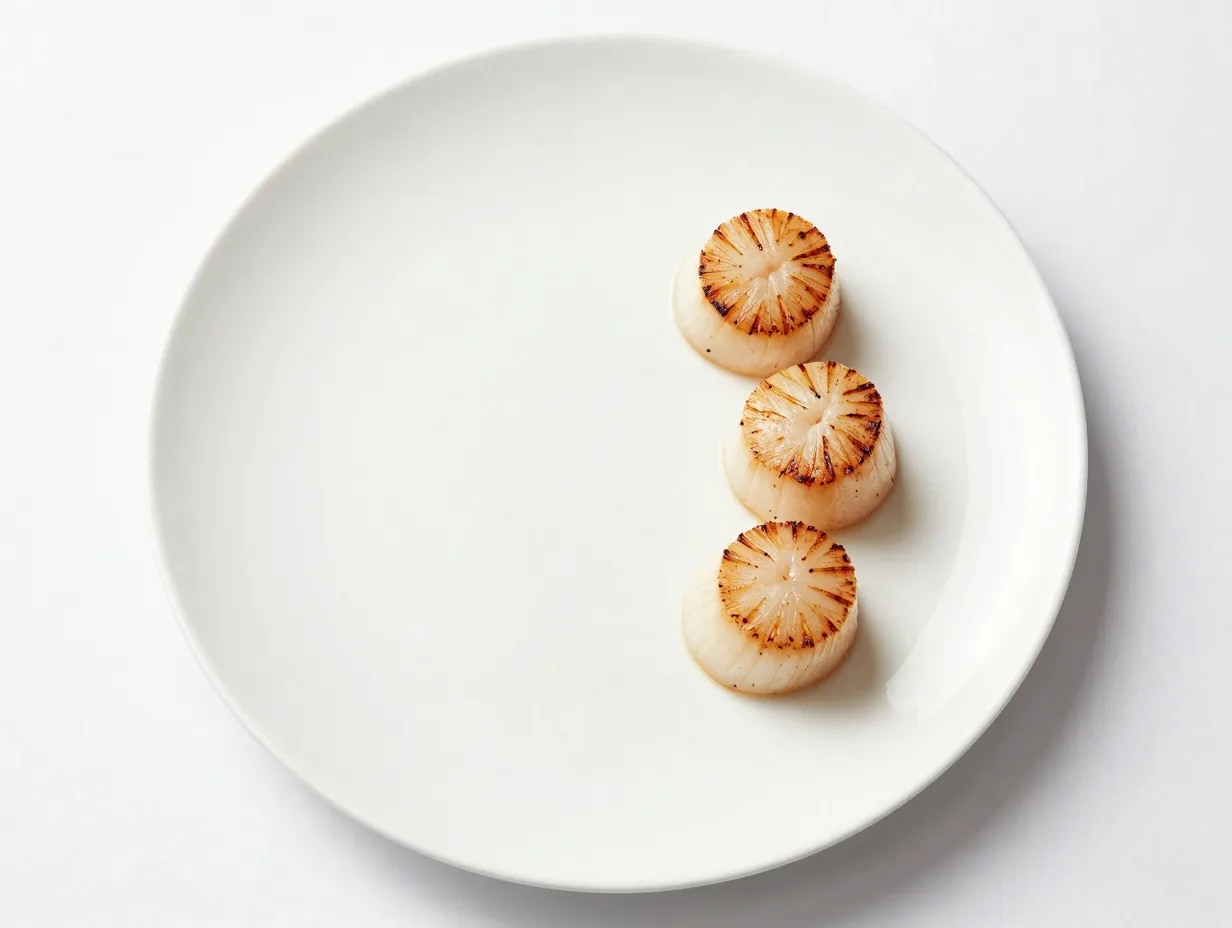
This is the trick that surprises home cooks most. Leaving empty space on the plate is not laziness, it is a deliberate design choice that signals confidence and sophistication [7].
Negative space does three things:
- It gives the eye a place to rest, which makes the food itself more visually prominent
- It signals that the cook is not trying to hide poor technique behind volume
- It makes the plate feel premium, the same way white space on a luxury brand’s packaging communicates quality
The practical rule: never fill more than 60-65% of the plate surface. If your plate looks crowded, you either need a larger plate or fewer components.
I used to pile food high and wide, thinking abundance was generous. The first time I left deliberate empty space on a plate of pan-seared scallops, my dinner guests assumed I had taken a cooking class. Nothing else changed.
7. Treat Sauces as Artistic Accents
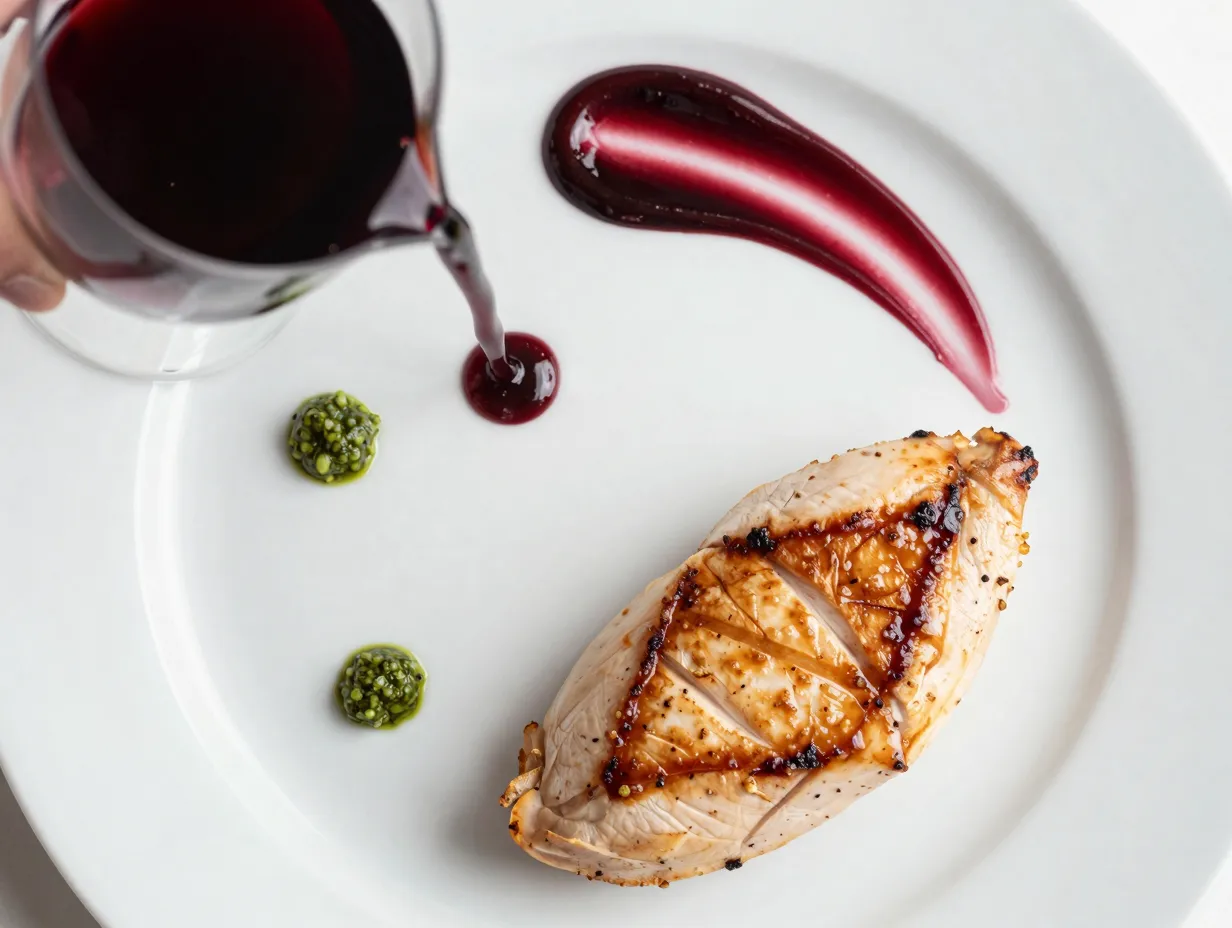
The most common plating mistake home cooks make is pouring sauce over food. In fine dining, sauce is applied with precision, it is a design element, not a coating [5].
Three professional sauce techniques any home cook can use:
The swoosh: Use the back of a spoon or a small offset spatula to drag a pool of sauce across the plate in a single confident motion. Start with a small amount, about one tablespoon, and pull it in an arc.
Dots: Load a squeeze bottle or a small piping bag with sauce and apply three to five dots in a deliberate pattern. Odd numbers always look more natural than even.
Drizzle: For thinner sauces and oils, a squeeze bottle gives you control. Drizzle in a loose zigzag or a spiral around the main element, not over it.
“Sauce should frame the food, not bury it. Think of it as the border of a painting, it defines the composition without competing with the subject.”
The rule that ties all three techniques together: apply sauce before the main protein lands on the plate, not after. This keeps the hero element clean and visible.
8. Use Edible Garnishes That Enhance Flavor
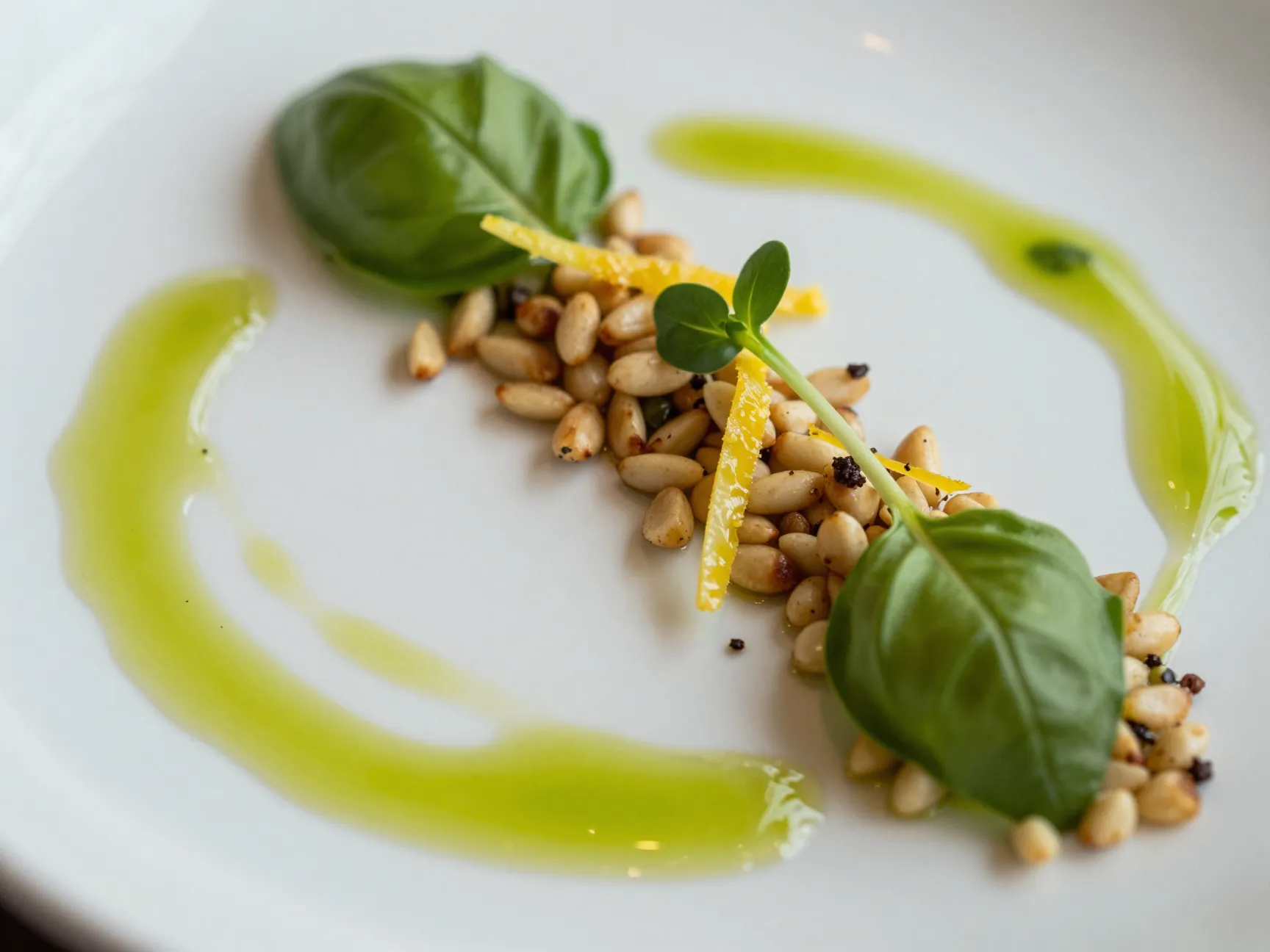
A sprig of parsley dropped on a plate because “it adds color” is a relic of 1980s diner cooking. Modern fine dining uses garnishes that pull their weight in both flavor and appearance [9].
Garnishes that earn their place:
- Microgreens: Peppery, fresh, and visually delicate, they add flavor and height simultaneously
- Herb oils: A drizzle of basil oil or chive oil adds color, aroma, and a clean herbal note
- Citrus zest: Brightens rich dishes and adds a pop of color with no additional bulk
- Edible flowers: Used sparingly, they add color and a subtle floral note (nasturtiums are peppery; borage is cucumber-like)
- Toasted seeds and nuts: Add crunch, fat, and visual texture in a single element
The test for any garnish: if you removed it from the plate, would the dish taste less interesting? If yes, it belongs. If no, leave it off [6].
9. Embrace Asymmetry, Odd Numbers, and Varied Shapes
Symmetry feels safe. Asymmetry feels alive. This is the principle that separates a home cook’s plate from a fine dining plate more than almost anything else [10].
Odd numbers (three scallops, five dots of sauce, seven microgreen leaves) feel more natural and dynamic than even numbers. Even numbers suggest pairing and balance, which reads as static. Odd numbers suggest movement and continuation.
Varied shapes work the same way. A plate with a round puree, a rectangular piece of fish, and a loose scatter of herbs has visual rhythm. A plate where everything is round or everything is square feels monotonous.
Asymmetry in practice:
- Place components at different heights and angles
- Avoid mirroring elements on both sides of the plate
- Let some elements overlap slightly rather than keeping everything separated
- Use the rule of thirds to ensure the overall composition leans to one side
This is the trick that makes a plate look like it was designed by someone with taste, rather than assembled by someone following a template [10].
Bringing It All Together: A Quick Reference
Here is a summary of all nine tricks in a single reference table:
| Trick | Core Principle | Difficulty |
|---|---|---|
| 1. Plan the plate | Visualize before plating | Easy |
| 2. Rule of thirds | Off-center focal point | Easy |
| 3. Color contrast | Limited, contrasting palette | Easy |
| 4. Texture layers | Crispy + creamy + crunchy | Medium |
| 5. Height + anchor | 3D composition | Medium |
| 6. Negative space | Leave 35-40% plate empty | Easy |
| 7. Sauce as accent | Swoosh, dots, drizzle | Medium |
| 8. Functional garnishes | Flavor + visual purpose | Easy |
| 9. Asymmetry + odd numbers | Dynamic, modern look | Easy |
Common Mistakes to Avoid
Even with these tricks in hand, a few recurring errors can undermine an otherwise well-executed plate.
Overcrowding: More food does not mean more value. A crowded plate looks anxious. Trust negative space.
Inconsistent wipe: Always wipe the rim of the plate with a clean, damp cloth before it leaves the kitchen. A single smudge of sauce on the rim undoes careful plating instantly [7].
Garnishes added too early: Crispy elements go on last. Microgreens wilt under heat. Sauce dots spread if applied too far in advance. Timing matters.
Wrong plate size: A small portion on a small plate looks stingy. A small portion on a large plate with deliberate negative space looks refined. Plate size is a presentation decision, not just a practical one [8].
Matching plate color to food: A pale risotto on a white plate disappears. Use contrast in plate color the same way you use contrast in food color. Matte black, slate, and dark navy plates make light-colored foods pop dramatically.
Conclusion
The 9 Fancy Food Presentation Fine Dining Tricks That Elevate Any Home-Cooked Meal are not reserved for professional kitchens with brigade systems and tweezers. They are design principles, and design principles scale down to any kitchen, any budget, any skill level.
Start with the three easiest wins: plan your plate before you touch the food, shift your hero element off-center using the rule of thirds, and leave deliberate negative space. Those three changes alone will transform how your meals look and how your guests experience them.
From there, layer in the remaining techniques one at a time. Practice the sauce swoosh on a spare plate before the guests arrive. Experiment with odd numbers of garnishes on a weeknight dinner when the stakes are low. Build height with a ring mold on a Saturday when you have a few extra minutes.
Your action plan for this week:
- Choose one meal and sketch a rough plate layout before cooking
- Apply one sauce technique (swoosh, dots, or drizzle) instead of pouring
- Add one textural contrast element you would not normally include
- Photograph the plate before and after applying these tricks, the difference will motivate you to keep going
In 2026, home cooking has never been more celebrated or more visible. The tools, the ingredients, and now the techniques are all within reach. The only thing standing between a good home-cooked meal and a genuinely impressive one is the decision to treat the plate as a design surface, not just a delivery mechanism.
References
[1] The Art Of Food Presentation Elevating – https://www.chefandrare.com/p/the-art-of-food-presentation-elevating
[5] Food Presentation Ideas – https://pos.toasttab.com/blog/on-the-line/food-presentation-ideas
[6] Home Cooked Meals Tricks – https://www.madeleinekitchen.com/home-cooked-meals-tricks/
[7] Basic Guide To Food Presentation – https://www.webstaurantstore.com/article/200/basic-guide-to-food-presentation.html
[8] 10 Food Plating And Presentation Tips – https://www.lightspeedhq.com/blog/10-food-plating-and-presentation-tips/
[9] Master The Art Of Food Presentation 10 Expert Tips To – https://content.tastypad.com/blogs/7368/Master-the-Art-of-Food-Presentation-10-Expert-Tips-to?lang=pt_pt
[10] 10 Food Presentation Ideas To Make Every Plate Pop – https://www.restaurantindia.in/article/10-food-presentation-ideas-to-make-every-plate-pop.13014