8 Simple Healthy Recipes You Can Make Without Overthinking Dinner
Nearly 60% of Americans report that deciding what to cook for dinner is a significant source of daily stress, more stressful, in some surveys, than managing work deadlines. That statistic stopped me cold the first time I read it. Dinner is supposed to nourish us, not exhaust us. Yet somewhere between scrolling through elaborate recipe videos and staring blankly into an open refrigerator, the simple act of feeding ourselves a healthy meal became a mental obstacle course.
Disclosure: This post contains affiliate links. As an Amazon Associate, we earn from qualifying purchases, and at no extra cost to you.
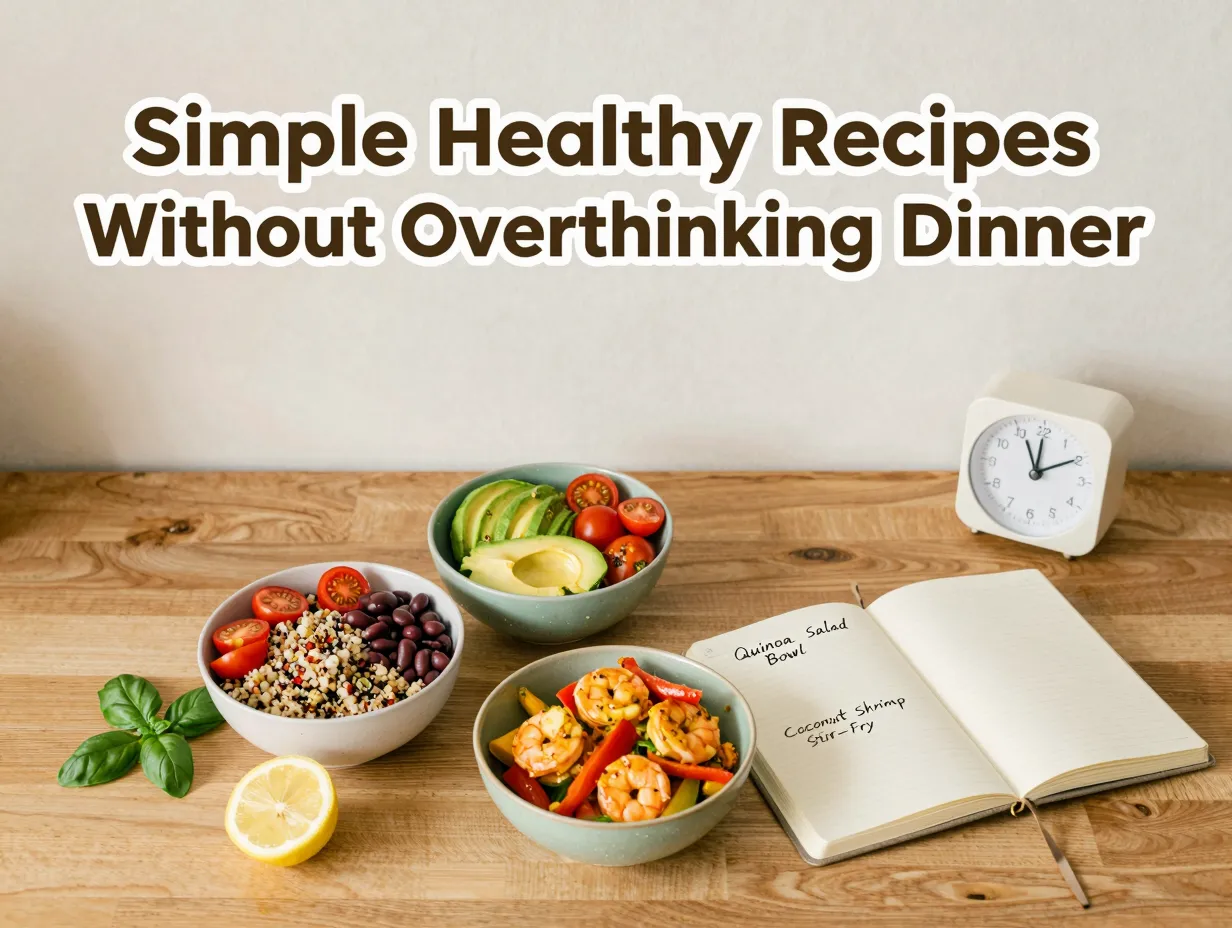
That is exactly why I put together these 8 simple healthy recipes you can make without overthinking dinner. Each dish is designed to be straightforward, nutritious, and genuinely satisfying. Whether you have 15 minutes or an hour, whether you are cooking for one or feeding a family, this list gives you a reliable rotation of meals that remove the guesswork entirely. These are not diet recipes or complicated meal-prep projects. They are real food, made with accessible ingredients, built around the idea that eating well should feel effortless.
Key Takeaways
- All 8 recipes prioritize whole, minimally processed ingredients that support long-term health without requiring advanced cooking skills.
- Several dishes can be prepared in 30 minutes or less, making them ideal for busy weeknights.
- Each recipe is nutritionally balanced, offering a meaningful source of protein, fiber, or healthy fats.
- Customization is built into most of these meals, so you can swap ingredients based on what you already have at home.
- Eating healthy dinners does not require expensive specialty items or hours in the kitchen.
Why Simple Healthy Dinners Matter More Than You Think
Before diving into the recipes themselves, it is worth understanding why simplicity is not a compromise, it is a strategy.
When meals require too many steps, too many specialty ingredients, or too much mental energy, most people default to takeout or ultra-processed convenience foods. Research consistently shows that home-cooked meals are associated with better diet quality, lower calorie intake, and improved overall health outcomes. The barrier is rarely motivation. It is complexity.
The recipes in this guide are built around a few shared principles:
- Whole ingredients: Real vegetables, legumes, lean proteins, and whole grains form the foundation.
- Short ingredient lists: Most dishes require 10 ingredients or fewer.
- Flexible techniques: Slow cookers, one-pan methods, and no-cook assemblies keep cleanup minimal.
- Nutritional density: Every recipe delivers meaningful nutrients, not just calories.
When you stop overthinking dinner, you start actually cooking it. That shift alone can transform your relationship with food.
The 8 Simple Healthy Recipes You Can Make Without Overthinking Dinner
These recipes are numbered in ascending order, from a hands-off slow-cooker dish all the way to a no-cook sandwich that takes minutes to assemble. Find your entry point and build from there.
1. Sausage and Sweet Potato Stuffing
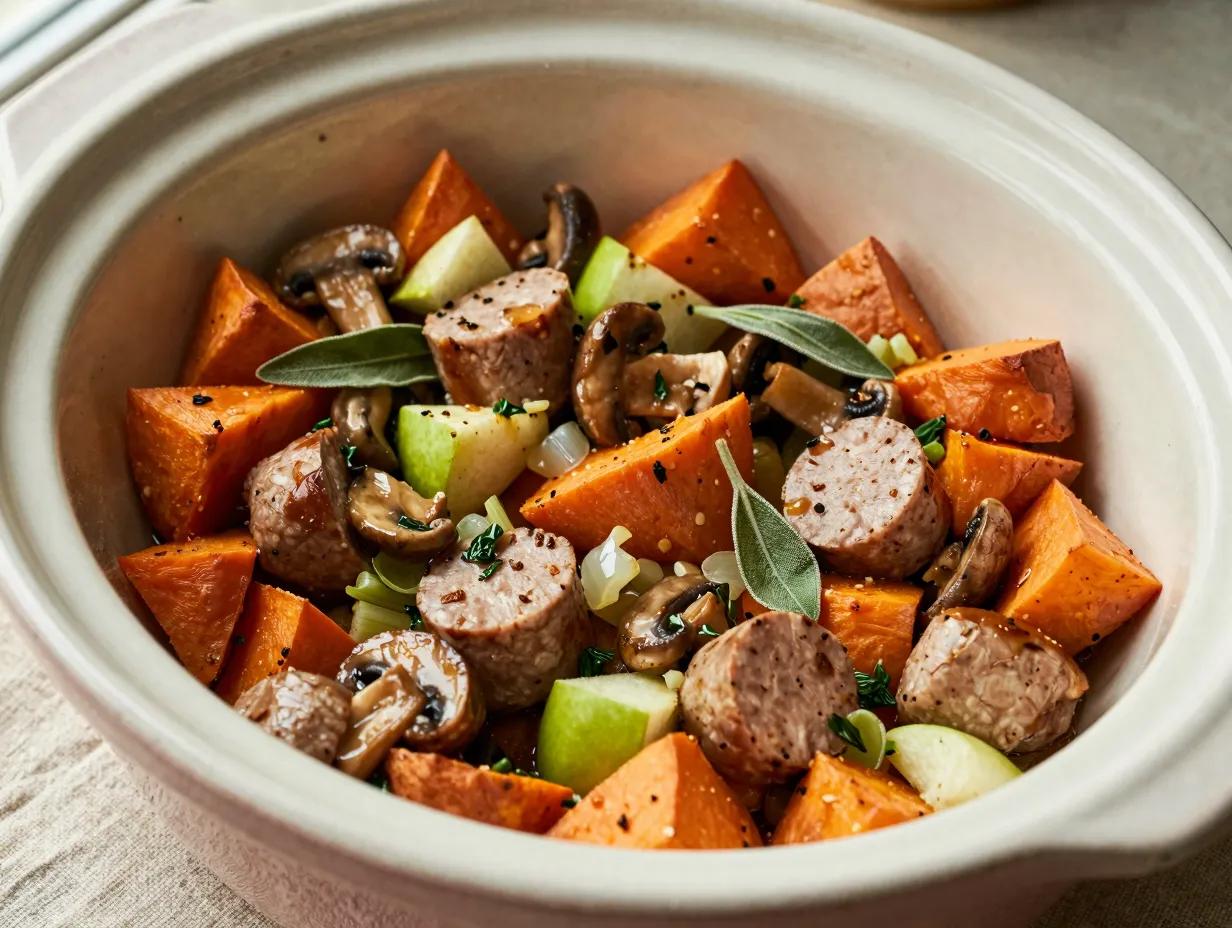
This slow-cooker dish is the definition of low-effort, high-reward cooking. You combine Italian turkey sausage with sweet potatoes, mushrooms, onions, celery, green apples, and fresh sage, then let the slow cooker do the work. The result is a deeply savory, slightly sweet stuffing that works as a standalone dinner or a hearty side dish [1].
Why it is good for you: Sweet potatoes are nutritional powerhouses. They are rich in beta carotene, vitamin C, potassium, and fiber, a combination that supports immune function, heart health, and digestive regularity [1]. Using Italian turkey sausage instead of pork sausage keeps the fat content lower without sacrificing flavor.
Quick tips for success:
- Cut sweet potatoes into uniform cubes so they cook evenly.
- Add the green apple toward the last hour of cooking to preserve its texture.
- Fresh sage makes a noticeable difference here, dried sage works in a pinch, but use half the amount.
This is the recipe I reach for on Sunday afternoons when I want dinner to cook itself while I handle other things. By the time evening arrives, the kitchen smells incredible and dinner is already done.
2. Quinoa Salad Bowls
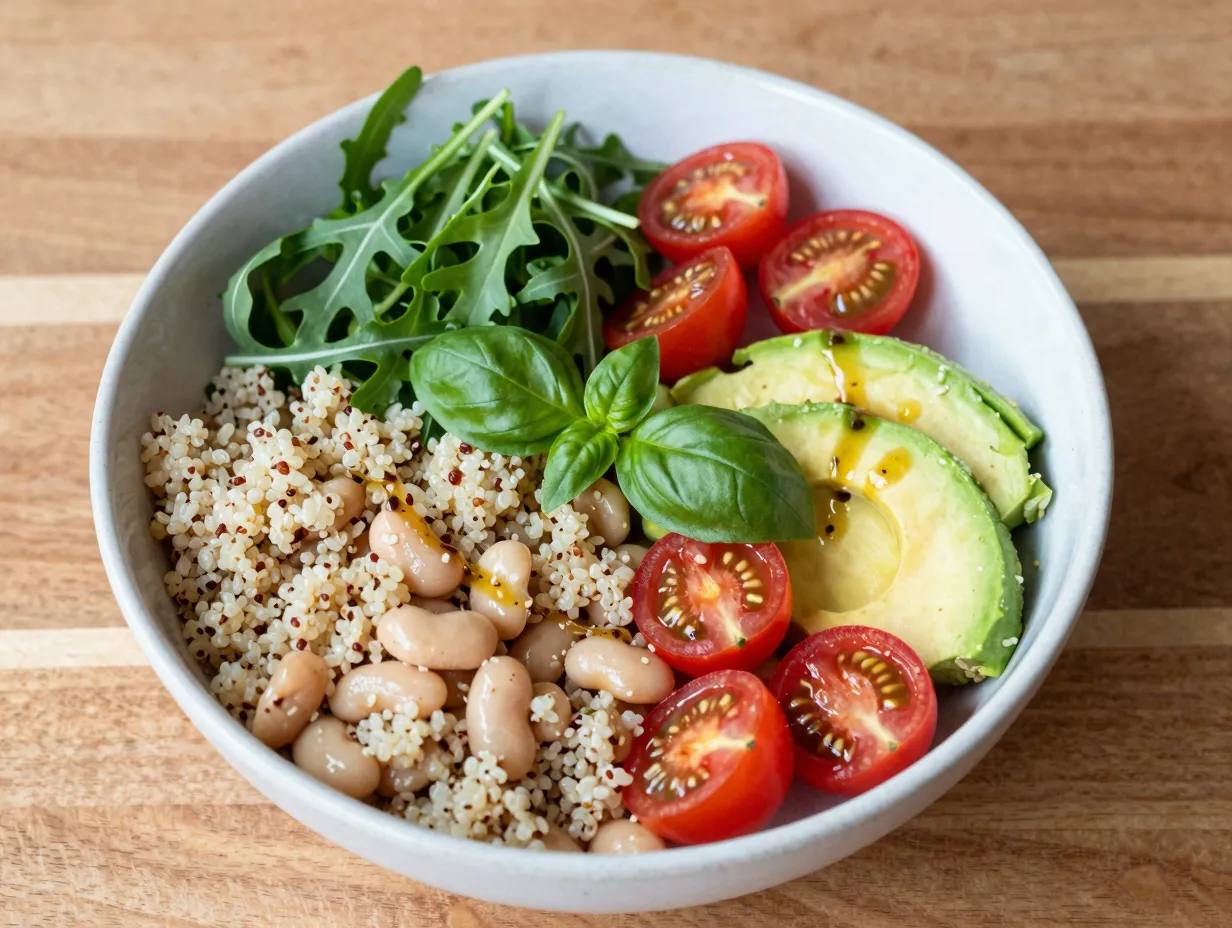
Few meals are as customizable, or as consistently satisfying, as a well-built quinoa bowl. The base includes quinoa, butter beans, cherry tomatoes, avocado, arugula, and fresh basil. From there, you can add whatever vegetables, proteins, or dressings you have on hand [1].
Why it is good for you: Diets rich in whole grains like quinoa are linked to a lower risk of several serious health conditions, including colon cancer, heart disease, and type 2 diabetes [1]. Quinoa is also one of the few plant-based foods that provides all nine essential amino acids, making it an excellent protein source for vegetarians and vegans.
Nutrition at a Glance: Quinoa Salad Bowl
| Component | Key Benefit |
|---|---|
| Quinoa | Complete protein, whole grain fiber |
| Butter beans | Plant-based protein, slow-digesting carbs |
| Avocado | Heart-healthy monounsaturated fats |
| Arugula | Calcium, vitamin K, antioxidants |
Meal prep note: Cook a large batch of quinoa at the start of the week. Store it in the refrigerator and build fresh bowls each night in under five minutes.
3. Vegetable Frittata with Mushrooms and Cheddar
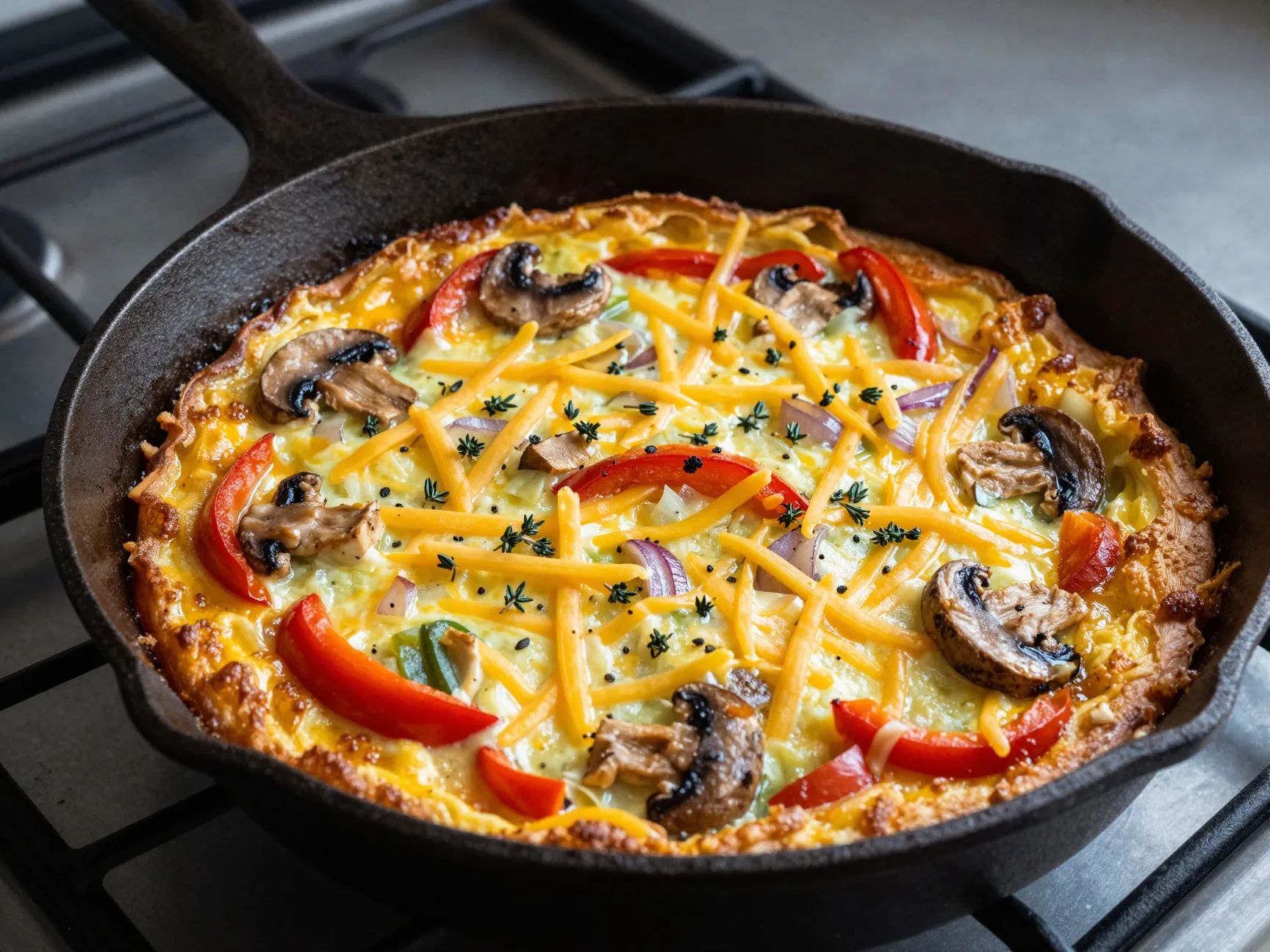
A frittata is one of the most underrated weeknight dinners in existence. This version uses eggs, bell peppers, mushrooms, red onions, garlic, thyme, and shredded cheddar cheese. It comes together in a single oven-safe skillet and is ready in about 25 minutes [1].
Why it is good for you: Eggs provide healthy fats and high-quality protein, while the vegetables contribute fiber, vitamins, and minerals [1]. A single serving delivers a balanced macronutrient profile that keeps you full for hours.
Step-by-step overview:
- Saute onions, garlic, and bell peppers in an oven-safe skillet over medium heat.
- Add mushrooms and cook until softened.
- Whisk eggs with thyme, salt, and pepper, then pour over the vegetables.
- Scatter cheddar on top and transfer the skillet to a 375-degree oven.
- Bake for 12 to 15 minutes until the eggs are set.
The frittata slices cleanly, stores well in the refrigerator for up to three days, and tastes just as good cold the next morning. It is genuinely one of the most versatile recipes in this collection.
4. Steak Salad with Cherry-Balsamic Salsa
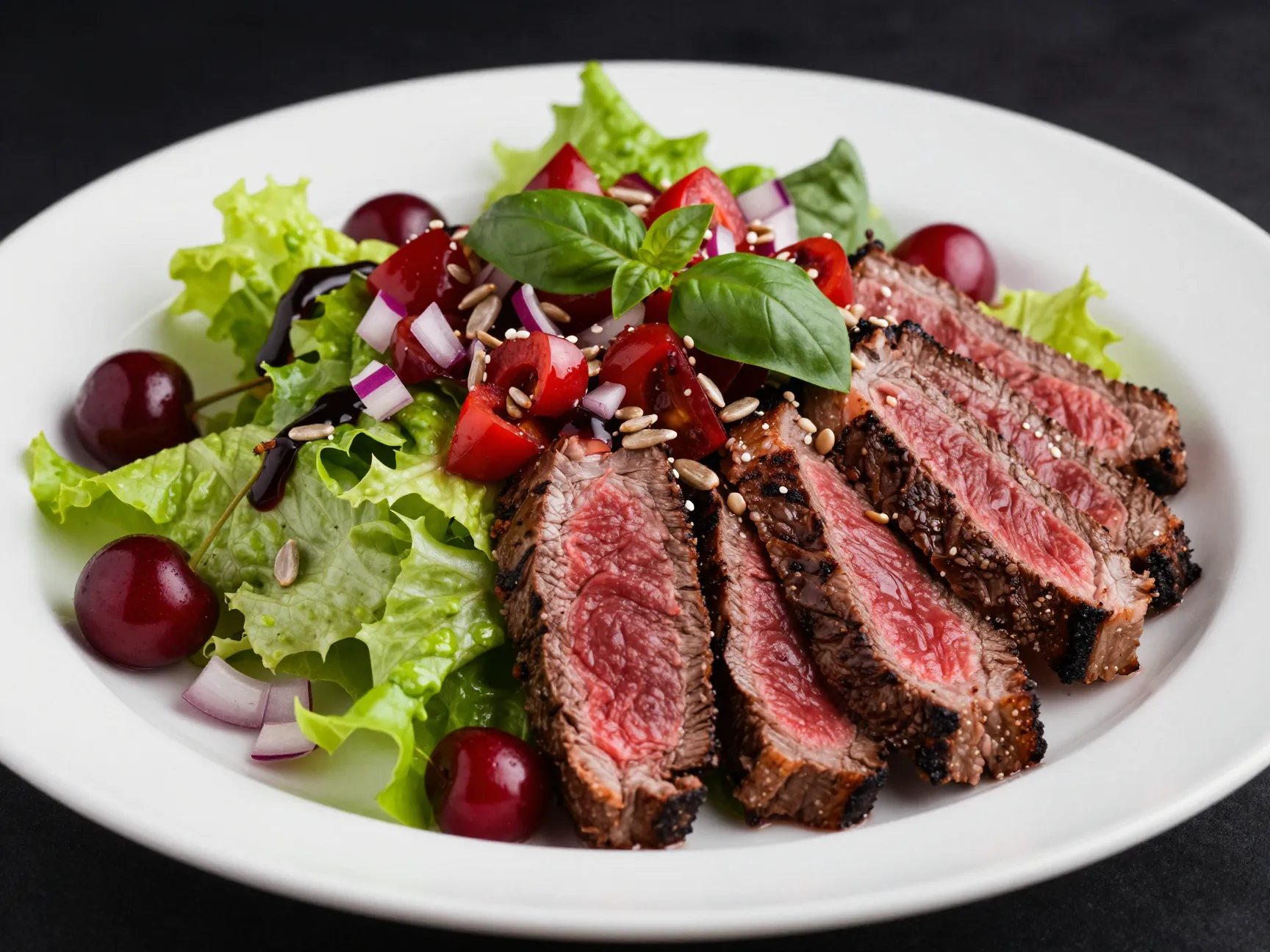
This is the recipe that convinces skeptics that salads can be a serious dinner. A well-seared New York strip steak is sliced thin and served over butter lettuce with fresh cherries, basil, red onions, and sunflower seeds. The cherry-balsamic salsa ties everything together with a bright, slightly sweet acidity [1].
Why it is good for you: This salad delivers nearly 45 grams of protein per serving [1], enough to support muscle repair and keep hunger at bay for the rest of the evening. Cherries add antioxidants, and sunflower seeds contribute vitamin E and healthy fats.
“A salad that delivers 45 grams of protein per serving is not a side dish, it is a complete, high-performance meal.”
Cooking the steak: Season generously with salt and pepper. Sear in a hot cast-iron pan for three to four minutes per side for medium-rare. Rest for five minutes before slicing against the grain. This step is non-negotiable, resting the meat keeps it juicy.
5. Gluten-Free Pasta with Brussels Sprouts, Lemon, and Ricotta
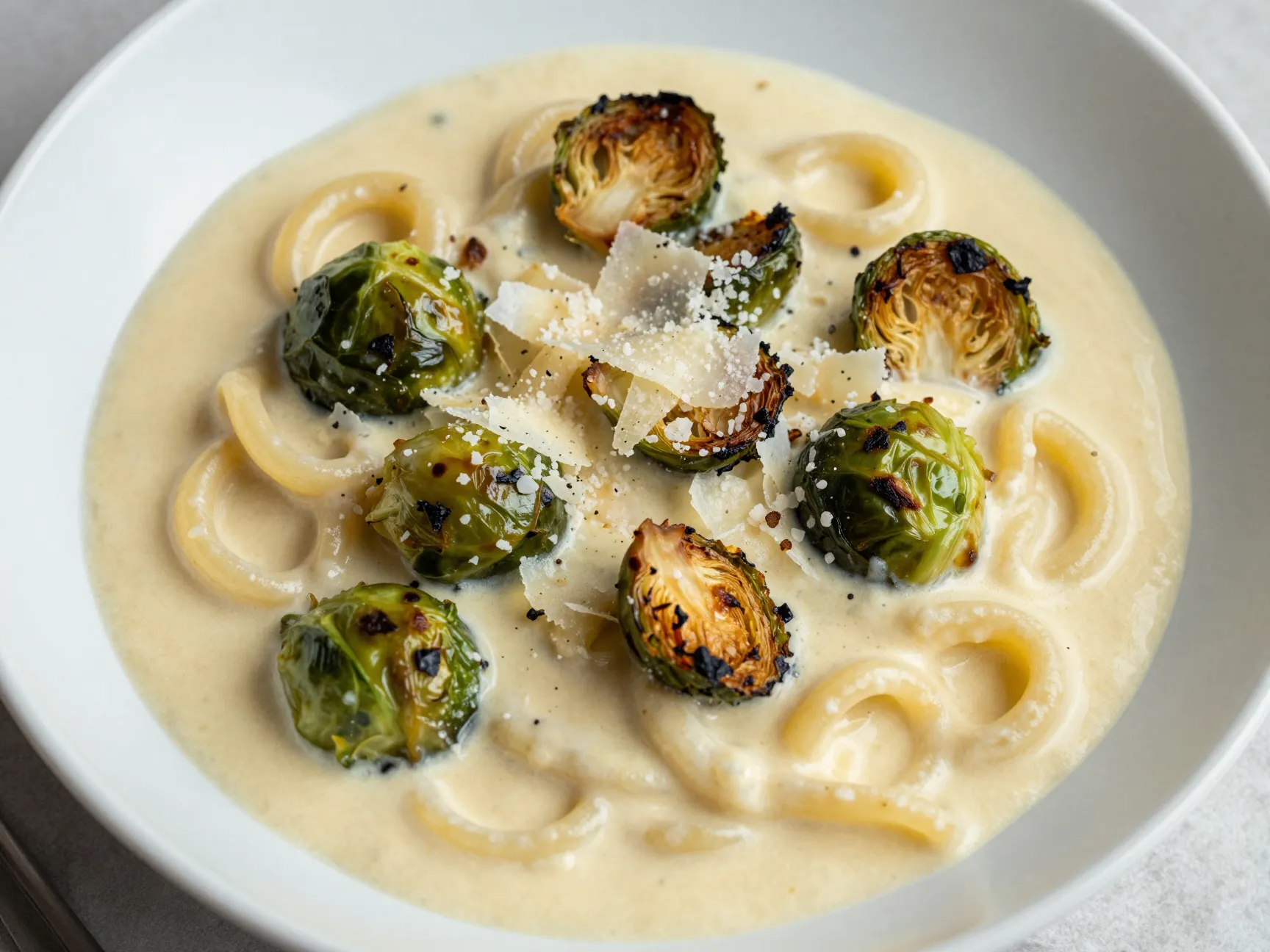
For anyone who avoids gluten or simply wants a lighter pasta experience, this dish is a revelation. Gluten-free pasta is tossed in a creamy lemon ricotta sauce and topped with roasted Brussels sprouts and Parmesan [1]. The combination of creamy, tangy, and slightly bitter flavors is genuinely sophisticated for a 30-minute meal.
Why it is good for you: Brussels sprouts are high in vitamin C, which plays a central role in immune function and collagen synthesis [1]. Ricotta adds calcium and protein without the heaviness of cream-based sauces.
Key technique: Roast the Brussels sprouts at high heat (425 degrees) until the outer leaves are crispy and slightly charred. That caramelization transforms them from bitter to nutty and sweet, a complete flavor reversal that makes even Brussels sprouts skeptics reach for seconds.
Substitution options:
- Regular pasta works equally well if gluten is not a concern.
- Cottage cheese blended smooth is a high-protein substitute for ricotta.
- Broccoli or asparagus can replace Brussels sprouts depending on the season.
6. Tomato, Orzo, and White Bean Soup
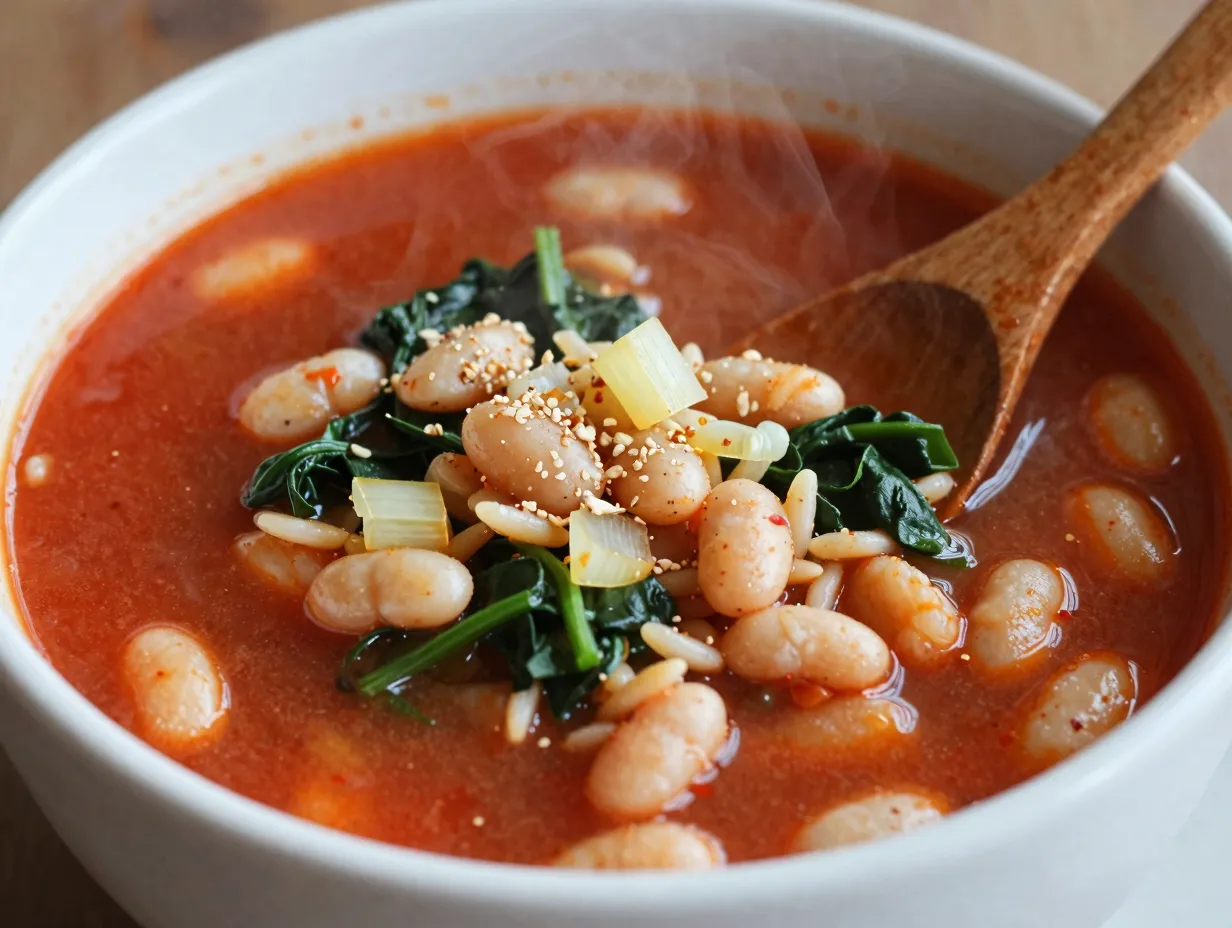
A bowl of this soup is the culinary equivalent of a warm blanket. Yellow onions, spinach, garlic, vegetable broth, canned tomatoes, white beans, and orzo come together in a single pot to create a meal that is both deeply comforting and impressively nutritious [1].
Why it is good for you: Each serving provides 22 grams of protein and 14 grams of fiber [1], a combination that supports digestive health, blood sugar stability, and long-lasting satiety. The addition of nutritional yeast adds a savory, umami depth while contributing B vitamins.
Per-Serving Nutrition Highlights
Protein: 22 grams
Fiber: 14 grams
Main nutrients: Iron (from spinach and beans), lycopene (from tomatoes), B vitamins (from nutritional yeast)
One-pot method:
- Saute onions and garlic in olive oil until translucent.
- Add vegetable broth, canned tomatoes, and white beans. Bring to a simmer.
- Stir in orzo and cook for eight minutes.
- Add spinach and nutritional yeast in the final two minutes.
- Season with salt, pepper, and a squeeze of lemon.
This soup freezes beautifully. I make a double batch every few weeks and store individual portions for nights when cooking feels impossible.
7. Quick Curry Coconut Shrimp Stir-Fry
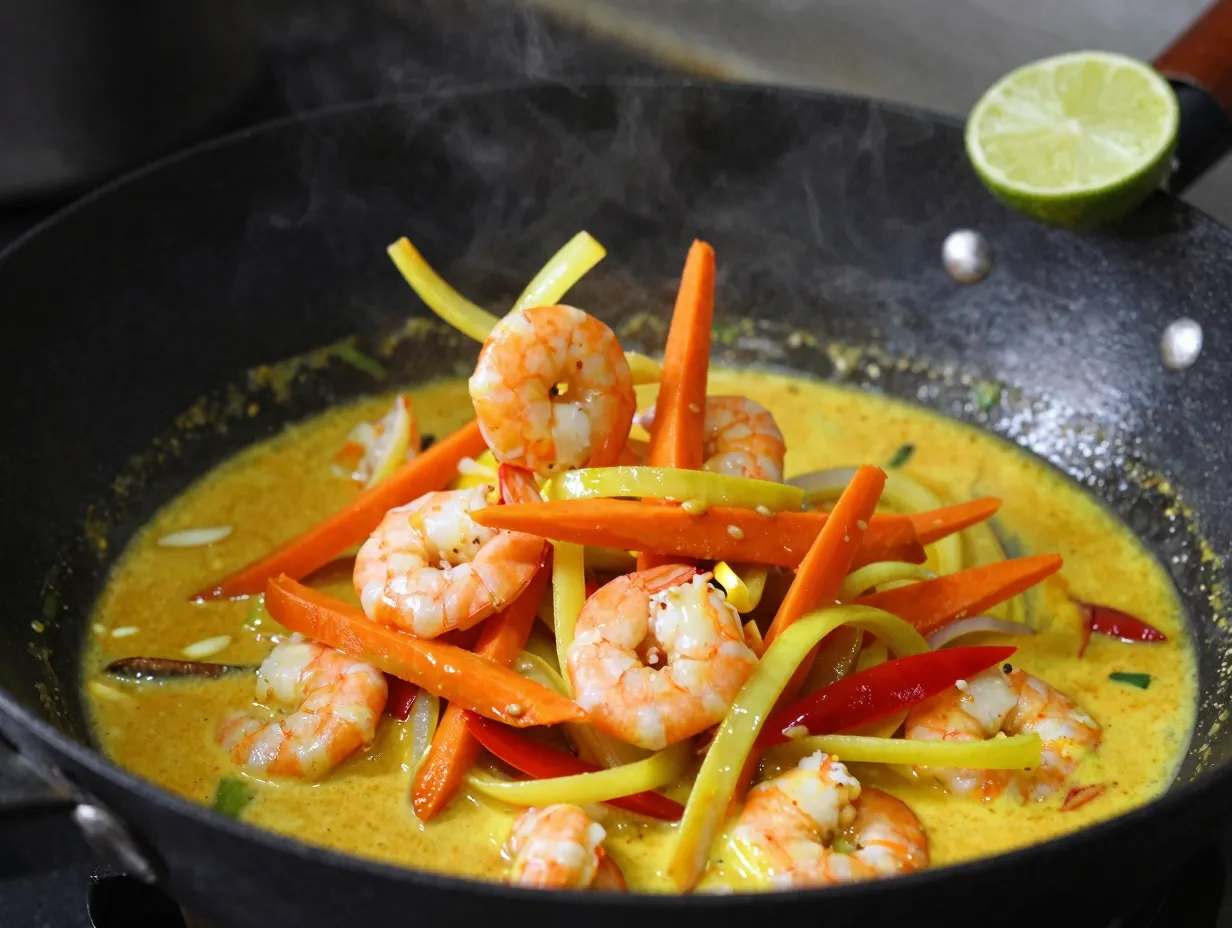
This stir-fry moves fast, from prep to plate in under 20 minutes, and the flavor payoff is extraordinary. Shrimp, yellow onions, carrots, bell peppers, ginger, garlic, fish sauce, curry powder, coconut milk, and lime come together in a single wok or large skillet [1].
Why it is good for you: Shrimp is a lean, high-protein seafood option. Curry powder contains curcumin, a compound with well-documented anti-inflammatory properties. Regular consumption of curry-based dishes may help reduce metabolic syndrome risk factors [1], which include high blood pressure, elevated blood sugar, and excess abdominal fat.
Stir-fry success rules:
- Prep every ingredient before you turn on the heat. Stir-frying moves too fast to chop mid-cook.
- Use high heat throughout. A hot pan is what creates that slightly caramelized, restaurant-quality finish.
- Add shrimp last. They cook in two to three minutes and turn rubbery if overcooked.
- Finish with fresh lime juice right before serving. It brightens the entire dish.
The coconut milk creates a light, fragrant sauce that coats the vegetables and shrimp without being heavy. Serve over brown rice or cauliflower rice depending on your preference.
8. Avocado and Sprout Sandwich
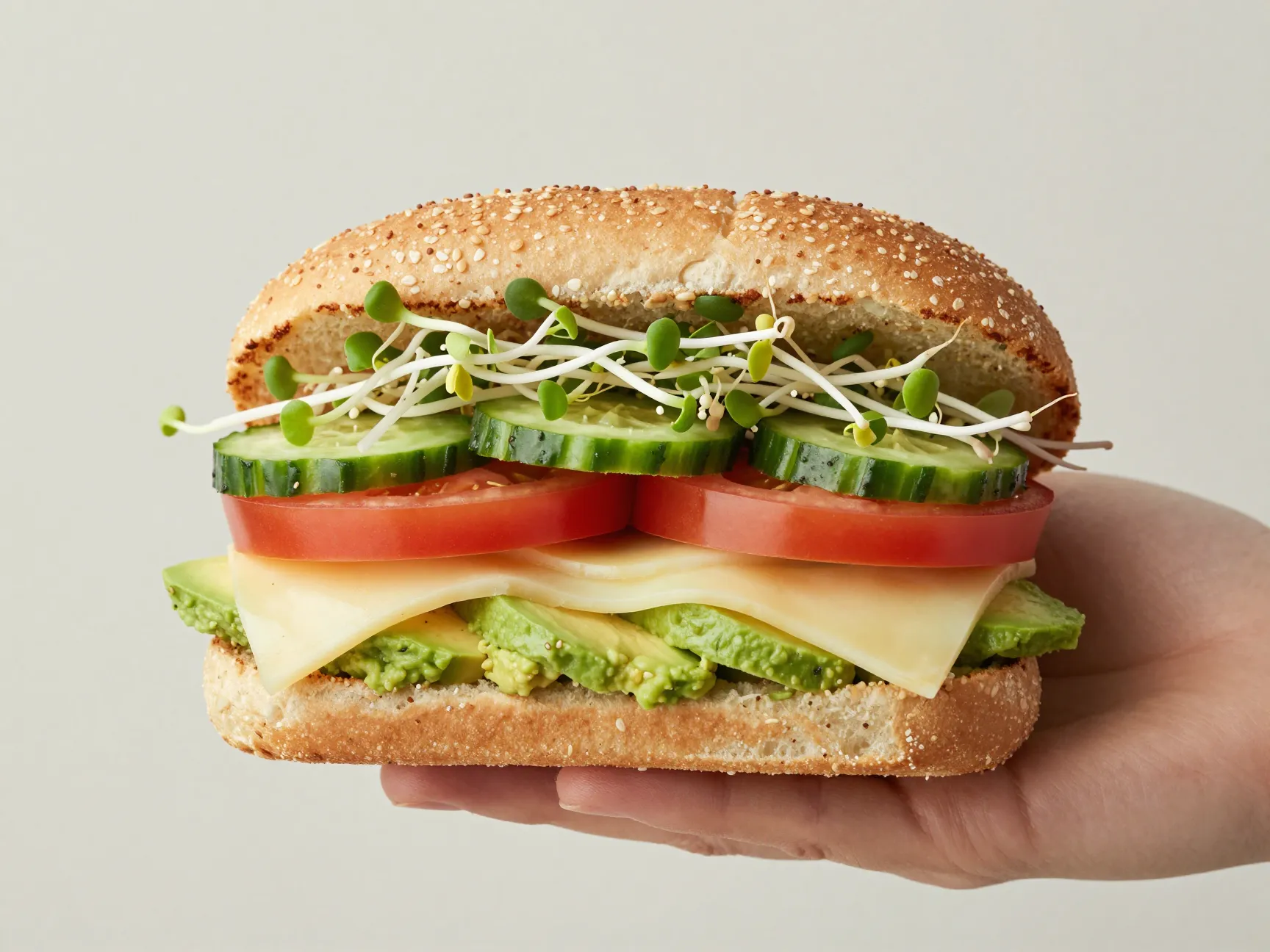
The final recipe on this list requires zero cooking and proves that the simplest option is sometimes the best one. A whole grain bun is layered with sliced tomatoes, cucumbers, creamy avocado, provolone cheese, and alfalfa sprouts. For a lower-carb version, serve it as a lettuce wrap [1].
Why it is good for you: Avocado contributes heart-healthy monounsaturated fats and potassium. Alfalfa sprouts are surprisingly nutrient-dense, offering vitamin K, folate, and plant-based protein. Choosing a whole grain bun adds fiber and complex carbohydrates that digest more slowly than refined bread.
Assembly tips for maximum flavor:
- Mash the avocado with a pinch of salt and lemon juice rather than slicing it. The spread coats every bite more evenly.
- Toast the bun lightly. The contrast of warm, crispy bread against cool, crisp vegetables is worth the extra 90 seconds.
- Layer in this order: spread, cheese, tomato, cucumber, sprouts. This keeps the bread from getting soggy.
This sandwich is my go-to on evenings when I have had a long day and want something genuinely satisfying without standing over a stove. It takes five minutes and never disappoints.
How to Build a Weekly Dinner Rotation Using These Recipes
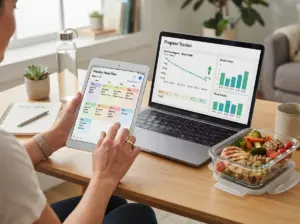
Having eight great recipes is only useful if you actually use them. The most effective approach is to build a loose weekly rotation rather than planning every meal rigidly. Here is a simple framework:
| Day | Recipe | Prep Time |
|---|---|---|
| Monday | Tomato, Orzo, and White Bean Soup | 30 minutes |
| Tuesday | Quick Curry Coconut Shrimp Stir-Fry | 20 minutes |
| Wednesday | Vegetable Frittata with Mushrooms and Cheddar | 25 minutes |
| Thursday | Quinoa Salad Bowls | 15 minutes (with pre-cooked quinoa) |
| Friday | Steak Salad with Cherry-Balsamic Salsa | 25 minutes |
| Saturday | Sausage and Sweet Potato Stuffing (slow cooker) | 10 minutes active, 4-6 hours slow cook |
| Sunday | Avocado and Sprout Sandwich or Gluten-Free Pasta | 5-30 minutes |
Rotate recipes week to week based on what is in season and what you already have in your pantry. Over time, this rotation becomes second nature, and the decision fatigue around dinner disappears almost entirely.
Common Mistakes That Make Healthy Cooking Feel Harder Than It Is
Even with great recipes in hand, a few common habits can make the process feel more difficult than necessary. Avoiding these pitfalls will make a measurable difference.
Mistake 1: Buying ingredients you never use. Stick to recipes that share overlapping ingredients. For example, garlic, olive oil, and onions appear across nearly every recipe in this list. Buying them in bulk saves money and reduces waste.
Mistake 2: Skipping mise en place. This French culinary term simply means “everything in its place.” Measuring and prepping all ingredients before cooking begins eliminates mid-recipe scrambling and reduces the chance of burning something while you hunt for the cumin.
Mistake 3: Treating every meal like a performance. Healthy home cooking does not need to be Instagram-worthy. A frittata that looks slightly uneven still tastes excellent. Give yourself permission to cook imperfectly.
Mistake 4: Not having a backup plan. Keep your pantry stocked with the basics, canned beans, pasta, eggs, and frozen vegetables, so that when fresh ingredients run low, you can still pull together a nutritious meal without a grocery run.
Conclusion
The premise of these 8 simple healthy recipes you can make without overthinking dinner is straightforward: eating well does not require culinary expertise, expensive ingredients, or hours of preparation. It requires a handful of reliable recipes, a reasonably stocked pantry, and the willingness to start.
Each of the eight recipes in this guide was chosen because it delivers genuine nutritional value without demanding complexity. From the hands-off slow-cooker stuffing to the five-minute avocado sandwich, every option here is designed to fit into a real life, not an idealized version of one.
Your actionable next steps:
- Choose two recipes from this list that match the ingredients you already have at home.
- Cook them this week, back to back, without modifying them. Get the base recipe right before customizing.
- Add the remaining recipes to a rotation over the following three weeks, one new dish at a time.
- Build a simple pantry staples list based on the overlapping ingredients across all eight recipes.
- Revisit the weekly rotation table above and adapt it to your schedule each Sunday evening.
Healthy dinners in 2026 do not need to be complicated. They need to be consistent. Start with one recipe tonight, and let the habit build from there.
References
[1] Simple Dinner Ideas – https://www.healthline.com/nutrition/simple-dinner-ideas?utm_source=openai