8 Irresistible Twists on the Classic Asian Cucumber Salad Recipe You Need to Try
A single cucumber salad recipe has generated over 500 million views across TikTok and YouTube combined, and that number keeps climbing in 2026. The dish is not complicated. It is not expensive. Yet something about the sharp tang of rice vinegar, the warmth of sesame oil, and the cool crunch of cucumber has captured the attention of home cooks on every continent. If you have already made the classic version and loved it, the 8 irresistible twists on the classic Asian cucumber salad recipe you need to try will completely change how you think about this humble dish.
Disclosure: This post contains affiliate links. As an Amazon Associate, we earn from qualifying purchases, and at no extra cost to you.
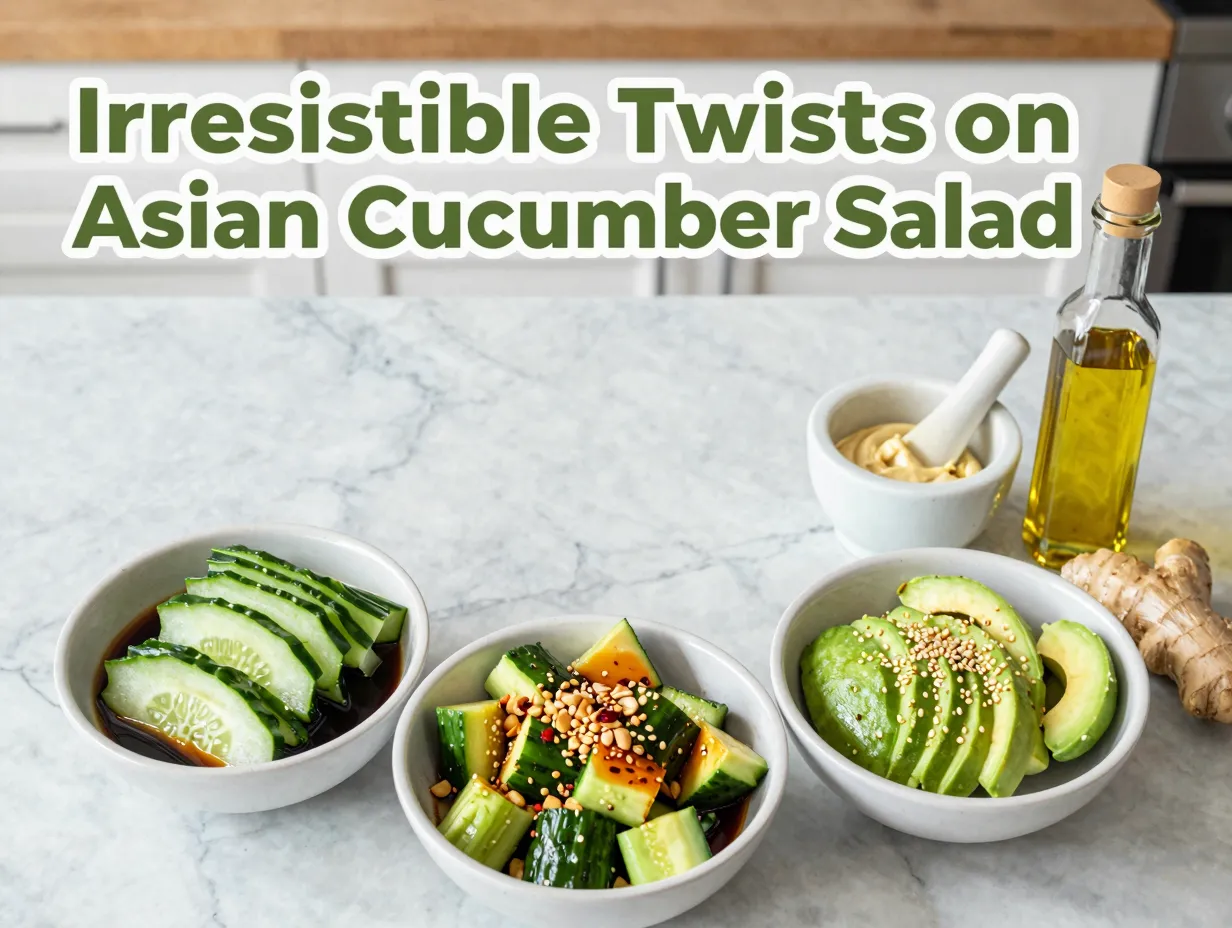
I first encountered a smashed cucumber salad at a tiny Sichuan restaurant years ago. The cook brought it out as a complimentary starter, cold, fiery, and deeply savory. I asked for the recipe. She laughed and said there was no single recipe. That answer stuck with me, and it is exactly the spirit behind this article.
Below, I walk through eight distinct variations, each grounded in real recipe research, that push the classic beyond its comfort zone without losing what makes it great.
Key Takeaways
- The classic Asian cucumber salad is endlessly adaptable, small ingredient swaps create dramatically different flavor profiles.
- Texture matters as much as taste: smashing, accordion-cutting, or adding crunchy toppings transforms the eating experience.
- Most variations take under 15 minutes to prepare, making them practical for weeknight cooking.
- Creamy additions like tahini and avocado balance the sharpness of vinegar-based dressings beautifully.
- Sourcing high-quality sesame oil and fresh aromatics is the single biggest upgrade you can make to any version.
Why the Classic Asian Cucumber Salad Deserves a Fresh Look
Before diving into the 8 irresistible twists on the classic Asian cucumber salad recipe you need to try, it helps to understand what makes the original so compelling in the first place.
The base recipe is deceptively simple: thinly sliced or smashed cucumbers dressed with rice vinegar, sesame oil, soy sauce, garlic, and sometimes a pinch of sugar. The result is a dish that hits salty, sour, savory, and slightly sweet notes all at once. It is low in calories, high in water content, and genuinely refreshing on a hot day.
The problem, if you can call it that, is that once you have made the same version a dozen times, the excitement fades. That is where these twists come in.
What makes a good twist?
A strong variation should do at least one of the following:
- Add a new textural element (crunch, creaminess, or chew)
- Introduce a flavor note not present in the original (nuttiness, heat, herbaceous brightness)
- Change the visual presentation so the dish feels new at the table
- Incorporate an ingredient from a different culinary tradition without losing the Asian flavor foundation
Each of the eight versions below meets at least two of those criteria.
The 8 Irresistible Twists on the Classic Asian Cucumber Salad Recipe You Need to Try
1. Sesame Ginger Dressing Variation
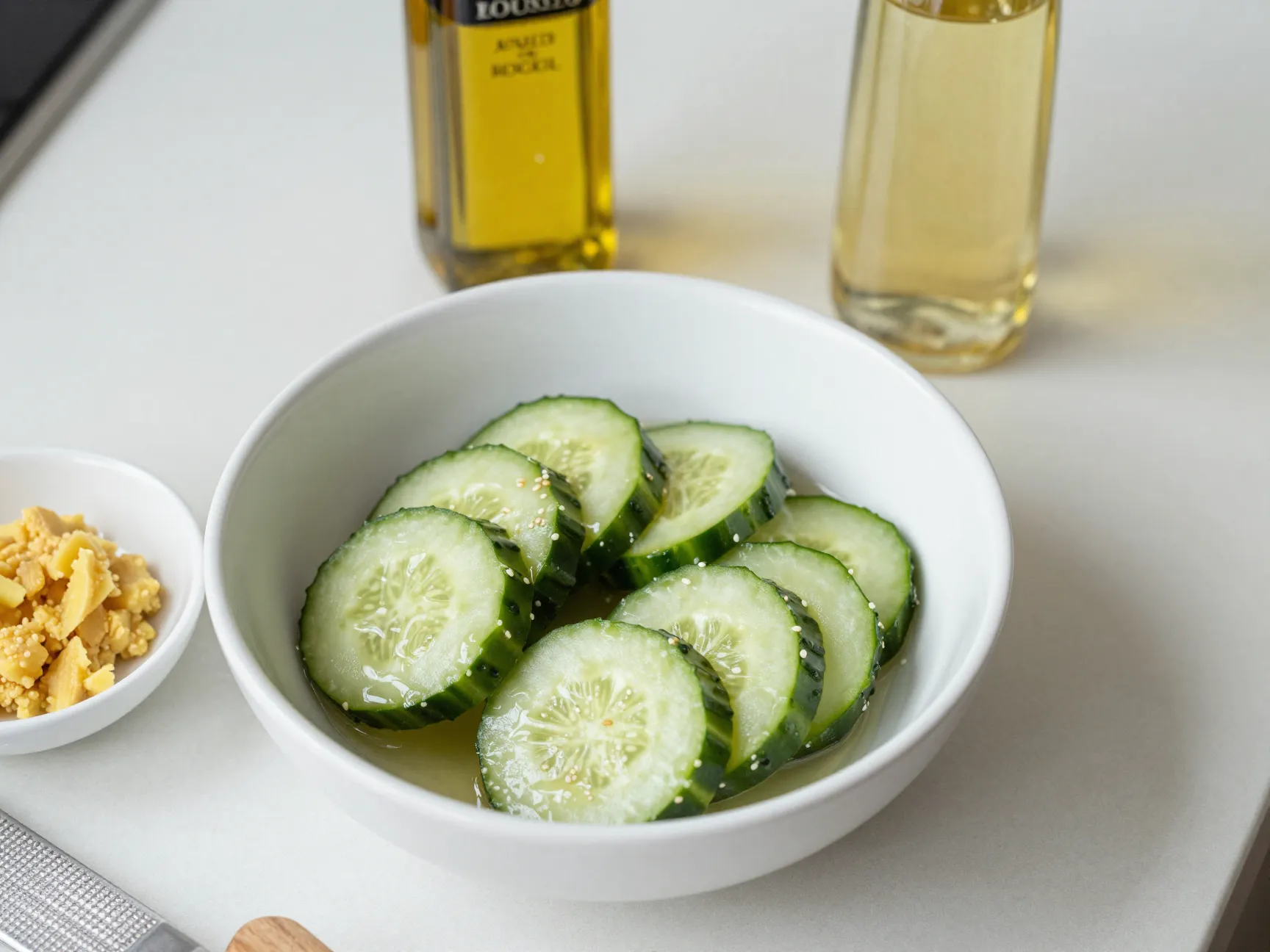
The most accessible upgrade starts with the dressing itself. Instead of a plain sesame-soy base, this version builds a proper sesame ginger dressing by grating fresh ginger directly into the sauce before whisking it together.
Fresh ginger adds a bright, slightly spicy warmth that dried ginger simply cannot replicate. Pair it with toasted sesame oil, a splash of rice vinegar, a small amount of honey, and low-sodium soy sauce. The result is a dressing with noticeably more depth.
This version is quick to prepare, taking only 10 minutes from start to finish [1]. The key technique is letting the sliced cucumbers sit in a light salt brine for five minutes before dressing them. This draws out excess water, which prevents the dressing from becoming diluted.
Pro tip: Use a microplane to grate the ginger. It creates a fine paste that distributes evenly through the dressing rather than leaving fibrous chunks.
2. Pistachio and Cilantro Crunch
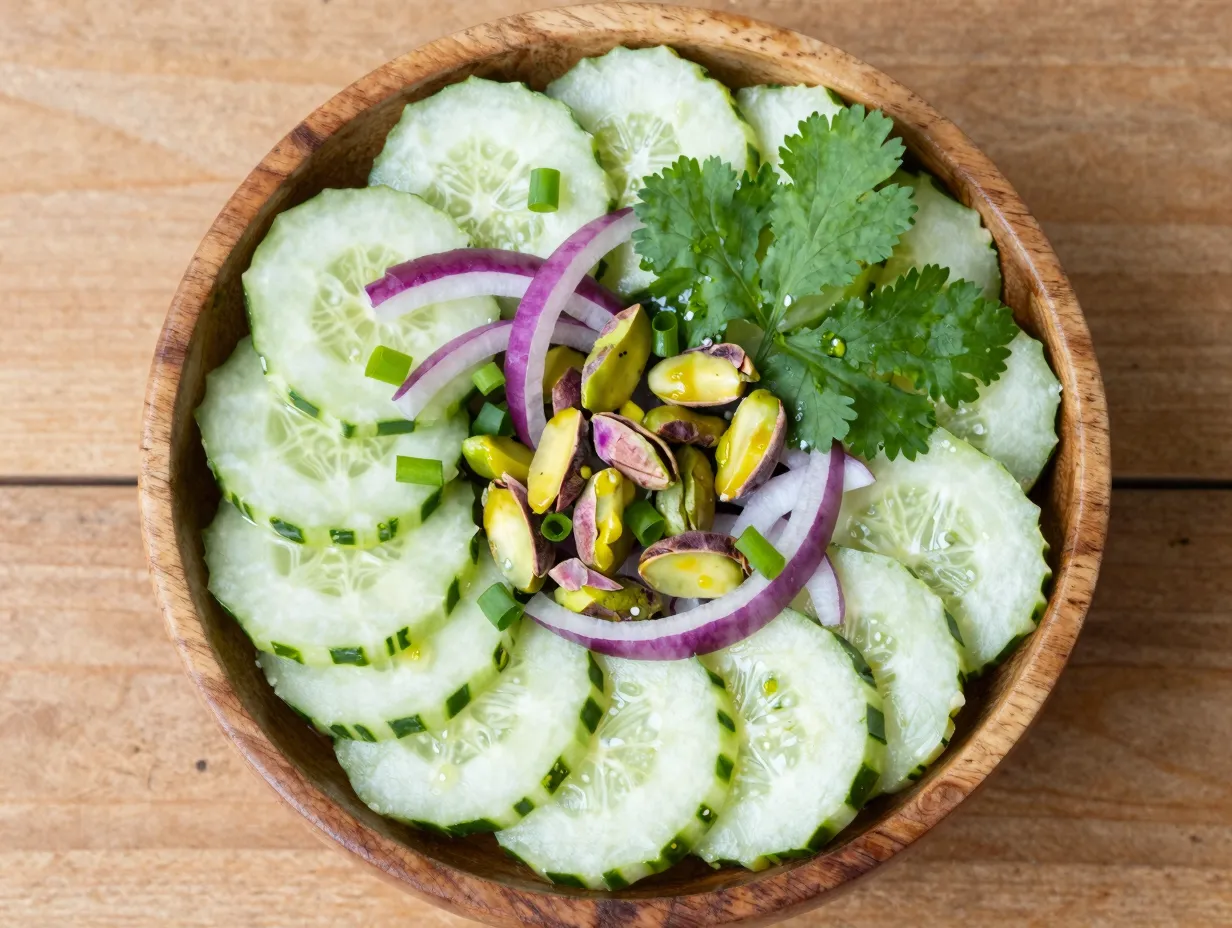
This variation comes from a recipe that layers thinly sliced English cucumbers with red onion, green onion, pistachios, and fresh cilantro, all tossed in a light vinaigrette [2].
The pistachios are the star here. They bring a buttery, slightly sweet nuttiness that is entirely different from the peanuts or sesame seeds typically found in Asian cucumber salads. Their green color also adds visual interest against the pale cucumber slices.
Cilantro is a polarizing herb, but in this context it works beautifully. Its bright, citrusy notes cut through the richness of the nuts and the sharpness of the red onion.
Ingredient breakdown:
| Ingredient | Role in the Dish |
|---|---|
| English cucumber | Clean, mild base with thin skin |
| Red onion | Sharp, slightly sweet bite |
| Green onion | Mild allium freshness |
| Pistachios | Buttery crunch and color |
| Cilantro | Herbal brightness |
| Light vinaigrette | Ties all elements together |
If you dislike cilantro, flat-leaf parsley makes a reasonable substitute, though the flavor profile shifts slightly toward a more Mediterranean character.
3. Honey-Roasted Peanut Sweetness
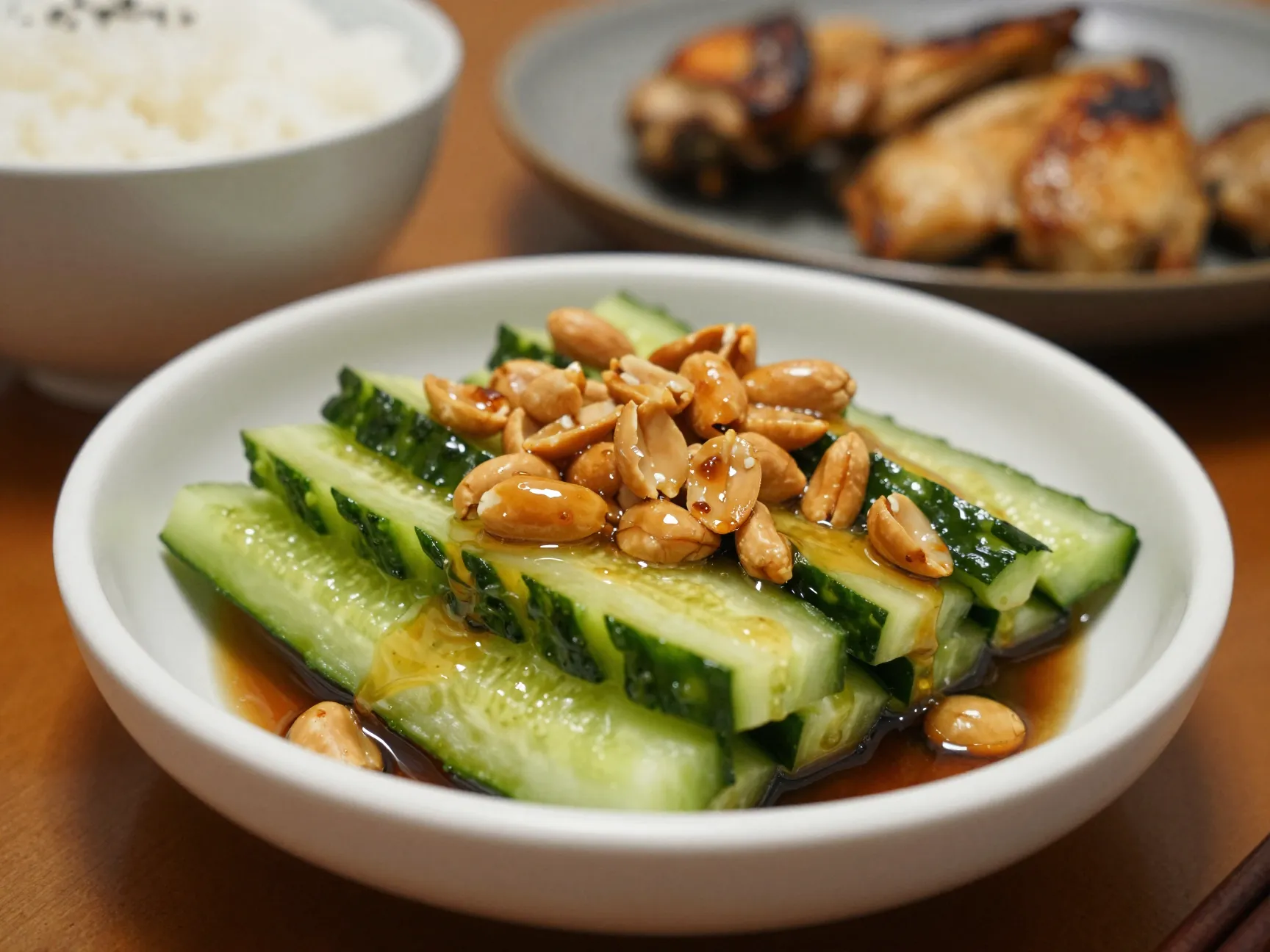
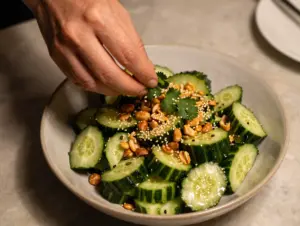
This twist leans into the sweet-savory tension that defines much of Southeast Asian cooking. The addition of honey-roasted peanuts introduces both crunch and a caramelized sweetness that plays against the salty, tangy dressing [3].
The dressing for this version is a sweet and savory sesame blend, think toasted sesame oil, soy sauce, a touch of rice vinegar, and a small drizzle of honey. The honey-roasted peanuts scattered on top echo the honey in the dressing, creating a flavor through-line that makes the dish feel intentional rather than assembled.
This is an excellent version for people who find straight vinegar-forward dressings too sharp. The sweetness rounds out the edges without making the salad feel heavy.
Serving suggestion: Add this version alongside grilled chicken thighs or a simple rice bowl. The sweetness in the salad complements savory, lightly charred proteins exceptionally well.
4. Spicy Smashed Cucumber Salad
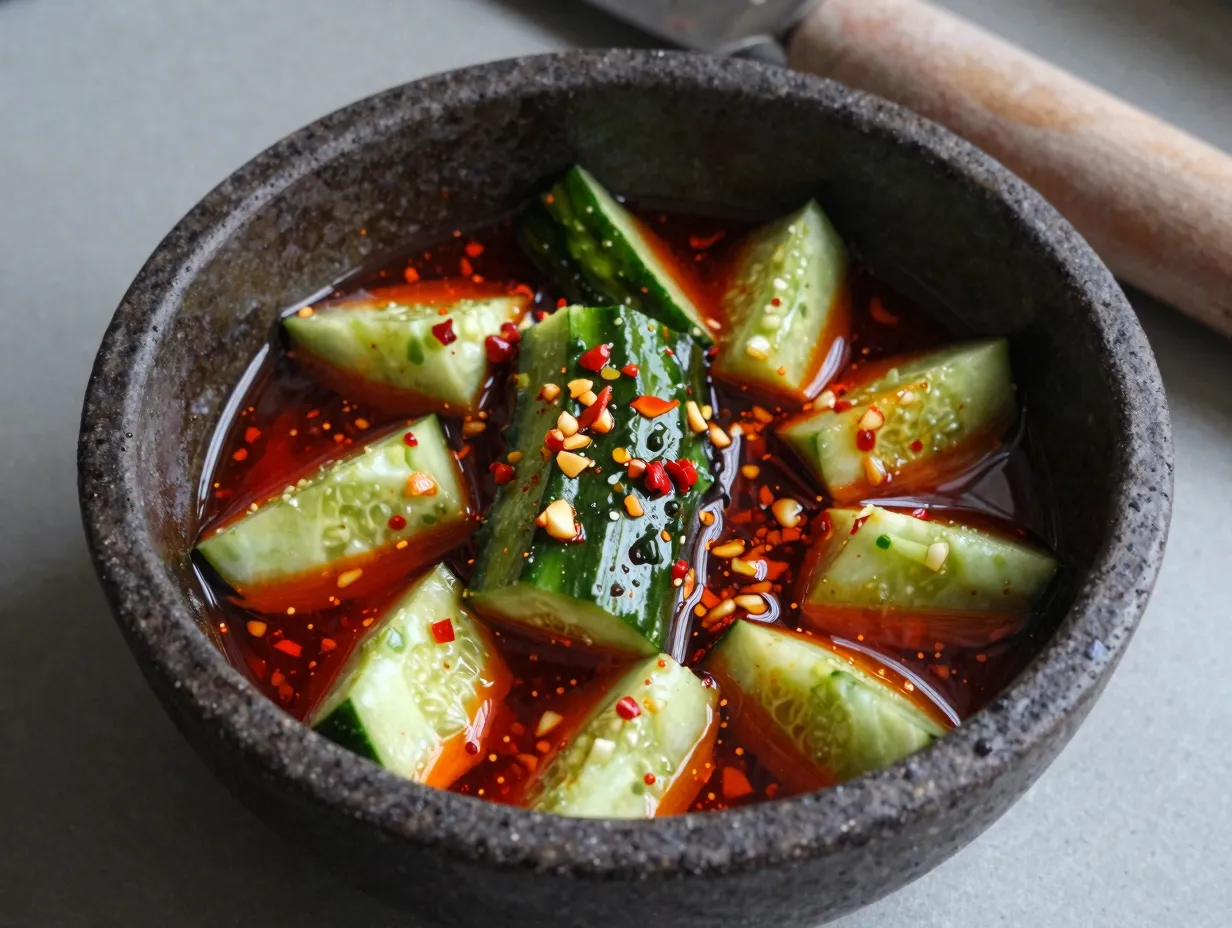
The smashed cucumber technique went viral for a reason. When you press a cucumber firmly with the flat side of a knife or a rolling pin, the flesh fractures into irregular pieces with jagged edges. Those edges absorb dressing far more efficiently than smooth, sliced surfaces.
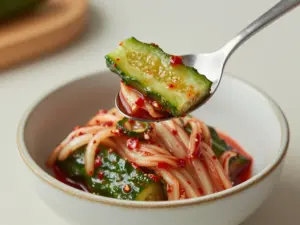
Inspired by a viral TikTok trend, this version involves smashing cucumbers and marinating them in a spicy dressing to enhance both texture and flavor absorption [4]. The dressing typically includes chili oil, garlic, rice vinegar, soy sauce, and a pinch of sugar.
The result is a salad that tastes more intensely seasoned than its ingredient list suggests. The irregular shapes also make it visually striking, no two pieces look the same.
Step-by-step smashing technique:
- Wash and dry the cucumber thoroughly.
- Place it on a cutting board and lay the flat side of a large knife on top.
- Press down firmly with the heel of your hand until the cucumber cracks.
- Cut the cracked cucumber into rough 1-inch pieces.
- Salt lightly and let sit for 10 minutes, then pat dry before dressing.
The salting step is non-negotiable. It removes the water that would otherwise water down your carefully balanced dressing.
5. Accordion-Cut Cucumbers with Spicy Sesame Soy Dressing
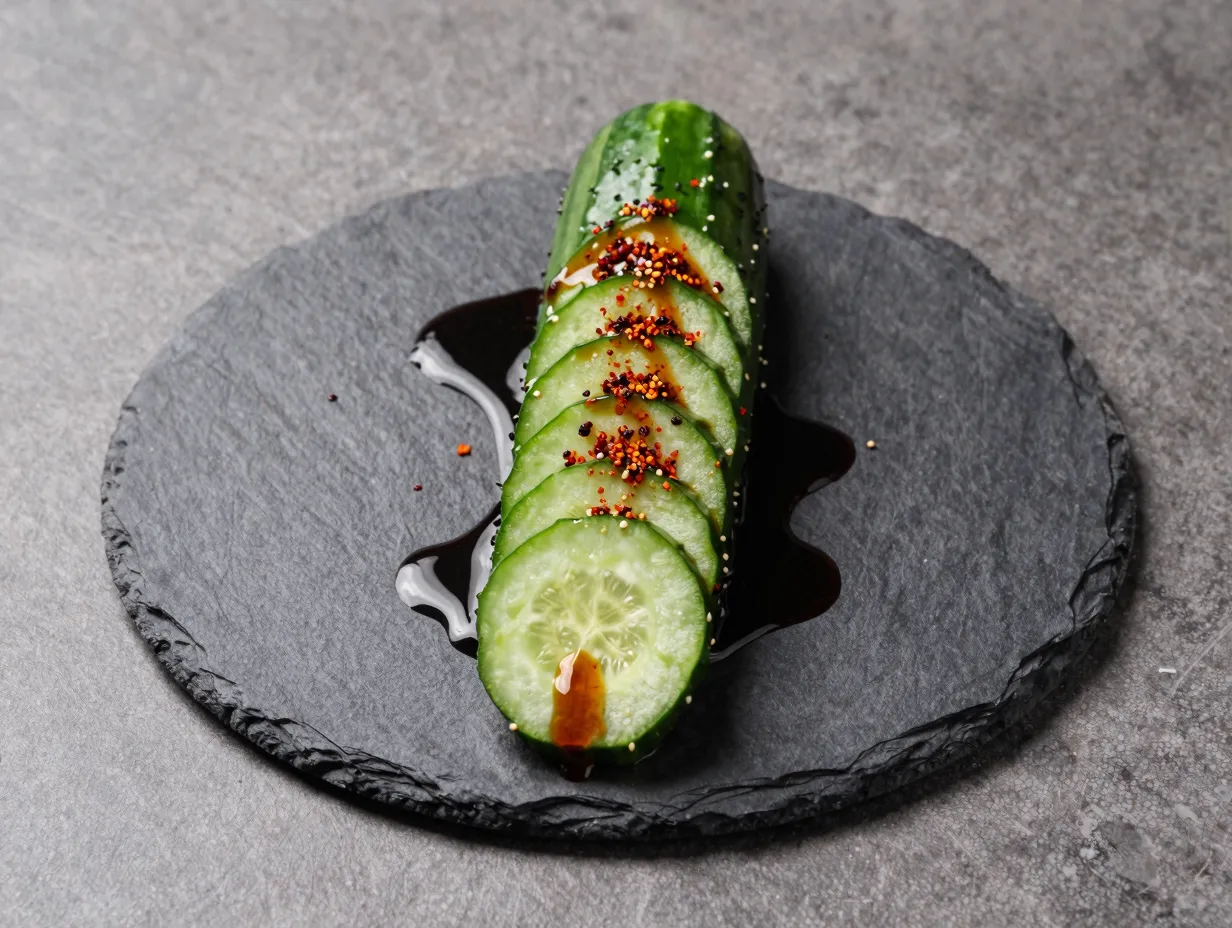
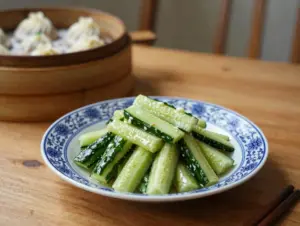
This is the most visually dramatic entry on the list. The accordion cut, sometimes called a spiral or fan cut, involves making a series of diagonal cuts almost all the way through the cucumber from one side, then flipping it and repeating from the other side. The result is a cucumber that fans out like an accordion when stretched.
Beyond aesthetics, the accordion cut dramatically increases the surface area of the cucumber, allowing a spicy sesame soy dressing to penetrate deeply into every crevice [5].
The dressing for this version leans spicy and umami-forward: toasted sesame oil, soy sauce, gochugaru or chili flakes, minced garlic, and a small amount of rice vinegar. The spice level is adjustable, start with half a teaspoon of chili flakes and increase from there.
Why this version impresses at dinner parties:
The accordion cut requires no special equipment and takes about three minutes per cucumber once you get the hang of it. Yet the finished dish looks like it came from a restaurant kitchen. It is one of those rare techniques where the visual payoff far exceeds the effort required.
6. Garlic Chives and Chili Paste Depth
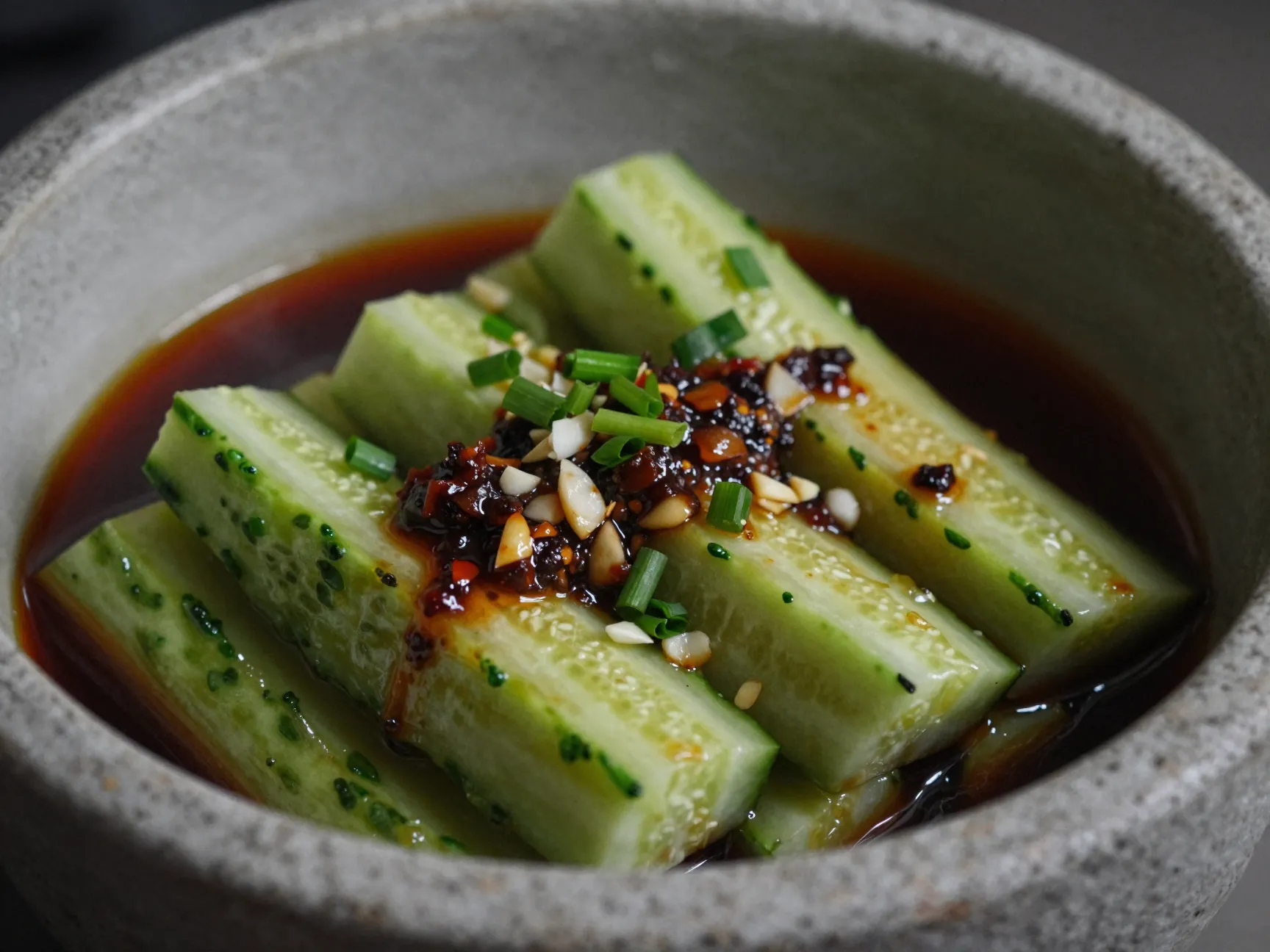
This variation draws on a more traditional flavor profile. A ginger-soy dressing spiked with chili paste and plenty of garlic chives creates a vibrant, complex flavor that feels rooted in East Asian home cooking [6].
Garlic chives, sometimes labeled Chinese chives, are wider and flatter than regular chives. They have a pronounced garlic flavor that regular chives lack. Combined with chili paste (doubanjiang or gochujang both work well here), they create a dressing with genuine heat and fermented depth.
This is the version I reach for when I want the salad to feel like a full flavor experience rather than a light side dish. The fermented notes in the chili paste add an umami backbone that makes the whole dish taste more complex.
Flavor profile comparison:
| Version | Heat Level | Umami Depth | Sweetness |
|---|---|---|---|
| Classic sesame-soy | Low | Medium | Low |
| Garlic chives + chili paste | High | High | Low |
| Honey-roasted peanut | Low | Medium | High |
| Spicy smashed | Medium-High | Medium | Low |
7. Tahini Twist for Creamy Depth
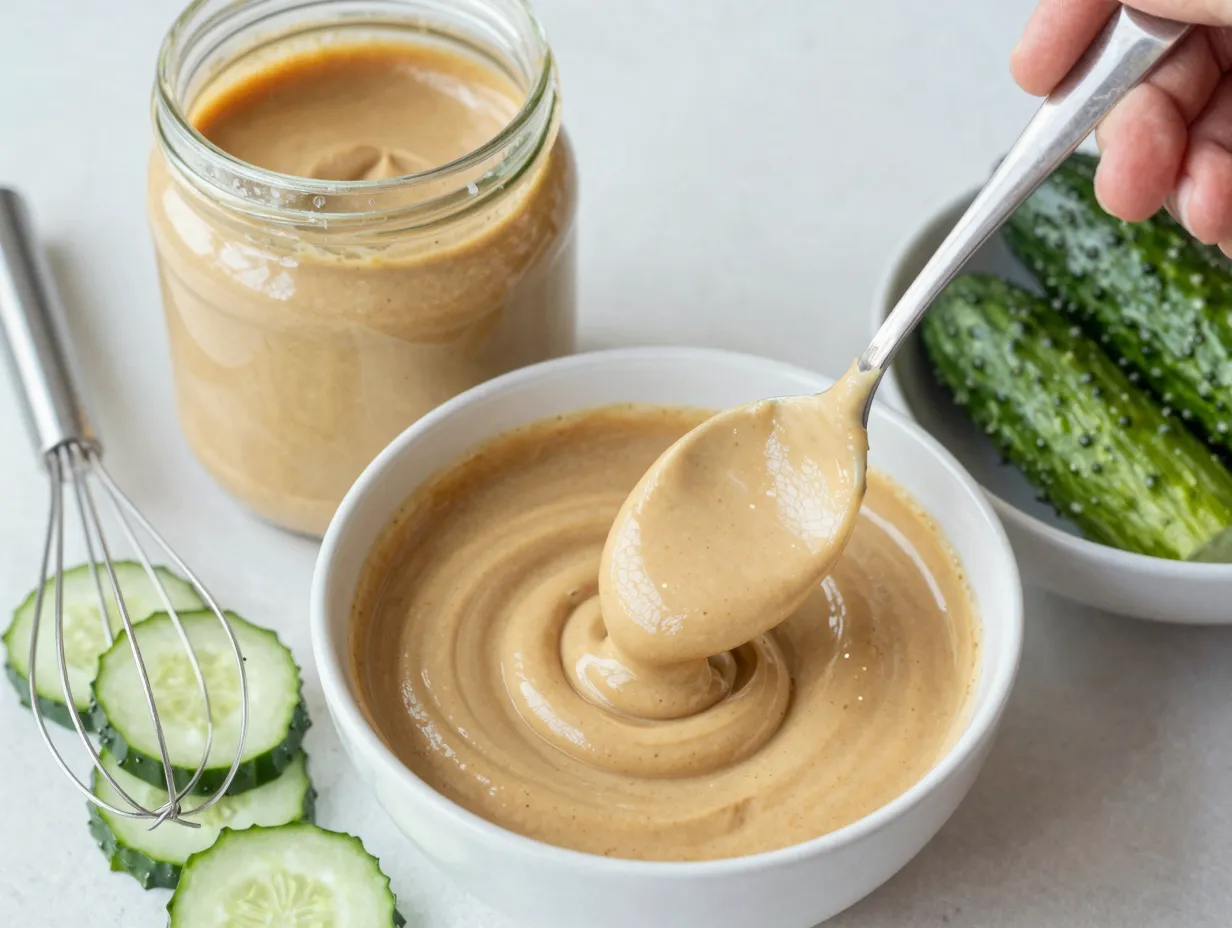
This is the most unexpected entry on the list, and it may be the one that surprises you most. An adaptation of the classic salad incorporates tahini into the dressing, creating a creamy texture and a deep, nutty flavor that is entirely different from sesame oil alone [7].
Tahini is made from ground sesame seeds, so it stays within the sesame flavor family. But its thick, paste-like consistency transforms the dressing from a thin liquid into something that clings to every cucumber slice. The result is richer and more substantial than the classic version.
The dressing formula is straightforward: two tablespoons of tahini, one tablespoon of rice vinegar, one tablespoon of soy sauce, one teaspoon of sesame oil, one minced garlic clove, and enough water to thin it to a pourable consistency.
Important technique note: Tahini seizes up when it first contacts an acid like vinegar. Whisk the tahini with the soy sauce and water first, then add the vinegar gradually. This prevents clumping and produces a smooth, emulsified dressing.
This version pairs particularly well with Persian or Lebanese cucumbers, which have a thinner skin and a slightly sweeter flesh than standard English cucumbers.
8. Avocado Addition for Creamy Contrast
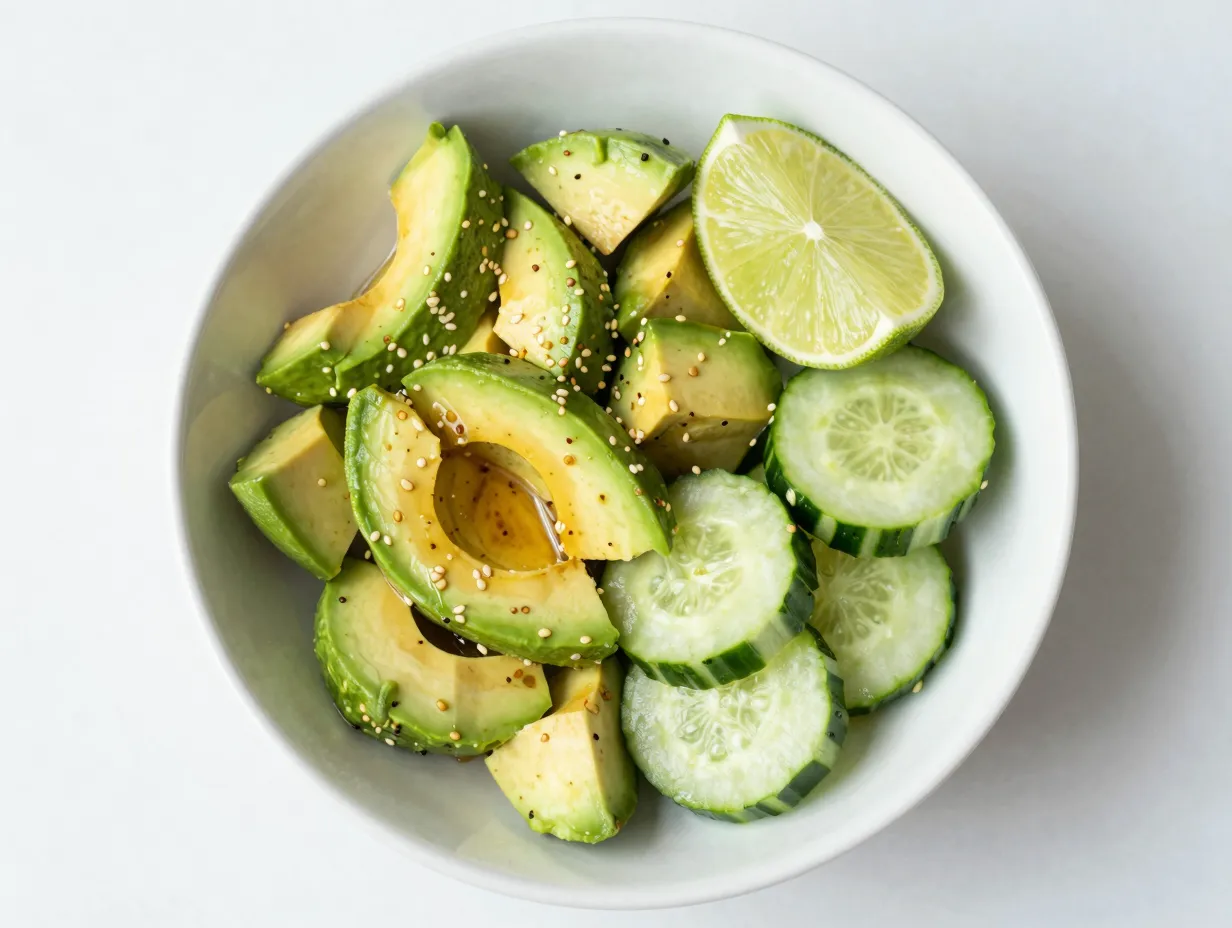
The final twist on the 8 irresistible twists on the classic Asian cucumber salad recipe you need to try introduces avocado, a bold move that pays off consistently [3].
Diced avocado adds a buttery, creamy element that contrasts directly with the crisp cucumber. It also softens the sharpness of the vinegar-based dressing, making the overall flavor profile more approachable for people who find acid-forward salads too intense.
The key to making this work is timing. Avocado oxidizes quickly, so add it immediately before serving rather than tossing it with the cucumbers during prep. A light squeeze of lime juice over the avocado chunks before adding them to the bowl slows oxidation and adds a citrus note that complements the sesame dressing.
Best cucumber-to-avocado ratio: Two medium cucumbers to one ripe avocado. This keeps the cucumber as the dominant ingredient while allowing the avocado to register as a distinct textural element rather than disappearing into the background.
Practical Tips for Making Any Variation Succeed
Regardless of which of these eight twists you choose, a few universal principles apply.
Cucumber selection matters. English cucumbers and Persian cucumbers are the best choices for most versions. They have fewer seeds, thinner skins, and a cleaner flavor than standard garden cucumbers. If you use garden cucumbers, peel them and scoop out the seeds before slicing.
Salt before dressing. Almost every version benefits from a brief salting period. Sprinkle sliced or smashed cucumbers with a half teaspoon of kosher salt, let them sit for 5 to 10 minutes, then pat them dry. This concentrates the cucumber flavor and prevents the dressing from becoming watery.
Toast your sesame seeds. If your recipe calls for sesame seeds as a garnish, toast them in a dry pan over medium heat for two to three minutes until golden. The difference in flavor between raw and toasted sesame seeds is significant.
Dress right before serving. Most of these salads are best eaten within 30 minutes of dressing. The cucumbers continue to release water over time, which dilutes the dressing and softens the texture.
Adjust acid to taste. Rice vinegar varies in strength between brands. Start with less than the recipe calls for, taste, and add more gradually. You can always add more acid; you cannot take it away.
Pairing Suggestions for Each Variation
| Variation | Best Paired With |
|---|---|
| Sesame Ginger | Steamed dumplings, miso soup |
| Pistachio and Cilantro | Grilled fish, rice pilaf |
| Honey-Roasted Peanut | Grilled chicken, noodle bowls |
| Spicy Smashed | Pork belly, congee |
| Accordion-Cut Sesame Soy | Sushi, cold tofu |
| Garlic Chives and Chili Paste | Korean BBQ, bibimbap |
| Tahini Twist | Falafel wraps, roasted vegetables |
| Avocado Addition | Teriyaki salmon, brown rice bowls |
Common Mistakes to Avoid
Even experienced cooks make predictable errors with cucumber salads. Here are the most common ones.
Skipping the salting step. This is the most frequent mistake. Unsalted cucumbers release water into the dressing within minutes, turning a vibrant, well-seasoned salad into a diluted, soggy disappointment.
Using low-quality sesame oil. Sesame oil is the backbone of most of these dressings. A cheap, refined sesame oil has almost no flavor. Spend a little more on a toasted sesame oil from a reputable brand, the difference is immediately noticeable.
Over-dressing the salad. These dressings are concentrated and bold. Start with less than you think you need, toss, taste, and add more if necessary. An over-dressed cucumber salad is heavy and overwhelming.
Preparing too far in advance. Unlike grain salads or slaws, cucumber salads do not improve with time. Make them close to serving for the best texture and flavor.
Conclusion
The classic Asian cucumber salad is one of those rare dishes that rewards both simplicity and experimentation equally. The 8 irresistible twists on the classic Asian cucumber salad recipe you need to try, from the quick sesame ginger version to the dramatic accordion-cut presentation to the unexpected tahini dressing, prove that a handful of thoughtful ingredient changes can produce entirely new eating experiences without requiring advanced cooking skills or expensive equipment.
My recommendation: start with the version that appeals most to your current pantry. If you have tahini sitting in the back of the refrigerator, try the tahini twist this week. If you have a ripe avocado on the counter, go straight to variation eight. The barrier to entry is low, and the payoff is immediate.
Actionable next steps:
- Choose one variation from this list and make it this week using the salting technique described above.
- Invest in a quality toasted sesame oil if you do not already have one, it elevates every version on this list.
- Try the smashed cucumber technique at least once. It takes three minutes and changes the character of the dish completely.
- Once you are comfortable with individual variations, experiment with combining elements, pistachio crunch with the tahini dressing, for example, or avocado with the spicy smashed base.
The best version of this salad is the one you make repeatedly, adjust over time, and eventually call your own.
References
[1] Asian Cucumber Salad – https://www.fooddolls.com/asian-cucumber-salad/?utm_source=openai
[2] Asian Cucumber Salad – https://www.theharvestkitchen.com/asian-cucumber-salad/?utm_source=openai
[3] Asian Cucumber Salad – https://www.wellplated.com/asian-cucumber-salad/?utm_source=openai
[4] Asian Cucumber Salad – https://www.cookist.com/asian-cucumber-salad/?utm_source=openai
[5] Asian Cucumber Salad – https://www.ketofocus.com/recipes/asian-cucumber-salad/?utm_source=openai
[6] Asian Cucumber Salad – https://nourishedkitchen.com/asian-cucumber-salad/?utm_source=openai
[7] Asian Smashed Cucumber Salad – https://www.drtarasunshine.com/food-joy/asian-smashed-cucumber-salad?utm_source=openai