9 Amazing Food Hacks That Save Time Without Sacrificing Flavor
The average American spends about 37 minutes a day cooking and cleaning up after meals, yet nearly 60% of people say they still feel like they never have enough time in the kitchen. That tension between wanting great food and not having hours to make it is something I have wrestled with personally for years. The good news is that the 9 amazing food hacks that save time without sacrificing flavor covered in this article are not gimmicks. They are tested, practical strategies backed by food science and culinary expertise that genuinely work.
Disclosure: This post contains affiliate links. As an Amazon Associate, we earn from qualifying purchases, and at no extra cost to you.
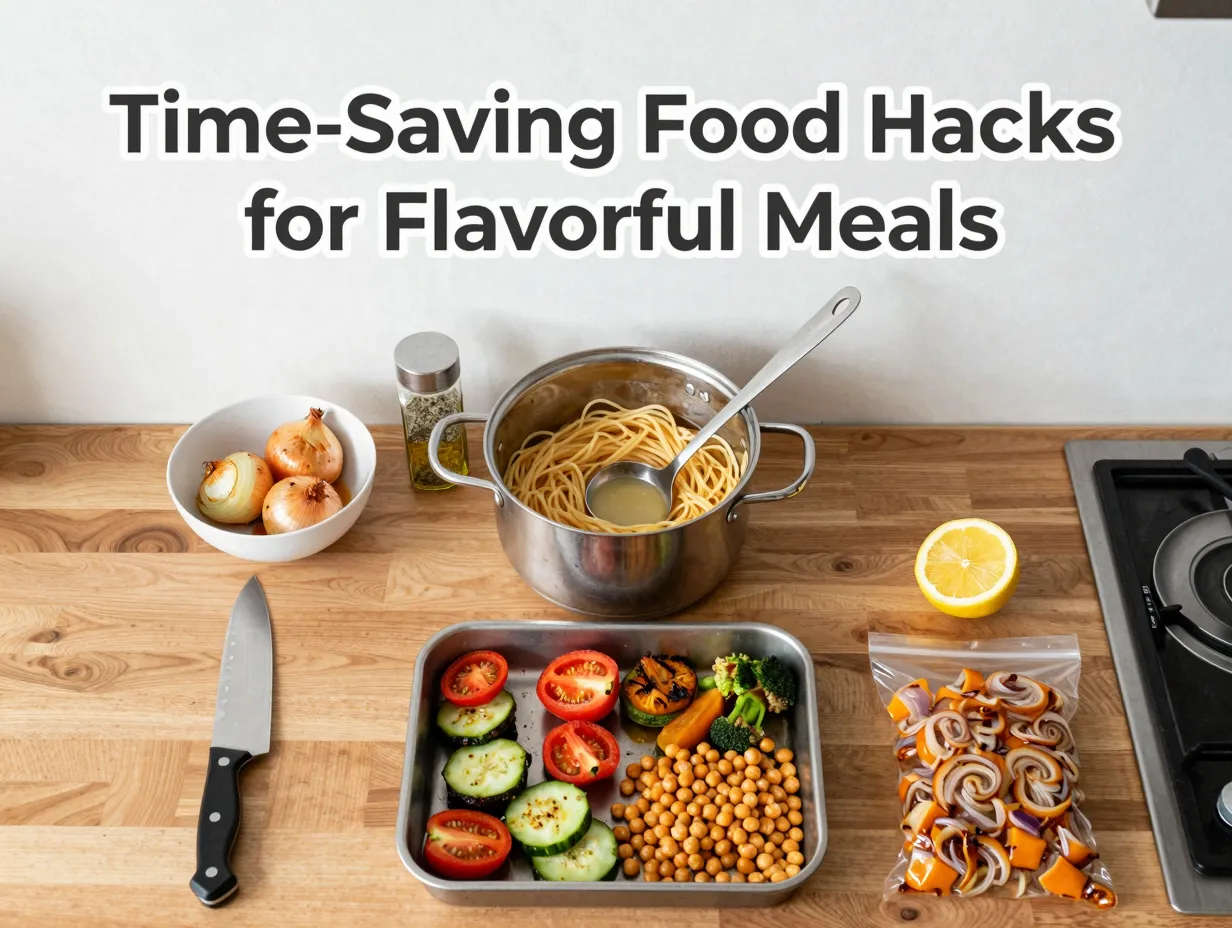
Whether you are a weeknight warrior trying to get dinner on the table fast or someone who wants to cook smarter without dumbing down your meals, these hacks will change how you approach the kitchen in 2026.
Key Takeaways
- Microwaving aromatics like onions cuts prep time by two-thirds while preserving deep, sweet flavor
- Keeping quick-cooking staples such as couscous, canned beans, and vermicelli on hand slashes weeknight cook times dramatically
- Batch prepping and freezing flavor bases means you always have a head start on complex dishes
- Sharp knives, smart pantry organization, and a few strategic tools eliminate the hidden time drains most cooks overlook
- Small technique upgrades, like blooming spices or using pasta cooking water, deliver outsized flavor payoffs with zero extra time
Why Most Kitchen Shortcuts Fail (And How These Are Different)
Most so-called kitchen shortcuts fall into one of two traps. Either they cut corners so aggressively that the food tastes flat and disappointing, or they require specialty equipment that sits unused in a drawer after the first week. I learned this the hard way after buying a gadget that promised to “julienne anything in seconds.” It julienned nothing well and took longer to clean than it saved.
The 9 amazing food hacks that save time without sacrificing flavor in this article are different because they work with food science rather than against it. They respect the Maillard reaction, the value of aromatics, and the role of seasoning, they just find smarter paths to those outcomes. According to food experts, the best shortcuts are the ones that compress time without compressing flavor development [4].
The distinction matters. A shortcut that saves five minutes but produces a dish you do not enjoy eating is not actually saving you anything.
The 9 Amazing Food Hacks That Save Time Without Sacrificing Flavor
1. Microwave Your Aromatics to Build Flavor Bases Fast
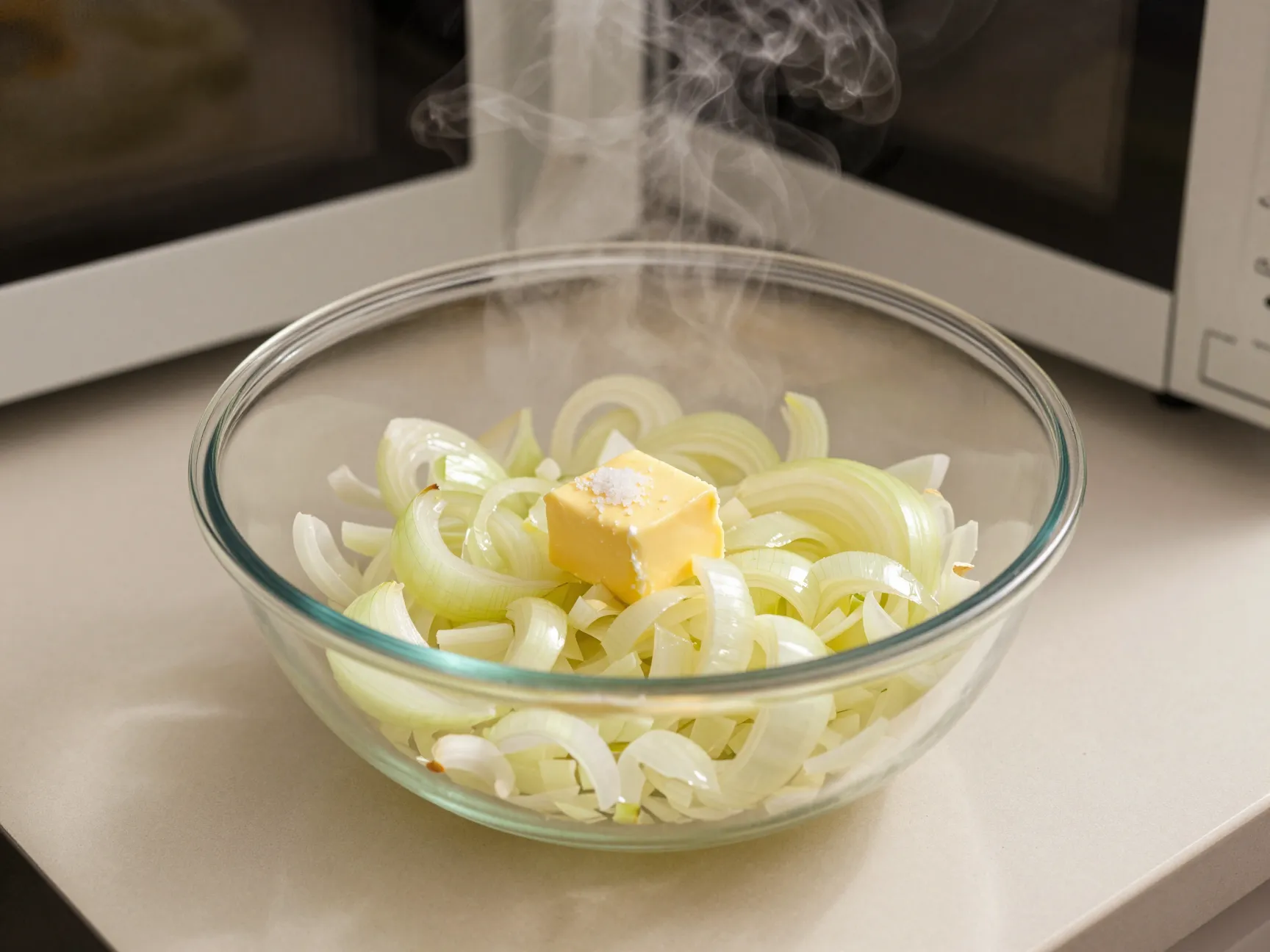
One of the most underrated tricks in professional-adjacent home cooking is using the microwave not just for reheating, but for actually developing flavor. BBC Good Food recommends placing one chopped onion with a teaspoon of butter in a microwave-safe bowl and cooking on full power for 4 to 5 minutes, stirring a couple of times [4]. The result is a sweet, soft, deeply flavored onion base that rivals pan-sautéed onions, in roughly one-third the time.
Pan-sautéing onions typically takes 10 to 15 minutes. The microwave method gets you there in under five. The onions soften and sweeten through a combination of steam and heat, and while you will not get the same caramelized browning as a long, slow sauté, the flavor payoff for a quick weeknight sauce, soup, or stir-fry is genuinely impressive [4].
Pro tip: Add a pinch of salt to the bowl before microwaving. Salt draws out moisture and accelerates the softening process, giving you an even better result.
2. Stock Your Pantry With Quick-Cooking Staples
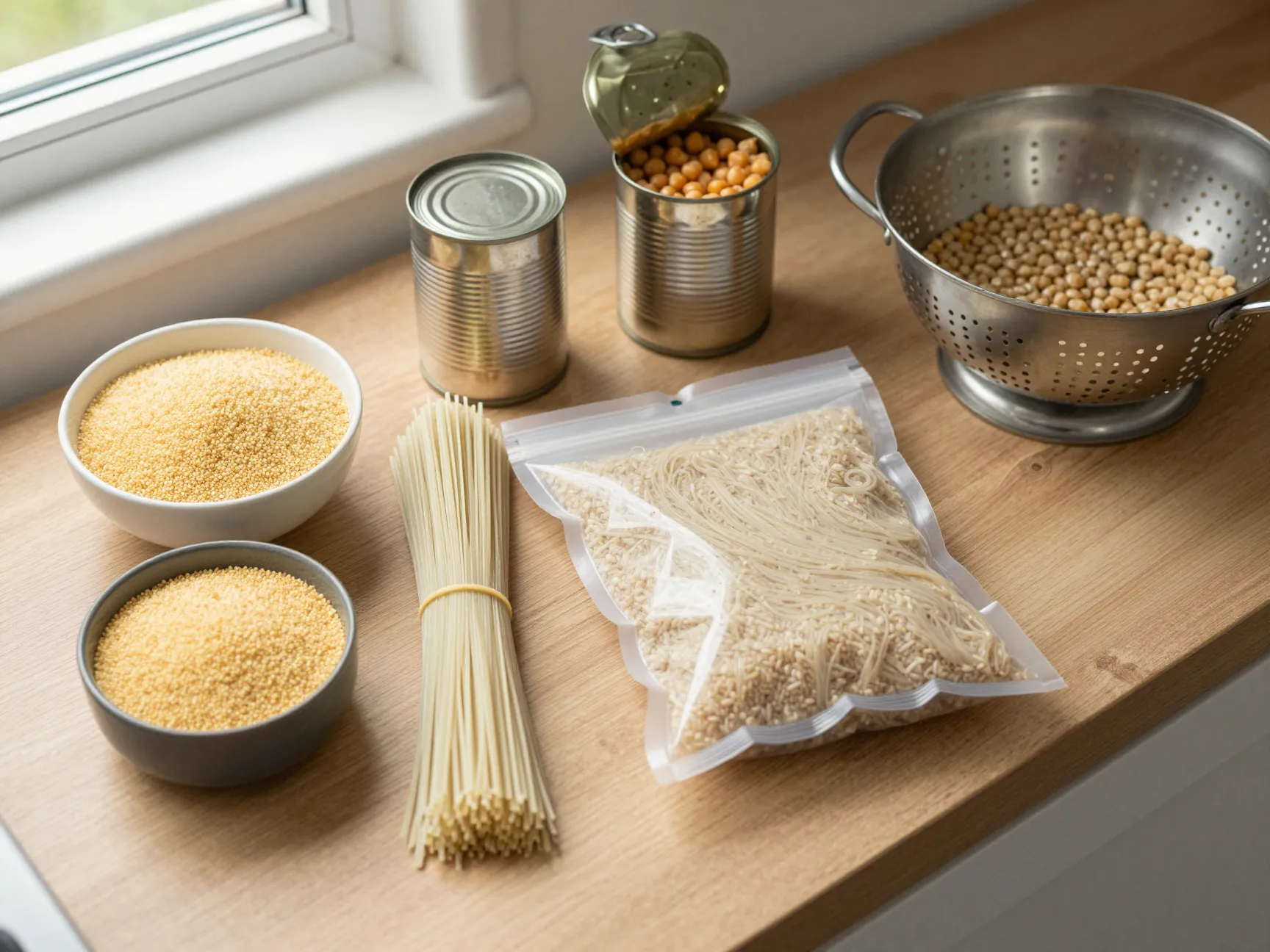
The single biggest time drain in most home kitchens is not the cooking itself, it is the gap between deciding what to make and actually having the right ingredients ready. Good Housekeeping’s food experts recommend keeping quick-cooking foods like couscous, vermicelli noodles, brown rice pouches, and canned beans on hand at all times [6].
Here is why this matters practically:
| Ingredient | Typical Cook Time | Flavor Versatility |
|---|---|---|
| Couscous | 5 minutes (just add boiling water) | High, absorbs any spice profile |
| Vermicelli noodles | 3 to 4 minutes | High, works in Asian and Mediterranean dishes |
| Canned beans | 0 minutes (ready to use) | High, protein, fiber, neutral base |
| Microwavable brown rice | 90 seconds | Medium, nutty, filling |
Canned beans deserve special mention. Experts emphasize draining and rinsing them thoroughly to remove the starchy liquid from the can, which can mute flavor and create an unpleasant texture [6]. Once rinsed, they are genuinely ready to go, no soaking, no long simmer.
3. Bloom Your Spices in Oil Before Adding Other Ingredients
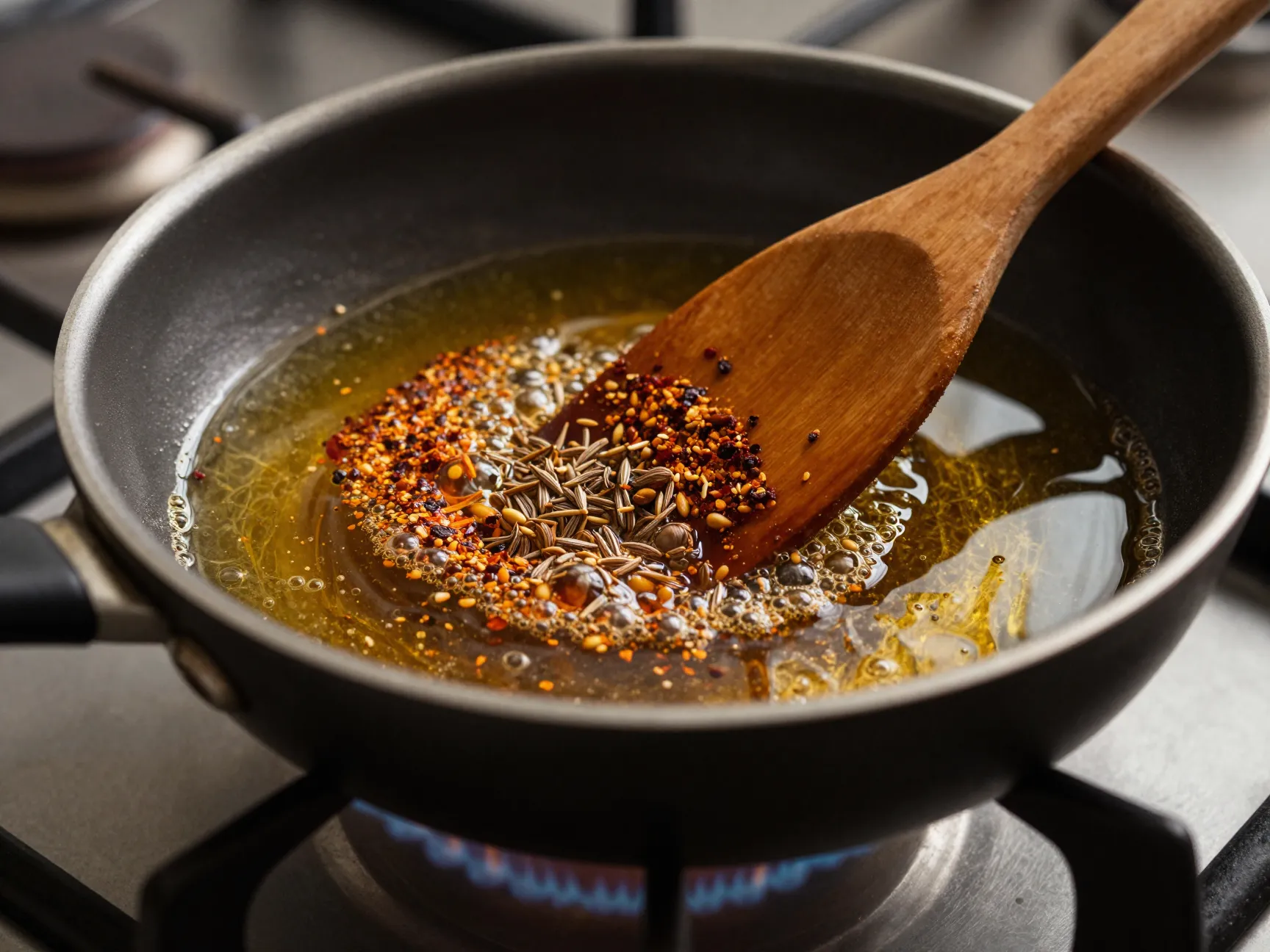
This is a technique borrowed from Indian and Middle Eastern cooking traditions, and it delivers a disproportionate flavor return for almost no extra time. Blooming means heating whole or ground spices in a small amount of oil for 30 to 60 seconds before adding any other ingredients to the pan.
The heat causes fat-soluble flavor compounds in the spices to activate and disperse throughout the oil. When you then add your other ingredients, every component of the dish gets coated in that flavor-rich oil rather than just sitting next to dry spice powder. The result tastes like you cooked for an hour longer than you actually did [9].
This works with cumin seeds, coriander, smoked paprika, turmeric, and dozens of other spices. The time cost is under a minute. The flavor cost of skipping it is enormous.
“The difference between a dish that tastes flat and one that tastes complex is often not the ingredients, it is what you do with them in the first 60 seconds of cooking.”
4. Use Pasta Cooking Water as a Flavor Amplifier
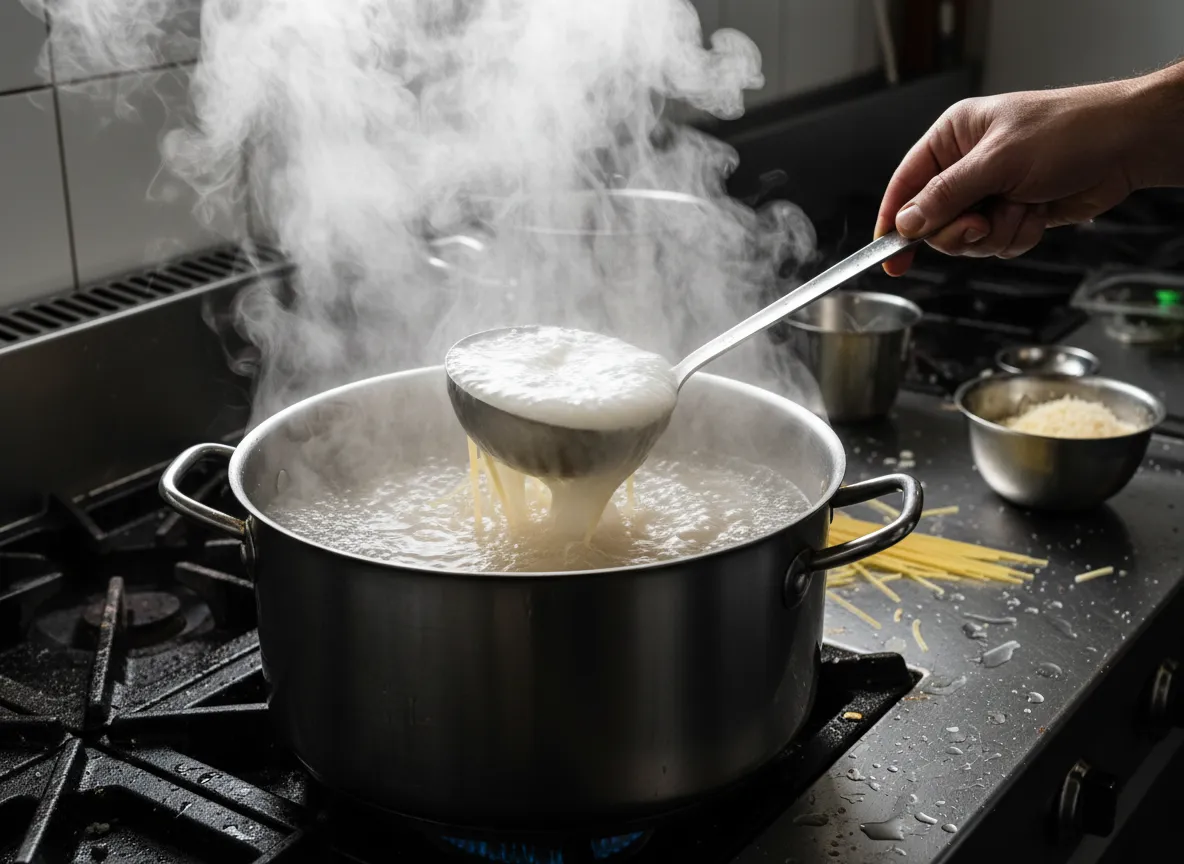
If you have ever watched a professional chef finish a pasta dish, you have probably noticed them ladling in a cup of cloudy, starchy water from the pasta pot. That water is not an afterthought, it is a tool. The starch released by cooking pasta creates an emulsifying agent that binds sauce to noodles and creates a silky, restaurant-quality texture [5].
Beyond texture, pasta water is already salted (you did salt your pasta water generously, right?), which means it seasons the dish as it integrates. Food Network’s kitchen experts highlight this as one of the most impactful time-saving techniques because it eliminates the need to make a separate sauce base or spend extra time reducing a thin sauce [5].
How to use it: Before draining your pasta, scoop out at least one cup of cooking water. Add it to your sauce a few tablespoons at a time, tossing the pasta vigorously until the sauce coats every strand.
5. Batch Prep and Freeze Flavor Bases
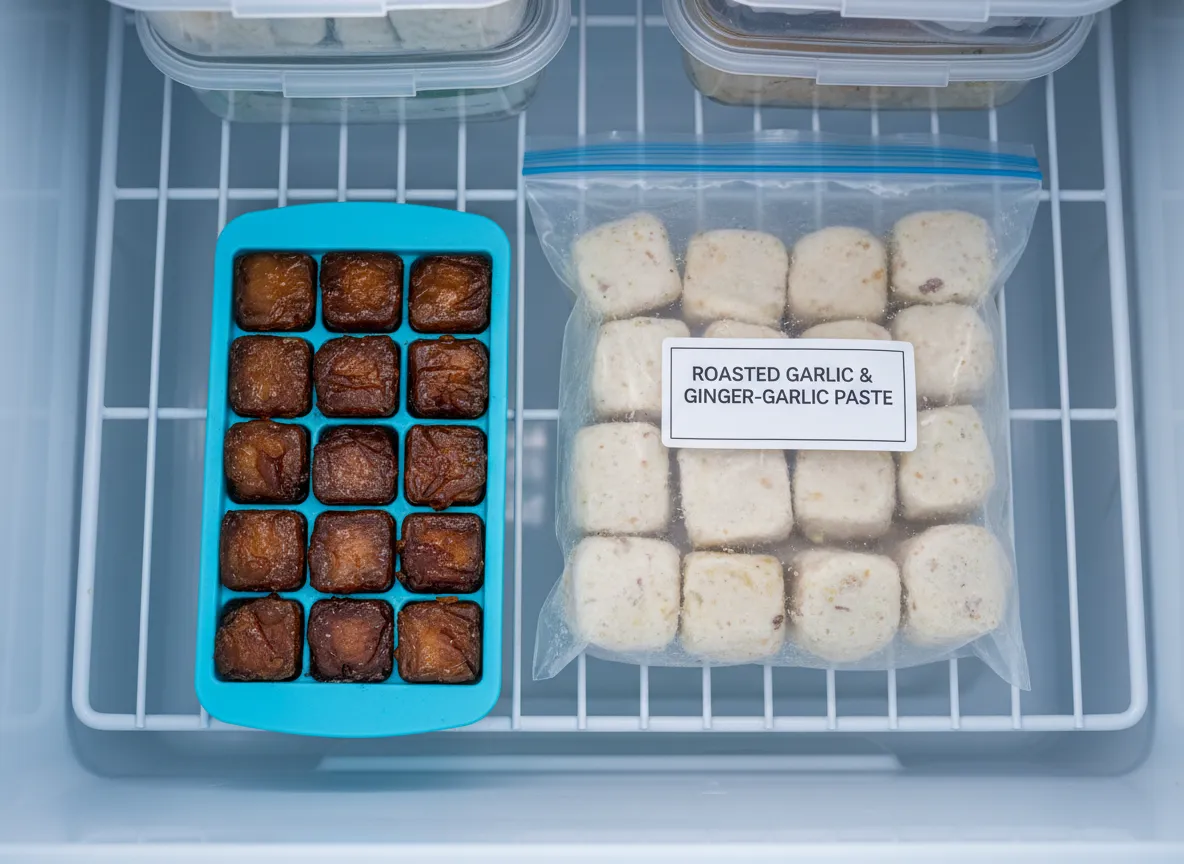
I started doing this on Sunday afternoons about two years ago, and it fundamentally changed how I cook during the week. The idea is simple: make large batches of flavor bases, soffritto, caramelized onions, roasted garlic, ginger-garlic paste, and freeze them in ice cube trays. Once frozen, transfer the cubes to labeled freezer bags.
On a busy Tuesday night, you drop two or three cubes into a hot pan and you instantly have a deeply flavored starting point for any dish. CNET’s cooking experts call this one of the most reliable methods for cutting weeknight cook times without sacrificing the depth that comes from properly built flavor foundations [1].
The time investment is about 45 minutes on the weekend. The payoff is 10 to 15 minutes saved on every weeknight meal for the next several weeks.
Flavor bases worth freezing:
- Caramelized onions (freeze in 2-tablespoon portions)
- Roasted garlic (freeze whole cloves or as a paste)
- Ginger-garlic paste (a staple in South Asian cooking)
- Tomato soffritto (onion, celery, carrot cooked down in olive oil)
- Herb oils (blended fresh herbs with olive oil)
6. Keep a Sharp Knife, It Is the Fastest Tool in Your Kitchen
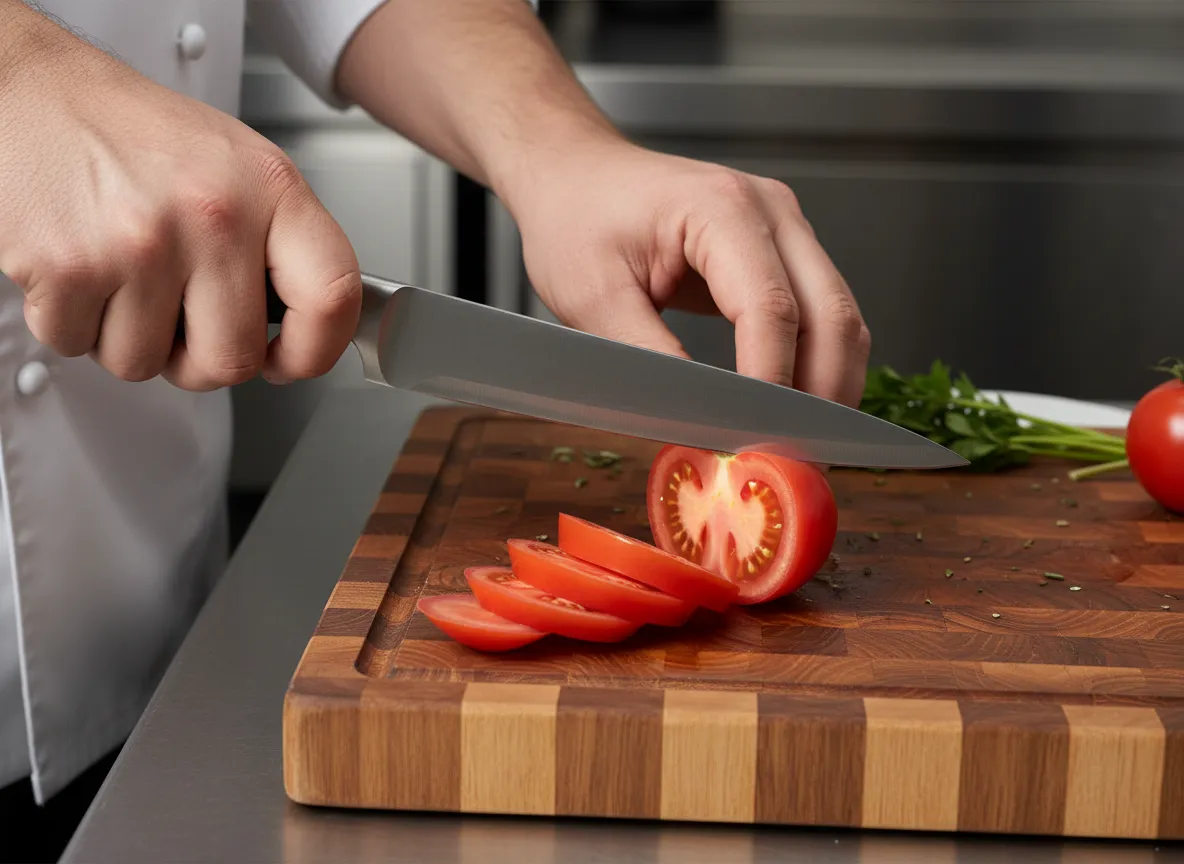
This one sounds obvious, but it is staggering how many home cooks work with dull knives and wonder why prep takes so long. A sharp knife does not just cut faster, it cuts more accurately, which means less time correcting uneven pieces that cook at different rates and ruin texture [3].
The Spicy Chefs’ analysis of kitchen shortcuts that actually work places knife sharpness at the top of the list for one simple reason: every single recipe that involves fresh ingredients requires a knife [3]. A dull blade forces you to use more pressure, which is both slower and more dangerous.
Practical maintenance schedule:
- Hone your knife with a steel rod before every use (30 seconds)
- Sharpen with a whetstone or take it to a professional every 3 to 6 months
- Store knives on a magnetic strip, not loose in a drawer, to protect the edge
7. Embrace the One-Pan Meal Structure
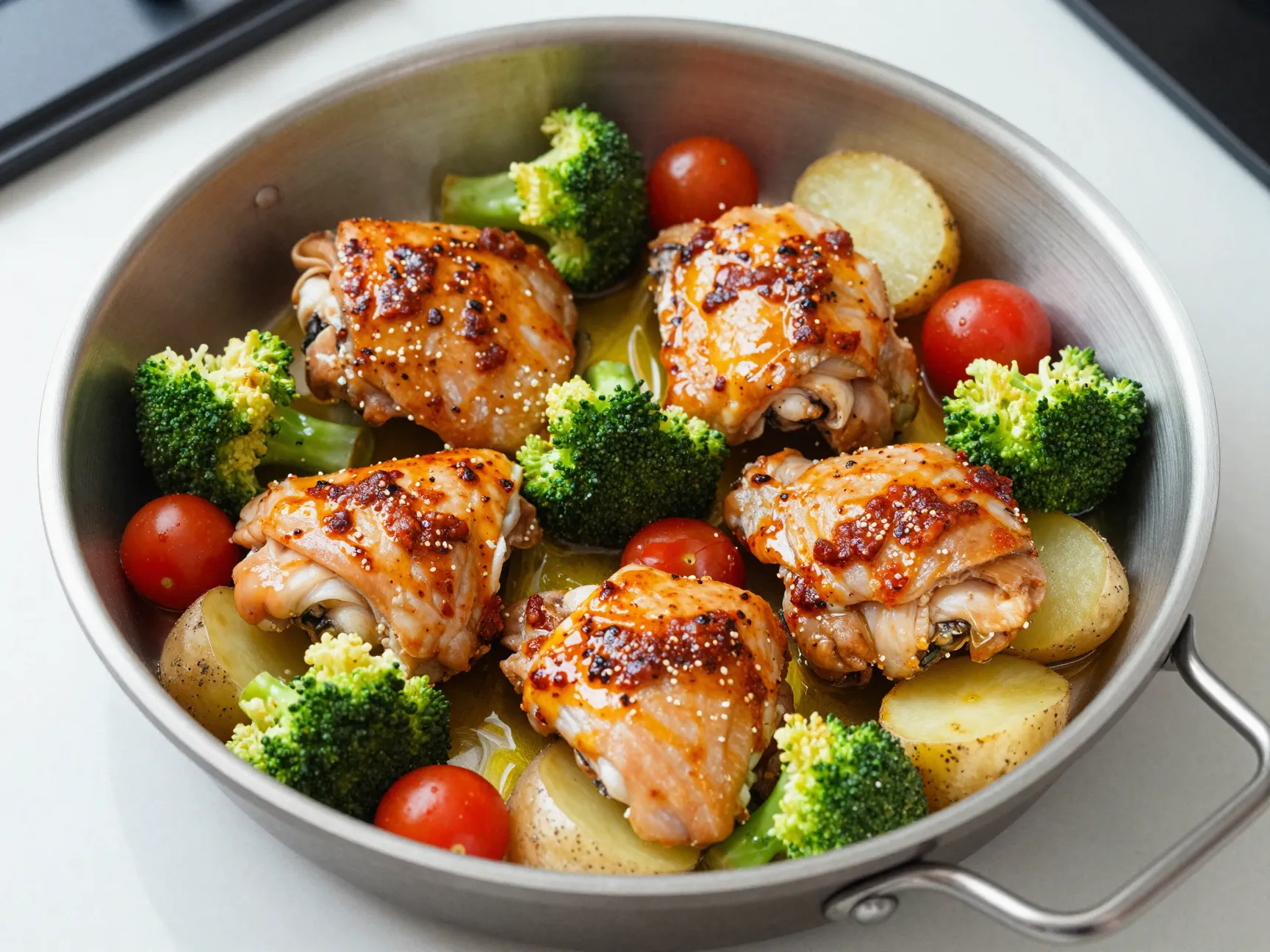
One of the biggest hidden time costs in cooking is not the cooking itself, it is the cleanup. A meal that uses four pans, two cutting boards, and a colander adds 20 to 30 minutes of cleanup time that never shows up in the recipe’s stated cook time. One-pan meals eliminate that entirely [8].
Time magazine’s dinner hacks feature highlights the structural advantage of sheet pan dinners and one-skillet meals: they concentrate flavors as ingredients cook together, they require less active monitoring, and they produce dramatically less cleanup [8]. The flavor argument for one-pan cooking is actually strong, proteins and vegetables roasting together exchange flavors in ways that separate cooking methods cannot replicate.
One-pan meal formula:
- Choose a protein (chicken thighs, salmon, sausage, chickpeas)
- Add sturdy vegetables that roast well (potatoes, broccoli, cherry tomatoes, zucchini)
- Toss everything in a bold seasoning (harissa paste, miso butter, za’atar and olive oil)
- Roast at high heat (400 to 425 degrees Fahrenheit) for 25 to 35 minutes
8. Use Acid at the End to Brighten Any Dish Instantly
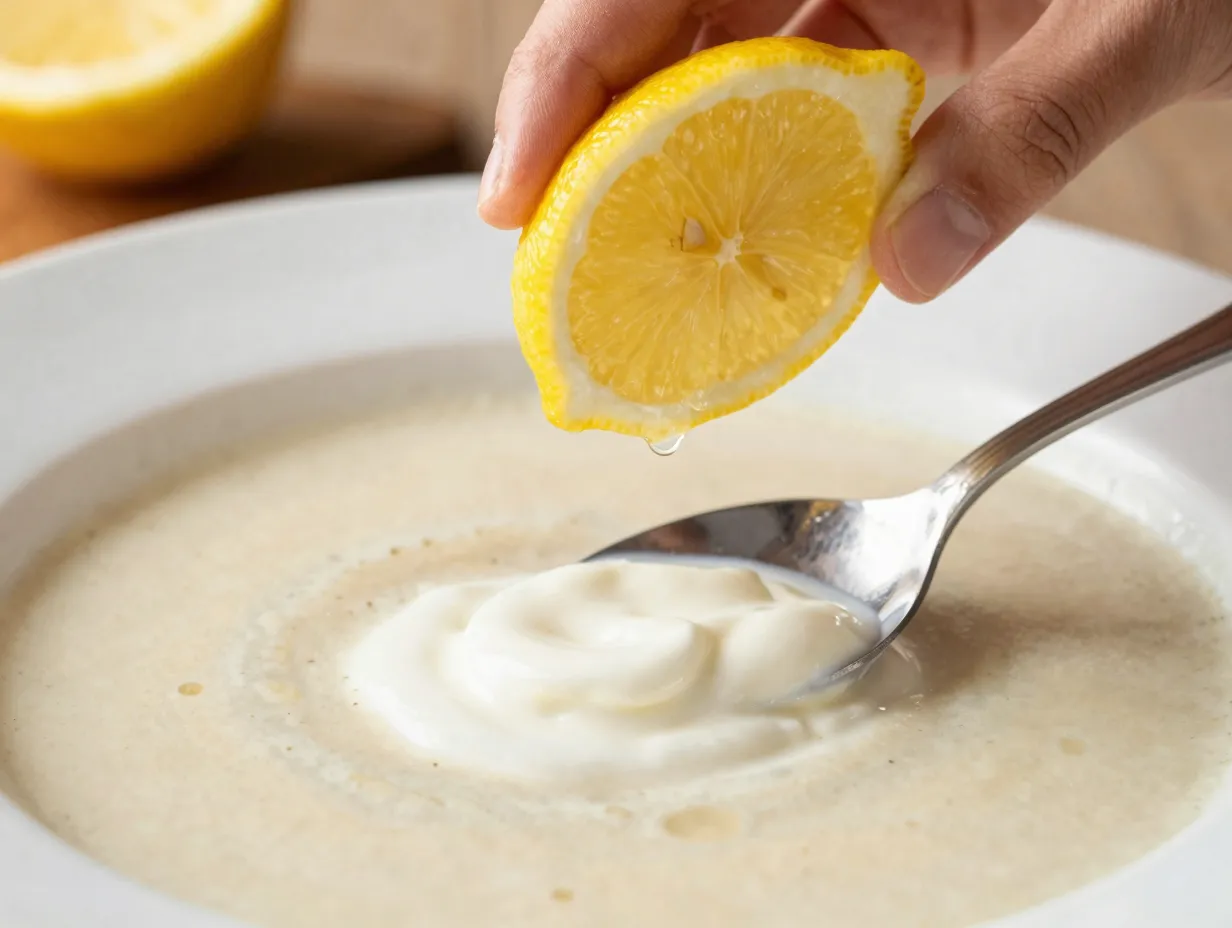
This is perhaps the most underused technique in home cooking, and it costs almost nothing in time. A squeeze of lemon juice, a splash of vinegar, or a spoonful of yogurt added at the very end of cooking can transform a flat, one-dimensional dish into something that tastes balanced and vibrant [9].
Acid works by stimulating the salivary glands and cutting through fat and richness, which makes flavors pop. Heather Taylor’s food writing on easy ways to elevate everyday cooking emphasizes that acid is the secret weapon of professional chefs, it is why restaurant food often tastes brighter than the same dish made at home [9].
The time cost is literally five seconds. The flavor impact is significant enough that many experienced cooks consider it mandatory rather than optional.
Acid options by dish type:
| Dish Type | Best Acid Addition |
|---|---|
| Pasta and risotto | Lemon zest and juice |
| Soups and stews | Apple cider vinegar or sherry vinegar |
| Roasted vegetables | Balsamic glaze or red wine vinegar |
| Grilled meats | Fresh lime juice |
| Creamy dishes | Plain yogurt or crème fraîche |
9. Repurpose Leftovers With a Flavor Pivot
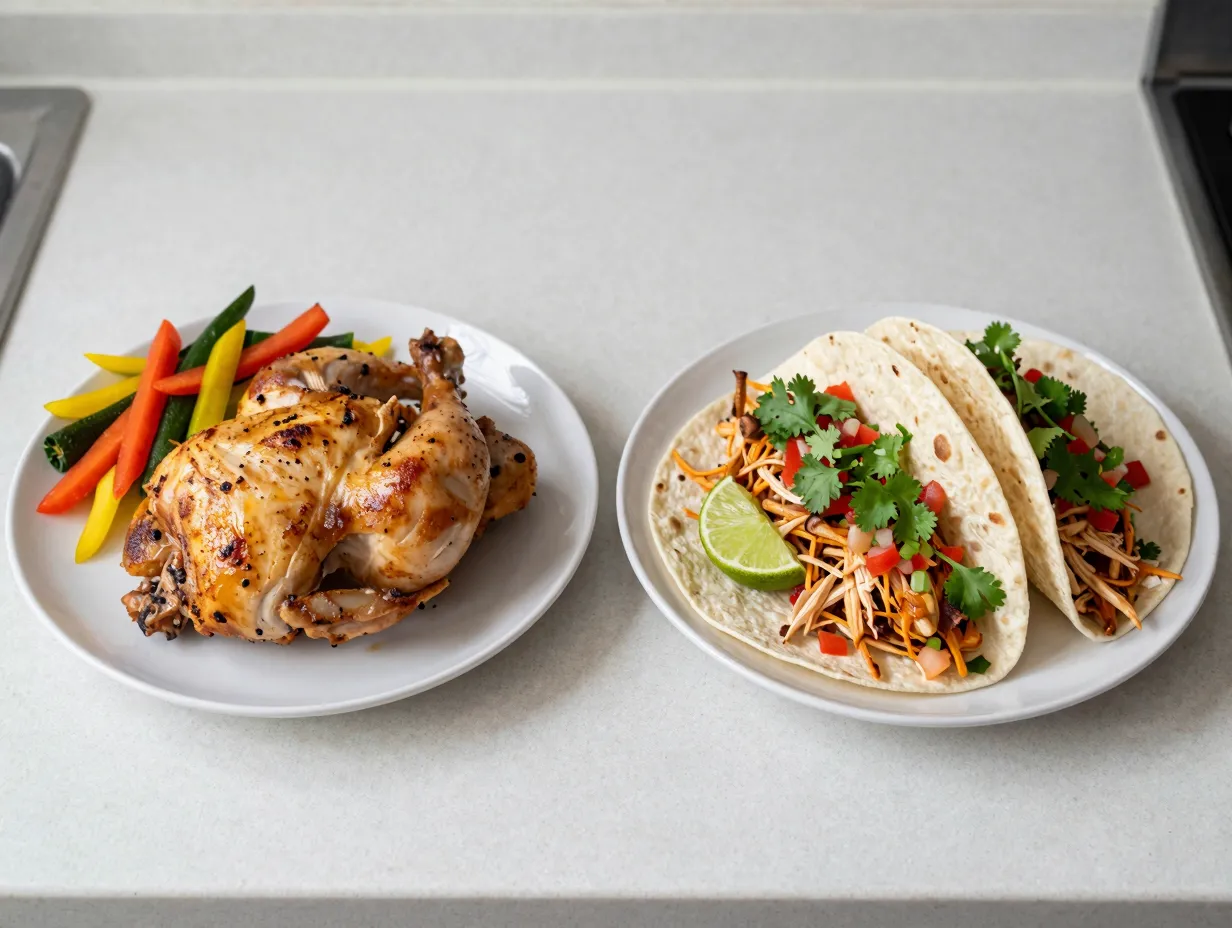
The most time-efficient meal you can make is one that starts with food you already cooked. But the difference between eating the same meal twice and genuinely enjoying a second meal from the same ingredients is what I call the flavor pivot, a deliberate change in seasoning profile, format, or texture that makes the leftovers feel like a new dish [7].
Food and Wine’s coverage of TikTok cooking hacks highlights this approach as one of the most practical strategies for busy home cooks: roast chicken becomes chicken tacos with a squeeze of lime and fresh salsa; leftover rice becomes fried rice with egg, soy sauce, and sesame oil; roasted vegetables become a frittata with eggs and feta [7].
The key is changing at least two elements: the seasoning profile and the format. Change the spices and the vessel (bowl versus wrap versus frittata), and the dish feels genuinely different even if the core ingredients are identical.
Flavor pivot examples:
- Roast chicken to Thai chicken salad (add fish sauce, lime, chili, fresh herbs)
- Lentil soup to lentil fritters (drain, mash, pan-fry with cumin and yogurt dip)
- Grilled salmon to salmon grain bowl (flake over farro with cucumber, dill, lemon tahini)
- Roasted sweet potatoes to sweet potato quesadillas (mash with black beans and chipotle)
Putting It All Together: A Sample Weeknight Workflow
To show how these hacks work in combination, here is a realistic 30-minute weeknight dinner using several of the strategies above:
Dish: Spiced chickpea and couscous bowl with roasted vegetables
- Preheat oven to 425 degrees. Toss chickpeas and cherry tomatoes with olive oil and bloomed cumin and smoked paprika (Hack 3). Spread on one sheet pan (Hack 7).
- While the oven heats, microwave one chopped onion with butter for 4 minutes (Hack 1).
- Pour boiling water over couscous and let it sit covered for 5 minutes (Hack 2).
- Roast the sheet pan for 20 to 25 minutes.
- Finish the couscous with the microwaved onion, a squeeze of lemon, and fresh parsley (Hack 8).
- Plate everything together. Total active time: about 15 minutes.
This is not a compromise meal. It is genuinely good food, made fast, using techniques that respect flavor at every step.
Common Mistakes That Undermine These Hacks
Even good techniques can be undermined by a few consistent errors. Here are the most common ones to avoid:
- Under-seasoning at every stage. Salt added only at the end cannot do the work of salt added throughout cooking.
- Overcrowding the pan. When vegetables or proteins are packed too tightly, they steam instead of roast, losing the caramelization that creates flavor.
- Skipping the rest time. Proteins need 3 to 5 minutes of resting after cooking to retain their juices. Cutting immediately undoes much of the cooking effort.
- Using cold ingredients straight from the fridge. Cold proteins in a hot pan drop the temperature dramatically and lead to uneven cooking. Pull proteins out 15 to 20 minutes before cooking.
- Not tasting as you go. No hack replaces the fundamental habit of tasting and adjusting throughout the cooking process.
Conclusion
The 9 amazing food hacks that save time without sacrificing flavor covered in this article share a common thread: they all work with the underlying principles of good cooking rather than bypassing them. Microwaving aromatics, stocking smart pantry staples, blooming spices, using pasta water, batch prepping flavor bases, maintaining sharp knives, embracing one-pan meals, finishing with acid, and pivoting leftovers are not shortcuts in the lazy sense of the word. They are intelligent compressions of technique.
Actionable next steps for this week:
- Sharpen your knife or book a professional sharpening appointment today.
- Stock your pantry with at least two quick-cooking staples, couscous and one variety of canned beans are a good starting point.
- The next time you make onions for a sauce or soup, try the microwave method and compare it to your usual approach.
- Make one batch of caramelized onions this weekend and freeze them in portions.
- Finish your next soup or stew with a small splash of apple cider vinegar and notice the difference.
Great food does not require unlimited time. It requires smart decisions about where time is well spent and where it can be reclaimed. Start with one or two of these hacks, build the habit, and the cumulative effect on both your cooking quality and your available time will be significant.
References
[1] Best Cooking Hacks To Save Time Hassle And Money – https://www.cnet.com/home/kitchen-and-household/best-cooking-hacks-to-save-time-hassle-and-money/
[2] Watch – https://www.youtube.com/watch?v=DaSn-TJXdrU&vl=en
[3] 10 Kitchen Shortcuts That Actually Work 10 That Backfire – https://www.thespicychefs.com/food-culture/10-kitchen-shortcuts-that-actually-work-10-that-backfire
[4] Quick Kitchen Hacks – https://www.bbcgoodfood.com/howto/guide/quick-kitchen-hacks
[5] 10 Time Saving Kitchen Hacks – https://www.foodnetwork.com/recipes/packages/quick-fix-meals-30-minutes-or-less/10-time-saving-kitchen-hacks
[6] Timesaving Kitchen Strategies – https://www.goodhousekeeping.com/food-recipes/cooking/a70649185/timesaving-kitchen-strategies/
[7] Tiktok Cooking Hacks To Save Time 11885068 – https://www.foodandwine.com/tiktok-cooking-hacks-to-save-time-11885068
[8] Dinner Hacks – https://time.com/4283906/dinner-hacks/
[9] 10 Easy Ways To Make All Your Food – https://heathertaylor.substack.com/p/10-easy-ways-to-make-all-your-food