9 Pesto Pasta Recipes That Go Way Beyond the Basic Basil Version
A 2024 study by the International Pasta Organization found that pasta remains the most consumed staple food in the world, with pesto ranking among the top five most popular pasta sauces globally. Yet for most home cooks, pesto means exactly one thing: basil, pine nuts, parmesan, garlic, and olive oil. That narrow definition is leaving a world of flavor on the table.
Disclosure: This post contains affiliate links. As an Amazon Associate, we earn from qualifying purchases, and at no extra cost to you.
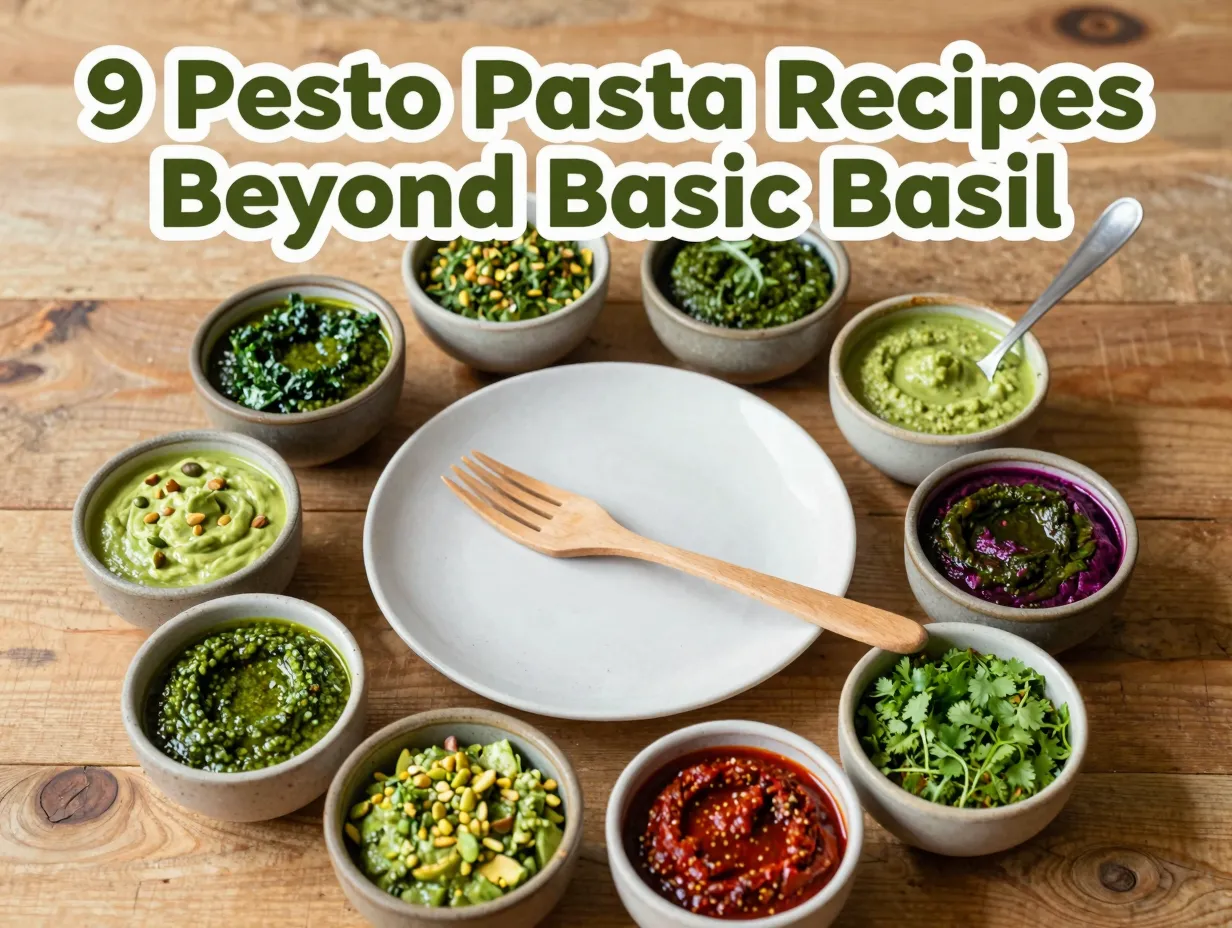
This guide to 9 Pesto Pasta Recipes That Go Way Beyond the Basic Basil Version is here to change that. Whether you are a seasoned cook looking to break out of a weeknight rut or a curious beginner eager to explore what pesto can actually be, these nine variations will expand your kitchen vocabulary in ways you did not expect. From nutrient-dense kale to creamy avocado to the bold punch of sun-dried tomatoes, each recipe below proves that the word “pesto” is far more of a technique than a single fixed formula.
Key Takeaways
- Pesto is a method, not a single recipe, almost any leafy green, herb, or even vegetable can form the base.
- Swapping basil for greens like kale, arugula, or spinach significantly boosts the nutritional value of the sauce.
- Nut substitutions such as pistachios change both the flavor profile and the color of the finished pesto.
- Non-traditional bases like avocado and sun-dried tomato create entirely different texture experiences, creamy versus rich and tangy.
- Most of these pesto variations come together in under 10 minutes in a food processor or blender.
What Pesto Actually Means (And Why That Matters)
The word “pesto” comes from the Italian verb pestare, meaning to pound or crush. Traditionally, Genovese pesto is made by pounding basil, pine nuts, garlic, parmesan, and olive oil in a mortar and pestle. But the technique, crushing or blending a green (or sometimes red) base with fat, a binding agent, and seasoning, is far older and more flexible than that one regional recipe suggests [3].
Once you understand pesto as a method rather than a recipe, the creative possibilities open up fast. The nine pesto pasta recipes that go way beyond the basic basil version listed below each follow the same core logic: a flavorful base, a fat source, something for body and texture, and seasoning. The results could not be more different from one another.
The basic pesto formula:
| Component | Classic Version | Alternatives |
|---|---|---|
| Base green/herb | Basil | Kale, arugula, spinach, mint, cilantro, beet greens |
| Fat source | Olive oil | Avocado, walnut oil, neutral oil |
| Texture/body | Pine nuts | Pistachios, walnuts, almonds, sunflower seeds |
| Cheese | Parmesan | Pecorino, nutritional yeast (vegan) |
| Acid/brightness | Lemon juice | Lime juice, red wine vinegar |
9 Pesto Pasta Recipes That Go Way Beyond the Basic Basil Version
1. Kale Pesto Pasta
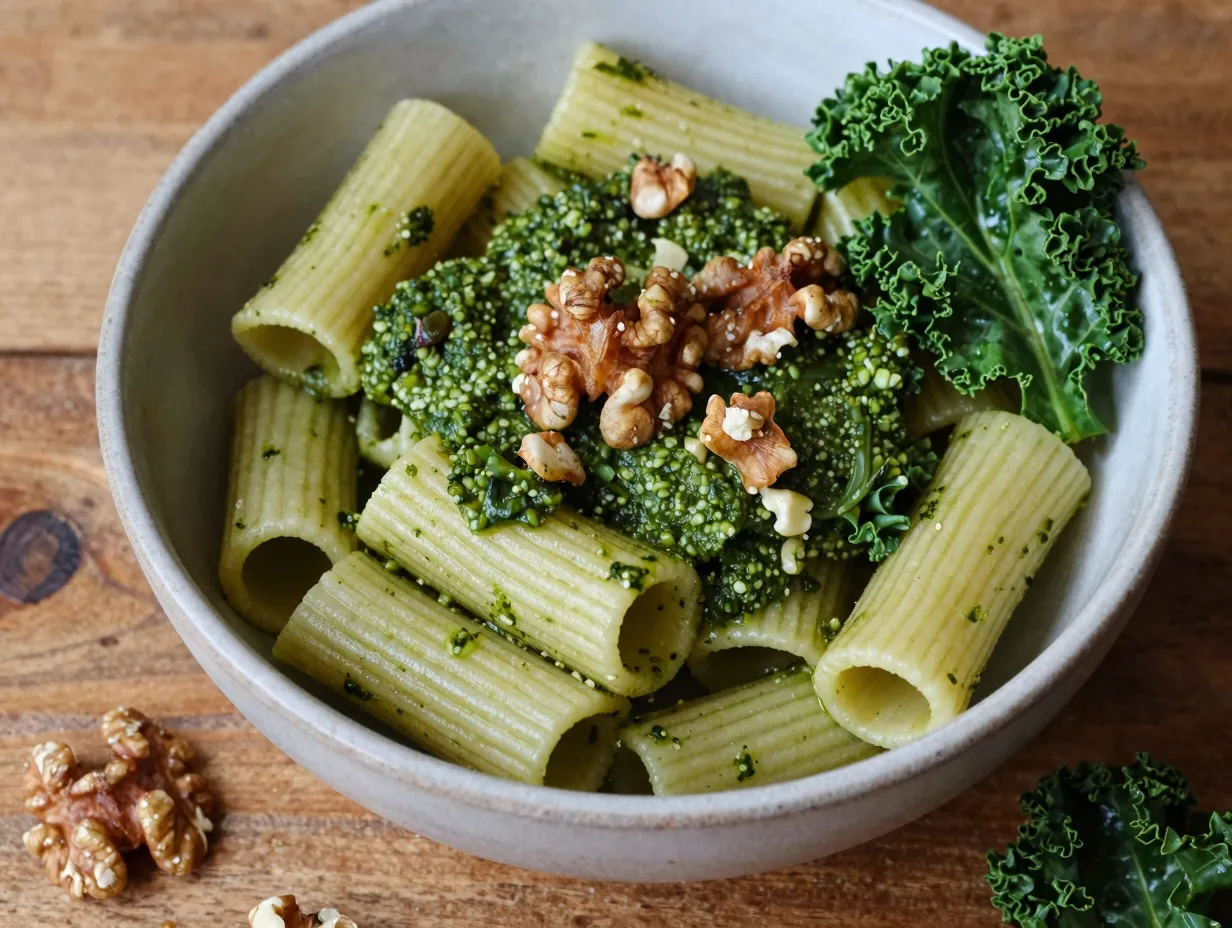
Kale has earned its reputation as a nutritional powerhouse, and it translates surprisingly well into pesto. The key is blanching the kale leaves briefly, about 30 seconds in boiling water, before blending. This softens the bitterness, brightens the color, and makes the final sauce smoother and more spreadable [1].
To make kale pesto, blend two packed cups of blanched kale with a quarter cup of toasted walnuts or pine nuts, two garlic cloves, half a cup of parmesan, a squeeze of lemon, and enough olive oil to bring it together. Toss with rigatoni or penne for a hearty weeknight meal.
Why it works: Kale’s slight earthiness pairs well with pasta shapes that have ridges or tubes, which hold the thicker sauce. It also freezes beautifully, make a double batch and store half for later.
Nutritional edge: Kale pesto delivers significantly more vitamin K, vitamin C, and iron than basil-based versions, making it one of the most nutrient-dense options on this list [1].
2. Arugula Pesto Pasta
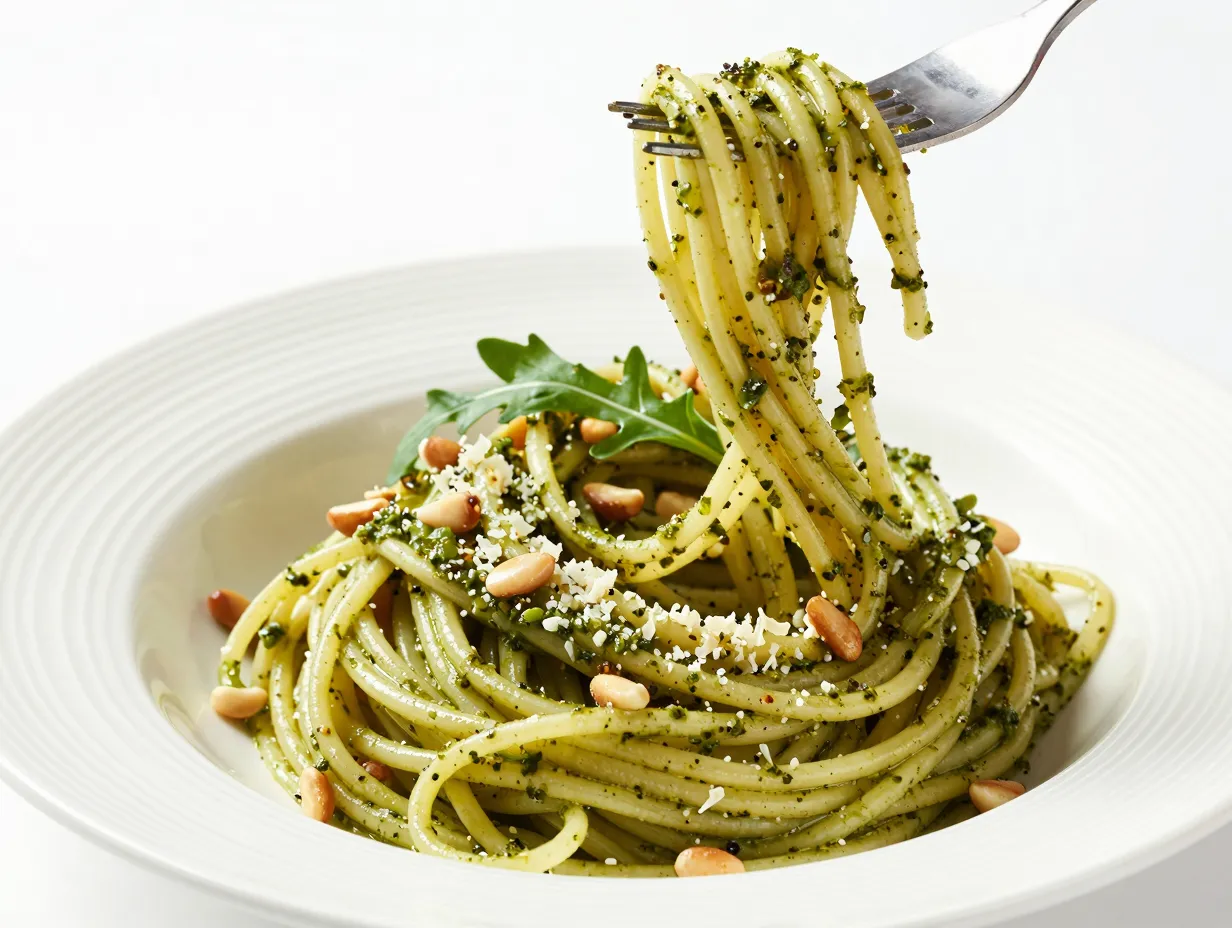
Arugula pesto is the choice for anyone who wants a little heat and complexity without reaching for a chili. The peppery, slightly bitter notes of raw arugula give this pesto a grown-up edge that pairs beautifully with simple pasta shapes like spaghetti or linguine [2].
Use two cups of fresh arugula, a quarter cup of toasted pine nuts or almonds, one garlic clove (arugula is already assertive, so go easy on the garlic), half a cup of parmesan, and olive oil to blend. A small squeeze of lemon brightens everything.
Pro tip: Because arugula is not cooked before blending, this pesto comes together in under five minutes. It is one of the fastest options on this list.
“Arugula pesto delivers a peppery depth that basil simply cannot match, it is a sauce that tastes like it took effort, even when it did not.”
Arugula pesto also works as a spread for sandwiches or a topping for grilled fish, making it one of the most versatile variations in this collection [2].
3. Spinach Pesto Pasta
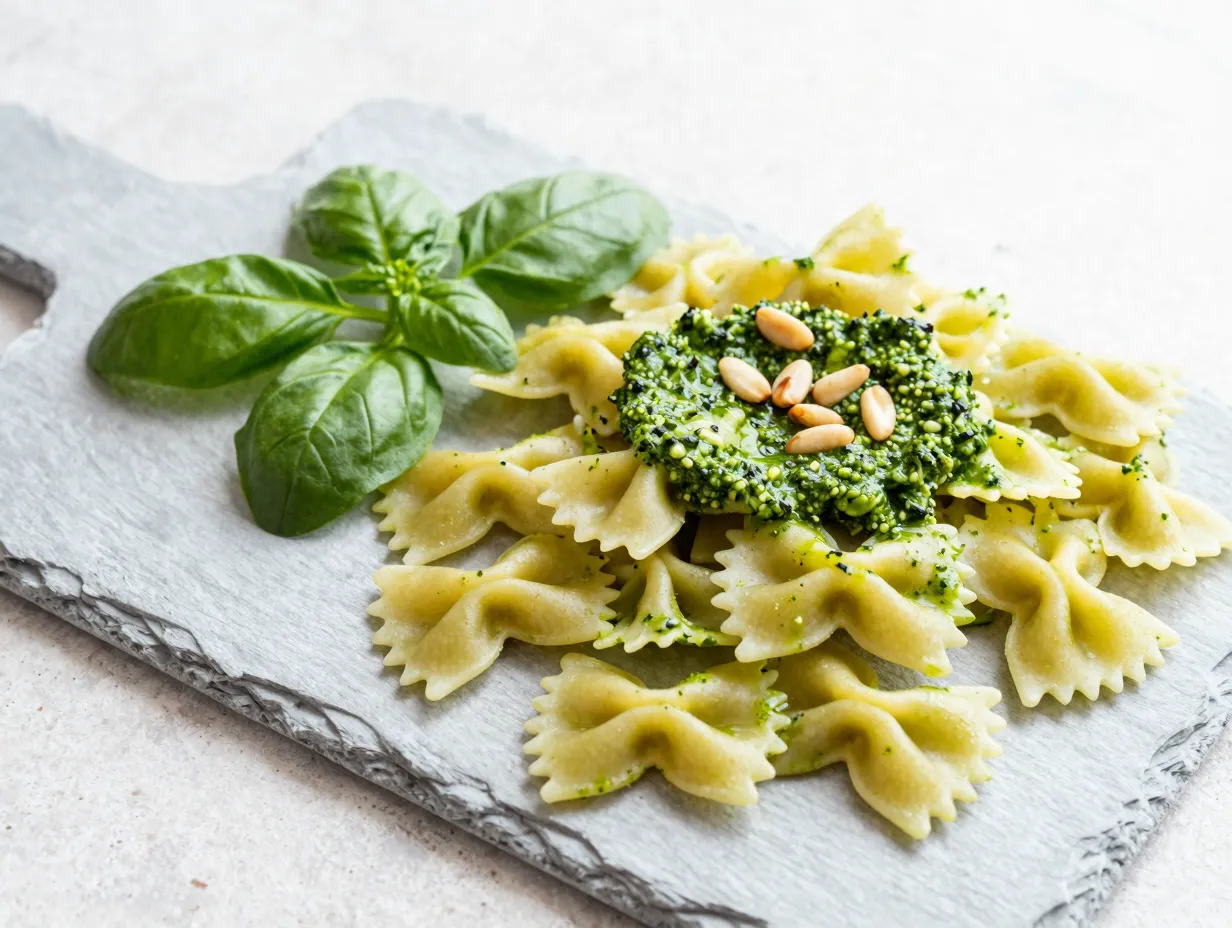
Spinach pesto is the gentlest, most crowd-pleasing variation on this list. It has a mild flavor that does not overpower other ingredients, which makes it a smart choice for feeding picky eaters or for dishes where the pesto is one element among many [2].
Combine two cups of fresh baby spinach with a small handful of basil (the two work well together), a quarter cup of pine nuts or cashews, two garlic cloves, half a cup of parmesan, and olive oil. The result is a vivid, almost neon-green sauce that looks stunning on the plate.
Best pasta pairings: Farfalle, orecchiette, or any short pasta shape. Spinach pesto also works well in baked pasta dishes, it holds up to oven heat better than pure basil pesto.
Nutritional note: Spinach adds folate, magnesium, and additional iron to the sauce. Combining it with basil, as many recipes do, gives you the flavor of a classic pesto with a meaningful nutritional upgrade [2].
4. Mint Pesto Pasta
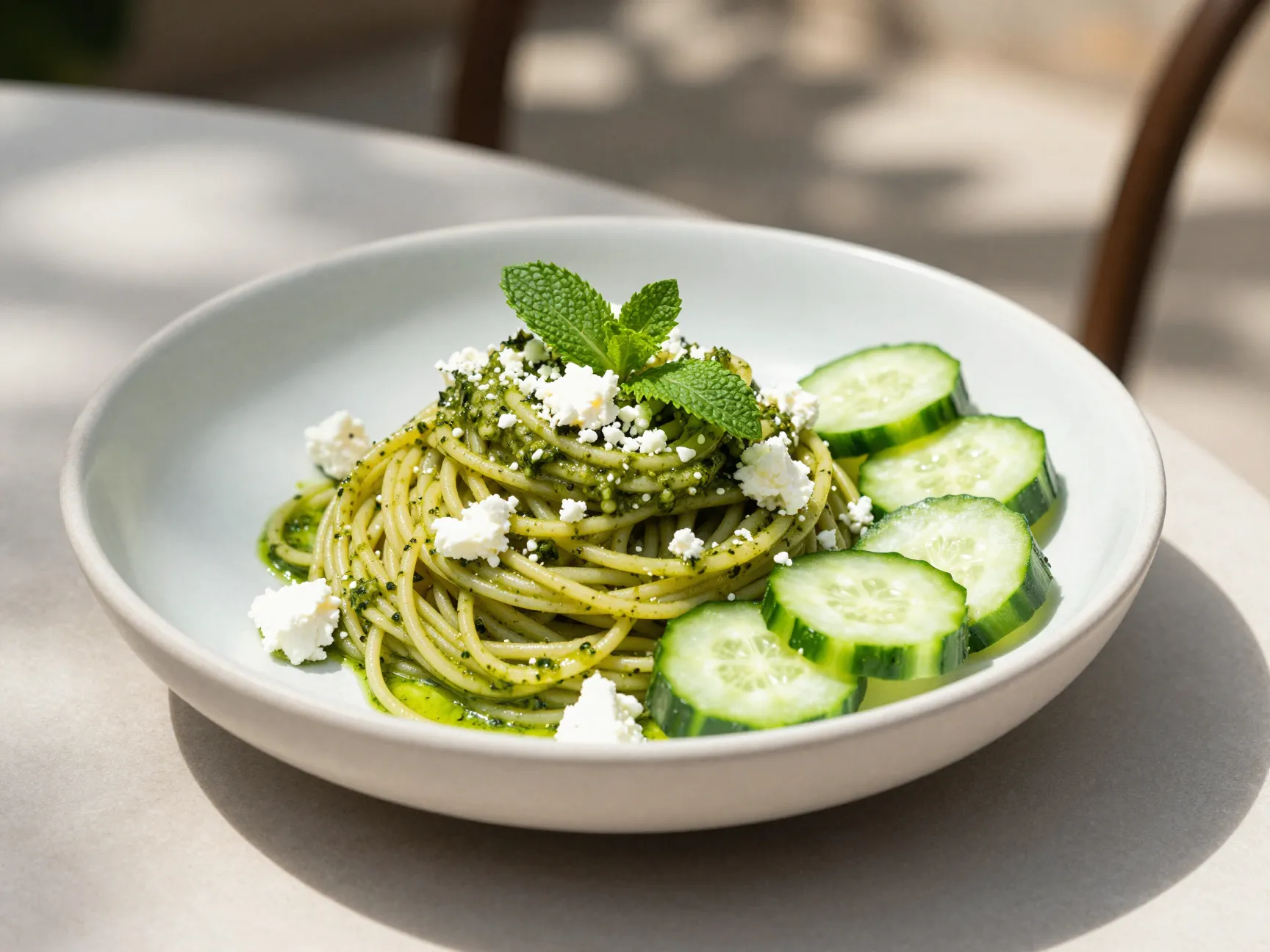
Mint pesto is a revelation for anyone who has only ever thought of mint as a dessert ingredient or a garnish. In pesto form, mint becomes bright, cooling, and surprisingly savory, especially when paired with the right pasta and protein [3].
Blend one cup of fresh mint leaves with one cup of flat-leaf parsley (parsley tempers the intensity of straight mint), a quarter cup of toasted almonds or pine nuts, one garlic clove, a generous squeeze of lemon, and olive oil. Parmesan works here, but pecorino romano gives a sharper, saltier edge that complements the mint beautifully.
Ideal pairings: Toss with spaghetti and grilled lamb, or serve alongside a simple pasta salad with feta and cucumber for a Mediterranean-inspired meal [3].
When to use it: Mint pesto shines in warmer months. It is refreshing in a way that heavier sauces are not, making it a natural fit for spring and summer cooking.
5. Beet Green Pesto Pasta
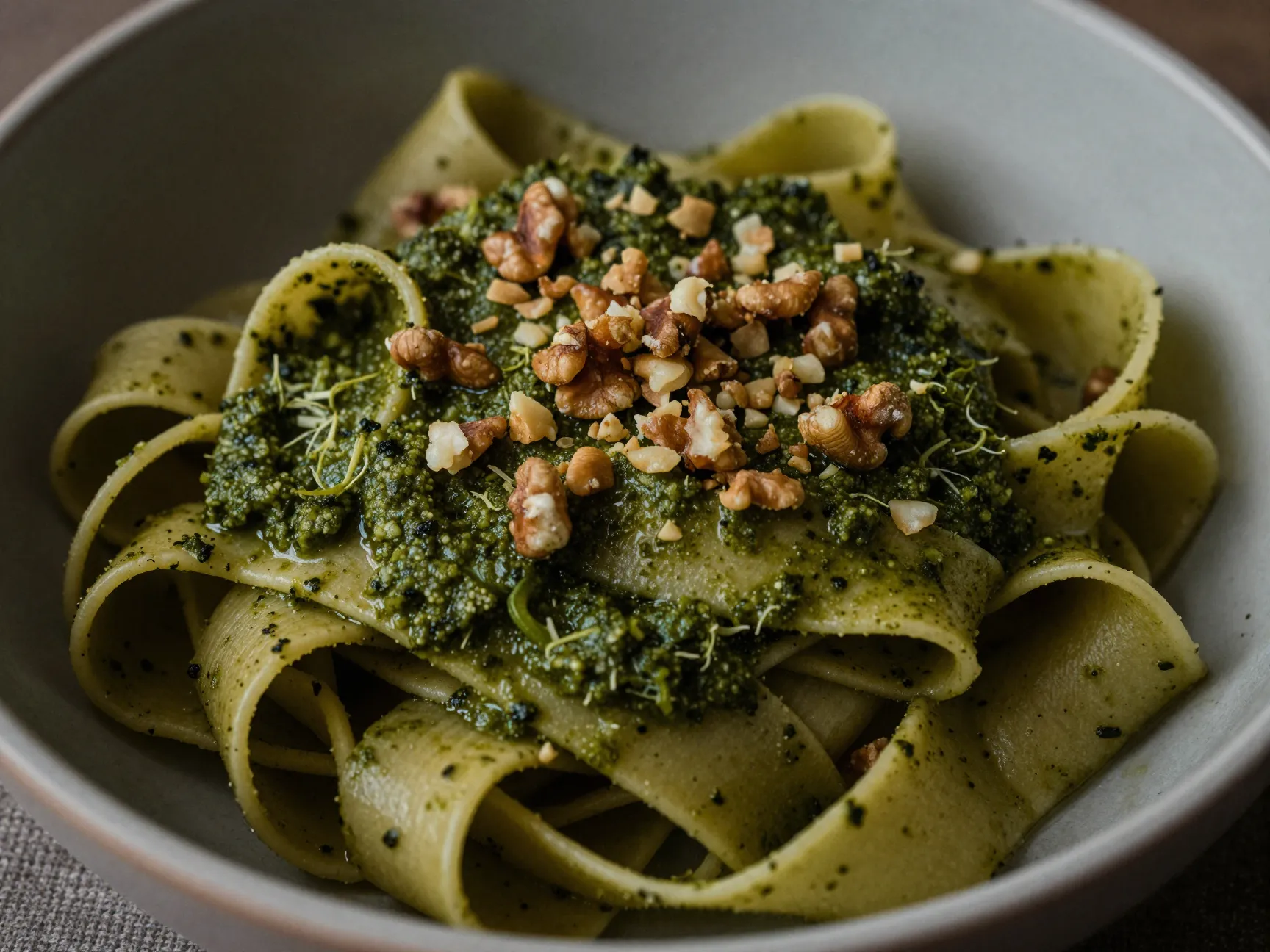
This is the sustainability-minded recipe on the list. Most people buy beets, use the root, and throw the greens away. Beet green pesto turns that habit on its head and produces one of the most interesting, earthy, and slightly sweet sauces in this collection [4].
Wash and roughly chop the greens from one bunch of beets (about two cups). Blend with a quarter cup of walnuts, two garlic cloves, a squeeze of lemon, half a cup of parmesan, and olive oil. The result is a deep, forest-green pesto with a mildly earthy flavor that is hard to categorize but easy to enjoy.
Zero-waste cooking: Using beet greens is a simple, practical step toward reducing food waste in the kitchen. The greens are nutritious, high in vitamins A and K, and free, since you were going to buy the beets anyway [4].
Best pasta match: Pappardelle or tagliatelle, where the wide noodles carry the slightly thicker sauce well.
6. Avocado Pesto Pasta
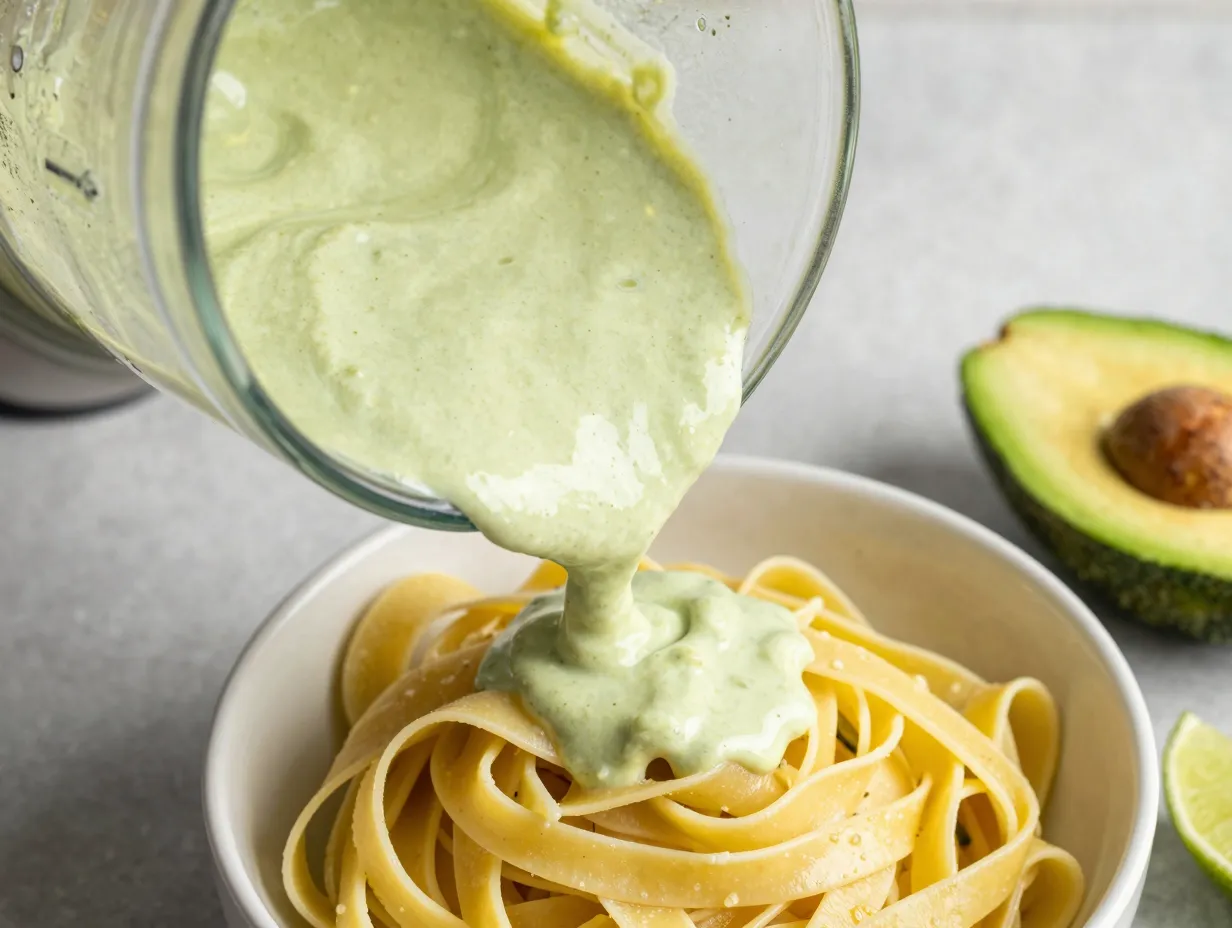
Avocado pesto is the creamiest, richest variation on this list, and it requires no cheese, making it naturally dairy-free. The avocado acts as both the fat source and the body of the sauce, replacing the need for heavy cream or excessive olive oil [4].
Blend one ripe avocado with one cup of fresh basil, two garlic cloves, two tablespoons of pine nuts or hemp seeds, the juice of one lime, salt, and just enough olive oil to get the blender moving. The result is a thick, velvety sauce that coats every strand of pasta.
Important note: Avocado pesto oxidizes quickly. Make it fresh, toss it with hot pasta immediately, and serve right away. Adding extra lime juice helps slow browning, but this is not a sauce to make ahead.
Flavor profile: Buttery, rich, and slightly tangy from the lime. It pairs especially well with cherry tomatoes, corn, or grilled shrimp for a complete meal [4].
7. Pistachio Pesto Pasta
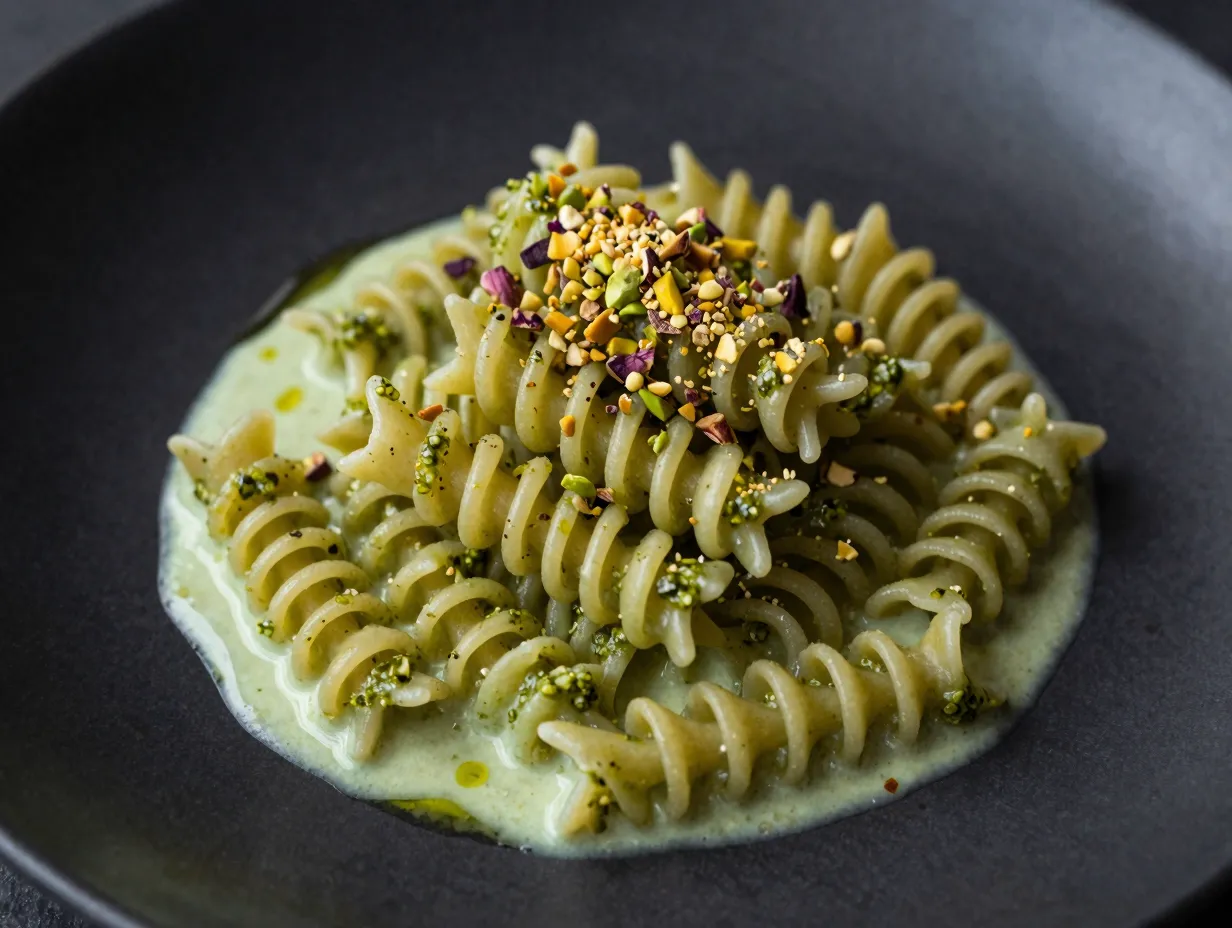
Pistachio pesto has deep roots in Sicilian cooking, where pistachios from Bronte, a small town on the slopes of Mount Etna, are considered among the finest in the world. In Sicily, pistachio pesto is not a trend or an experiment; it is a regional tradition with centuries of history behind it [5].
To make it, blend three-quarters of a cup of shelled, unsalted pistachios with one cup of fresh basil, one garlic clove, half a cup of parmesan, a squeeze of lemon, and enough olive oil to create a smooth but slightly textured sauce. The pistachios give the pesto a pale, sage-green color and a distinctly sweet, nutty flavor that is unlike anything you get from pine nuts [5].
Best pasta shape: Busiate (a traditional Sicilian pasta) or fusilli, which trap the chunky sauce in their spirals.
Serving suggestion: Top with extra crushed pistachios and a drizzle of high-quality olive oil just before serving. The contrast between the smooth sauce and the crunchy topping is one of the best textural experiences in this entire list.
8. Sun-Dried Tomato Pesto Pasta
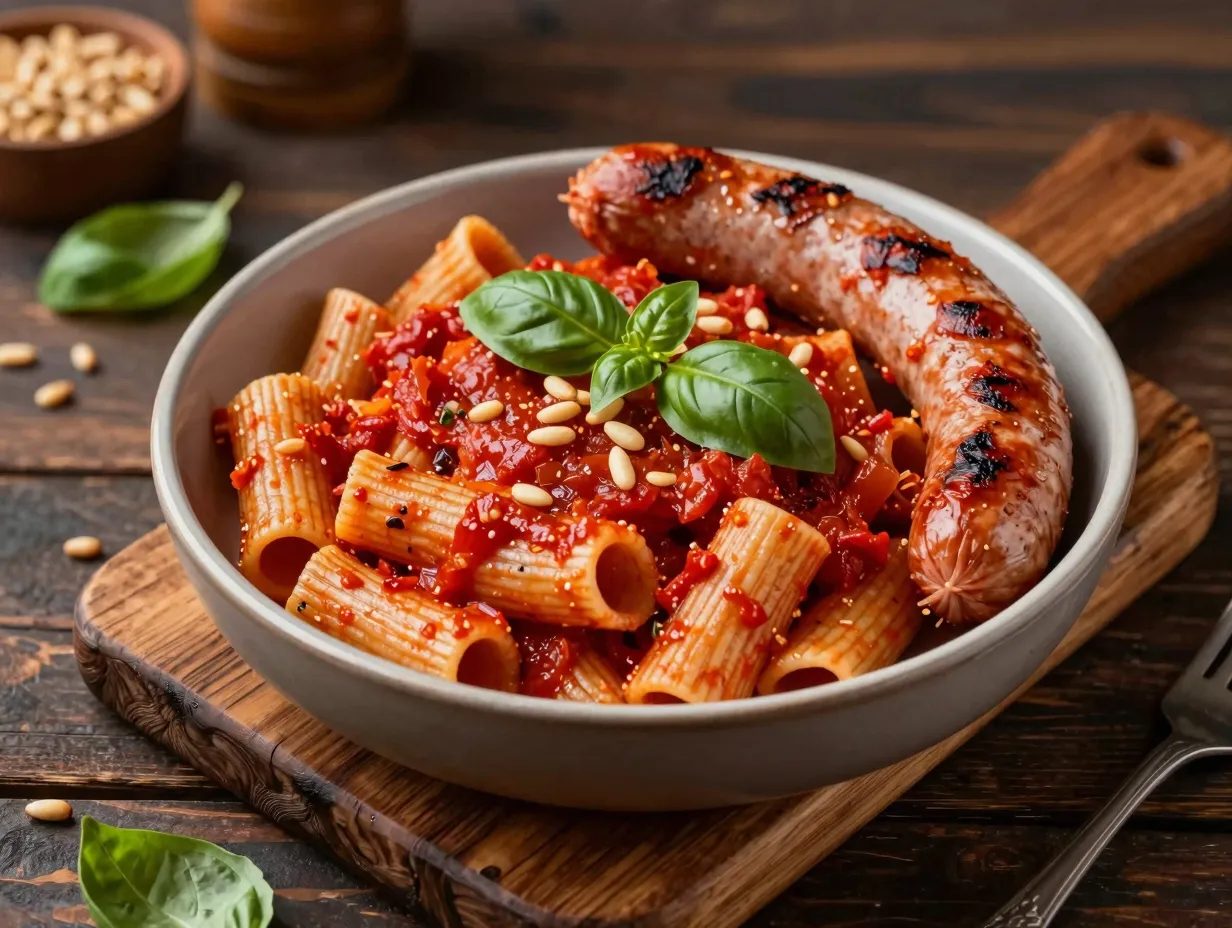
Sun-dried tomato pesto, sometimes called pesto rosso or red pesto, breaks the mold entirely. It is not green, it is not herb-forward, and it has a bold, concentrated sweetness that feels more like a condiment than a sauce [6].
Blend half a cup of oil-packed sun-dried tomatoes (drained) with two tablespoons of pine nuts or almonds, one garlic clove, a quarter cup of parmesan, a handful of fresh basil, and enough olive oil to blend smoothly. Some recipes add a pinch of red pepper flakes for heat, which works beautifully against the sweetness of the tomatoes [6].
Flavor profile: Sweet, tangy, umami-rich, and deeply savory. Sun-dried tomato pesto is one of the most intense sauces on this list, a little goes a long way.
Best uses: Toss with rigatoni and Italian sausage, use as a pizza sauce, or spread on bruschetta. It also works as a marinade for chicken or fish [6].
Storage tip: Sun-dried tomato pesto keeps well in the refrigerator for up to a week, covered with a thin layer of olive oil.
9. Cilantro Pesto Pasta
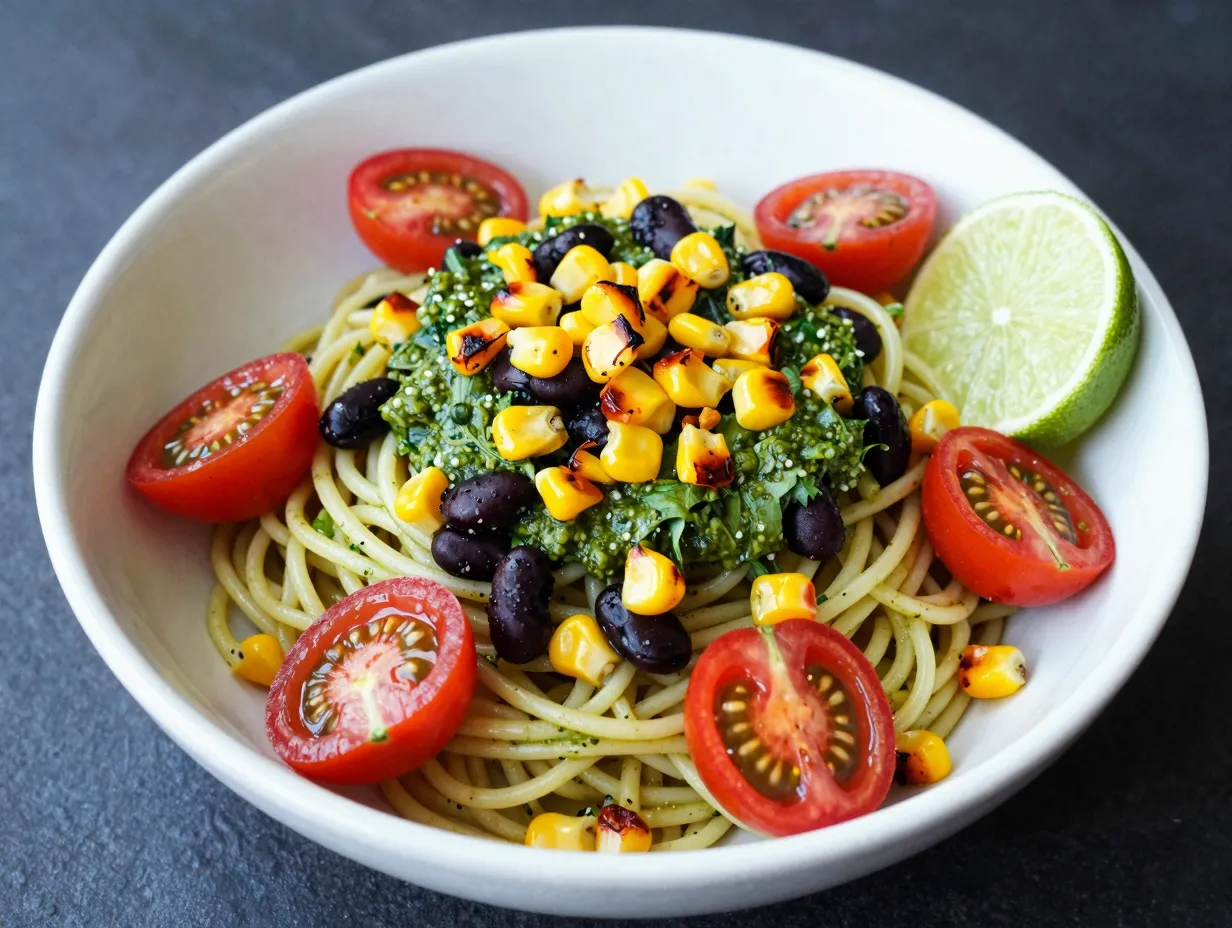
Cilantro pesto is the most globally inspired variation on this list. It borrows the structure of Italian pesto but replaces the basil with cilantro, swaps pine nuts for pepitas or cashews, and brightens everything with lime instead of lemon. The result is a sauce that feels more at home in Mexican or Southeast Asian cooking than in a Genovese kitchen, and that is exactly what makes it exciting [3].
Blend two cups of fresh cilantro (stems and all), a quarter cup of toasted pepitas or cashews, two garlic cloves, the juice of one lime, a small piece of jalapeño (optional), and enough olive oil to blend. Cotija cheese or parmesan both work well here, though the dish is also excellent without any cheese for a fully vegan option.
Best pasta pairings: Toss with spaghetti and black beans, roasted corn, and cherry tomatoes for a Tex-Mex pasta bowl. Or serve cold as a pasta salad with grilled chicken and avocado [3].
Note for cilantro skeptics: The blending process and the addition of lime juice mellow cilantro’s more polarizing qualities. If you have friends who claim to dislike cilantro, this pesto has been known to change minds.
Tips for Making Any Pesto Pasta Recipe Work
No matter which of these nine variations you choose, a few universal principles will improve every result.
Toast your nuts. Toasting pine nuts, pistachios, walnuts, or pepitas in a dry pan for two to three minutes before blending deepens their flavor significantly. Do not skip this step.
Salt your pasta water generously. Properly salted pasta water, it should taste like mild seawater, is the single most impactful technique in pasta cooking. Under-salted pasta will make even the best pesto taste flat.
Reserve pasta water. Before draining your pasta, scoop out at least half a cup of the starchy cooking water. Adding a splash to your pesto as you toss the pasta creates a silky, emulsified sauce that clings to every noodle.
Do not overheat delicate pestos. Basil, spinach, and arugula pestos can turn from vibrant green to dull brown if they hit a very hot pan. Toss them with pasta off the heat, or in a pan that has been removed from the burner.
Match pasta shape to sauce consistency:
| Pesto Type | Best Pasta Shape |
|---|---|
| Kale (thick) | Rigatoni, penne |
| Arugula (medium) | Spaghetti, linguine |
| Spinach (smooth) | Farfalle, orecchiette |
| Avocado (very thick) | Fettuccine, pappardelle |
| Pistachio (chunky) | Fusilli, busiate |
| Sun-dried tomato (intense) | Rigatoni, ziti |
| Cilantro (medium) | Spaghetti, rotini |
How to Store Pesto and Keep It Fresh
Most pesto variations keep well in the refrigerator for three to five days. The key is to press a piece of plastic wrap directly onto the surface of the pesto before sealing the container, or to pour a thin layer of olive oil over the top. This limits air exposure and prevents oxidation.
For longer storage, freeze pesto in ice cube trays. Once frozen, transfer the cubes to a zip-lock bag. Each cube is roughly two tablespoons, a convenient single-serving portion. Most pestos freeze well for up to three months. The exception is avocado pesto, which does not freeze well due to its high water content and tendency to brown.
Conclusion
The 9 pesto pasta recipes that go way beyond the basic basil version covered in this guide are not just novelties, they are genuinely useful, delicious, and practical additions to any home cook’s repertoire. Each one follows the same simple logic as the original Genovese recipe but opens up an entirely new flavor world.
Here are your actionable next steps:
- Start with one variation this week. Arugula pesto is the fastest and requires no cooking. Kale pesto is the most nutritious. Pick one based on what you already have in your kitchen.
- Buy a good food processor or blender. You do not need expensive equipment, but a reliable machine makes all nine of these recipes significantly easier.
- Make a double batch and freeze half. Almost every pesto on this list (except avocado) freezes well. Building a small freezer stockpile means a great pasta dinner is always 15 minutes away.
- Experiment with pasta shapes. Use the pairing table above as a starting point, but trust your instincts. Half the fun of pesto pasta is discovering what works for your palate.
- Share what you make. Food is better when it is social. Try one of these recipes for guests, and watch the conversation that follows when you tell them the pesto is made from beet greens or pistachios.
Pesto is one of the most forgiving, fast, and flavorful techniques in the kitchen. Once you move beyond the basil jar, you may never go back.
References
[1] Pesto Pasta Recipes – https://www.bbcgoodfood.com/recipes/collection/pesto-pasta-recipes?utm_source=openai
[2] Pesto Recipes Basil Arugula Pasta Kale – https://www.washingtonpost.com/food/2024/06/22/pesto-recipes-basil-arugula-pasta-kale/?utm_source=openai
[3] What Is Pesto Recipes Beyond Basil Sauce – https://www.foodrepublic.com/2012/01/26/what-is-pesto-recipes-beyond-basil-sauce/?utm_source=openai
[4] 10 Homemade Pesto Recipes – https://spoonuniversity.com/school/fiu/10-homemade-pesto-recipes/?utm_source=openai
[5] Beyond Basil And Pine Nuts Sicilys Pestos – https://www.italymagazine.com/featured-story/beyond-basil-and-pine-nuts-sicilys-pestos?utm_source=openai
[6] Our Favorite Pesto Recipes – https://www.delallo.com/blog/our-favorite-pesto-recipes/?utm_source=openai