9 Gyro Meat Recipe Ideas That Bring Authentic Mediterranean Flavor to Your Kitchen
Street food vendors in Athens sell more than 70,000 gyros every single day — a number that reveals just how deeply this dish is woven into Mediterranean culture. Yet for most home cooks outside Greece, recreating that same smoky, spiced, melt-in-your-mouth meat has always felt just out of reach. The truth is, you do not need a vertical rotisserie spinning in your kitchen to pull it off. These 9 gyro meat recipe ideas that bring authentic Mediterranean flavor to your kitchen will show you exactly how to get there, using equipment you already own and ingredients from your local grocery store.
Disclosure: This post contains affiliate links. As an Amazon Associate, we earn from qualifying purchases, and at no extra cost to you.
I first attempted homemade gyros on a rainy Sunday afternoon after a disappointing takeout experience. The meat was bland, the texture was wrong, and the whole thing fell apart in my hands. That failure sent me down a research rabbit hole that eventually produced something far better than anything I had ordered. This guide is the result of that journey.
Key Takeaways
- Authentic gyro meat relies on a precise blend of spices — oregano, garlic, rosemary, and marjoram are non-negotiable
- Processing the meat into a fine paste before cooking creates the dense, sliceable texture that defines great gyros
- You do not need a rotisserie; a loaf pan and a standard oven deliver excellent results
- Ground lamb and beef is the classic American-style blend, but chicken, turkey, and pork all work beautifully
- Tzatziki, fresh tomatoes, red onion, and warm pita complete the authentic Mediterranean experience
What Makes Gyro Meat Authentically Mediterranean
Before diving into the recipes, it helps to understand what separates a great gyro from a mediocre one. The gyro has its origins in Greece and has become a symbol of Mediterranean culinary excellence, blending succulent meat with aromatic spices that have been used in the region for centuries [8]. The word “gyros” literally means “turn” in Greek, referencing the rotating vertical spit on which the meat traditionally cooks.
The three pillars of authentic gyro meat are:
- The right meat blend
- The right spice profile
- The right texture
Authentic Greek gyros are typically made with pork or chicken, while in the United States, a combination of ground lamb and beef is far more common [1]. Neither version is wrong — they simply reflect different regional traditions. What unites them is the seasoning. Key spices for gyro meat include dried oregano, garlic powder, onion powder, rosemary, marjoram, thyme, and sometimes cumin or paprika [2]. These are not optional extras. They are the backbone of the flavor.
Texture is equally important. Processing the meat mixture into a fine, paste-like consistency before cooking helps achieve the dense, sliceable result that is characteristic of great gyros [4]. Most home cooks skip this step and end up with something that tastes more like a meatloaf. Do not skip it.
“The difference between good gyro meat and great gyro meat almost always comes down to texture. Get the paste right, and everything else follows.”
The 9 Gyro Meat Recipe Ideas That Bring Authentic Mediterranean Flavor to Your Kitchen
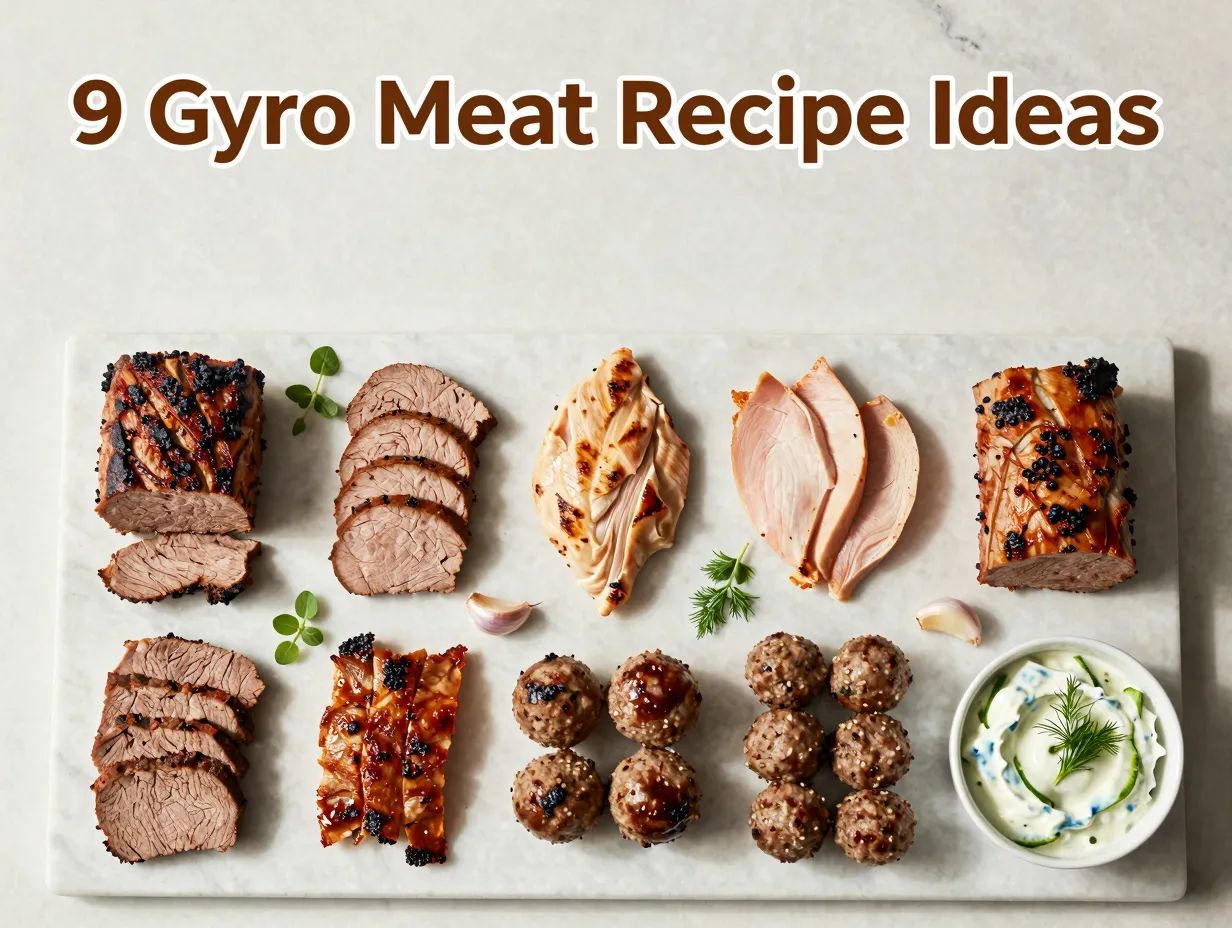
These recipes range from the traditional to the creative, covering different meats, cooking methods, and serving styles. Each one is designed to be achievable in a standard home kitchen.
1. Classic Lamb and Beef Gyro Loaf
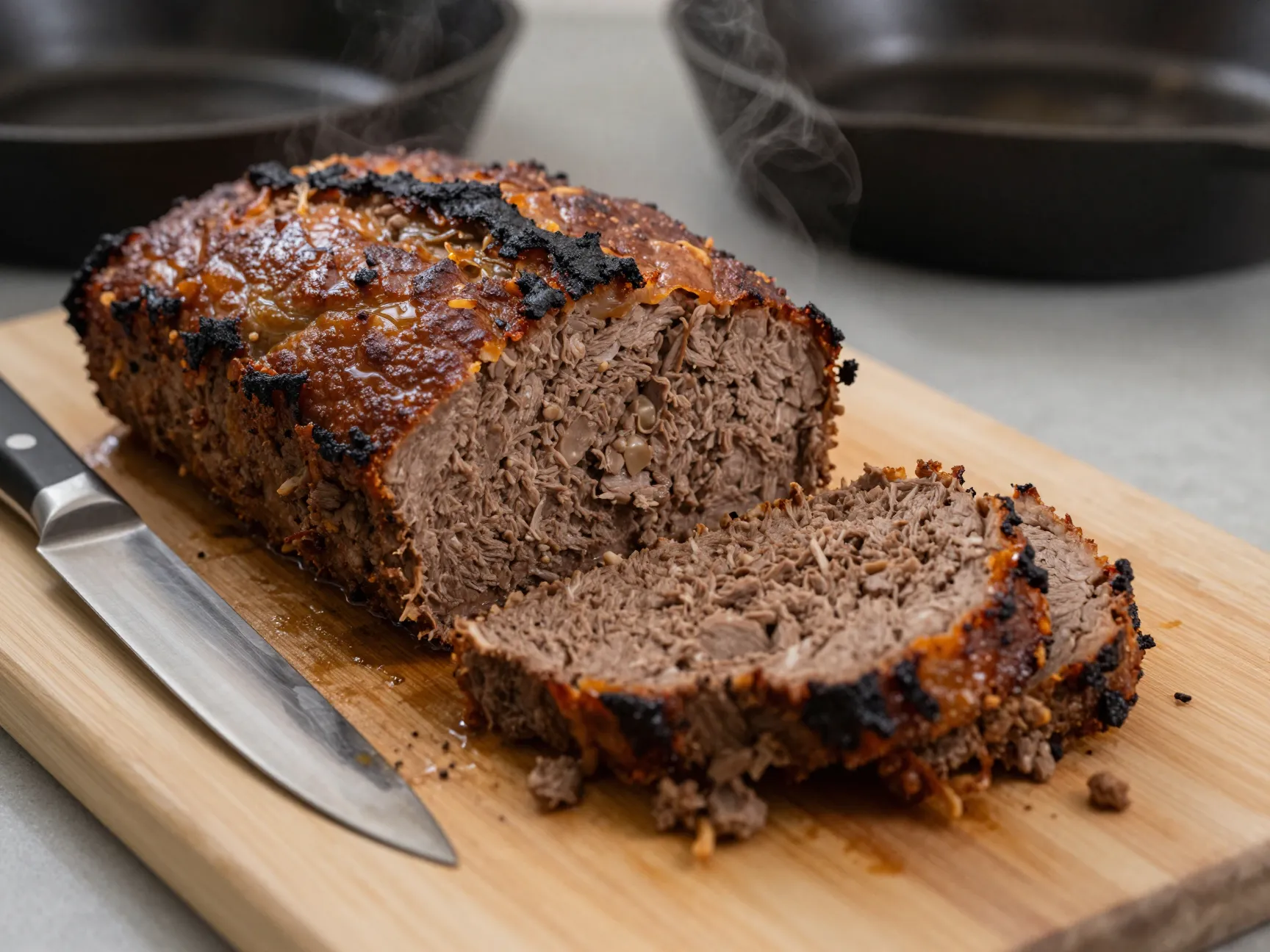
This is the foundation recipe — the one you should master before experimenting with anything else. Combine equal parts ground lamb and ground beef (80/20 fat ratio for the beef) with dried oregano, garlic powder, onion powder, marjoram, rosemary, and a pinch of cumin. Process the mixture in a food processor for at least 60 seconds until it becomes a smooth, sticky paste. Press it firmly into a loaf pan, eliminating any air pockets, and bake at 325°F for about 60 minutes until the internal temperature reaches 165°F.
Once baked, let it rest for 10 minutes, then slice it as thinly as possible — ideally with an electric knife or a very sharp chef’s knife. For extra authenticity, sear the slices in a hot cast-iron skillet for 30 to 60 seconds per side. This caramelizes the edges and creates those slightly crispy, charred bits that make street-style gyros so irresistible [3].
Pro tip: Refrigerate the loaf overnight before slicing. Cold meat slices far more cleanly than warm meat.
2. Traditional Greek Pork Gyros
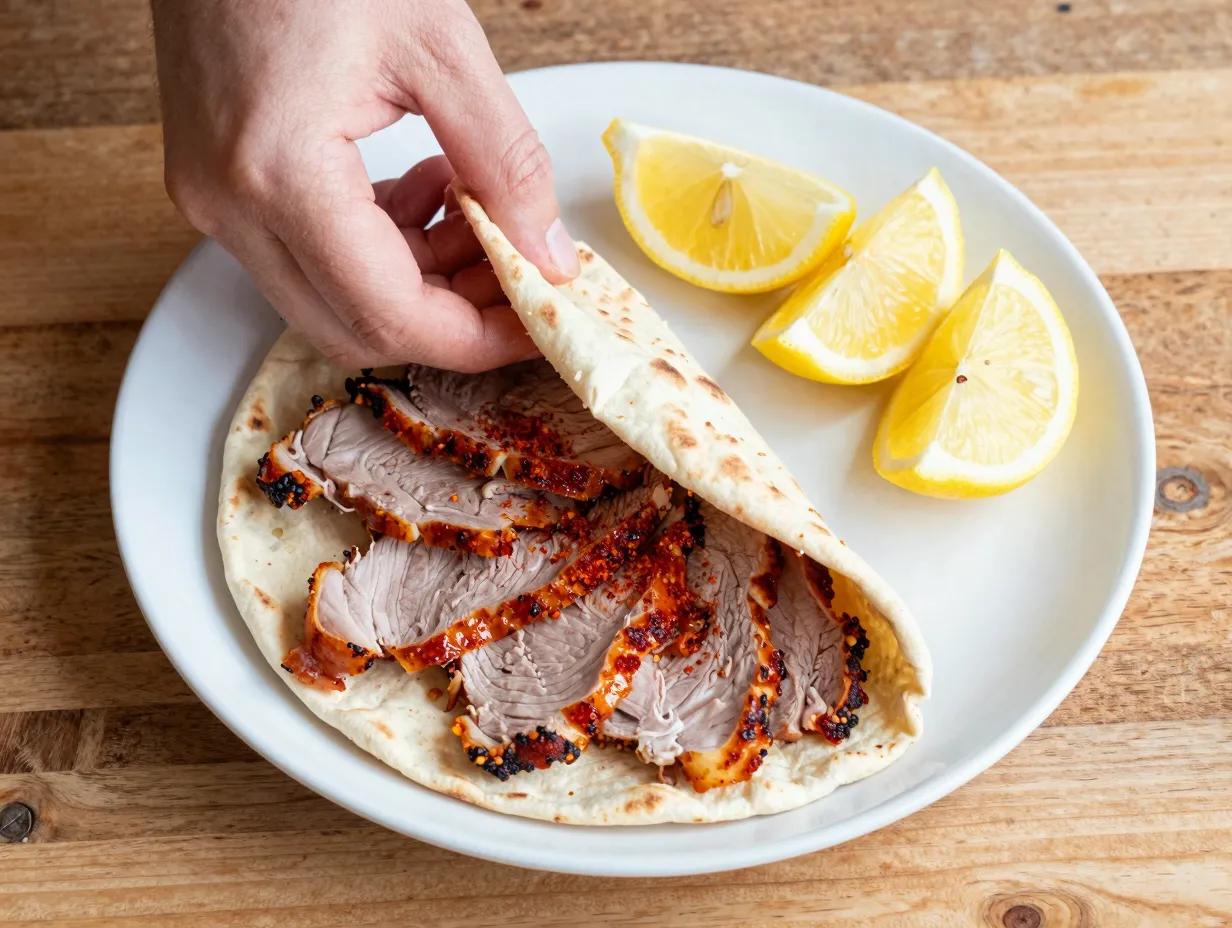
In Greece itself, pork is the dominant gyro meat — a fact that surprises many Americans who associate gyros exclusively with lamb [1]. For this version, use ground pork with a moderate fat content (around 20%). Season it with the same core spice blend, but add a generous amount of sweet paprika and a small amount of dried thyme. The paprika gives the pork a beautiful reddish color that mimics the appearance of spit-roasted meat.
Shape the mixture into a loaf, bake it using the same method as the classic recipe, and slice it thin. Pork gyros are slightly milder in flavor than lamb versions, which makes them a great entry point for people who find lamb too gamey. Serve with a squeeze of fresh lemon juice over the slices before wrapping in pita.
3. Chicken Gyros with Lemon and Herb Marinade

For a leaner option, ground chicken or turkey can be used in place of lamb and beef [5]. Chicken gyros are lighter, lower in fat, and genuinely delicious when seasoned properly. The key with chicken is to be more aggressive with the seasoning, since the meat itself has less inherent flavor than lamb or pork.
Use ground chicken thigh meat rather than breast for better moisture and flavor. Add lemon zest, extra garlic, fresh oregano (if available), and a tablespoon of olive oil to the mixture. Process it into a paste, form it into a loaf, and bake as usual. The lemon zest brightens the whole flavor profile and gives it a distinctly Mediterranean character.
Alternatively, you can marinate boneless chicken thighs in olive oil, lemon juice, garlic, and oregano for at least four hours, then grill or pan-sear them and slice thinly. This method produces a slightly different texture — more like pulled strips than sliced loaf — but the flavor is outstanding.
4. Turkey Gyro Meat for a Lighter Twist
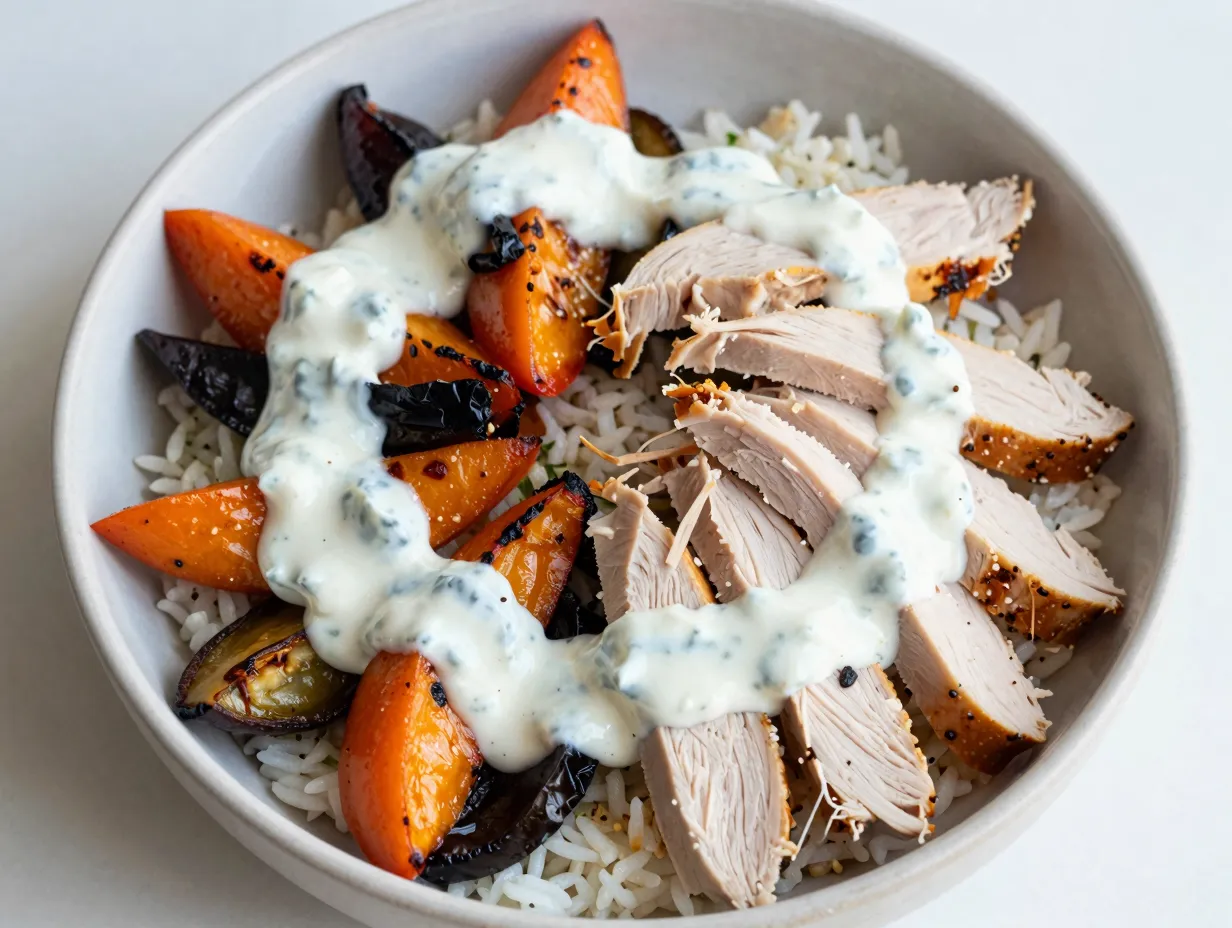
Ground turkey follows the same logic as chicken but has a slightly firmer texture when cooked, which actually makes it easier to slice thinly. Use 93% lean ground turkey and compensate for the lower fat content by adding two tablespoons of olive oil directly to the meat mixture. Season generously with oregano, garlic powder, onion powder, and a small amount of allspice — a spice that appears in some regional Greek recipes and adds a subtle warmth.
Turkey gyros work especially well in bowls rather than wraps, served over rice or roasted vegetables with tzatziki drizzled on top. If you are cooking for people who avoid red meat, this version delivers genuine Mediterranean flavor without compromise.
5. Overnight Marinated Lamb Gyros
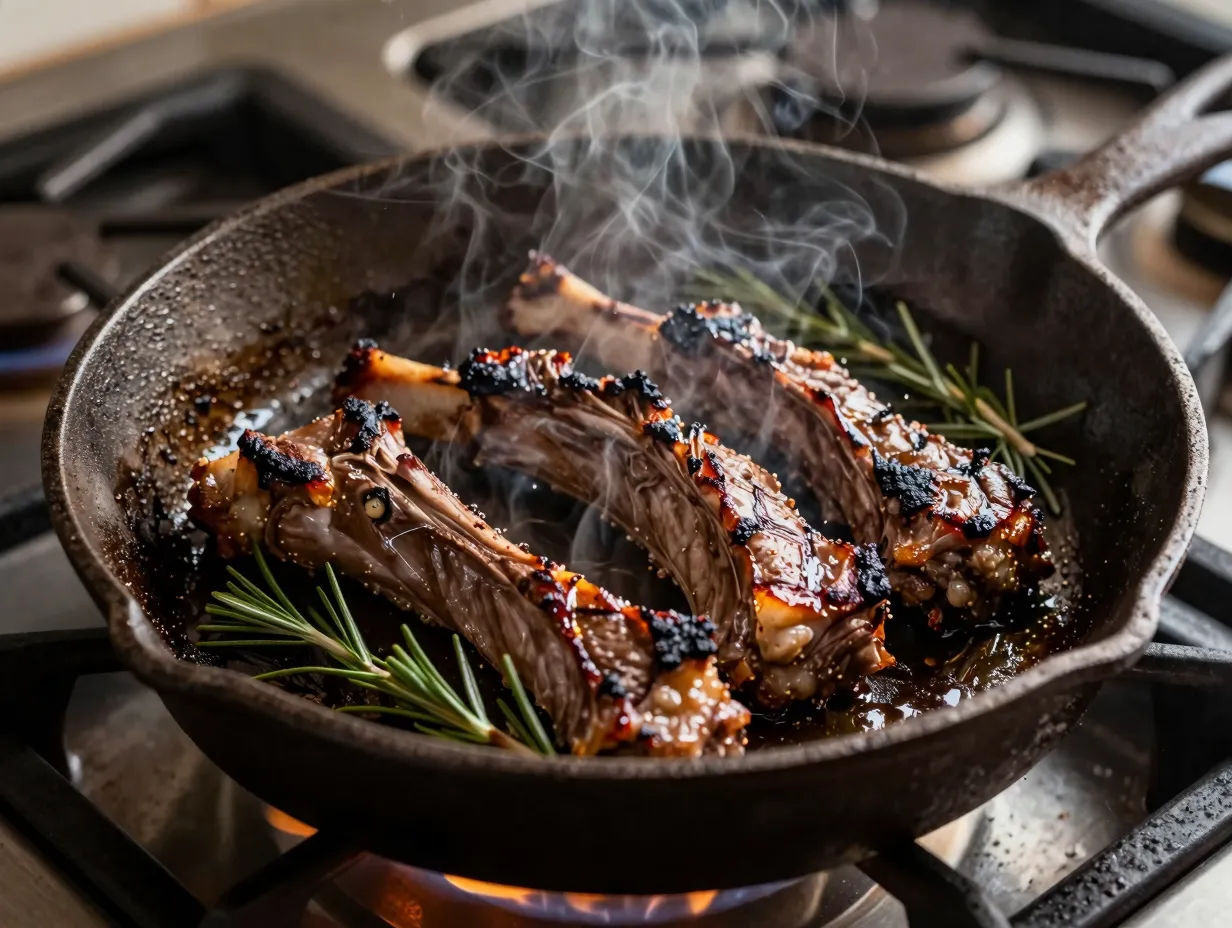
Marinating the meat overnight with red wine vinegar and a touch of Worcestershire sauce can significantly deepen the umami flavor of gyro meat [6]. This technique works best when you are using sliced or cubed lamb rather than ground meat. Cut lamb shoulder into thin strips, then marinate them overnight in a mixture of red wine vinegar, olive oil, Worcestershire sauce, garlic, oregano, and black pepper.
The acid in the vinegar tenderizes the meat while the Worcestershire adds a savory depth that is hard to achieve any other way. The next day, cook the strips in a very hot cast-iron pan or on a grill until slightly charred on the edges. This method produces gyro meat with a more rustic, hand-cut texture that feels closer to what you might find at a small family-run taverna in Thessaloniki.
6. Spiced Beef Gyro Loaf with Cumin and Paprika
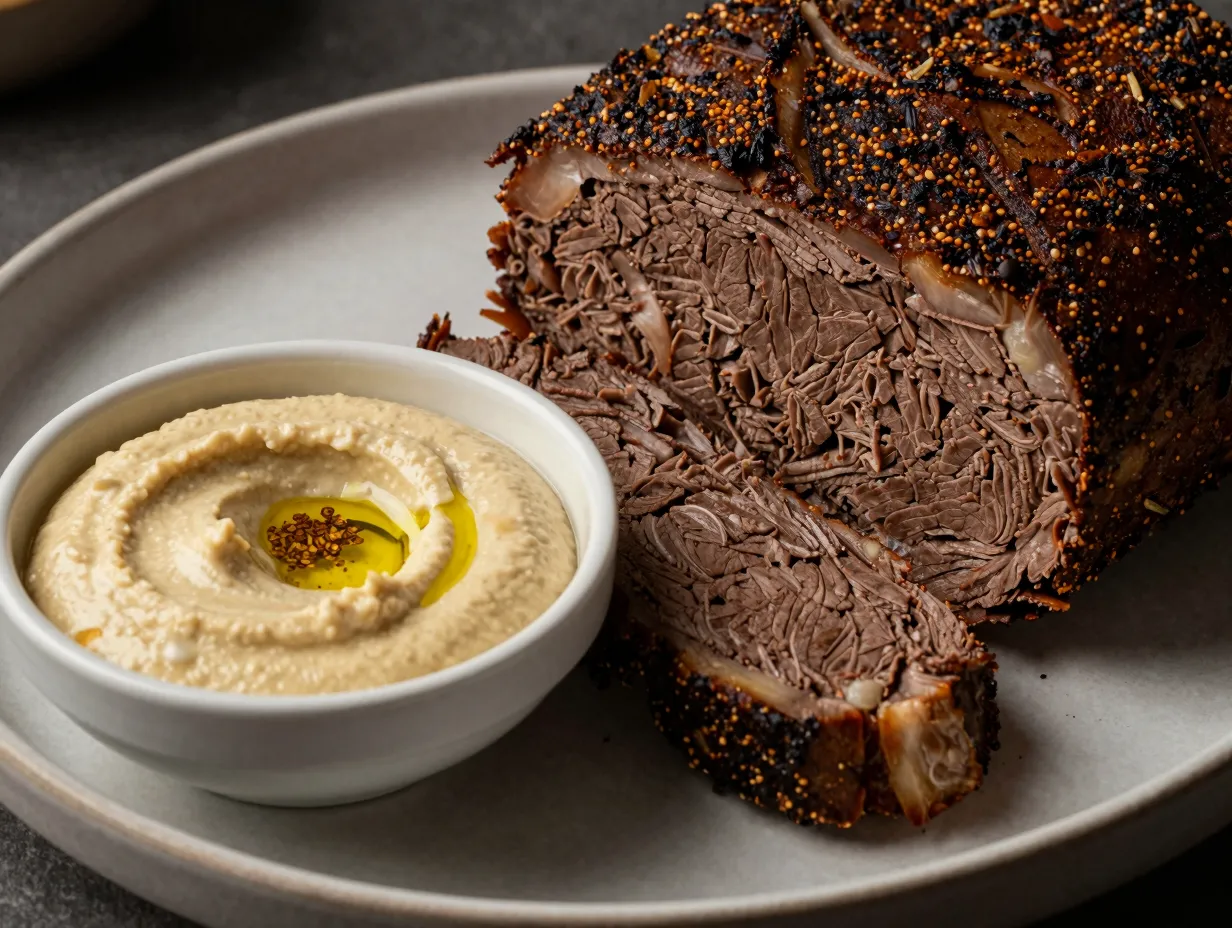
Not everyone loves lamb, and a pure beef gyro is a perfectly legitimate choice. Use 80/20 ground beef and season it more boldly than you would with a lamb blend — the beef can handle it. Add extra cumin and smoked paprika to the standard spice mix, along with a small amount of cinnamon. Cinnamon in savory meat dishes is a hallmark of Greek and broader Mediterranean cooking, and it adds a complexity that most people cannot immediately identify but immediately enjoy.
Process the beef into a paste, bake it in a loaf pan, and slice it thin. The result is a denser, richer gyro meat with a flavor profile that leans slightly toward Middle Eastern spicing. This version pairs particularly well with a tahini-based sauce alongside the traditional tzatziki.
7. Sheet Pan Gyro Meat Strips
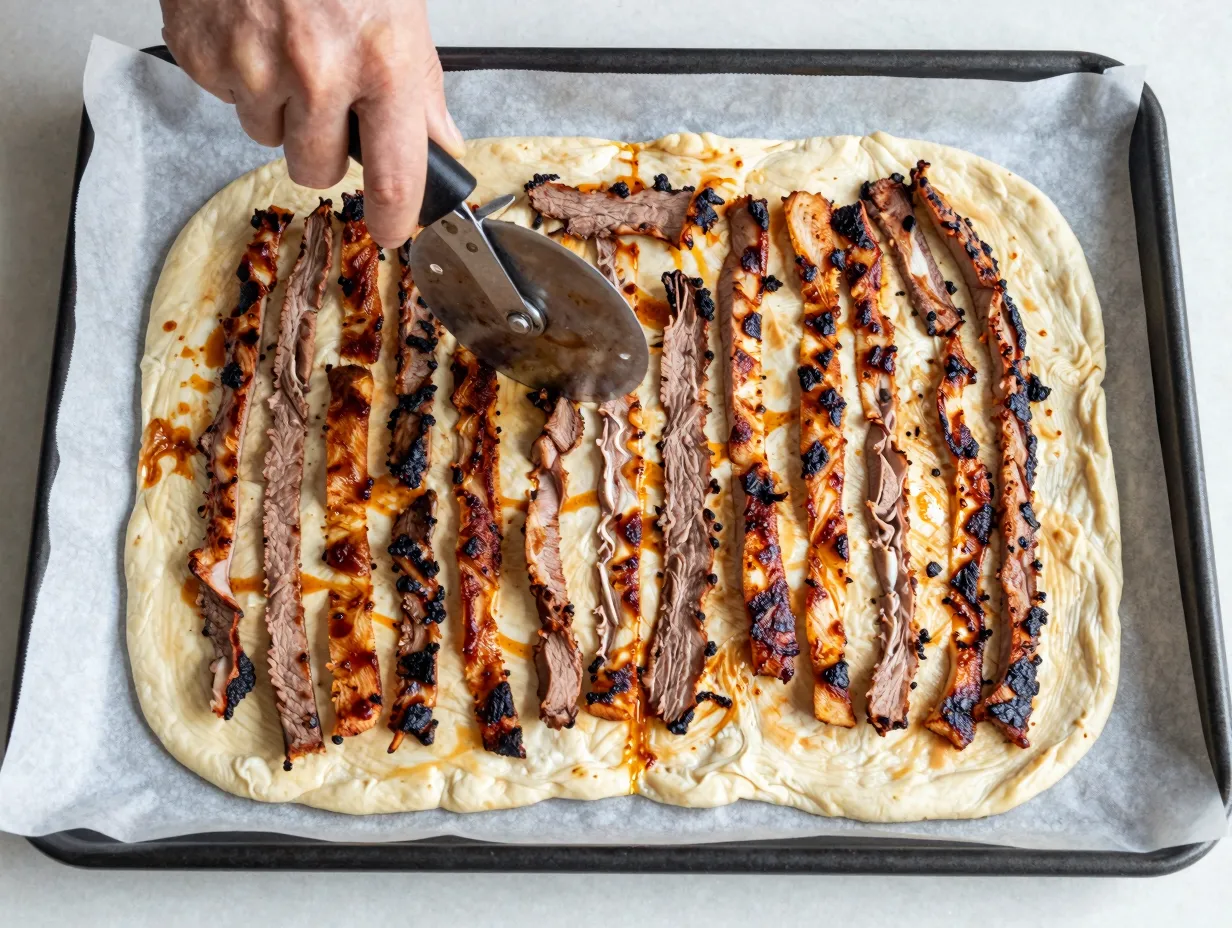
This recipe is designed for weeknight efficiency without sacrificing flavor. Instead of forming a loaf, spread the seasoned meat mixture into a thin, even layer on a parchment-lined sheet pan — about half an inch thick. Bake at 375°F for 20 to 25 minutes until cooked through and slightly browned on top.
Once cooled slightly, cut the sheet into strips with a pizza cutter or sharp knife. The strips have more surface area than loaf slices, which means more caramelization and more flavor per bite. Even without a rotisserie, shaping and baking the meat this way can yield authentic results [7]. This method is also ideal for meal prepping — make a full sheet pan on Sunday and use the strips throughout the week in wraps, salads, and grain bowls.
8. Mixed Herb and Garlic Gyro Meatballs
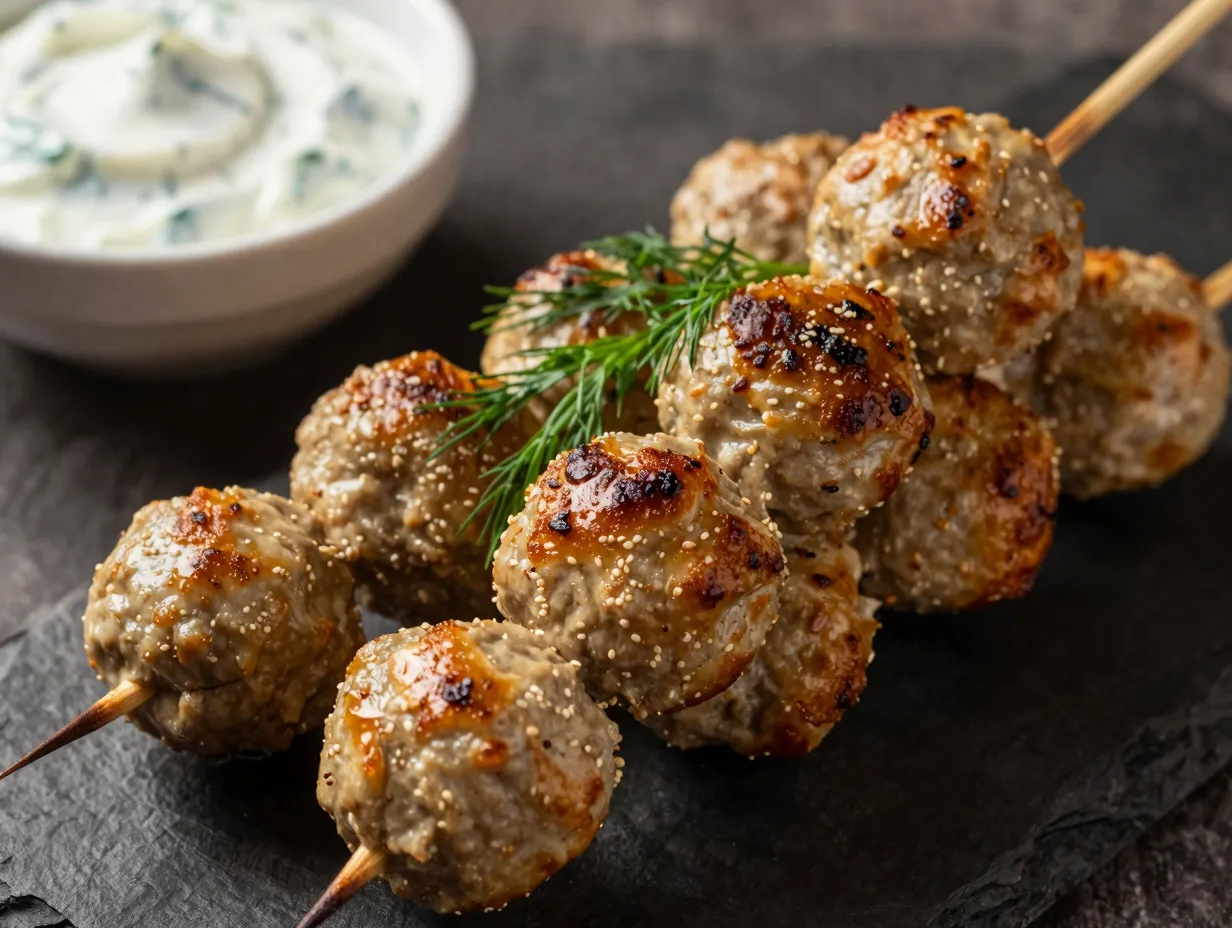
This is the most creative entry on the list, and one of the most crowd-pleasing. Take the standard gyro meat mixture — lamb and beef, fully processed into a paste — and roll it into golf-ball-sized meatballs. Bake them at 400°F for 18 to 20 minutes until cooked through and browned.
The meatball format changes the eating experience entirely. You can serve them on skewers as an appetizer, tuck them into pita with tzatziki, or pile them into a bowl over tabbouleh. They also freeze beautifully, making them one of the most practical applications of gyro seasoning. The flavor profile is identical to a traditional gyro loaf — you are simply changing the shape and, by extension, the texture and presentation.
9. Gyro Meat Bowl with Homemade Tzatziki
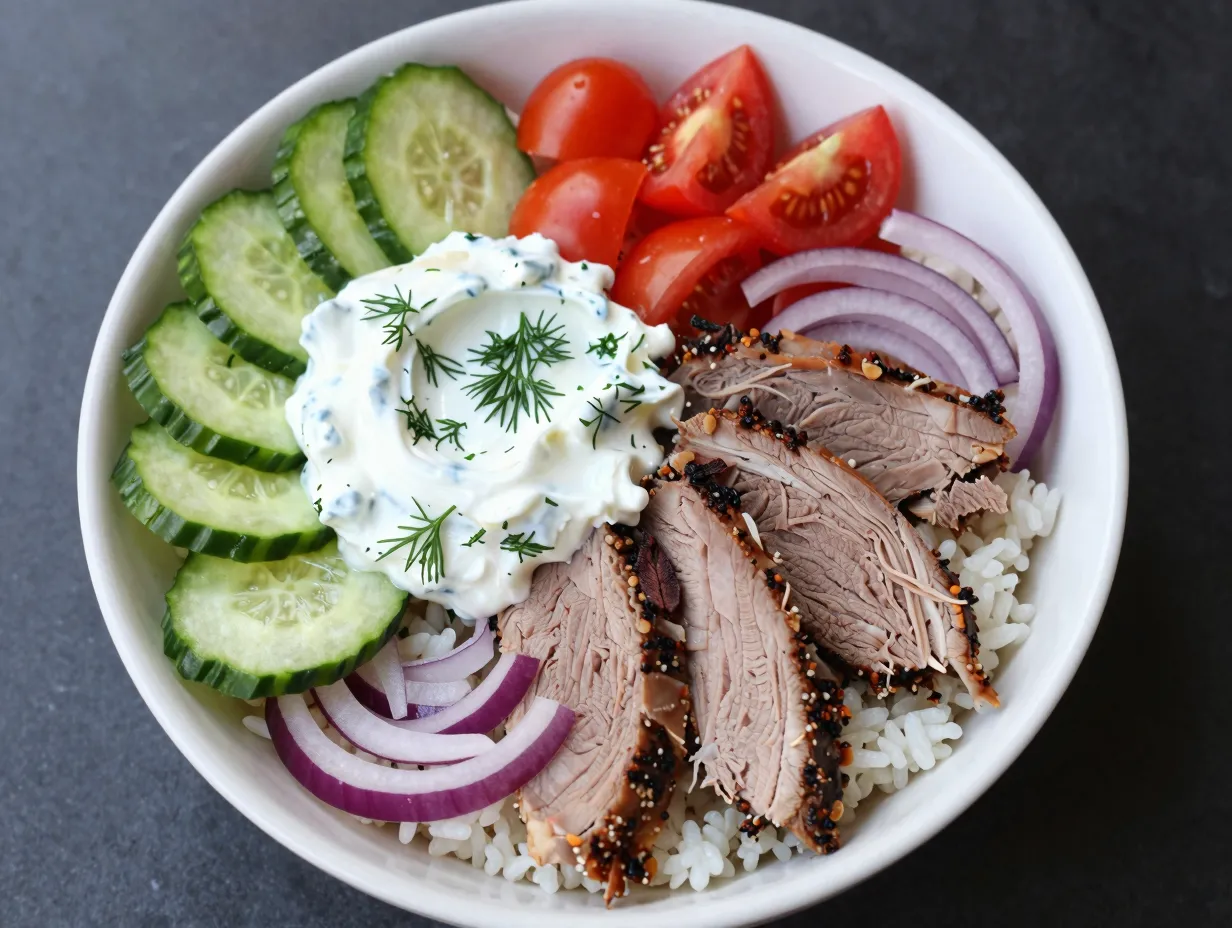
The ninth idea is less about a specific meat preparation and more about a complete serving concept that maximizes everything you have learned from the previous eight recipes. Build a Mediterranean bowl using any of the gyro meat variations above, served over a base of warm rice or roasted cauliflower, topped with diced tomatoes, sliced red onion, cucumber, and a generous amount of homemade tzatziki.
A simple tzatziki can be made by combining Greek yogurt, grated cucumber (squeezed dry), garlic, fresh dill, and lemon juice [5]. The cucumber must be squeezed thoroughly — excess moisture will make the sauce watery and thin. Let the tzatziki rest in the refrigerator for at least 30 minutes before serving so the flavors can meld.
This bowl format is ideal for people who want the full Mediterranean flavor experience without the structural challenge of assembling a wrap. It is also naturally gluten-free, making it accessible to a wider range of diners.
Building the Perfect Gyro: Toppings and Accompaniments
Gyro meat is traditionally served in pita bread with toppings like tomatoes, red onions, and tzatziki sauce [1]. But the details matter. Here is a quick reference guide for building a balanced gyro:
| Component | Best Choice | Why It Works |
|---|---|---|
| Bread | Warm, soft pita | Provides structure without overpowering |
| Sauce | Homemade tzatziki | Cooling contrast to spiced meat |
| Acid | Fresh tomatoes or pickled onions | Cuts through richness |
| Crunch | Thinly sliced red onion | Texture and sharpness |
| Fresh herb | Flat-leaf parsley or dill | Brightness and color |
| Optional heat | Sliced pepperoncini | Adds Mediterranean spice |
One thing I have learned through trial and error: warm your pita before assembling. A cold pita cracks and tears. Thirty seconds directly over a gas flame or in a dry skillet transforms it into something pliable and fragrant.
Common Mistakes to Avoid When Making Gyro Meat at Home
Even with a good recipe, a few consistent errors can undermine the final result. Here are the most common ones:
Not processing the meat long enough. The paste-like texture is not optional. If you skip the food processor step or do not run it long enough, the meat will crumble instead of slice cleanly [4].
Under-seasoning. Gyro meat needs more seasoning than you think. The spices must penetrate a dense meat mixture, and some of the aromatics cook off during baking. Season assertively.
Skipping the rest period. Letting the baked loaf rest — ideally overnight in the refrigerator — makes an enormous difference in sliceability. Hot meat compresses and tears. Cold meat slices cleanly.
Using lean meat without adding fat. Fat carries flavor and keeps the meat moist during baking. If you are using lean turkey or chicken, compensate with olive oil in the mixture.
Assembling with cold pita. Already covered above, but worth repeating. Warm pita is not a luxury — it is a requirement.
Conclusion
The nine gyro meat recipe ideas that bring authentic Mediterranean flavor to your kitchen are more achievable than most home cooks realize. The core principles — the right meat blend, a bold spice profile, proper texture processing, and smart cooking technique — apply across all nine variations. Master the classic lamb and beef loaf first, then branch out into chicken, turkey, pork, and the creative formats like meatballs and sheet pan strips.
Your next steps:
- Start with Recipe 1 (Classic Lamb and Beef Gyro Loaf) this weekend to build your baseline
- Make the tzatziki sauce the night before so it has time to develop flavor
- Invest in a food processor if you do not already own one — it is the single most impactful tool for this style of cooking
- Try the overnight marinated lamb version (Recipe 5) once you are comfortable with the basics
- Experiment with the bowl format (Recipe 9) as a weeknight meal prep strategy
Mediterranean cooking rewards patience and attention to detail. Get the fundamentals right, and you will never need to settle for disappointing takeout again.
References
[1] Gyros – https://en.wikipedia.org/wiki/Gyros?utm_source=openai
[2] The Real Ingredients In Gyro Meat And What To Avoid – https://eathealthy365.com/the-real-ingredients-in-gyro-meat-and-what-to-avoid/?utm_source=openai
[3] Gyro Meat – https://thebigmansworld.com/gyro-meat/?utm_source=openai
[4] Gyro Recipe 23772751 – https://www.thekitchn.com/gyro-recipe-23772751?utm_source=openai
[5] Gyro Recipe – https://comfortablefood.com/gyro-recipe/?utm_source=openai
[6] Authentic Greek Gyro Recipe How Make Homemade Gyros – https://pekis.net/recipe/authentic-greek-gyro-recipe-how-make-homemade-gyros?utm_source=openai
[7] Gyro – https://fedbysab.com/gyro/?utm_source=openai
[8] Gyro – https://pekis.net/recipe/gyro?utm_source=openai