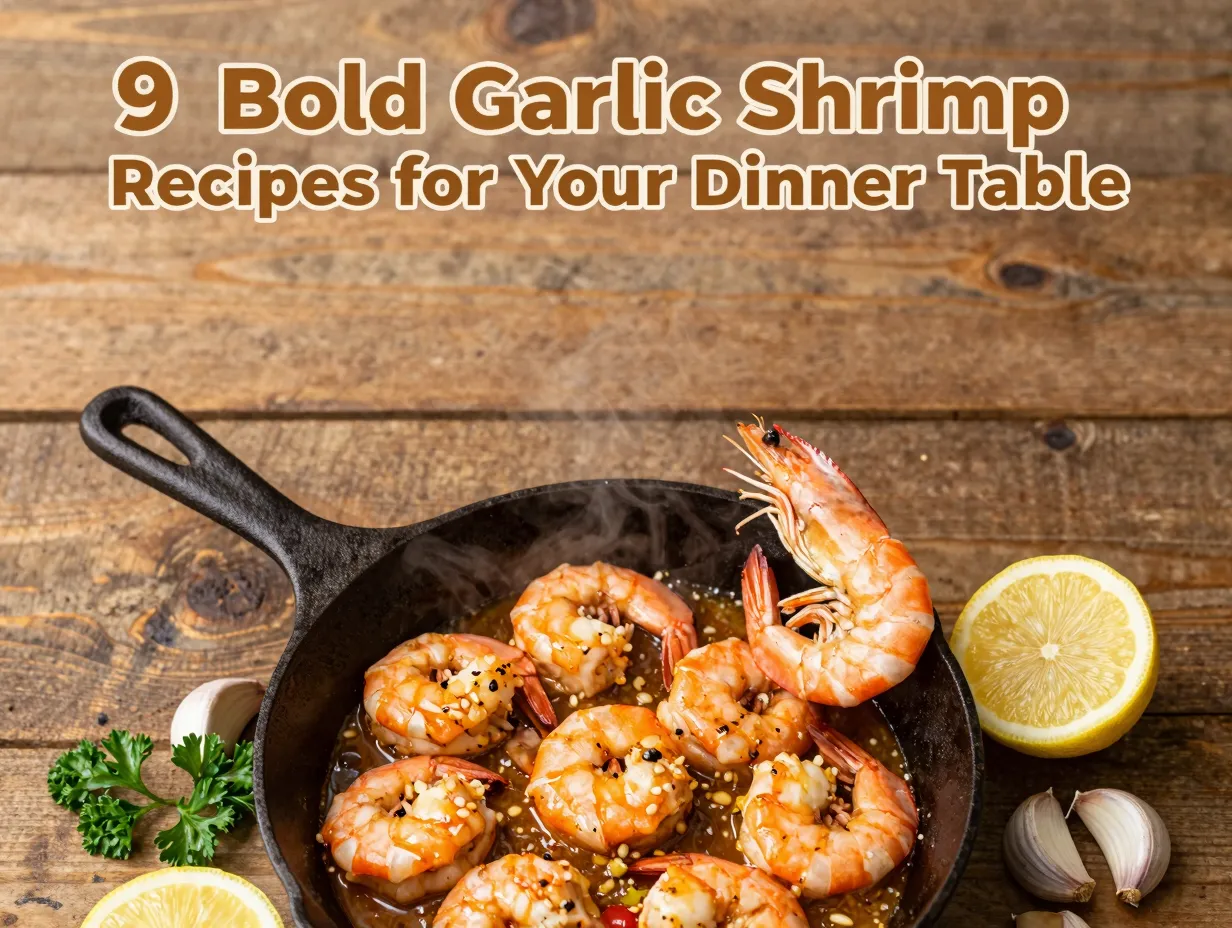
9 Bold and Buttery Garlic Shrimp Recipes That Belong on Your Dinner Table Now
Shrimp is the most consumed seafood in the United States, accounting for roughly 30% of all seafood eaten by Americans each year, according to the National Oceanic and Atmospheric Administration. Yet despite that popularity, most home cooks still default to the same bland, overcooked preparation they learned years ago. That is a missed opportunity. The 9 Bold and Buttery Garlic Shrimp Recipes That Belong on Your Dinner Table Now collected in this guide are designed to change that habit permanently, delivering deep flavor, satisfying richness, and impressive results in under 30 minutes per dish.
Disclosure: This post contains affiliate links. As an Amazon Associate, we earn from qualifying purchases, and at no extra cost to you.
I have spent years testing garlic shrimp variations in my own kitchen, from a smoky Spanish-style gambas al ajillo I first tasted in a tiny Madrid tapas bar to a coconut-laced version a friend’s grandmother made in coastal Kerala. Every recipe below carries that same spirit: bold garlic, real butter, and a commitment to flavor that makes dinner feel like an event.
Key Takeaways
- Garlic shrimp dishes come together in 15 to 30 minutes, making them ideal for weeknight cooking without sacrificing quality.
- The quality of butter and the freshness of garlic are the two variables that most dramatically affect the final flavor.
- Acid (lemon juice, white wine, or vinegar) is a non-negotiable finishing element that lifts and balances the richness of butter.
- Shrimp size matters: jumbo or extra-large shrimp (16/20 count per pound) hold up better to high-heat searing and bold sauces.
- These nine recipes span global flavor profiles, so you can rotate through them without ever repeating the same taste experience.
Why Garlic Shrimp Deserves a Permanent Spot on Your Weekly Menu
Before diving into the 9 Bold and Buttery Garlic Shrimp Recipes That Belong on Your Dinner Table Now, it is worth understanding why this combination works so reliably. Garlic and butter are what food scientists call a “flavor synergy pair.” The fat-soluble sulfur compounds in garlic dissolve into butter during cooking, creating a sauce base that is more aromatic and complex than either ingredient alone.
Shrimp, for its part, is one of the leanest proteins available, with a 3-ounce serving delivering roughly 20 grams of protein and fewer than 90 calories. The richness of garlic butter compensates for that leanness without overwhelming the delicate sweetness of the shrimp itself.
Three reasons garlic shrimp earns a weekly rotation:
- Speed: Most preparations take 20 minutes or less from pan to plate.
- Versatility: The base recipe adapts to dozens of global flavor profiles.
- Crowd appeal: Even picky eaters respond well to the familiar comfort of butter and garlic.
The Non-Negotiable Technique Rules
Before you cook a single shrimp, lock in these fundamentals:
- Dry your shrimp thoroughly. Moisture is the enemy of a good sear. Pat shrimp dry with paper towels before they hit the pan.
- Use high heat, briefly. Shrimp cook in 90 seconds per side at medium-high heat. They should be pink and just opaque, never rubbery.
- Add garlic after the initial sear. Raw garlic burns quickly. Add it once the shrimp are partially cooked or use a two-stage method: infuse garlic in butter first, remove shrimp, build the sauce, then return the shrimp.
- Finish with cold butter. Swirling one or two tablespoons of cold unsalted butter into the finished sauce off heat creates a glossy, emulsified coating that clings to every shrimp.
The 9 Bold and Buttery Garlic Shrimp Recipes That Belong on Your Dinner Table Now
Each recipe below includes a flavor profile, key ingredients, and a brief method overview. Full measurements are provided in the ingredient tables.
1. Classic Garlic Butter Shrimp Scampi
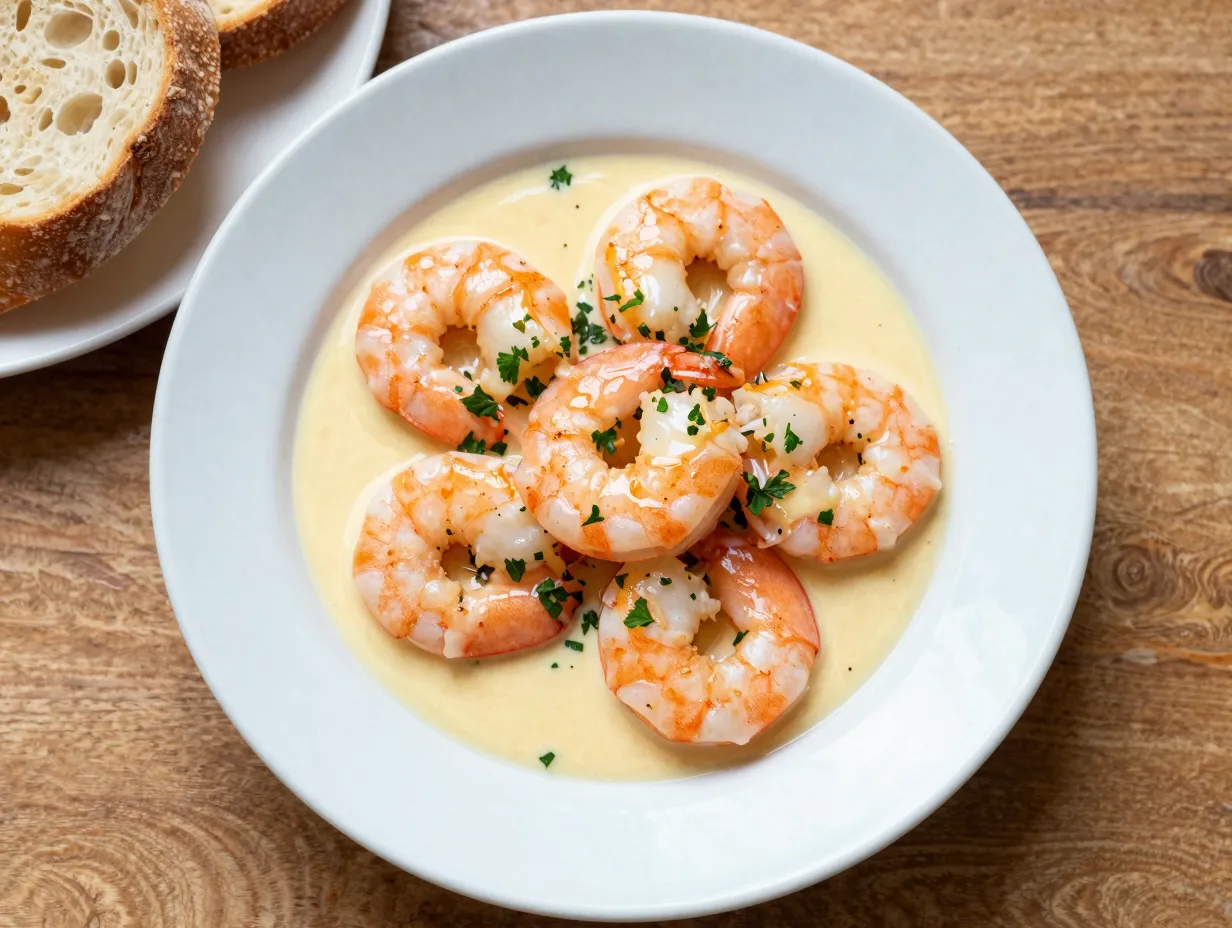
This is the foundational recipe, the one every home cook should master before branching out. Scampi-style preparation uses white wine and lemon juice as the acidic backbone, which keeps the butter sauce bright rather than heavy.
Flavor profile: Bright, buttery, herbaceous
| Ingredient | Amount |
|---|---|
| Jumbo shrimp, peeled and deveined | 1.5 lbs |
| Unsalted butter | 5 tablespoons |
| Garlic cloves, minced | 6 cloves |
| Dry white wine | 1/2 cup |
| Fresh lemon juice | 2 tablespoons |
| Fresh parsley, chopped | 3 tablespoons |
Method: Sear shrimp in 2 tablespoons butter over high heat, 90 seconds per side. Remove shrimp. Add remaining butter, garlic, and cook 60 seconds. Deglaze with wine, reduce by half, add lemon juice, return shrimp, toss, finish with parsley. Serve over linguine or with crusty bread.
2. Spanish Gambas al Ajillo
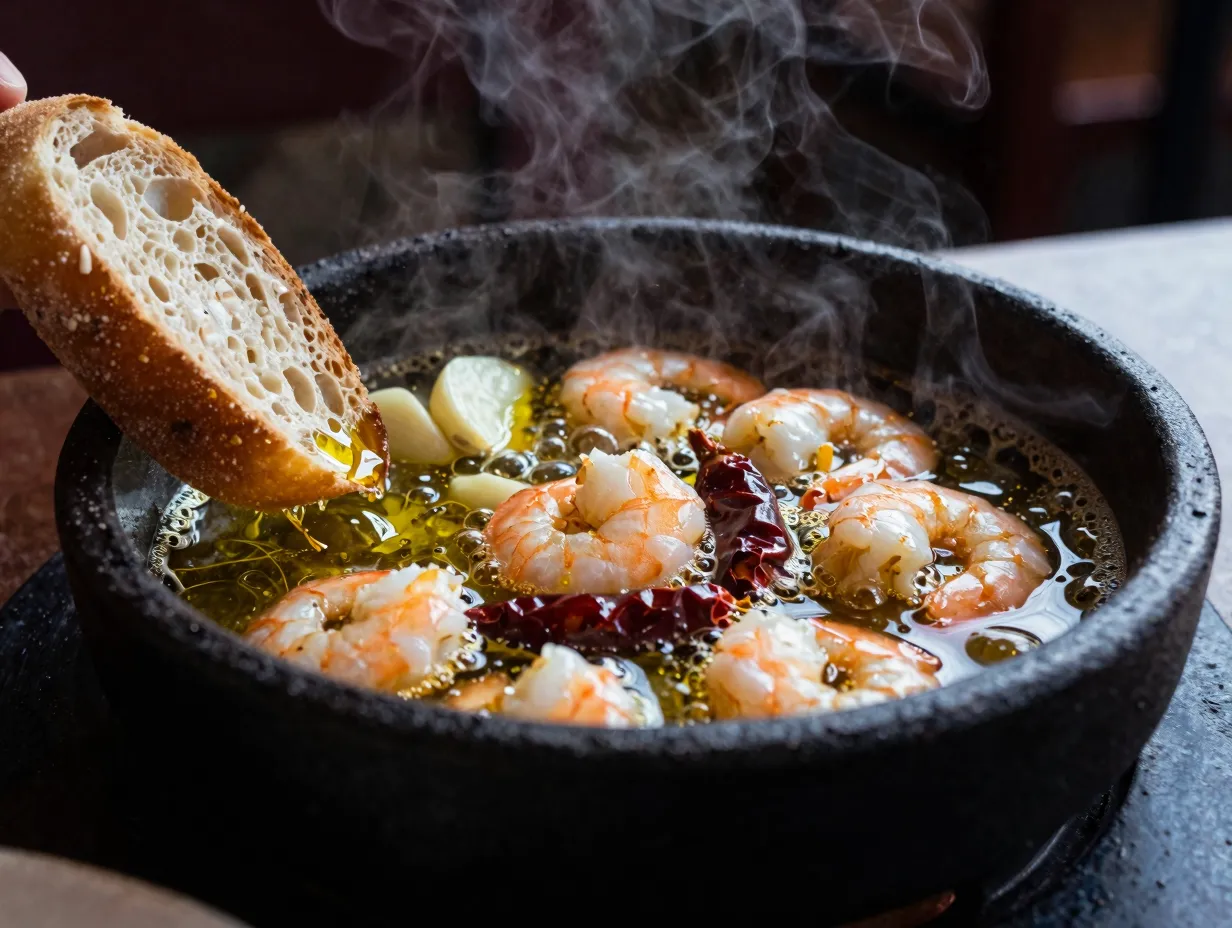
This is the dish that changed how I think about garlic shrimp. I ordered it in Madrid at a counter-service tapas bar, and the server brought a small clay dish still bubbling with olive oil, garlic, and dried chiles. The technique is different from scampi: the shrimp cook entirely in infused olive oil, with butter added only at the end for richness.
Flavor profile: Smoky, spicy, deeply savory
Key ingredients: Olive oil, dried guajillo or ancho chile, smoked paprika, sherry vinegar, unsalted butter (finishing only)
Method: Gently heat 1/3 cup olive oil with 8 sliced garlic cloves and 2 dried chiles over medium-low heat for 5 minutes. Raise heat to high, add shrimp, cook 2 minutes total. Finish with a splash of sherry vinegar and 1 tablespoon cold butter. Serve in the pan with bread.
3. Cajun Garlic Butter Shrimp
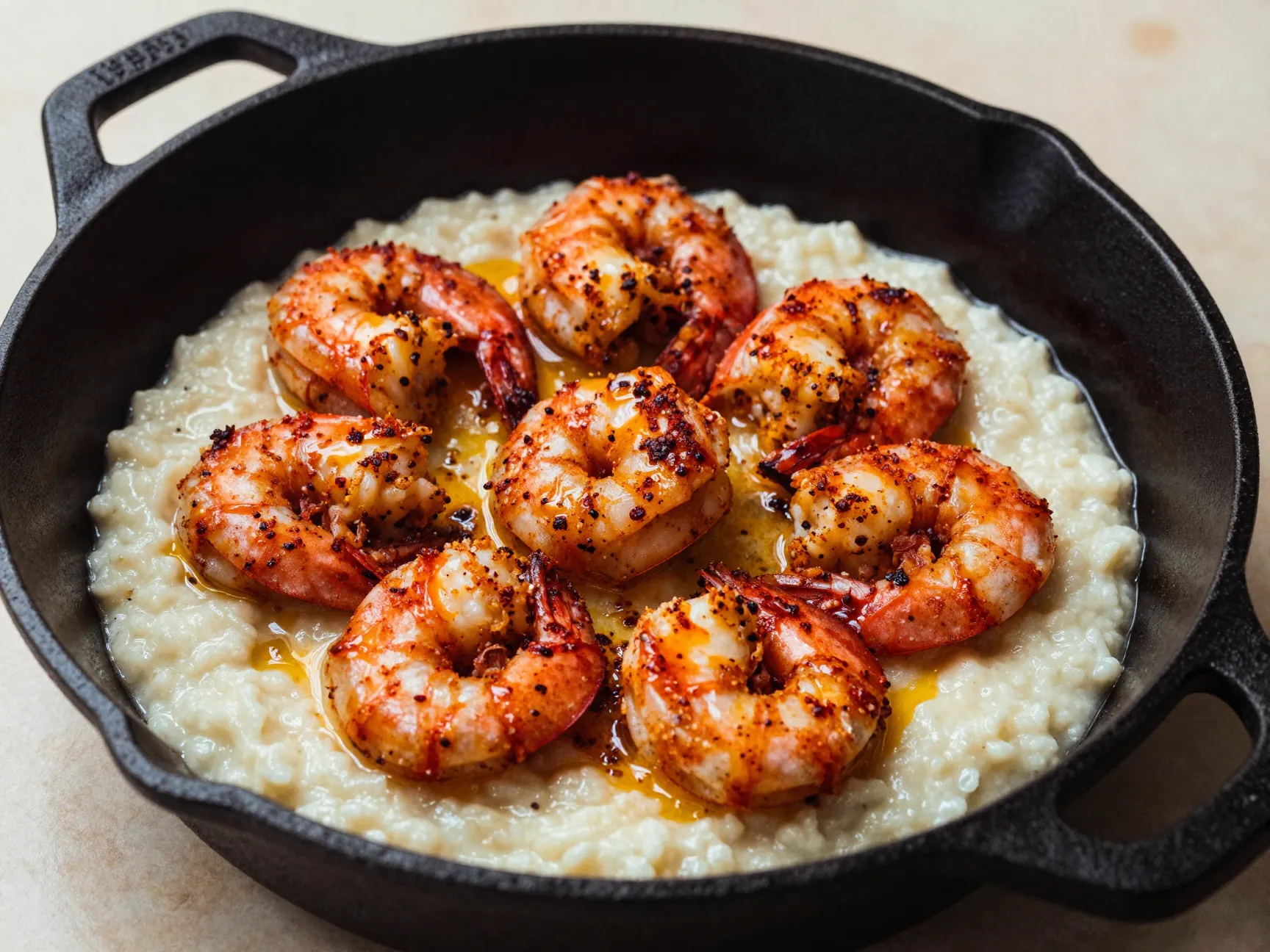
The American South has its own answer to garlic shrimp, and it leans hard into spice. This version uses a dry Cajun rub on the shrimp before they hit the pan, which creates a slightly charred, deeply seasoned crust that the butter sauce then coats and amplifies.
Flavor profile: Bold, spicy, smoky
Cajun spice blend (per 1 lb shrimp):
- 1 teaspoon smoked paprika
- 1/2 teaspoon cayenne pepper
- 1/2 teaspoon garlic powder
- 1/2 teaspoon onion powder
- 1/4 teaspoon dried thyme
- 1/4 teaspoon black pepper
- 1/2 teaspoon kosher salt
Method: Toss shrimp in spice blend. Sear in cast iron with 1 tablespoon oil. Remove shrimp. Build sauce with 4 tablespoons butter, 5 minced garlic cloves, hot sauce to taste, and a squeeze of lemon. Return shrimp, toss to coat. Serve over dirty rice or grits.
4. Lemon Herb Garlic Shrimp with Capers
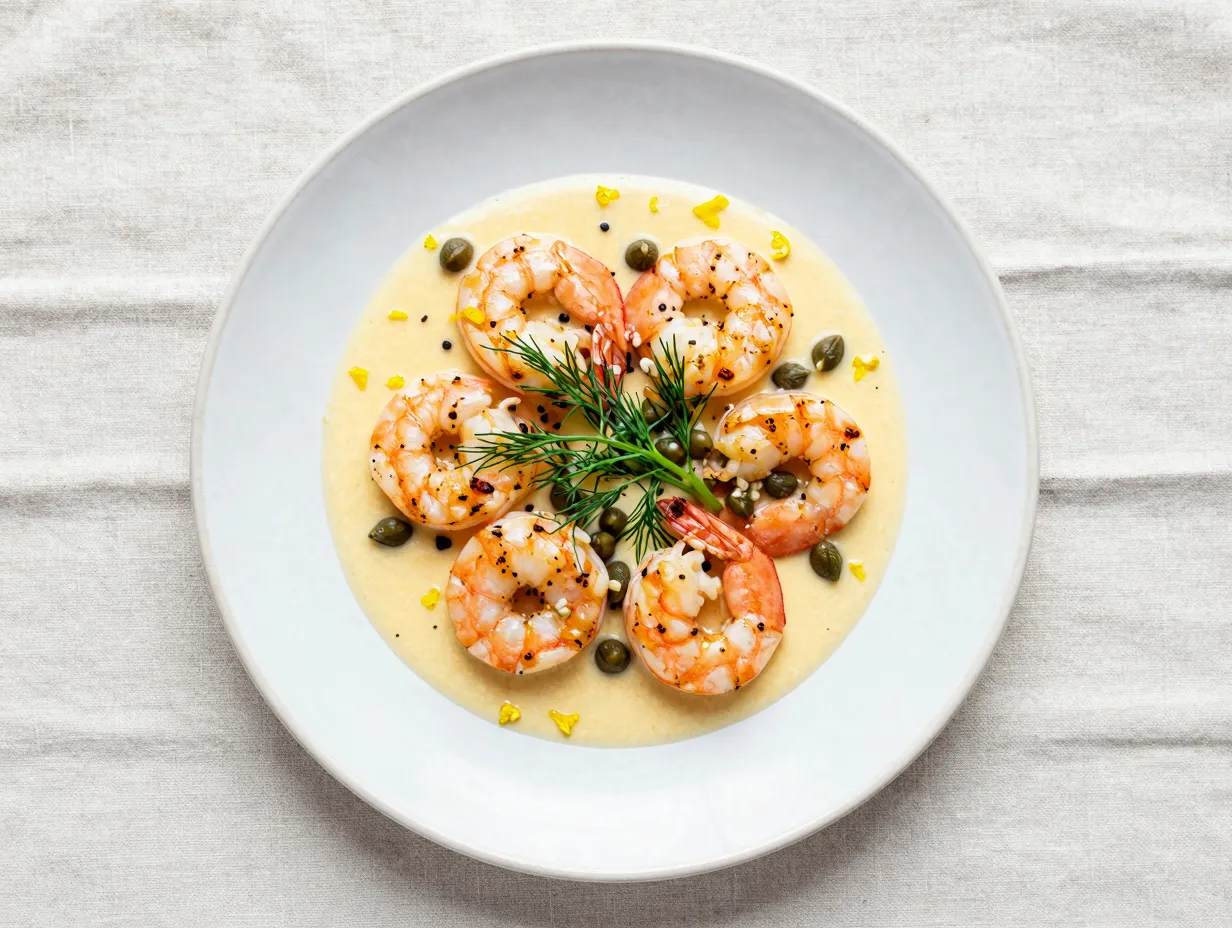
This recipe is lighter and more elegant than the others, making it ideal for dinner parties or warm-weather meals. The capers add a briny, piquant note that cuts through the butter and complements the lemon beautifully.
Flavor profile: Bright, briny, fresh
Key ingredients: Capers, fresh dill, fresh tarragon, lemon zest and juice, dry vermouth, unsalted butter
Method: Sear shrimp, remove. Sweat shallots in butter, add garlic and capers, deglaze with vermouth. Reduce, add lemon zest and juice, return shrimp, finish with fresh herbs and cold butter. Serve over orzo or with roasted asparagus.
5. Coconut Garlic Butter Shrimp
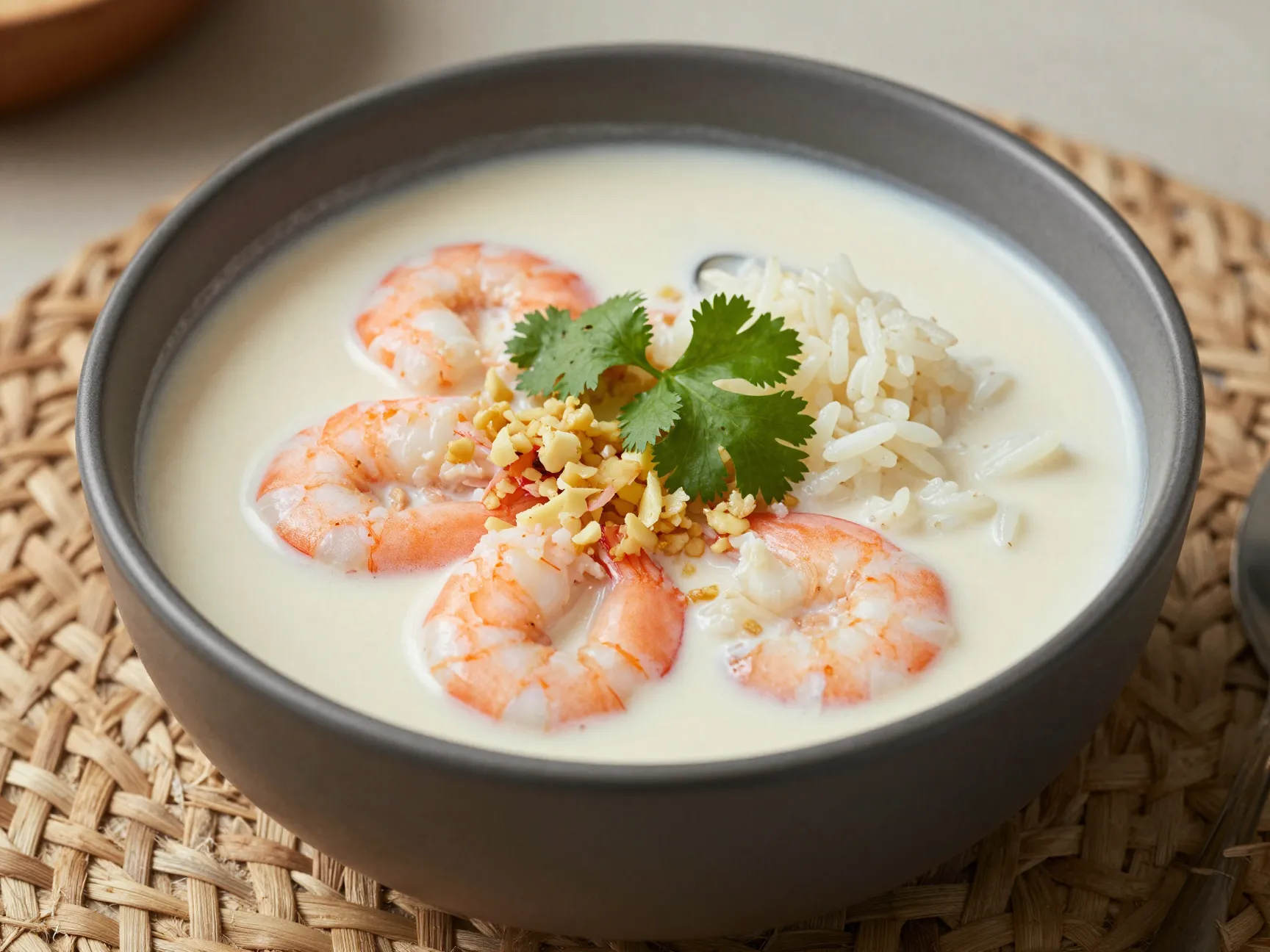
My friend Priya introduced me to her grandmother’s version of this dish during a visit to her family’s home. The coconut milk tempers the heat and adds a subtle sweetness that makes this one of the most approachable recipes on this list for people who find straight garlic butter too rich.
Flavor profile: Creamy, mildly sweet, aromatic
| Ingredient | Amount |
|---|---|
| Full-fat coconut milk | 1 cup |
| Garlic cloves, minced | 5 cloves |
| Fresh ginger, grated | 1 teaspoon |
| Unsalted butter | 3 tablespoons |
| Lime juice | 2 tablespoons |
| Fresh cilantro | 1/4 cup |
Method: Sear shrimp in butter, remove. Saute garlic and ginger 60 seconds. Add coconut milk, reduce by one-third. Return shrimp, finish with lime juice and cilantro. Serve over jasmine rice.
6. Garlic Shrimp with Sun-Dried Tomatoes and Basil
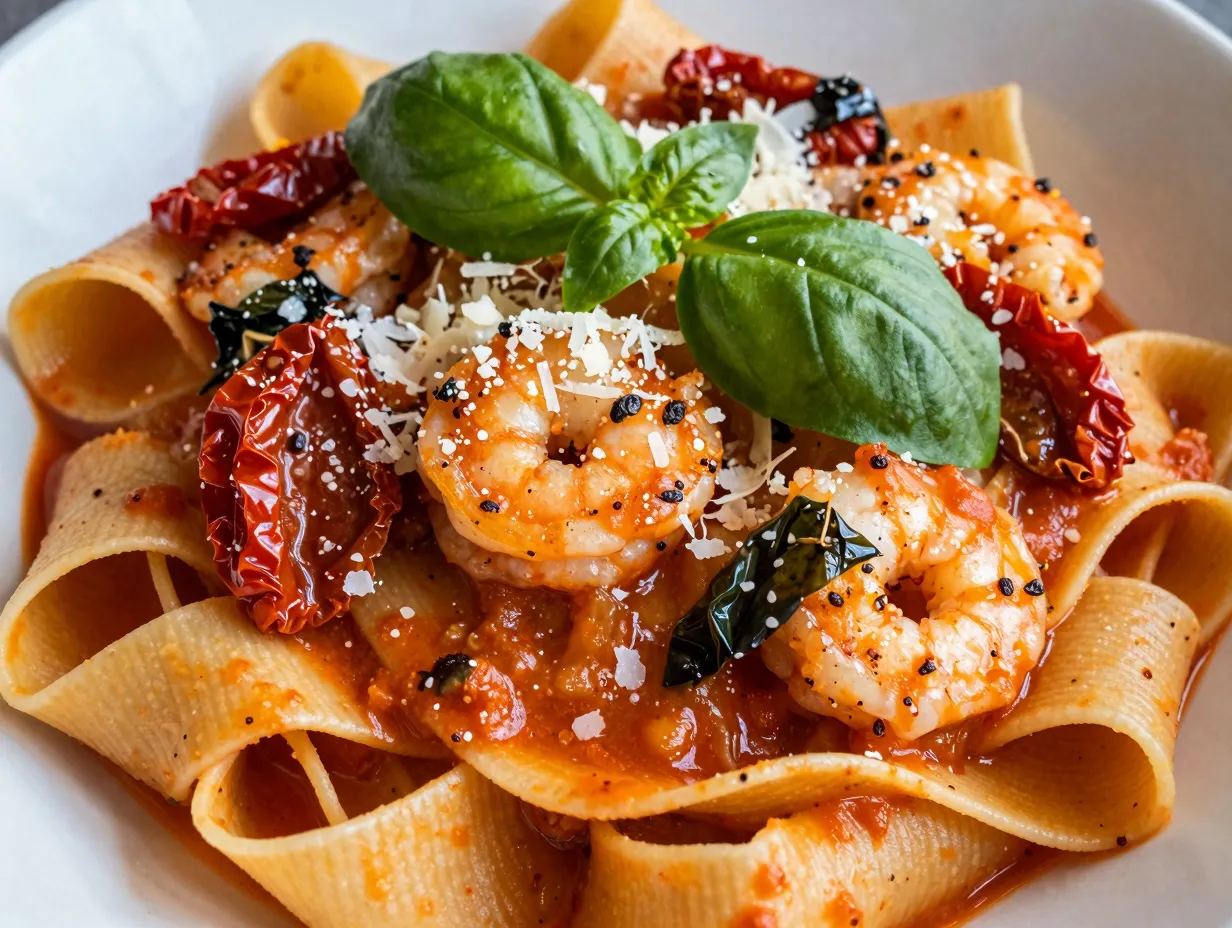
This Italian-inspired variation draws on the concentrated umami of sun-dried tomatoes to add depth to the garlic butter base. The result is a sauce that tastes like it simmered for hours, even though it comes together in under 20 minutes.
Flavor profile: Rich, umami-forward, aromatic
Key ingredients: Oil-packed sun-dried tomatoes, fresh basil, Parmesan, dry white wine, garlic, unsalted butter
Method: Saute sliced sun-dried tomatoes in their oil with garlic. Add white wine, reduce. Add butter, toss in seared shrimp, finish with torn basil and grated Parmesan. Serve over pappardelle or polenta.
7. Asian-Inspired Garlic Butter Shrimp with Soy and Sesame
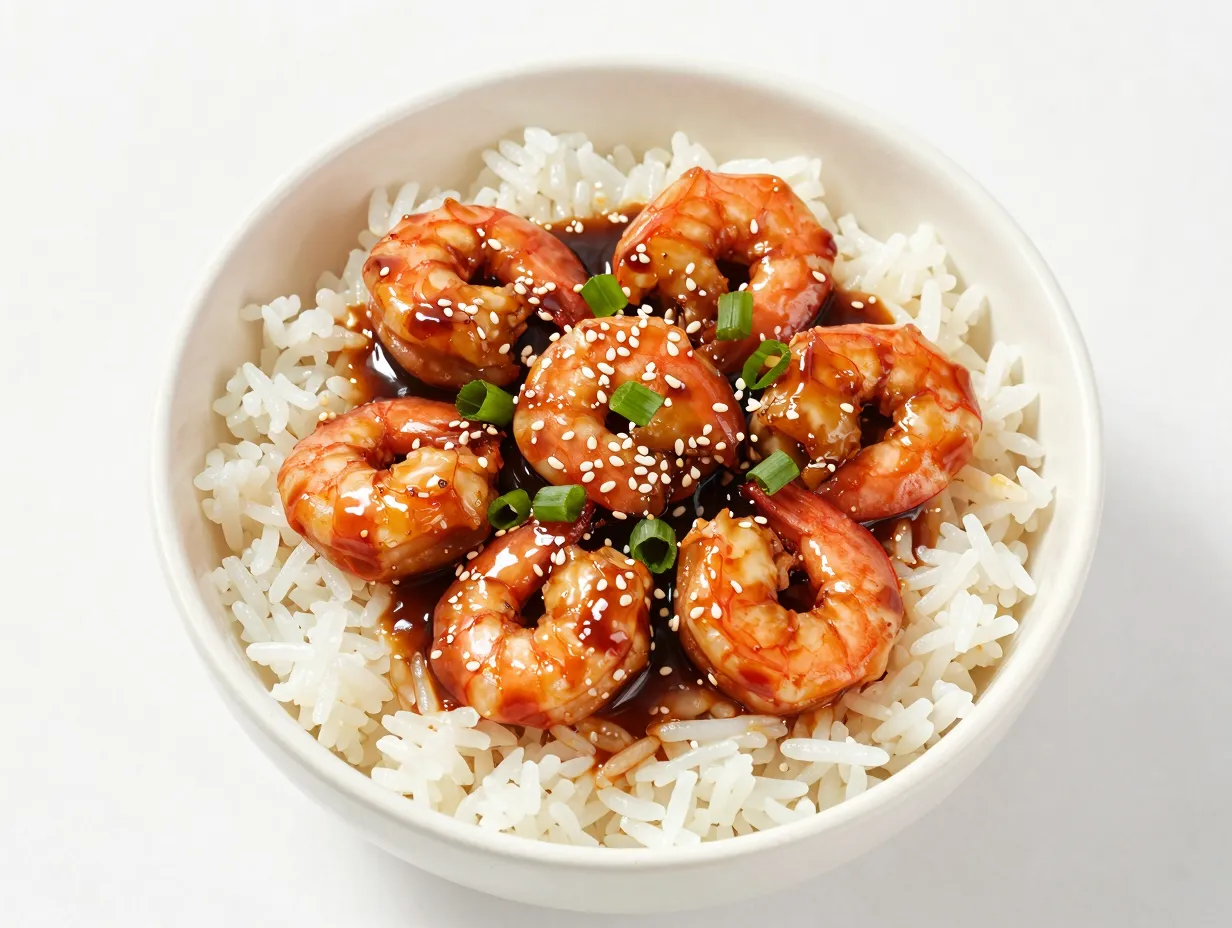
This recipe bridges the gap between Eastern and Western cooking traditions. The soy sauce adds salt and umami while the sesame oil provides a nutty, toasted finish. The butter rounds out the sharper edges of the Asian pantry ingredients.
Flavor profile: Savory, nutty, umami-rich
Sauce ratio (per 1 lb shrimp):
- 3 tablespoons unsalted butter
- 4 garlic cloves, minced
- 2 tablespoons low-sodium soy sauce
- 1 tablespoon oyster sauce
- 1 teaspoon sesame oil (added off heat)
- 1 teaspoon honey
- 1/2 teaspoon rice vinegar
- Sliced scallions and sesame seeds for garnish
Method: Sear shrimp in 1 tablespoon butter. Remove. Add remaining butter, garlic, soy sauce, oyster sauce, honey, and vinegar to pan. Simmer 90 seconds. Return shrimp, toss. Finish with sesame oil off heat. Serve over steamed rice or noodles.
8. Garlic Butter Shrimp with Bacon and Corn
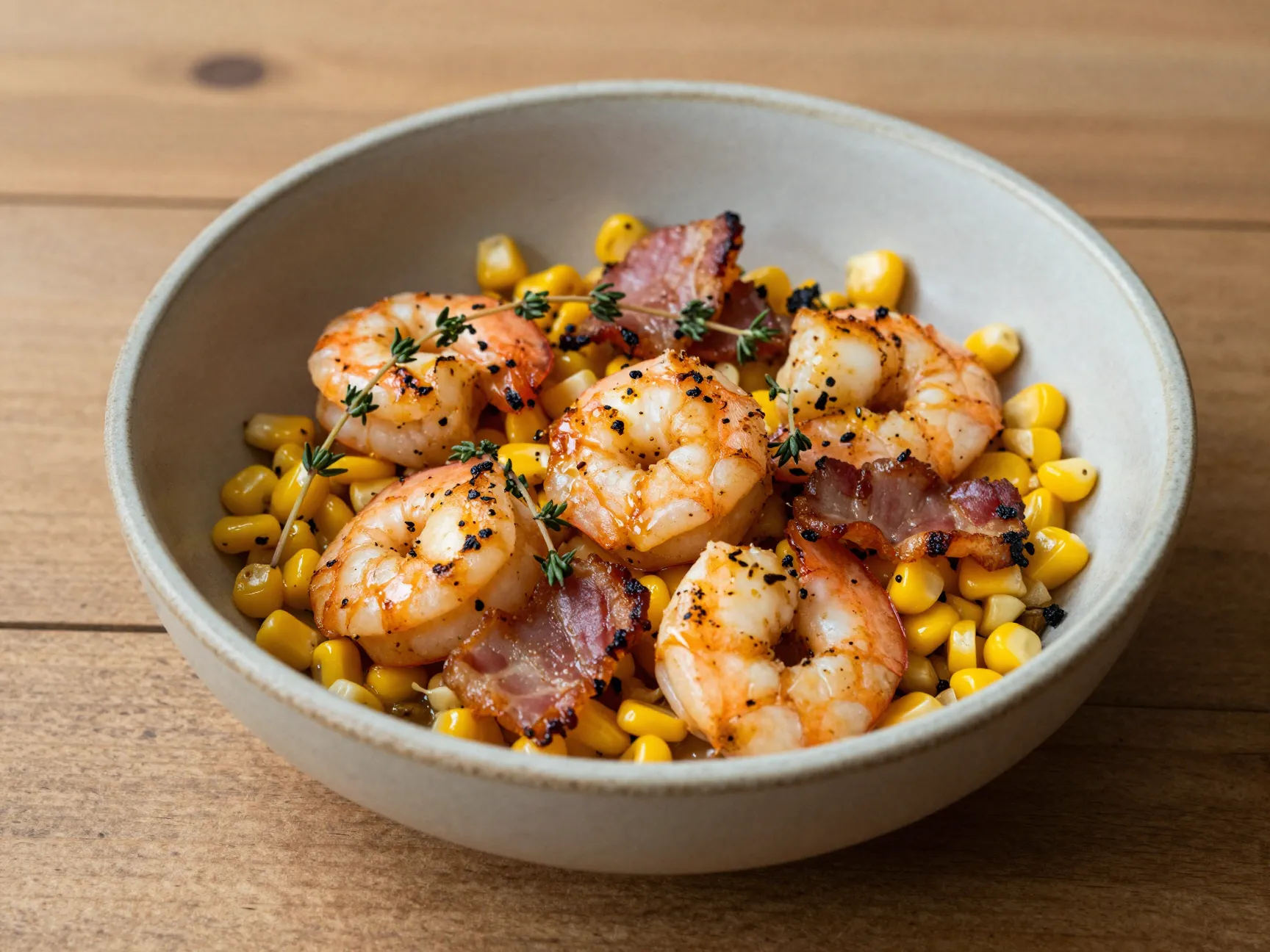
This recipe was born out of a late-summer dinner when I had leftover corn on the cob and a package of thick-cut bacon. The smokiness of the bacon, the sweetness of the corn, and the richness of garlic butter create a combination that is deeply satisfying and distinctly American.
Flavor profile: Smoky, sweet, hearty
Key ingredients: Thick-cut bacon, fresh or frozen corn kernels, garlic, unsalted butter, fresh thyme, smoked paprika, apple cider vinegar
Method: Render bacon until crispy, remove and reserve. Drain excess fat, leaving 1 tablespoon. Saute corn in bacon fat until lightly charred. Add garlic and butter, cook 60 seconds. Add shrimp, cook through. Deglaze with apple cider vinegar, toss in crumbled bacon and fresh thyme. Serve as a standalone bowl dish or over creamy polenta.
9. Brown Butter Garlic Shrimp with Sage
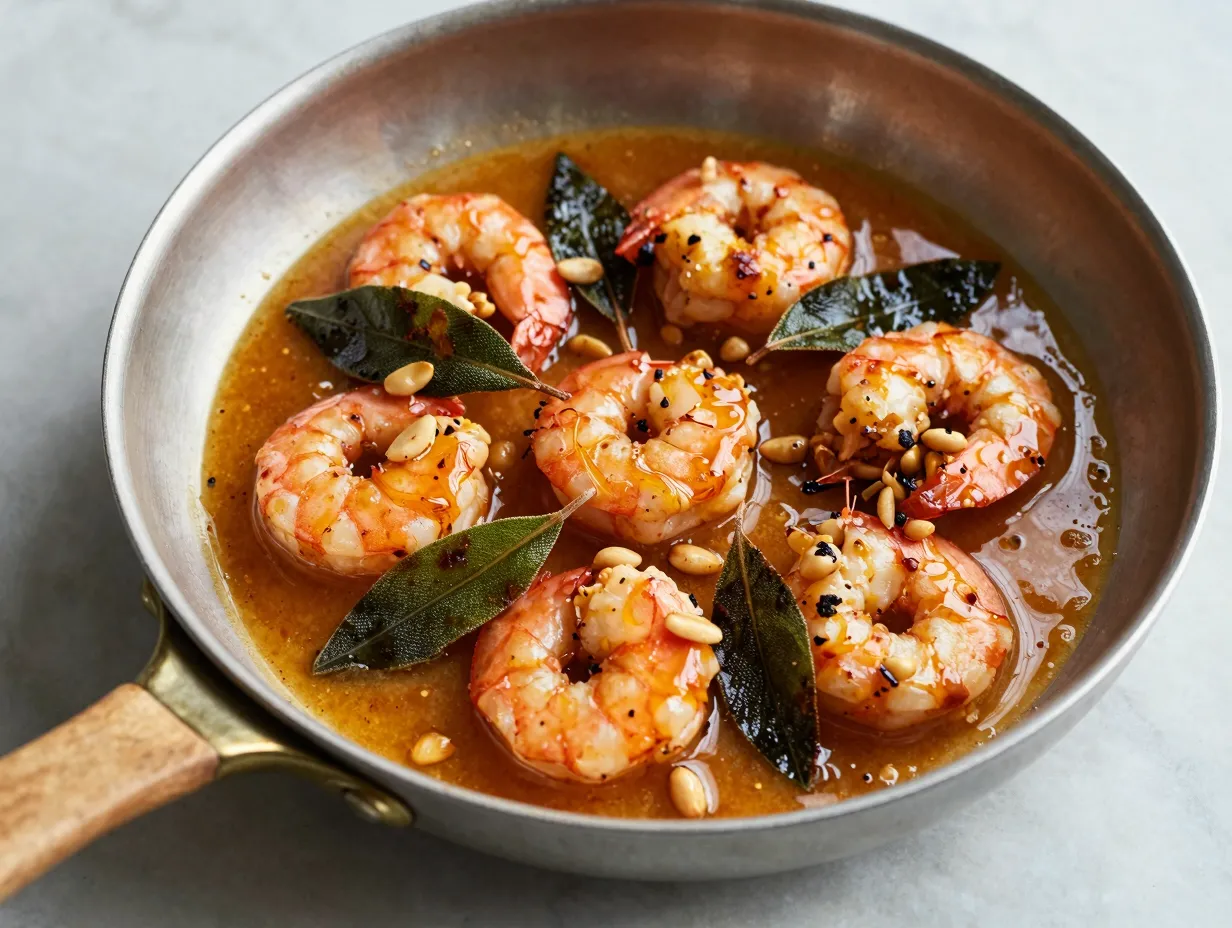
The most sophisticated recipe on this list, brown butter (beurre noisette) transforms ordinary garlic shrimp into something that belongs on a restaurant menu. The process of cooking butter until the milk solids turn golden brown creates hundreds of new flavor compounds, producing a nutty, caramel-like depth that regular melted butter simply cannot replicate.
Flavor profile: Nutty, caramelized, deeply aromatic
Key ingredients: Unsalted butter (browned), fresh sage leaves, garlic, lemon juice, toasted pine nuts
Method: Melt 5 tablespoons unsalted butter in a light-colored pan over medium heat. Swirl constantly until butter turns golden and smells nutty, about 4 to 5 minutes. Add fresh sage leaves (they will crisp immediately). Add garlic, cook 30 seconds. Add shrimp, cook 90 seconds per side. Finish with lemon juice and toasted pine nuts. Serve over butternut squash puree or creamy risotto.
How to Choose, Store, and Prep Shrimp Like a Professional
The quality of your shrimp determines the ceiling of any of the 9 Bold and Buttery Garlic Shrimp Recipes That Belong on Your Dinner Table Now. No amount of excellent butter or perfectly browned garlic will rescue shrimp that smells off or has been improperly thawed.
Buying Guide: Fresh vs. Frozen
Counterintuitively, frozen shrimp is often the better choice for home cooks. Most “fresh” shrimp at the fish counter was previously frozen and thawed for display. Buying frozen shrimp and thawing it yourself gives you more control over freshness and texture.
What to look for on the label:
- “IQF” (individually quick frozen): indicates the shrimp were frozen immediately after harvest
- “Wild-caught” from the Gulf of Mexico or the Pacific Northwest for domestic options
- Count per pound: 16/20 (jumbo) or 21/25 (extra large) for most of these recipes
What to avoid:
- Shrimp with a strong ammonia smell
- Any label reading “sodium tripolyphosphate” as a primary additive (it causes shrimp to release excess water during cooking, preventing a proper sear)
- Pre-cooked shrimp for any of these recipes (they will overcook and turn rubbery)
Thawing Correctly
Place frozen shrimp in a colander under cold running water for 5 to 7 minutes. Do not use warm or hot water, which begins to cook the outer layer while the center remains frozen. After thawing, pat completely dry with paper towels before seasoning.
Shell-On vs. Peeled
Several of the recipes above, particularly the Spanish gambas al ajillo and the Cajun version, benefit from cooking shrimp shell-on. The shell acts as a protective barrier against the high heat, keeping the shrimp juicier. It also adds flavor to the sauce. For pasta-based dishes, peeled shrimp is more practical for the diner.
Pairing and Serving Suggestions
The right side dish can elevate any of these garlic shrimp recipes from a good meal to a memorable one. Below is a pairing matrix to help you match each recipe to the ideal accompaniment.
| Recipe | Best Pairing | Wine Match |
|---|---|---|
| Classic Scampi | Linguine, crusty bread | Pinot Grigio |
| Gambas al Ajillo | Grilled sourdough | Fino Sherry |
| Cajun Garlic Butter | Grits, dirty rice | Dry Riesling |
| Lemon Herb with Capers | Orzo, roasted asparagus | Sauvignon Blanc |
| Coconut Garlic Butter | Jasmine rice | Gewurztraminer |
| Sun-Dried Tomato and Basil | Pappardelle, polenta | Vermentino |
| Asian Soy and Sesame | Steamed rice, noodles | Off-dry Riesling |
| Bacon and Corn | Creamy polenta | Unoaked Chardonnay |
| Brown Butter with Sage | Butternut squash puree, risotto | White Burgundy |
Common Mistakes and How to Fix Them
Even experienced cooks make these errors. Knowing them in advance will save you from a disappointing meal.
Overcrowding the pan. When shrimp are packed too tightly, they steam rather than sear. Work in batches if necessary, leaving at least half an inch of space between each shrimp.
Using pre-minced garlic from a jar. The sulfur compounds that give garlic its flavor begin to degrade within hours of mincing. Jarred garlic has been sitting for weeks or months. Fresh garlic, minced immediately before cooking, is not optional in these recipes.
Skipping the acid. Every single recipe above includes some form of acid: lemon juice, white wine, sherry vinegar, rice vinegar, or lime juice. Do not omit it. Acid is what prevents garlic butter sauce from tasting flat and one-dimensional.
Adding butter to a screaming-hot pan. Butter burns at around 300 degrees Fahrenheit. If your pan is too hot when you add the butter, the milk solids will scorch before the garlic has a chance to soften. Reduce heat to medium before building the sauce.
Cooking shrimp too long. This is the most common mistake of all. Shrimp are done when they form a loose “C” shape and turn pink and opaque. A tight curl means they are overcooked. When in doubt, pull them 15 seconds early, as residual heat will finish the job.
Scaling These Recipes for Meal Prep and Entertaining
All nine recipes scale well, but there are a few adjustments to keep in mind when cooking for a crowd.
For groups of 6 to 8 people, plan on 1.5 pounds of shrimp per 4 servings and scale the sauce ingredients proportionally. The one exception is garlic: do not simply double or triple the garlic quantity. Instead, increase it by about 60 to 70%, as garlic flavor intensifies significantly at higher volumes.
For meal prep, the cooked shrimp can be stored in an airtight container in the refrigerator for up to 2 days. Reheat gently in a skillet with a splash of water or broth to reconstitute the sauce. Avoid microwaving, which turns shrimp rubbery.
The sauces for most of these recipes (particularly the scampi, gambas, and coconut versions) can be made up to 3 days in advance and stored separately. Simply reheat the sauce, add fresh seared shrimp, and dinner is on the table in 5 minutes.
Conclusion
The 9 Bold and Buttery Garlic Shrimp Recipes That Belong on Your Dinner Table Now represent something more than a collection of seafood dishes. They represent a practical philosophy: that weeknight cooking can be fast, globally inspired, and genuinely delicious without requiring professional training or exotic equipment. A good cast iron skillet, fresh garlic, quality butter, and 20 minutes of focused cooking are all you need.
Here are your actionable next steps:
- Start with the Classic Garlic Butter Shrimp Scampi to establish your baseline technique.
- Move to the Brown Butter Garlic Shrimp with Sage once you feel confident, as it teaches the most transferable skill (brown butter) that will improve dozens of other dishes in your repertoire.
- Use the pairing table to plan a complete meal, including wine, before you shop.
- Buy frozen IQF shrimp in bulk and keep them in your freezer so you are always 20 minutes away from any of these recipes.
- Experiment with the spice levels and acid components to make each recipe your own. These are frameworks, not rigid formulas.
Garlic shrimp, done right, is one of the most reliable ways to make dinner feel special on any night of the week. The nine recipes above give you the range, the technique, and the confidence to make that happen consistently in 2026 and beyond.
References:
- National Oceanic and Atmospheric Administration. (2023). Fisheries of the United States: Annual Report. NOAA Fisheries.
- McGee, H. (2004). On Food and Cooking: The Science and Lore of the Kitchen. Scribner.
- United States Department of Agriculture. (2022). FoodData Central: Shrimp, mixed species, raw. USDA Agricultural Research Service.
- Myhrvold, N., Young, C., & Bilet, M. (2011). Modernist Cuisine: The Art and Science of Cooking. The Cooking Lab.
- Davidson, A. (2014). The Oxford Companion to Food (3rd ed.). Oxford University Press.