8 Ways to Build a Healthy Food Menu for the Week Without Losing Your Mind
Only 10% of Americans meet the daily recommended intake of vegetables, according to the Centers for Disease Control and Prevention, not because people do not care about eating well, but because the planning feels overwhelming before the week even starts. That gap between intention and action is exactly where most healthy eating efforts collapse. The good news is that learning 8 Ways to Build a Healthy Food Menu for the Week Without Losing Your Mind does not require a culinary degree, a personal chef, or three free hours on a Sunday afternoon. It requires a smarter system.
Disclosure: This post contains affiliate links. As an Amazon Associate, we earn from qualifying purchases, and at no extra cost to you.
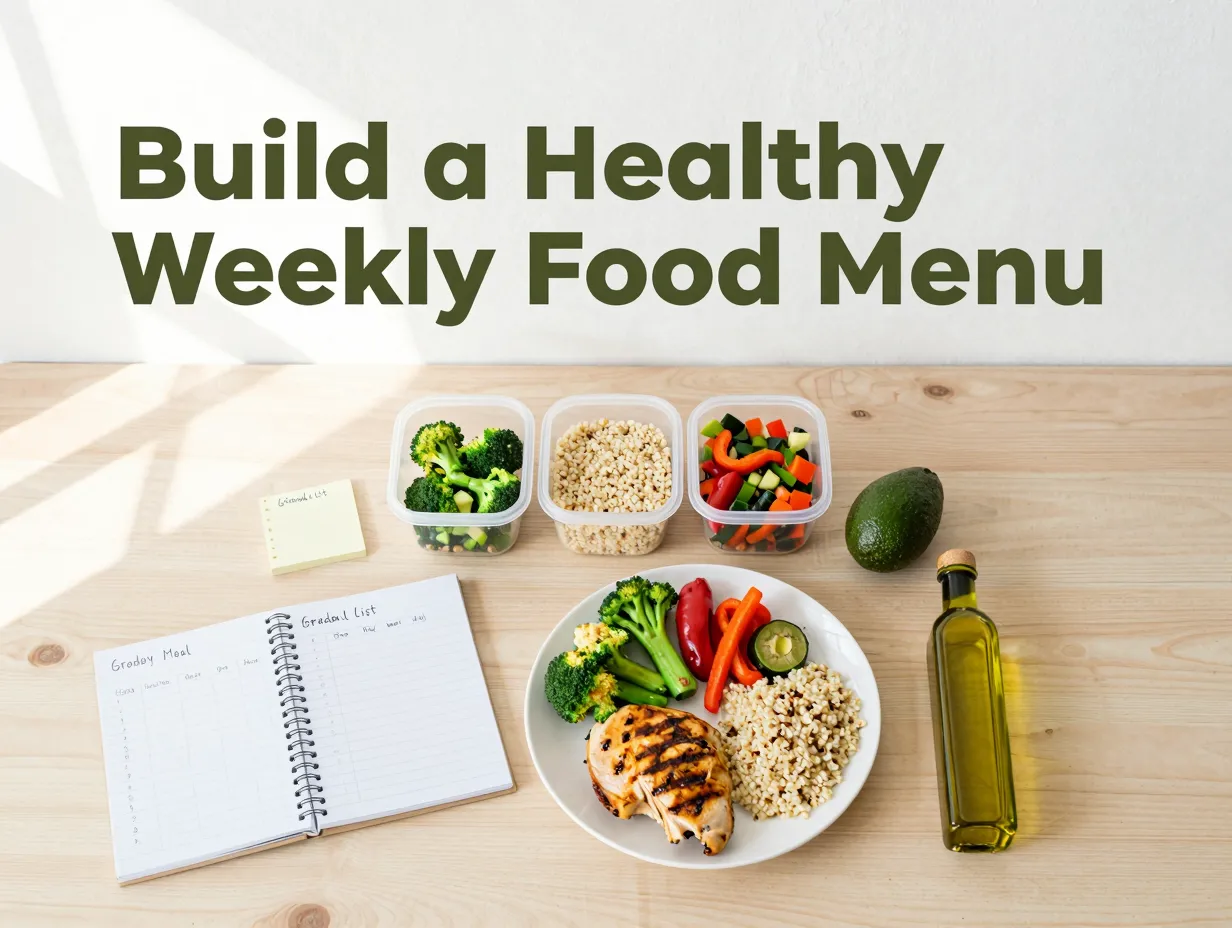
I spent years treating weekly meal planning like a performance, color-coded spreadsheets, elaborate recipes I never actually cooked, and a refrigerator full of wilting kale by Wednesday. The turning point came when I stopped trying to plan a perfect week and started planning a realistic one. The strategies below reflect that shift, drawing on evidence-based nutrition guidance and practical frameworks that actually hold up against a busy schedule.
Key Takeaways
- Start with your real schedule, not an idealized version of your week, to set a plan you will actually follow
- Use simple plate-based food-group rules instead of calorie-counting to reduce decision fatigue
- Batch cooking and strategic ingredient overlap cut prep time dramatically without sacrificing variety
- A reliable, rotating grocery list eliminates the mental load of starting from scratch every week
- Flexibility built into your plan prevents one off-meal from derailing the entire week
Why Most Weekly Meal Plans Fail Before Wednesday
Before diving into the 8 Ways to Build a Healthy Food Menu for the Week Without Losing Your Mind, it helps to understand the common failure points. Most plans collapse for three reasons: they are too ambitious, too rigid, or disconnected from how a person actually eats and lives.
Research from Harvard Health confirms that sustainable healthy eating is less about perfection and more about building consistent, manageable patterns over time [3]. When a plan demands that you cook a different elaborate meal every night, it sets up a losing battle against fatigue, time pressure, and the very human desire for simplicity.
The eight strategies below are designed to remove friction, not add it.
1. Start With Your Real Schedule, Not an Ideal One
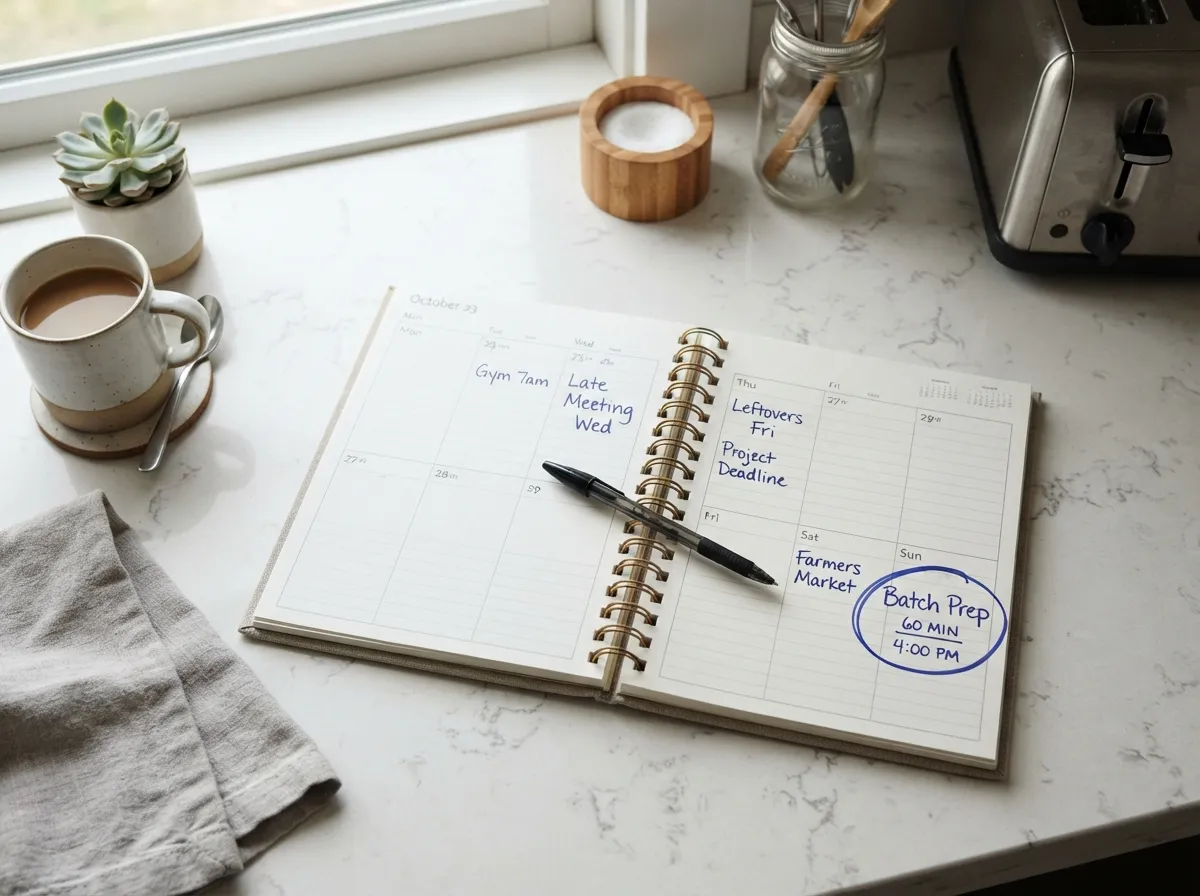
The single most common planning mistake is designing a menu for a fictional version of your week. Before writing down a single meal, open your calendar. Identify which nights you have late meetings, which mornings are rushed, and which days you genuinely have time to cook.
A realistic audit might reveal that you have time to cook on Monday, Tuesday, and Thursday, but Wednesday and Friday are genuinely chaotic. That information is gold. It tells you exactly where you need quick meals, leftovers, or simple no-cook options.
Practical steps:
- Block out “cooking windows” on your actual calendar for the week
- Mark two or three nights as “leftover nights” or “simple assembly nights”
- Identify one weekend block (even 60 to 90 minutes) for batch prep
According to Brown Health’s meal planning guidance, matching your food plan to your real lifestyle is one of the most effective ways to reduce the stress that causes people to abandon healthy eating altogether [5]. When the plan fits your life, you follow it. When it fights your life, you abandon it by Tuesday.
2. Use the Plate Method Instead of Counting Every Calorie
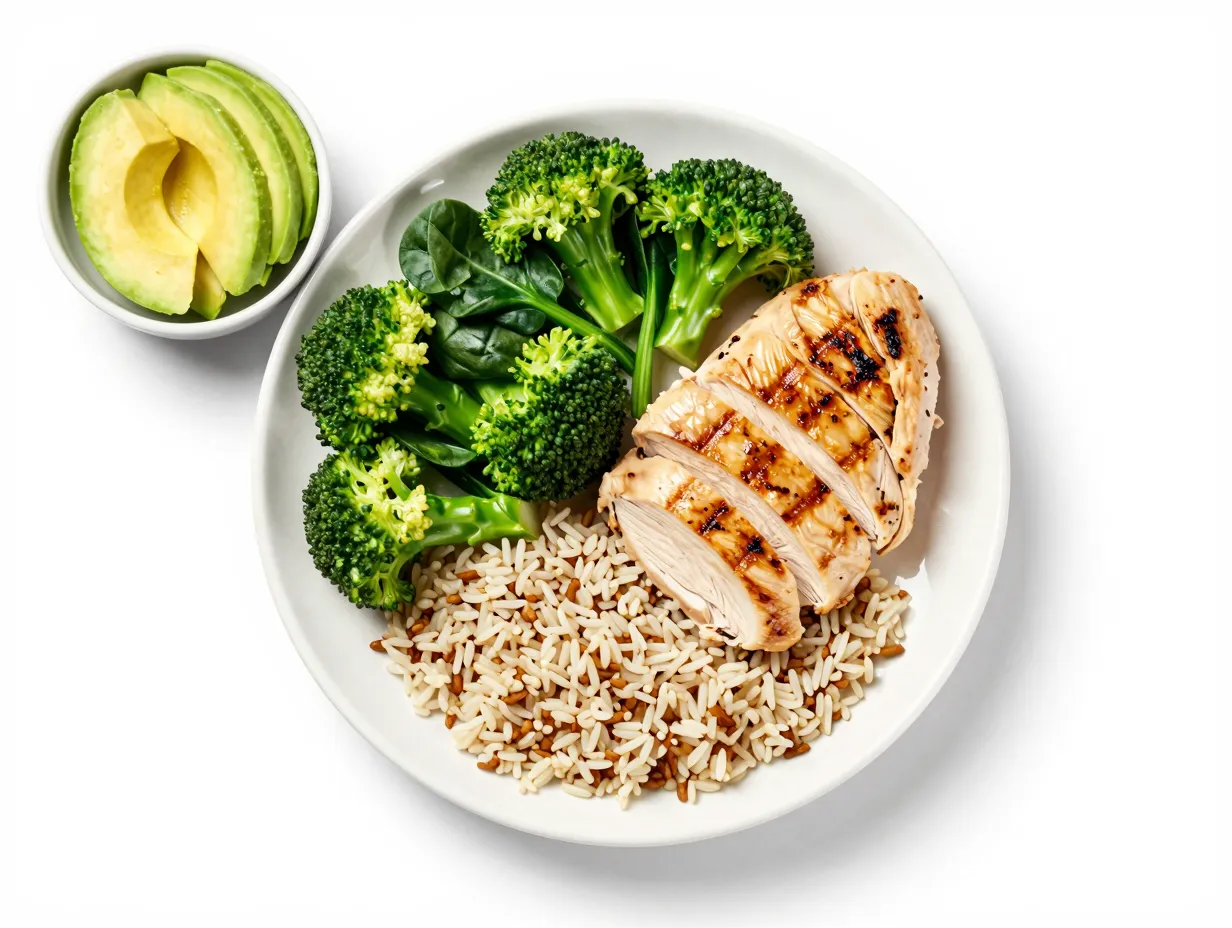
Calorie-counting is mentally exhausting and, for most people, unsustainable as a long-term strategy. A far simpler approach is the plate method, which provides built-in nutritional balance without requiring a calculator.
The basic framework: fill half your plate with non-starchy vegetables, one quarter with lean protein, and one quarter with whole grains or starchy vegetables. Add a small amount of healthy fat and a serving of fruit or dairy on the side.
| Plate Section | Portion | Examples |
|---|---|---|
| Non-starchy vegetables | Half the plate | Broccoli, spinach, peppers, zucchini |
| Lean protein | One quarter | Chicken, fish, tofu, legumes, eggs |
| Whole grains or starchy vegetables | One quarter | Brown rice, quinoa, sweet potato, oats |
| Healthy fat | Small amount | Olive oil, avocado, nuts, seeds |
This framework works because it is visual and intuitive. You do not need an app or a food scale. Harvard Health recommends this kind of food-group-based approach as a foundation for building a sustainable eating plan [3]. The Mayo Clinic Health System echoes this, noting that keeping meals structurally simple is one of the best strategies for eating well even when time is short [2].
3. Build Around a Rotating Core of Anchor Meals
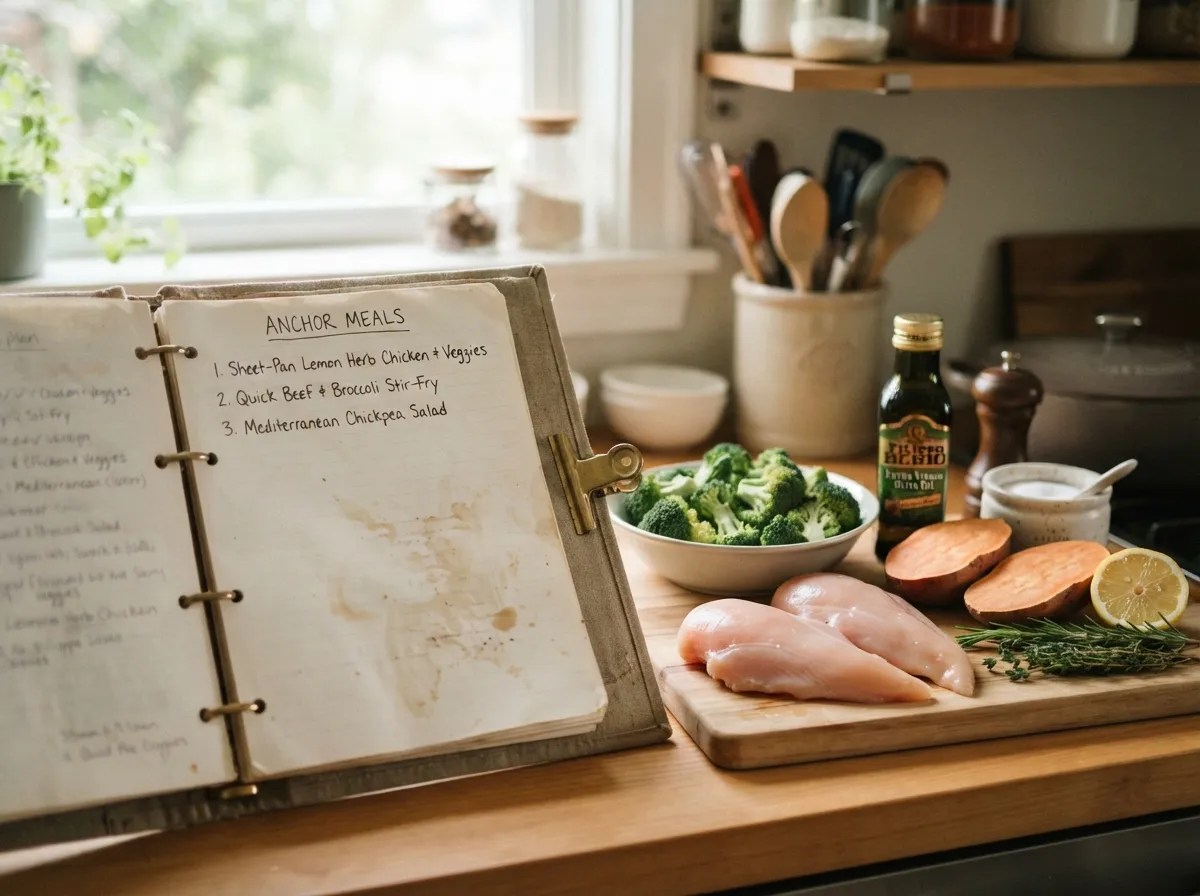
One of the most underrated strategies for weekly menu planning is the concept of anchor meals, a small set of reliable, healthy recipes you know by heart and can execute without thinking. These are not boring meals. They are your foundation.
Think of three to five dinners that your household consistently enjoys and that you can prepare in 30 minutes or less. Rotate them across weeks with small variations. Swap the protein, change the grain, or shift the vegetable based on what is in season or on sale.
“The goal is not to eat differently every single night. The goal is to eat well consistently, and consistency thrives on familiarity.”
CountNutri’s meal planning guide reinforces this point, noting that reducing the number of novel decisions in a week is one of the most effective ways to prevent planning fatigue [4]. When you are not reinventing dinner from scratch every night, you preserve mental energy for everything else in your life.
Sample anchor meal rotation:
- Sheet-pan chicken with roasted vegetables and brown rice
- Lentil soup with whole-grain bread and a green salad
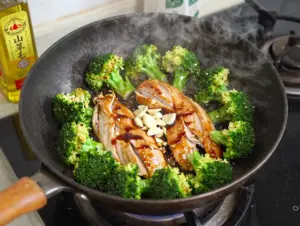
- Stir-fried tofu or shrimp with mixed vegetables over quinoa
- Turkey or black bean tacos with shredded cabbage and salsa
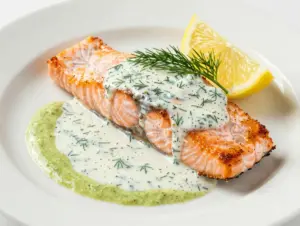
- Baked salmon with steamed broccoli and sweet potato
Each of these can be varied endlessly with different spices, sauces, and seasonal produce.
4. Plan Ingredient Overlap Intentionally
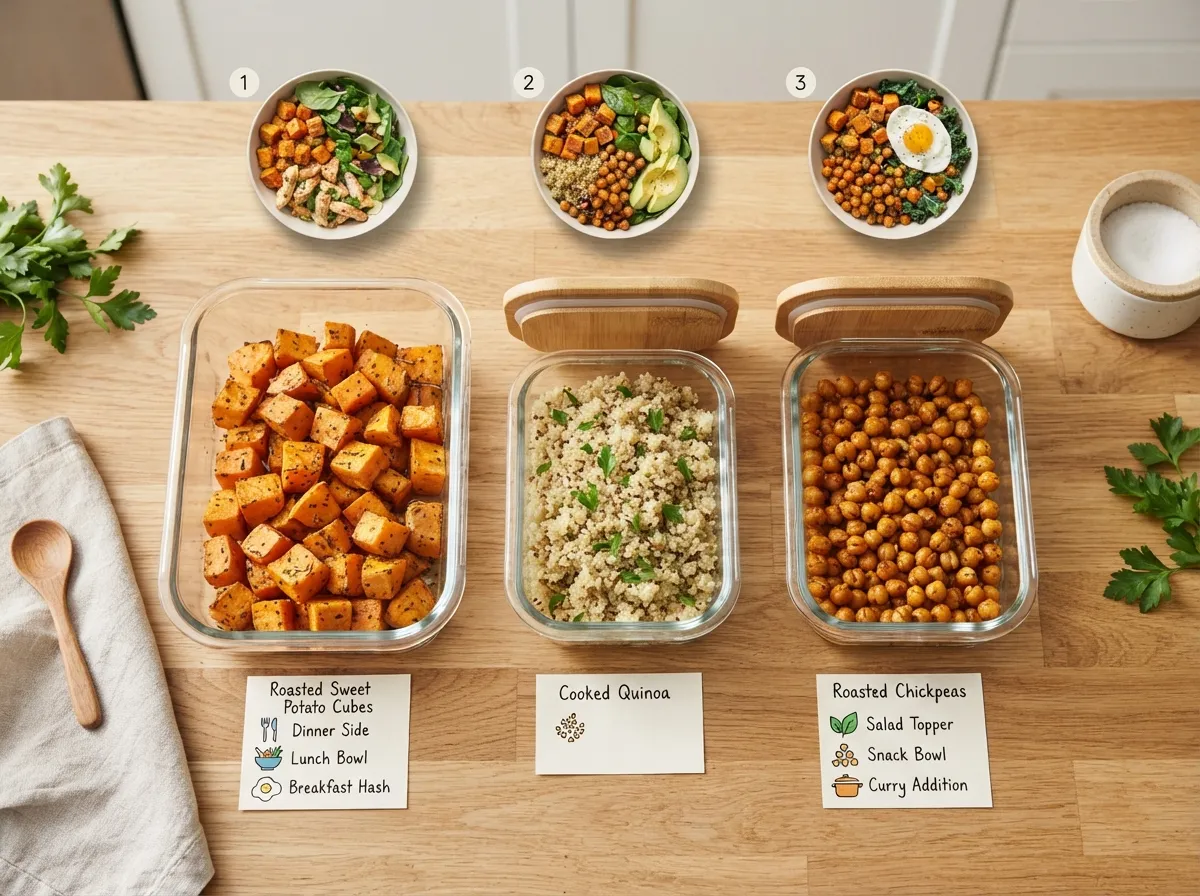
Strategic ingredient overlap is one of the most powerful, and least discussed, tools in healthy meal planning. The idea is simple: choose ingredients that appear in multiple meals throughout the week so that you buy less, waste less, and prep less.
For example, if you roast a large batch of sweet potatoes on Sunday, they can serve as a dinner side on Monday, a lunch bowl topping on Tuesday, and a breakfast hash on Wednesday. A rotisserie chicken can become a dinner protein, a lunch salad topping, and a soup ingredient.
Overlap planning in action:
- Cooked quinoa: grain bowl base on Monday, stuffed pepper filling on Wednesday, breakfast porridge on Friday
- Roasted chickpeas: salad topping, snack, and wrap filling
- Baby spinach: smoothie ingredient, salad base, and sauteed side dish
The Cleveland Clinic’s meal prep guide highlights this approach as a cornerstone of efficient, healthy eating, preparing versatile base ingredients that can be repurposed across multiple meals reduces both food waste and prep time significantly [8]. Nutrition.gov also recommends planning meals around shared ingredients as a practical way to simplify the weekly shopping and cooking process [9].
5. Create a Master Grocery List Template You Reuse
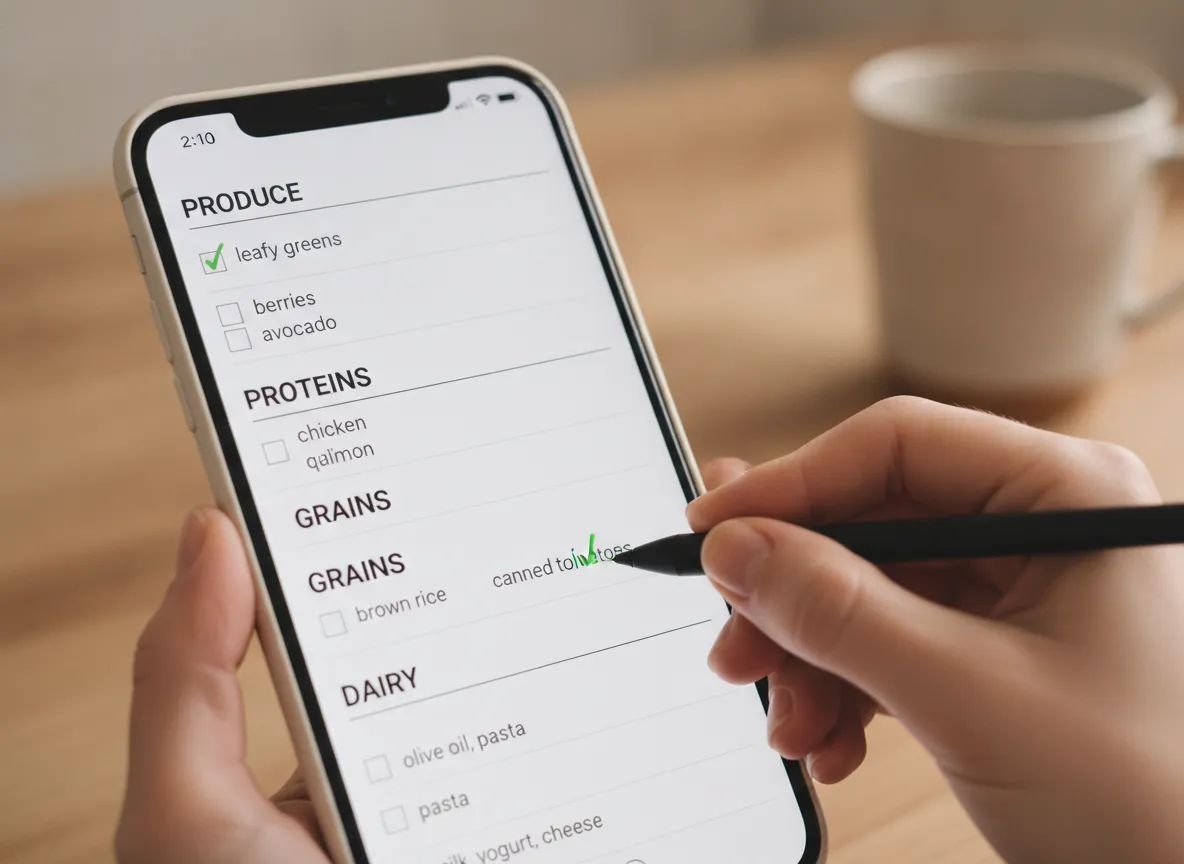
Every week starting from a blank grocery list is a hidden tax on your time and mental energy. A master grocery list template, organized by store section and built around your anchor meals and ingredient overlaps, eliminates that tax entirely.
Your template does not need to be elaborate. A simple document or notes app entry organized by category (produce, proteins, grains, pantry staples, dairy) is enough. Each week, you review it, check what you already have, and add or remove items based on that week’s specific meals.
Grocery list template structure:
- Produce: leafy greens, cruciferous vegetables, root vegetables, fruit
- Proteins: chicken, fish, eggs, legumes, tofu
- Grains and starches: brown rice, quinoa, oats, whole-grain bread
- Pantry staples: olive oil, canned tomatoes, broth, spices
- Dairy or alternatives: Greek yogurt, milk or plant-based milk, cheese
Brown Health’s meal planning resource notes that keeping a running list and checking pantry inventory before shopping prevents duplicate purchases and reduces grocery costs over time [5]. GetHealthy.com similarly recommends building a personalized template as a first step toward consistent, stress-free meal planning [10].
I keep my template in a shared notes app with my partner. On Friday evening, we spend about eight minutes reviewing it together. That eight-minute habit has replaced what used to be a 45-minute Sunday stress session.
6. Batch Cook One or Two Components, Not Entire Meals
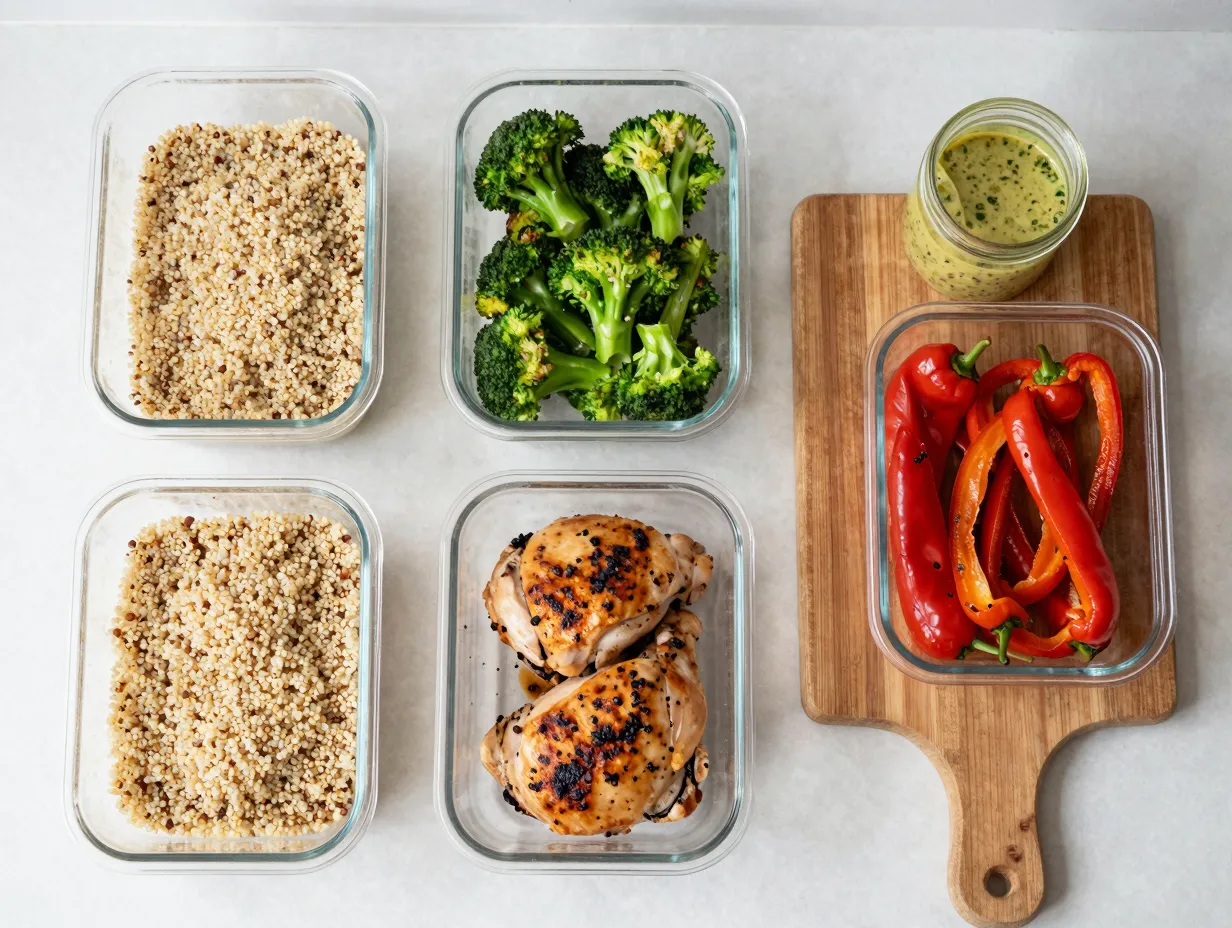
The phrase “meal prep” often conjures images of spending an entire Sunday cooking 21 identical containers of food. That approach works for some people, but for most it is unsustainable and frankly joyless. A more realistic alternative is component batch cooking: preparing two or three versatile building blocks rather than complete meals.
On a Sunday afternoon, you might cook:
- A large pot of grains (brown rice, farro, or quinoa)
- Two proteins (roasted chicken thighs and hard-boiled eggs)
- A tray of roasted vegetables
- A simple sauce or dressing
With those four components ready, assembling a healthy meal on any night of the week takes less than ten minutes. You are not reheating the same meal repeatedly. You are building fresh combinations from pre-cooked parts.
The Cleveland Clinic’s beginner’s guide to meal prep emphasizes this modular approach, noting that prepping components rather than full meals gives people more flexibility and reduces the monotony that causes healthy eating plans to break down [8]. Hartford Hospital’s nutrition guidance similarly points to batch cooking as one of the most time-efficient strategies for maintaining a nutritious diet during a busy week [6].
Component batch cooking checklist:
- One cooked grain or starch
- One or two proteins (one animal-based, one plant-based if possible)
- One large batch of roasted or steamed vegetables
- One sauce, dressing, or marinade
- One washed and chopped raw vegetable for quick salads or snacks
7. Build Intentional Flexibility Into the Plan
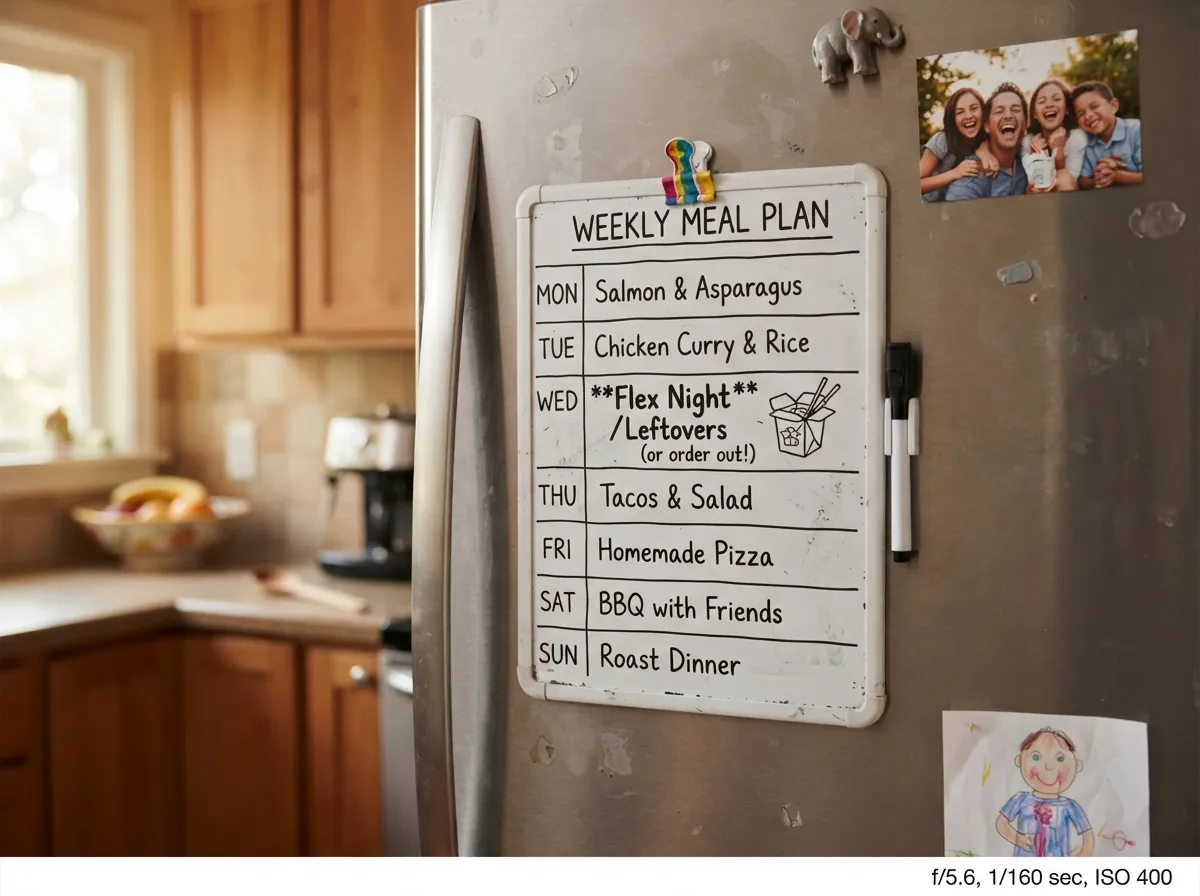
A rigid meal plan is a fragile meal plan. Life intervenes, a dinner invitation, a late night at work, a child who suddenly refuses the meal you spent 40 minutes preparing. When a plan has no room for deviation, one disruption can feel like total failure, which often leads to abandoning the plan entirely.
The solution is to build flexibility in deliberately. This means:
- Designating one or two nights per week as “flex nights” where you use whatever is in the refrigerator or order from a healthy restaurant
- Planning one meal that can easily become two (a large batch of soup or chili that covers two dinners)
- Keeping two or three emergency pantry meals on standby, things like pasta with canned tomatoes and white beans, or eggs with whatever vegetables are left
Eatr’s meal planning guide makes a compelling case for this approach, arguing that sustainable healthy eating requires a plan that bends without breaking [1]. The goal is not a perfect week. The goal is a good-enough week, repeated consistently over months and years.
“Perfection is the enemy of consistency. A flexible plan you follow 80% of the time beats a perfect plan you abandon by Thursday.”
CountNutri reinforces this, noting that allowing for planned imperfection actually improves long-term dietary adherence because it removes the all-or-nothing thinking that derails so many healthy eating efforts [4].
8. Conduct a Weekly Review and Adjust as You Go
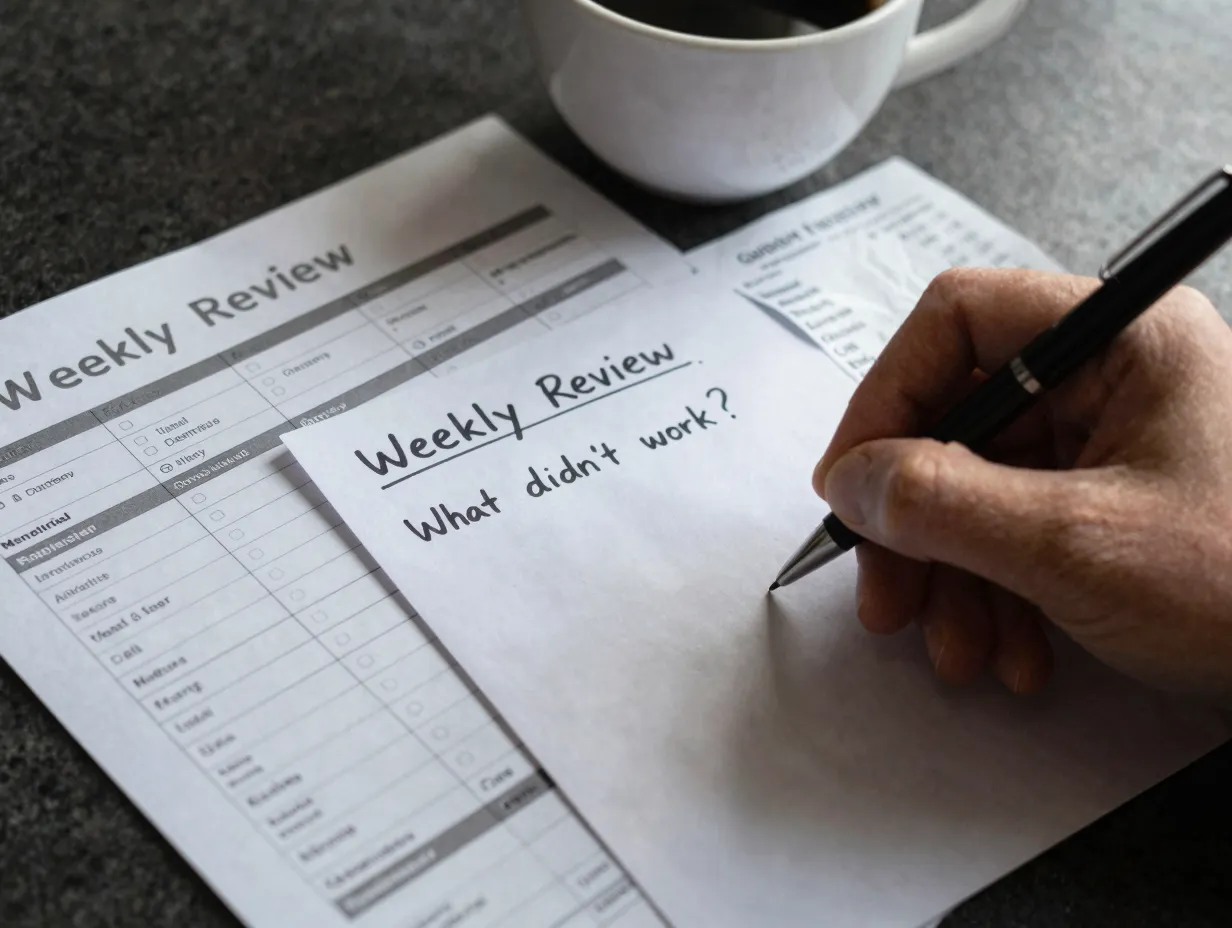
The eighth and most overlooked strategy in building a healthy food menu for the week is the weekly review. Most people plan their meals and then forget to assess what actually worked. Without that feedback loop, you repeat the same mistakes week after week.
A weekly review does not need to be complicated. Spend five to ten minutes at the end of each week asking:
- Which meals did I actually cook and enjoy?
- Which meals did I skip or replace? Why?
- What ingredients went to waste?
- What would I do differently next week?
This reflection turns your meal plan from a static document into a living system that improves over time. Over several weeks, you will naturally identify your true anchor meals, your real cooking windows, and the ingredient overlaps that work best for your household.
GetHealthy.com recommends this kind of iterative approach to meal planning, emphasizing that the best plan is one that evolves with your life rather than one you set and forget [10]. Nutrition.gov also highlights the importance of regular reassessment in building long-term healthy eating habits [9].
Weekly review prompt card:
- What worked well this week?
- What did not work and why?
- What will I keep, change, or drop next week?
- Do I need to restock any pantry staples?
After three or four weeks of honest reviews, most people find that their planning time drops significantly because they have learned what their household actually eats and what they actually have time to cook.
Putting the 8 Ways Together: A Sample Weekly Framework
To see how these eight strategies work in practice, here is a simplified example of what a week might look like when all the pieces are in place.
| Day | Dinner | Notes |
|---|---|---|
| Monday | Sheet-pan chicken + roasted vegetables + quinoa | Use batch-cooked quinoa from Sunday |
| Tuesday | Grain bowl with leftover chicken, spinach, avocado | Ingredient overlap from Monday |
| Wednesday | Flex night, leftovers or simple eggs and vegetables | Built-in flexibility night |
| Thursday | Lentil soup with whole-grain bread | Make double batch for Friday lunch |
| Friday | Salmon with broccoli and sweet potato | Anchor meal, 25-minute prep |
| Saturday | Tacos with turkey or black beans | Family-friendly, customizable |
| Sunday | Simple pasta with white beans and canned tomatoes | Pantry meal, minimal prep |
This framework is not a prescription. It is a template that demonstrates how the eight strategies work together: real-schedule awareness, plate-method balance, anchor meals, ingredient overlap, a reusable list, component batch cooking, built-in flexibility, and a weekly review.
Frequently Asked Questions
How long does weekly meal planning actually take once you have a system?
Once you have a working template and a set of anchor meals, most people spend 15 to 20 minutes planning their week, including reviewing the grocery list. The first few weeks take longer as you build the system, but the investment pays off quickly.
Do I need to plan every single meal, including breakfast and lunch?
Not necessarily. Many people find it easier to plan dinners and batch-prep a few lunch components, while keeping breakfasts simple and consistent (oatmeal, eggs, yogurt with fruit). The Mayo Clinic Health System notes that keeping at least a few meals predictable each day reduces overall decision fatigue [2].
What if my family members have different food preferences?
Build your anchor meals around a shared base that can be customized. Tacos, grain bowls, and stir-fries all allow each person to assemble their own plate with preferred toppings and proteins. This approach satisfies different tastes without requiring you to cook multiple separate meals.
How do I handle weeks when everything goes off the rails?
This is exactly what the flex nights and pantry meals are for. If the whole week falls apart, a well-stocked pantry can produce a healthy meal in 15 minutes. The weekly review then helps you understand what disrupted the plan so you can account for it next time.
Conclusion
The 8 Ways to Build a Healthy Food Menu for the Week Without Losing Your Mind are not about achieving dietary perfection. They are about building a system that is realistic, flexible, and sustainable enough to actually survive contact with your real life.
Start by auditing your actual schedule and identifying your true cooking windows. Use the plate method to build balanced meals without obsessing over numbers. Develop a small set of anchor meals you genuinely enjoy and rotate them with intention. Plan ingredient overlaps that stretch your grocery budget and reduce prep time. Build a reusable grocery list template and stop starting from scratch every week. Batch cook components rather than complete meals to preserve flexibility. Build deliberate flex nights into your plan so that one disrupted evening does not collapse the entire week. And review what worked each week so your system improves over time.
Your actionable next steps for this week:
- Block 20 minutes to audit your schedule and identify your cooking windows
- Choose three anchor meals your household already enjoys
- Write a simple grocery list template organized by store section
- Pick one Sunday component to batch cook (a grain, a protein, or a tray of roasted vegetables)
- Schedule a five-minute Friday review to assess what worked
Healthy eating does not require a perfect plan. It requires a good-enough plan that you actually follow. Start simple, build the habit, and let the system do the heavy lifting.
References
[1] Meal Planning Made Simple How To Eat Well Without Losing Your Mind – https://eatr.com/meal-plans/meal-planning-made-simple-how-to-eat-well-without-losing-your-mind
[2] Tips For Healthy Eating In A Hurry – https://www.mayoclinichealthsystem.org/hometown-health/speaking-of-health/tips-for-healthy-eating-in-a-hurry
[3] Building A Plan For Healthy Eating – https://www.health.harvard.edu/healthbeat/building-a-plan-for-healthy-eating
[4] How To Plan A Week Of Nutritious Meals Without Overthinking – https://countnutri.com/blog/how-to-plan-a-week-of-nutritious-meals-without-overthinking
[5] Meal Planning 101 How Eat Healthy And Save Time And Money – https://www.brownhealth.org/be-well/meal-planning-101-how-eat-healthy-and-save-time-and-money
[6] News Detail – https://hartfordhospital.org/about-hh/news-center/news-detail?articleId=72089
[8] A Beginners Guide To Healthy Meal Prep – https://health.clevelandclinic.org/a-beginners-guide-to-healthy-meal-prep
[9] Food Shopping And Meal Planning – https://www.nutrition.gov/topics/shopping-cooking-and-meal-planning/food-shopping-and-meal-planning
[10] How To Create A Meal Plan – https://gethealthy.com/nutrition/how-to-create-a-meal-plan/