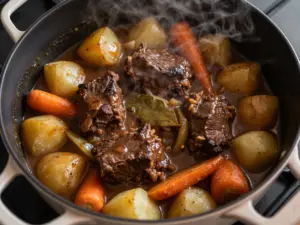
9 Hearty Pork Stew Meat Recipes That Will Warm You Up All Winter
Cold weather accounts for a measurable spike in home cooking activity every year, and slow-simmered pork stew sits at the top of the list for good reason. Pork shoulder alone contains enough natural collagen and fat to transform a simple broth into something deeply satisfying after just a few hours on the stove. If you have been searching for bold, crowd-pleasing comfort food, these 9 hearty pork stew meat recipes that will warm you up all winter deliver everything you need: rich flavors, flexible ingredients, and the kind of warmth that stays with you long after the bowl is empty. Whether you cook for a family of five or just yourself on a Sunday afternoon, this guide gives you nine distinct options to rotate through the coldest months of the year.
Disclosure: This post contains affiliate links. As an Amazon Associate, we earn from qualifying purchases, and at no extra cost to you.

Key Takeaways
- Pork shoulder is the most forgiving and flavorful cut for slow-cooked stews, but tenderloin works well in quicker, cream-based versions
- Global flavor profiles, from Irish stout to Mexican chili, make pork stew endlessly versatile
- Legumes like lentils and white beans add protein and fiber without extra cost
- Oven-baked and Instant Pot methods offer hands-off alternatives to stovetop simmering
- Proper browning of the meat before adding liquid is the single most important step for building deep, complex flavor
Why Pork Stew Meat Is the Ultimate Winter Comfort Food
Before diving into the recipes, it helps to understand what makes pork such an ideal choice for winter stews. Pork shoulder, also called pork butt, is a heavily worked muscle that contains significant amounts of connective tissue. When you cook it low and slow, that connective tissue breaks down into gelatin, which gives the broth a silky, full-bodied texture that beef or chicken broth rarely matches on its own.
Beyond texture, pork is also economical. Shoulder cuts are among the most affordable options at most grocery stores, and a two-pound piece can feed four to six people comfortably when combined with vegetables and legumes. That value, paired with the cut’s natural richness, makes it a staple in winter kitchens across dozens of cultures.
A quick note on browning: Every recipe below benefits from searing the pork cubes in batches before adding liquid. This step creates the Maillard reaction, a chemical process that produces hundreds of flavor compounds on the surface of the meat. Skipping it produces a pale, flat-tasting stew. Take the extra ten minutes. It is always worth it.
“The difference between a forgettable stew and a memorable one often comes down to a single step: properly browning the meat before the liquid ever touches the pan.”
The 9 Hearty Pork Stew Meat Recipes That Will Warm You Up All Winter
1. Classic Pork Shoulder Stew
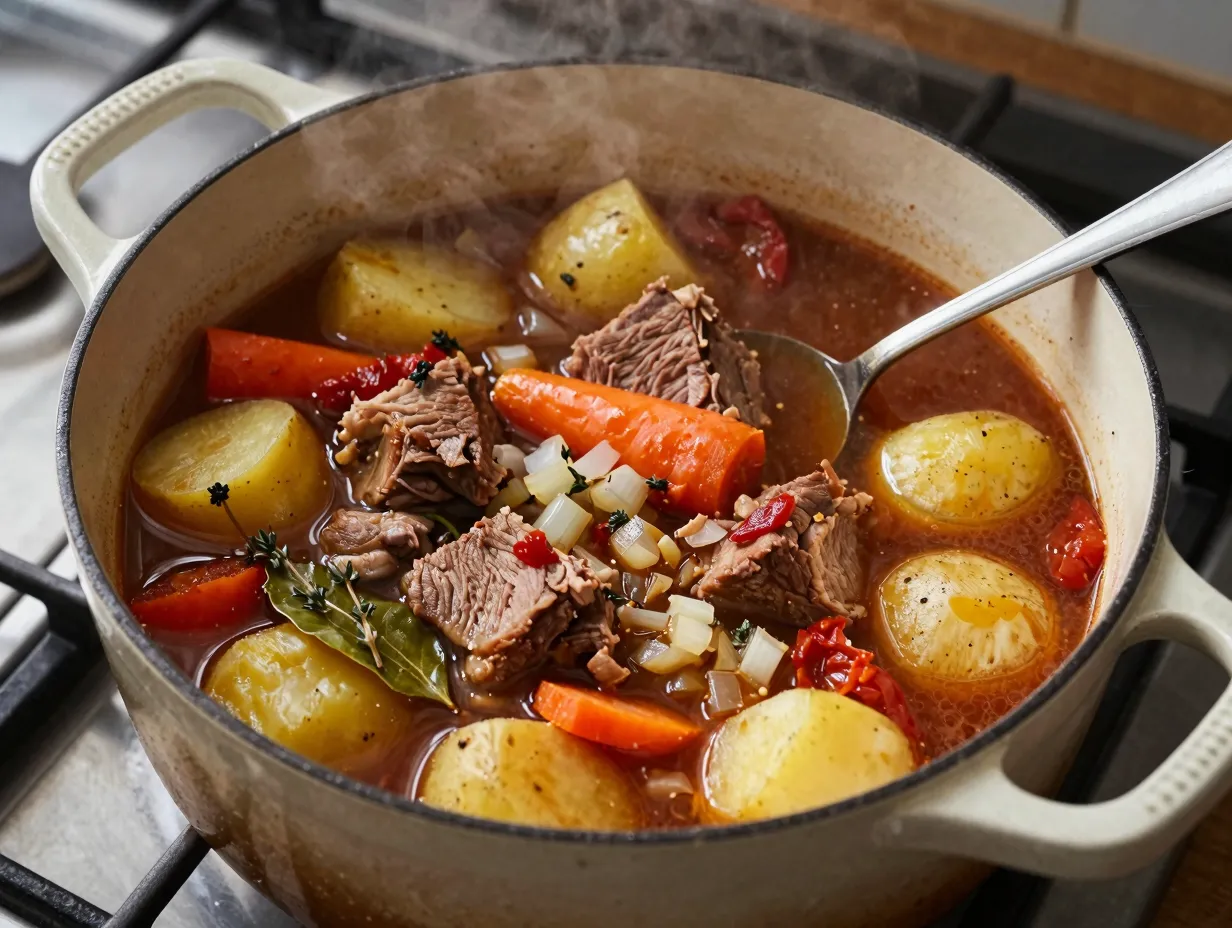
This is the recipe that most people picture when they think of pork stew, and for good reason. It is straightforward, deeply satisfying, and almost impossible to ruin. The base starts with cubed pork shoulder browned in a heavy pot, followed by diced onions, garlic, carrots, and potatoes. A can of crushed tomatoes and a cup of chicken or pork stock form the broth, seasoned with bay leaves, thyme, and black pepper [1].
Key tips:
- Cut pork into uniform 1.5-inch cubes for even cooking
- Use Yukon Gold potatoes, which hold their shape better than russets
- Simmer on low heat for at least 90 minutes, or until the pork is fork-tender
This recipe is the foundation. Once you master it, every other variation on this list becomes easier to approach.
2. Mexican Pork Stew with Beans and Chilis
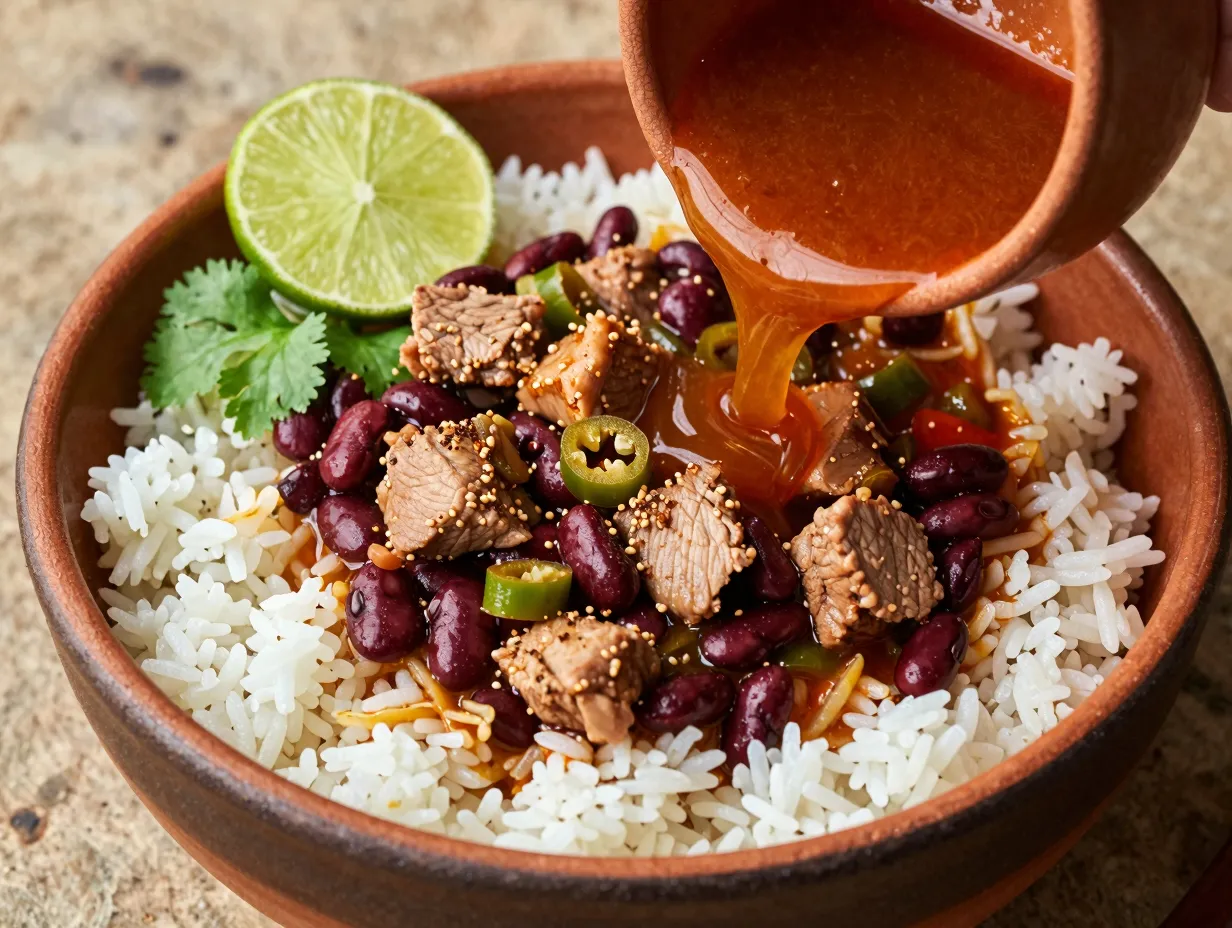
This version brings bold, assertive flavors to the table. Pork is combined with pinto or black beans, seasoned generously with cumin, smoked paprika, and chili powder, then spiked with fresh or pickled jalapeños for heat. The broth is tomato-forward but brightened at the end with fresh lime juice and a handful of chopped cilantro [1].
I first made this recipe on a January evening when I had leftover dried beans and a pork shoulder that needed using. The result was so good that it became a monthly fixture in my winter rotation.
Serving suggestion: Ladle it over white rice or serve with warm corn tortillas. A dollop of sour cream tones down the heat without dulling the flavor.
| Ingredient | Amount | Purpose |
|---|---|---|
| Pork shoulder | 2 lbs, cubed | Main protein |
| Pinto beans | 1 can, drained | Bulk and protein |
| Cumin | 2 tsp | Earthy warmth |
| Jalapeño | 2, minced | Heat |
| Lime juice | 2 tbsp | Brightness |
3. Irish Pork Stew with Stout and Caraway
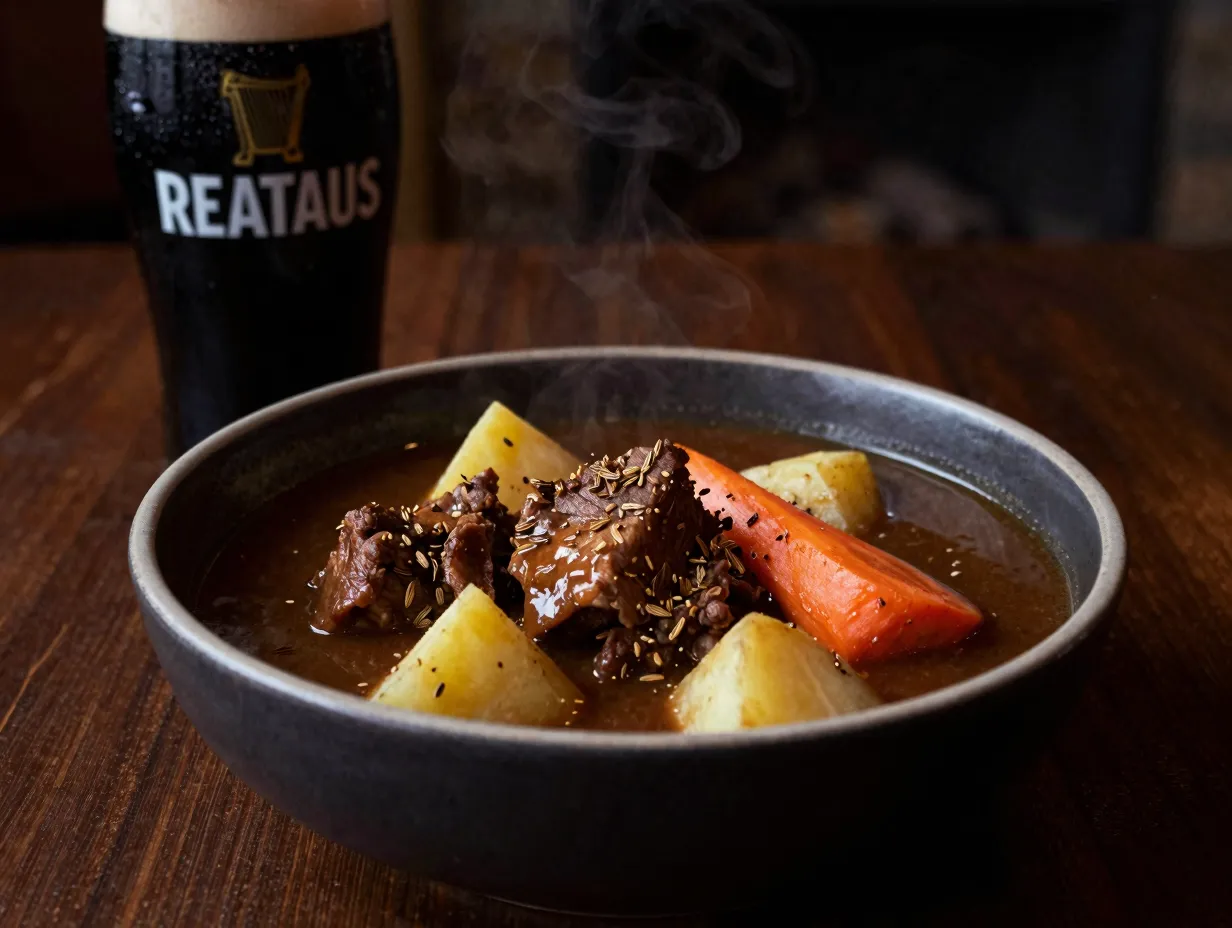
Ireland’s stew tradition leans heavily on dark beer, and this pork version is no exception. A full bottle of Irish stout, such as Guinness or Murphy’s, forms the backbone of the broth, giving it a malty, slightly bitter depth that pairs beautifully with the richness of pork shoulder. Caraway seeds add a subtle anise note that is distinctly Eastern European in origin but feels right at home in this context [1].
Potatoes and sliced carrots round out the dish, and the stew thickens naturally as the potatoes release their starch during cooking. This is a recipe that genuinely improves the next day, making it ideal for batch cooking on weekends.
Pro tip: If you prefer a non-alcoholic version, substitute the stout with a strong, dark beef or mushroom broth. The flavor will be different but still deeply satisfying.
4. Italian Pork Stew with White Wine and Herbs
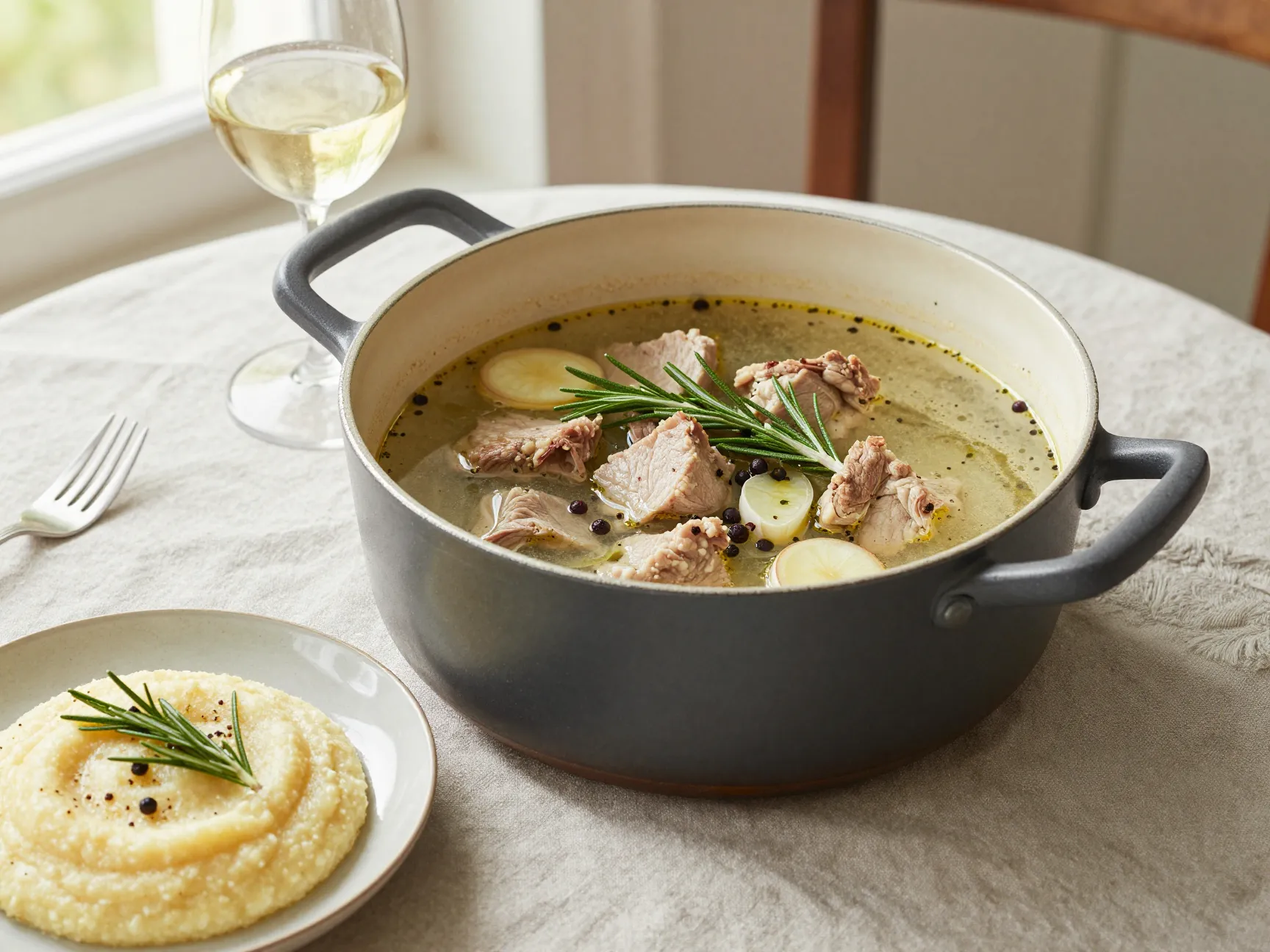
Northern Italian cuisine has a long tradition of braising pork with wine and aromatic herbs, and this stew captures that spirit beautifully. Dry white wine deglazes the pan after browning, lifting all the caramelized bits from the bottom. Juniper berries, fresh sage, and rosemary create an herbal, almost piney fragrance that fills the kitchen as the stew simmers [1].
This recipe works particularly well with a side of creamy polenta or crusty ciabatta for soaking up the broth.
Herbs and aromatics to use:
- Fresh rosemary (2 sprigs)
- Fresh sage (6 leaves)
- Juniper berries (4 to 5, lightly crushed)
- Garlic (4 cloves, sliced thin)
- Dry white wine (1 cup)
5. Pork Stew with White Beans, Chilis, and Salsa Verde
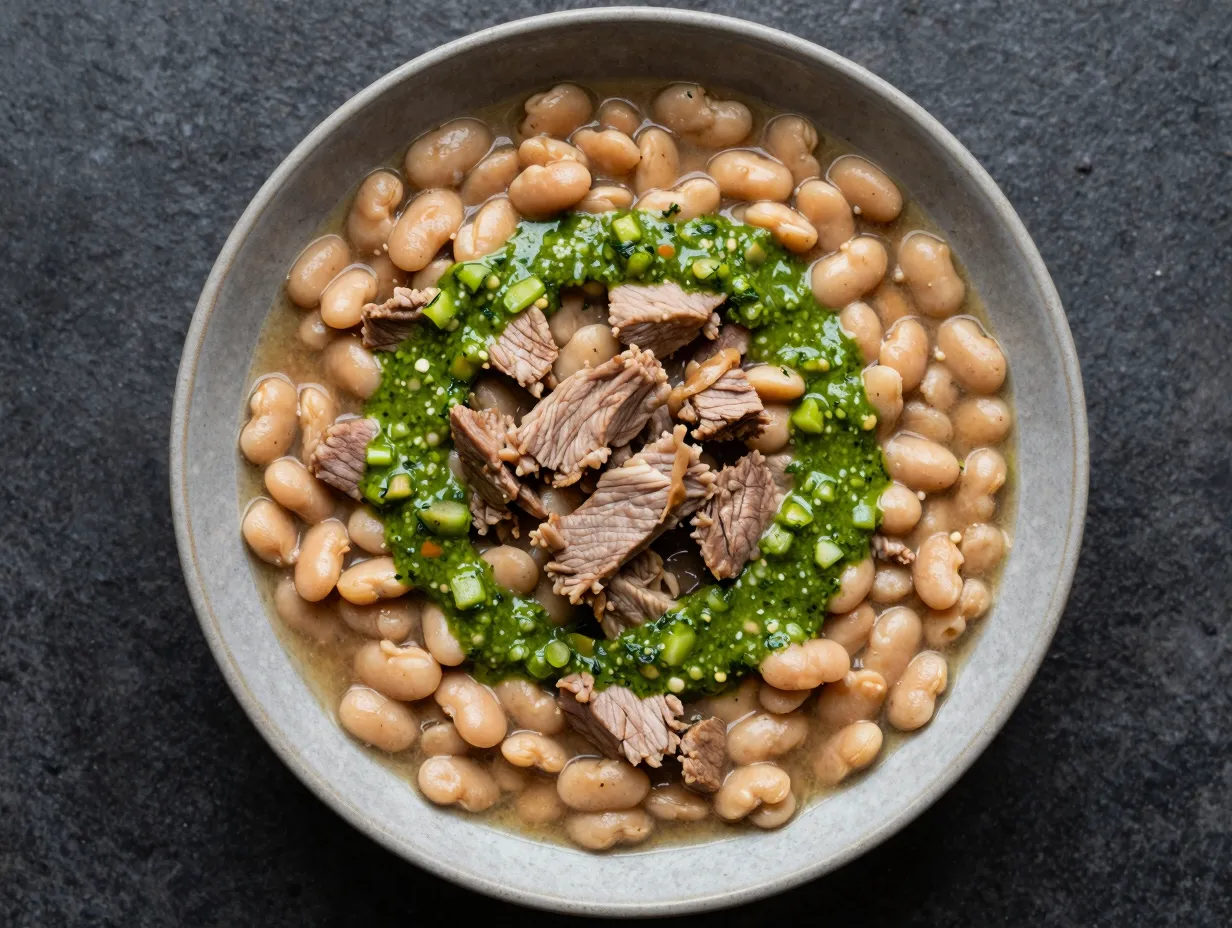
This recipe takes inspiration from the kind of soul-warming, layered cooking that turns a cold night into something worth celebrating [2]. White cannellini beans absorb the spiced pork broth beautifully, and the stew is finished with a vibrant salsa verde made from tomatillos, garlic, and fresh herbs. The green sauce adds acidity and brightness that cuts through the richness of the pork.
The combination of textures here is particularly appealing: creamy beans, tender pork chunks, and the slightly chunky salsa verde on top create a bowl that feels both rustic and refined.
Quick salsa verde shortcut: Most grocery stores carry jarred tomatillo salsa, which works perfectly as a time-saving substitute. Add it in the last ten minutes of cooking so the flavors stay fresh and bright.
6. Creamy Pork Tenderloin Stew
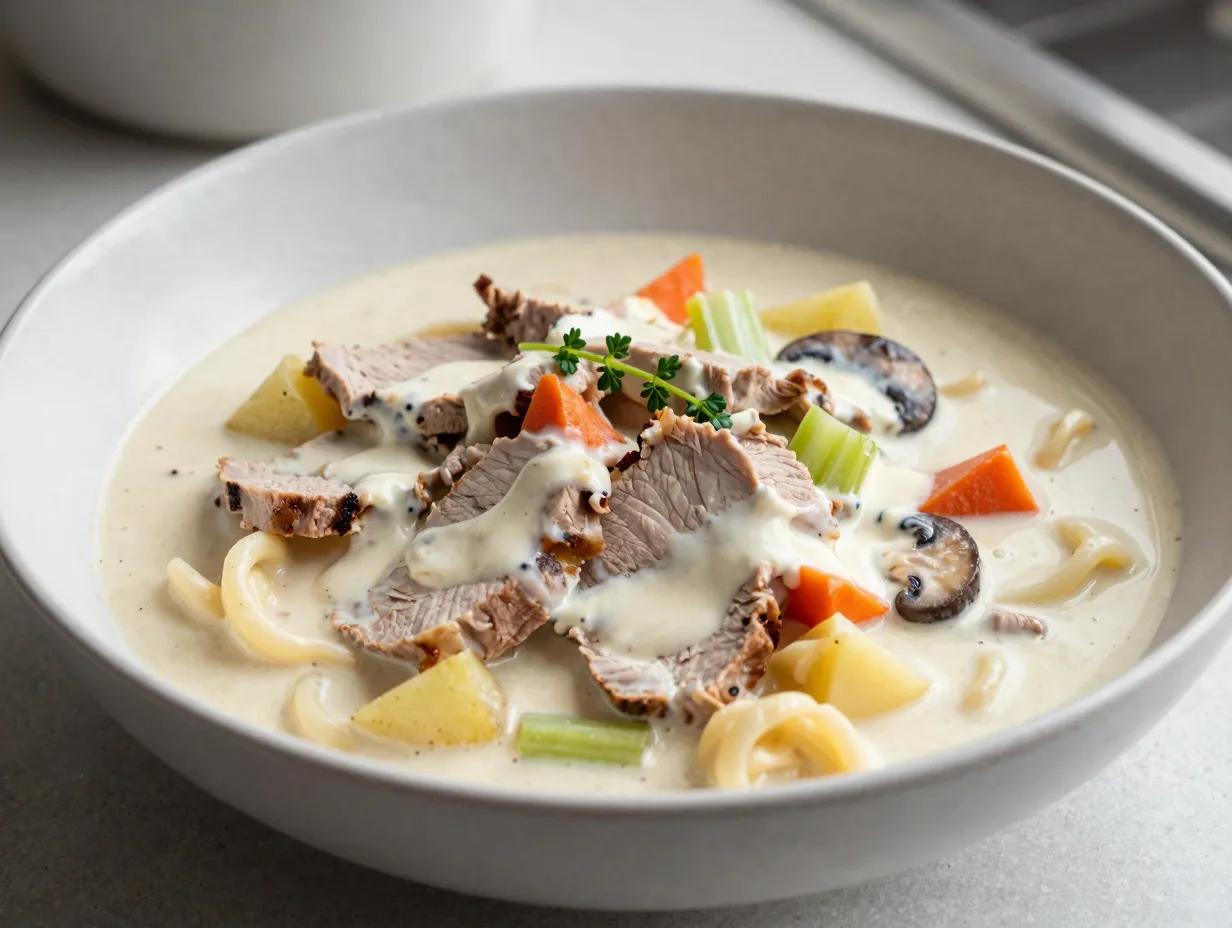
Pork tenderloin is leaner than shoulder, which means it cooks faster and benefits from a cream-based sauce rather than a long braise. This stew combines sliced tenderloin with red potatoes, celery, mushrooms, and carrots in a broth seasoned with dried tarragon. The dish is finished with a generous spoonful of sour cream stirred in just before serving, which gives it a velvety, tangy richness [3].
Because tenderloin can dry out if overcooked, keep the simmering time to 30 to 40 minutes maximum. The goal is tender, not stringy.
Why this recipe stands out:
- Ready in under an hour, making it ideal for weeknights
- The tarragon-sour cream combination is unexpected and memorable
- Works well with egg noodles as a base
7. Oven-Baked Pork Stew with Sweet Potatoes
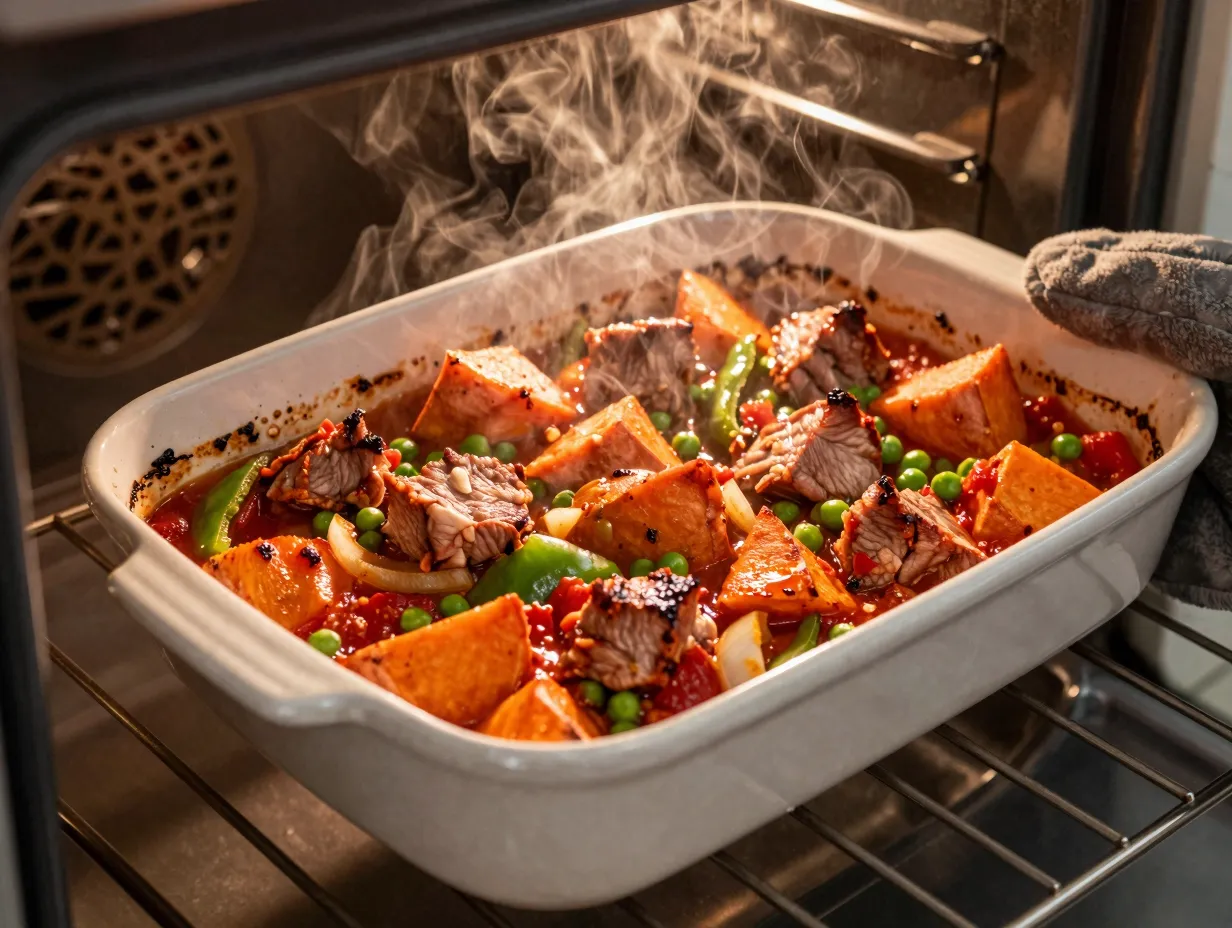
Most stews live on the stovetop, but this version uses the oven to develop its flavors, and the results are noticeably different. Dry, even heat from all sides caramelizes the vegetables and concentrates the tomato-based sauce in a way that stovetop simmering cannot replicate [3].
Pork cubes are combined with sweet potatoes, onions, green bell peppers, and frozen peas in a baking dish. A seasoned tomato sauce is poured over everything, and the dish bakes covered at 325 degrees Fahrenheit for about two hours. The sweet potatoes add a natural sweetness that balances the savory pork beautifully.
Oven-baking advantages:
- Completely hands-off once it goes in the oven
- Even heat prevents scorching on the bottom
- Leftovers reheat exceptionally well the next day
8. Pork and Lentil Stew
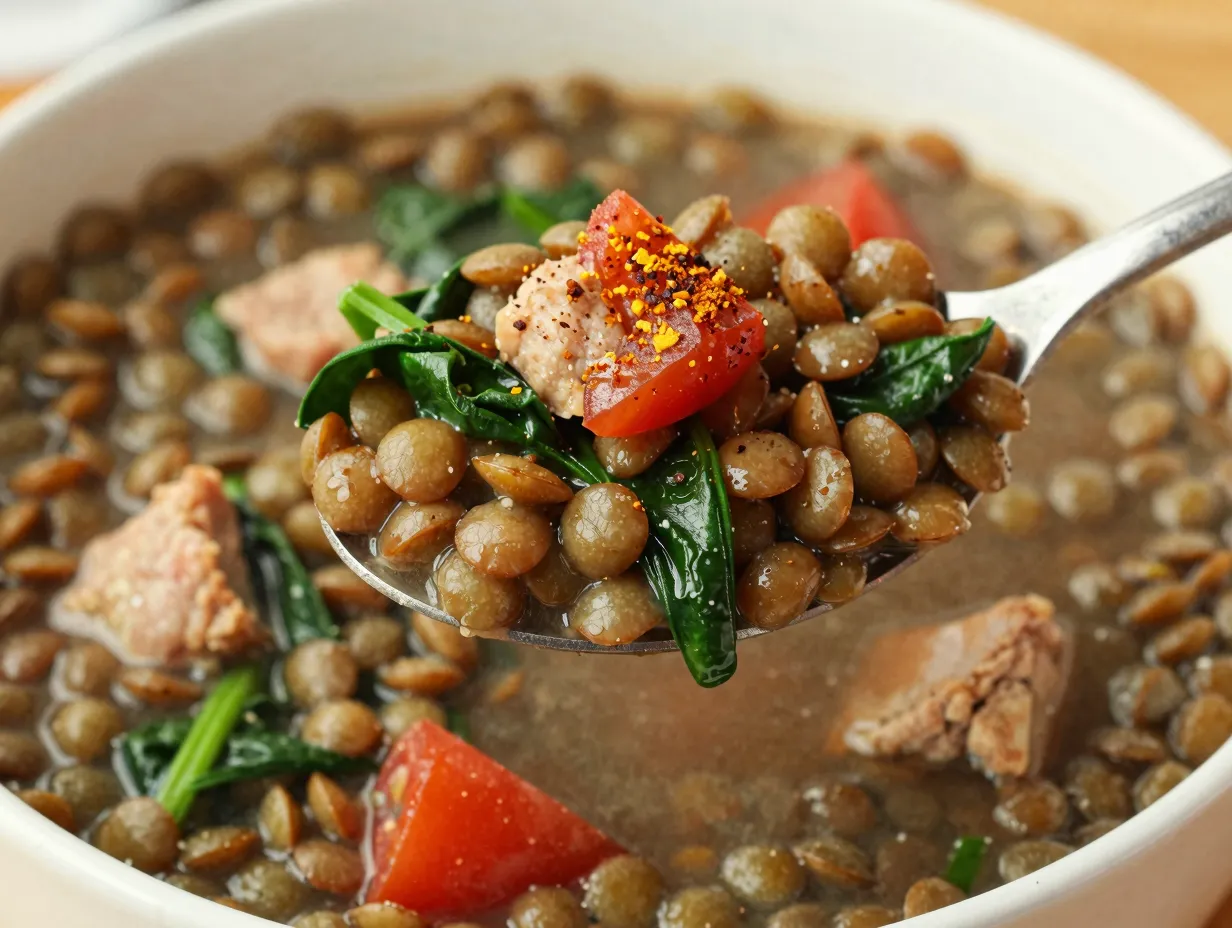
Lentils are one of the most nutritious and affordable ingredients you can add to a stew, and they pair naturally with pork. This recipe uses green or brown lentils, which hold their shape during cooking and add a satisfying, slightly earthy flavor to the broth [4]. Diced tomatoes, cumin, smoked paprika, and a handful of fresh spinach stirred in at the end round out the dish.
From a nutrition standpoint, this is arguably the most balanced recipe on this list. Lentils are high in plant-based protein and dietary fiber, which means a single bowl keeps you full for hours.
Nutritional highlights per serving (approximate):
| Nutrient | Amount |
|---|---|
| Protein | 38g |
| Fiber | 12g |
| Iron | 4.5mg |
| Calories | 420 |
This stew also works well in an Instant Pot. Set it to high pressure for 18 minutes and allow a natural pressure release for the best texture.
9. Polish-Inspired Pork and Cabbage Stew (Bigos)
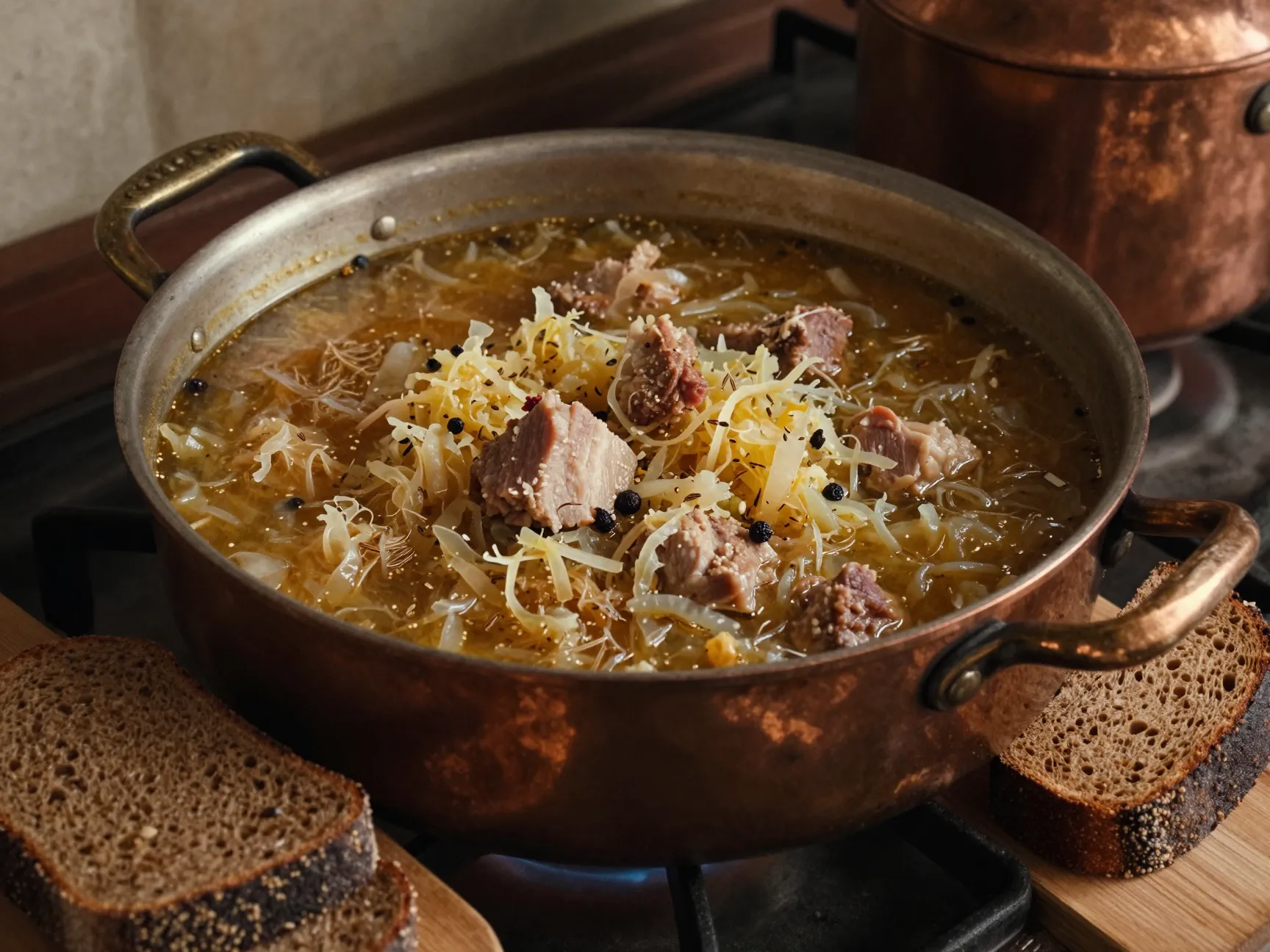
The final recipe in this collection of 9 hearty pork stew meat recipes that will warm you up all winter draws from Polish culinary tradition. Bigos, often called Hunter’s Stew, is one of Poland’s most beloved national dishes, and it centers on a combination of fresh cabbage and sauerkraut cooked with pork and spices [5].
The sauerkraut provides a tangy, fermented backbone that is unlike anything in the other eight recipes. Juniper berries and caraway seeds reinforce the Eastern European character of the dish, and the long cooking time, often two or more hours, allows the flavors to meld into something complex and deeply satisfying.
What makes Bigos unique:
- Sauerkraut adds probiotic benefits and a distinctive sour note
- The stew actually improves over several days as the flavors continue to develop
- Traditionally served with dark rye bread and a cold beer
I made a version of this stew last February during a stretch of particularly brutal cold weather, and the combination of tangy sauerkraut and rich pork was exactly what the season called for. It has earned a permanent spot in my winter recipe file.
Tips for Making the Best Pork Stew Every Time
Understanding the recipes is one thing. Executing them consistently is another. These practical tips apply to all nine recipes and will help you get better results every time you cook.
Choose the right cut. Pork shoulder is the best all-purpose choice for slow-cooked stews. It has enough fat and connective tissue to stay moist and develop flavor over long cooking times. Tenderloin works for quicker, cream-based versions but will dry out in a long braise.
Brown in batches. Crowding the pan steams the meat instead of searing it. Work in two or three batches, leaving space between each piece, and pat the pork dry with paper towels before it goes in the pan.
Deglaze properly. After browning, there will be dark, caramelized bits stuck to the bottom of the pot. These are pure flavor. Add your liquid, whether wine, beer, or stock, and scrape those bits up with a wooden spoon before adding everything else.
Season in layers. Add salt and pepper at multiple stages, not just at the end. Season the meat before browning, season the vegetables as they soften, and adjust again before serving.
Rest before serving. Like most braised dishes, pork stew improves if you let it sit off the heat for ten to fifteen minutes before ladling it into bowls. The flavors settle and the broth thickens slightly.
How to Store and Reheat Pork Stew
One of the best things about any of these recipes is that they store and reheat beautifully, often tasting better the next day.
Refrigerator storage: Allow the stew to cool completely before transferring to airtight containers. It will keep well in the refrigerator for up to four days.
Freezer storage: Pork stew freezes exceptionally well. Portion it into individual containers and freeze for up to three months. Thaw overnight in the refrigerator before reheating.
Reheating: Warm gently on the stovetop over medium-low heat, adding a splash of stock or water if the stew has thickened too much. Avoid boiling, which can toughen the meat.
Conclusion
These 9 hearty pork stew meat recipes that will warm you up all winter cover a remarkable range of flavors, techniques, and cultural traditions, from the straightforward comfort of a classic pork shoulder stew to the complex, fermented depth of Polish Bigos. Each recipe is built on the same foundation: quality pork, proper browning, and enough time for the ingredients to develop into something greater than the sum of their parts.
Your actionable next steps:
- Start with Recipe 1, the Classic Pork Shoulder Stew, to build your foundational technique before moving to more complex variations.
- Pick up a pork shoulder on your next grocery run. It is almost always the most affordable option and the most forgiving for beginners.
- Make a double batch of whichever recipe you choose first. The leftovers will reward you for the rest of the week.
- Experiment with one global variation, whether the Irish stout version, the Italian herb version, or the Polish Bigos, to expand your winter cooking repertoire.
- Invest in a good Dutch oven if you do not already own one. It is the single most useful piece of equipment for making any stew on this list.
Winter is long, but with nine solid recipes in your rotation, the cold months become something to look forward to rather than endure.
References
[1] Pork Stew Recipe – https://www.masterclass.com/articles/pork-stew-recipe?utm_source=openai
[2] Hearty Stew For The Soul Warm Up With These 3 Recipes You Can Make All Winter Long – https://www.kuaf.com/2025-11-12/hearty-stew-for-the-soul-warm-up-with-these-3-recipes-you-can-make-all-winter-long?utm_source=openai
[3] Pork Stew Meat – https://www.tfrecipes.com/pork-stew-meat/?utm_source=openai
[4] Soups And Stews – https://instantpoteats.com/soups-and-stews/?utm_source=openai
[5] Winter Stew Recipe – https://www.domino.com/content/winter-stew-recipe/?utm_source=openai