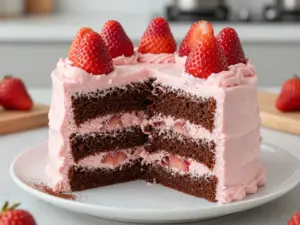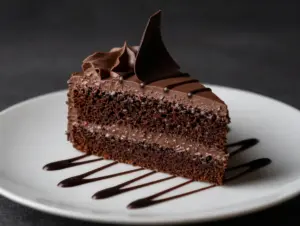
9 Bakery Cake From Cake Mix Boxes Secrets That Make Homemade Taste Professional
A box of cake mix costs about $2. A custom bakery cake can cost $60 or more. Yet professional bakers have long known that the gap between those two outcomes is not about the box, it is about what you do with it. The 9 bakery cake from cake mix boxes secrets that make homemade taste professional are not guarded in culinary school vaults. They are practical, science-backed techniques that transform a shelf-stable powder into something your guests will swear came from a high-end patisserie.
Disclosure: This post contains affiliate links. As an Amazon Associate, we earn from qualifying purchases, and at no extra cost to you.

I learned this the hard way. For years I brought box-mix cakes to family gatherings and apologized for them before anyone took a bite. Then a retired pastry chef neighbor watched me bake one afternoon and quietly said, “You’re following the box. Stop following the box.” What she taught me over the next hour changed every cake I have made since. This article shares those lessons, and the research that backs them up.
Key Takeaways
- Swapping water for whole milk or brewed coffee, and oil for melted butter, dramatically improves flavor and texture.
- Adding an extra egg, sour cream, or instant pudding mix gives box-mix cakes the dense, moist crumb of a professional bakery cake.
- Room-temperature ingredients and a sifted dry mix are simple steps that most home bakers skip, and they matter more than you think.
- Baking at a slightly lower temperature produces a more even rise and a tender interior.
- Homemade frosting and a simple syrup brush are the finishing touches that separate a good cake from a great one.
The Science Behind Making a Bakery Cake From a Cake Mix Box
Before diving into the numbered secrets, it helps to understand why these tweaks work. A standard boxed cake mix contains flour, sugar, leavening agents, and powdered fat. The instructions on the back are calibrated for the broadest possible audience, they produce an acceptable cake, not an exceptional one.
Professional bakers manipulate fat content, protein structure, moisture levels, and flavor compounds to achieve results that feel indulgent. Every secret below targets one or more of those variables. When you apply all nine together, the cumulative effect is a cake that tastes like it required far more skill and expense than it actually did.
Understanding this principle is what separates a baker who follows recipes from one who understands them.
9 Bakery Cake From Cake Mix Boxes Secrets That Make Homemade Taste Professional
1. Replace Water With Whole Milk
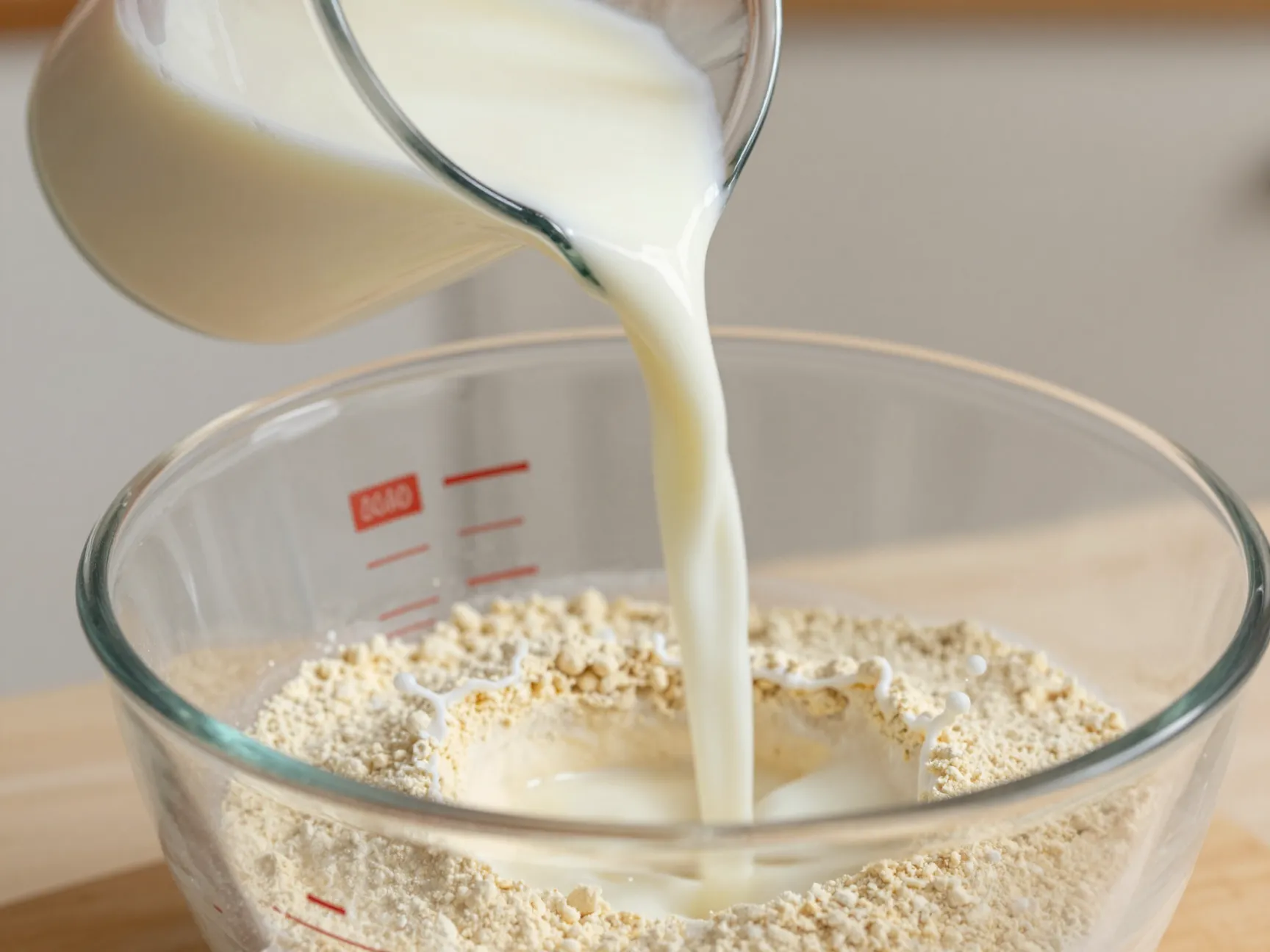
The single easiest upgrade you can make costs almost nothing. The box instructions call for water because it is universally available and neutral. Water does its job, it hydrates the dry ingredients, but it contributes zero flavor and minimal richness.
Whole milk, on the other hand, contains fat, protein, and natural sugars. When you substitute whole milk for water in equal amounts, the fat coats the gluten strands and softens the crumb. The proteins add a subtle richness, and the natural lactose contributes a gentle sweetness that water simply cannot replicate [1].
Pro tip: Use the same volume of whole milk as the recipe calls for in water. No other adjustment is needed.
For chocolate cakes specifically, see Secret 9 for an even more powerful liquid swap.
2. Use Melted Butter Instead of Oil
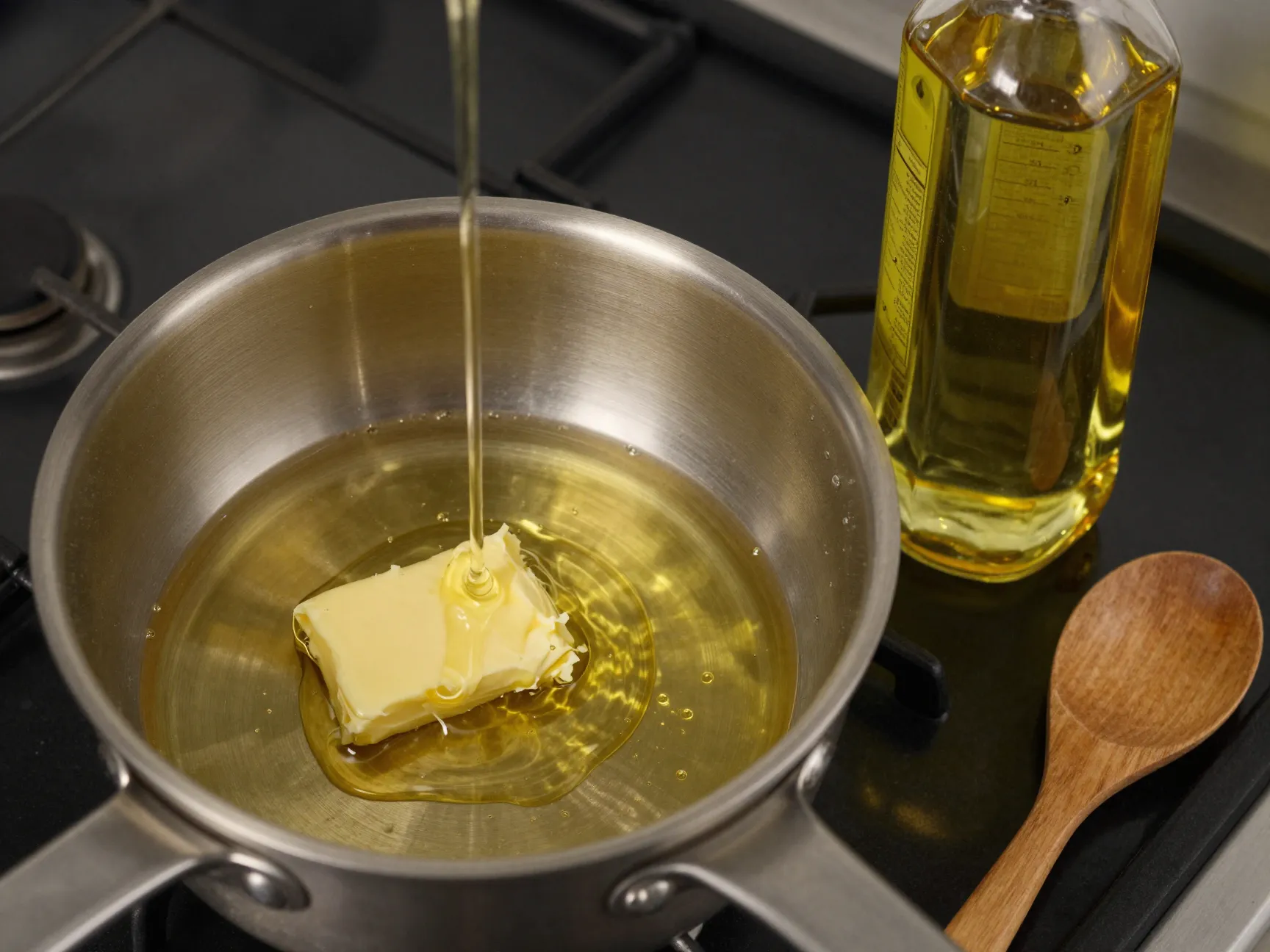
Vegetable oil is the standard fat in most box-mix recipes because it stays liquid at room temperature, which keeps the cake moist for days. That is a real advantage. But oil is flavorless, and flavor is exactly what separates a forgettable cake from a memorable one.
Melted unsalted butter brings a rich, complex flavor that oil cannot match [1]. The milk solids in butter brown slightly during baking, adding a warm, nutty depth to the finished cake. The result tastes distinctly homemade, the kind of homemade that people assume took far more effort.
Conversion: Use the same volume of melted butter as the recipe calls for in oil. If the recipe says 1/3 cup of oil, use 1/3 cup of melted butter.
One caution: butter-based cakes can dry out slightly faster than oil-based ones. The simple syrup technique in Secret 8 addresses this perfectly.
3. Add an Extra Egg
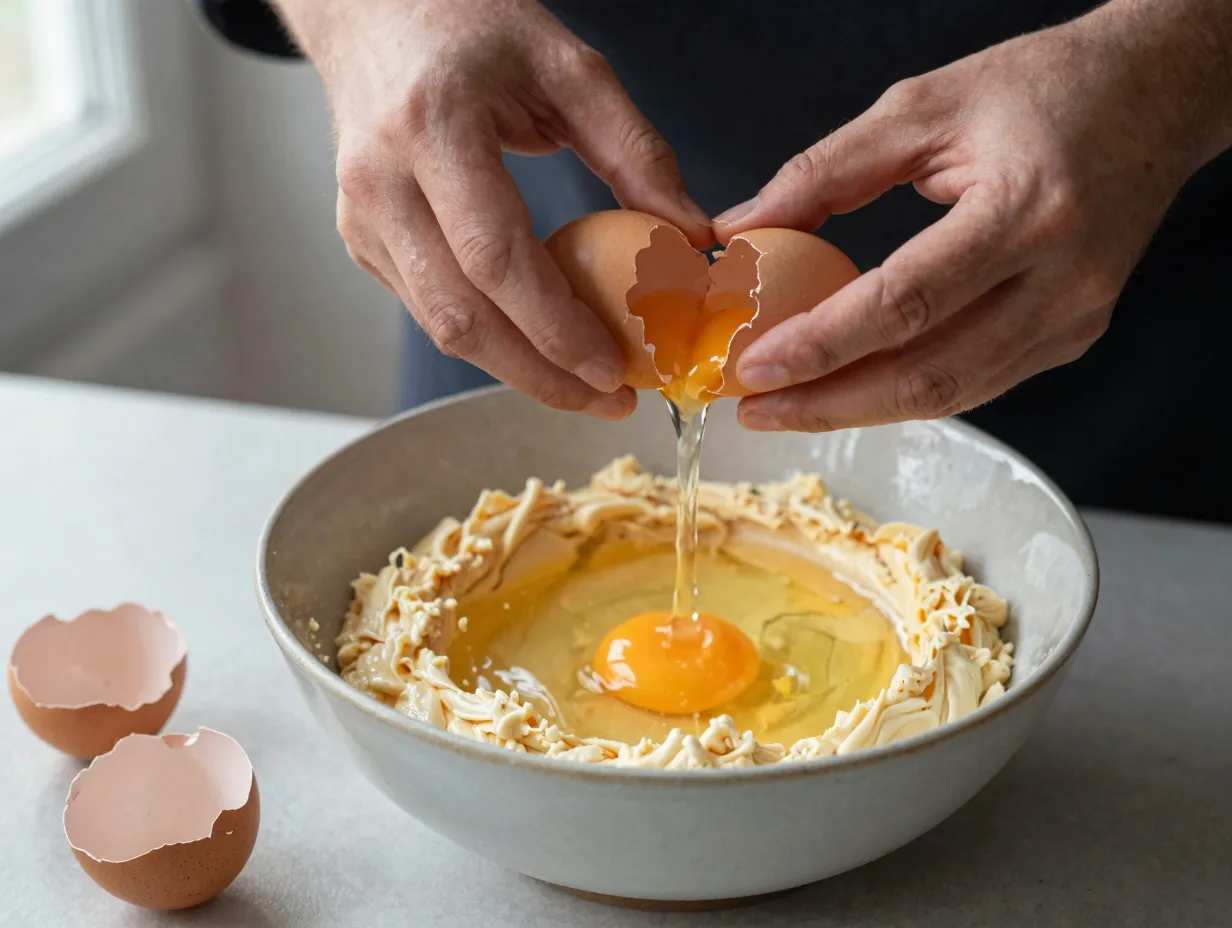
Eggs are structural workhorses in baking. They provide protein for structure, fat from the yolk for richness, and lecithin as an emulsifier that helps fat and water blend smoothly. Most box mixes call for two or three eggs. Adding one more egg than the box requires does something noticeable [2].
The extra yolk increases fat content, which makes the crumb more tender and moist. The extra white adds a small amount of structure, helping the cake hold its shape when sliced. The overall effect is a cake with a denser, bakery-style crumb rather than the slightly airy, almost spongy texture that box mixes typically produce.
For an even richer result: Add one extra whole egg plus one additional yolk. The yolk alone adds fat without making the cake too dense.
4. Include Sour Cream or Greek Yogurt
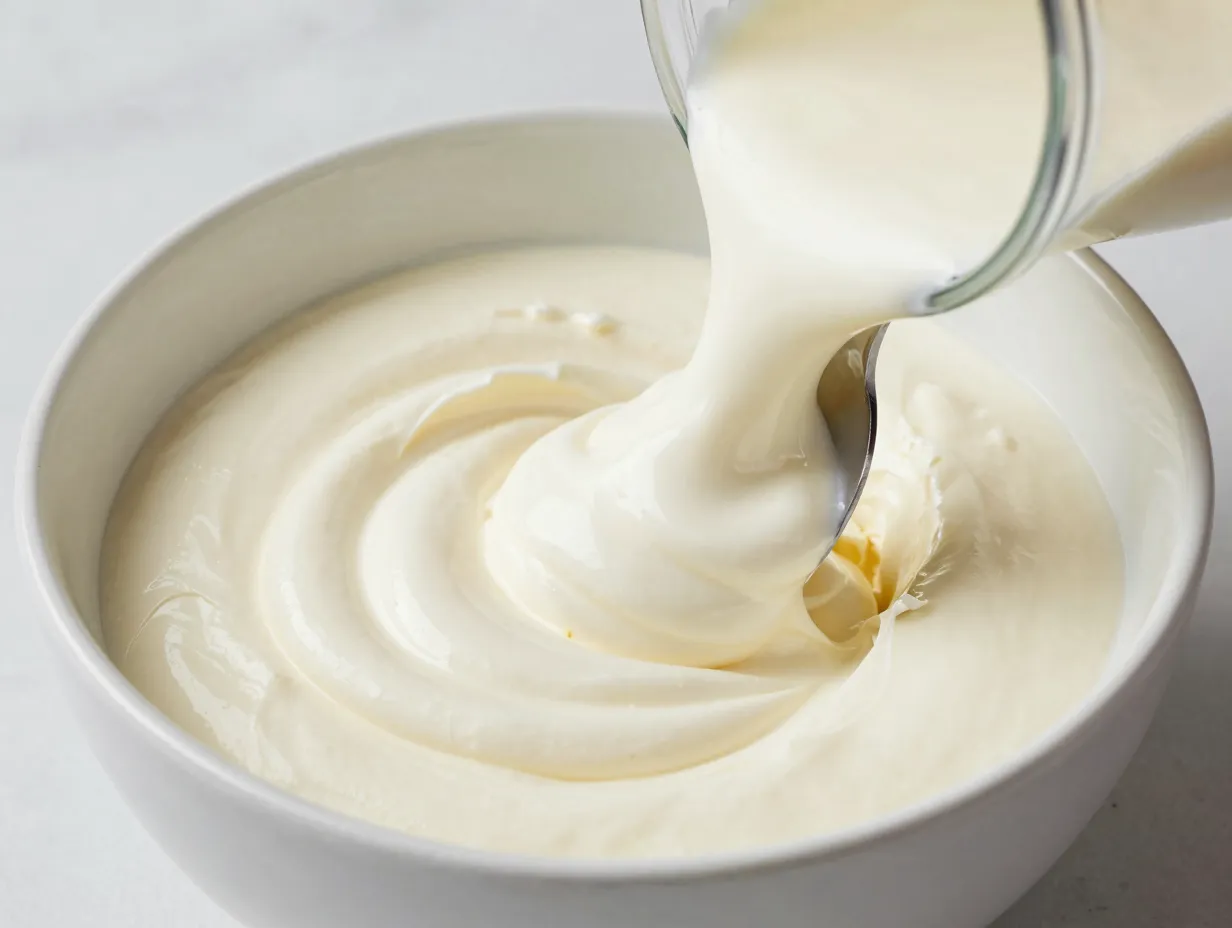
This is the secret that surprises people most when they taste the result. Adding half a cup of full-fat sour cream or plain Greek yogurt to the batter does three things at once [2]:
- It adds significant moisture without thinning the batter.
- The slight acidity reacts with the leavening agents, producing a finer, more even crumb.
- It introduces a subtle tang that makes the cake taste complex and less one-dimensionally sweet.
Professional bakers use this technique in pound cakes and layer cakes alike. The fat content in full-fat sour cream is important, low-fat versions add moisture but sacrifice the richness that makes this trick work.
How to incorporate it: Fold the sour cream or yogurt in after combining the wet and dry ingredients. Do not overmix once it is added.
5. Incorporate Instant Pudding Mix
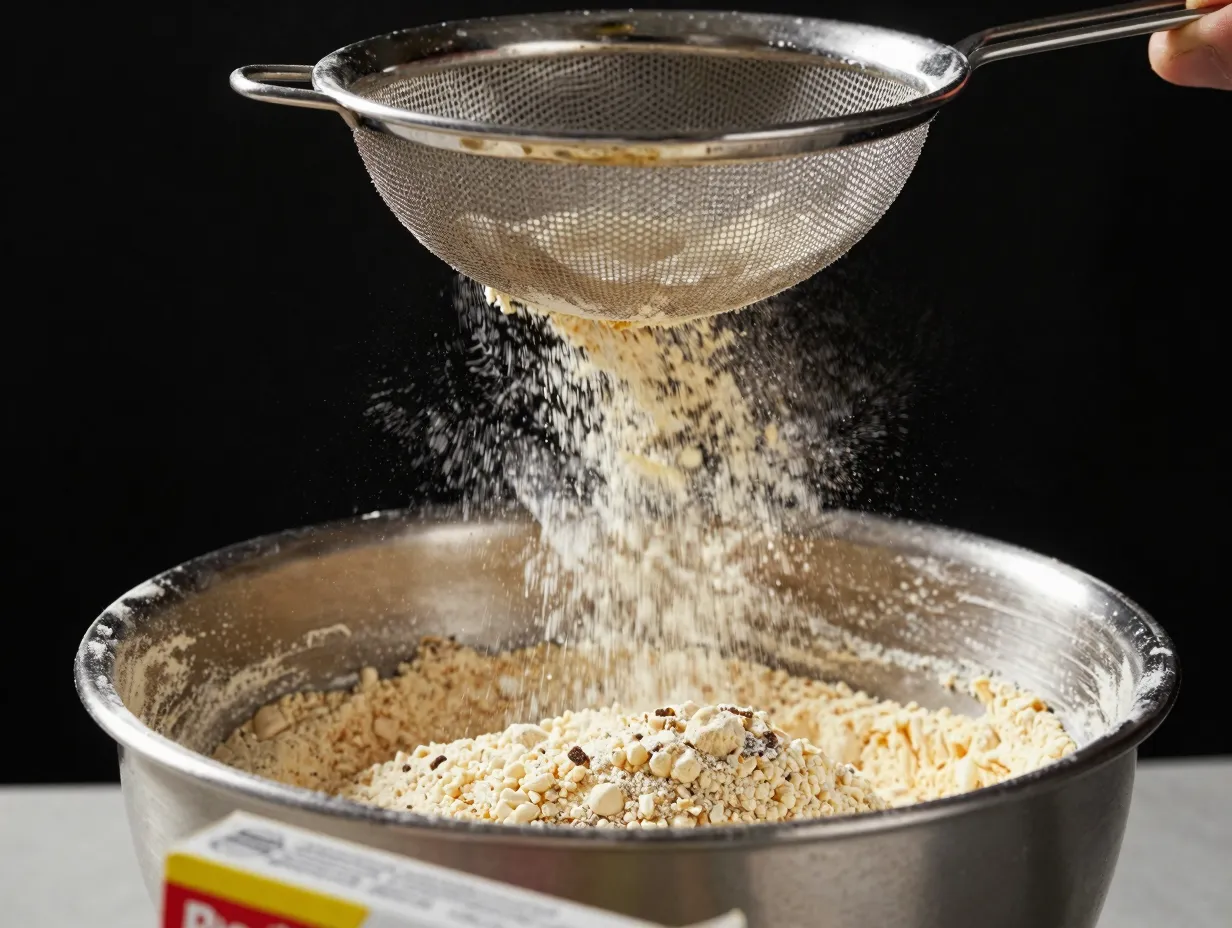
This technique has been circulating in home baking communities for decades, and it earns its reputation. Adding one small box (about 3.4 ounces) of instant pudding mix, in a flavor that complements your cake, to the dry ingredients before mixing transforms the texture and depth of flavor [2].
The modified starch in instant pudding absorbs moisture and holds it, keeping the cake tender for longer. The flavoring compounds in the pudding mix deepen the overall flavor profile. A vanilla cake mix with vanilla pudding tastes more intensely vanilla. A chocolate cake mix with chocolate pudding tastes richer and more complex.
Flavor pairing ideas:
| Cake Mix Flavor | Pudding Mix Pairing |
|---|---|
| Vanilla | Vanilla or cheesecake |
| Chocolate | Chocolate fudge or dark chocolate |
| Lemon | Lemon or vanilla |
| Strawberry | Strawberry or vanilla |
| Spice | Butterscotch or vanilla |
Do not add extra liquid to compensate. The pudding mix absorbs moisture from the batter itself, and the balance is already accounted for by the other substitutions.
6. Use Room-Temperature Ingredients
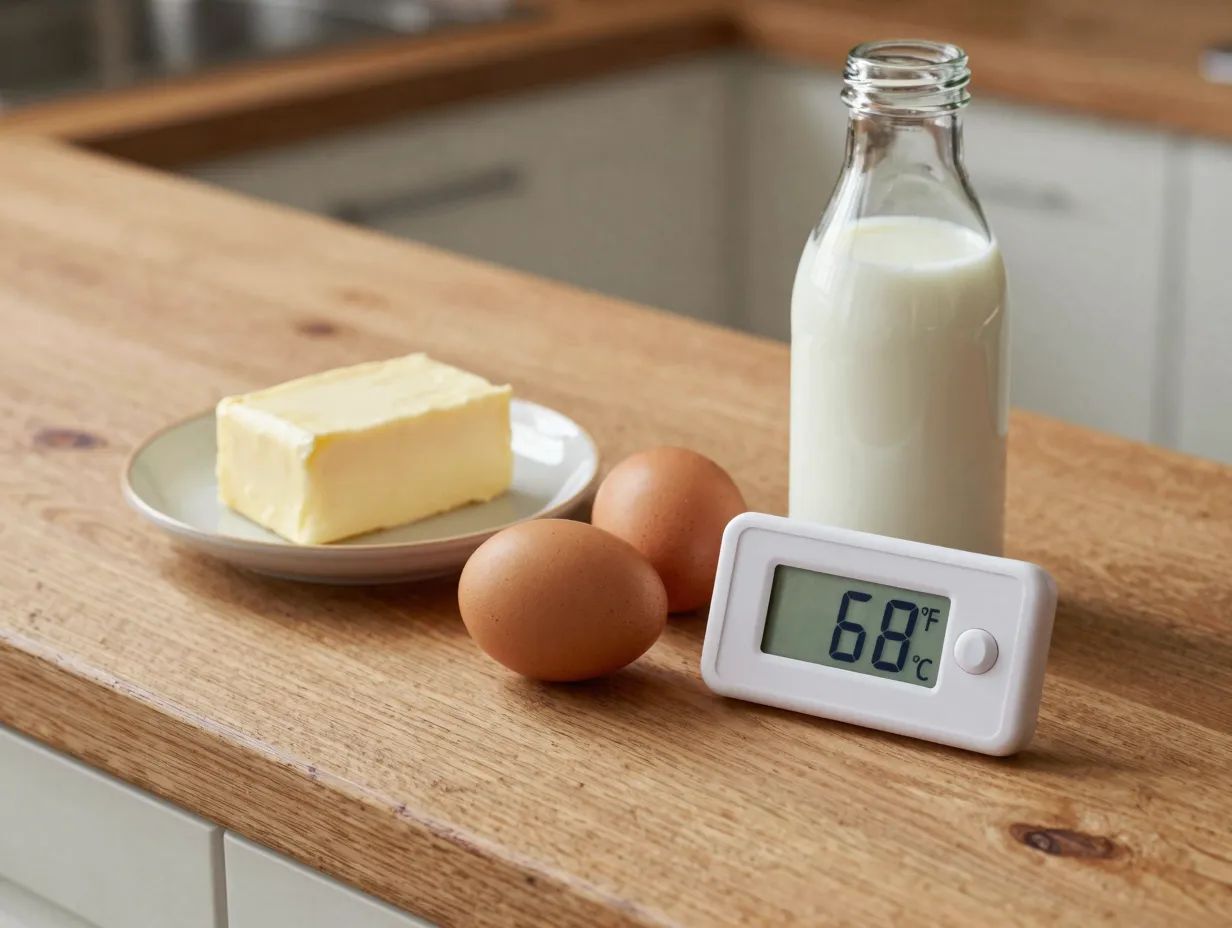
This secret is the one most home bakers skip because it requires planning ahead rather than technical skill. It is also one of the most impactful [2].
When cold eggs hit room-temperature batter, they cause the fat to seize slightly, creating an uneven emulsion. Cold butter can leave small pockets of unmixed fat. Cold milk can prevent the leavening agents from activating evenly. The result is a batter that looks fine but bakes unevenly, dense in some spots, airy in others.
Room-temperature ingredients blend together seamlessly. The fat emulsifies properly, the proteins distribute evenly, and the leavening agents activate at the right moment. The result is a smooth, homogeneous batter that bakes into an even, professional-looking crumb.
Quick room-temperature method: Place cold eggs in a bowl of warm (not hot) water for 10 minutes. Let butter sit on the counter for 20 to 30 minutes before melting.
7. Sift the Dry Mix
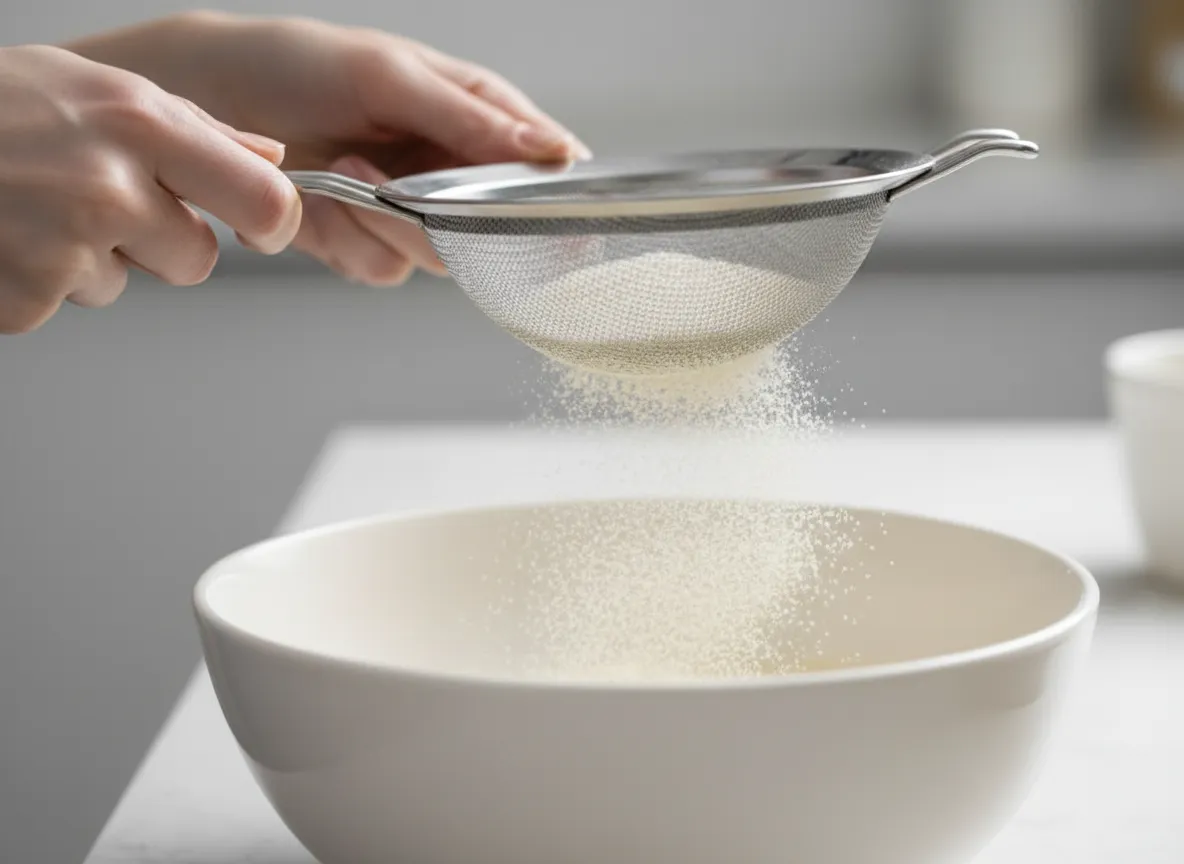
Opening a box of cake mix and pouring it directly into a bowl is fast. It is also a missed opportunity. Cake mix powder can compact during shipping and storage, and those small clumps do not always dissolve fully during mixing [3].
Sifting the dry mix through a fine-mesh sieve before adding wet ingredients aerates the flour and breaks up any compacted particles. The result is a lighter, fluffier batter that bakes into a more delicate crumb. This is a standard step in professional pastry kitchens, the kind of detail that separates technically trained bakers from casual home cooks.
Bonus benefit: Sifting also gives you a chance to add the instant pudding mix (Secret 5) and any spices or extracts to the dry ingredients, ensuring even distribution before the wet ingredients go in.
8. Bake at a Lower Temperature
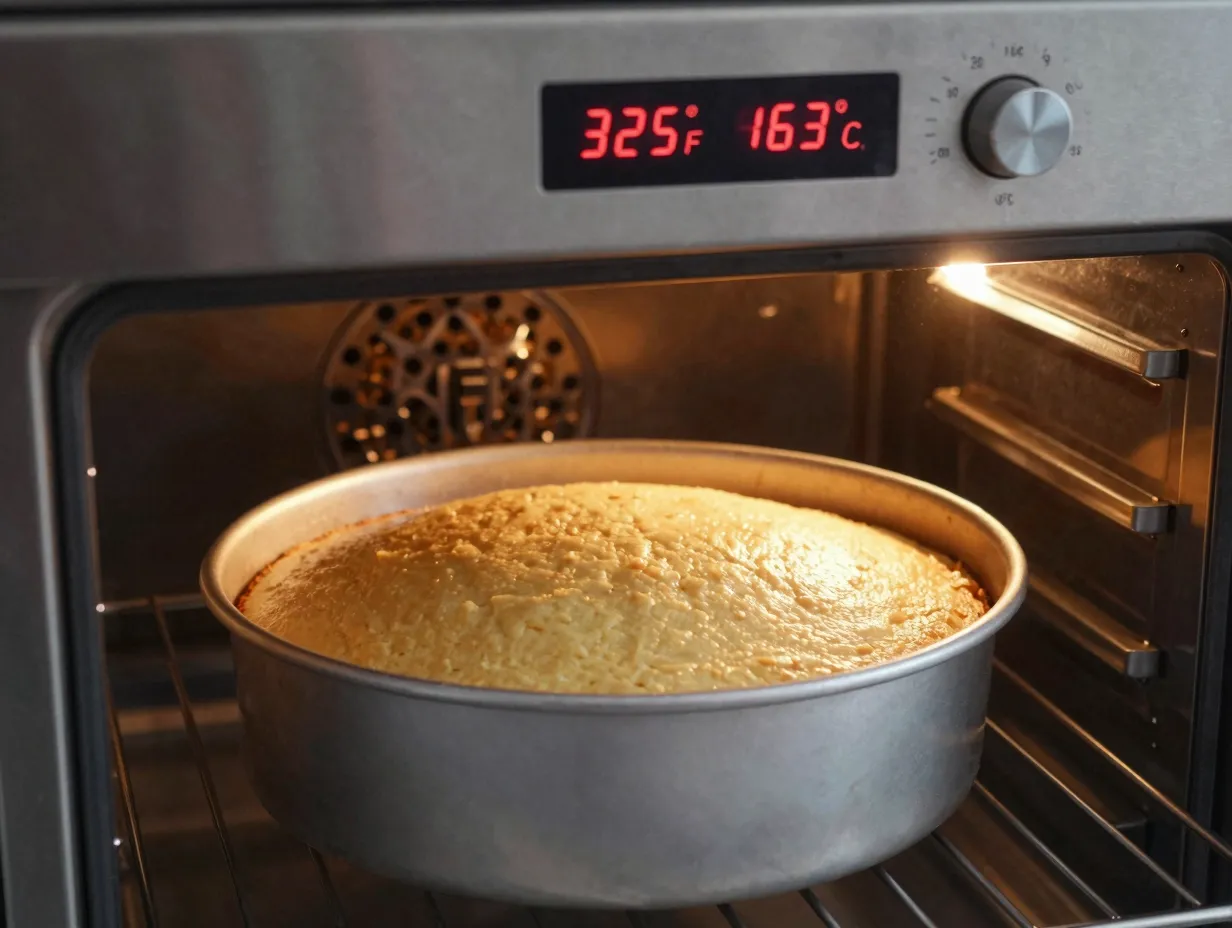
The temperature printed on the back of a cake mix box is designed for a standard oven baking a standard 9×13 pan. Most home bakers are not using standard ovens with perfectly calibrated temperatures, and many are baking layer cakes in round pans rather than sheet pans.
Reducing the oven temperature by 25 degrees Fahrenheit below the box recommendation, and extending the baking time by 5 to 10 minutes, produces a noticeably better result [3]. The lower heat allows the center of the cake to set before the edges overbake. The rise is more even, the dome is less pronounced, and the crumb is more tender throughout.
Simple syrup brush: Once your layers come out of the oven and cool completely, brush them lightly with simple syrup (equal parts sugar and water, heated until the sugar dissolves) [2]. This step seals in moisture and adds a subtle sweetness that keeps the cake tasting fresh for days. Pastry chefs call this “soaking” the layers, and it is standard practice in professional bakeries.
9. Use Coffee for Chocolate Cakes and Homemade Frosting for Everything
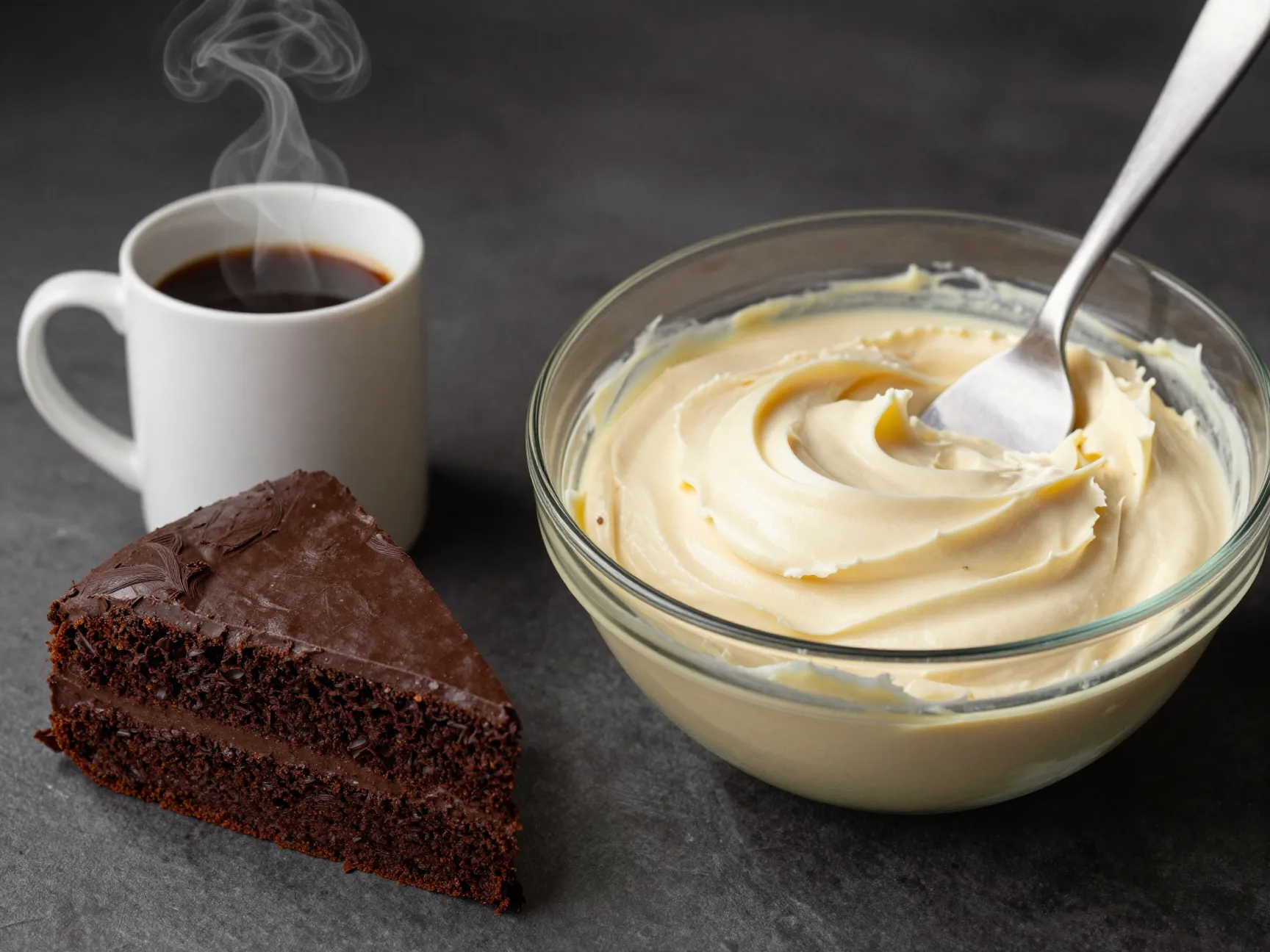
The final secret is actually two techniques that work together as a finishing system.
Coffee for chocolate cakes: When making any chocolate cake mix, replace the water with an equal volume of brewed coffee, regular or decaf [1]. Coffee does not make the cake taste like coffee. Instead, it amplifies and deepens the chocolate flavor in a way that water never can. The bitter, roasted compounds in coffee interact with the cocoa to produce a richer, more complex chocolate flavor. This is the technique behind many beloved restaurant chocolate cakes.
Homemade frosting: No matter how many of the previous eight secrets you apply, covering a beautiful cake with canned frosting undermines the effort. Store-bought frosting is sweet, waxy, and one-dimensional. Homemade buttercream, even a simple one made from butter, powdered sugar, a splash of cream, and a pinch of salt, is a completely different product [4].
A basic American buttercream recipe:
- 1 cup (2 sticks) unsalted butter, room temperature
- 3 to 4 cups powdered sugar, sifted
- 3 to 4 tablespoons heavy cream
- 1 teaspoon vanilla extract
- Pinch of salt
Beat the butter until pale and fluffy, then add the remaining ingredients and beat for 3 to 5 minutes until light and smooth. This frosting pipes cleanly, spreads beautifully, and tastes like something from a real bakery, because it is.
Putting All 9 Secrets Together: A Quick Reference
Applying all nine secrets at once might feel overwhelming the first time. This table summarizes each change and the result it produces.
| # | Secret | What It Does |
|---|---|---|
| 1 | Replace water with whole milk | Adds richness and a denser, more tender texture |
| 2 | Use melted butter instead of oil | Delivers richer, more complex flavor |
| 3 | Add an extra egg | Improves structure, moisture, and crumb density |
| 4 | Add sour cream or Greek yogurt | Increases moisture and adds flavor complexity |
| 5 | Add instant pudding mix | Deepens flavor and extends moisture retention |
| 6 | Use room-temperature ingredients | Ensures even mixing and a smooth, uniform crumb |
| 7 | Sift the dry mix | Aerates the flour for a lighter, fluffier result |
| 8 | Bake at a lower temperature + simple syrup | Even rise, tender crumb, and lasting moisture |
| 9 | Coffee (chocolate cakes) + homemade frosting | Intensifies flavor and elevates the finished cake |
Common Mistakes to Avoid
Even with all nine secrets in hand, a few common errors can undermine your results. Watch out for these:
Overmixing the batter. Once the wet and dry ingredients are combined, mix only until no dry streaks remain. Overmixing develops gluten, which makes the cake tough and chewy rather than tender.
Opening the oven door too early. The first two-thirds of the baking time are critical. Opening the door causes temperature drops that can make the cake sink in the center. Wait until the minimum baking time has passed before checking.
Frosting a warm cake. Homemade buttercream will melt and slide off a cake that has not fully cooled. Allow layers to cool completely on a wire rack, at least one hour, before frosting.
Skipping the simple syrup. This step feels optional but it is not. Especially when using butter instead of oil, the simple syrup brush is what keeps the cake tasting moist on day two and three.
Frequently Asked Questions
Can I use these secrets with any brand of cake mix?
Yes. These techniques work with any standard boxed cake mix, Betty Crocker, Duncan Hines, Pillsbury, or store brands. The underlying chemistry is the same regardless of brand.
Will adding sour cream and pudding mix make the batter too thick?
The batter will be noticeably thicker than a standard box-mix batter. That is normal and expected. Spread it evenly in the pan and trust the process. The extra density bakes into a moist, tender crumb.
Does the coffee flavor come through in the finished chocolate cake?
No. Brewed coffee amplifies the chocolate flavor without adding a detectable coffee taste to the finished cake. Use decaf if you are concerned about caffeine, particularly when baking for children.
How far in advance can I make the simple syrup?
Simple syrup keeps in the refrigerator in a sealed container for up to two weeks. Making a batch ahead of time is a practical time-saver.
Conclusion
The 9 bakery cake from cake mix boxes secrets that make homemade taste professional are not tricks or shortcuts in the negative sense. They are informed decisions, small, deliberate changes to ingredients, technique, and process that compound into a result far greater than the sum of their parts.
Start with one or two secrets if the full list feels like too much at once. Replace the water with whole milk and the oil with melted butter on your next bake. Notice the difference. Then add the extra egg and the sour cream on the bake after that. By the time you have worked through all nine, you will have a reliable, repeatable process that produces bakery-quality cakes from a $2 box, and the confidence to own every compliment that follows.
The box is not the limitation. Your technique is the variable. Change the technique, and you change the cake.
References
[1] Cake Mix Secret Ingredients – https://www.purewow.com/food/cake-mix-secret-ingredients?utm_source=openai
[2] Bakery Cake From Cake Mix Boxes – https://recipestheir.com/bakery-cake-from-cake-mix-boxes/?utm_source=openai
[3] Ways Boxed Cake Bakery Worthy – https://www.tastingtable.com/2125111/ways-boxed-cake-bakery-worthy/?utm_source=openai
[4] How To Make Boxed Cake Mix Taste Homemade – https://www.thehoneyblonde.com/cake/2018/06/how-to-make-boxed-cake-mix-taste-homemade?utm_source=openai